2027 First Accounting Roles for Detail-Oriented Career Changers

Co-Founder and Chief Data Scientist
Landing a first role in accounting often hinges on demonstrating precision and familiarity with core financial processes, yet career changers face the dual challenge of limited direct experience and navigating increasingly flexible education options. In practice, employers now scrutinize not just credentials but proven competency, complicating decisions around accelerating entry through nontraditional routes.
The National Student Clearinghouse Research Center notes that adult online enrollment rose by nearly 8% in 2023, illustrating how more learners opt for versatile study formats that must still align with employer expectations. This article assesses practical pathways and program choices to help detail-oriented career changers secure their initial accounting positions efficiently and realistically.
Key Things You Should Know
- Entry-level accounting roles increasingly demand proficiency in data analytics alongside traditional tasks, with 56% of employers prioritizing dual-skilled candidates per 2024 Deloitte research, intensifying learning curve tradeoffs for career changers.
- Small and midsize firms hire 40% more bachelor's degree holders than certificate holders in accounting, indicating credential type critically shapes employability and advancement potential within 12 months after program completion.
- Federal Labor Statistics show median entry pay for accounting clerks rose only 3% in 2023 despite inflation, pressuring candidates to balance shorter certificate programs against prolonged wage stagnation and slower return on investment.
What are the best first accounting roles for detail-oriented career changers?
Positions suited for detail-oriented career changers in accounting demand a balance of precision, analytical rigor, and foundational knowledge, combined with structured learning pathways. Entry-level accounting roles for detail oriented professionals-such as staff accountant, accounts payable/receivable clerk, and junior auditor-offer direct engagement with transactional accounting and compliance, fostering skills like data reconciliation, invoice auditing, and ledger accuracy that employers prioritize.
Staff accountants manage month-end closes and financial reporting, requiring consistent data accuracy. Meanwhile, accounts payable/receivable roles emphasize meticulous invoice and payment verification, critical for maintaining cash flow integrity. Junior auditors in public accounting confront detailed testing of records and internal controls, necessitating an exacting mindset and strong organizational ability.
The U.S. Bureau of Labor Statistics projects a 5% growth rate with median wages of $81,680, reflecting sustained demand for precise financial analysis. However, candidates face trade-offs such as certification prerequisites-like CPA credentials-and industry-specific knowledge, influencing onboarding and salary trajectories. For instance, transitioning from retail to an accounts payable role in manufacturing demands mastering ERP software and supply chain invoicing nuances but generally offers faster employment entry than audit roles requiring CPA certification.
Preparation through targeted financial software courses, including QuickBooks and Excel, alongside fundamental accounting principles accelerates readiness. Additionally, aspiring professionals might explore certifications parallel to accounting career pivots, such as becoming a certified professional coder, which shares the demand for precision and procedural knowledge.
What skills and personality traits make accounting a good fit for detail-oriented adults?
Precision and analytical rigor define the skills employers seek in adult entrants pursuing accounting careers. Accounting demands not only detail-oriented skills for accounting careers but also resilience against costly errors, such as those encountered in healthcare finance where a minor miscalculation of patient billing or insurance claims can delay reimbursements or cause legal complications. This specificity contrasts with careers requiring broader conceptual creativity, emphasizing instead consistency and regulatory adherence.
Key personality traits suited for accounting professionals include strong organizational skills and patience. Managing account reconciliations, audits, and tax documentation requires discipline and comfort within structured processes. Adult learners are often drawn to accounting because measurable compliance metrics and audit results provide clear evidence of performance and skill development amid these procedural demands.
Communication abilities remain important though secondary, as accountants must translate complex financial information into actionable terms for non-expert stakeholders. The 2% unemployment rate among accounting professionals underscores a labor market prioritizing accuracy and regulatory savvy beyond average standards, offering strong but performance-sensitive job security.
Prospective career changers should anticipate ongoing education to keep pace with evolving tax laws and automation tools that increase operational complexity. Those evaluating further education might consider the benefits of a cheapest online MBA healthcare program as a cost-effective complement to accounting expertise in health finance environments.
What education or training do career changers need for entry-level accounting jobs?
A functional combination of targeted training and foundational education shapes the pathway for career changers aiming for entry-level accounting roles. In practice, most employers require at least an associate degree in accounting or a related area, though a bachelor's degree substantially enhances employability against competitive labor market pressures. According to the 2026 Robert Half Finance & Accounting Outlook, staff and senior accountant positions exhibit steady demand and above-average growth, a reflection of selective yet accessible hiring trends.
Substantive accounting coursework-particularly in financial accounting, managerial accounting, and basic taxation-forms the core knowledge base. Mastery of standard accounting software like QuickBooks, Sage, or Microsoft Excel is often non-negotiable. For individuals transitioning from unrelated fields, fast, practical skill acquisition is typically found in certificate programs lasting 6 to 12 months. However, certifications such as CPA or CMA demand extra education and experience hours and hold less weight for initial employment. This emphasis on practical capabilities aligns with employer priorities on skills in transaction processing, reconciliations, and data accuracy over theoretical depth for junior-level tasks.
Career changers benefit from conducting a gap analysis to evaluate their existing competencies against job descriptions, enabling a more efficient focus on skill blocks rather than enrolling in extended degree programs. Employers also highly regard ongoing learning commitments in response to evolving regulations and software updates. Opportunities like internships or simulated accounting workflows can bridge the gap between education and real-world application, enhancing readiness.
Working professionals might explore the fastest business degree online options to reduce time-to-qualification while maintaining educational rigor. In sum, entry-level accounting training programs that balance practical skill development with targeted education meet employer expectations better and provide a realistic foundation for long-term career pivots into accounting.
Which beginner accounting roles are most accessible without a full accounting degree?
Entry level accounting roles for career changers, such as accounts payable and accounts receivable specialists, offer accessible pathways without requiring a full accounting degree. These roles prioritize transactional accuracy, payment processing, and invoice management, skills attainable through targeted certificate programs or short-term vocational courses. A career changer working as an accounts payable specialist in manufacturing, for instance, will focus on verifying supplier invoices rather than engaging in broad financial reporting, reflecting a narrower but essential scope.
Employers emphasize proficiency in financial software-QuickBooks and SAP are common-and solid communication abilities to coordinate vendors with internal departments. Candidate selection favors accuracy and deadline management over formal degree credentials, enabling quicker entry into beginner accounting jobs without a degree. However, this route can limit advancement without further education or certifications like the Certified Accounts Payable Professional (CAPP).
Tradeoffs include balancing accelerated employability with long-term career opportunities. Targeted certifications typically take under a year, reducing upfront time and cost, but ongoing skill development remains crucial. Candidates must navigate fast-paced environments demanding precision, especially in high-volume sectors like retail or healthcare. For individuals considering an expedited educational investment, exploring the shortest MBA program options may provide strategic leverage for upward mobility beyond initial specialist roles.
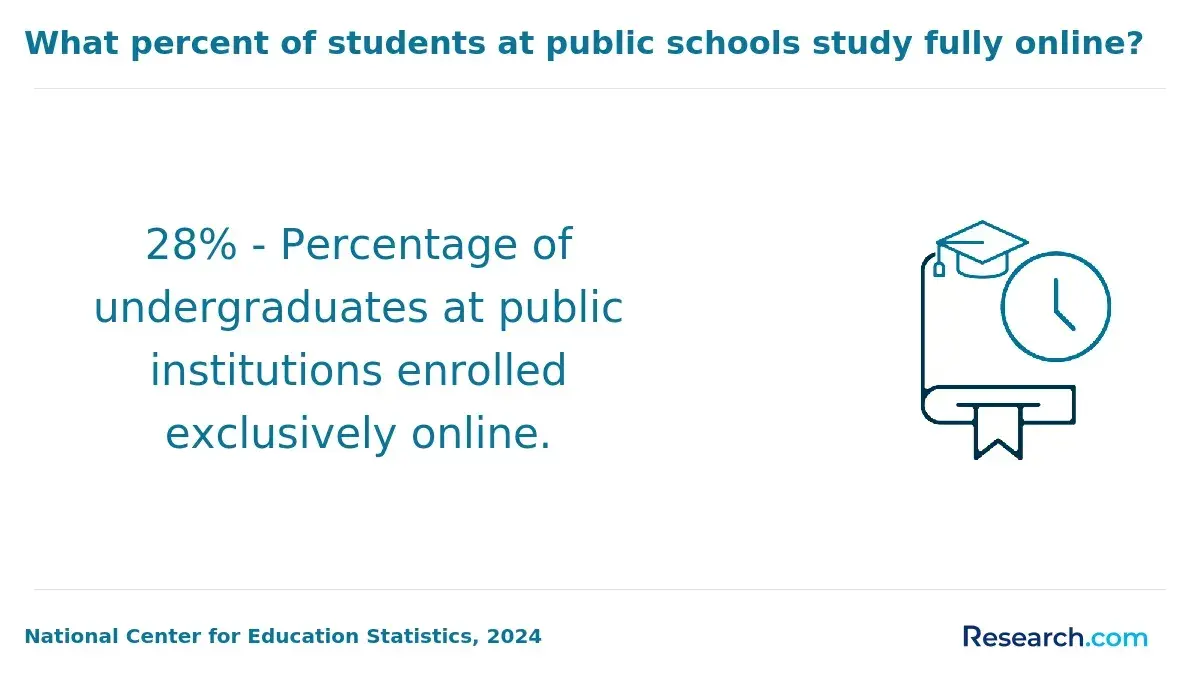
How do online accounting certificates and degrees compare with campus programs for newcomers?
Choosing between online and campus accounting credentials involves tradeoffs that affect long-term employability and skill proficiency. Campus programs provide hands-on exposure to payroll software, complex reconciliations, and regulatory scenarios critical for corporate or government positions. They also offer direct access to faculty, accounting labs, and employer pipelines-resources that facilitate mastery of applied skills and internship opportunities.
Conversely, online programs suit individuals balancing work or family by delivering flexible, modular lessons and digital simulations, but often lack immersive, experiential training. Graduates pursuing bookkeeping or payroll roles must actively seek internships or practical experience to compensate for gaps in real-world application. According to 2026 Robert Half data, payroll specialist roles remain in high demand, underscoring the need for precise compliance and performance under pressure-skills better cultivated through campus-based scenario training.
When pivoting into sectors like government accounting, prioritizing programs with employer-connected internships is vital to understand public agency nuances beyond theoretical knowledge. Campus environments often yield graduates better prepared for these outcomes, while online candidates need strategic plans to gain comparable applied experience.
What accreditation and program quality standards matter for first-time accounting students?
Accreditation specifically from bodies like the Accreditation Council for Business Schools and Programs (ACBSP) or the Association to Advance Collegiate Schools of Business (AACSB) directly shapes employability and curriculum relevance in accounting. Regional accreditation alone typically lacks sufficient assurance of industry-aligned content, particularly given the prevalence of software tools such as QuickBooks and Sage in bookkeeping and small-business finance roles. Employers consistently prioritize candidates who demonstrate proficiency with these applications along with foundational accounting principles.
Consider a bookkeeping graduate entering retail versus one in manufacturing: each faces distinct regulatory and financial reporting requirements. Programs that overlook these nuances or fall short in offering updated, technology-focused training often require additional certifications post-graduation, delaying workforce entry and limiting initial job prospects.
Class size and instructor experience are often underrated but crucial factors, as smaller classes led by faculty with real-world accounting backgrounds enhance skills acquisition and professional networking-elements tied to better employment outcomes. Transparency in graduation rates and certification exam success also provides essential insight into a program's real-world effectiveness beyond marketing claims.
The labor market outlook from 2025-2026 points to sustained demand for bookkeeping roles. Programs that synthesize rigorous accreditation standards with applied skills training best position students to meet this demand. Without such practical focus, graduates risk facing skill gaps and increased barriers in a market increasingly valuing precise, software-savvy accounting talent.
What core accounting courses should career changers expect in starter programs?
Starter accounting programs for career changers focus heavily on foundational courses that align tightly with employer expectations and practical workforce demands. Mastery of Financial Accounting and Managerial Accounting is non-negotiable, as these courses underpin core competencies required for roles such as financial analysts, where job growth is projected near 9% through 2033 with median salaries around $97,200. Progression typically involves Intermediate Accounting to deepen understanding of asset and liability management, essential for operational accuracy and compliance across industries.
Coursework in auditing and taxation intersects with regulatory frameworks, a practical necessity given increased scrutiny in sectors like healthcare and manufacturing. Students gain familiarity with risk assessment and compliance rules, skills directly transferrable to both advisory and internal audit functions.
The integration of Accounting Information Systems reflects an essential adaptation to automation and software proficiency requirements, addressing hiring managers' preference for tech-savvy candidates who can streamline bookkeeping and financial reporting. Ethical considerations and business law provide critical context for navigating legal responsibilities and professional dilemmas.
Time management and curriculum sequencing present real challenges: foundational courses demand significant upfront effort, with software skills such as Excel and QuickBooks needing simultaneous development to improve immediate employability. Students should anticipate a steep learning curve but recognize these courses as a necessary investment for entry-level roles and a gateway to credentials like the CPA.
What are typical salaries and promotion paths for common entry-level accounting positions?
Starting salaries for entry-level accounting roles vary notably by sector and employer size, with corporate staff accountants typically earning around $50,000 and public accounting junior auditors or tax associates closer to $55,000 due to client billing demands and overtime. Those targeting specialization areas such as compliance, tax, or management accounting can expect incremental salary advantages as these functions become more central to regulatory and strategic operations.
Advancement from entry-level to mid-tier roles like senior accountant or audit senior generally occurs within 2 to 4 years but depends heavily on demonstrated competencies in financial reporting, tax regulations, and accounting software systems such as QuickBooks or SAP. For instance, mastering cost accounting in a manufacturing context can lead to a specialized cost accountant position with a $10,000-$15,000 salary increase. Moving into management positions, including accounting manager or controller, often requires 5 to 7 years of experience coupled with leadership capabilities and strategic financial insight.
Workforce projections estimate an 8% growth in selected accounting fields over the coming decade, amounting to about 4 million U.S. job opportunities. Demand is particularly strong in roles requiring advanced regulatory knowledge and professional credentials like CPA, which are increasingly decisive for compensation and promotion potential. Candidates neglecting these areas risk slower progression and diminished market relevance.
How strong is the job market and long-term outlook for early-career accounting roles?
The sustained hiring trends within public accounting firms reveal a labor market that, while active, demands strategic preparation from career entrants. Nearly 75% of firms that recruited in 2024 plan to maintain or grow their teams in 2025, indicating steady demand especially during tax season and fiscal year-ends. However, this demand fluctuates seasonally, requiring candidates to manage periods of intense workload and slower activity.
Early-career accountants face particular challenges in firms servicing sectors like manufacturing or healthcare, where evolving regulatory frameworks necessitate continual adaptation. Success in such roles depends heavily on disciplined time management and resilience under pressure, traits more valued than generic technical skills alone.
Certification pathways such as CPA candidacy are often prerequisites, reflecting employers' preference for formally accredited candidates in competitive entry-level positions. Wages typically align with national averages for accounting assistants, underscoring the importance of weighing credential costs against long-term earning potential and advancement opportunities.
When assessing employer type-from public accounting firms to corporate finance and non-profit sectors-prospective professionals must consider how each environment shapes role expectations, compliance demands, and career trajectories. Practical decision-making about education and certification should account for these variations alongside broader economic influences like tax law revisions and audit requirements.
How can career changers choose a reputable accounting program aligned with their goals?
Selecting an accounting program without scrutinizing accreditation, curriculum focus, and local market relevance risks wasted time and diminished employer traction. Regional accreditation combined with recognition from AACSB or ACBSP remains the primary indicator of program quality and recruiter respect.
Programs emphasizing hands-on skills-financial reporting, auditing, tax preparation-directly funnel career changers into entry-level accounting roles. Conversely, programs prioritizing advanced theory or research align better with CPA certification ambitions or niche corporate roles, but these come with longer timelines and more selective prospects.
Evaluating graduate CPA pass rates alongside placement data is critical, particularly for those targeting public accounting hubs where firm networks dominate hiring. For example, aspiring accountants aiming for manufacturing sectors should prioritize programs with internship placements tailored to those industries instead of generic accounting tracks.
Consider tradeoffs in cost, format, and ROI: flexible options like part-time or hybrid programs may reduce immediate income loss but could extend time to credential completion. With 27,000+ full-time accountant postings reported on Handshake in 2023 and rising median salaries, aligning program choice with regional demand enhances career leverage. Faculty expertise, current curriculum reflecting evolving standards, and robust career services buffer against credential stagnation and prolonged job searches. Ignoring these factors can result in extended underemployment despite degree completion.
Other Things You Should Know About Accounting
Most entry-level accounting positions accept candidates without prior accounting-specific industry experience, but some relevant background in finance, administration, or data management can accelerate the hiring process. Employers often prioritize demonstrated accuracy, analytical ability, and familiarity with basic accounting software over direct industry tenure. For career changers, focusing on programs that incorporate practical simulations and software training will better offset a lack of previous accounting roles, positioning you competitively.
Obtaining certifications like the CPA early can significantly boost employability and salary potential, but the preparation requires intensive study alongside balancing potential full-time work, which may not be feasible for all career changers. Alternatively, gaining work experience first can provide context and practical insights that improve exam success rates but may delay credential benefits. Prioritize your current capacity and long-term goals: if you can commit to study upfront, certification accelerates advancement; if not, focus on entry-level roles that offer on-the-job learning before pursuing credentials.
Networking remains a decisive factor for career progression within accounting, especially for career changers lacking established industry connections. Professional affiliations provide access to job leads, mentorship, and continuing education opportunities that are often prerequisites for higher-level roles. Prioritize involvement in local or virtual accounting groups early to build relationships that employers value beyond technical skills, accelerating transitions into supervisory or specialized positions.
References
- Online Accounting Courses | University of Phoenix https://www.phoenix.edu/online-courses/accounting.html
- Accreditation process | CPA Australia https://www.cpaaustralia.com.au/get-involved/academic-institution-support/professional-accreditation-guidelines/section-4-accreditation-process
- 4 Traits of Successful Accounting Professionals - Colorado State University Global https://csuglobal.edu/blog/4-traits-successful-accounting-professionals
- How to find the right accountancy entry level job - cronecorkill.co.uk https://www.cronecorkill.co.uk/article/how-to-find-the-right-accountancy-entry-level-job/
- How to Choose a Degree in Accounting | Accounting.com https://www.accounting.com/resources/choosing-a-program/
- The Importance of Accreditation on Your Way to CPA : ThisWayToCPA : AICPA https://www.thiswaytocpa.com/education/articles/choosing-well/importance-accreditation-your-way-cpa-hood/
- CourseCareers https://coursecareers.com/blog-posts/how-to-choose-the-best-accounting-course
- 10 qualities of a good accountant https://www.hotcoursesabroad.com/study-abroad-info/subject-guides/five-traits-youll-need-to-be-an-accountant/
- Is Accounting Still In High Demand | Seattle Financial https://seattlefinancial.com/is-accounting-still-in-high-demand/
- How to Choose the Right Career in Finance & Accounting with Board360 https://board360.ai/blog/how-to-choose-the-right-career-in-finance-and-accounting-with-board360