2027 Accounting Job Market Outlook Through 2030

Co-Founder and Chief Data Scientist
Facing a tight labor market with evolving credential expectations, aspiring accountants confront the challenge of selecting programs that not only fit their schedules but also align with employer demand through 2030. Recent government data highlights that over 40% of accounting students are now adults seeking flexible, primarily online education formats to balance work and family commitments. This shift signals a departure from traditional campus trajectories, reshaping how and when credentials convert to relevant career advancement. Navigating this complexity requires insight into program accessibility, timing, and the varied employer acceptance of different educational models.
This article analyzes labor projections, education trends, and hiring patterns to clarify how candidates can optimize their pathways in Accounting's changing job market.
Key Things You Should Know
- Bureau of Labor Statistics projects 6% growth in accounting jobs through 2030, but rising automation necessitates advanced data analytics skills, shifting hiring toward hybrid accountants with IT fluency over traditional bookkeeping roles.
- Employers increasingly demand CPA licensure combined with 2+ years of advisory experience, raising barriers for entry-level candidates and making internships or specialized tracks crucial for meaningful employment access.
- Cost and duration of CPA certification-typically $3,000+ and 18-24 months-pose significant timing tradeoffs for career changers balancing lost income versus accelerated advancement in public or corporate accounting sectors.
What does the accounting job market look like through 2030 in the United States?
The United States accounting employment forecast through 2030 indicates a moderate 5% growth in job opportunities, driven by business expansions and a wave of retirements. This growth translates to about 124,200 annual openings, combining replacement hires and new roles. Employers increasingly seek candidates adept in technology, emphasizing skills in data analytics, compliance, and advisory functions as routine bookkeeping becomes automated.
Accounting job market trends in the United States reveal a widening skills gap where proficiency in regulatory environments and data security is paramount, especially in sectors like healthcare and financial services. Entry-level positions focused on transactional tasks face pressure from AI-driven tools, while roles involving judgment and strategic advice remain resilient.
Educational choices carry significant tradeoffs. Pursuing certifications such as CPA or advanced degrees better prepares professionals for complex roles but demands notable time and financial investment. Conversely, entering the workforce sooner with an associate degree paired with strong software competencies may suit those prioritizing immediate employment. Mid-career pivots may benefit from hybrid competencies combining accounting with IT or business intelligence to meet evolving employer demand.
Continuous upskilling is essential in a compliance-heavy landscape. Students exploring cost-effective options can consider the cheapest accredited online accounting degree programs as a practical starting point aligned with industry requirements.
Which accounting roles are projected to be in highest demand by 2030?
The accounting roles with highest demand in the US by 2030 emphasize strategic advisory, data analytics, and regulatory compliance over traditional bookkeeping. Automation and AI tools are eroding demand for bookkeeping and payroll clerks, with projections indicating a nearly 20% decline and approximately 1 million jobs lost globally. This shift means professionals must move beyond transactional tasks to roles involving substantial analytical judgment and technology integration.
Employers increasingly seek candidates who can interpret complex datasets, manage ERP systems, optimize tax strategies, and enforce regulatory governance. For instance, a mid-sized manufacturing firm prioritizes hiring management accountants and compliance specialists adept in advanced accounting software and critical thinking over basic ledger maintenance. Hiring managers value skills such as forensic accounting and financial analysis that align with emerging business needs.
Top accounting jobs projected to grow by 2030 often require deliberate upskilling or formal education focused on analytics, technology fluency like AI-assisted tools, and regulatory knowledge. Transitioning from clerical positions directly to advisory roles demands targeted certifications or degrees. Education pathways that emphasize these competencies can mitigate automation risks and better position professionals in the evolving labor market.
Continuous learning is essential, with skills in financial modeling, cybersecurity within finance, and audit automation platforms becoming standard expectations. Individuals who cultivate adaptability and technical proficiency improve their prospects in strategic, advisory-oriented accounting roles.
Prospective candidates seeking a strategic pivot may also consider programs such as an MBA in healthcare management to complement accounting expertise with sector-specific business acumen.
How much do accountants and related professionals typically earn at different career stages?
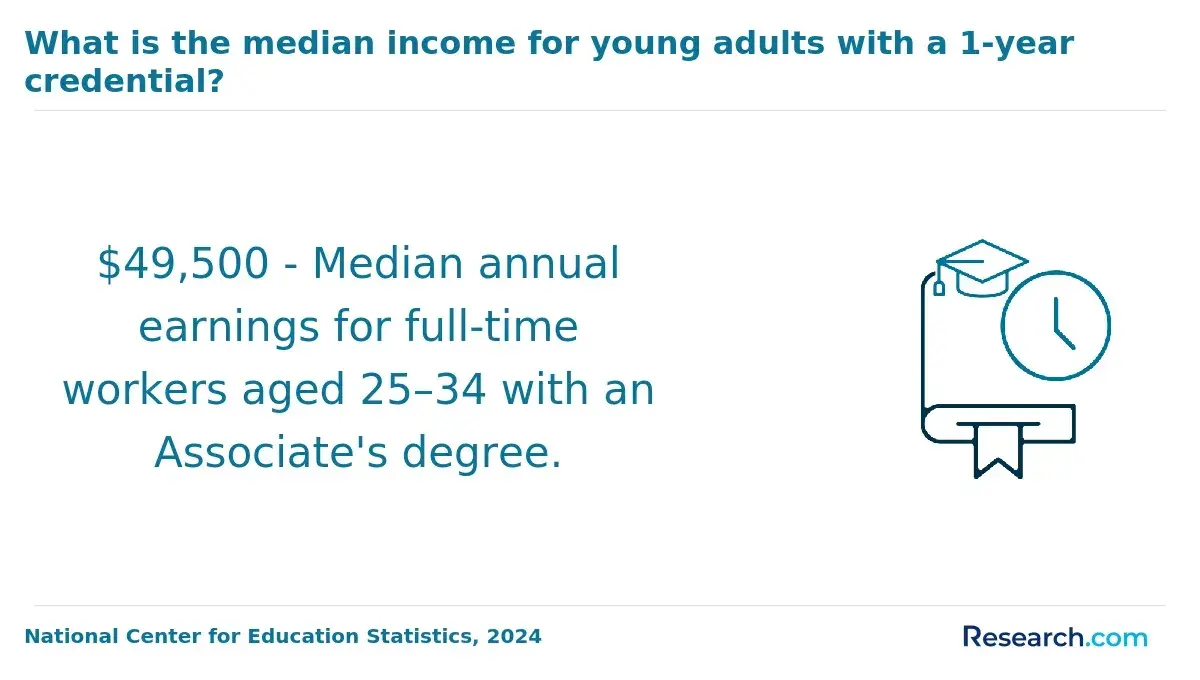
Wage growth in accounting reflects a clear divide influenced by specialization and market demand rather than seniority alone. Entry-level accountants with under three years of experience typically earn between $55,000 and $70,000 annually, focused largely on routine financial reporting and compliance tasks vulnerable to automation pressures. This baseline underscores the challenge of relying solely on foundational credentials without targeted skill enhancement.
Mid-career professionals, with five to ten years of experience, see a significant jump to $85,000-$110,000, particularly when they develop expertise in expanding fields such as tax planning, audit analytics, information-systems auditing, or sustainability (ESG) reporting. These specializations directly correspond to employer needs as identified in the typical earnings for accounting professionals at career stages, making them essential for maintaining competitive market positioning.
At the senior level, accountants and managers with more than a decade of specialization earn upwards of $130,000, especially in sectors requiring nuanced regulatory and analytical skills like financial services and healthcare. For instance, audit analytics experts within large financial institutions often command not only higher salaries but also negotiation leverage for flexible work options, unlike peers focused on traditional ledger maintenance.
Credentialing remains a critical lever: certifications such as CPA or CIA, combined with in-demand specialization, significantly influence salary trajectories and job stability. Prospective professionals should weigh early foundational learning against high-value technical skills through focused education, including accelerated business programs, to optimize this balance and navigate the evolving remuneration landscape.
What education and degree levels are required for most accounting careers?
Entry into most accounting careers in the US almost always requires at least a bachelor's degree in accounting or related fields like finance or business administration. Employers prioritize this credential as it demonstrates foundational expertise in areas such as financial reporting, tax regulation, and auditing, with proficiency in Generally Accepted Accounting Principles (GAAP) being essential for corporate roles. Positions in public accounting or corporate finance typically list this as a baseline educational requirement, reflecting the labor market's emphasis on formal qualifications for hire.
The degree levels needed for accounting jobs in America often extend beyond the bachelor's degree when specialized knowledge or leadership opportunities are targeted. Graduate education, such as a master's in accounting or an MBA with an accounting focus, is frequently pursued to meet evolving professional standards and CPA licensure requirements, which mandate 150 semester hours of education. This advanced credentialing correlates strongly with higher employability and salary potential.
For example, a candidate aiming for a senior associate role at an audit firm generally must have both a bachelor's degree and CPA certification, speeding career progress and meeting firm expectations. Conversely, internal auditing or tax positions in multinational corporations may favor a master's degree to manage complex regulatory demands effectively.
The U.S. Bureau of Labor Statistics reported a median annual wage of $81,680 for accountants and auditors in May 2024, with top earners exceeding $141,420, largely reflecting the premium on certification and advanced degrees. For professionals seeking accelerated pathways, programs like the fastest executive MBA programs represent practical options that balance education requirements for accounting careers in the US with time-sensitive workforce demands.
How do online accounting degree programs compare with campus-based options for career outcomes?
Online accounting degree programs produce employability outcomes close to those of traditional campus degrees, but they require intentional strategies to counterbalance inherent limitations in networking and experiential learning. Employers-especially in areas like corporate finance or public accounting-prioritize candidates with hands-on experience in accounting software and regulatory knowledge, often gained through in-person internships or collaborative projects more accessible in campus settings.
Online students need to secure virtual internships or part-time roles proactively to mimic these experiential components, particularly as regulatory standards like GAAP and shifting tax codes demand practical familiarity. These programs attract individuals needing flexibility or cost savings, yet this tradeoff entails stronger self-discipline and deliberate networking efforts to meet employer expectations.
The workforce outlook reaffirms demand for these skills: Australian accounting services revenue is projected to grow from about USD 20.5 billion in 2024 to USD 23.24 billion by 2030 at a 2.04% annual growth rate, with workforce size rising 9.2% by 2026 according to JobABC analysis. U.S. employers reflect similar patterns, seeking professionals adept in automation and data analytics alongside traditional knowledge, areas increasingly embedded in both online and campus curricula.
Crucial considerations for prospective students include:
- Self-motivation-the absence of structured on-site schedules demands disciplined time management in online formats.
- Quality of professional networks-campus programs often provide more direct access to employer networks and peer collaboration.
- Cost and scheduling-online options can facilitate concurrent work and study but may require supplementary efforts for experiential learning.
Effectively navigating these tradeoffs shapes one's ability to translate an online accounting credential into sustainable career progression within competitive sectors.
What accounting curriculum and skills are most valued by employers in the coming decade?
Employers in accounting seek candidates who combine foundational knowledge in tax law and financial reporting with advanced technological skills, reflecting a clear shift in workforce expectations through 2030. Proficiency in data analytics tools such as Tableau and Power BI, alongside hands-on experience with ERP systems like SAP and Oracle, is increasingly indispensable. This technological fluency complements-not replaces-the critical human judgment demanded by regulatory compliance and financial analysis roles.
For example, accountants at financial services firms must balance mastery of SEC regulations and audit standards with the ability to automate routine tasks, enabling a strategic advisory function. Mid-sized companies also require staff adept in cloud accounting platforms and emerging AI, balancing innovation with ethical and quality controls.
Soft skills remain non-negotiable. Communication and problem-solving capabilities enable accountants to translate complex datasets into actionable insights, crucial when shifting from number-crunching to providing strategic guidance. Programs heavily weighted toward technical training risk producing graduates lacking nuanced judgment, while purely traditional curricula often leave students unprepared for evolving market demands.
Decision-makers evaluating accounting education should prioritize programs that integrate continuous updates on GAAP, IFRS, and tax codes with real-world case studies on fraud detection and automation impact. Such curricula better prepare graduates for the scalable, varied demands forecasted for the profession.
Which professional certifications best improve job prospects and earnings in accounting?
Securing a CPA credential remains the most definitive way to access higher-level roles in accounting, especially within public accounting firms where regulatory scrutiny is intense. The labor market's steady openings for accountants and auditors-approximately 124,200 annually through 2034-reflect ongoing retirements and sector transitions, emphasizing the demand for professionals who can deliver compliance and quality assurance.
While the CPA commands broad recognition, other certifications target specialized roles: the Certified Management Accountant (CMA) suits those focused on financial strategy and cost management in corporate environments, and the Certified Internal Auditor (CIA) aligns with auditors emphasizing risk assessment and internal controls. Choosing a credential requires balancing practical considerations such as exam difficulty, required coursework, and recognition scope against career objectives. For example, government and nonprofit accountants may prefer the Certified Government Financial Manager (CGFM) credential tailored to public sector demands.
Candidates frequently underestimate the cumulative time and financial investment these designations entail-CPA licensure typically demands 150 semester hours, a rigorous exam, and relevant experience. CMAs and CIAs often present faster paths but with narrower industry acceptance. Employers also weigh continuing education and hands-on expertise heavily; thus, merging certification with relevant work experience accelerates mobility and yield.
Ultimately, selecting a credential aligned with one's sector and role expectations affects not only employability but also salary trajectory, making an informed, context-driven decision a critical step in navigating the accounting profession's evolving workforce landscape.
How should students evaluate accreditation and program quality in accounting schools?
Program accreditation from bodies like AACSB or ACBSP directly impacts a student's ability to meet CPA licensure requirements and employer standards, making it a non-negotiable factor in program selection. Beyond accreditation, measurable outcomes such as graduation rates, CPA exam success, and employment in adaptable roles indicate program strength. For example, graduates who secure positions in remote advisory or compliance roles benefit from programs aligned with evolving job demands driven by automation-especially since routine data-entry and payroll roles are forecasted to decline sharply between 2025 and 2030.
Students targeting advisory or analytics careers need curricula integrating cloud accounting software, advanced data analytics, and regulatory compliance to stay relevant. Without these components, the risk is investing time in skills for positions that are shrinking or becoming obsolete due to technology displacement. Flexible program delivery, such as remote or hybrid formats, offers critical geographic and scheduling adaptability for students aiming to enter dispersed and remote professional networks.
Work experience connected to firms actively restructuring around automation yields tangible benefits for post-graduation employment. Access to targeted professional networking in emerging niches-compliance advisory or forensic accounting, for instance-can differentiate candidates amidst competition. Evaluating these operational realities safeguards against pursuing outdated or overly narrow educational paths and better positions students for resilient careers within accounting's shifting landscape.
What are typical tuition costs, financial aid options, and return on investment for accounting degrees?
Tuition costs for accounting degrees significantly affect accessibility and long-term value. Public universities average $10,560 annually for in-state students, while private nonprofits can exceed $38,200 per year. Community colleges offer associate degrees around $3,900 annually, representing a lower-cost entry but often with limited networking opportunities. Financial aid is common, with about 85% of accounting students receiving support, yet relying heavily on loans requires careful consideration against projected incomes.
ROI correlates with program quality and certification attainment. Graduates from top-tier programs often start between $55,000 and $65,000, progressing into six-figure salaries within 5-7 years, especially after earning credentials like the CPA. Conversely, those without recognized credentials or from less established programs may encounter stagnant wages and slower career growth.
The labor market reflects a 7% projected growth in accountant roles through 2030, but niche areas such as sustainability reporting-an emerging specialty-are expanding faster. Employers increasingly value candidates with practical experience in ESG reporting aligned with evolving regulations, a critical consideration for students targeting these roles.
Decision factors for prospective students should include tuition affordability, program rigor, availability of part-time study or employer tuition assistance, and the strength of employer networks. Prioritizing programs that integrate real-world ESG training can enhance resilience in evolving accounting fields and justify upfront costs.
How can career changers or adult learners transition into accounting by 2030?
By 2030, credentialing pathways for career changers and adult learners aiming to enter accounting must focus heavily on advisory capabilities, ethical judgment, and compliance oversight. These skills will remain in demand as AI increasingly automates routine tasks such as budgeting, forecasting, and standard compliance by 2040, shifting employer preference toward professionals who provide nuanced interpretation and address complex regulatory environments.
Practical options include targeted certificate programs in forensic accounting, audit ethics, and regulatory frameworks that minimize career interruption compared to full degrees. These credentials offer a balance between time investment and relevance, particularly when paired with flexible learning models-such as accredited online courses featuring case studies tailored to specific industries like healthcare or manufacturing. For example, a retail manager transitioning into accounting with expertise in healthcare accounting standards gains tangible advantage in sectors facing intensified oversight.
Employers increasingly value candidates combining updated knowledge of AI-enabled tools with demonstrated ethical reasoning. Internships or part-time roles at mid-size firms emphasizing human oversight skills provide critical real-world experience. Financially, prospective learners must prepare for the one- to two-year commitment these pathways typically require and account for CPA or equivalent certification processes, which continue to function as essential filters in hiring decisions.
Other Things You Should Know About Accounting
A master's degree can enhance technical skills and meet the 150-credit requirement for CPA licensure in many states, but the return on investment depends on career goals. For those targeting senior roles in finance, assurance, or specialized advisory, the advanced knowledge and credentials justify the added expense. However, if an individual aims for entry-level or staff accountant positions, experience and professional certifications offer a more cost-effective pathway than a graduate degree.
Automation reduces demand for routine transactional tasks but increases the need for roles focused on analysis, strategic decision-making, and advisory services. Accountants must prioritize developing data analytics and technology fluency to remain relevant. Relying solely on traditional bookkeeping skills will limit job prospects as employers prefer professionals who contribute insights beyond automated outputs.
Industry specialization offers deeper knowledge and can command higher compensation in sectors like healthcare, government, or technology but reduces flexibility in job mobility. A broad skill set allows easier transitions across industries and roles, particularly beneficial in volatile markets. Early-career professionals should emphasize foundational accounting skills first, then specialize strategically once they understand their preferred work environments and long-term objectives.
References
- Key Skills for the Next Decade in Accounting https://accountancyrecruit.co.uk/blog/industry-insights-surveys/key-skills-for-the-next-decade-in-accounting/
- CPA Career Path - Roles, Salaries & How To Progress https://300hours.com/cpa-career-path/
- 15 Accounting Careers: Undergraduate & Graduate Paths https://www.baypath.edu/news/bay-path-university-blogs/post/15-accounting-careers-undergraduate-graduate-paths/
- Online Degree vs. Traditional: Choosing the Right Path https://beal.edu/online-degree-vs-traditional/
- The Future of Accounting and Finance Roles in the Age of AI https://mondialsoftware.com/the-future-of-accounting-and-finance-roles-in-the-age-of-ai-a-15-year-outlook/
- Best Online Accounting Degrees of 2025 | Accounting.com https://www.accounting.com/degrees/accounting/bachelors/best-online-programs/
- Top Accounting Certifications to Bridge Skills Gaps in 2026 https://www.mpeslearning.com/blog/future-ready-accountants
- 5 Best Certifications and Qualifications for Finance Professionals - The Portfolio Group https://www.theportfoliogroup.com/5-best-certifications-and-qualifications-for-finance-professionals/
- Does College Pay Off? A Comprehensive Return On Investment Analysis - FREOPP https://freopp.org/whitepapers/does-college-pay-off-a-comprehensive-return-on-investment-analysis/
- Accounting talent: A plan for action https://www.fm-magazine.com/issues/2025/may/accounting-talent-a-plan-for-action/