2027 Best Online Bachelor's in Accounting for Staff Accountant Career Paths

Co-Founder and Chief Data Scientist
Working professionals targeting staff accountant roles often confront a tight window to complete accredited education while managing full-time jobs and family responsibilities. The National Center for Education Statistics reports a sustained 17% increase in enrollment among adult learners pursuing online bachelor's degrees since 2022, revealing a clear shift toward flexible, asynchronous program structures that accommodate diverse schedules. This growth indicates growing demand for programs blending rigor with accessibility, yet quality and employer recognition remain critical filters. Navigating these trade-offs demands current, actionable insight into programs aligning with practical career outcomes.
This article evaluates the best online bachelor's in accounting options tailored for staff accountant career paths, focusing on factors that directly influence timely graduation, employability, and workforce readiness.
Key Things You Should Know
- Graduates from online bachelor's in accounting programs face a 15% lower median starting salary than campus counterparts per 2024 BLS wage data, reflecting employer bias toward traditional degree formats and signaling critical tradeoffs in early-career earnings potential.
- 92% of major U.S. accounting firms prioritize candidates with CPA eligibility; programs lacking integrated 150-credit pathways impose extra time and cost burdens, slowing entry into high-growth compliance and audit roles.
- Programs with accelerated 3-year tracks reduce typical 4-year tuition exposure by 20-25%, but compressed curricula challenge working professionals' capacity for mastering complex accounting standards, affecting long-term credential readiness.
What is an online bachelor's in accounting and how does it prepare staff accountants?
Staff accountant roles require precise familiarity with regulatory frameworks and accounting software, an expectation that online bachelor's in accounting programs aim to fulfill. These programs focus on core competencies such as financial reporting, tax regulations, auditing procedures, and accounting information systems-skills that directly support daily transactional accuracy and compliance. The practical emphasis includes tools like QuickBooks and Excel, increasingly essential in job descriptions.
Projected 4% employment growth in accounting and auditing, with around 126,500 annual openings, reflects steady demand fueled by expanding business operations and complex regulation. Graduates from online bachelor's in accounting programs benefit from curricula designed for relevant market needs, producing professionals capable of handling data analysis and regulatory adherence efficiently. For working professionals, this degree benefits from flexibility that enables skill advancement without disrupting job responsibilities, a key factor when assessing online bachelor's in accounting program benefits.
However, the absence of face-to-face internships and limited networking can hinder practical readiness. Strategic selection of programs with virtual internship options or employer collaboration is advisable to mitigate this gap. Additionally, aligning coursework with CPA exam criteria and state licensure requirements is critical because certification remains a decisive factor in career trajectory.
Key advantages of an online bachelor's in accounting for staff accountants include:
- Targeted coursework on GAAP, tax codes, and internal controls
- Applied training in industry-standard accounting software
- Flexibility for working adults to study while employed
- Preparation for CPA and other professional certifications
- Exposure to data analytics and automated accounting systems
When evaluating a degree path, prospective students should also consider complementary credentials such as bookkeeping certification online, which can supplement accounting knowledge and enhance employability in specialized roles.
How do online accounting bachelor's programs support a staff accountant career path specifically?
Online bachelor's in accounting career support for staff accountants hinges on how well programs translate technical requirements into immediately applicable skills in financial reporting, tax compliance, and auditing processes. Practical exposure to GAAP principles, taxation law, and accounting software within these curricula ensures that graduates meet employer expectations in public accounting and corporate finance sectors. The ability to identify discrepancies and conduct variance analyses through case studies is particularly vital for rising staff accountants needing to manage complex, detail-heavy tasks efficiently.
Many programs cater to working professionals by structuring content flexibly, enabling real-time application of learned concepts on the job. This reduces downtime between learning and performance impact, a critical consideration when balancing ongoing employment with education. However, prospective students should weigh the tradeoff between program rigor and scheduling convenience, especially since insufficient hands-on training or outdated regulatory focus can result in underprepared graduates unfit for regulatory demands or CPA exam eligibility-often a decisive credential for career progression.
From a workforce perspective, the median annual wage for accountants and auditors grew from $78,000 to $80,030, signaling sustained demand for staff accountants with current, practical expertise. This reflects how graduates from online programs can enter the workforce without geographic or scheduling restrictions traditionally associated with campus programs.
Understanding how online accounting degrees prepare staff accountant roles involves scrutiny of accreditation, course relevance, and support services to match realistic career trajectories. Some candidates diversify skill sets by exploring related fields through degrees like a construction management online degree, which may complement or pivot from traditional accounting roles in specific industry contexts.
What accreditation and accounting standards should online bachelor's programs meet for staff accountant roles?
Accreditation requirements for online bachelor's in accounting programs directly affect employability and job readiness rather than just signaling credibility. Employers and CPA boards typically mandate regional accreditation such as from the Higher Learning Commission or Middle States Commission, with specialized recognition from AACSB or ACBSP adding practical value by ensuring curricula meet rigorous business and accounting standards. Choosing programs without this foundation can impede career progression due to unmet expectations in candidate competency.
Staff accountant positions demand proficiency with generally accepted accounting principles (GAAP), a necessity embedded in accredited programs to prepare candidates for essential tasks including financial statement preparation and audit support. For roles within multinational or specialized sectors, knowledge of International Financial Reporting Standards (IFRS) also increasingly shapes hiring decisions, reflecting the complexities of cross-border operations, particularly in manufacturing and finance.
Accounting standards importance for staff accountant certification is heightened in niche fields like healthcare or nonprofits, where sector-specific regulations such as FASB ASC 958 govern financial practices. Programs omitting such specialized content risk producing graduates who face steep onboarding curves, a factor often penalized in high-turnover environments.
Cost remains a practical consideration, with annual tuition spanning roughly $3,830 per term at lower-cost institutions like Western Governors University to over $10,000 at some public universities. Prospective students should weigh this against accreditation and curriculum relevance to avoid costly missteps. Candidates with broader interests may also explore adjacent paths such as project management degree jobs to diversify career options beyond traditional accounting roles; more details can be found at project management degree jobs.
How do online bachelor's in accounting compare with on-campus programs for staff accountant careers?
Salary outcomes and employer responsiveness differ notably between online bachelor's in accounting vs on-campus programs, with measurable earnings improvements validating the online pathway's practical benefits. Graduates from programs like Western Governors University report average salary increases exceeding $10,000 annually, reinforcing how flexibility and a curriculum focused on applicable skills enable working professionals to boost income without career interruption.
Staff accountant roles demanding fast deployment of technical accounting abilities-commonly in manufacturing and corporate finance-align well with online programs' emphasis on software proficiency and applied problem-solving through experiential learning. However, candidates targeting senior or client-facing positions may find on-campus programs' face-to-face mentorship and networking advantages more conducive to developing interpersonal skills and cultural fit.
Beyond differences in learning environments, prospective students face tradeoffs involving self-discipline against limited campus access and scheduling flexibility versus traditional constraints. The ability to accumulate direct workplace experience during study, which is often more feasible with an online degree, must be weighed against fewer opportunities for internships or career fairs found in in-person settings.
Decision-making for professionals pivoting to staff accounting should prioritize programs with clear data on graduate salary gains and connections to certification preparation, such as CPA pathways, ensuring educational investments translate into measurable career growth. Students exploring broader financial education options might also consider online finance degrees as complementary routes.
What courses and skills in an online accounting bachelor's are most important for staff accountants?
Staff accountant programs that emphasize core courses in financial and managerial accounting, auditing, and taxation best prepare candidates for immediate workplace demands. Employers prioritize graduates who can produce accurate financial reports and understand internal controls rather than those focused mainly on abstract theory. For example, proficiency in accounting information systems and advanced Excel skills directly impacts an accountant's ability to manage complex ledgers and conduct timely variance analyses.
Practical coursework involving software such as QuickBooks or SAP aligns with how accounting work is performed across industries, from manufacturing to service sectors, where cost behavior and revenue recognition rules differ. Strong communication skills are equally vital; staff accountants must translate technical data into business insights for colleagues without accounting backgrounds.
Regulatory knowledge, especially around SEC compliance and emerging ESG reporting standards, is becoming essential. Case studies simulating audits or tax preparation for small to mid-sized businesses bridge classroom learning and job-ready skills.
Prospective students must weigh programs that balance applied analytics, compliance, and communication training alongside foundational theory. Overemphasis on theory without applied skill development may delay practical job readiness and slow progress toward senior roles. Given that over 70% of CFOs began in staff or junior accountant roles (UniversityHQ analysis), initial role preparation is critical for upward mobility.
What are typical admissions requirements for online bachelor's in accounting programs?
Online bachelor's in accounting programs typically require at least a high school diploma with a GPA around 2.5 to 3.0, though standardized test scores are increasingly waived. Applicants must demonstrate competency in foundational math-especially algebra and statistics-to meet the quantitative rigor of accounting curricula. Many programs prefer candidates with prior business coursework or relevant experience to reduce adjustment challenges when tackling specialized accounting topics.
Given the shift toward technology-enhanced work environments, candidates should present strong written and verbal communication skills. Over 60% of accounting firms are investing heavily in automation and AI tools, yet more than 70% anticipate expanding analytical and advisory roles for staff accountants. This requires admissions committees to seek applicants capable of managing evolving, technology-integrated responsibilities relevant to real workforce expectations.
Additional requirements often include letters of recommendation, personal statements, or resumes, particularly for career changers or returning students. Reliable internet access and self-discipline are practical necessities for succeeding in these remote programs.
Working professionals might need to prove proficiency with industry software or submit prior credits to waive general education courses, accelerating degree completion. This strategic preparation aligns better with market demands and avoids pitfalls associated with underestimated program prerequisites.
How long do online bachelor's in accounting programs take and what do they cost?
Completing an online bachelor's in accounting typically requires around four years of full-time study to meet the foundational 120-credit requirement. However, many students, especially working professionals, extend this timeline to five or six years due to part-time enrollment or employer schedules. Tuition costs diverge substantially: public in-state options average $7,000 to $12,000 per year, while private or out-of-state programs can exceed $20,000 annually. Online delivery reduces expenses linked to housing and transportation but may introduce additional technology or proctoring fees.
State boards for CPA licensure uniformly mandate 150 semester hours, exceeding the bachelor's credit load. This gap necessitates strategic planning, often pushing candidates to pursue graduate degrees, certifications, or complementary majors post-bachelor's, which can add two years and $15,000 to $25,000 to their educational investment. For instance, a prospective public accounting staff accountant must factor these additional requirements into both budget and timeline considerations.
Employers frequently prioritize candidates who have fulfilled or are actively working toward the 150-hour rule, making early integration of graduate studies or accelerated dual-degree programs advantageous. Prospective students should also weigh program flexibility for stacking credentials and the availability of employer tuition assistance, as these factors can materially affect overall return on investment and time-to-CPA eligibility.
What are the main staff accountant job duties, work settings, and advancement opportunities?
Staff accountants operate where precision intersects with compliance, handling tasks such as general ledger maintenance, account reconciliations, invoice processing, and payroll data entry. Their environment-whether a manufacturing firm emphasizing cost accounting and inventory valuation or a government agency focused on budget tracking-dictates specific workflows and technology demands. For example, a staff accountant at a public accounting firm must prioritize CPA certification and client-facing skills, whereas one in corporate finance leans more on cross-departmental communication and leadership potential.
Progressing beyond staff accounting requires both technical mastery and fluency with ERP platforms and automation tools. Advancement routes typically lead to senior staff accountant or financial analyst roles, introducing greater responsibility for strategic financial reporting and team leadership.
Choosing an online bachelor's in accounting calls for evaluating tuition relative to program rigor, CPA exam pass rates, and employer networks to ensure practical workforce integration rather than costly misalignment. Tuition per credit can vary extensively-sometimes by more than 50%-which significantly affects total investment and career return. Prioritizing a program that balances foundational accounting competencies with real-world applicability is essential for sustainable career development.
What salary ranges and job outlook can graduates expect in staff accountant positions?
Staff accountant salaries vary significantly depending on the employer's sector and location, typically ranging from $58,000 to $73,000 annually. Graduates entering finance-intensive environments such as public accounting firms or corporate finance can often surpass the upper salary limit within a few years due to structured advancement paths and credentialing like CPA licensure. By contrast, those in small businesses or nonprofits might earn less but often experience broader responsibilities and greater flexibility.
The demand for accountants is projected to grow 7% over the next decade, parallel to national job growth averages, driven by escalating regulatory requirements and increasingly complex financial data management.
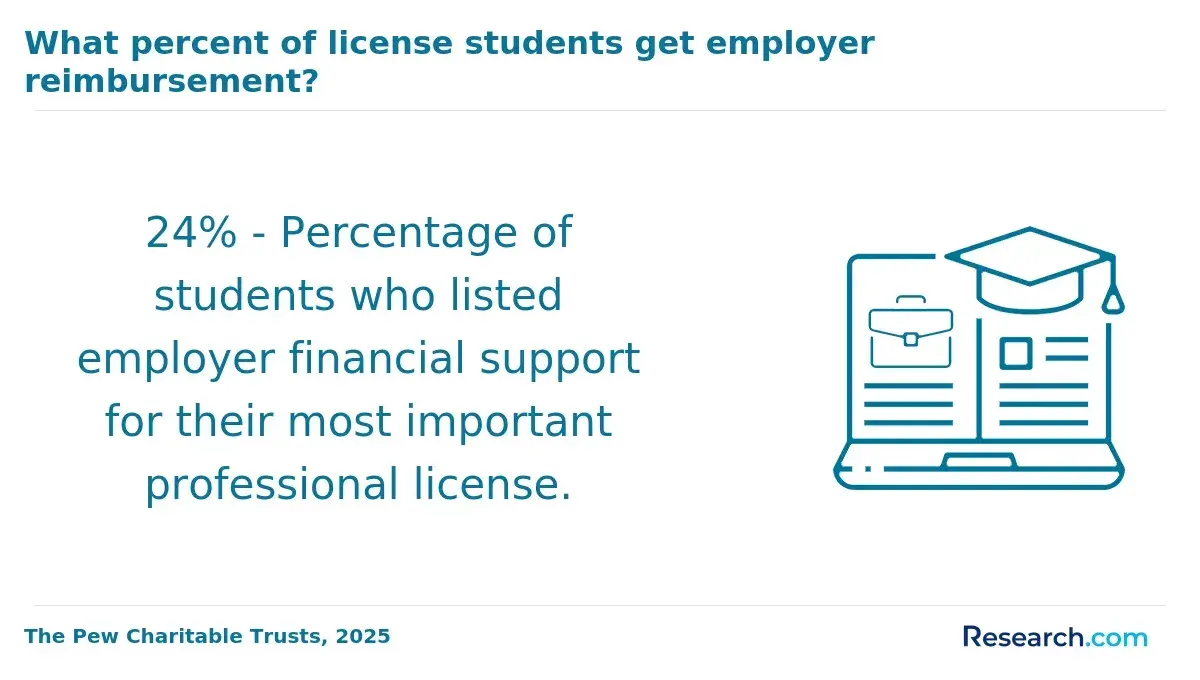
Graduates should strategically evaluate employer tuition assistance programs; about one-third of online accounting students benefit from these, which can substantially reduce educational costs and improve return on investment.
Key challenges for entry-level accountants include mastering diverse software platforms, navigating cyclical workloads tied to fiscal calendars, and adapting to varied industry regulations. These factors directly affect salary negotiations and career trajectory.
Here are some points to remember:
- Employers in finance-heavy sectors reward CPA or additional credential attainment with median salaries exceeding $90,000 within five years post-graduation.
- Choosing a work setting influences exposure to specialized tasks versus generalist roles, impacting skill development and long-term earnings.
- The interplay between certification, employer-supported education funding, and sectoral dynamics shapes practical career outcomes more than degree titles alone.
Do staff accountants need CPA or other certifications, and how can an online degree help?
Obtaining a CPA or equivalent certification is often a decisive factor for staff accountants aiming to move beyond foundational roles into senior financial or audit positions. While smaller firms may rely on demonstrated experience and core accounting skills alone, advancement in corporate environments frequently hinges on certification due to the complexity and regulatory demands of those roles. For instance, a staff accountant in corporate finance aspiring to management will typically need a CPA to meet employer expectations.
Online bachelor's degrees in accounting offer a practical route for working professionals seeking certifications such as the CPA. These programs are designed to align with exam content areas like financial reporting and managerial accounting, often incorporating integrated exam preparation that meets state board requirements, including the 150-credit hour mandate. This alignment helps students reduce redundancies in exam study while managing job and study commitments.
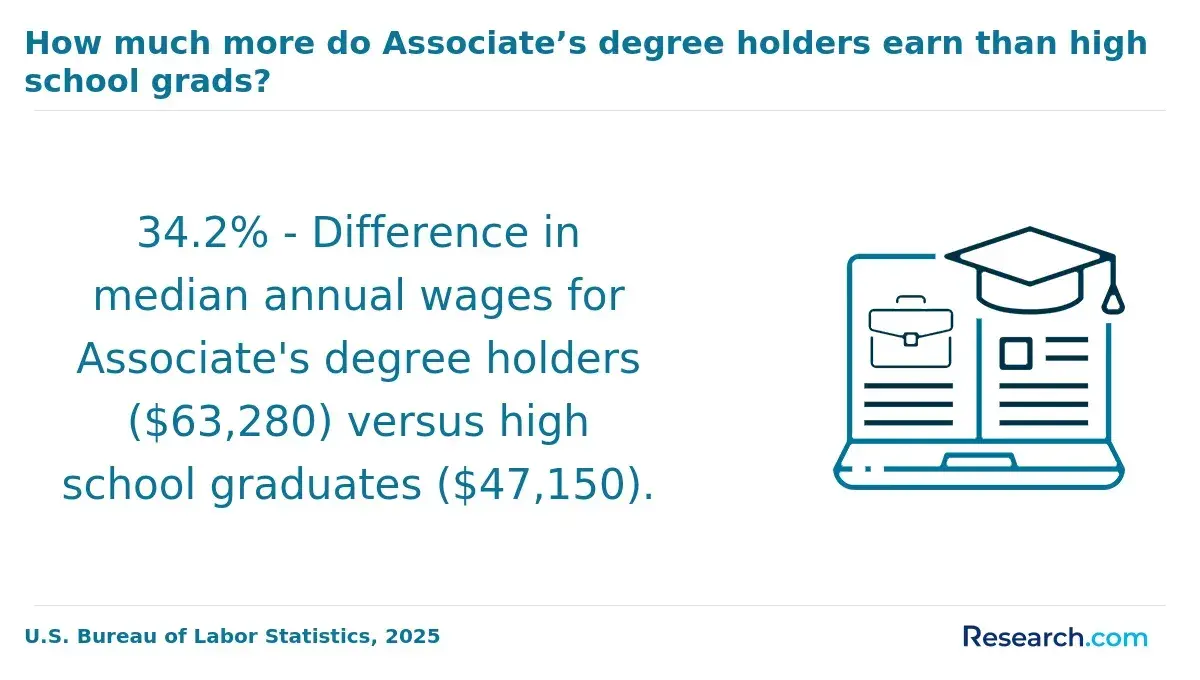
From a labor market standpoint, an accounting bachelor's degree alone increases median weekly earnings by approximately 55% compared to high school graduates, according to the U.S. Bureau of Labor Statistics and Forbes Advisor. However, adding the CPA credential generally unlocks higher salary brackets and access to more specialized positions.
Prospective students should critically evaluate programs for accreditation, curriculum rigor, and exam pass rates to avoid delays in credentialing and ensure their studies translate into tangible career outcomes. This strategic approach is essential given the evolving landscape where credentialing serves as a gatekeeper to significant employability and advancement in accounting.
Other Things You Should Know About Accounting
To ensure your online bachelor's degree in accounting is respected, choose a program from an accredited institution, particularly one with AACSB or ACBSP accreditation. Engaging in networking opportunities, gaining relevant experience through internships, and exhibiting a strong academic record further bolster respectability in the eyes of employers.
Balancing a full-time job with an online accounting degree demands disciplined time management and selection of programs with flexible pacing and asynchronous coursework. Programs that heavily rely on synchronous sessions or group projects can increase scheduling conflicts and impact learning depth. Prioritize programs offering self-paced modules and substantial instructor support to maintain thorough understanding, since compromising time often leads to superficial learning that employers can detect in advanced roles.
Completing an online degree alone does not reduce CPA exam pass rates; rather, the curriculum's alignment with CPA prerequisites and depth of technical material are critical. Some online programs lack specialized accounting electives or focus insufficiently on audit and tax content, increasing risk of underpreparation. It's advisable to choose programs that clearly map courses to CPA exam topics and provide supplemental review resources, as these factors have a stronger impact on pass outcomes than program delivery format.
While cost is a practical consideration, prioritizing program reputation and outcome data offers better returns for long-term career growth. Programs with established employer connections, career services, and internship placement increase access to relevant opportunities and advancement. Low-cost programs may reduce financial burden initially but can limit networking and applied learning crucial for staffing roles' experiential demands. For career pivoters or advancement seekers, investing in recognized programs with proven placement records is advisable despite higher tuition.
References
- Understanding Finance and Accounting Salaries: A Comprehensive Guide for Job Seekers % https://www.boutiquerecruiting.com/blog/understanding-finance-and-accounting-salaries-a-comprehensive-guide-for-job-seekers/
- Accounting Major Online Degree | SUNY Plattsburgh https://www.plattsburgh.edu/programs/accounting-major-online.html
- What Is a Bachelor’s Degree in Accounting? | University of Phoenix https://www.phoenix.edu/articles/accounting/what-is-a-bachelors-degree-in-accounting.html
- 10 Accounting Career Paths You Can Pursue With an Online Degree https://online.hilbert.edu/blog/accounting-career-paths/
- Online Bachelor's Degree in Accounting | CSU Global | Accredited https://csuglobal.edu/academic-programs/undergraduate-degrees/bachelors-degree-accounting
- Top Accountant Skills | Accounting.com https://www.accounting.com/resources/top-skills-for-accountants/
- The 7 Most Crucial Accounting Skills in 2025 - Yorkville https://www.yorkvilleu.ca/blog/bba-online/crucial-accounting-skills/
- staff accountant https://www.randstadusa.com/job-seeker/career-advice/job-profiles/staff-accountant/
- Accounting Degree: Associate or Bachelor’s | Monroe University https://www.monroeu.edu/news/accounting-degree-associate-or-bachelors
- Everything About Bachelor’s in Accounting https://www.allbusinessschools.com/accounting/bachelor-degree-in-accounting/