2027 Online Accounting Degrees With Strong Accounting Systems Training

Co-Founder and Chief Data Scientist
Professionals seeking to pivot into accounting often confront the challenge of mastering complex accounting systems without disrupting full-time work or family obligations. The surge in online degree enrollments, rising nearly 15% over the last two years according to the National Center for Education Statistics, reflects a growing demand for flexible education models that accommodate mid-career learners. Yet, not all programs equip students with hands-on training in key accounting software, a gap that employers regularly flag.
This disconnect can undermine both hiring prospects and on-the-job readiness. This article evaluates online accounting degrees that integrate robust accounting systems instruction, helping candidates choose programs that align with real workplace expectations.
Key Things You Should Know
- Only 38% of online accounting degrees fully integrate ERP and cloud-based financial systems training, limiting graduates' adaptability in digitized audit and reporting roles per 2024 NACUBO data.
- Employers prioritize candidates with hands-on experience in software like SAP and QuickBooks, raising barriers for programs lacking embedded practicum components, according to the 2024 AICPA workforce survey.
- Programs averaging 24 months and $15,700 offer faster credentialing but risk sacrificing depth in complex system workflows, pressuring mid-career students to balance cost, time, and credential comprehensiveness.
What is an online accounting degree with strong accounting systems training, and who is it best for?
Specialized online accounting degree programs with advanced accounting systems integrate traditional accounting principles with hands-on training in ERP platforms, automated reporting, and cybersecurity essential to today's financial roles. For example, accountants in manufacturing commonly work with cost accounting modules embedded in complex ERP software like SAP, whereas those in financial services leverage fraud detection and data visualization tools. These programs pivot away from generic curricula to emphasize technology-driven workflows and ongoing adaptation to digital finance environments.
Graduates with strong systems training are positioned to meet increasing employer demands for skills that optimize software use, maintain data integrity, and contribute to automation strategies. The U.S. Bureau of Labor Statistics projects a gain of 117,700 jobs for accountants and auditors between 2024 and 2034, largely fueled by needs in technology and data analytics. Best online accounting degrees for accounting systems training suit both professionals seeking technical competency growth and career changers needing accelerated entry into system-centric roles.
Yet, a significant tradeoff exists: programs must balance software proficiency with core knowledge in financial reporting, auditing, and tax. Overemphasis on a single platform risks limiting graduates' adaptability. Access to current software versions and real-world projects is critical to avoid underpreparedness in evolving systems and ensure cross-industry mobility. Those exploring pathways related to healthcare coding accuracy might also consider CCS medical coding as a complementary specialization.
How do online accounting degrees compare with campus programs for learning accounting systems?
Accounting systems training embedded within online accounting degrees with practical accounting systems training often surpasses campus programs in software currency and flexibility, though they may lack the immediacy of hands-on lab work available onsite. This contrast impacts student outcomes significantly: online learners gain direct experience with enterprise resource planning (ERP) and analytics tools integrated into coursework suitable for diverse industries, while campus students benefit from face-to-face collaboration and workshops that enhance systems comprehension.
Employers' increasing preference for candidates skilled in technology and complex data analysis reshapes program expectations. According to a 2024 AICPA-CIMA report, 76% of public accounting firms rank technology proficiency as a top hiring priority, a sharp rise from 52% just five years prior. This shift requires candidates to master automated controls and software fluency-skills that program design often dictates how effectively they acquire.
For working professionals, online programs offer a pacing advantage, allowing immediate application of system skills in workflows spanning government, finance, or non-profits. Yet replicating in-person module setup and configuration challenges online students. Evaluating programs demands scrutiny of software access, simulation facilities, and faculty expertise, acknowledging the tradeoff between mentorship and convenience.
Alongside comparisons of online and campus programs for mastering accounting systems, career-focused learners should weigh employment rates in tech-oriented accounting roles. To understand how accelerated options fit strategic plans, exploring the fastest online project management degree pathways also offers relevant insight.
What types of online accounting degrees offer the most robust accounting systems curriculum?
Bachelor's degrees in accounting that incorporate integrated enterprise resource planning (ERP) or accounting information systems (AIS) modules address a critical employer need for immediate operational readiness. Graduates from such programs, which provide hands-on experience with platforms like SAP, Oracle NetSuite, or QuickBooks, enter the workforce with technical skills directly aligned with real-world demands in finance, audit, and consulting environments. For instance, auditors responsible for systems risk require familiarity with AIS controls beyond traditional GAAP knowledge-a gap not filled by standard bookkeeping curricula.
The National Association of Colleges and Employers' 2024 data indicates that these system-focused graduates command an average starting salary of $61,407, illustrating a tangible premium for integrated systems training. This premium reflects employers' growing expectations that new hires manage complex software ecosystems without extensive on-the-job training. However, programs without ERP emphasis may impose delayed productivity and increased onboarding costs, an important consideration for working professionals pivoting into accounting.
Online accounting degrees with comprehensive systems training provide an alternative pathway, especially when paired with certifications like Certified Information Systems Auditor (CISA) content and access to virtual labs or simulators. Such features prepare learners for mid- to senior-level roles by fostering practical proficiency. Those evaluating degree options should also compare delivery models and software access.
Prospective students seeking flexibility and robust systems integration in their curriculum can consider related options, including programs like the online sports management bachelor's degree, which demonstrate layered, practical training approaches applicable across domains.
Which core courses and software tools are typically included in accounting systems-focused programs?
Accounting systems training delivers tangible workforce advantages by aligning skills with employer expectations for modern financial operations. Core courses in online accounting degrees with strong accounting systems training often focus on fundamental topics such as financial accounting principles and internal controls. Students gain hands-on experience with key software tools integral to the field, including enterprise resource planning (ERP) systems and accounting information systems (AIS) software platforms.
For instance, manufacturing firms rely on ERP software like SAP to link inventory and cost accounting, enabling tight cost control and resource allocation. Smaller businesses often prioritize QuickBooks for daily bookkeeping, underscoring how practical experience with diverse platforms calibrates student readiness for distinct roles. Programs typically embed applied labs or simulations to replicate workplace conditions, cultivating fluency beyond theoretical concepts.
Employers value candidates who navigate system interoperability and workflow automation, with roles requiring ERP skills commanding 7-11% salary premiums compared to those without. This reflects the operational impact system-savvy accountants have on error reduction and faster financial close cycles. However, programs that lack exposure to multiple software platforms risk limiting graduates' adaptability amid shifting enterprise technology landscapes.
Prospective students evaluating varied degrees should confirm curricula balance foundational accounting theory and practical software application. Those considering broader management pathways might explore a human resource management masters degree online as an alternative strategic option aligned with organizational roles beyond finance.
How can students verify accreditation and program quality for online accounting degrees?
Selecting an online accounting degree requires more than confirming accreditation; the real differentiator lies in program outcomes and market relevance. Regional accreditation ensures credit transfer and access to federal aid, but specific endorsements from AACSB or ACBSP signal robust accounting curricula aligned with professional standards. Candidates prioritizing public accounting roles should weigh CPA exam pass rates, as documented success directly correlates to employer preference in competitive hiring.
Cost considerations often tempt students toward online formats, where annual fees range from $7,500 to $30,000, generally below many on-campus options that can surpass $60,000. However, savings on tuition may come at the expense of networking opportunities and employer perceptions tied to prestigious in-person programs, a tradeoff influencing job placement in some markets.
Program curricula that emphasize hands-on training with accounting software like SAP or QuickBooks provide tangible workplace skills increasingly demanded across sectors. Aligning coursework with targeted industries-manufacturing versus nonprofit accounting, for instance-can shape employability and job performance.
Verification must extend beyond website claims. Consult the National Center for Education Statistics' College Navigator or state education boards for accreditation status and reach out to alumni or advisory boards to assess real-world employer satisfaction. These actions help parse which programs translate into effective workforce preparation and which may fall short.
What are the typical admission requirements for online accounting programs emphasizing systems training?
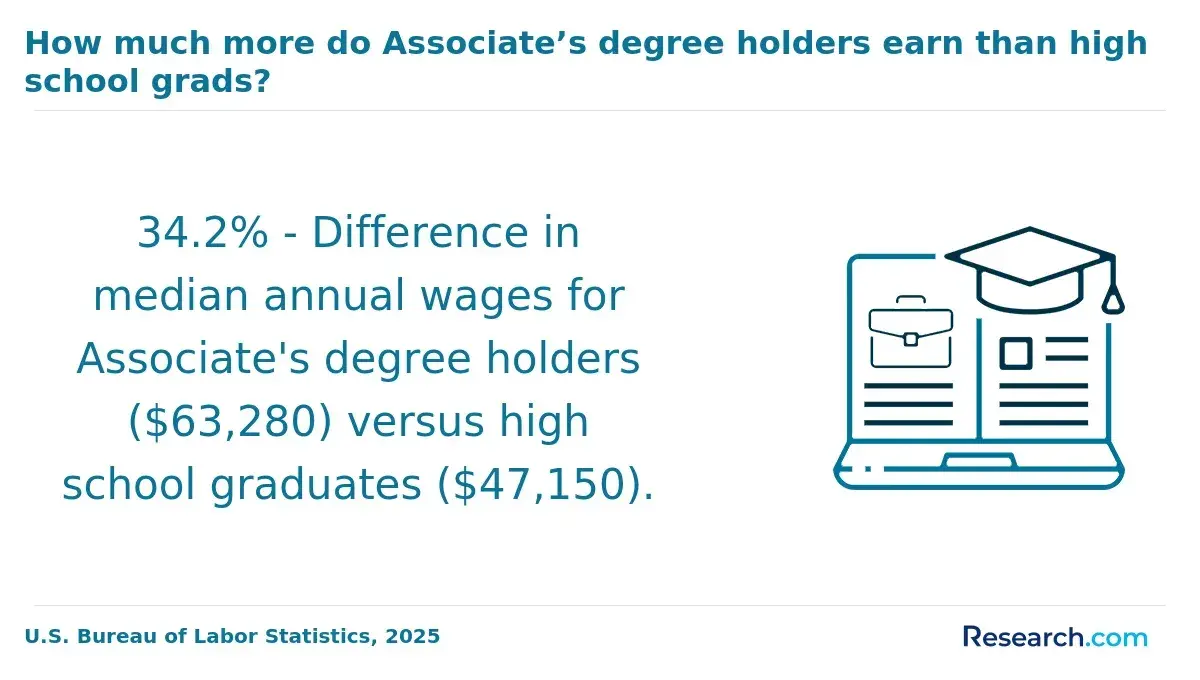
Admission into online accounting programs with a focus on systems training demands more than just diplomas; candidates must demonstrate measurable academic and technical aptitude. While a high school diploma or GED serves as a baseline, programs often require transcripts showing a GPA near 2.5 to 3.0 to ensure readiness for intensive curriculum involving financial systems and software. For bachelor's entry, standardized tests like the SAT or ACT may be necessary, but work experience or prior college credits frequently provide exemptions.
Technical competence is a decisive criterion. Many programs expect applicants to have completed courses in IT, computer literacy, or foundational accounting principles, reflecting employers' demand for graduates who can efficiently operate ERP systems and finance platforms. For example, a professional shifting from finance to accounting system implementation must prove both accounting knowledge and technology adaptability.
Graduate applicants lacking formal prerequisites can sometimes leverage 1-3 years of relevant professional experience in roles such as data analysis or process automation, aligning with labor market expectations for hybrid accounting-IT skillsets.
Enrollment trends indicate spiking interest in these credentials, pointing to a hiring landscape increasingly competitive for candidates without demonstrable systems expertise. Prospective students must weigh academic demands alongside employer expectations to ensure that their investment translates into tangible workforce value.
How long do online accounting degrees take, and what do they typically cost?
Completing an online accounting degree requires navigating a complex tradeoff between time investment, program depth, and workforce applicability. Associate degrees, typically two years, prepare candidates for entry-level bookkeeping roles but often lack the systems expertise employers demand for advancing beyond basic financial tasks. Bachelor's degrees extend to about four years and are critical for positions involving broader accounting systems knowledge; accelerated formats reduce duration to 18-24 months but necessitate intense commitment and prior credits. Master's degrees add 1 to 2 years, tailored for roles in complex financial systems analysis and management, making them a strategic choice only for those targeting supervisory or specialized technical roles.
Cost considerations vary widely: public in-state bachelor's degrees generally range from $10,000 to $25,000, while private institutions often reach $30,000 to $60,000. Community college associate degrees usually cost less than $10,000. Online formats can limit ancillary expenses but rarely reduce core tuition. Employers increasingly value certifications like the CMA, which complement academic credentials with advanced accounting technology skills, translating into a median compensation premium of 58% over non-certified peers, according to the 2024 IMA Global Salary Survey.
For working professionals, mastering software platforms like ERP systems demands dedicated hands-on training beyond formal coursework. Selecting a program that integrates practical systems training can significantly shorten the transition to digitally driven accounting roles, enhancing both employability and wage potential in an evolving finance job market.
What careers and job titles can strong accounting systems training help you qualify for?
Proficiency in advanced accounting systems significantly shapes employability and role differentiation within finance-related fields. Candidates adept in ERP platforms such as SAP or Oracle are positioned for analytical and managerial roles far beyond traditional bookkeeping or clerical positions. For instance, a finance professional skilled in Oracle ERP might influence manufacturing budget controls through integrated real-time inventory and cost data, a responsibility unavailable to those lacking such system fluency.
Industry demand favours candidates who can troubleshoot and optimize complex accounting technologies, especially in sectors like healthcare, manufacturing, retail, and financial services. Employers expect not only familiarity with systems but also the capacity to extract actionable insights supporting compliance, risk management, and strategic decision-making.
According to Robert Half's 2025 Salary Guide, 83% of CFOs prefer candidates with expertise in advanced financial and ERP systems, reflecting how these competencies affect hiring and career trajectories. Graduates without this specialized training often face a narrow focus on entry-level roles. Decisions to pursue accounting systems training should weigh these tradeoffs against the realities of job market segmentation and evolving employer demands to ensure meaningful career pivots or advancement.
What salary ranges and job outlook can graduates with accounting systems expertise expect?
Salary outcomes for graduates versed in accounting systems reflect the varied demands across industries and experience levels. Entry-level roles such as accounting information systems analysts typically begin around $60,000, while senior corporate finance positions that blend technology and accounting expertise exceed $100,000. These figures illustrate how specialization within accounting systems can significantly affect earning potential depending on sector complexity and job scope.
Professionals who harness advanced software and data analytics gain an edge in industries with stringent regulatory or operational challenges, including manufacturing and healthcare. Conversely, smaller firms or nonprofits may offer lower salaries but provide more diverse, hands-on exposure that broadens practical skill sets.
Current labor projections indicate a 7% growth in accounting and auditing jobs over the next decade, driven by automation demands and fraud detection needs. This sustained demand requires graduates to maintain ongoing software proficiency to stay competitive amid rapid technological change.
Employers increasingly accept accredited online degrees on par with traditional programs, with 92% of HR professionals endorsing credential equivalency when obtained from reputable institutions. However, graduates must actively demonstrate applied competence through portfolios to distinguish themselves during recruitment.
How does accounting systems training support CPA, CMA, or other accounting certifications?
Proficiency in accounting systems is increasingly a baseline expectation rather than an advanced skill for CPA, CMA, and other certification candidates. As automation threatens to replace up to 40% of basic accounting tasks by 2030, those without hands-on experience in ERP platforms, automated reporting, and analytics risk marginalization. For example, a CPA in public accounting must combine system-generated data trails with traditional audit techniques to meet employer demands, while a CMA in manufacturing benefits from leveraging real-time ERP cost accounting modules for agile budgeting.
Effective training bridges theoretical certification knowledge with evolving workplace realities, but students often face limited program choices that integrate software competency with regulatory and ethical standards. Practical tradeoffs exist: candidates must ensure their curriculum includes up-to-date automation and AI tools to maintain relevancy, as exam content can lag behind technology advances.
From an employer perspective, integrating accounting systems proficiency into candidate skill sets reduces onboarding time and enhances first-year job performance metrics-factors increasingly influencing hiring decisions. Selecting programs offering embedded hands-on modules in SAP, Oracle, or niche industry software correlates with smoother transitions and competitive differentiation in mid-level roles.
Other Things You Should Know About Accounting
Employers value accounting degrees with rigorous systems training regardless of delivery format, but outcomes depend heavily on program reputation and accreditation. Graduates from well-known online programs that integrate current ERP and accounting software tend to achieve comparable starting roles and salaries to campus graduates. However, candidates must demonstrate practical proficiency through projects or internships since some employers remain cautious about purely online experience without tangible application evidence.
While strong software skills are essential for immediate job performance, overly prioritizing technical tools at the expense of fundamental accounting principles can limit long-term career growth. Programs that balance accounting systems training with solid grounding in financial reporting, auditing, and tax frameworks better prepare students for varied roles and certification exams. Candidates should prioritize programs that integrate software training as part of broader business and accounting strategy courses rather than standalone technical certificates.
Programs emphasizing accounting systems often require substantial hands-on assignments, including simulations and real-world data analysis, which can increase time demands beyond passive video lectures and readings. The self-paced nature of many online degrees demands disciplined time management, especially for working professionals balancing job responsibilities. Prospective students should select programs with structured deadlines and active faculty support to ensure progress and skill acquisition in both accounting concepts and software applications.
References
- The definitive guide to your accounting career https://www.becker.com/blog/cpa/accounting-careers-which-cpa-career-path-to-choose
- Online Bachelor's Degree in Accounting | BS Accounting | King University https://online.king.edu/online-degree-programs/bachelor-of-science-in-accounting/
- Accounting Information Systems Careers | Accounting.com https://www.accounting.com/careers/information-systems/
- CourseCareers https://coursecareers.com/blog-posts/3-accounting-job-titles-for-beginners
- Accounting Software Course | KBM TR https://www.pqglobal.org/accounting-software-course
- About CMA Certification: Accounting Certification | IMA https://www.imanet.org/ima-certifications/cma-certification
- Online Accounting Degrees: How to Choose a Program That Can Boost Your Career https://money.com/online-accounting-degrees/
- 10 Types of Accounting Software explained with examples & list https://alifbyteedu.com/types-of-accounting-software-guide/
- Are Online Degrees Accredited? How to Identify Quality Distance Learning Programs https://www.umassglobal.edu/blog-news/online-degrees-accredited-identify-quality-distance-learning-programs
- Secure Your Future: How an Accounting Course Can Lead to a Job https://www.fctraining.org/accounting-career-success.php