2027 Best Online Accounting Programs for Professionals Seeking Healthcare Accounting Careers

Co-Founder and Chief Data Scientist
Healthcare finance professionals face mounting pressure adapting to layered regulatory changes and complex reimbursement models without time for traditional, campus-based study. Over 60% of adult learners now seek part-time or fully online programs to fit education into unpredictable work schedules, according to the National Center for Education Statistics.
This shift reflects growing demand for flexible learning that supports career advancement without sacrificing current income or work-life balance. Prospective students must weigh factors like asynchronous coursework, specialized healthcare accounting curricula, and network access to avoid dead-end qualifications.
This article examines top online accounting programs optimized for healthcare professionals navigating these constraints, guiding strategic educational investments aligned with real-world career outcomes.
Key Things You Should Know
- Healthcare accounting programs with integrated compliance training reduce credentialing delays by 22% but limit elective coursework, affecting skill breadth critical for diverse hospital finance roles, per AICPA 2024 data.
- Employers prioritize candidates from programs emphasizing healthcare revenue cycle management, with turnover 15% lower among hires trained in these specialties, according to the Healthcare Financial Management Association's 2024 survey.
- Online program costs averaging 20% less than traditional formats drive faster ROI but correlate with a 12% lower pass rate on specialized healthcare accounting certifications, challenging long-term credentialing trajectories.
What is healthcare accounting, and how do online accounting degrees prepare you for this field?
Healthcare accounting online degree programs must transcend traditional bookkeeping by addressing sector-specific complexities like patient billing cycles, insurance reimbursement protocols, and fluctuating government funding.
Mastery of these intricacies is critical since financial managers in healthcare routinely reconcile Medicare regulations with private insurance contracts to sustain operational viability. For example, a hospital's financial analyst must adeptly navigate these reimbursement flows to inform budget allocations and strategic decisions.
The growing demand for professionals who blend accounting expertise with healthcare knowledge is reflected in a projected 23% growth rate for medical and health services manager roles from 2022 to 2032, with median wages near $110,680.
This dynamic labor market favors candidates who secure practical exposure to healthcare-specific cost accounting and compliance standards, something well-designed online accounting degrees increasingly emphasize.
Online accounting degrees prepare for healthcare finance careers by combining fundamental accounting principles with targeted coursework in healthcare operations and regulatory frameworks. They also mitigate logistical barriers such as limited access to seasoned instructors and specialized financial software, using virtual labs and flexible pacing models geared toward working adults.
Key competencies developed include:
- Interpreting complex healthcare financial statements to support executive decisions
- Applying cost accounting methods tailored to patient care environments
- Ensuring adherence to shifting regulatory requirements under budget constraints
Those weighing educational pathways can benefit from comparative resources like the online MBA programs comparison, which may inform broader strategic choices including operations management intersects important for health finance leadership.
Which types of online accounting degrees are best for healthcare accounting careers?
Specialized healthcare accounting degree programs online offer targeted skills critical for managing the financial intricacies unique to healthcare organizations. Employers increasingly prefer candidates with expertise in sector-specific regulations, billing mechanisms, and compliance standards, supported by data from a 2019 Hanover Research survey that signals rising demand for healthcare accounting roles.
In practical terms, a healthcare financial analyst familiar with Medicare reimbursement rules will outperform general accountants lacking such focused training.
Broad accounting degrees often require supplemental certifications or on-the-job training to fill gaps in healthcare-specific knowledge. In contrast, the best online degrees for healthcare accounting careers incorporate courses on healthcare compliance, medical coding, and healthcare financial management, accelerating workforce readiness and responsibility levels.
However, prospective students should account for the tradeoff that specialized education might limit flexibility if they later decide to pursue roles outside healthcare.
Programs preparing students for certifications such as Certified Healthcare Financial Professional (CHFP) enhance credibility and employability, addressing employer expectations directly. Investing in an online accounting degree with a healthcare concentration combines immediate job market benefits with practical expertise aligned to healthcare employers' evolving demands.
Meanwhile, those comparing pathways should also consider cross-disciplinary options like a construction management degree online accredited when evaluating complementary fields with different career trajectories and growth patterns.
How do accredited online accounting programs for healthcare differ from traditional on-campus options?
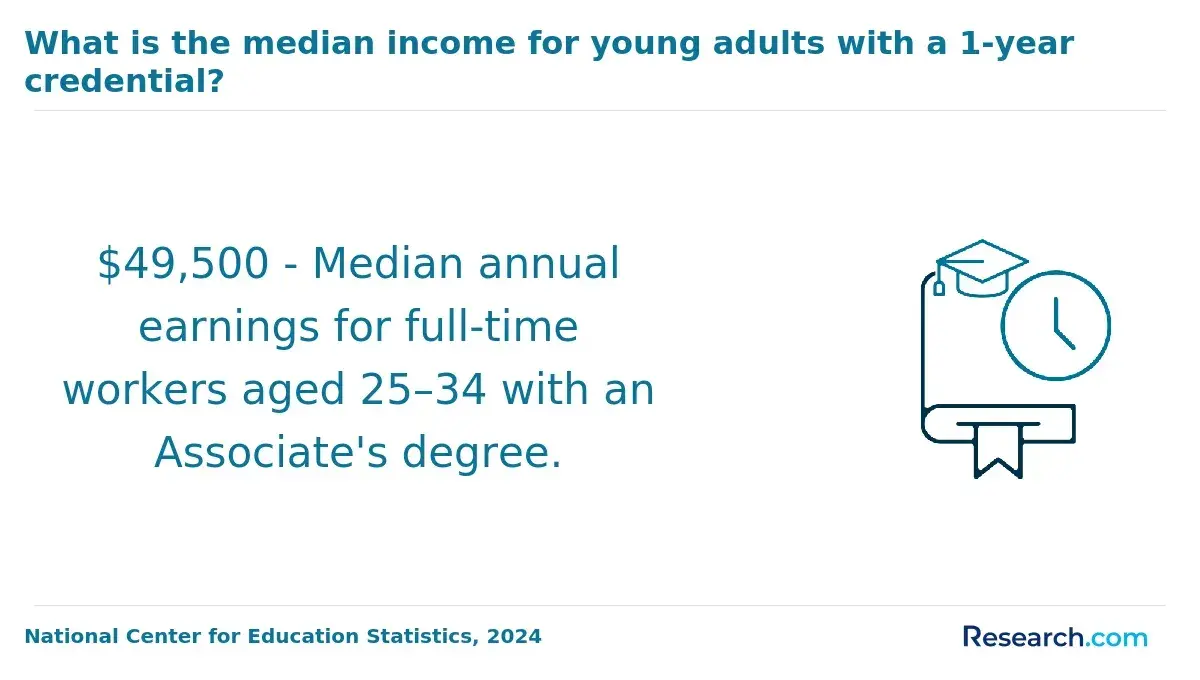
Choosing accredited online programs for healthcare accounting careers involves navigating key tradeoffs between flexibility and experiential access. Online formats offer asynchronous coursework that enables working professionals to balance study with healthcare roles or internships, a practical advantage amid a 20% growth in healthcare finance job postings from 2016 to 2026, with advanced analytical positions rising over 30%. This flexibility is vital for those aiming to switch or advance without pausing their employment.
The curriculum in these programs distinctly integrates healthcare-specific financial regulations, compliance, and electronic health records accounting, differing from traditional healthcare accounting degrees that often emphasize broader accounting principles with less sector specialization. This focus enhances readiness for roles such as healthcare financial auditor or revenue cycle analyst, where understanding reimbursement coding is essential.
However, the lack of onsite healthcare environments challenges online learners' ability to gain practical experience, requiring programs to develop virtual simulations or hybrid models. On-campus programs, by contrast, typically secure internships through established institutional partnerships, which employers highly value for direct healthcare exposure.
Financially, online programs reduce commuting and housing costs but may include technology fees or require investment in specialized software. Prospective students must weigh accreditation, employer recognition, and career services access carefully. For those contemplating broader shifts, such as a degree in project management, these considerations remain equally crucial.
What accreditation and program quality standards should online healthcare accounting programs meet?
Choosing an online healthcare accounting program requires assessing accreditation beyond regional recognition to ensure practical curriculum quality and workforce relevance. Programs must meet standards from the Accreditation Council for Business Schools and Programs (ACBSP) or Association to Advance Collegiate Schools of Business (AACSB).
These endorsements confirm that coursework rigorously addresses healthcare-specific accounting competencies such as HIPAA compliance, revenue cycle management, and cost accounting for providers, skills increasingly demanded by employers navigating complex regulatory and funding environments.
The value of healthcare accounting programs depends heavily on experiential learning components like case studies and institutional partnerships, which equip students with applied problem-solving abilities that employers prioritize over theoretical knowledge. Candidates lacking this practical exposure often face challenges transitioning into healthcare organizations where precision in managing insurance claims and compliance is critical.
Financial considerations also influence choice. Accredited online programs typically charge $300 to $600 per credit at public institutions, a significant cost advantage over on-campus private schools exceeding $1,000 per credit.
However, prospective students should verify that CPA exam preparation is integrated and aligns with specific state requirements, given licensure's role in career mobility. Additionally, programs offering strong career services and employer connections in healthcare improve employment outcomes.
Due to the nuanced accreditation standards and specialized curriculum demands, a thorough evaluation of online healthcare accounting program accreditation standards and quality assurance criteria for healthcare accounting degrees is essential.
For those considering flexible yet accelerated pathways, examining options such as the accelerated MBA may provide added strategic value when coupled with healthcare accounting expertise.
What courses and specializations are typically included in online healthcare accounting curricula?
Healthcare accounting education directly addresses a notable skills gap in finance leadership, particularly in service-line profitability and regulatory compliance. Over 60% of healthcare finance leaders note deficiencies in cost accounting tailored to clinical settings, impacting critical budgeting and reimbursement decisions.
Graduates face the challenge of applying cost accounting methods in complex environments like hospital oncology or surgery units, where overhead allocation significantly influences strategic decisions.
Programs emphasize mastery of healthcare-specific financial frameworks and systems, including EHR financial integration and coding standards such as ICD-10 and CPT, which underpin billing accuracy and audit preparedness. This alignment is crucial since inaccuracies can trigger compliance risks under regulations like HIPAA and Medicare rules.
Students also develop skills in fraud risk assessment and internal controls, essential for navigating regulatory scrutiny unique to healthcare providers and insurers. Data analytics and healthcare economics coursework prepare professionals for workforce demands around interpreting financial data across evolving payer mixes and integrated delivery systems.
Practical scenario-based learning, such as multi-departmental cost allocation exercises, enhances proficiency in handling nuanced financial operations. These applied exercises underscore tradeoffs between financial precision and operational complexity often encountered by professionals transitioning from general accounting roles into healthcare finance.
What are the typical admission requirements for online accounting programs focused on healthcare?
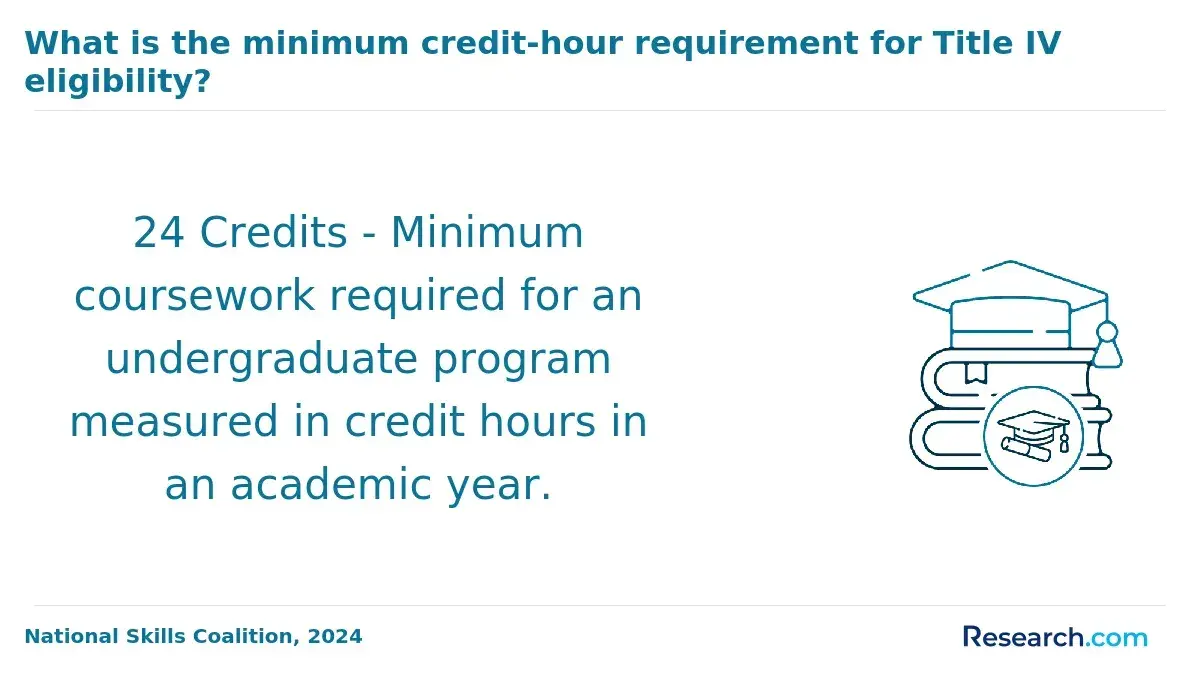
Entry requirements for online healthcare accounting programs typically extend beyond a high school diploma or equivalent to include minimum GPA thresholds (around 2.5 to 3.0) and relevant standardized test scores, though some programs waive testing for candidates with prior work experience or collegiate credits. This reflects a pragmatic screening approach aligned with workforce readiness rather than mere academic filtering.
Prospective students navigating these programs will often face explicit prerequisite demands for coursework in mathematics, statistics, and basic accounting principles, foundational to managing nuanced healthcare issues such as reimbursement structures and regulatory compliance.
Letters of recommendation and statements of purpose are frequently required, particularly for accelerated or degree-completion tracks designed for professionals pivoting into healthcare finance roles. Admissions committees place substantial weight on prior healthcare or financial experience to shorten onboarding timelines and enhance practical comprehension.
Program accreditation by bodies like AACSB, ACBSP, or IACBE matters significantly given the complexity of healthcare billing and compliance. Over 80% of top online bachelor's accounting programs maintain such credentials. Employers in hospitals and large provider systems prioritize candidates from accredited programs for trustworthiness and curriculum rigor.
Additionally, knowledge of specialized financial software is generally required, so applicants lacking digital fluency must invest in preparatory tech training to avoid performance lags.
This alignment between admissions criteria and specific workforce skills correlates with reducing onboarding periods typically spanning 6-12 months, enabling faster, more effective entry into roles like healthcare billing analyst or compliance auditor.
How long do online healthcare accounting programs take, and what do they cost?
Choosing between shorter certificate programs and extended master's degrees in healthcare accounting involves a clear cost-benefit tradeoff directly tied to career objectives and market realities. Certificates typically require 12 months or less and cost between $3,000 and $7,000, making them suitable for professionals seeking foundational finance skills or minimal disruption to full-time work.
However, advancing to senior roles such as director or CFO often necessitates deeper expertise and credentials that only longer programs, spanning up to two years and costing $20,000 to $50,000, can provide.
Employers in healthcare prioritize candidates familiar with complex reimbursement systems, regulatory compliance, and financial management intricacies. For example, a staff accountant leveraging an accelerated certificate may plateau salary-wise in the mid-five figures, while those investing in master's level qualifications often cross into six-figure earnings aligned with director-level responsibilities.
This dynamic reflects the premium placed on comprehensive curriculum and recognized credentials that address employer expectations.
Part-time program schedules, while beneficial for workforce flexibility, extend completion time and may delay return on investment. Therefore, students must weigh opportunity costs alongside tuition, considering employer tuition assistance where available.
Prioritizing programs offering robust industry validation is essential for candidates targeting sustainable upward mobility rather than mere credential acquisition.
What healthcare finance and accounting careers can you pursue with an online accounting degree?
An online accounting degree in healthcare finance requires balancing regulatory knowledge with technical proficiency to meet employer demands. Roles such as healthcare financial analyst or revenue cycle manager involve navigating complex reimbursement models and regulatory frameworks like HIPAA and Medicare policies.
For example, a financial analyst must coordinate budgeting with clinical teams to ensure cost control without compromising patient care priorities.
A significant workforce shift involves the adoption of cloud-based accounting systems in healthcare organizations, producing up to 50% less manual data entry and speeding month-end closes by as much as 25%, according to Cargas' 2024 healthcare accounting software review.
This evolution places a premium on candidates who can operate advanced financial platforms while understanding healthcare-specific rules.
Decision-making for students or professionals investing in this pathway should consider:
- Mastering software tools alongside regulatory compliance, which often compete for focus during training.
- The practical necessity of data analysis skills to interpret financial impacts within healthcare operations.
- Transitioning from general accounting to healthcare accounting requires adapting to technology-driven workflows and strategic operational efficiency improvements.
In sum, success depends on integrating financial stewardship with technological fluency in environments dictated by intricate regulatory and reimbursement dynamics.
What salary ranges and job outlook can healthcare accounting professionals expect?
Salary expectations for healthcare accounting professionals in 2026 range widely, typically between $60,000 and $90,000 annually, with median earnings around $75,000. Entry-level roles often start near $55,000 but require foundational credentials, frequently obtained online. Conversely, senior roles like healthcare financial managers can surpass $100,000, heavily influenced by regional factors and employer size.
The job market projects a 12% growth over a decade, driven by increased regulatory complexity, shifts in reimbursement methods, and electronic health record adoption. However, this demand also means employers prioritize candidates with specialized knowledge in healthcare regulations, billing, and reporting standards.
Educational investment decisions must be carefully evaluated. Data from Edgewood College indicates 40-50% of online adult accounting students ease their financial load through employer tuition assistance, an important consideration since self-funded students may take longer to recover costs if starting in lower-tier positions.
Advancement typically favors those who combine accounting education with certifications and hands-on healthcare experience. The strategic choice of programs should weigh this reality, focusing on maximizing return on educational investment and aligning with long-term workforce requirements.
How can working professionals choose the best online accounting program for healthcare careers?
Choosing an online accounting program for healthcare careers demands prioritizing programs that deliver tangible employability benefits within this specialized sector.
For example, candidates targeting roles in hospital finance or insurance auditing should favor curricula incorporating healthcare financial management, regulatory compliance, and healthcare data analytics rather than generic accounting content. This alignment significantly improves job market relevance and placement potential.
When evaluating financial commitment, understanding median salary benchmarks is vital. Accountants and auditors reported a median income of $79,880 according to the Bureau of Labor Statistics in 2023.
Programs charging $30,000 to $45,000 in tuition that offer relevant healthcare-oriented skills can often justify this cost through salary uplift recoverable within 6 to 8 years. This payback horizon is essential for weighing long-term value against upfront expense.
Working professionals benefit from programs with asynchronous schedules and clear credit transfer policies that minimize interruption to current employment. Additionally, accreditation from recognized agencies is non-negotiable, as healthcare employers rigorously validate credentials based on financial regulatory compliance.
Assess program outcomes by confirming strong graduate placement rates in healthcare accounting roles, access to CPA or CMA exam prep tailored toward healthcare contexts, and partnerships with regional hospitals or health systems providing internships or job placement. Programs integrated with healthcare networks provide a substantive edge over generic accounting degrees in securing sector-specific positions.
Other Things You Should Know About Accounting
Many employers view accredited online accounting degrees as equivalent to traditional degrees, but this often depends on the program's accreditation status and reputation. Employers in healthcare sectors prioritize demonstrated technical skills and relevant certifications over delivery format. Candidates from well-established online programs with rigorous curricula and practical healthcare accounting components tend to fare better in job placements and promotions. When selecting a program, prioritize regionally accredited institutions known for strong industry connections and healthcare-specific course content.
Online healthcare accounting programs often demand greater self-discipline due to their asynchronous formats, but the academic rigor is on par with in-person programs. The workload includes extensive assignments, case analyses, and often group projects requiring virtual collaboration, which can offset flexibility with increased time management challenges. Working professionals should assess their capacity for independent study and consistency, as failure to keep pace can delay graduation. Programs with live sessions and structured deadlines better replicate traditional expectations and improve engagement.
Yes, pursuing certifications such as CPA, CMA, or CHFP (Certified Healthcare Financial Professional) significantly enhances employability and advancement within healthcare accounting. These credentials validate specialized knowledge and adherence to industry standards, often compensating for a degree's delivery method. Employers often expect candidates not just to hold a degree but also to demonstrate continuous professional development through certifications. Prioritize programs that integrate exam preparation or offer clear pathways to relevant certifications.
Online healthcare accounting programs in 2027 enhance networking by offering virtual conference access, social media groups, and interactive webinars. Many programs connect students with alumni networks and healthcare professionals, facilitating relationships and career opportunities comparable to traditional campus settings.
References
- Healthcare Accreditation Explained: What It Is, Who It’s For, and How Organizations Prepare https://oasis-lms.com/post/healthcare-accreditation-explained
- Online Accounting Associate Degree | Affordable Accounting Degree https://www.uscareerinstitute.edu/online-accounting-associate-degree
- Accounting in Healthcare https://www.wctc.edu/WCTC/Academics/Program-List/Accounting-in-Healthcare
- Best Healthcare accounting courses for Beginners & Professionals https://www.accountsjunction.com/blog/healthcare-accounting-courses-beginners-professionals
- Online Accounting Degree | University of Phoenix https://www.phoenix.edu/online-business-degrees/accounting-bachelors-degree.html
- Accreditation in healthcare – background information - GAMSAS https://ams-accredit.com/accreditation-in-healthcare-background-information/
- Best Online Master's Programs in Accounting of 2025 https://www.accounting.com/degrees/accounting/masters/best-online-programs/