2027 Accounting Specializations for Accounting Systems Careers

Co-Founder and Chief Data Scientist
Facing the challenge of selecting an accounting specialization often arises amid shifting employer demands and accelerated technology adoption in accounting systems. Professionals weighing the decision confront a fragmented landscape of options, each with distinct implications for employability and skill relevance.
A recent National Center for Education Statistics report shows a 28% increase in adult learner enrollment in online accounting programs from 2022 to 2024, signaling a demand for flexible, career-oriented pathways suited to nontraditional students balancing work and study. This shift impacts timing and program accessibility, making the right specialization choice critical to career mobility and practical skill acquisition.
This article breaks down key accounting specializations directly tied to accounting systems careers, spotlighting practical program attributes and market realities to guide strategic, informed decisions.
Key Things You Should Know
- Cybersecurity and forensic accounting specializations command a 15% salary premium in 2025, yet require 30% longer certification times and intensive IT coursework, challenging time-to-job strategies for mid-career pivots.
- Employers prioritize cloud ERP proficiency over traditional GAAP expertise, per Deloitte's 2024 financial services workforce report, reshaping hiring criteria and devaluing conventional accounting tracks.
- Public sector accounting roles with budget management focus grow 12% annually, but limited graduate programs delay entry by 18 months, imposing significant opportunity costs on candidates.
What are the main accounting specializations that lead to accounting systems careers?
Specializations in financial accounting, management accounting, and information systems auditing form distinct but overlapping paths leading directly into accounting systems careers. For professionals navigating top accounting career paths in systems, the practical challenge lies in synthesizing accounting principles with dynamic technology requirements.
Financial accounting offers essential skills in handling transactional data crucial for managing ERP systems, while management accounting sharpens decision-support capabilities used to customize software that enhances operational efficiency.
A management accountant transitioning into systems work might analyze cost behaviors to streamline processes and collaborate closely with IT for automation. Meanwhile, information systems auditing addresses compliance and data integrity issues, a critical intersection of audit standards and IT governance often seen in governmental or regulatory environments. These roles demand fluency in both accounting rules and technical system design, creating a high bar for practical competence.
Considering workforce implications, the U.S. Bureau of Labor Statistics projects a 5% growth rate for accountants and auditors with median salaries near $81,680, reflecting steady demand but growing competition. Candidates who integrate system knowledge with accounting fundamentals are better positioned to meet employer expectations emphasizing cybersecurity, controls, and data management frameworks.
Choosing robust programs with integrated technology coursework is essential for those serious about accounting specializations for systems careers. Prospective students weighing options often examine affordability and curriculum rigor, where options like an online accounting degree may offer accessible pathways without sacrificing key skill development.
What does an accounting systems professional do, and how does this role differ from traditional accounting?
Accounting systems professional responsibilities extend beyond traditional ledger maintenance, centering on deploying technology to streamline financial workflows. Unlike conventional accounting's focus on audits or tax prep, this role demands technical fluency with ERP software, data analytics, and cybersecurity measures to drive accurate and timely internal reporting.
For instance, manufacturing firms rely on accounting systems experts to integrate inventory and cost modules, enabling real-time cost tracking and enhancing budgeting precision.
These distinctions translate to closer collaboration with IT and business units, as professionals translate financial needs into system specifications, bridging gaps between accounting knowledge and technology implementation.
Students pursuing this specialization confront practical challenges such as evolving software platforms, compliance risks in automation, and aligning system outputs with diverse managerial goals. Emphasizing certifications and applied system deployment alongside foundational accounting is crucial.
The labor market response reflects these dynamics. The U.S. Bureau of Labor Statistics projects a 10% growth in management analyst positions from 2019 to 2029, occupations reliant on managerial, cost-accounting, and data interpretation skills derived from accounting systems expertise. This trend underscores the growing value of internal business analytics capabilities absent in traditional accounting roles.
For those exploring options, programs such as a project management bachelor degree may complement accounting systems curricula by enhancing cross-functional project oversight skills pivotal for systems integration and process improvement.
Which degrees best prepare you for an accounting systems career, from associate to master's?
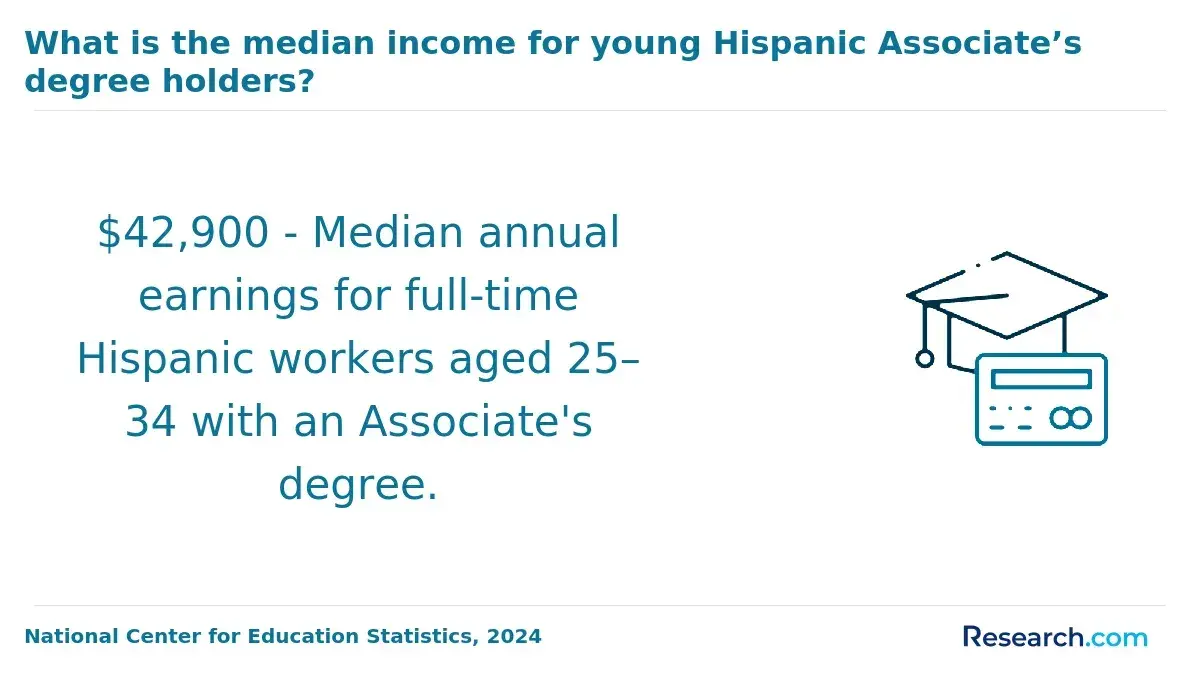
Choosing the right educational pathway for an accounting systems career hinges on balancing technical proficiency with practical experience and market demands. Associate degrees in accounting technology or bookkeeping build foundational skills suitable for entry-level roles like accounts payable clerk or junior system analyst, but progression often stalls without supplementary certifications in ERP software such as SAP or Oracle.
Bachelor's degrees integrating accounting with information systems or business analytics reflect employer priorities for hybrid expertise capable of managing both traditional financial tasks and automated workflows.
For instance, financial services firms now seek candidates who navigate tax compliance data while overseeing system automation, part of a market projected to generate $154.9 billion in revenue by 2025. Advanced associate and bachelor degrees for accounting systems careers thus directly align with evolving workforce requirements.
At the master's level, programs focused on accounting analytics or accounting systems management prepare candidates for leadership roles involving system design, regulatory compliance, and AI-driven audit analytics.
These advanced master's programs emphasize preparing professionals to manage multi-state tax laws and corporate data security, ideal for CPA firms or senior financial technologists. However, the greater time and financial investment demands clear alignment with long-term career objectives.
Decision-makers also weigh sectors and specialization preferences: those entering government compliance or tax software development benefit from ERP certifications or CPA modules, while internal audit roles require combined IT audit and accounting training. For individuals evaluating degree benefits versus complementary credentials, considering whether is a project management degree worth it in conjunction with accounting education can provide strategic advantages.
How do online and on-campus accounting programs compare for accounting systems specializations?
Choosing between online and on-campus programs for systems specialization in accounting involves tradeoffs tied directly to employer expectations and practical skill acquisition.
On-campus programs provide structured access to proprietary software, supervised labs, and consistent faculty mentorship, facilitating deep technical mastery valued in sectors such as manufacturing finance and large audit firms. Graduates from these programs typically gain immediate operational expertise through internships and technology certification partnerships.
In contrast, online programs offer comparable theoretical rigor with growing practical simulation components, which support working professionals balancing job demands and learning.
These programs often suit candidates targeting mid-level system implementation roles in industries embracing distributed teams like fintech or consulting, where the flexibility of a business administration online degree supports real-time application of concepts. However, online learners face higher demands on self-discipline and stable technology access.
Key considerations when deciding include:
- Access to specialized software and in-person collaboration for mastering complex audit trails favors on-campus formats.
- Flexible scheduling and integration with one's current work environment accentuate the advantages of online programs.
- Employers in public accounting emphasize rigorous, hands-on experience generally better supported by traditional settings.
Ultimately, evaluating the advantages of online versus traditional accounting systems degrees requires aligning program delivery with individual career objectives, industry norms, and anticipated market growth in audit-centered accounting functions.
What core courses and technical skills are taught in accounting systems specialization programs?
Specializing in accounting systems demands balancing traditional accounting expertise with technical agility to meet employer expectations in a digitized landscape. While core competencies like financial reporting and managerial accounting remain foundational, proficiency with ERP platforms such as SAP or Oracle increasingly defines candidate suitability for automating and streamlining reporting workflows.
In practical terms, students must grasp data analytics techniques to scrutinize large financial datasets, enhancing detection of anomalies that may indicate fraud, a critical skill given the $3.7 trillion global fraud loss cited by Experian. This informs roles that blend forensic accounting and fraud examination, where analytical rigor directly impacts organizational risk management.
Technical literacy extends beyond standard software usage to include database management, SQL, and introductory programming in Python or R, facilitating automation of validation and reporting tasks. These capabilities are crucial in industries with heightened regulatory scrutiny, such as healthcare and manufacturing, emphasizing internal controls and risk assessment frameworks.
Graduates equipped with understanding of GAAP, IFRS, and cybersecurity principles are positioned to meet employer demands for safeguarding sensitive financial systems. This integrated skill set, merging accounting accuracy with technological fluency, is essential for positions focused on audit, compliance, and fraud prevention, though candidates must weigh the learning curve of technical content against their career objectives.
What are the typical admission requirements for accounting programs focused on accounting systems?
Accounting programs focused on accounting systems now demand applicants who blend foundational academic performance with technical competence, reflecting the automated shift in the profession.
With roughly 75% of accounting tasks considered automatable through modern software, candidates lacking familiarity with both accounting principles and IT systems risk extended, costly preparation before entering these specialized fields, which can delay employment and reduce return on investment.
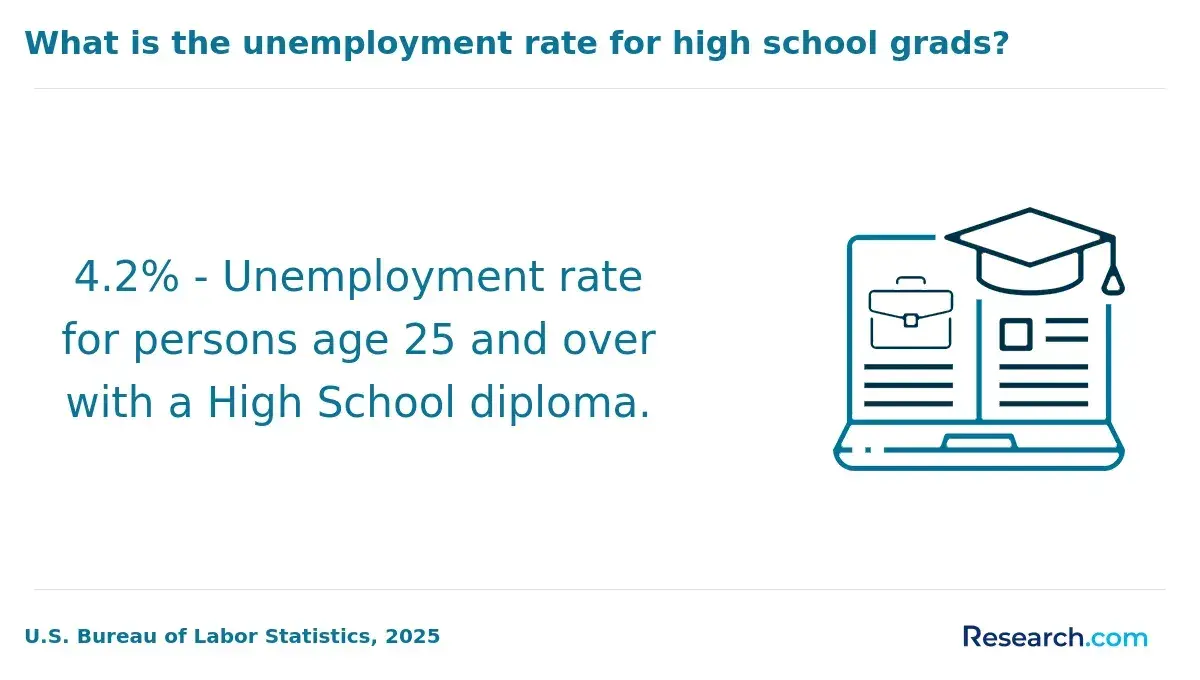
Admissions typically require a high school diploma or equivalent with a GPA between 2.5 and 3.0, emphasizing math and analytical skills. Standardized tests like the SAT or ACT are common but increasingly optional.
Career pivoters benefit from documented experience with finance software or business operations, aligning with employer demands for candidates proficient in technology-enhanced accounting.
Prerequisites frequently include coursework or demonstrated skills in introductory accounting, information systems, or computer science to avoid remedial classes and streamline progression into system integration topics.
These admissions filters are a response to employer priorities favoring fluency in accounting standards combined with automation skills, underscoring the need for applicants to evaluate how their background matches this evolving labor market reality.
How long do accounting systems programs take, and what tuition, fees, and financial aid can you expect?
Choosing an accounting education pathway demands balancing time investment, cost, and employer expectations shaped by rapid digitization and AI integration. Short certificate or diploma programs prioritize immediate workforce entry with practical software skills, typically completing within 6 to 12 months. These suit roles such as healthcare billing technicians but offer limited upward mobility in finance.
Associate degrees, requiring roughly 2 years, merge foundational accounting principles with technical competencies, preparing graduates for junior analyst positions. Bachelor's degrees extend to 4 years and provide comprehensive exposure to accounting theory, systems integration, and data analytics, aligning better with roles that require professional certifications or leadership responsibilities.
Cost considerations vary widely. Community college associate programs average $3,500-$6,000 annually in-state, while private bachelor's programs often exceed $20,000 per year. Certificate programs range from $1,000 to $5,000 total but may necessitate additional expenses for software licenses or AI-related training.
By 2026, 97% of finance teams use AI tools, increasing employer demands for digital proficiency and affecting expected productivity, as accountants can save about 240 hours annually using these technologies.
Financial aid and employer-sponsored tuition assistance frequently influence program choice, especially for working professionals who benefit from part-time or hybrid options that balance income continuity with skill acquisition. Selecting a program requires weighing immediate job readiness against long-term career flexibility and the evolving expectations of automation in finance.
What entry-level and advanced jobs can you get with an accounting systems specialization?
The practical value of pursuing an accounting systems specialization hinges on the balance between immediate technical proficiency and longer-term strategic capability within finance-IT integration. Entry-level roles, such as junior accountant or financial data analyst, demand hands-on mastery of specific ERP platforms like SAP or Oracle Financials to ensure accurate transaction recording and compliance support.
These positions offer foundational experience but typically require 2-3 years before advancing to higher-impact roles, limiting early exposure to systems design or risk management.
Advanced positions, including accounting systems analyst or ERP implementation manager, integrate accounting expertise with IT governance and strategic oversight, demanding fluency in internal controls and regulatory frameworks like GAAP.
For example, a financial systems auditor in government settings must simultaneously navigate complex audit standards and evolving reporting mandates, exemplifying the sector's rising demand for digital finance expertise amid a federal employment growth forecast of 5% through 2034.
Key tradeoffs involve ongoing technical recertification versus broad managerial skills, with employers prioritizing candidates who bridge finance and IT to mitigate fraud and error risks amid increasing automation. This specialization requires continuous learning to keep pace with software upgrades and regulatory changes, challenging professionals to balance tactical competency with strategic adaptability.
What salary ranges and job outlook can you expect in accounting systems careers?
Salary potential in accounting systems careers hinges on a balance between technical skill and regulatory knowledge, with annual earnings typically ranging from $60,000 for entry-level roles to upwards of $120,000 for seasoned professionals managing complex financial software in multinational settings.
For instance, a systems analyst focused solely on automation software might start near $60,000, while a specialist in ERP implementations across global retailers can earn above $110,000 due to the intricate demand for real-time transaction reporting and compliance with multi-jurisdictional tax laws.
Projected job growth at 10% through 2032, outpacing many occupations, reflects intensifying regulatory pressures and tech adoption. However, this growth requires continuous upskilling, particularly in ERP platforms, data analytics, and compliance frameworks. Candidates lacking a solid grasp of governing financial rules risk stagnant advancement despite technical proficiency.
Specialists navigating international e-commerce complexity, with revenue expected to hit $8.1 trillion by 2026 as detailed by Link My Books, often command salaries between $90,000 and $130,000. This niche demands fluency in currency conversions and multi-country tax standards, blending technical and regulatory expertise.
Consequently, professionals must weigh tradeoffs between depth of software skills and breadth of compliance knowledge to position themselves strategically within a landscape defined by evolving technology and tightening regulations.
How do accreditation and certifications impact credibility and advancement in accounting systems roles?
Certification directly influences employability and role scope within accounting systems, reflecting a candidate's ability to navigate complex financial, regulatory, and IT processes. Employers prioritize credentials like CPA, CMA, or CISA, which signal proven technical expertise aligned with industry standards.
For example, a systems accountant with CPA status typically qualifies for senior roles managing financial reporting and compliance, while CISA credentials facilitate entry into IT audit functions and cybersecurity within accounting frameworks.
Opportunity in advisory roles, especially client advisory services (CAS), hinges on certifications that demonstrate strategic and technical integration skills. Firms investing in CAS report substantial revenue growth, with projections nearing doubling by 2025, according to Link My Books' data. Professionals with relevant certifications have a measurable advantage in capturing this expanding market segment.
The decision to pursue certifications requires weighing factors beyond recognition: time commitment, financial cost, and alignment with sector-specific demands are critical. For mid-career professionals, a targeted approach, such as emphasizing IT controls for financial institutions or operational audits for manufacturing, minimizes mismatch risk. Additionally, continuous education and recertification maintain competence as standards evolve, impacting long-term career viability.
Absent such credentials, candidates often encounter slower advancement and skepticism regarding their regulatory knowledge. Those who combine technical and accounting certifications typically access premium roles with enhanced compensation, underscoring accreditation's direct correlation with tangible workforce outcomes.
Other Things You Should Know About Accounting
Specializing early in accounting systems can fast-track technical proficiency and relevance in roles that require ERP and data analytics skills. However, starting with a broad accounting foundation builds versatile problem-solving and compliance knowledge that employers often expect before trusting systems-related responsibilities. For students aiming specifically at technology-driven roles, early specialization is advantageous, but those unsure of their career focus should acquire general accounting experience first to maintain flexibility.
In 2027, employers expect candidates with accounting systems specializations to have strong technical skills, including proficiency in ERP systems, data analysis, and IT integration. In contrast, those with traditional accounting backgrounds are expected to excel in financial reporting and compliance.
Accounting systems programs combine accounting theory with complex IT coursework, increasing overall workload and technical demands. Students must manage simultaneous learning in programming, databases, and systems analysis alongside accounting regulations. This dual focus often extends time commitments and can require more self-directed study, making these programs more intensive than standard accounting degrees. Prospective students should assess their aptitude for technical subjects before choosing this path.
Certifications in relevant ERP platforms or data analytics tools provide targeted skill validation and often speed up career progression in accounting systems roles more than general advanced degrees. Advanced degrees support long-term leadership and strategic roles but may not improve immediate employability without accompanying technical certifications. Working professionals should prioritize certifications aligned with employer technology stacks for practical advancement while considering graduate education for managerial or specialized consulting career tracks.
References
- How to Meet Accounting Degree Requirements for Career Success - ICMS https://www.icms.edu.au/degree-discovery/how-to-meet-accounting-degree-requirements/
- 15 Accounting Careers: Undergraduate & Graduate Paths https://www.baypath.edu/news/bay-path-university-blogs/post/15-accounting-careers-undergraduate-graduate-paths/
- Potential Accounting Career Paths & Requirements | AIU https://www.aiuniv.edu/degrees/business/articles/types-of-accounting-careers-requirements
- Accounting Career Path: A Guide to Accounting Careers - Intuit https://www.intuit.com/blog/life-at-intuit/intuit-experts/accounting-careers/
- The definitive guide to your accounting career https://www.becker.com/blog/cpa/accounting-careers-which-cpa-career-path-to-choose
- The Importance of Professional Certifications in Accounting - Brighthub Training & Recruitment https://www.brighthubtraining.co.uk/the-importance-of-professional-certifications-in-accounting/