2027 Accounting Salary by State Report

Co-Founder and Chief Data Scientist
Facing the decision to relocate for better compensation in accounting often pits professionals against conflicting cost-of-living adjustments and local market saturation. For instance, the U. S. Bureau of Labor Statistics reports that states with higher median salaries for accountants also tend to have significantly higher living expenses, complicating straightforward comparisons.
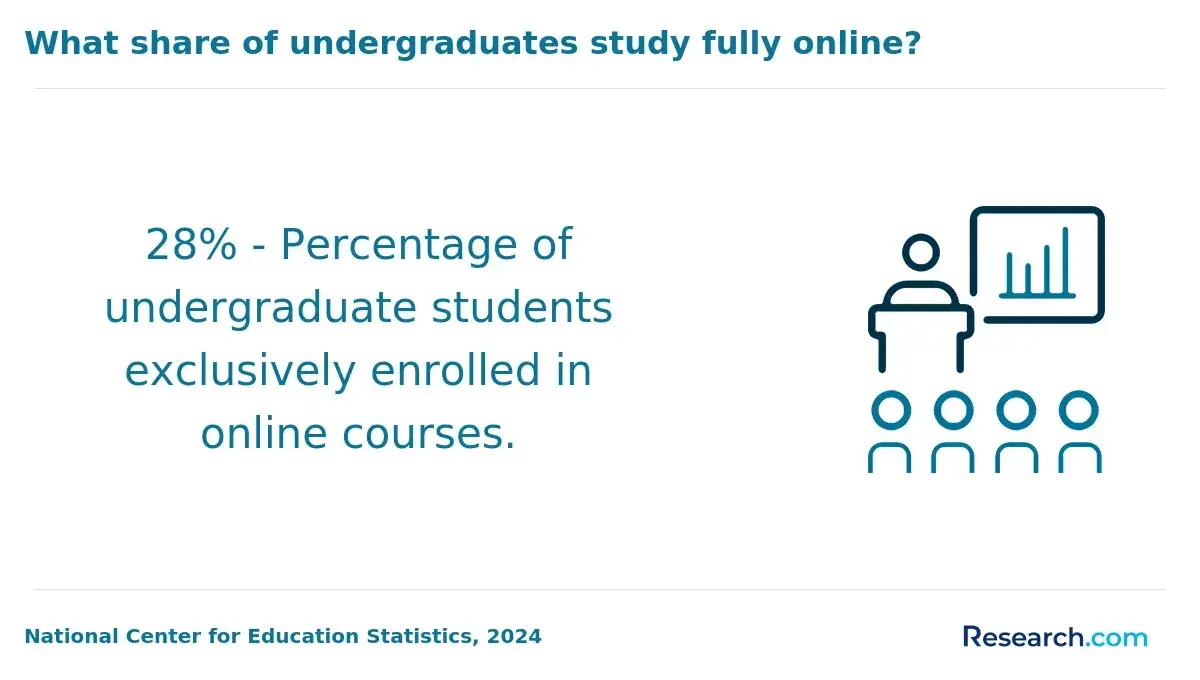
Meanwhile, the surge in remote work options and asynchronous online programs-now enrolling a majority of adult learners according to NCES data-adds a new variable to balancing geographic flexibility with income goals. This report analyzes accounting salary variations across states to equip professionals and students with actionable insights for optimizing career mobility and financial outcomes.
Key Things You Should Know
- Median accounting salaries vary by over 40% between states, with California and New York exceeding $82K annually, forcing candidates to weigh relocation costs against wage premiums from BLS 2024 data.
- Employers increasingly prioritize CPA certification and 150-credit hour requirements, as shown by a 15% wage increase for credentialed accountants nationwide, impacting the time and financial investment for career pivots.
- States with fewer accredited accounting programs see slower salary growth and limited local talent pools, adding a geographic access barrier that delays workforce entry, per 2024 NCES and industry reports.
What is accounting salary by state?
Salary variations for accountants across states hinge on local economic factors, industry density, and cost of living, directly affecting employability and career choices. The median annual wage for accountants and auditors was $81,680 as reported by the U.S. Bureau of Labor Statistics in May 2024, yet this average masks stark contrasts.
In markets like New York and California, where financial services and corporate headquarters cluster, salaries can surpass $140,000, often requiring current certifications and proficiency in advanced accounting software.
Meanwhile, in regions with smaller economies and lower living costs, such as Mississippi and West Virginia, accounting salary differences by state can limit upward mobility and income growth, especially for early-career professionals. Relocation decisions must consider if the wage increase is sufficient to offset higher expenses and tax obligations.
Auditors in states with complex regulatory frameworks face demands for specialized continuing education, which can boost compensation but also increase workload and professional development costs.
Prospective candidates should evaluate average accounting wages across states together with job market demand and lifestyle factors to make strategic decisions.
Those weighing focused credentials should also explore adjacent fields; for example, the CPC medical coding salary trajectory reflects a specialized but distinct pathway with its own labor market dynamics.
Which states pay accountants the most?
States paying accountants the highest salaries tend to have dense industries requiring specialized skills, presenting a clear tradeoff between compensation and cost of living.
California, for example, offers average salaries exceeding $90,000 driven by Silicon Valley and Los Angeles markets demanding advanced analytic and compliance expertise. Yet, these salaries come with some of the nation's highest housing and tax burdens, which can diminish net income despite top gross pay.
New York remains a close second with median accountant salaries around $88,000, concentrated largely in New York City's financial services sector where regulatory complexity and multinational clients increase demand for seasoned professionals.
Massachusetts follows near $85,000, supported by Boston's healthcare and biotech industries that require rigorous financial reporting and compliance knowledge-skills increasingly tied to career mobility in these fields.
Conversely, states offering average salaries near $60,000 often feature fewer specialized industries, presenting limited pathways for substantial growth or exposure to high-stakes accounting. These geographic disparities highlight the importance of aligning educational and certification choices with regional market demand to optimize earning potential.
Salary growth for accounting roles is projected at about 2.1%, signaling stabilization and heightened emphasis on industry specialization and credentials such as CPA or CMA for achieving advancement. Prospective accountants weighing relocation or upskilling should carefully consider these dynamics alongside local economic realities.
For those exploring educational options aligned with strategic career pivots, programs like the project management degree online fast can complement accounting expertise by enhancing managerial capabilities in complex organizational environments.
Understanding the highest paying states for accounting professionals allows candidates to navigate the tradeoffs between salary, cost of living, and career exposure.
Targeting the top states with best accounting salaries involves balancing immediate compensation against long-term professional development and personal financial sustainability.
How do accounting salaries vary by experience level?
Salary progression in accounting closely tracks experience and geographic context, creating distinct financial trajectories within the workforce. Entry-level professionals often earn near the lower state median of approximately $64,180, engaging primarily in transactional and basic reporting tasks typical of smaller firms or public agencies.
By contrast, accountants with 3-5 years' experience typically command salaries ranging between $75,000 and $85,000, reflecting increased responsibilities like audit support and compliance management.
This pattern exemplifies how average accounting earnings based on years of experience by state can differ substantially, especially between localities with varying industry presence and economic scales.
Senior practitioners-often with over a decade of experience-reach upwards of $123,410, particularly in states with high costs of living and dense financial sectors such as New York or California. These roles entail leadership in complex financial analysis, strategic tax advising, and team supervision, illustrating how geographical pay disparities impact real-world compensation scenarios.
Professionals pursuing career pivots or advancement must navigate the tradeoff between experience accumulation and regional mobility, as well as the strategic acquisition of specialized certifications in high-demand areas like forensic accounting.
Decisions at early career stages significantly affect long-term wage progression. Targeting roles in high-paying states, pursuing certifications linked to advanced competencies, and joining organizations with clear advancement paths can accelerate salary growth.
For those considering educational pathways to support these moves, an online construction management bachelors degree may offer a relevant model of balancing affordability with sector-specific skills. This approach can inform how students assess programs when weighing practical value against workforce outcomes.
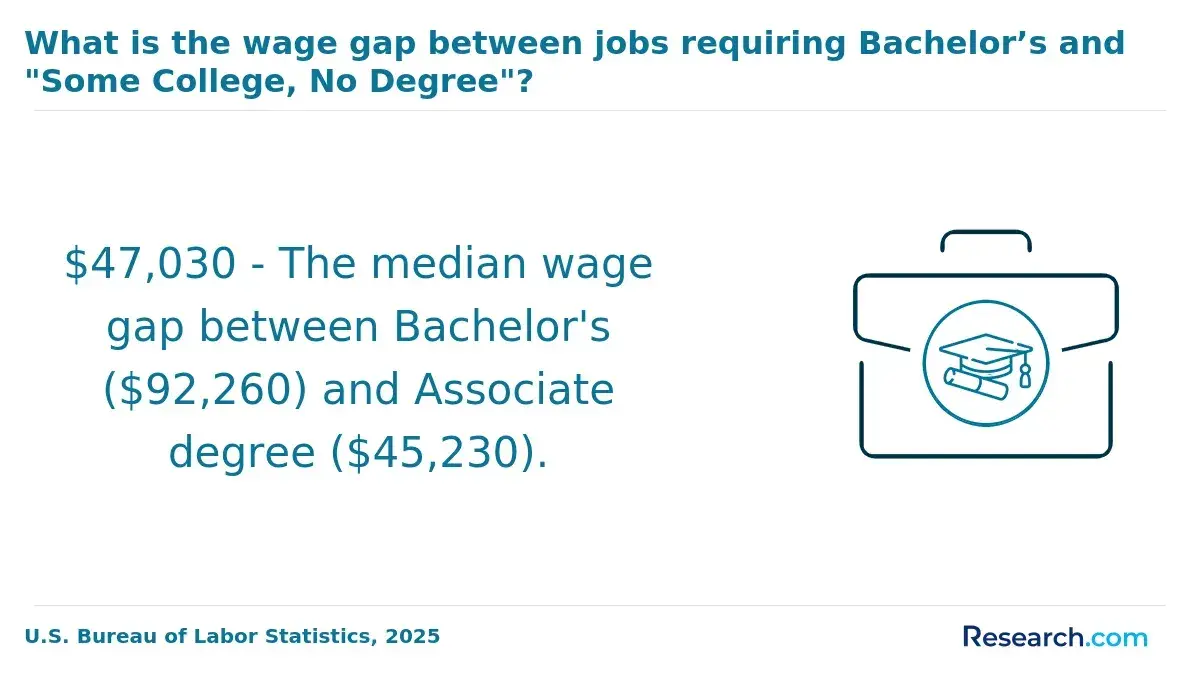
What accounting degrees lead to higher salaries?
Top-tier salaries in accounting rarely emerge from bachelor's degrees alone; advanced education and credentials shape earning potential significantly. A master's degree such as a Master of Accountancy (M.Acc) or an MBA concentrated in accounting equips candidates with sophisticated technical and strategic skills, meeting employer demands for leadership and multifaceted problem solving.
This combination is especially relevant when examining accounting degrees with highest salaries by state, where advanced credentials often correlate closely with regional income premiums.
Professional certification notably amplifies these effects. The Certified Public Accountant (CPA) credential, in particular, offers the most direct path to salary increases, frequently surpassing a 20% uplift over bachelor's holders without licensure.
In states like Mississippi, this dynamic is pronounced, with accountants earning as much as 63% more than average workers when accounting for cost of living. Such disparities illustrate the real economic value attached to top accounting qualifications for higher pay in US states.
Specialization in areas like forensic accounting, internal auditing, or tax consulting also directs candidates toward roles with higher remuneration thresholds due to niche expertise requirements. For those weighing educational options, balancing cost, time, and expected outcomes is critical.
Pursuing online business degree programs accredited can offer flexible pathways, but the combined weight of graduate education and CPA licensure is often a deciding factor in unlocking metropolitan or Fortune 500 hiring pools.
Without these credentials, salary growth and leadership opportunities tend to plateau, positioning graduate degrees and certified licensure as practical imperatives rather than optional enhancements for ambitious professionals in accounting.
Should you choose online or campus accounting programs?
Deciding between online and campus accounting programs hinges less on convenience and more on alignment with employer expectations and career objectives. For professionals targeting Big Four or other metropolitan-based firms, campus programs offer critical face-to-face networking, internship pipelines, and alumni connections that often shape hiring decisions.
Conversely, online programs provide essential flexibility for working adults and those outside major employment hubs, especially when the curriculum is CPA-focused and meets licensing prerequisites.
Entry-level accountants nationally earn $55,000-$65,000 on average, with CPA-track graduates typically starting near $60,000, as reported by Workday's 2026 Accounting Salary Guide. This wage differential underscores how programs structured around CPA exam and state board requirements can materially affect starting salaries and career mobility.
Prospective students should evaluate key factors shaping outcomes and fit:
- Target employers' preference for on-campus engagement versus acceptance of accredited online credentials.
- Efficiency in completing CPA licensure prerequisites without delaying graduation.
- Program compatibility with existing work, family, and geographic constraints.
In less connected regions, campus programs can carry reputational advantages, while national and virtual recruiters increasingly recognize accredited online degrees. Aligning educational pathways with these workforce nuances translates directly into tangible benefits, especially in the competitive accounting labor market.
What accreditation matters for accounting programs?
Employers in public accounting, corporate finance, and government auditing heavily prioritize candidates from AACSB-accredited accounting programs, as this specialized accreditation signals rigorous curricula and faculty expertise.
Graduates without AACSB accreditation often encounter barriers such as restricted CPA exam access in certain states and diminished prospects with Big Four firms or Fortune 500 companies.
Meanwhile, regional accreditation typically suffices for roles in mid-size firms and some state agencies where credit hours meet CPA eligibility requirements but may limit advancement in more competitive sectors.
For example, an accountant targeting senior roles in a state government agency must confirm that the program's accreditation aligns with both CPA board rules and employer expectations. This alignment can influence job placement and licensure speed, critical factors in career progression.
Mid-career accountants with three to five years of experience earn $75,000 to $110,000, while senior accountants and managers often exceed $120,000 in high-cost markets, per Workday's 2026 accounting salary guide.
Employers prefer accredited graduates because they generally require less remedial training and demonstrate familiarity with current standards.
- Consider whether your target employers mandate AACSB accreditation or accept regional accreditation combined with CPA certification.
- Evaluate how accreditation status impacts access to internships, professional networks, and niche fields like forensic accounting.
What courses are in an accounting degree?
Accounting degrees are structured to balance foundational theory with immediate workforce demands, yet their true value hinges on alignment with specific career objectives. For example, students aiming for public accounting roles must prioritize courses in auditing and tax compliance to meet CPA exam requirements and industry protocols, especially in sectors like manufacturing or financial services.
Quantitative skills such as statistics and data analytics have become indispensable, as employers in technology and healthcare increasingly seek candidates capable of forecasting, budgeting, and risk assessment using real data.
Meanwhile, economics and business communication coursework supports effective decision-making and stakeholder engagement, skills essential for advisory or corporate finance positions.
CPA certification offers an average 10-15% salary premium, influenced by geography and industry, but this benefit requires substantial investment in exam-focused preparation and practical experience embedded in program curricula. Those neglecting these components risk missing out on important earnings differentials.
Strategic curriculum choices affect employability and long-term earnings trajectories:
- Public accounting candidates should seek programs with integrated CPA exam support and field assignments.
- Students targeting managerial or consulting roles must emphasize managerial accounting and systems courses.
- Elective options tailored to roles like forensic accounting improve specialized skill acquisition.
Prospective students should critically evaluate how coursework translates into practical competencies, as superficial credit accumulation without applied relevancy provides limited return on time and resources compared to programs emphasizing real-world application and certification alignment.
What jobs can accounting graduates get?
Accounting graduates enter a labor market that sharply differentiates roles by industry complexity and required credentials, shaping both immediate responsibilities and long-term earning potential.
A mid-level role in a manufacturing firm, such as cost accountant, demands expertise in inventory valuation and cross-functional communication, contrasting with public accounting positions focused on client audits and GAAP compliance under billable hour pressures. This divergence affects not only daily tasks but also skill development priorities and career trajectory.
Formal certifications like CPA or CMA remain pivotal for accessing senior roles such as forensic accountant or controller, often paired with multiple years of experience. Those entering without certifications typically experience slower salary progression and reduced job scope.
It's important to weigh the value of certification against the time and cost investment required, especially given that the median wage for accountants and auditors is $81,680, significantly above the overall U.S. median of $49,500, with regional wage disparities further complicating the economic outlook.
Employers prioritize proficiency in accounting software, analytical acumen, and regulatory knowledge at hire, making entry-level transaction processing a common starting point before advancing into decision-influencing duties.
This emphasizes the need for candidates to understand operational nuances and competitive credentialing demands upfront, alongside strategic location considerations to maximize employment outcomes.
How do CPA requirements affect accounting salaries?
States enforcing rigorous CPA licensure requirements-such as 150 credit hours, formal exam preparation, ethics tests, and stipulated work experience-see a consistent 10-20% salary premium for accounting professionals compared to regions with looser or no CPA mandates.
This premium arises from the credential's role in granting legal authority for specialized services like auditing and attest functions unavailable to non-CPAs, creating a practical barrier that firms use to justify higher compensation.
Employment projections estimate a 5% growth for accountants and auditors over the next decade, with approximately 124,200 annual job openings, and CPA holders are prioritized due to regulatory demands that narrow the candidate pool.
For those targeting forensic or public accounting, additional state-specific requirements extend credential attainment time but unlock access to niche roles, especially within regulated sectors and metropolitan job markets that reward verified expertise.
However, the CPA pathway involves upfront costs-extended education, exam fees, and internship commitments-that not all candidates can absorb. Without the CPA, professionals often face salary stagnation 15-25% below licensed peers and limited promotion prospects in supervisory or specialized work.
- Stricter CPA states yield higher average salaries and reduced competition.
- CPA status is essential for many regulated, high-complexity roles.
- Upfront investment in education and exams creates a barrier to entry.
These dynamics mean that when evaluating the CPA credential, candidates must weigh immediate financial and time costs against long-term earning potential and occupational flexibility.
How do job outlook and demand vary by state?
Job opportunities and compensation for accountants shift significantly by state, shaped largely by the economic landscape and industry complexity. For instance, states like New York and New Jersey offer average salaries close to $97,640 and $95,640, supported by dense financial sectors, multinational corporations, and roles demanding advanced technical expertise and regulatory navigation.
Conversely, states with smaller, less varied economies-often reliant on agriculture, small businesses, or government jobs-show average salaries in the mid-$60,000 range. Accountants in these regions frequently face limited advancement and less competitive wages, especially in local government or nonprofit sectors. This poses a clear tradeoff between geographic stability and earning potential.
Employers in high-demand states expect proficiency in complex regulations and up-to-date accounting software, pushing candidates toward specialized certifications and ongoing training. In lower-demand areas, broad-based skills remain valuable but translate into slower job growth and wage limitations.
Consider an accountant in New York City managing multimillion-dollar portfolios and tight regulatory deadlines versus one in a rural state handling basic bookkeeping with far less responsibility. This difference impacts educational choices and geographic mobility.
Other Things You Should Know About Accounting
Specializing in a niche, such as forensic or tax accounting, offers higher starting salaries and clearer advancement paths in firms focusing on those areas. However, maintaining a broad skill set increases flexibility for career shifts and is preferred by generalist employers, especially in smaller companies. Professionals should assess their target industry and employer size before choosing specialization because deeply specialized skills can limit job options outside that niche. For rapid career growth in competitive markets, prioritizing a specialization aligned with demand is advisable.
In 2027, accounting salaries vary significantly by state. For example, California and New York typically offer higher average salaries due to cost-of-living and economic demand, while states like Mississippi and West Virginia might offer lower averages. Factors like industry demand, state economy, and cost-of-living influence these variations.
Additional credentials such as Certified Management Accountant (CMA) or Certified Internal Auditor (CIA) improve salary potential mostly in specialized fields or at senior levels rather than entry positions. Employers value these certifications when tied directly to job functions, so investing time and money in certifications lacking clear relevance to your targeted role offers limited returns. Therefore, pursue additional certifications selectively based on career goals, focusing on the certifications that align with your desired specialization and employer expectations.
Geographic mobility remains critical in accounting for accessing roles with higher salaries and growth opportunities, especially in states with dense financial centers or headquarters of major firms. Remaining in lower-paying states or rural areas limits exposure to top-tier employers and challenging assignments that accelerate career advancement. Accountants targeting rapid salary growth should plan for relocation early, as employer willingness to pay premiums correlates strongly with cost-of-living and market concentration. Lack of mobility can trap professionals in stagnant salary brackets despite increasing experience.
References
- Accounting Degree Program Guide | Accounting.com https://www.accounting.com/degrees/overview/
- How much to accountants really earn? | ICAEW Jobs https://jobs.icaew.com/article/how-much-do-accountants-really-earn-
- College vs University for Accounting: Best Choice https://aoltoronto.com/blogs/college-vs-university-for-accounting/
- How Much Does an Accountant Make? https://www.herzing.edu/salary/accountant
- CPA Career Guide - Average CPA Salary | UWorld https://www.efficientlearning.com/cpa/resources/cpa-salary-breakdown/
- Accountant Salary Guide 2026 | CPA Pay by State https://www.accountingedu.org/salary/
- How Much Do Accountancy Roles Pay? https://tenpercentfinancial.co.uk/how-much-do-accountancy-roles-pay/
- Understanding the Benefits of Online Accounting Courses Compared to Traditional Classroom Learning - Universal Accounting School https://universalaccountingschool.com/understanding-the-benefits-of-online-accounting-courses-compared-to-traditional-classroom-learning/
- Accountant Salary and CPA Outlook by State https://www.mastersinaccounting.info/salary/
- Show me the money: What are the highest paying accounting jobs? https://www.becker.com/blog/career/show-me-the-money-the-highest-paying-accounting-jobs