2027 Auditor Roles You Can Target With an Accounting Degree

Co-Founder and Chief Data Scientist
Identifying auditor roles suitable for those with an accounting degree often confronts a fragmented labor market where employers prioritize specialized certifications and relevant experience over generalized credentials. The U. S. Bureau of Labor Statistics projects a 6% growth in auditor employment over the next decade, yet many positions demand adaptability across sectors such as internal auditing, compliance, or forensic accounting. Meanwhile, with more than 40% of adult learners balancing work and studies as reported by the National Center for Education Statistics in 2024, flexible educational pathways have reshaped candidate readiness and timing for career pivots.
This article clarifies specific auditor roles accessible with an accounting degree and guides targeted decision-making for immediate and strategic employment outcomes.
Key Things You Should Know
- In 2024, 65% of U.S. audit roles require CPA certification, extending time-to-employment by an average of 18 months per BLS data, forcing candidates to weigh immediate job entry against long-term salary gains.
- Mid-sized firms now dominate auditor hiring, representing 54% of positions per AICPA, pressuring candidates to prioritize specialized industry knowledge over generalized accounting skillsets for career stability.
- Salary premiums for IT audit expertise increased 22% since 2022, per Robert Half reports, signaling that investment in technology-focused accounting training yields superior employability but demands upfront retraining costs.
What auditor career paths can you pursue with an accounting degree?
An accounting degree opens diverse auditor career options aligned with specific demands and skill sets in the U.S. job market. Key roles-internal, external, forensic, and compliance auditor-each require distinct expertise. For instance, internal auditors prioritize organizational risk and operational efficiency, often within manufacturing or supply chain contexts, where understanding internal controls impacts inventory management outcomes. In contrast, external auditors must maintain client relations while adhering to evolving auditing standards, a challenge necessitating ongoing professional education.
Audit roles also vary in regulatory focus: forensic auditors combine investigative techniques to detect fraud, commonly employed by law enforcement or consultancy firms, whereas compliance auditors work within regulated sectors such as healthcare and government contracting, demanding knowledge beyond basic accounting rules.
Employers overwhelmingly prefer candidates with at least a bachelor's degree; about 91.3% of U.S. auditors hold one, reflecting educational barriers to entry and advancement. This degree is notably a prerequisite for CPA certification eligibility, which significantly enhances earning potential and senior-level opportunities. Prospective auditors should weigh the time and cost of certification preparation carefully, as these are often non-negotiable investments for senior roles.
Careers pivoting from staff accountant to specialized auditor require pragmatic choices informed by distinct operational requirements. For students considering interdisciplinary growth, exploring online MBA programs comparison may complement accounting degree auditor job paths in the US by broadening strategic management perspectives.
What accounting degree do you need to qualify for entry-level auditor roles?
Entry-level auditor positions in the US nearly always require a bachelor's degree in accounting or a closely related discipline such as finance or business administration with an accounting focus. This education lays the essential groundwork in core areas like financial reporting, auditing standards, taxation, and regulatory frameworks-knowledge that aligns with employer expectations for analytical rigor and compliance. The required accounting degree to become an auditor in the US also shapes the path toward Certified Public Accountant (CPA) eligibility, as many states mandate additional accounting and business credits beyond the bachelor's level.
Practical hiring trends show that candidates with generic finance degrees often face greater challenges unless supplemented by specific accounting coursework or internships. For example, applying to an internal auditor role at a manufacturing firm demands familiarity with industry-specific standards, typically gained through targeted experience. In contrast, public accounting firms prioritize understanding of auditing ethics and financial statement analysis.
While associate degrees or certificates may suffice for bookkeeping roles, they rarely qualify for auditor titles, which emphasize regulatory knowledge and technical proficiency. Employment projections from the U.S. Bureau of Labor Statistics estimate 5% growth for auditors and accountants from 2024 to 2034, with 124,200 annual openings. Continuing education and certification remain critical for maintaining long-term competitiveness in this evolving sector.
For those balancing career advancement with flexible learning, a project management bachelor degree online can complement an accounting background and enhance strategic competencies relevant to auditing roles.
What types of auditor roles exist, from internal to government and forensic?
Auditor roles differ significantly in expectations, skill requirements, and workplace conditions, shaping distinct career trajectories and workforce demands. Internal auditor careers in accounting frequently hinge on strong communication skills and cross-departmental collaboration to improve organizational governance and risk management. For instance, an internal auditor embedded in a healthcare system must navigate complex regulations on patient data privacy, balancing operational insight with compliance precision.
Government and forensic auditor job roles each carry unique operational frameworks. Government auditors analyze public programs and funds with a keen understanding of regulations like the Single Audit Act, while forensic auditors engage in detailed financial crime investigations, often providing court testimony under adversarial pressure. These roles demand specialized knowledge beyond standard auditing, reflecting different workforce pressures and decision-making stakes.
External auditors based in public accounting firms work under the constraints of strict auditing standards and cyclical demand, especially during peak seasons, which can affect work-life balance and require continuous professional development.
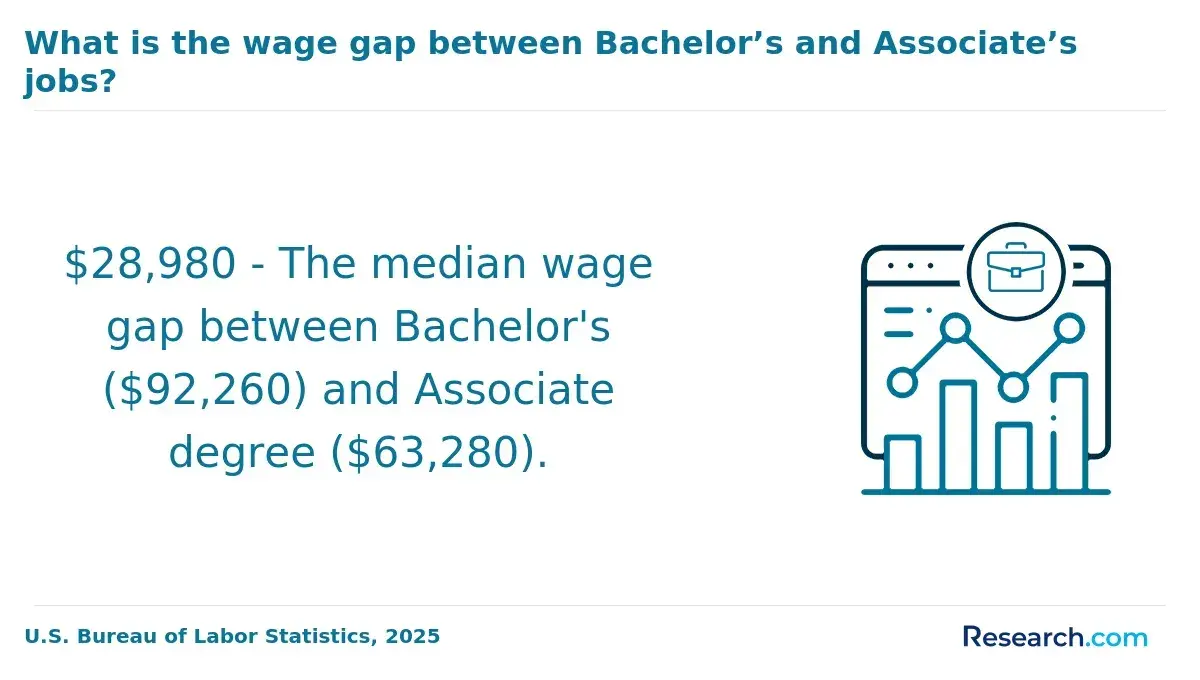
The Bureau of Labor Statistics lists the median income for accountants and auditors at $81,680, though entry-level wages and workload cycles vary by focus area, with tax-related government and public accounting roles often offering higher starting pay but less flexible schedules.
Students seeking to pivot strategically within accounting should weigh these distinctions carefully. Pursuing an accelerated business degree online may offer a practical pathway to acquiring necessary qualifications while managing career transitions effectively.
How do online and on-campus accounting programs compare for future auditors?
Employers in audit-intensive sectors such as public accounting and government agencies often favor on-campus accounting programs over online options for auditors due to stronger experiential learning components. These programs provide direct access to internships, collaborative projects, and faculty mentorship, all essential for developing the nuanced analytical and ethical judgment required to audit complex financial statements effectively. In contrast, online accounting programs versus on-campus options for auditors highlight a tradeoff: virtual education offers flexibility crucial for working professionals but demands heightened self-motivation and deliberate efforts to secure practical experiences.
Online programs require candidates to independently engage with advanced software simulations and case studies, aligning well with roles in corporate audit departments or internal audit positions where remote work is more prevalent. However, these programs usually lack the immediacy of career services and alumni networks, which can slow initial job placement for competitive audit roles. This practical challenge is an important consideration for those weighing differences between virtual and traditional accounting education for auditing careers.
Key workforce implications include:
According to Data USA, accountants and auditors earned an average wage of $100,054 in 2024, which underscores the financial impact of rigorous training pathways. Prospective auditors should also explore various finance degrees as complementary options for strategic specialization within auditing disciplines.
Which accounting courses and skills best prepare you for auditing careers?
Core knowledge in financial and managerial accounting forms the backbone for auditors' ability to interpret balance sheets, income statements, and internal cost controls. Auditing coursework that integrates Generally Accepted Auditing Standards (GAAS) and internal controls equips candidates to navigate compliance and risk issues that are especially pronounced in tightly regulated sectors like banking and healthcare.
Technical competence in accounting information systems is increasingly non-negotiable, as auditors must trace digital transactions and validate reports generated by complex software platforms. Proficiency in data analytics tools such as ACL or IDEA enhances an auditor's capacity to detect fraud or anomalies-skills that differ in emphasis by industry, for example, inventory variance analysis in manufacturing versus regulatory reporting scrutiny in financial services.
Employers strongly favor candidates with hands-on experience in Excel, SQL, and ERP systems, making internships and lab work essential components to bridge theoretical knowledge with operational demands. Below are key practical skills and considerations:
- Mastery of Excel for data manipulation and SQL for database querying
- Exposure to ERP platforms to understand enterprise-wide financial flows
- Critical thinking and ethical judgment tested through realistic audits and case simulations
The U.S. Bureau of Labor Statistics reports that auditors' median earnings range widely-from $64,660 to $106,450-mirroring how specialized auditing knowledge coupled with cost control expertise influences earning potential. This wage distribution signals that candidates focusing narrowly on accounting fundamentals without complementary auditing techniques face limitations in competitive job markets.
What certifications do auditors commonly need, such as CPA, CIA, or CISA?
Choosing between CPA, CIA, and CISA certifications requires clear alignment with your professional audit focus and the realities of hiring preferences in the accounting and auditing sectors. The CPA remains indispensable for auditors engaged in financial statement audits and tax compliance, largely because public accounting firms and regulators prioritize candidates with comprehensive mastery of GAAP and auditing standards. However, attaining CPA status demands passing a rigorous exam and meeting strict educational and experience requirements, often creating barriers for candidates without substantial accounting coursework and relevant work history.
For those targeting internal controls, risk management, or governance, the CIA offers broader applicability across industries without the burden of state licensing. Its structure emphasizes operational audit skills and fraud prevention, appealing to organizations beyond traditional accounting firms. Yet, the CIA's narrower specialization means it may lack the financial audit depth valued in firms concentrated on external reporting.
The CISA certification suits auditors positioned at the intersection of IT and finance, especially as cybersecurity considerations dominate audit agendas. Candidates typically need five years in information systems auditing, facing steeper entry hurdles if transitioning without tech-related experience. Despite its demanding prerequisites, CISA provides a significant market edge in technology-driven sectors that increasingly demand auditors able to evaluate digital risks and controls.
- CPA: Optimal for finance-centric audit roles but requires extensive accounting education and state credentials.
- CIA: Best for internal auditors focusing on process control and cross-sector governance without state licensing.
- CISA: Focused on IT audit proficiency with steep experience demands but growing relevance amid digital transformation.
Understanding these tradeoffs is essential for aligning certification paths with targeted audit disciplines and realistic career trajectories in the U.S. auditing job market. Aspiring auditors should weigh credential requirements against actual workforce demand and personal experience to avoid costly detours or credential mismatches.
What are typical salaries and benefits for auditors at different career stages?
Entry-level auditors with a bachelor's degree in accounting typically earn between $55,000 and $65,000 annually, often supplemented by standard benefits such as health insurance and retirement contributions. However, bonuses at this stage are modest and sporadic. Early-career professionals usually operate within public accounting firms or internal audit departments. Obtaining certifications like the CPA is a pivotal investment that can markedly increase long-term earning potential and promotional opportunities.
After five to ten years of experience, auditors often progress to supervisory or senior roles with salaries ranging from $80,000 to $110,000. Employers then expect advanced competencies in risk assessment, compliance enforcement, and team management. Benefits may include performance bonuses, improved retirement plans, and occasionally stock options. For example, an auditor moving from public accounting to a specialized audit role in regulated industries such as healthcare or manufacturing typically commands a salary premium based on sector-specific expertise.
Senior auditors and audit managers with over a decade of experience can see salaries upwards of $115,000 to $150,000 or more, especially when leading extensive audits or teams. These positions require deep regulatory knowledge and proficiency in data analytics. Compensation packages usually feature executive-level incentives like profit sharing and flexible work arrangements, reflecting the heightened responsibilities. The projected annual openings for accountants and auditors, estimated at 124,200 through 2034, indicate sustained demand, which underscores the value of experience and certification in this field's evolving landscape.
What is the job outlook for auditors and how is the demand changing?
The projected 5% growth in auditor roles over the next decade masks an evolving landscape demanding far more than routine transaction processing. Employers prioritize candidates with robust technical skills, particularly in modern accounting software, data analytics, and regulatory compliance. For example, manufacturing firms embedding ERP systems may reduce entry-level AP/AR auditing roles while expanding need for auditors adept at cybersecurity risk and automated control assessments.
Early-career auditors targeting large public accounting firms face headwinds as automation slows traditional entry pipelines, requiring strategic skill development beyond standard functions. Meanwhile, specialized niches such as forensic accounting or government compliance retain steadier demand due to regulatory pressures, offering differentiated career pathways.
Practical preparation involves programs emphasizing hands-on experience with current auditing technologies and familiarity with audit standards tailored to industry contexts. Graduates must navigate expanding regulatory complexity that directly shapes scope and reporting demands, reinforcing the importance of adaptability.
Prospective students and professionals should weigh:
- The tradeoff between broader transaction roles and specialization in high-demand audit niches.
- Impact of automation on career timing and lateral skill acquisition.
- Sector-specific trends, as healthcare and manufacturing differ in audit function needs.
These dynamics underscore the necessity for informed choices centered on workforce realities rather than generic credential accumulation.
How can you choose an accredited accounting program that supports auditor careers?
Auditor roles demand credentials from accredited programs recognized by AACSB, ACBSP, or similarly rigorous regional bodies to meet employer expectations. Accreditation confirms curriculum quality, which directly impacts job market credibility and licensure paths such as CPA exam eligibility.
Programs specializing in auditing, forensic accounting, or internal control systems yield targeted skills essential for niche subfields-government, treasury, or healthcare auditing-where regulatory and technical knowledge differ substantially. For example, internal audit candidates in healthcare must master HIPAA compliance alongside audit methodologies, while credit-focused auditors require financial risk assessment expertise.
Demand remains robust, with over 1.5 million auditors active in the U.S., but successful entry relies on connections to firms offering internships and networking. Prospective students should weigh program outcomes, including CPA passage rates and employment statistics, rather than rely on generic program claims.
Practical application is critical. Curricula integrating current auditing software, data analytics, and regulatory compliance procedures align with employer needs. Conversely, online or non-accredited programs often omit these, limiting progression in regulated sectors like finance, government, and public accounting.
What steps can you take in school and early jobs to become a senior auditor?
Achieving a senior auditor position requires early strategic focus on building both technical proficiency and applied experience, especially given the divergent demands across industries. For example, auditors in financial services must navigate complex regulatory frameworks like Sarbanes-Oxley, while manufacturing auditors prioritize inventory controls and cost analysis. This practical nuance underscores the need to tailor educational pursuits toward industry-specific auditing challenges.
Completion of foundational accounting coursework that emphasizes auditing, financial reporting, and tax regulations is essential; however, academic credentials alone are insufficient. Practical engagement through internships or roles at firms specializing in external or internal audits cultivates real-world skills and contextual understanding.
Obtaining the CPA license remains a pivotal milestone, as the credential is frequently non-negotiable for senior auditor roles. This process involves not only completing 150 semester hours but also passing the Uniform CPA Examination, which demands rigorous preparation. Concurrent mentorship can accelerate readiness by refining audit judgment and complex risk assessment techniques beyond textbook knowledge.
Expanding responsibilities early in your career-from transactional tasks to audit planning, client interaction, and managing smaller project segments-builds the strategic advisory capabilities increasingly sought by employers. Proficiency in data analytics tools further differentiates candidates in a landscape trending toward automated audit processes.
The Bureau of Labor Statistics projects 124,200 openings annually for accountants and auditors, highlighting sustained labor demand that rewards candidates combining technical acumen with leadership potential. Navigating these pathways involves deliberate choices about education, credentialing, and experiential development to match employer expectations and evolving industry needs.
Other Things You Should Know About Accounting
Employers expect auditors to have strong technical skills in accounting principles, audit software, and data analysis, but soft skills like communication and critical thinking often determine career advancement. Technical expertise ensures accuracy and compliance, but auditors must also interpret findings clearly for nonfinancial stakeholders and resolve disputes under tight deadlines. Prioritizing development of communication and problem-solving abilities alongside technical training increases job performance and opens leadership opportunities more effectively than focusing on technical skills alone.
Internship experience provides practical exposure to auditing workflows and client environments that coursework alone cannot replicate. Employers weigh real-world experience heavily because it demonstrates applied knowledge and workplace readiness. While high academic performance signals discipline and foundational understanding, students should prioritize securing internships or co-ops, especially in relevant firms, to gain skills and networking access that college grades cannot substitute.
Large firms offer structured training, diverse client exposure, and clearer promotion tracks but involve long hours and high pressure, which can affect work-life balance. Smaller organizations often provide broader role responsibilities early on and closer mentorship but may lack formal development programs and industry prestige. Early-career auditors should weigh whether they prefer comprehensive skill-building in a demanding environment or more varied experience with potentially slower career advancement and less brand recognition.
References
- Uncover Your Full Potential: Top Accounting Training https://www.learnsignal.com/blog/accounting-training-courses/
- Top accounting certifications to enhance your professional credentials - TaxDome https://taxdome.com/blog/accounting-certifications
- Salary Trends in Auditing - Past, Present and Future https://www.careersinaudit.com/careers/2020/03/salary-trends-in-auditing-past-present-and-future/
- Auditor’s Responsibilities for the Audit https://www.frc.org.uk/library/standards-codes-policy/audit-assurance-and-ethics/auditors-responsibilities-for-the-audit/
- CourseCareers https://coursecareers.com/course/accountant
- How to Become an Internal Auditor | Accounting.com https://www.accounting.com/careers/internal-auditor/how-to-become/
- Accountant Job Outlook & Demand Report 2026 - Intuit Blog https://www.intuit.com/blog/innovative-thinking/accountant-job-outlook-demand-report/
- 2026 Audit Profession Outlook | A Post-Disruption Era: Trust, Transparency, and the Audit Profession | The CAQ https://www.thecaq.org/aia-2026-profession-outlook
- How to Become an Internal Auditor https://renaix.com/job-resources-how-to-become-internal-auditor/
- Accountants and Auditors: Salary, career path, job outlook, education and more - RaiseMe https://www.raise.me/careers/business-and-financial/accountants-and-auditors/