2027 Online Accounting Degrees With Compliance-Focused Career Alignment

Co-Founder and Chief Data Scientist
Balancing full-time work with upskilling demands remains a critical barrier for many aspiring accounting professionals aiming to meet evolving compliance standards. As remote education enrollment surged by 12% in 2024 according to the National Center for Education Statistics, the influx reflects not just convenience but a strategic shift toward flexible, career-aligned learning models tailored for adult learners. Employers increasingly prioritize graduates versed in regulatory nuances, making program selection pivotal for tangible career advancement. This article examines online accounting degrees with compliance-focused curricula, evaluating how their structures can mitigate timing and accessibility challenges while aligning graduates with workforce demands and licensure prerequisites.
Key Things You Should Know
- Compliance-focused online accounting degrees see a 15% wage premium but extend degree completion by 10-18 months per National Center for Education Statistics, forcing candidates to balance accelerated entry versus thorough regulatory mastery.
- Employers prioritize candidates with integrated compliance skillsets due to rising SEC and PCAOB standards, with 67% of surveyed firms by the AICPA reporting stronger preference for graduates versed in up-to-date federal and state audit frameworks.
- While total program costs average 20% less than in-person degrees, restrictive regional accreditation and inconsistent CPA eligibility across states complicate licensing timelines, pressuring students to evaluate jurisdiction-specific credential recognition early.
What is an online accounting degree with a compliance focus, and who is it best for?
Choosing an online accounting degree with a compliance specialization positions candidates for roles demanding rigorous regulatory adherence, such as auditors or compliance officers in high-stakes sectors like banking or government contracting. This path differs significantly from general online accounting degrees with compliance specialization by focusing deeply on frameworks like Sarbanes-Oxley and SEC reporting, equipping graduates to design controls that mitigate legal and financial risks.
Professionals targeting compliance-intensive careers must weigh the practicalities of course demands, which often include complex case studies and evolving legislation, against work and life commitments. Recent graduates benefit by distinguishing themselves in a competitive market where the U.S. Bureau of Labor Statistics projects a 4% growth rate for accountants and auditors from 2023 to 2033, with median wages near $79,880 annually. However, employer expectations prioritize applied knowledge of regulatory environments over broad accounting familiarity.
Evaluating program curricula for coursework in risk management, forensic accounting, and legal accounting foundations is essential. Working professionals should also assess flexible online options compatible with time management challenges. Those exploring the cheapest accredited online accounting degree offerings can find strategic entry points without sacrificing compliance-specific rigor.
How do online accounting programs compare with campus options for rigor and credibility?
Employers evaluating candidates with an online accounting degree rigor and credibility comparison often emphasize demonstrated competencies over the mode of instruction. Accredited online accounting programs conform to the same rigorous coursework and accreditation standards-such as AACSB or ACBSP-as their campus counterparts. However, employer perceptions tilt in favor of a candidate's practical experience and skill mastery rather than the degree's delivery format. For example, a staff accountant role at a Fortune 500 company will require passing detailed technical assessments focused on financial reporting, auditing, taxation, and regulatory compliance, regardless of whether the degree was earned online or on campus.
Entry-level hiring typically mandates a bachelor's degree in accounting or a closely related field, confirming that completion of core competencies and relevant skills acquisition matters more than physical attendance. That said, campus versus online accounting programs accreditation standards influence networking opportunities and access to face-to-face mentorship, which can accelerate career entry through internships and local recruitment channels.
Online programs demand higher self-discipline and rigorous time management due to their asynchronous format, which can be a barrier for some learners. Candidates targeting specialized roles like forensic accounting or internal audit should assess if their program offers hands-on labs or experiential learning, which remain less common online. Long-term career impact hinges on translating theoretical knowledge into proficiency with GAAP, IFRS, IRS regulations, data analytics, and ethical standards compliance.
Professionals considering a strategic career change should compare the flexibility offered by online education with industry expectations for verifiable applied expertise beyond degree completion. Those exploring advanced management pathways might find value in related options like online MBA programs healthcare management, which integrate practical business skills with sector-specific knowledge.
What accreditation and programmatic approvals should online accounting degrees have for compliance careers?
Pursuing an online accounting degree without recognized accreditation often results in practical barriers for compliance-focused roles, particularly within federal oversight, auditing, or forensic examination sectors. Employers and regulatory bodies require degrees from programs with rigorous programmatic approvals for online accounting compliance programs that prepare candidates for professional prerequisites such as the CPA or CIA exams.
Regional accreditation from agencies like the Higher Learning Commission (HLC) or the Middle States Commission on Higher Education (MSCHE) is essential to meet baseline academic standards and secure federal aid, which impacts program affordability. Students should prioritize programs that incorporate U.S. GAAP, ethics, and legal frameworks to avoid costly remedial education. Credential gaps are especially consequential for professionals transitioning into compliance positions in healthcare or government contracting, where layered certifications aligned with accredited degrees significantly improve job prospects.
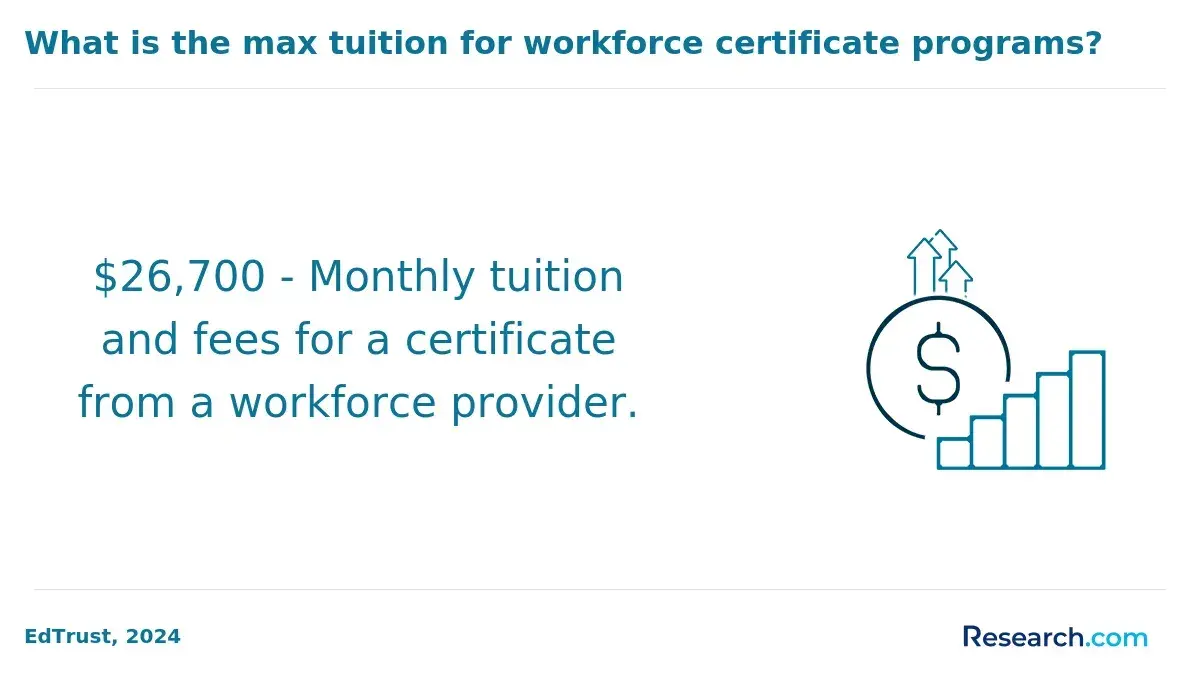
Tuition ranges broadly from $7,500 to $30,000 per year, underscoring the importance of verifying that credits apply toward licensing eligibility to prevent wasted investment. Prospective candidates can benefit from comparing these considerations alongside expenses in related fields, such as construction, by consulting resources like construction management programs. This comparative framework supports strategic decision-making grounded in financial and market realities.
Which online accounting degree level (associate, bachelor's, master's) best fits compliance-focused goals?
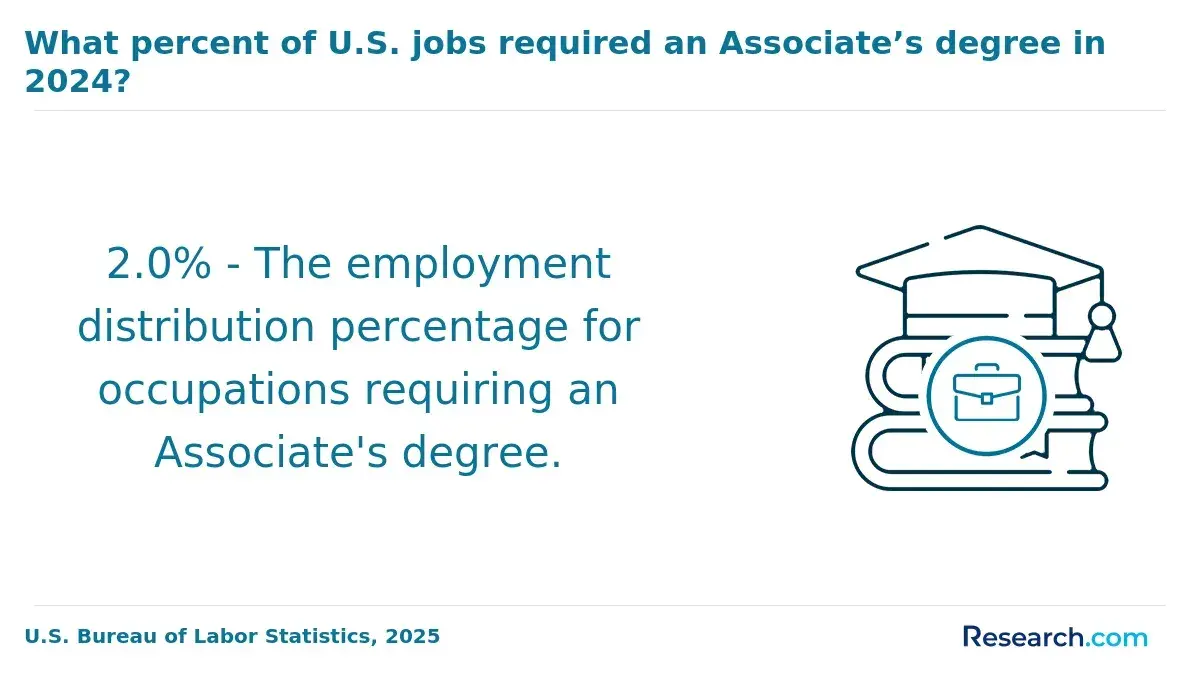
Employers consistently prioritize a bachelor's degree when hiring for compliance-focused roles within accounting due to its comprehensive curriculum covering auditing standards, fraud detection, and regulatory frameworks such as Sarbanes-Oxley. This degree level best supports compliance professionals who need both theoretical knowledge and practical regulatory skills in environments like financial institutions or government agencies enforcing tax compliance. Associate degrees, while useful for foundational accounting skills, typically lack the necessary specialization and often require additional certifications or experience to qualify for these positions.
Choosing the right online accounting degree for compliance professionals involves weighing tradeoffs between time, cost, and career trajectory. For example, accelerated online programs using 8-week course terms, as noted by Grand Canyon University, enable faster bachelor's degree completion, accommodating working professionals who need timely reskilling. For those targeting leadership or highly specialized compliance roles, a master's degree offers greater depth but may impose higher financial and time commitments without immediate advantage for mid-level compliance positions.
Prospective students must also consider CPA exam eligibility, which often requires 150 credit hours attained through additional coursework beyond a bachelor's degree. Compliance professionals aiming for certification should plan accordingly.
- Associate degrees offer foundational accounting skills but insufficient regulatory depth for compliance roles.
- Bachelor's degrees balance theory and practical regulatory knowledge aligned with employer requirements.
- Master's degrees target advanced leadership or niche compliance positions but entail higher cost and time.
Those evaluating the best online finance degree options might find accelerated bachelor's programs provide an optimal balance for compliance-focused career goals without the extended commitment of graduate studies.
What core courses and specialized compliance topics are typically included in these online programs?
Specializing in compliance within online accounting degrees reshapes foundational skills into targeted expertise directly aligned with regulated industries' demands. Beyond mastering financial and managerial accounting, students must internalize complex tax codes and regulatory mandates such as Sarbanes-Oxley and the Dodd-Frank Act to remain relevant.
A critical workforce implication is the necessity to handle evolving tax compliance scenarios-for instance, preparing federal tax documentation amid shifting IRS guidelines requires precision to avoid costly penalties and facilitate audit defense. This extends to understanding international tax regulations for multinational corporations, highlighting compliance as a continuously adaptive skill rather than static knowledge.
The Bureau of Labor Statistics reports a median wage of $57,950 for tax examiners and related compliance roles, coupled with a modest 1% projected job growth through 2032. This slow growth environment intensifies competition, making proficiency in digital compliance tools and real-time legislative updates vital career differentiators.
Practically, this pathway demands mastering specialized subjects like forensic accounting and internal controls, equipping graduates to detect and prevent fraud within strict governance frameworks. Employers prioritize candidates capable of navigating this complexity while managing software for compliance tracking.
Tradeoffs include the challenge of keeping pace with regulatory changes versus the relative job market saturation, stressing the importance of continuous professional development in technology and law to maintain employability.
How do online accounting degrees prepare graduates for compliance-related certifications and licenses?
Online accounting degrees geared toward compliance certifications streamline the path to licenses like CPA, CMA, or CIA by directly addressing regulatory frameworks such as GAAP, SOX, and IRS tax codes. This alignment reduces redundant study time, easing the transition into certification exams and roles requiring specialized credentials.
Graduates often confront real-world compliance issues in industries including financial services, healthcare, and manufacturing. For example, entering financial institutions demands familiarity with SEC regulations and anti-money laundering rules-knowledge critical for roles involving FINRA licensing or Certified Fraud Examiner status. Employers prioritize candidates who can demonstrate this regulatory fluency to minimize onboarding expenses and liability risks.
Accredited online programs typically tailor credit requirements to meet state-specific education standards, enabling faster eligibility for professional exams across geographically diverse jurisdictions. Additionally, these curricula emphasize ethical standards and internal audit skills increasingly mandated by licensing boards, strengthening practical competence beyond theoretical knowledge.
Notably, outcomes data indicate that graduates with compliance-focused accounting education gain measurable financial benefits and workforce mobility: according to the 2024 Harris Poll, WGU alumni earn an average of $22,200 more annually two years post-graduation and $30,300 more after four years.
For working professionals, evaluating online accounting degrees requires weighing how well a program integrates core regulatory content with hands-on audit practice, state compliance prerequisites, and industry-specific case studies that reflect actual licensing and employer demands.
What are the common admission requirements and application materials for online accounting programs?
Admission to online accounting programs often reflects a balance between academic readiness and pragmatic workforce alignment, particularly for individuals seeking to pivot careers or integrate studies with ongoing employment. Programs typically require official transcripts confirming at least a high school diploma, with GPA thresholds around 2.5 to 3.0 for undergraduate entry. For career changers or working professionals, prior college credits or associate degrees frequently fulfill foundational prerequisites.
Standardized tests such as the SAT or ACT are becoming less mandatory, but selective tracks may still require them. Application packages must include a completed form and a personal statement that articulates motivation and relevant experience tailored to compliance-driven accounting roles. Graduate-level admissions commonly demand letters of recommendation emphasizing professional reliability and aptitude.
Students from nontraditional backgrounds may need to complete bridge courses in areas like statistics or business law to mitigate gaps that could impede progression or employer expectations. For working adults, proficiency in time management and technology use is crucial; programs often verify these skills through assessments to ensure candidates can juggle coursework alongside job responsibilities.
Employers value graduates who meet stringent technical competencies linked to compliance standards, affecting long-term viability in accounting fields. Alternative finance roles, such as budget analysts, had a median salary of $84,940 in 2023, illustrating a tangible financial incentive for programs respecting real employer criteria.
How much do online accounting degrees cost, and what financial aid or employer tuition benefits exist?
Investing in an online accounting degree involves complex cost-benefit considerations that go beyond tuition sticker prices. Bachelor's programs generally range from $10,000 to $40,000, with community colleges and public universities offering the most financially accessible routes. Specialized private programs or concentrations in auditing and compliance often command higher fees, which can surpass $50,000 at the graduate level. Candidates must scrutinize these costs against labor market returns; for instance, auditing and internal controls roles have a median annual salary near $77,570.
Employer tuition assistance significantly shifts this dynamic for working professionals already in finance or audit roles. Depending on the employer's policy, tuition can be partially or fully reimbursed, sometimes contingent on job relevance or service commitments. This support considerably lowers financial risk and can expedite credential alignment with job responsibilities.
Additional outlays, including textbooks, licensing exam fees, and software subscriptions, add to total expenses and should not be overlooked. Working adults contemplating a shift into auditing face a tradeoff between accelerated programs that minimize lost wages by shortening completion time and part-time study that sustains income but delays credential acquisition. Each path demands evaluating anticipated salary uplift against time, cost, and employer support, creating a nuanced financial and career calculus essential for informed decision-making.
What compliance-focused accounting careers, salaries, and job outlook can graduates expect?
Compliance-focused accounting roles demand specialized regulatory expertise, notably in Sarbanes-Oxley, IRS rules, AML laws, and corporate governance frameworks. Median salaries range from $77,250 to $110,000, with healthcare and financial sectors offering the highest compensation due to intricate regulatory pressures. Projected job growth of 7% through 2032 outpaces average occupational trends, underscoring demand for candidates who combine graduate education with certifications like CPA or CIA.
Cost considerations are critical: USC Aiken Online reports a graduate-level tuition of $13,948 for relevant programs, which is notably competitive compared to traditional MBA accounting tracks. For professionals pivoting from unrelated careers, this cost-efficiency must be weighed against the necessity for practical experience, often obtainable through internships or initial compliance positions paired with certification efforts.
Sector-specific operational realities vary significantly. In banking, compliance accountants navigate exacting AML reporting deadlines with zero margin for error, intensifying workplace stress. Manufacturing auditors focus on compliance with environmental and labor standards, requiring cross-functional coordination and regular updates on evolving regulations. Remote work options exist but are balanced by mandatory on-site audits, influencing job flexibility.
Strategic career planning in compliance accounting should consider employer size, regulatory complexity, and regional demand to optimize long-term earnings and advancement. Candidates lacking auditing experience must proactively pursue opportunities that build hands-on exposure while maintaining continuous education to meet rigorous technical and regulatory expectations.
How can students evaluate and choose a reputable online accounting program with strong compliance outcomes?
Choosing an online accounting degree requires more than verifying accreditation; it demands confirmation that the program aligns with compliance standards critical to the evolving regulatory landscape. Regional accreditation coupled with specialized recognition from bodies like AACSB or ACBSP reflects rigorous academic and faculty oversight. However, students should also prioritize programs that integrate practical training on regulatory frameworks such as Sarbanes-Oxley, the Foreign Corrupt Practices Act, and IRS compliance to ensure readiness for roles requiring ethical accountability.
Employment data revealing graduate placement in compliance-focused financial roles is a decisive factor. Financial managers, who earned a median wage of $161,700 in 2023, represent the senior roles that robust compliance expertise enables. Programs linked with accounting firms, government agencies, or corporate compliance teams more reliably produce graduates equipped for these positions.
Additional evaluative criteria should include the availability of specialized electives in audit controls, regulatory reporting, and risk management. For working students, the flexibility of asynchronous coursework and access to virtual internships or cooperative experiences affect the ability to balance study with professional demands. Faculty engagement with current compliance matters further assures that instruction reflects ongoing regulatory developments rather than static textbook theory.
- Verify accreditation that includes business school-specific recognition.
- Demand transparent graduate employment metrics tied to compliance and financial leadership roles.
- Assess curriculum for applied compliance frameworks and risk management electives.
- Prioritize programs offering flexible formats and experiential learning with real-world compliance contexts.
- Examine faculty credentials for active involvement in contemporary regulatory environments.
Other Things You Should Know About Accounting
A compliance-focused specialization in accounting aligns with increasing regulatory requirements, offering graduates distinct advantages in roles requiring expertise in compliance laws and ethics. This specialization can lead to careers in risk management, ensuring processes meet legal standards.
Accounting online programs often demand the same workload as their campus counterparts, with compressed timelines and strict deadlines. Working professionals must expect intensive periods, especially during courses focused on compliance regulations and financial reporting. Prioritizing programs with flexible pacing and asynchronous options helps maintain work-study balance without sacrificing learning depth.
A compliance focus narrows curriculum toward regulatory frameworks, risk management, and internal controls, which improves job readiness in highly regulated sectors. The tradeoff is less exposure to broader accounting practices like auditing or tax, which can limit job flexibility. Choose compliance specialization if targeting compliance roles; otherwise, a general degree may offer better long-term versatility in diverse accounting careers.
Direct alignment between degree content and certifications like CPA, CIA, or CISA reduces redundant study time and accelerates credential attainment. Programs that integrate exam prep and offer credit for professional experience improve employability outcomes. For compliance-focused career outcomes, selecting programs with built-in certification pathways is a strategic advantage that streamlines career advancement.
References
- Best Online Accounting Degrees of 2025 | Accounting.com https://www.accounting.com/degrees/accounting/bachelors/best-online-programs/
- Accounting Principles & Compliance Course | Accredited Finance https://www.accreditedfinancecourses.co.uk/home/bundle/Accounting-Principles-Compliance-in-Practice-APCP/5
- Online Accounting Degrees: How to Choose a Program That Can Boost Your Career https://money.com/online-accounting-degrees/
- Top Accounting Programs Online: Your Guide, in Detail https://www.staging.westernautisticschool.vic.edu.au/vic-news/top-accounting-programs-online-your-guide-1767647082
- Compliance Training Online https://www.registrarcorp.com/compliance-training/
- Health Care Compliance Training: Your Guide to Online Courses, Requirements, and Certification https://www.accountablehq.com/post/health-care-compliance-training-your-guide-to-online-courses-requirements-and-certification
- Online Accounting Degree | University of Phoenix https://www.phoenix.edu/online-business-degrees/accounting-bachelors-degree.html
- Accounting, M.S. (Online) - Brooklyn College https://www.brooklyn.edu/academics/programs/accounting-ms-online/
- M.S. in Accounting Admission https://www.ut.edu/graduate-degrees/graduate-business/master-of-science-in-accounting/ms-in-accounting-admission
- What Are Compliance Training Requirements? 2025 Guide - Peuneo https://peuneo.co.za/what-are-compliance-training-requirements-2025-guide/