2027 Online Accounting Degrees With Tax Career Alignment

Co-Founder and Chief Data Scientist
Balancing full-time work with pursuit of a tax-focused career in accounting creates a critical timing dilemma. Conventional degree programs rarely accommodate working professionals, forcing deferred career advancement or missed enrollment windows. Yet, the National Center for Education Statistics reports a 14% surge in undergraduate online enrollment from 2023 to 2024, reflecting adult learners prioritizing flexibility over traditional campus attendance. This article evaluates available online accounting programs designed for practical tax career alignment, enabling informed decisions that balance flexibility, accreditation, curriculum relevance, and professional outcomes.
Key Things You Should Know
- Online accounting degrees with integrated tax curriculum reduce time-to-CPA eligibility by 15% on average but often require intensive self-managed schedules, creating higher attrition risk compared to traditional programs, per NCES 2024 data.
- Employers increasingly prioritize candidates with hands-on tax software experience alongside academic transcripts; 72% of surveyed CPA firms in AICPA's 2025 report cite practical tax tools proficiency as a decisive hiring factor.
- Programs with embedded tax specialization show a 12% wage premium at five years post-graduation, yet accelerated cohorts cost 20-30% more, prompting cost-benefit tradeoffs for working professionals balancing tuition and income loss.
What is an online accounting degree with a tax focus, and who is it best for?
Targeting a specialized role in tax preparation or analysis is crucial given current market dynamics. Since 2019, the U.S. labor market lost over 300,000 accountants even as business-related jobs expanded by more than three million, creating a specific talent shortage that inflates salaries for tax-focused accounting professionals. An online accounting degree with tax specialization delivers this targeted expertise, grounding students in tax law and compliance beyond general bookkeeping fundamentals.
For mid-career professionals shifting from broader finance or business functions, these programs offer a pragmatic route into roles within public accounting firms, government tax agencies, or corporate tax departments. The online format accommodates full-time employment, but prospective students should anticipate complex coursework covering tax legislation and analytical software essential for audit management and regulatory filings.
Choosing the best online accounting programs for tax careers requires scrutiny of tax curriculum depth, CPA exam support, and availability of practical internships to develop client-facing competencies. Without robust hands-on experience, graduates may face underpreparedness in technical tax consultations, limiting immediate employability. The scarcity of tax specialists underscores the value of measurable salary gains and job security for those who successfully navigate these demands. Those interested in foundational training might also consider exploring the best bookkeeping certification programs to complement their knowledge base.
How do online accounting degrees prepare you specifically for tax careers and specialties?
Online accounting degrees with tax specialization equip candidates to meet specific employer demands in tax law, compliance, and strategic planning. These programs emphasize mastering complex federal and state tax codes and applying advanced tax software, directly aligning coursework with the operational realities of tax roles across industries like corporate, nonprofit, and government. The notable rise in accountant salaries-from about $89,000 in 2020 to over $102,000 by 2023-reflects strong labor-market demand for tax expertise amid regulatory shifts.
The tax career skills gained from online accounting programs extend beyond technical accuracy to include critical analysis, client communication, and agility in responding to legislative changes. For example, tax accountants serving manufacturing clients must adapt quickly to updates in equipment depreciation laws, requiring a different approach than those handling real estate or personal tax issues.
Students should consider that these online degrees often require supplementary practical experience such as internships or CPA exam preparation to fully satisfy employer expectations. Balancing self-directed study with hands-on learning is essential to convert coursework into real-world job readiness. This practical tradeoff influences whether graduates secure immediate employment or need additional training. Prospective students exploring alternatives might also examine pathways like an online bachelor's in construction management for different industry applications and career trajectories.
What types of online accounting and taxation degrees are available for future tax professionals?
Choosing the right online accounting degree program with tax specialization demands weighing immediate employability against long-term credential value. Associate degrees provide essential bookkeeping and tax preparation skills suitable for entry-level tax preparers but typically restrict upward mobility where CPA licensure becomes a requirement. Bachelor's degrees emphasizing taxation deliver a curriculum aligned with CPA exam prerequisites, bridging foundational competencies to mid-level roles in corporate or public accounting. For instance, a graduate aiming for a national tax consultancy position must prioritize programs integrating real-world IRS regulations and tax scenarios to satisfy rigorous employer expectations.
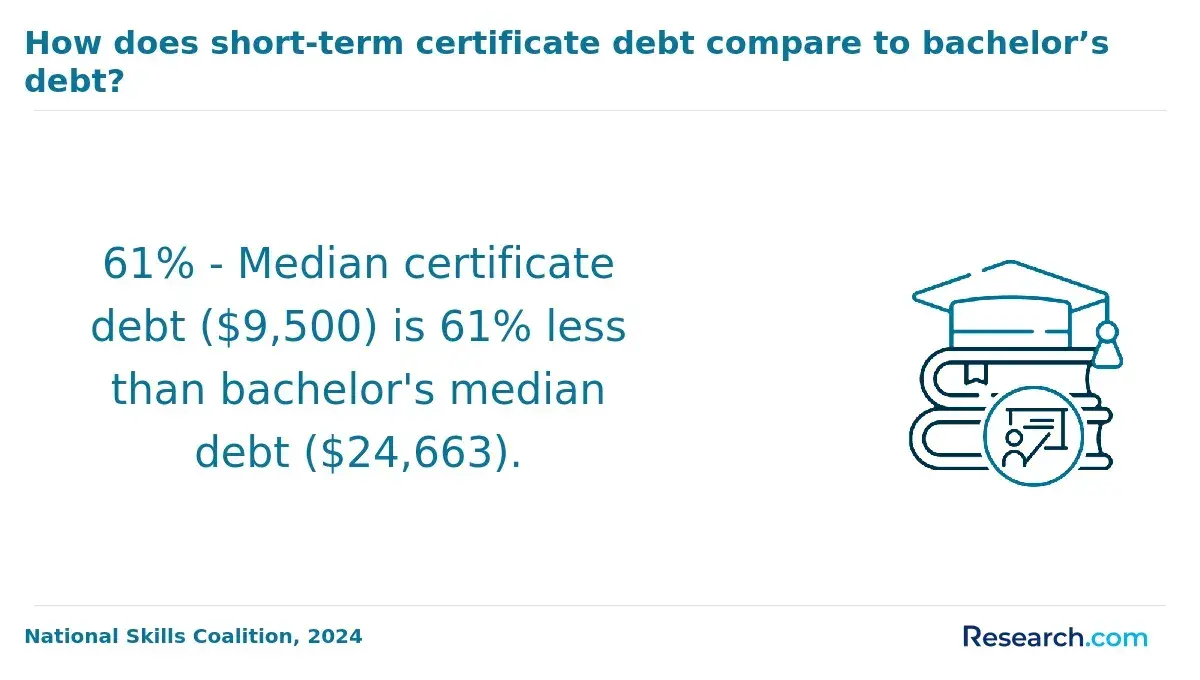
Master's degrees in accounting or taxation address the increasing complexity of tax codes, including international issues and strategic planning, positioning professionals for senior tax advisory roles and government policy careers. Specialized certificate programs offer skill updates on recent tax reforms and software, benefiting working professionals who cannot commit to full degree timelines.
Employer preferences increasingly mandate practical proficiency with tax software, regulatory compliance, and ethical standards, often validated through case-based learning or internships. Accounting students should assess program flexibility, accreditation, and applied training to mitigate career friction. The U.S. Bureau of Labor Statistics projects a 5% growth in accountant and auditor jobs, signaling steady demand but also emphasizing the need for credentials that balance theory with practice. For comparative insight beyond accounting-related fields, prospective students may also explore the online construction management bachelors degree to evaluate alternative degree formats and cost structures.
How can you tell if an online accounting program is properly accredited and high quality?
The credibility of online accounting programs hinges on accreditation from recognized bodies like the Association to Advance Collegiate Schools of Business (AACSB) or the Accrediting Council for Business Schools and Programs (ACBSP). These ensure the curriculum meets industry standards, equipping graduates with skills demanded by employers. Regional accreditation, such as from the Higher Learning Commission (HLC), verifies institutional quality and maintains eligibility for federal aid, a key consideration for many students assessing online accounting program accreditation standards.
Graduate earnings and employment outcomes provide another lens on high quality online accounting degree criteria. For example, specialized tax accountants command annual salaries of $79,000 to $116,000 compared to $71,000 to $113,000 for auditors, reflecting employer preference for targeted tax expertise. Evaluating whether a program delivers current tax law coursework, hands-on software training, and case studies simulating corporate tax planning versus generic accounting education directly impacts a graduate's readiness for complex tax roles.
Program support for CPA exam preparation and connections to tax industry professionals address practical obstacles in licensure and entry into competitive jobs. Without these components, even accredited degrees can fall short in career utility.
Transparency in job placement statistics and employer feedback indicates strong industry ties and accountability, critical for gauging return on investment. Prospective students should compare these factors carefully and may also consider accelerated pathways, such as the 6 month MBA, for strategic upskilling aligned to workforce demands.
How do online accounting programs compare with campus-based options for tax-focused study?
Choosing between online and campus-based tax-focused accounting programs hinges on balancing cost, access, and experiential learning. Online associate programs present a wide tuition range-from $5,016 to $25,472-reflecting significant differences in affordability but often demand stronger self-direction. For example, a working professional might opt for an online program to maintain income while studying but will miss immediate access to live tutorials or tax clinics integral to campus settings.
Campus programs typically integrate face-to-face interaction and structured networking, which are pivotal for mastering complex tax regulations and building relationships valued by employers. These programs often embed internships or cooperative education opportunities that provide hands-on experience with tax software and case analysis-skills critical to performing under deadlines in real-world tax roles.
Employers expect graduates to demonstrate applied problem-solving and software adaptability, which online programs may not fully replicate without external internship efforts. Prospective students should weigh the tradeoffs: online pathways offer flexibility and lower upfront costs, but campus programs may enhance readiness through immersive, practical engagement and peer collaboration.
When comparing options, also critically assess each program's accreditation and tax specialization depth to align educational investments with career outcomes. This approach helps clarify whether the cost savings of online pathways justify potential gaps in experiential learning and employer-preferred competencies.
What tax-focused courses and skills are typically included in an online accounting curriculum?
Tax-focused accounting curricula must extend beyond foundational knowledge of federal income taxation to bridge a growing skills gap increasingly evident in workforce demands. Despite a persistent decline in bachelor's and master's degree conferrals aligned with accounting since 2016, employers emphasize proficiency in current tax software, scenario-based problem solving, and the ability to interpret complex legislative changes. Graduates lacking expertise in areas such as mergers and acquisitions tax planning or digital asset tax compliance often encounter hiring barriers in niche and advisory roles.
Programs that incorporate real-world applications-like tax research and forecasting liabilities-prepare students for functions beyond routine preparation, equipping them to navigate tightening regulatory environments and internal audits. The ability to adjust tax strategies swiftly in response to evolving laws or specific industry contexts is a critical differentiator.
Students considering this pathway should weigh programs for their vocational relevance and alignment with market realities rather than academic tradition alone. The persistent supply-demand disconnect in tax-savvy professionals invites an informed, strategic approach to curriculum selection focused on practical skills that directly translate to career resilience.
What are the usual admission requirements and time-to-completion for online tax-aligned programs?
Admission to online tax-aligned accounting programs demands at minimum a bachelor's degree in accounting, finance, or a related field, with GPA thresholds typically between 2.75 and 3.0. While transcripts, recommendation letters, and statements of purpose remain standard prerequisites, many programs have recently removed GRE/GMAT testing requirements to increase accessibility for working professionals. Candidates without prior accounting credentials often face mandatory prerequisite courses in financial accounting, managerial accounting, and taxation.
The duration for completing these master's-level programs ranges widely from 18 to 36 months, heavily influenced by whether students study full-time or part-time. Part-time enrollment suits those balancing employment and family obligations but extends the timeframe. Accelerated tracks offer completion in as little as 12 months but require full-time commitment, which often precludes working full-time simultaneously.
Workforce data from Seton Hall points to tangible earnings benefits for graduates holding advanced tax-aligned credentials, with senior accounting managers earning between $63,532 and $159,996 on average. This range reflects substantial market valuation but also underscores the necessity of balancing time, cost, and immediate work demands when pursuing these programs.
What are the main tax-related career paths, roles, and work settings for graduates?
The divergent roles within tax-focused careers for online accounting graduates call for careful evaluation of workload, skills, and earnings, affecting long-term professional trajectories. Tax preparers tend to work in settings like tax preparation firms or as independent consultants, mainly supporting individual filers and small businesses. This position sees a 10.7% job growth and median pay around $39,390, but candidates should expect sharp workload spikes in tax season and entry-level salary limitations.
In contrast, accountants and auditors engage more deeply with strategic tax planning, compliance, and assurance tasks, frequently employed by corporations, government bodies, or public firms. Their broader responsibilities, including regulatory adherence and internal audits, justify a median salary of $70,500 and a slightly lower, yet strong, 10.0% growth rate. These roles require advanced credentials such as the CPA and proficiency in tax software and data analytics, raising entry barriers but offering steadier year-round demand.
Industry choice also drives specialization: healthcare and manufacturing demand cost accounting expertise, while public-sector auditors focus on regulatory oversight rather than tax filings. Graduates must consider seasonality, regulatory complexity, and software mastery in deciding between these paths, as each carries distinct continuing education needs and impacts career resilience.
What salary ranges and job outlook can online accounting graduates expect in tax careers?
Salaries for online accounting graduates entering tax-related roles in 2026 vary widely, revealing a clear correlation between experience, specialization, and industry sector. Entry-level tax associates generally earn from $55,000 to $70,000, while senior positions such as tax analysts or compliance specialists command between $80,000 and $110,000. Advancement into managerial or advisory roles, especially within finance, technology, or healthcare firms, often surpasses these ranges but requires navigating increased complexity and credentialing demands.
Employment projections for auditors and accountants, including tax professionals, show a modest 5% growth through 2034, despite automation diminishing routine tasks. This emphasizes a growing market for professionals adept at nuanced tax interpretation, strategic planning, and compliance oversight rather than data processing.
Graduates should anticipate that automation will shift job requirements toward advanced skills, making certifications like CPA or EA essential for maintaining relevance and competitiveness. The tradeoff involves ongoing education investments and adapting to software and AI integration within tax functions.
Balancing salary expectations with evolving job scope and credentialing requirements is critical. This balance underlines the practical value of an online accounting degree as a foundation for sustainable careers targeting advisory and compliance roles rather than routine tax processing.
Which licenses and certifications (like CPA or EA) align with tax-focused accounting degrees?
Choosing between the CPA and EA credentials presents a strategic crossroads for tax-focused accounting professionals, each shaping career trajectories differently based on scope, cost, and mobility. The CPA stands out for versatility-extending beyond tax to audit, consulting, and fraud examination-and commands rigorous entry requirements, including 150 semester hours, a demanding exam, and mandated work experience that differs by state. This credential suits those aiming for corporate tax advisory positions or roles within larger firms, where employer expectations and broader practice rights carry weight.
In contrast, the EA provides streamlined access to federal tax representation without educational prerequisites or state-specific licensing. Its focus is narrower, targeting tax preparers or professionals operating within smaller firms or specializing in IRS advocacy. EAs can represent clients nationwide before the IRS, simplifying multi-state practice but without the wider accounting functions permitted to CPAs.
Current workforce trends show a tightening labor market for experienced tax professionals, contributing to a notable 15% rise in salaries for CPAs and EAs from 2020 to 2023. However, candidates must weigh the CPA's four- to six-year investment against the EA's shorter path, balancing immediate employability with long-term mobility. State licensing nuances further demand deliberate planning for those anticipating geographic relocation or multistate practice.
Other Things You Should Know About Accounting
Many online accounting programs offer flexible pacing and asynchronous classes designed for working professionals. However, tax-focused courses often demand intensive study, especially during tax season when practical assignments increase. Students should prioritize programs that allow manageable workloads and realistic time commitments to balance job responsibilities without compromising learning outcomes.
Employers increasingly accept online degrees if the institution is accredited and the curriculum aligns with industry standards. For tax roles, demonstrated competency in tax law and software, along with certifications, often weigh more heavily than the delivery format. Candidates should prioritize programs with strong employer connections and opportunities for practical experience, such as internships or case studies.
Balancing certification exam preparation-such as CPA or Enrolled Agent-with degree coursework requires disciplined time management, especially in tax-intensive periods. Some programs integrate exam preparation into their curriculum, which improves efficiency. Students should seek programs offering aligned study resources and advisors familiar with certification challenges to avoid duplication and reduce total time-to-credential.
References
- ADMISSIONS AND FINANCIAL AID https://www.villanova.edu/university/law/academics/graduate-tax-program/admissions.html
- Admissions Requirements https://www.oldwestbury.edu/programs-courses/taxation-ms/admissions-costs
- Best Online Accounting Degrees of 2025 | Accounting.com https://www.accounting.com/degrees/accounting/bachelors/best-online-programs/
- Comparing self-study, online and in-person classes https://ohiocpa.com/for-the-public/news/2024/06/04/accounting-success-strategies-comparing-self-study-online-and-in-person-classes
- Top accounting certifications to enhance your professional credentials - TaxDome https://taxdome.com/blog/accounting-certifications
- Finance Curriculum vs. Accounting Curriculum: How Are They Different? https://freemannews.tulane.edu/2025/06/09/finance-curriculum-vs-accounting-curriculum-how-are-they-different
- College vs University for Accounting: Best Choice https://aoltoronto.com/blogs/college-vs-university-for-accounting/
- Accountant Job Outlook & Demand Report 2026 - Intuit Blog https://www.intuit.com/blog/innovative-thinking/accountant-job-outlook-demand-report/
- The Most Valuable Skills You'll Develop in an Online Accounting Program https://www.ucumberlands.edu/blog/most-valuable-skills-youll-develop-online-accounting-program
- Tax Accounting ~ Skill Up https://www.skill-up.org/course/tax-accounting/