2027 Best Online Accounting Programs for Professionals Seeking Internal Audit Careers

Co-Founder and Chief Data Scientist
Balancing a full-time job while pursuing a specialized internal audit role presents a daunting challenge: how to access rigorous, relevant accounting education without sacrificing income or work experience. The Bureau of Labor Statistics projects a 10% growth in internal auditing positions over the next decade, intensifying competition for candidates who can demonstrate both technical mastery and flexibility.
Meanwhile, over 40% of graduate learners now prefer fully online programs, according to the National Center for Education Statistics, signaling a fundamental shift toward remote education that accommodates working professionals' schedules. Navigating these realities requires careful selection of online programs that deliver strong audit competencies and credible certifications without career disruption.
This article examines the best online accounting programs designed to accelerate internal audit careers, focusing on accessibility, curriculum alignment, and long-term employment outcomes.
Key Things You Should Know
- Online accounting programs with integrated audit simulations reduce theoretical gaps but often delay CPE credits, extending certification timelines by up to 6 months versus traditional formats, affecting early-career auditors' entry speed, per AICPA workforce data.
- Employers emphasize applied risk assessment skills; programs heavily weighted toward financial reporting over internal controls report 18% lower hiring conversion rates among graduates, according to recent Robert Half analytics.
- Tuition variance exceeding 250% among top-ranked online programs creates a direct cost-benefit tradeoff, forcing candidates to balance accessible pricing against advanced tech tool access, influencing long-term salary growth trajectories as highlighted by NCES finance reports.
What are the best online accounting degree programs for professionals pursuing internal audit careers?
The acute talent shortage cited by 99% of internal audit leaders sharpens the focus on best online accounting degree programs for internal audit careers that combine technical rigor with practical demand. These programs directly address skills gaps in internal controls, regulatory compliance, and data analytics-areas flagged by 75% of audit professionals as critical deficiencies.
The top online accounting schools for professionals in internal auditing often integrate CPA preparation alongside certifications like CIA or CISA, responding to employer preferences for candidates with both degrees and relevant credentials. Consider a mid-career auditor in financial services who gains a strategic edge through coursework in fraud prevention and IT auditing, reflecting workforce needs beyond traditional accounting techniques.
Flexibility is paramount. Programs offering asynchronous coursework paired with live, periodic interaction accommodate working adults without sacrificing instructional quality. Advisory boards comprising audit professionals help tailor curriculum to evolving business realities rather than theoretical constructs, which enhances graduates' alignment with employer expectations.
Employment outcomes strongly favor programs with placement rates above 85% within six months and experiential components such as virtual simulations or internships. These practical elements differentiate candidates in a competitive labor market affected by high demand documented by the Institute of Internal Auditors.
In some cases, bridging to other certifications may be beneficial-similar to pathways like the certified professional coder (CPC)-underscoring the value of recognized credentials alongside degrees as practical workforce currency for specific roles.
How do online accounting programs prepare graduates specifically for internal auditor roles and responsibilities?
Online accounting programs focused on internal auditor roles prioritize applied skills over theoretical study, targeting the competencies employers demand for risk mitigation and regulatory compliance. Graduates develop proficiency in financial statement analysis, risk assessment frameworks, and adherence to standards like Sarbanes-Oxley and COSO, combined with hands-on mastery of auditing software and data analytics. This dual emphasis addresses common employer concerns about graduates' readiness to detect fraud and control weaknesses in realistic settings.
Training typically includes sector-specific scenarios, such as auditing manufacturing inventory or healthcare billing, preparing students to translate internal auditor roles preparation through online accounting education across diverse industries. Case simulations reinforce skills in audit program design, fieldwork execution, and concise reporting, mirroring workplace workflows and compliance challenges.
Employment growth projections for accountants and auditors stand at 6% between 2023 and 2033, reflecting steady demand for professionals equipped to enforce internal controls. However, without access to current audit technologies or mentorship from experienced auditors, graduates risk falling short of expectations in sectors with stringent oversight, such as government finance. Thus, evaluating programs for embedded internships and professional development proves critical.
Students considering a strategic pivot should weigh these program elements cautiously, as hands-on engagement often determines workforce success. For those exploring related pathways, a bachelor's in project management may complement internal auditing skills by enhancing control over audit-related projects and resource coordination.
What accreditation and program quality indicators should internal audit-focused students look for online?
Choosing an accredited online accounting program for internal audit careers begins with verifying AACSB or ACBSP accreditation to ensure coursework meets industry standards and hiring expectations. Programs lacking recognized accreditation face challenges with employer credibility, making graduate employability uncertain. Prospective students focusing on top quality indicators for online accounting programs in the United States should examine curriculum details including risk management, COSO and SOX frameworks, forensic accounting, and especially integrated Certified Internal Auditor (CIA) exam preparation. CIA holders command median compensation premiums of 27% over non-certified peers, indicating strong market preference for validated technical skills.
Faculty expertise shapes program relevance and practical insight-experienced instructors with active CIA credentials or backgrounds in corporate internal audit and regulatory roles enhance learning outcomes by connecting theory to complex real-world challenges. Beyond academics, factors like program length, credit transfer policies, and delivery flexibility materially impact working professionals balancing study with employment.
Online programs tied to established universities that maintain employer relationships facilitate entry into financial institutions, multinational corporations, or government audit agencies where specialized skills and continuous learning are essential. Including industry-aligned practicum or capstone projects boosts readiness and placement success.
For candidates considering a strategic switch or advancement in auditing or related fields, comparing internal audit degrees against alternative paths such as a project management degree jobs perspective offers clarity on market applicability and skill transferability within organizational risk oversight functions.
Which degree level is best for internal auditing: online certificate, bachelor's, or master's in accounting?
The bachelor's degree remains the most effective credential for professionals targeting internal audit careers, as it equips candidates with comprehensive knowledge of accounting principles, risk assessment, and business law-core areas that online certificates typically lack. Most employers prioritize candidates with a bachelor's in accounting because it not only establishes essential foundational skills but also enables eligibility for certifications such as the CPA, which are often prerequisites for higher-level audit roles. Candidates holding only online certificates usually remain confined to entry-level or support roles, facing limited salary growth and fewer leadership opportunities.
A master's degree adds value mainly when paired with relevant experience or specialization-such as data analytics or forensic accounting-tailored to internal auditing. However, it is not a requirement for most positions and tends to carry higher costs and longer commitments. For example, mid-career professionals shifting from general finance to internal audit generally see better returns combining targeted certificates with a bachelor's degree rather than pursuing a master's without clear specialization.
The median annual wage for accountants and auditors at $78,000 contrasts sharply with the $46,310 median for all occupations, highlighting the economic advantage of formal accounting education. Professionals aiming for internal audit within compliance divisions benefit especially from a bachelor's degree which qualifies them for CPA and CIA certifications-credentials critical for promotion and credibility. In contrast, certificates alone restrict advancement, and a master's without certifying credentials may delay workforce integration and reduce initial earnings.
When evaluating the best online accounting degrees for internal audit careers, consider the tradeoffs between breadth and specialization. Those seeking flexible pathways often explore online certificate versus bachelor's and master's degrees in accounting for internal auditing with a focus on practical outcomes rather than academic titles alone.
How do online accounting programs compare with on-campus options for internal audit training and networking?
Online accounting programs match on-campus coursework in technical content but fall short in delivering critical experiential and networking opportunities that employers in internal audit roles increasingly demand. For candidates targeting sectors like financial services, on-campus programs provide direct access to local industry events, university-sponsored career fairs, and guest lectures that frequently translate into internships with regulatory audit exposure-key experience that hiring managers prioritize.
Online students must compensate for the absence of face-to-face interaction by engaging proactively in virtual networking and remote internships, requiring greater initiative and facing limitations especially in geographically concentrated industries. Practical skills and professional relationships often emerge from embedded experiential learning on campus, a feature typically absent or fragmented in fully online curricula.
Key considerations for online learners pursuing internal audit careers include:
- Actively seeking remote internships and virtual mentorships to develop hands-on experience.
- Joining professional associations to access networking platforms and industry insights.
- Recognizing the greater self-motivation required to replicate in-person relationship-building.
The marked 40% growth in fully online accounting bachelor's programs signals expanded access and curricular parity but students should anticipate additional effort to bridge gaps in practical exposure and networking integral to successful job placement in internal audit.
What courses and concentrations in online accounting programs are most important for internal audit work?
Internal audit career pathways demand targeted expertise in auditing standards, risk assessment, and financial reporting compliance, with forensic accounting and SOX frameworks essential for real-world impact. Programs that omit these focus areas often leave graduates reliant on additional credentials like the Certified Internal Auditor (CIA), incurring extra cost and extending time to workforce readiness.
Data analytics and information systems competencies have become non-negotiable, especially in sectors handling large transactional data volumes such as finance and manufacturing. Missing these skills handicaps an auditor's ability to identify anomalies and evaluate technology-driven controls critically.
Understanding taxation and corporate finance adds strategic depth, enabling auditors to appraise financial integrity beyond checklist compliance - a necessity when navigating multinational regulatory environments.
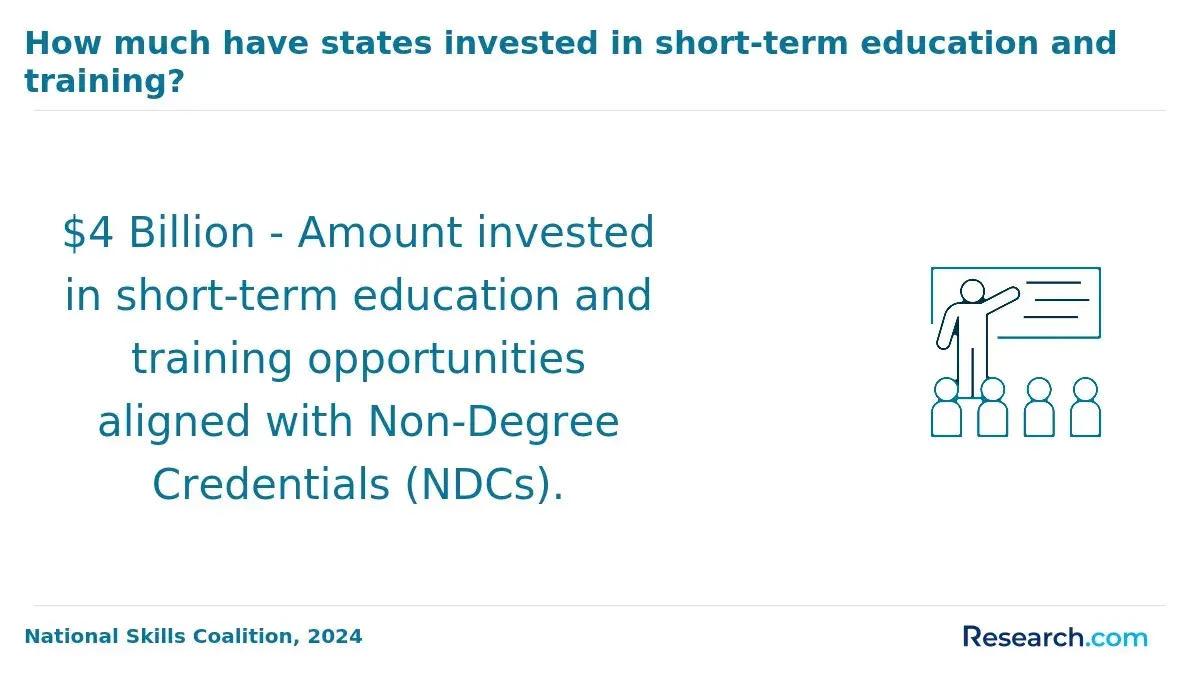
Cost considerations for online bachelor's in accounting programs reveal median tuition near $28,800, significantly below typical four-year institution averages. This suggests that professionals balancing work and study can access affordable yet comprehensive education without sacrificing critical curriculum elements.
Employer preference consistently favors candidates fluent in regulatory compliance frameworks, control environments, and relevant data analysis software, with such program graduates typically advancing faster in internal audit roles across banking, healthcare, and government sectors.
- Key skill gaps often require costly supplemental certifications when programs lack forensic or IT audit training.
- Proficiency in data analytics aligns with increased operational risk detection capacity.
- Financial and tax knowledge enhances auditing outcomes in complex organizational settings.
What are typical admission requirements and application materials for online accounting programs in this field?
Admission to online programs targeting internal audit careers demands more than a mere bachelor's degree; candidates must demonstrate academic resilience and relevant competencies under conditions that reflect workforce realities. A minimum GPA around 3.0 remains a common threshold, signaling readiness for graduate coursework, while standardized tests like the GMAT or GRE may be waived for experienced professionals but are still required in programs emphasizing quantitative skills.
Application packets typically include transcripts, professional resumes, and recommendation letters that verify analytical ability and ethics-non-negotiable qualities in audit roles. A personal statement or essay evaluates applicants' grasp of internal audit's evolving demands, including proficiency in data analytics and technology tools. Notably, employer demand for these skills is highlighted in the IIA's 2024 Pulse of Internal Audit survey, where 73% of audit executives identified data analytics as a significant skills gap.
Applicants lacking traditional accounting backgrounds often face prerequisite courses in core subjects. Working professionals must also provide detailed employment verification showing expertise in compliance, risk assessment, or financial controls. Some programs permit conditional admission contingent upon completing foundational courses online, permitting strategic upskilling ahead of formal entry.
- Official transcripts, resumes, and references remain baseline requirements.
- Data analytics skills in Excel, SQL, or audit software increasingly influence admission decisions.
- Conditional or preparatory coursework addresses gaps for non-accounting backgrounds.
How long do online accounting programs for aspiring internal auditors take, and what do they cost?
Internal audit education paths present clear operational tradeoffs between time investment, cost, and market relevance. For instance, accelerated certificate programs aligned with Certified Internal Auditor (CIA) requirements compress core accounting, audit principles, and risk management into roughly 12 to 18 months, catering to professionals seeking swift credentialing and exam preparation. This pathway suits individuals who prioritize speed and affordability but may sacrifice depth in technical mastery or broader financial analysis skills.
More extensive bachelor's and master's degrees, extending from two years upward, offer comprehensive coverage that includes regulatory expertise and advanced financial analytics-elements valued in hiring and leadership evaluation. However, these programs require significant financial commitments, often ranging from $15,000 to $70,000 depending on degree level and institution reputation. Graduates from such programs usually enter with enhanced flexibility for roles demanding multifaceted internal audit competencies and strategic decision-making capabilities.
Employers increasingly require candidates who combine formal education with certifications, as the CIA designation now exceeds 200,000 holders globally and directly influences salary potential. Professionals balancing full-time jobs must weigh whether accelerated certificates' immediacy justifies the limited subject scope or if a longer degree better supports career mobility amid evolving industry demands.
- Certificate courses: 12-18 months, $3,000-$8,000, focused exam prep
- Associate/bachelor's degrees: 1-3 years, $15,000-$45,000, broader technical and regulatory training
- Graduate degrees: 2+ years, $30,000-$70,000, advanced analysis and leadership preparation
What are the main internal audit career paths, job titles, and work settings for accounting graduates?
The internal audit career path for accounting graduates involves a strategic choice among compliance, operational, and IT audit streams, each shaping long-term employability and expertise in distinct ways. Initial positions like Internal Auditor focus on financial regulation adherence and record verification in varied environments from government agencies to financial firms. Progression to roles like Audit Manager requires balancing domain specialization-such as manufacturing's operational controls or healthcare's regulatory demands-with growing responsibilities including risk assessment and team oversight.
An increasing convergence of technology and auditing is reshaping role expectations. According to a 2024 IIA and ISACA survey, 79% of organizations expanded internal audit's role in cybersecurity and IT risk, forcing auditors to attain competencies beyond traditional accounting foundations. This means that early integration of IT skills can accelerate advancement in sectors with significant digital risk, contrasting with compliance-heavy environments where deep accounting knowledge remains paramount.
Work contexts and audit emphases differ considerably: financial services auditors must navigate complex fraud detection and regulatory challenges, while manufacturing auditors concentrate on operational efficiencies and supply chain vulnerabilities. This variety compels candidates to assess tradeoffs between technical IT skills and conventional accounting expertise, with certifications increasingly influencing hiring and promotion decisions.
- Entry-level focus on compliance and financial accuracy
- Mid-career move toward risk and control evaluation
- Senior roles requiring hybrid IT-accounting skillsets
Accounting graduates evaluating internal audit careers should quantify how specialization timing and sector choice affect earnings trajectories and role stability within the evolving audit landscape.
What certifications (such as CIA, CPA, CISA) can graduates pursue, and how do online programs help?
Certifications like the Certified Internal Auditor (CIA), Certified Public Accountant (CPA), and Certified Information Systems Auditor (CISA) significantly shape internal audit career trajectories, especially for graduates of online accounting programs. These certifications are not interchangeable; each demands distinct expertise-CIA targets risk management and governance, CPA covers financial accounting and regulatory compliance, and CISA centers on IT audit controls and cybersecurity. Selecting which to pursue depends on the intended audit specialization and industry focus.
Working professionals benefit from online program flexibility, allowing them to prepare for rigorous exams without sacrificing employment income. Coursework aligned with exam content, combined with practical case simulations, directly supports applying theoretical knowledge to sectors such as healthcare or manufacturing. This reduces the barriers often faced during mid-career transitions and mitigates opportunity costs compared to traditional classroom attendance.
Maintaining credentials also involves continuing professional education (CPE), which many auditors efficiently fulfill via online platforms that enable self-paced study and repeated review, aiding retention of complex multi-part materials critical for certifications like the CPA and CIA. However, candidates must weigh self-discipline challenges inherent in remote learning formats.
Data from the Institute of Internal Auditors' 2024 career pathways report indicates that over 60% of chief audit executives originate from internal audit or public accounting, validating certification pursuit as a strategic move to access leadership roles. Ultimately, online accounting education and certification pathways require practical assessment of tradeoffs between flexibility, rigor, and professional recognition to align with evolving employer expectations.
Other Things You Should Know About Accounting
Online accounting programs for internal audit professionals demand disciplined time management, especially when balancing full-time jobs. The asynchronous nature offers flexibility but can lead to uneven workload distribution during intensive courses like forensic accounting or audit analytics. Prioritizing programs with modular course structures and well-defined deadlines helps manage competing responsibilities and reduces burnout risk.
Employers increasingly accept online accounting degrees when the program is accredited and reputable, but they scrutinize program rigor and candidate experience. Degrees from recognized institutions with CPA or CIA exam preparation components carry more weight. Graduates should supplement online learning with internships or relevant projects to demonstrate practical skills employers associate with on-campus graduates.
Specialized accounting courses offer tailored knowledge and skills, essential for internal audit roles, focusing on areas such as risk management and compliance. Broader business education provides a wider context, enhancing strategic thinking and leadership abilities. A balanced approach may best support career advancement in modern internal audit environments.
Accelerated programs reduce time to completion but intensify workload, which may hinder mastery of complex internal audit topics. This approach suits professionals with prior accounting knowledge and flexible schedules. For most, standard pacing allows deeper understanding and application of internal control standards, improving job readiness and employer confidence in candidate competency.
References
- Best Online Accounting Degrees of 2025 | Accounting.com https://www.accounting.com/degrees/accounting/bachelors/best-online-programs/
- A Guide to Internal Quality Audits Under ISO 9001 https://compliantltd.com/insights/a-guide-to-internal-quality-audits-under-iso-9001/
- Internal Audit & Risk Jobs | Internal Audit Profession | Internal Audit & Risk Jobs https://jobs.charterediia.org/internal-audit-profession
- Home | The Institute of Internal Auditors | The IIA https://www.theiia.org/
- Internal Auditor Career Guide : missions, training, and salary https://www.iscparis.com/en/program/career-guides-internal-auditor/
- Earn an Online Accounting Degree | OEDb.org https://www.oedb.org/rankings/online-accounting-programs/
- CISA vs. CIA: Which Audit Certification is Best for You? https://destcert.com/resources/cisa-vs-cia-certified-internal-auditor/
- How to set-up effective and compliant internal audit programs, audits and auditing procedures and to align with ISO 19011. https://qservegroup.com/blog/en/how-to-set-up-effective-and-compliant-internal-audit-programskomma-audits-and-auditing-proceduresennbsp-emand-to-align-with-iso-19011empunt
- Internal Audit Management and Consultancy - MSc - 2026/27 Entry https://www.bcu.ac.uk/courses/internal-audit-management-and-consultancy-msc-2026-27
- Certified Internal Auditor https://www.pwc.pl/en/pwc-academy/pwc-finance-taxes-ifrs/certified-internal-auditor.html