2027 Accounting Specializations for Tax Careers

Co-Founder and Chief Data Scientist
Facing the challenge of selecting an accounting specialization amid evolving tax regulations and emerging technologies can stall crucial career advancement. With tax-related job openings projected to rise by 8% over the next decade according to the U. S. Bureau of Labor Statistics, professionals must align expertise with market demand to avoid skill obsolescence.
Online enrollment in financial and tax programs surged by 22% in the past two years, signaling greater access but also increased competition among candidates seeking flexible, targeted education.
This article examines key accounting specializations tailored for tax careers, addressing practical criteria to help professionals and students select pathways that maximize employability and career growth.
Key Things You Should Know
- Specializing in tax compliance adds 20% higher initial earning potential but limits mobility to broader financial roles, as reported by the Bureau of Labor Statistics 2024, affecting long-term career flexibilites.
- Employers increasingly prioritize candidates with IRS Enrolled Agent credentials over CPA tax specializations, per the National Association of State Boards of Accountancy, shifting workforce demand toward credential-driven expertise.
- Graduate certificates in tax accounting reduce time-to-employment by 30% compared to master's degrees but offer 15% lower salary ceilings, reflecting a cost versus career trajectory tradeoff noted in the AACSB 2024 employment survey.
What are the main accounting specializations for tax-focused careers today?
Tax accounting specializations for career growth require balancing deep technical knowledge with strategic insight into industry-specific requirements. Corporate tax accounting involves compliance with multiple jurisdictional regulations and identifying legally permissible tax-saving approaches.
Salaries vary by responsibility level, with tax accountants earning $65,000-$85,000 and tax managers reaching $110,000-$145,000, per data on U.S. internal corporate tax roles.
Public tax accounting demands fluency in evolving IRS regulations, meticulous client communication, and strict filing adherence. This branch often serves as an essential stepping stone toward earning CPA credentials or transitioning into advisory positions, highlighting a clear pathway tied closely to credentialing and regulatory expertise.
Industry-specific tax consulting caters to sectors like healthcare, real estate, or manufacturing, where understanding nuanced tax codes and credits guides critical decisions on mergers, acquisitions, or compliance audits.
For example, healthcare-focused tax professionals must navigate dynamic incentives linked to nonprofit hospitals, a specialized knowledge area that affects advisory value. Such specialization is a key accounting branch in tax-focused professions and influences employability and market differentiation.
Tax specialists today face expectations beyond technical skills, including ongoing tax law education, software proficiency, and managing complex, multi-jurisdictional returns in coordination with broader financial teams. This complexity suggests a tradeoff between acquiring broad generalist tax knowledge versus concentrated expertise aligned with targeted industries and career goals.
Prospective professionals should also consider supplementing their credentials with relevant online courses, such as a bookkeeping certification online, to enhance foundational skills and market readiness.
Which degrees and credentials do you need to become a tax accountant?
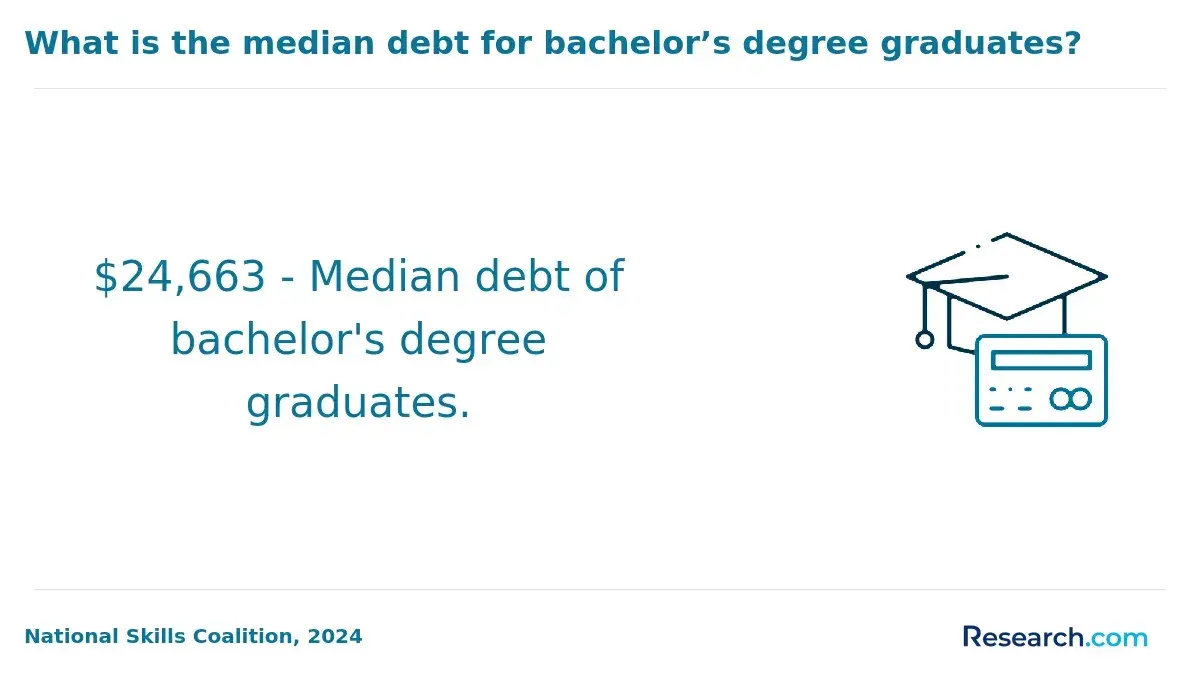
Meeting the baseline requirement for a tax accountant role in the U.S. demands a bachelor's degree in accounting or a closely related field, but practical market realities push candidates toward additional credentials. The 150-semester hour threshold to sit for the Certified Public Accountant (CPA) exam stands as a critical milestone, especially in public accounting roles where the CPA credential enables legal authority to sign tax returns and significantly affects advancement prospects.
Beyond the CPA, mid-level and specialized tax accountant careers often require credentials like the Enrolled Agent (EA) or Certified Tax Specialist (CTS), which attest to deep tax law knowledge and IRS representation skills. Tax managers and directors frequently pursue master's degrees focusing on taxation or business administration to navigate complex corporate, regulatory, and international tax environments.
Employers expect these degrees and certifications for tax accountant careers to come paired with strong technical accounting skills and sector-specific tax knowledge; for example, a tax accountant at a manufacturing-focused firm must grasp nuanced depreciation schedules and industry tax credits, which generalized coursework may overlook.
Salary tiers reflect this stratification, ranging from $75,000-$95,000 for tax seniors to $180,000+ for directors or partners, illustrating how practical experience and advanced qualifications shape earning capacity. Candidates bypassing CPA certification often encounter a ceiling on growth in public accounting tax roles.
Meanwhile, professionals aiming for corporate tax work might benefit from prioritizing master's degrees and certifications over immediate CPA pursuit depending on their goals, highlighting the educational tradeoffs inherent in the pathway.
For those considering efficient educational routes that reduce time to degree without compromising quality, exploring a project management degree online fast can offer insights into accelerated programs potentially applicable to accounting career pivots.
How do tax-focused accounting programs differ from general accounting degrees?
The distinction between tax-focused accounting programs and general accounting degrees hinges on curriculum depth and workforce alignment. Specialized tax accounting education for career advancement targets nuanced federal, state, and local tax codes, compliance complexities, and strategic tax planning, areas often only superficially addressed in broad accounting tracks.
This specificity meets employer demand for experts who can manage intricate tax regulations, a challenge intensified by acute talent shortages, particularly in international tax and transfer pricing.
Graduates of tax-focused programs typically pursue roles in tax consulting, corporate tax divisions, or government agencies where advanced tax research, software proficiency, and interpretation of cross-border tax treaties are essential. For instance, multinational firms require tax accountants adept at navigating global tax frameworks, a skillset generally absent from general accounting curricula.
However, choosing a tax-focused path carries tradeoffs. Certification prerequisites, including CPA exam sections specific to taxation or credentials like the Enrolled Agent license, impose additional hurdles. These programs may narrow exposure to other accounting disciplines, limiting flexibility if career goals evolve.
Still, given the demonstrated hiring difficulty and strong market demand for tax specialists, concentrated expertise provides a competitive edge. Students weighing options should consider affordability and accessibility as well. Pursuing the cheapest construction management degree exemplifies evaluating practical financial factors alongside educational content, a principle equally relevant to accounting education choices.
What tax accounting courses and skills are typically included in these specializations?
Specializing in tax accounting demands mastery of diverse, technically complex subjects with significant labor investment and ongoing education to keep pace with frequent regulatory changes. Typical coursework in tax accounting specializations encompasses intricate federal income tax codes, corporate tax strategy, estate and trust taxation, and international tax compliance.
This specialization requires strong analytical skills and familiarity with advanced tax software platforms, such as QuickBooks and SAP, to meet employer expectations for precision and efficiency.
Practical skills developed include tax research, preparation, and strategic planning, alongside navigating IRS audit procedures and dispute resolutions. Case studies often simulate real client scenarios, for example, multinational corporations managing cross-border tax treaties and transfer pricing complexities.
Students gain expertise in fiduciary duties and gift tax regulations, which explain why specialists in estate and trust taxation tend to command higher compensation relative to the median pay of accountants and auditors. This alignment of skills with market demand is a critical factor in evaluating tax accounting courses and skills for career advancement.
Saint Thomas University's 2025 tax careers guide highlights that professionals with specialized credentials in complex areas like estate planning often outperform peers financially. However, the tradeoff involves a substantial time commitment and the necessity of continuous upskilling to remain relevant. Candidates should weigh these factors carefully when deciding on a tax-focused educational path.
For those considering broader graduate studies to pivot professionally, comparisons with options such as the best online human resource management masters degree reveal different skill sets and career trajectories that may align better with individual goals outside technical tax roles.
How do online tax accounting programs compare with campus options for quality and flexibility?
The choice between online and campus tax accounting programs hinges on balancing flexibility with hands-on engagement, where employer preferences and real-world outcomes shift the equation. Online formats often reduce geographic and financial obstacles, allowing professionals to maintain employment while upskilling.
However, absence of immediate faculty contact and limited peer collaboration can hinder development of nuanced skills valued in face-to-face recruiting environments.
Campus programs provide direct access to internships, employer networking, and on-site resources like labs, which remain decisive in sectors such as financial services and government accounting.
This immediate exposure can influence hiring decisions, especially for roles requiring complex tax code expertise. Yet, well-structured online or hybrid programs that incorporate live mentorship, simulation software, or embedded work placements can produce comparable practical readiness.
Key decision factors include:
- Self-discipline and proactive engagement needed for online learning to substitute experiential benefits of campus setups
- Verification that programs align with CPA licensure requirements and reflect current federal and state tax laws
- Graduate employment statistics that illuminate real workforce integration success
The U.S. Bureau of Labor Statistics projects a 5% growth for accountants and auditors, signaling steady demand but also increasing complexity in tax services. Professionals pivoting into consulting or government roles must weigh whether immediate employer interaction or flexible scheduling best suits their trajectory and personal circumstances.
What accreditation and CPA eligibility requirements matter for tax accounting specializations?
Employers in tax accounting prioritize candidates who meet both state-specific CPA eligibility and national accreditation standards, most notably those programs accredited by the Association to Advance Collegiate Schools of Business (AACSB). This accreditation signals alignment with CPA exam requisites, which typically include completing 150 semester hours of education with detailed coursework in accounting and business.
Candidates planning their academic paths should assess not just total credits but the distribution of required subjects to ensure compliance with diverse state board mandates.
For instance, aspiring tax professionals targeting large metropolitan markets like New York or California must verify that their education meets those states' credit requirements in tax and ethics to avoid licensure delays that could stall career momentum.
CPA licensure has become a de facto minimum for many tax roles, reflecting firm demands for verified technical skill and ethical competence amid a tightening labor market. This is especially relevant as wages for accounting and tax services nationally have increased, even while overall job counts decline, suggesting selective investment in higher-caliber candidates.
Balancing the pursuit of additional credits with time and financial constraints since reaching 150 hours often exceeds a traditional bachelor's degree. Understanding how state board rules shape the timing and feasibility of CPA exam eligibility.
What are the admission requirements, length, and typical costs of tax-focused accounting programs?
Tax-focused accounting programs demand more than just a standard bachelor's degree; they require targeted coursework in taxation, auditing, and business law to meet CPA eligibility, often totaling 150 semester hours.
This extended education can stretch beyond a typical four-year timeline, especially when aiming for master's degrees in taxation that last one to two years. Certificate programs, ranging from six months to a year, offer flexibility for those balancing work but may lack the depth and market weight of graduate degrees.
Students face a tangible tradeoff between time and income. Full-time enrollment accelerates credential completion but often means lost wages and reduced practical experience, a consideration acute for mid-career professionals pivoting within the tax specialization field.
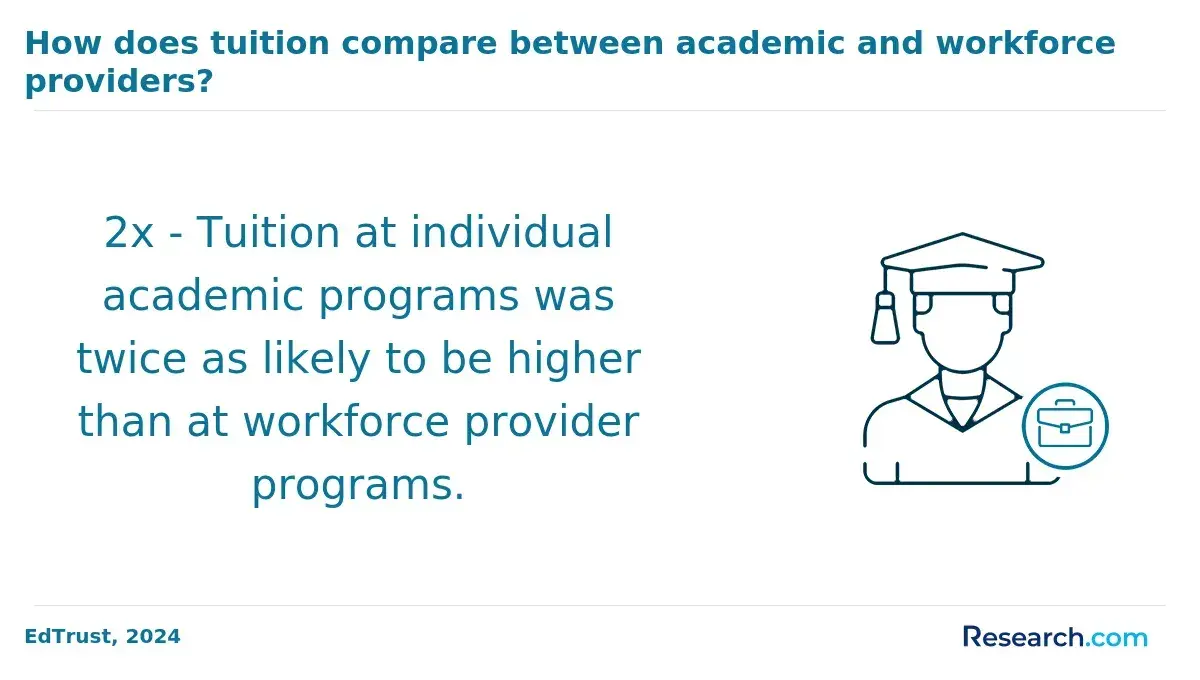
Cost variation is significant-public universities typically charge $15,000 to $30,000 for master's programs, while private institutions may exceed $40,000. Certificates run $3,000 to $10,000. Employer tuition reimbursement can mitigate expenses but remains inconsistent across industries.
The CPA Journal report points to a shrinking supply of accounting graduates in tax and niche non-audit areas, intensifying competition and employer scrutiny over candidates' real-world expertise. This dynamic elevates the value of not only formal credentials but also practical, demonstrable tax experience in securing roles focused on dispute resolution and forensic examination.
What entry-level and advanced job roles can tax accounting specializations lead to?
Entry-level tax accounting roles such as tax preparers, junior tax analysts, and payroll coordinators are practical entry points that demand proficiency in tax software and regulatory compliance but require limited prior experience.
For example, a tax preparer in a regional office manages a mix of individual and small business clients, reflecting real-world demands. According to Data USA's 2024 report, tax preparers earn an average wage of $69,944, which illustrates a tangible baseline income while allowing for skill and responsibility growth.
Advancement requires not only technical mastery of complex tax codes but also advisory competencies that impact business strategy. Senior-level roles like tax consultants, compliance managers, and directors focus on navigating multi-state taxation, international regulations, and optimizing liabilities through strategic planning rather than routine preparation.
The shift from preparation to advisory involves continuous education and certifications such as CPA or Enrolled Agent, which employers often consider prerequisites for higher responsibility.
Key workforce realities include balancing evolving tax legislation expertise with effective client communication and risk management to prevent costly IRS penalties. Employers prioritize candidates with real audit defense experience and fluency in industry-specific tax software, serving sectors from healthcare to real estate.
Practical progression in tax accounting depends on sustained skill development and regulatory agility, with compensation typically rising substantially beyond entry-level roles and offering greater economic stability amid market fluctuations.
What salary ranges and earning potential can you expect in tax accounting careers?
Tax accounting salaries in 2026 reflect significant variation based on experience, role complexity, and sector, typically ranging from $55,000 to $130,000 annually. Entry-level professionals usually earn near $55,000, especially in smaller or regional firms focused on basic tax compliance.
In contrast, senior tax accountants or tax managers at large corporations or specialized consulting firms often command $100,000 to $130,000, leveraging advanced skills in tax planning, regulatory interpretation, and strategic advising.
The U.S. Bureau of Labor Statistics forecasts approximately 124,200 annual job openings for accountants and auditors through 2034, largely fueled by the need for in-house tax expertise amidst complex regulations and workforce retirements.
This demand requires ongoing education and certification maintenance, such as CPA or Enrolled Agent credentials, to stay competitive. For instance, tax accountants navigating multinational corporations face higher salaries tied to duties involving international tax law, transfer pricing, and compliance intricacies.
Compared to general accounting, tax specialists typically receive higher pay due to their technical responsibilities and legal risks, but they also encounter longer hours, particularly during tax season, and sustained licensing demands.
Government or nonprofit roles usually offer salaries in the $60,000-$85,000 range, favoring job stability over aggressive compensation. Contract-based tax consultants can exceed traditional salary limits but must manage income fluctuation and client acquisition challenges.
How is the job outlook and industry demand shaping the future of tax accounting careers?
Tax accounting roles in 2026 demand more than foundational knowledge of federal and state tax regulations; they require specialized expertise that aligns with shifting compliance standards and automation trends. Employers increasingly value candidates versed in complex areas such as international taxation, transfer pricing, and leveraging tax technology tools to optimize filings and reduce liabilities.
For instance, a manufacturer dealing with multi-state nexus intricacies needs accountants capable of interpreting nuanced jurisdictional rules alongside automation software, ensuring precision and minimizing audit risk.
The labor market reflects a bifurcation: generalist tax preparers face intense competition and wage stagnation, while specialists in corporate tax advisory, estate planning, or tax controversy command better pay and job stability. This dynamic pressures professionals to pursue continuous education and certifications integrating tax codes with emerging digital platforms. Without these skills, new entrants risk exclusion, and incumbents may hit growth ceilings.
Workforce demands also emphasize consultative value. Candidates who combine traditional tax preparation with advisory on credits optimization and audit defense influence strategic decision-making beyond routine compliance. Tax accounting students or career changers should critically assess program curricula for specialization options and technology integration, balancing the effort required for such credentials against longer-term employability and compensation advantages.
Other Things You Should Know About Accounting
Tax accounting specialists face intense workload spikes, especially around tax filing deadlines, often requiring 50-70 hour workweeks for several months. This seasonal demand exceeds typical workloads in general accounting roles, affecting work-life balance. Prospective students should weigh if they can manage cyclical stress before committing to tax-focused studies or roles.
While the CPA remains the most recognized credential for tax professionals, certifications like Enrolled Agent (EA) or Advanced Tax Certification add practical value depending on the career path. Students targeting specialized tax planning or IRS representation roles should prioritize these. For general tax roles, the CPA offers broader confidence with employers and better compensation leverage.
Employers expect tax specialists to enter with deeper tax code knowledge and proficiency in tax software, reducing on-the-job training requirements. Graduates from general accounting programs may face more initial learning curves, as they often lack exposure to complex tax issues during study. For faster job readiness, pick tax specialization programs that integrate practical casework and software training aligned with corporate tax departments.
References
- Finance vs Accounting Degree: Which Major To Choose? | Becker https://www.becker.com/blog/cpa/finance-vs-accounting-degree-which-major-to-choose
- Tax Accountant Careers | Accounting.com https://www.accounting.com/careers/tax-accountant/
- Your State-by-State Guide to CPA Exam & License Requirements https://www.onlinemastersdegrees.org/student-resources/accounting/cpa-state-exam-license-requirements/
- Careers in Tax | Chartered Institute of Taxation https://www.tax.org.uk/careers-in-tax
- Accounting https://programs.umkc.edu/undergraduate/henry-w-bloch-school-of-management/accounting
- Which CPA Specialization Is Best for You? https://edumontclasses.com/blog/which-cpa-specialization-is-best/
- Accountant Job Outlook & Demand Report 2026 - Intuit Blog https://www.intuit.com/blog/innovative-thinking/accountant-job-outlook-demand-report/
- Tax Law & Accounting: Advance Your Career | Loyola Law School Online https://online.lls.edu/how-to-advance-your-accounting-career/