2027 Accounting Specializations for Public Accounting Careers

Co-Founder and Chief Data Scientist
Deciding which specialization to pursue in public accounting can make or break career progression, especially when firms increasingly prioritize niche expertise tied to emerging regulatory and technological demands. For instance, the National Center for Education Statistics reports a 22% rise in online accounting program enrollment since 2023, revealing a strategic shift toward flexible learning suited for mid-career professionals balancing licensure and expanding technical skills. This trend reshapes how candidates time their education relative to market entry or advancement.
Understanding which specializations align with evolving employer preferences and projected workforce shortages is essential for making an informed, impactful choice. This article examines key accounting specializations with practical guidance to optimize career outcomes in public accounting.
Key Things You Should Know
- Data from the U.S. Bureau of Labor Statistics shows specialization in forensic accounting yields a 12% faster wage growth than tax-focused peers, but requires costly certification delays averaging 14 months, affecting early-career momentum.
- Employers prioritize candidates with expertise in data analytics integrated into auditing, evidenced by 68% of Big Four firms listing technical proficiency as a top hiring criterion, shifting demand away from traditional ledger skills.
- Risk management specialization attracts 20% fewer entry-level roles but leads to 25% higher mid-career salary ceilings per industry salary surveys, presenting a tradeoff between immediate employability and long-term financial gain.
What are the main accounting specializations available for careers in public accounting today?
Choosing among main public accounting specializations for career growth requires weighing distinct operational demands and employer expectations. Audit and assurance remains the largest focus, emphasizing rigorous financial statement verification amid heightened SEC oversight, where fluency in data analytics tools is essential. Tax accounting demands up-to-date expertise in complex tax codes across corporate, individual, and international contexts, with remote work often more feasible but ongoing legal shifts increasing cognitive load. Forensic accounting, vital in uncovering financial fraud through detailed transaction tracing, positions professionals squarely in the nexus of legal and compliance challenges.
Consulting roles within public accounting are evolving beyond traditional advice into risk management, IT audit, and transaction advisory, reflecting the technological integration in financial controls. Compliance specialists must stay current with regulations like SOX and IRS mandates, balancing rigorous accuracy with the agility needed to respond to policy changes. These considerations exemplify key accounting career paths in public accounting firms, where workload volatility and travel for auditors contrast with the law-driven pace of tax roles.
Employment projections from the U.S. Bureau of Labor Statistics anticipate a 5% growth rate for accountants and auditors between 2024 and 2034, equating to roughly 124,200 annual openings. This underlines ongoing demand for professionals equipped for stringent governance within industries marked by complex financial operations such as healthcare, technology, and multinational corporations. Evaluating specialization choices should factor in practical career tradeoffs and alignment with sectors demonstrating sustained regulatory scrutiny.
Professionals evaluating educational pathways may also consider broader operational management skills, as seen in related fields. An online MBA programs comparison can supplement accounting knowledge by enhancing strategic decision-making and leadership capabilities, often critical for advanced consulting roles in public accounting firms.
How do different accounting specializations align with major public accounting service lines?
Public accounting specializations directly align with key service lines-tax, audit, and advisory-each demanding distinct capabilities tuned to employer expectations and regulatory pressures. For example, tax specialists often handle complex, multinational compliance and strategic planning, which requires deep understanding of cross-jurisdictional regulations and evolving tax codes.
Audit professionals focus on verifying financial accuracy and managing risk under strict reporting standards, such as those imposed on financial institutions by the SEC. Their role necessitates precision and analytical rigor to support transparent client disclosures. Advisory specializations, including forensic accounting and IT auditing, blend accounting with technology and legal frameworks to meet expanding business consulting needs.
Decision-makers evaluating public accounting specializations and service lines alignment should weigh tradeoffs like the extended certification demands of audit (e.g., CPA licensing) versus typically faster qualification routes in tax or advisory roles. This practical assessment affects time-to-practice and market positioning.
Robert Half's 2026 Salary Guide reports that salaries for tax, audit, and assurance roles are increasing by 3.7% annually-outpacing broader finance fields-reflecting sustained specialized demand. Prospective students should consider these differentiated trajectories when selecting a path.
As students contemplate accelerated programming options for a strategic pivot, resources on the fastest online project management degree may offer insights into streamlined credentialing approaches applicable across disciplines.
What education and degree pathways prepare students for public accounting specializations?
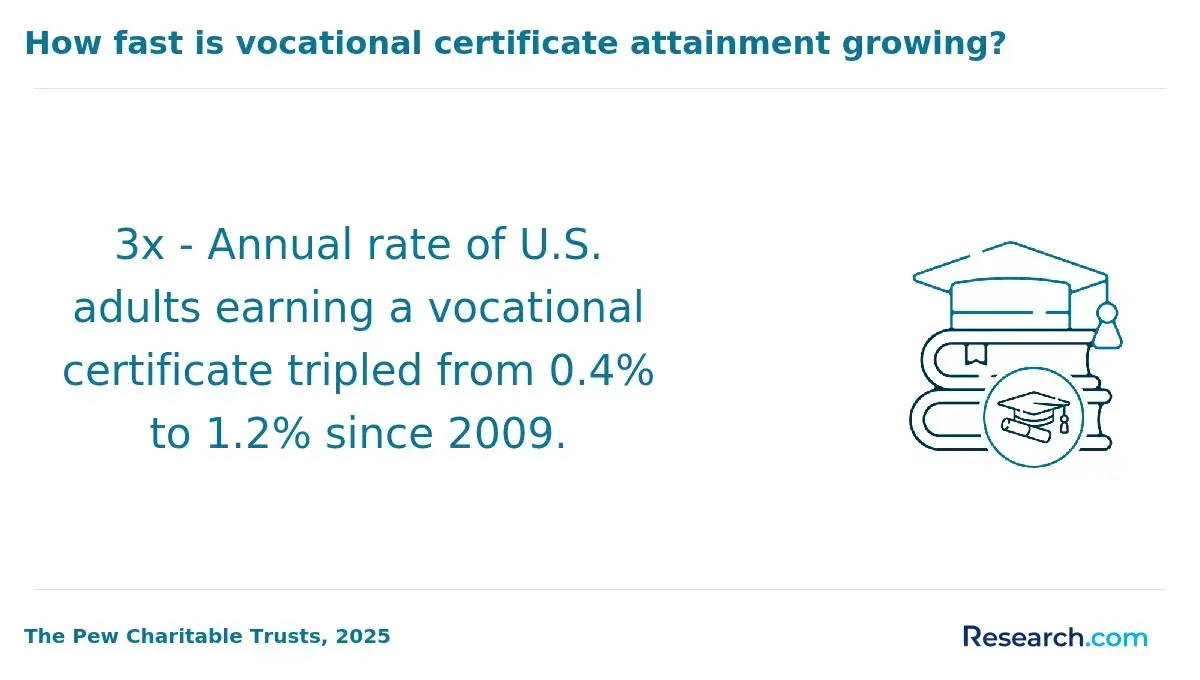
Bachelor's degrees in accounting or closely related disciplines like finance or business administration remain the primary requirement for entry into public accounting, but meeting the 150-credit-hour threshold is critical for CPA licensure in most U.S. states. This often means extending study beyond a bachelor's, either with additional undergraduate coursework or a master's degree, especially for those targeting specialized roles such as tax consultant or forensic accountant. These specialized positions demand deeper knowledge of tax law, audit methodology, and regulatory compliance than generic programs provide.
Employers place significant value on candidates who complement formal degree programs with internships or clerkships, as practical experience reveals an applicant's adaptability to industry-specific regulations-a vital factor for auditors navigating complex financial environments. For professionals seeking career pivots or advancement, accredited graduate programs that integrate practical case studies with advanced theory offer an efficient means of upskilling.
Entry-level salaries start in the mid-$50,000s, but the top 10% of accountants and auditors earn upwards of $141,420 annually, illustrating how early planning to satisfy CPA requirements and ongoing education can influence long-term earning potential. When evaluating degree programs for public accounting careers, students must balance the demands of credit-hour requirements, targeted coursework, and real-world experience.
For those considering a strategic career shift, comparing the value of an project management degree worth it against additional accounting credentials may affect both employability and role versatility in complex business environments.
How do online accounting programs compare with campus programs for public accounting careers?
Campus programs in accounting provide crucial hands-on exposure through immediate internships, live collaboration, and direct faculty mentorship, which are vital for mastering U.S. GAAP reporting-a skill set experiencing a 128% surge in demand according to Intuit's 2026 Accountant Job Outlook & Demand Report. This direct experience accelerates proficiency in tax preparation and auditing, areas where employer expectations are intensifying.
By contrast, online accounting programs excel in flexibility and accessibility, especially for professionals balancing work and study or making a strategic career pivot. However, these programs require students to independently pursue practical experience, such as internships or part-time roles, to develop the compliance and tax skills increasingly valued in public accounting. For instance, a retail manager completing online coursework must separately secure internships to remain competitive.
Employers favor candidates demonstrating both education and applied experience; campus graduates benefit from integrated externships that reinforce resumes and interview preparedness amid a 75% rise in demand for tax-specialized roles. Online students must compensate through involvement in professional accounting associations, virtual workshops, and targeted internships outside their curriculum.
Choosing between these formats depends on individual capacity to source real-world experience alongside education. Those seeking structured experiential learning aligned with current market needs may prefer campus programs, while students valuing flexible schedules and self-driven internship acquisition can consider online routes.
For professionals exploring accelerated alternatives that combine rigor and speed, programs like a 6 month MBA may also be relevant in related financial career pivots.
Which accounting specializations best support CPA licensure and other key certifications?
Specializing in tax, auditing, forensic accounting, or analytics significantly enhances the likelihood of passing the CPA Exam and succeeding in public accounting roles, given their direct alignment with exam content and employer demand. For instance, tax expertise is essential for mastering the Regulation section of the CPA Exam, while forensic accounting equips candidates with investigative skills increasingly sought in fraud detection and litigation support.
The financial payoff is measurable: Robert Half data indicates that 87% of finance leaders offer better salaries to candidates with specialized credentials, notably in forensic, tax, and analytics domains. This wage premium reflects labor market preferences for professionals capable of navigating complex regulations or interpreting large data sets-skills less common among generalist accountants.
Prospective CPA candidates need to strategically select coursework and potential specialty certifications like Certified Fraud Examiner (CFE) or Certified Management Accountant (CMA), balancing exam preparedness with time and financial investment. For example:
- Tax specializations benefit professionals targeting tax-centric firms emphasizing compliance and regulatory work.
- Analytics-oriented training aligns with advisory roles in sectors such as healthcare and banking, where risk management and data analysis are critical.
- Forensic accounting suits those focused on fraud examination and dispute resolution.
Ultimately, program choice should reflect intended service lines and realistic resource allocation, since specialty certifications demand additional commitment but can open niche opportunities beyond the CPA's baseline scope.
What courses and skills are emphasized in each public accounting specialization?
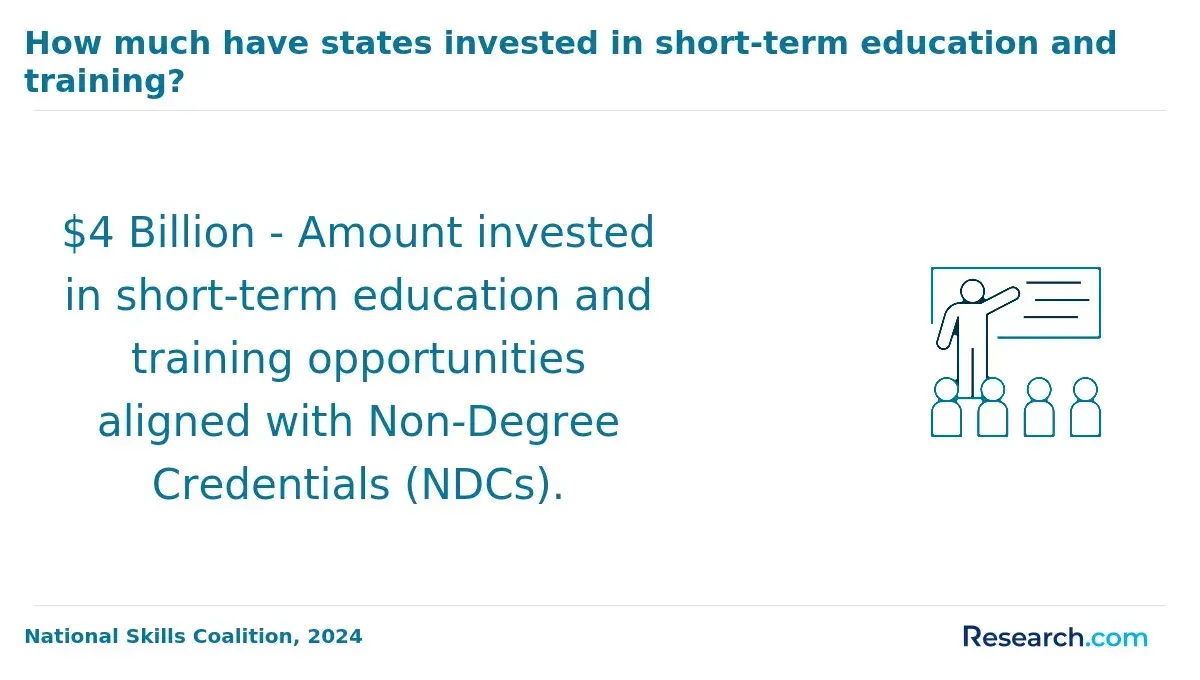
Specializing in public accounting significantly alters the knowledge and skills a student must acquire, with direct consequences for employability and role effectiveness. Audit-focused programs train candidates in GAAP, internal controls, and audit software like ACL or IDEA, while demanding meticulous attention to timing and detail to meet deadline-driven client engagements. This specialty suits those prepared for structured procedural work but challenges those uncomfortable with intensive regulatory standards.
Tax accounting education prioritizes fluency in federal, state, and international tax codes, with a premium on adapting to frequent legislative changes and advances in tax software. For instance, tax professionals in global firms navigate cross-border treaties and evolving digital filing regimes, requiring sustained legal literacy and precision. Such continuous learning can burden students expecting stable curricula or predictable regulations.
Consulting and advisory concentrations diverge sharply, emphasizing managerial accounting, forensic methods, financial modeling, and strategic business analysis supported by ERP and blockchain tools. Success in this field hinges on communication skills to translate financial data into actionable strategies amid complex mergers or market fluctuations-skills often less stressed in audit or tax disciplines.
These distinct demands happen within an accounting labor market contracting by over 300,000 professionals since 2019, which pressures educational programs to produce graduates who combine technical mastery with adaptability. Prospective students must carefully weigh the tradeoffs between technical depth, regulatory volatility, and communication requirements inherent to each specialization to align with their career goals and resilience to industry shifts.
What are the typical entry-level roles and promotion paths by accounting specialization?
Entry-level roles in accounting specialize mainly in audit, tax, and advisory, each with distinct advancement hurdles shaped by industry demand and specific skill sets. Audit positions remain the most accessible in public firms despite an overall decline in accounting graduates. According to the CPA Journal (2025), audit roles avoid workforce contraction seen in tax and advisory fields, producing a less competitive landscape for audit entrants but tighter conditions for tax specialists.
Progression in audit typically follows a clear timeline: staff auditors advance to senior auditor within two to three years, then to managerial levels requiring both leadership and deep technical expertise. Early CPA licensure is often a non-negotiable threshold for upward mobility, especially for auditors working with complex sectors like financial services. Missing this credential often limits promotional options.
Tax accountants usually start in compliance or preparation, but face slower promotion without specialization in areas such as international taxation or transfer pricing. Hiring preferences skew toward candidates with advanced degrees or credentials like the Enrolled Agent due to fewer graduating tax professionals, causing longer career plateaus for the under-credentialed.
Advisory roles span data analytics to risk management, where skills remain fluid and advancement depends heavily on continuous technical and regulatory upskilling. Neglecting this causes promotion delays and limits leadership opportunities in consulting environments.
- Audit offers clearer, faster promotion but demands early CPA certification.
- Tax progression slows without niche expertise and advanced credentials.
- Advisory requires ongoing skill adaptation, affecting speed and level of advancement.
Prudent candidates must weigh these tradeoffs against workforce trends to align educational choices with realistic career trajectories and avoid bottlenecks, especially outside audit tracks.
How do salaries and bonuses differ among public accounting specializations?
Salary and bonus structures within public accounting vary considerably based on certification, sector, and specialization complexity, affecting long-term financial outcomes and career strategies. For instance, certified public accountants (CPAs) in the U.S. earn roughly $30,000 more than non-certified accountants, with an average salary of $93,068, underscoring the tangible wage premium tied to CPA licensure.
Specialized roles exhibit distinct compensation dynamics:
- Forensic accountants engaged in fraud detection frequently secure higher bonuses directly related to case results, linking compensation to measurable business impact.
- Auditors on government contracts typically receive steadier base pay but benefit from smaller bonus pools due to budget constraints inherent in public sector work.
- Tax professionals, particularly in large metropolitan firms, can exceed $120,000 in compensation through structured bonuses aligned with performance and client acquisition, though this often entails extended, seasonal workloads.
- Consulting roles marry auditing and advisory skills, offering elevated starting salaries but less bonus volatility compared to tax-focused positions.
Employers increasingly expect a balance of certification, software proficiency, and regulatory know-how. Professionals must weigh tradeoffs such as geographic mobility versus sector stability and the tension between immediate bonus-driven earnings in tax roles versus steadier growth in audit or forensic accounting. Those evaluating this pathway should consider how these variables align with their long-term goals and tolerance for workload fluctuations.
What is the job outlook and employer demand for each public accounting specialization?
Demand for public accounting specialists remains highly segmented, with distinct pressures shaping hiring dynamics across auditing, tax, forensic, and advisory roles. For example, auditors are strained by heightened regulatory scrutiny and compliance demands, particularly within banking and publicly traded firms subject to the Sarbanes-Oxley Act. This creates persistent talent shortages-over 60% of finance leaders report difficulty filling accountant positions-impacting audit timelines and risk controls.
Tax accountants face a different but equally urgent challenge: constantly changing tax codes require expertise in federal, state, and international regulations. Organizations rely on these professionals not only for compliance but to strategically manage liabilities, especially in multinational settings. Over half of finance executives indicate that talent gaps in this area lead to compliance delays and increased risk exposure.
Forensic accountants serve a niche but steady demand from legal entities and corporations combating fraud and cybercrime, requiring continual credentialing and technical skill upgrades. Meanwhile, advisory accountants are increasingly tasked with supporting digital transformation and sustainability reporting, demanding both sector knowledge and analytical agility.
Graduates and career changers must assess how their specialization aligns with industry expectations, as certification requirements and experience differ substantially between sectors like technology, government, and nonprofits. These variances often shape not only hiring outcomes but also compensation and career durability amid evolving regulatory and technological conditions.
How can prospective students evaluate and choose an accredited accounting program by specialization?
Program accreditation and specialization outcomes are decisive filters for candidates aiming at public accounting roles, shaping both employability and long-term compensation. Regional accreditation combined with recognition from bodies such as AACSB or CPA boards confirms curriculum rigor and eligibility for licensure, which are minimum criteria for serious candidates.
Hiring managers at large firms heavily weigh CPA exam pass rates and existing recruitment partnerships when screening graduates, making these metrics critical for those pursuing audit or tax tracks. For fields like forensic accounting or consulting, students must evaluate faculty expertise and the availability of internships that offer real-world experience, as these directly affect practical readiness and market fit.
Analyzing employment patterns by specialization reveals notable financial outcomes. For example, partners at major accounting firms earn between $166,000 and $330,000 annually, with executive committee members reaching compensation as high as $932,000, according to Accountingfly's 2025 data. This financial scope favors focused investment in established specializations with clear career pathways rather than broader, less targeted programs.
Cost-benefit considerations also vary. Highly specialized programs typically demand higher tuition but offer stronger job placement and earnings potential. Working students should weigh flexible online or hybrid models equipped with targeted career services tied to public accounting recruiters. Key decision criteria include alignment with CPA requirements, advanced technical skill development, and transparent alumni outcomes by field to ensure measurable career progression.
Other Things You Should Know About Accounting
Many accounting specializations demand significant time to grasp technical concepts, especially in areas like forensic or tax accounting. Students and professionals must weigh the intensity of coursework against gaining relevant practical experience, as employers prioritize proven skills alongside knowledge. Prioritizing internship or part-time roles that complement the specialization enhances employability more than theoretical depth alone.
In 2027, key accounting specializations for public accounting careers include forensic accounting, tax accounting, audit and assurance, and international accounting. Professionals with these specializations are in demand due to the increasing complexity of regulations and global business environments.
Holding multiple certifications can increase employment opportunities but requires substantial time and financial investment, which may delay entry into or progression within the workforce. Candidates should prioritize certifications aligned with their chosen specialization and target employers' expectations. For example, combining CPA licensure with a CITP certificate benefits those in technology-focused accounting but may offer limited payoff in traditional public accounting roles.
Large public accounting firms often prefer candidates with specializations aligning with their core service offerings such as audit or tax due to high demand and billable hour pressures. Smaller firms or boutique practices may value niche expertise like forensic or environmental accounting but can offer less volume and slower progression. Candidates should evaluate employer size, client base, and growth strategy to select specializations that maximize job stability and advancement.
References
- Accounting Career Path: From Entry-Level to CFO (2026 Roadmap) https://careery.pro/blog/accountant-careers/accounting-career-path
- Accredited Accounting Degrees https://www.discoverbusiness.us/education/accounting-degree/
- Production-Based Pay in Accounting: Firm Size Breakdown https://www.firmlever.com/blog/the-ultimate-guide-on-production-pay-structures-in-public-accounting-firms/
- Top Accounting Careers for MAcc Majors https://www.onlinemastersdegrees.org/careers/accounting/
- Accounting certifications (beyond a CPA license) https://www.becker.com/blog/career/accounting-certifications
- How to Choose a Degree in Accounting | Accounting.com https://www.accounting.com/resources/choosing-a-program/
- What are Public Accounting Specializations? https://lvhj.com/what-are-public-accounting-specializations/
- How to Choose the Best College for Accounting: A Student's Guide - GAPA https://gapaeducation.com/how-to-choose-the-best-college-for-accounting-a-students-guide/
- CPA Career Path - Roles, Salaries & How To Progress https://300hours.com/cpa-career-path/
- 7 Accounting Career Paths — Entry-level to Senior Roles https://www.shortcourses.com.au/ed/accounting-career-path/