2027 First Accounting Roles for Business Professionals Entering Accounting

Co-Founder and Chief Data Scientist
Landing an initial role in accounting often confronts candidates with a catch-22: entry-level positions demand practical experience, yet employers hesitate to train those without it. This gap turns many capable professionals, especially career changers and adult learners, into résumé collectors rather than contributors. According to the National Student Clearinghouse Research Center, adult learners now make up nearly 40% of undergraduate enrollment, a shift that demands more flexible program designs aligning academic credentials with workforce-ready skills.
For those balancing time constraints and the need to demonstrate relevant capabilities quickly, strategic navigation of available first accounting roles is essential. This article outlines realistic job options and pathways tailored to resolve these entry barriers, accelerating early-career progression in accounting.
Key Things You Should Know
- Entry-level accounting roles now demand proficiency in automation tools, with 67% of employers citing ERP software skills as essential, challenging candidates to balance technical training costs against immediate job market viability.
- The U.S. Bureau of Labor Statistics projects a 6% growth in accounting jobs through 2032, but firms prioritize candidates with real-world audit and tax experience, often sidelining purely academic credentials in initial hiring rounds.
- Median starting salaries vary widely-$45,000 to $60,000-reflecting geographic and sector differences; candidates face strategic tradeoffs between accepting lower pay in high-opportunity regions or internships for accelerated career progression.
What are the first accounting jobs for business professionals?
Entry-level accounting jobs for business professionals often demand a practical balance between immediate employability and longer-term credentialing. Positions such as staff accountant, accounting clerk, accounts payable/receivable specialist, and junior auditor form the initial landscape of first accounting roles for business professionals, with the staff accountant role providing comprehensive exposure to financial reporting, compliance, and transactional processes across sectors like manufacturing and retail. The U.S. Bureau of Labor Statistics reports a median annual wage of $81,680 for staff accountants and auditors, while the top 10% earn above $141,420, illustrating significant variance tied to experience and sector.
Employers increasingly expect candidates to have proficiency in accounting software like QuickBooks or SAP, combined with foundational knowledge of GAAP. For those transitioning from other business areas, experience in data analysis or project management can ease entry but usually necessitates additional formal education or certification such as CPA or CMA. Choosing a pathway also involves tradeoffs in timing: immediate employment may forgo early certification benefits, while pursuing credentials can delay workforce entry but improve long-term prospects.
Those targeting specialized industries-healthcare or nonprofit, for example-must be prepared for sector-specific regulations. Starting with foundational entry roles allows building technical expertise that adapts to organizational complexity, facilitating progression to intermediate and senior positions.
Access to a reliable educational path is critical. Candidates seeking affordability and program effectiveness might explore options like an online accounting degree, which can strategically support this transition.
What education do employers expect for entry-level accounting roles?
Entry-level accounting education requirements in the US typically mandate at least an associate degree in accounting, finance, or a related field to meet employer expectations for transactional roles. This degree equips candidates with essential skills in bookkeeping, financial statements, and software tools like QuickBooks and Excel, critical for positions such as Accounts Payable/Receivable Specialists. According to Robert Half's 2026 finance and accounting job market outlook, these roles remain in high demand with starting salaries rising 3-4% over 2025, reflecting sustained employer confidence in foundational accounting competencies.
Employers hiring for typical qualifications for first accounting roles in business, especially those in sectors like manufacturing or healthcare, emphasize practical software proficiency and accuracy over advanced degrees. Candidates managing invoices and vendor accounts benefit from an educational foundation that supports workflow efficiency without requiring extended study times.
By contrast, roles involving data analysis or compliance usually require a bachelor's degree due to the complexity of regulatory interpretation and detailed reporting. However, certifications such as AAP combined with hands-on experience can sometimes offset the absence of a four-year degree in these transactional roles.
Soft skills including communication and time management are integral because entry-level accounting professionals often coordinate across departments. Prospective students should weigh these practical workforce demands against educational investments, considering options like a project management bachelor degree online that might complement or broaden their expertise for long-term advancement.
How do accounting certificate and degree pathways compare?
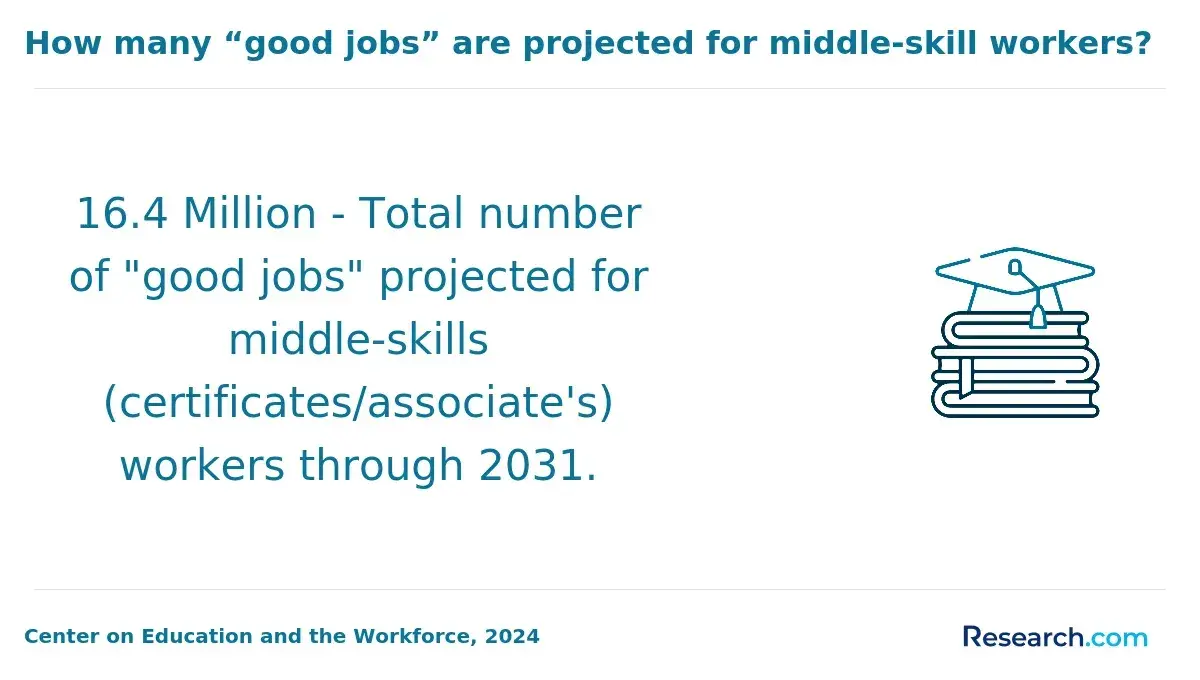
Accounting certificate pathways offer a targeted entry into roles focused on bookkeeping, basic taxation, and software skills, typically completed within six months to a year. This makes certificates appealing for professionals needing rapid reskilling or career pivots under tight time or financial constraints. However, certificates tend to restrict upward mobility since employers often prefer bachelor's degrees for roles requiring broader financial analysis or strategic insight. For example, positions like Junior Financial Analyst frequently require advanced analytical skills and financial acumen that certificates usually do not provide.
In contrast, accounting degree programs deliver comprehensive knowledge in financial reporting, auditing, and accounting principles, often integrating internships to enhance real-world readiness. Degree holders benefit from higher starting salaries and access to certifications such as CPA, which are critical for advancement in sectors like corporate finance or investment analysis. This aligns with expected financial analyst job growth of 9% from 2024 to 2034, driven by demand for sophisticated data interpretation.
Employers often regard accounting certificates as supplementary qualifications that complement, but do not replace, degrees when hiring for positions requiring strategic financial judgment. Prospective students must weigh immediate employment prospects tied to certificates against the longer-term growth enabled by degrees. Individuals with prior education aiming for decision-making roles should prioritize degrees, while certificate pathways best suit those focused on bookkeeping or technical accounting tasks.
For professionals considering a shift or upgrade within business disciplines, evaluating relative benefits of accounting certificate vs degree benefits for business professionals can guide strategic choices. Similarly, exploring related options like a project management degree can diversify career pathways in finance-linked sectors.
Is an online accounting program as credible as a campus program?
Online accounting program credibility compared to campus programs hinges primarily on meeting accreditation standards and delivering employer-valued skills rather than delivery mode alone. Employers prioritize demonstrated knowledge and certifications such as passing the CPA exam over where learning occurs, especially in high-volume compliance roles like tax associates managing workloads reflective of over 163 million individual federal returns filed in 2023.
Benefits of online accounting education for business professionals include flexible scheduling and software-driven practical training that mirrors traditional curricula's technical rigor. However, campus programs retain an edge in direct industry networking through internships and career fairs, which often translate into earlier hiring opportunities within regional markets.
Choosing between online and on-campus degrees requires weighing access to experiential learning and logistical constraints. Online pathways support working students unable to relocate, while campus attendance offers embedded networking that some niche or client-facing firms may value more.
For students evaluating this balance, program accreditation, internship availability, and evidence of technical proficiency should guide decisions more than format preferences. Those seeking a degree in finance or accounting should assess these factors in the context of their specific career pivot goals and employer expectations.
What accounting courses prepare students for entry-level work?
Entry-level accounting roles require more than foundational theory; employers expect demonstrated application of core skills in realistic contexts. Financial accounting coursework focusing on balance sheets, income statements, and cash flow analysis is indispensable for juniors in audit and bookkeeping positions. Managerial accounting's emphasis on cost behavior and budgeting aligns with internal business roles, particularly in manufacturing or service environments. Auditing proficiency-evaluating records against evolving regulatory standards-gains urgency as the global assurance market is projected to grow from $688.17 billion in 2025 to $1.28 trillion by 2033 according to industry reports.
Practical challenges arise when programs lack integrated technology training, limiting adaptability to workplace software, which is essential given the growing reliance on accounting information systems for real-time financial management. Taxation and business law education sharpen compliance acumen vital for navigating corporate or small business tax landscapes. Ethical and risk management instruction adds necessary judgment capabilities for fraud detection and advisory functions.
Students who master audit workpaper preparation or variance analysis under deadline conditions gain a competitive edge by simulating employer expectations. However, disparities in access to case-based learning or modern software impede some graduates' transition into professional roles. Prospective accountants should prioritize programs that blend theory with technology application and regulatory practice to meet a workforce increasingly valuing verified, operational competence in fast-growing sectors.
What admission requirements do accounting programs usually ask for?
U.S. accounting programs impose layered academic prerequisites that often function as real filter points for career changers and newcomers. Entry-level pathways demand at least a high school diploma and basic math proficiency, but bachelor's and graduate tracks escalate the requirements to completed general education credits and foundational courses in financial and managerial accounting plus statistics. These academic conditions correlate directly with workforce readiness; candidates without recent coursework face added bridge classes, increasing costs and time before employment eligibility.
Employers prioritize candidates who combine solid quantitative skills with demonstrated ethical integrity due to the high stakes of financial accuracy and fraud prevention. Work experience in related tasks, such as payroll or billing workflows, can sometimes offset formal prerequisites but rarely substitutes core accounting coursework. The operational reality in sectors like manufacturing or healthcare-with their escalating invoicing volumes-amplifies demand for candidates versed in handling large transactional loads, not just general accounting principles.
- Standardized test requirements vary-some programs waive SAT/ACT scores based on prior credits or relevant experience.
- Background checks and ethical screenings are common admission components reflecting employer expectations.
- Pragmatic admission policies weigh professional discipline applicability to accounting workflows over pure academic metrics.
How long does it take to complete an accounting program?
Program length in accounting education critically shapes both employability and the scope of job readiness. For instance, startups seeking cost accountants often prioritize candidates with robust cash-flow management skills, given that nearly 38% of startups fail due to poor cash-flow control. This practical demand reveals a sharp divide: shorter certificate or diploma programs (6 to 12 months) may prepare students for entry-level roles but typically omit advanced financial analytics and managerial accounting, which are crucial for strategic business decisions.
Associate degrees generally require about 2 years and offer a more comprehensive foundation, while bachelor's degrees involve 4 years of full-time study, covering budgeting, forecasting, and broader financial strategy. These longer programs better equip professionals aiming to pivot into accounting roles where preventing financial mismanagement in scaling businesses is essential.
Working adults must weigh tradeoffs between accelerated formats and depth of content. Accelerated or part-time options can shorten time to workforce re-entry but may risk less mastery initially, affecting employer expectations regarding standardized credentials and exam passing. Understanding how program duration correlates with job function clarity and market needs helps students align education paths with tangible career outcomes.
How much do entry-level accounting jobs pay in the United States?
Entry-level accounting positions in the U.S. present a varied salary landscape that directly correlates with geographic, sectoral, and skill-based factors. For instance, internal auditors typically start near $58,000, but in high-cost urban centers like New York or San Francisco, salaries can surpass $65,000, while rural roles may hover closer to $50,000. These disparities stem from regional living costs and the organization's scale and industry focus.
Employers prioritize candidates with demonstrated expertise in internal controls and fraud detection due to the immense financial risks-fraud alone costs organizations approximately $3.7 trillion globally. Practical abilities in data analysis and audit software usage can boost starting offers by around 10%, emphasizing the premium placed on technical proficiency.
Other entry roles such as staff accountant or tax associate fall within a comparable salary bracket but often require balancing immediate compensation against opportunities for growth and certification support. Government and nonprofit sectors may offer lower initial pay but compensate through job stability and structured career tracks.
Prospective accountants must weigh multiple factors beyond salary, including mentorship availability, CPA exam support, and workload intensity, which heavily influence career sustainability and advancement potential. A realistic evaluation of these tradeoffs assists in positioning for long-term success within an auditing or accounting career.
What is the job outlook for accounting graduates?
The accounting job market in 2026 favors graduates with specialized skills in forensic accounting and fraud analysis, where starting salaries average around $86,000, with experienced professionals earning up to $133,000. Positions that combine investigative expertise with data analytics are increasingly prioritized, reflecting employer demands for practical competencies beyond textbook accounting.
Graduates pursuing traditional routes like audit or tax roles face lower initial pay and must navigate certification timelines, notably CPA licensure, to climb salary brackets. In contrast, those focusing on fraud examination gain clearer, faster pathways to higher compensation.
Employers expect proficiency with digital tools, forensic software, and advanced Excel functions, so academic programs with hands-on software training measurably improve employability. For example, a graduate familiar with forensic platforms will stand out in government auditing jobs addressing financial crimes, compared to peers with general accounting experience.
The choice of industry also affects compliance demands and salary trajectories. Healthcare and manufacturing sectors require different regulatory knowledge than government agencies, shaping credential needs and time to job placement.
Balancing work and certification requirements remains a persistent challenge for new graduates, often slowing career momentum despite robust salary prospects in fraud-related fields.
- Average starting salary for forensic and fraud roles: $86,000
- Senior position salary potential: $133,000
- Essential skills: investigative accounting, regulatory compliance, data analytics
- Credential progression required for traditional accounting roles: CPA licensure
- Industry-specific compliance influences career path and salary growth
Which certifications help business professionals start accounting careers?
Choosing between CPA licensure and advisory-focused certifications like CMA or CFAP often hinges on timing and career intent. The CPA requires 150 credit hours, passing a rigorous exam, and practical experience, which delays entry into revenue-driving roles despite its broader recognition and higher salary potential. In contrast, certifications such as CMA or CFAP offer more immediate access to client advisory positions, which have experienced significant revenue growth-17% median in 2023 with expectations to nearly double by 2025, per Link My Books data cited by Kent State University.
For example, a professional aiming to pivot quickly into outsourced advisory services might pursue a CMA to gain strategic financial and management insights without the lengthy CPA process. Small to mid-sized firms often value credentials like Certified Bookkeeper or certifications from the American Institute of Professional Bookkeepers for operational roles that feed into advisory work. Meanwhile, a Certified Fraud Examiner designation can provide an edge in risk management and internal controls.
The practical tradeoff is clear: CPA credentials open wider career doors but require upfront educational investment and time, delaying entry. Advisory certifications provide faster access to fast-growing, strategic client-facing roles where firms prioritize demonstrable financial insight combined with experience.
Other Things You Should Know About Accounting
One major challenge is adapting to the technical rigor and regulatory detail that accounting demands compared to many business roles. Business professionals must prioritize mastering key accounting software and compliance standards early, as employers expect solid execution rather than conceptual understanding. The workload often involves repetitive but precise tasks like reconciliations and audits, requiring strong attention to detail that may be new to some business backgrounds. Addressing these challenges means focusing on hands-on skill development rather than relying solely on broad business experience.
Entry-level accounting roles typically require managing high volumes of detailed transactions and strict deadlines, which can create intense, repetitive workloads. This environment tests candidates' endurance and precision, key factors influencing longer-term progression. Candidates must assess their capacity for sustained, detail-oriented work before committing, as tolerance for this workload impacts promotion timing and readiness for advanced responsibilities. Understanding this helps prioritize roles and training paths that align with personal work style and career goals.
Starting with broad foundational accounting skills is more practical for entry-level roles since many employers expect versatility in financial statements, tax basics, and auditing procedures. Premature specialization can limit job opportunities and slow initial career momentum. After securing solid foundational expertise and a full understanding of accounting cycles, professionals should target specialty areas aligned with long-term career goals. This approach maximizes employability and builds a stronger platform for future advancement.
References
- CourseCareers https://coursecareers.com/blog-posts/7-best-accounting-and-bookkeeping-courses
- What Does an Accountant Do? | Accounting.com https://www.accounting.com/careers/overview/
- Accountant Salary Guide 2026 | CPA Pay by State https://www.accountingedu.org/salary/
- Accounting Major Online Degree | SUNY Plattsburgh https://www.plattsburgh.edu/programs/accounting-major-online.html
- Accounting Certificate vs Degree: Key Differences https://potomac.edu/accounting-certificate-vs-accounting-degree/
- How Long Does It Take to Become an Accountant? | Michael Page CA https://www.michaelpage.ca/advice/career-advice/growing-your-career/how-long-does-it-take-to-become-an-accountant
- What qualifications do I need for most entry-level accounting jobs? | AAT Careers Hub https://jobs.aat.org.uk/article/what-qualifications-do-i-need-for-most-entry-level-accounting-jobs-
- How Long Does It Take https://www.stonehill.edu/programs/accounting/how-long-does-it-take/
- How Much Does an Accountant Make? https://www.herzing.edu/salary/accountant
- Entry-Level Accounting Work Needs a New Name | IMA https://www.imanet.org/blog/2025/06/entry-level-accounting-work-needs-a-new-name