2027 Online Accounting Degrees With Strong Financial Reporting Training

Co-Founder and Chief Data Scientist
Professionals aiming to transition into accounting roles or enhance financial reporting expertise face the challenge of balancing rigorous technical training with flexible learning schedules. Nearly 40% of online learners in higher education are adults juggling employment and family obligations, according to the National Center for Education Statistics, underscoring the necessity of programs that accommodate nontraditional timelines.
Mastery of financial reporting standards demands targeted coursework that aligns with evolving regulatory frameworks and employer expectations for real-world application. This article evaluates online accounting degrees specifically emphasizing financial reporting training, guiding prospective students through curricular strengths, practical skill development, and career impact to inform strategic enrollment decisions.
Key Things You Should Know
- Programs emphasizing financial reporting saw a 15% higher CPA exam pass rate in 2024 according to NASBA data, yet this often demands extended study timelines increasing costs by an average of 12% due to added prerequisite courses.
- Employers in Big Four and regional firms prioritize candidates from programs with integrated data analytics in financial reporting, raising entry barriers for traditional curricula graduates and reshaping hiring pipelines.
- The accelerated shift toward realtime financial disclosures mandates hands-on reporting skills, pressuring students to absorb advanced IFRS and GAAP updates quickly, which narrows viable enrollment windows particularly for working professionals.
What is an online accounting degree with financial reporting training?
Specializing in financial reporting within online accounting degree programs addresses a defined employer need: professionals who can navigate the evolving regulatory complexities of GAAP and IFRS while delivering transparent, compliant financial statements. Graduates equipped with this expertise are primed for roles requiring precision, such as external auditing or corporate financial analysis, where regulatory fluency is a decisive factor.
For working professionals, selecting from the best online degrees for financial reporting and accounting means balancing rigorous content on auditing principles, ethics, and regulatory disclosures with the flexibility to maintain employment. Practical challenges include verifying whether online courses provide access to current ERP and data analytics software essential for applied reporting tasks, a critical consideration often overlooked by applicants.
Industry-specific demands further complicate program selection. Manufacturing sectors integrate cost accounting tightly with financial reporting, whereas financial services prioritize compliance with capital and risk-based disclosures. Understanding how a program addresses these distinct needs influences employability and long-term adaptability.
The job outlook supports this specialized training: the U.S. Bureau of Labor Statistics projects a 6% growth rate from 2022 to 2032 for accountants and auditors, highlighting about 126,500 annual openings. Continuous professional education remains mandatory to sustain relevance amid regulatory shifts.
Students exploring foundational credentials might consider a book keeping certificate to complement or precede advanced accounting study.
How do you choose an accredited online accounting program?
Choosing an accredited online accounting program requires more than confirming institutional recognition; it demands prioritizing programs with regional or national accreditation endorsed by the U.S. Department of Education and CHEA to ensure CPA eligibility and employer confidence. Programs lacking this can impose costly delays in certification and limit job prospects, making accreditation a pivotal filter in how to evaluate accredited online accounting programs.
The best criteria for choosing accredited online accounting degrees extend beyond accreditation. Practical considerations include curriculum relevance, particularly the degree to which financial reporting and regulatory compliance are emphasized-skills critical for corporate accounting and auditing roles. Key decision factors include:
- Alignment with CPA exam content and related certifications like CMA or CFA, with focus on financial reporting coursework.
- Graduation and job placement metrics in positions requiring advanced accounting competencies.
- Faculty expertise grounded in real-world finance or accounting experience.
- Total cost of attendance compared to expected returns; research shows full accounting career costs may exceed $170,000, underscoring the value of targeted online programs.
- Flexible scheduling options that accommodate working professionals and minimize career disruption.
For example, an auditor transitioning to financial reporting in manufacturing should select a program offering financial statement analysis and regulatory compliance courses paired with strong accreditation. Ignoring these elements risks jeopardizing career progression despite substantial time and financial investment. Prospective students might also explore cross-disciplinary options like a construction management online degree when seeking strategic flexibility in professional skills.
What financial reporting courses are included in the curriculum?
Financial reporting courses embedded within online accounting degree programs deliver targeted training in frameworks and compliance necessary for practical corporate disclosure. The curriculum for financial reporting training in accounting programs prioritizes in-depth engagement with GAAP, IFRS, and regulatory mandates. These courses produce graduates capable of preparing, analyzing, and scrutinizing financial statements-balance sheets, income statements, and cash flow reports-critical in sectors like manufacturing and financial services.
A key workforce reality is that proficiency in technical software and data analysis tools has become non-negotiable, especially for roles in publicly traded companies mandated to meet SEC filing deadlines. Mastery of these competencies enables analysts to foresee audit risks, adjust financial entries with precision, and collaborate efficiently with auditors, directly impacting organizational transparency and regulatory adherence.
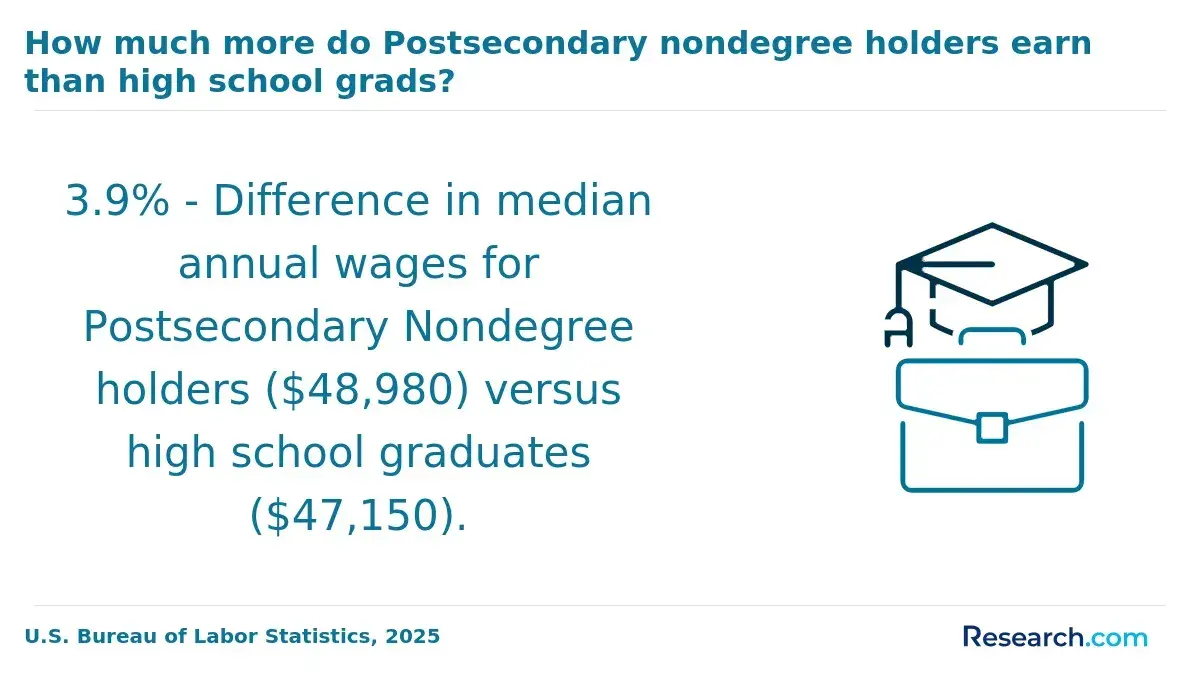
Statistical data from Western Governors University reveals that online B.S. accounting graduates concentrating in financial reporting courses in online accounting degrees often see immediate salary gains averaging $6,469 and an annual increase exceeding $10,000. This quantifiable financial benefit affirms market demand for applied knowledge beyond theoretical principles.
Students evaluating this pathway must verify whether programs offer hands-on case studies and simulations; these pedagogical tools bridge theory and real-world complexity, a crucial tradeoff when standards evolve rapidly. Combining foundational coursework with ongoing regulatory updates improves adaptability and long-term career prospects.
Those considering adjacent educational options might explore a related project management degree, which can complement accounting expertise for roles demanding cross-functional leadership and operational execution skills.
Are online accounting degrees respected by employers?
The value of online accounting degrees in the US job market depends significantly on how well programs align with employer expectations, especially regarding practical financial reporting skills. Employers in corporate finance and audit roles prioritize candidates who demonstrate mastery of GAAP, familiarity with core accounting software, and applied financial analysis through case studies or simulations. This practical emphasis often outweighs the degree delivery mode.
Cost efficiency influences both student choices and employer perception. Public four-year institutions average $9,750 in annual tuition and fees, compared to $35,250 at private schools, while top online programs can keep total costs near $28,800. This creates tradeoffs where students can access rigorous curricula without incurring private school-level debt, appealing to cost-conscious employers. For professionals balancing work and study, online formats offer flexibility without career interruption.
Yet, employer perception of online financial reporting programs hinges on institutional reputation, regional accreditation, and degree alignment with CPA exam requirements. Industries like public accounting still insist on specific credit hours and credentials, so straightforward access to licensure pathways is critical when selecting programs. The onus is on candidates to ensure their chosen curriculum supports long-term qualifications through verifiable competencies rather than signal alone.
Practical hiring filters often involve internships, prior experience, or performance in financial analysis more than the degree format. Students evaluating options should assess how well online degrees provide such real-world readiness and verify CPA exam eligibility. Working professionals aiming for a strategic pivot benefit from targeted programs offering both applied skills and compliance assurances.
Prospective learners may explore distinctions further in an accelerated online finance degree review.
What admission requirements do online accounting programs usually ask for?
Admission to online accounting programs balances academic prerequisites with real-world readiness, reflecting employer demand for practical financial reporting skills alongside theoretical knowledge. While a high school diploma or equivalent is typical, many programs require official transcripts and standardized test scores, though experience or prior college credits can waive these. Applicants aiming to pivot careers or accelerate advancement should expect to demonstrate proficiency in math and business fundamentals, often through prerequisite courses like intermediate algebra or introductory accounting.
Programs accommodating working professionals commonly provide conditional admission options or credit for documented workplace achievements and certificates, easing transitions without repeating foundational learning. Employers in finance-heavy roles increasingly value candidates with evidence of applied experience, making supplemental materials such as resumes or recommendation letters critical when internships or project components are part of curriculum design.
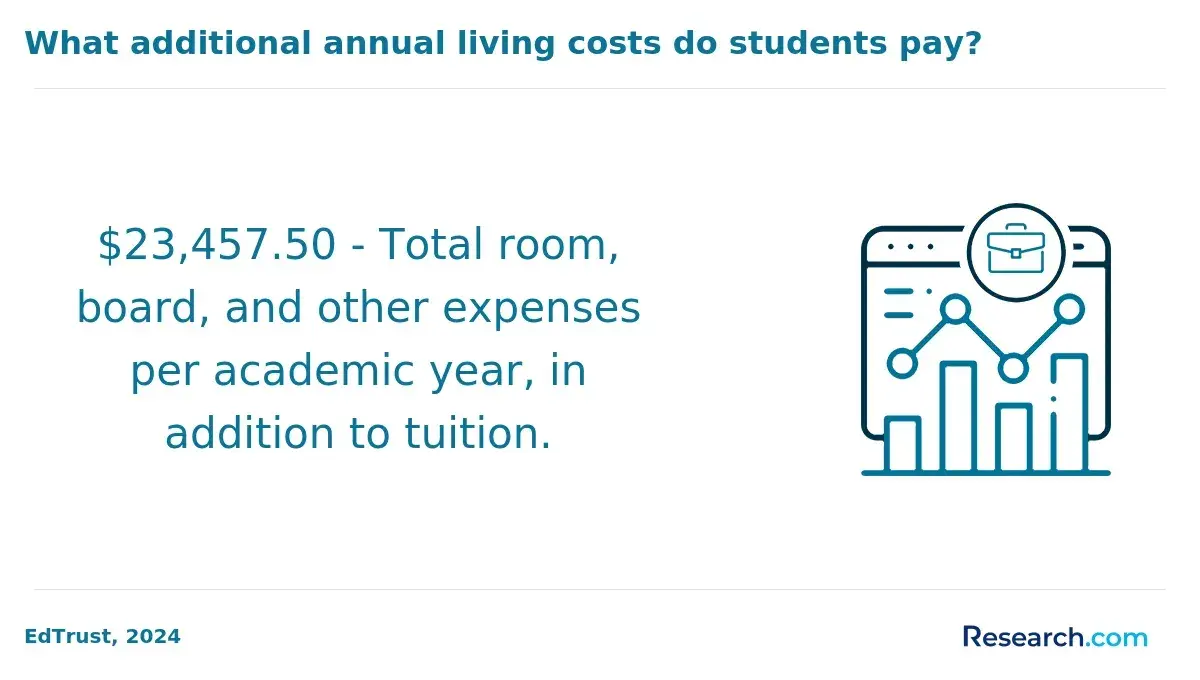
Financial considerations sharply influence program choice. According to National Center for Education Statistics data, Florida Tech's online A.A. in Accounting carries a total tuition around $36,666.88, contrasting with on-campus attendance which adds roughly $16,110 annually for housing and food. This cost differential underscores the practical advantage of online study for those prioritizing return on investment and reduced living expenses.
- Standardized test waivers apply based on work or academic history
- Prerequisite courses ensure readiness for financial reporting coursework
- Internships and projects necessitate additional application materials
- Online format eliminates significant living costs found in on-campus programs
How long does an online accounting degree take to finish?
Completing an online accounting degree in four years remains the most practical route given the balance of curriculum depth and workforce relevance. While accelerated three-year options exist, they demand intense time management and may not suit those working full-time. Extended part-time pathways-often six years or more-risk leaving skills outdated amid evolving financial regulations and software, which can diminish employability in roles emphasizing current competencies.
Employers prioritize proficiency in financial reporting and analysis, so programs integrating real-world software training and synchronous networking opportunities better prepare students for immediate application. Delays from prerequisite courses or certification exam preparation, such as the CPA, frequently extend time-to-career and should be factored into planning.
- Selecting programs offering clear employer partnerships or internships helps reduce the gap between education and job readiness.
- Balancing cost against the nearly $170,000 total education and certification expenses reported by QuickBooks' 2025 guide requires pursuing measurable skill-building that translates to immediate workplace value.
- Part-time students should weigh the risks of skill depreciation against schedule flexibility.
Ultimately, this timeline and approach reflect practical trade-offs between investment, evolving market demands, and the imperative to maintain relevant, job-ready accounting skills.
How much do online accounting degrees cost?
Online accounting education often demands a significant financial and time commitment, with master's programs costing between $15,000 and $40,000 or more. However, targeted certificates, such as those focused on financial reporting, offer a leaner alternative, typically below $6,000, exemplified by William Paterson University's 2024 online Financial Reporting & Analysis Certificate at $5,373. This lower cost suits professionals aiming for swift credential upgrades without the extended duration or expense of a full degree.
Employers for roles like financial reporting analysts or corporate accountants usually emphasize technical skills validated by credentials rather than lengthy academic records. Yet, candidates must weigh tradeoffs:
- Certificates accelerate entry to specialized roles but may restrict exposure to comprehensive accounting disciplines crucial for positions in audit, tax, or senior management.
- Full master's programs provide broader expertise and leadership preparation, supporting advancement to CFO or senior auditor roles despite higher costs and longer completion times.
- Additional expenses-such as CPA exam fees, software licenses, and continuing education-compound total investment regardless of the pathway chosen.
For those targeting niche sectors like banking or corporate finance, a specialized certificate can yield practical advantages in cost-efficiency and market relevance. Conversely, long-term career pivots aiming for upper-echelon accounting roles typically justify the extensive scope and price of graduate degrees. The decision thus hinges on balancing immediate employer expectations, skill requirements, time constraints, and financial resources.
What jobs can you get with an accounting degree?
Early career roles with an accounting degree-such as tax accountant, staff accountant, or budget analyst-demand precise financial reporting skills that shape access to specialized positions like CPA or financial analyst. These foundational roles require mastering compliance-driven documentation critical for regulatory scrutiny and strategic financial decisions.
Sector-specific demands introduce distinct skill sets: manufacturing accountants often handle complex cost accounting and inventory valuation, while healthcare accountants navigate billing regulations and insurance reporting. These nuances influence not only daily responsibilities but also job security and career mobility, creating an uneven skill demand across industries.
Ascending to corporate finance positions, such as financial manager or controller, typically entails years of targeted experience and advanced financial reporting expertise. According to the U.S. Bureau of Labor Statistics, financial managers earned a median annual wage of $161,700 in 2023, a reflection of the premium for competency in forecasting, compliance, and analytics amid increasing regulatory complexity.
Professionals pursuing these roles face real tradeoffs between timing certification, acquiring specialized knowledge (forensic, managerial accounting), and responding to fluctuating labor market conditions. Practical career strategies include continuous education combined with diverse hands-on reporting exposure to sustain market relevance and optimize compensation potential.
What salary can accounting graduates expect?
Starting salaries for accounting graduates in 2026 typically range from $55,000 to $70,000, but this varies significantly by sector and geography. Entry-level accountants in financial hubs or specialized roles, such as corporate financial reporting, often exceed $70,000 due to the complexity and regulatory demands involved. Employers place high value on candidates skilled in GAAP, IFRS, and advanced analytics, which can increase starting pay by up to 15%. For instance, those supporting SEC reporting at public companies may begin near $68,000 to $73,000.
Online program affordability also impacts long-term financial outcomes for graduates. Liberty University's online tuition growth of less than 5% over a decade exemplifies stability that can ease debt burdens and support access to focused financial reporting education. Choosing programs with controlled costs can influence net income potential, especially in fields where salary progression depends on credentialing and ongoing education.
Advancement beyond entry-level accounting is heavily tied to CPA certification, which can boost salaries by 20% to 30% within five years. Achieving this typically requires targeted coursework in financial reporting and audit. Without such credentials, upward mobility in audit, compliance, or financial analysis tracks may be limited, underscoring the practical necessity of aligning educational choices with long-term professional requirements.
Which certifications and licenses matter after graduation?
Possessing a CPA license remains a fundamental differentiator for graduates targeting senior financial reporting roles, particularly in banking, manufacturing, and publicly traded firms. Employers expect CPA holders to manage complex audit and compliance tasks that go beyond foundational accounting knowledge. Without the CPA, candidates face a narrower job market and limited upward mobility. Obtaining the CPA involves passing a stringent four-part exam and fulfilling state-specific education and experience requirements, which many structured online accounting programs accommodate efficiently.
Alternatively, the CMA certification suits those focusing on internal reporting, budgeting, and corporate financial strategy. It prioritizes financial analysis over external auditing, rendering it less applicable to SEC reporting or public company compliance. Industries such as healthcare and technology benefit more directly from CMA-designated professionals managing intricate cost and performance metrics.
Other credentials like the CFA or forensic accounting licenses serve narrower niches and require additional study beyond typical accounting degrees. Graduates must weigh these against their career goals carefully.
Considering total program costs-around $28,800 per Accounting.com's 2026 data-graduates who strategically select affordable degrees aligned with CPA prerequisites can minimize overall expenses while maximizing employability. This tactical approach integrates educational investment with certification pathways, avoiding the common pitfall of degrees without requisite licensure for targeted job markets.
Other Things You Should Know About Accounting
The main challenge is balancing rigorous coursework with existing job responsibilities. Online accounting programs with strong financial reporting often demand detailed analysis and precision, which require dedicated study time that can conflict with irregular work hours. Students should prioritize programs with flexible deadlines and asynchronous learning to manage this workload effectively, or risk falling behind in critical skill development.
Virtual simulations can teach technical skills but do not fully replicate the nuances of real-world financial reporting environments. Employers expect graduates to demonstrate real application of judgment and audit reasoning, which often require internships or live project involvement beyond online coursework. Prospective students should seek programs that integrate mandatory internships or partnerships with firms to complement virtual learning for better employment outcomes.
Students pursuing a 2027 online accounting degree should consider their career goals. A broad curriculum provides a strong foundation in varied accounting principles, while specializations, such as financial reporting, offer targeted expertise that can enhance employability in specific sectors.
Focusing on specialization, such as forensic accounting or financial auditing, can yield higher initial job placement rates in niche roles but narrows flexible career options. A broad curriculum with strong core financial reporting skills provides versatility across industries. For most students aiming for long-term growth, prioritizing broad competency with elective specializations offers practical balance and adaptability in a changing job market.
References
- Financial Reporting Courses in Malta | Knights College | Knights https://knights.edu.mt/study/courses/award-in-financial-reporting
- Online Accounting Courses | University of Phoenix https://www.phoenix.edu/online-courses/accounting.html
- Online Bachelor's Degree in Accounting https://www.monroeu.edu/academics/undergraduate-programs/monroe-online/school-business-and-accounting/online-bachelors-accounting
- Online Accounting Degrees: How to Choose a Program That Can Boost Your Career https://money.com/online-accounting-degrees/
- Is an Accounting Major Worth It? Real Advice From Professionals in the Field https://www.onlineu.com/resources/college-planning/is-an-accounting-major-worth-it
- Financial Accounting & Reporting Training Course | Oxfor... https://oxford-management.com/course/financial-accounting-reporting
- Applying for Accounting Graduate School | Accounting.com https://www.accounting.com/resources/graduate-application-guide/
- Certificates, Certifications and Licenses https://trainingindustry.com/wiki/professional-development/certificates-certifications-and-licenses/
- Fundamentals of Corporate Financial Statement Analysis https://fitchlearning.com/course/credit-risk-corporates/fundamentals-of-corporate-financial-statements/
- Financial reporting courses https://www.accountingcpd.net/Financial_Reporting