2027 Online Accounting Degrees With Corporate Accounting Coursework

Co-Founder and Chief Data Scientist
Mid-career professionals aiming to shift into corporate accounting often encounter the dual challenge of balancing full-time work with acquiring specialized credentials. Traditional degree programs rarely accommodate the complex schedules that working adults face, especially when coursework demands in-depth corporate accounting expertise. Recent data from the National Center for Education Statistics indicates a 12% surge in online accounting degree enrollments among adult learners since 2023, reflecting a growing need for flexible, targeted education that aligns with evolving employer expectations. This article evaluates accessible online accounting degrees emphasizing corporate accounting coursework, equipping readers to select programs that best support career advancement without compromising current professional commitments.
Key Things You Should Know
- Online accounting degrees with corporate coursework average 25% lower tuition than traditional programs but entail slower CPA eligibility due to reduced internship opportunities, delaying workforce entry by 6-12 months according to NASBA.
- Employers in Big Four and Fortune 500 firms prioritize candidates with corporate accounting experience, valuing internships and case-study projects 40% more than purely theoretical credentials, impacting hiring outcomes in recruitment studies.
- Programs offering synchronous corporate accounting modules increase graduate job placement by 18%, yet demand intensified scheduling reduces accessibility for working students, as reported by the U.S. Department of Education's 2024 HEER data.
What is an online accounting degree with a corporate accounting focus and who is it best for?
Choosing an online accounting degree with corporate accounting specialization shapes a candidate's ability to navigate complex financial regulations and multi-entity reporting, a critical advantage in mid-to-large sized firms. Unlike generic accounting paths, this specialization fuses technical accounting expertise with strategic corporate finance, enabling roles such as corporate accountants, internal auditors, and financial analysts to manage nuanced financial structures effectively.
Programs targeting this concentration often integrate corporate governance, ethics, and advanced taxation, directly supporting CPA licensure preparation and other employer-valued certifications. Professionals transitioning from public accounting to corporate roles gain crucial insight into internal controls and risk assessment unique to private sector dynamics. This practical orientation extends beyond theory, emphasizing case studies and real-business applications suited for applied decision-making in compliance and financial strategy.
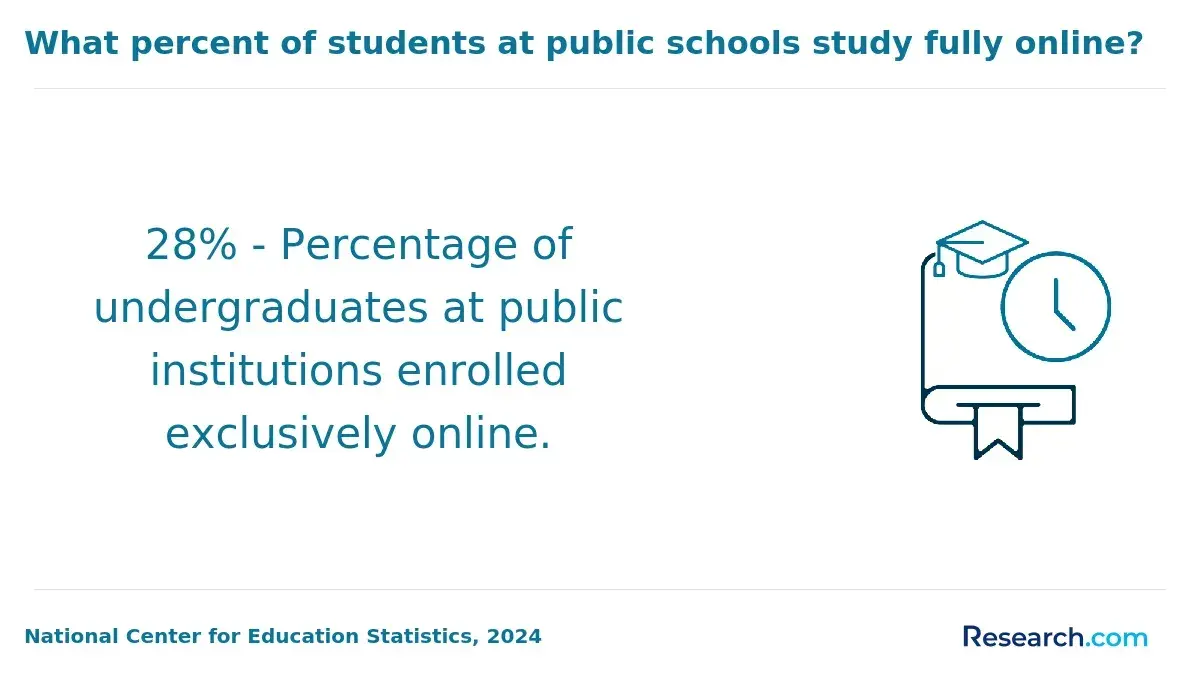
The growing footprint of distance education is evident, as 23.6% of all U.S. undergraduate business students pursued exclusively remote coursework, making these programs more accessible but dependent on student discipline and digital skills. Working professionals value the flexibility of online formats, though alignment with career objectives and securing experiential learning remotely remain significant challenges.
For those assessing the best online accounting programs for corporate accounting careers, prioritizing accredited curricula that adapt promptly to evolving standards is essential. Practical skills and real-time financial acumen often outweigh academic reputation alone. Additional insight into affordable options can be found via online accounting resources.
How do online and on-campus corporate accounting degree programs compare for quality and outcomes?
Choosing between online and on-campus corporate accounting degree program quality comparison reveals significant practical tradeoffs affecting employability and skill acquisition. On-campus programs offer intensive interaction, direct access to internships, and mentoring by faculty with relevant corporate experience, fostering competencies critical for regulatory compliance and adapting to evolving accounting standards. These elements directly influence graduates' readiness and job placement in corporate environments, where experience with real-world applications matters most.
Conversely, online degrees provide flexibility that suits working professionals balancing family or employment demands but require substantial self-motivation, especially when tackling complex areas like forensic accounting or corporate tax strategies without immediate peer or mentor support. The absence of embedded networking opportunities often delays entry into competitive roles, underlining differences in outcomes of on-campus versus online corporate accounting degrees.
For example, a CPA candidate completing an online program remotely may face slower integration into local professional networks than peers studying on campus, influencing early career advancement. Employment growth for accountants and auditors is projected at 6% from 2023 to 2033, driven by corporate compliance demands, further emphasizing the advantage of programs facilitating immediate employer engagement and practical application.
Consider practical decision factors carefully:
- Access to internships and live projects enhancing corporate accounting competencies
- Networking dynamics affecting referrals and job opportunities post-graduation
- Program accreditation and faculty expertise directly impacting curriculum relevance
Those prioritizing rapid corporate advancement should evaluate programs for experiential learning integration. Professionals seeking flexibility may explore online options but should assess how their chosen program supports compliance, auditing, and advanced financial reporting coursework to meet employer expectations. For insights into related fields, see construction management degrees.
What accreditation should online accounting programs have for corporate and CPA-track careers?
Online accounting program accreditation for corporate careers plays a decisive role in shaping a graduate's employability and professional eligibility. AACSB accreditation stands as the benchmark for CPA-track online accounting degrees because it mandates rigorous coursework in corporate and managerial accounting that aligns with CPA exam prerequisites and corporate finance demands. Approximately one-third of AACSB-accredited U.S. business schools now offer fully online accounting degrees with this specialized curriculum, meeting increasing employer expectations for advanced skills and ethics.
Choosing a non-accredited program often means sacrificing coverage of critical topics such as forensic accounting, corporate taxation, and financial reporting. This gap can disqualify candidates from CPA exam eligibility due to state board mandates requiring accredited degrees, causing significant credentialing delays. From an employer perspective, candidates from AACSB-accredited programs are preferred for their comprehensive theoretical foundation and ethical training, essential for complex corporate roles.
Working professionals should weigh course delivery formats carefully; AACSB-accredited programs provide both synchronous and asynchronous options, facilitating interaction and practical application through case studies. This dynamic approach shortens onboarding time once employed and accelerates advancement in industries like banking or manufacturing.
For those exploring related professional pathways, understanding what jobs can you get with a project management degree offers useful complementary career options, especially in roles intersecting with corporate finance and audit functions.
What corporate accounting courses and skills are typically included in these online degree curricula?
Corporate accounting course requirements online degree programs in 2026 typically focus on cultivating practical expertise in financial analysis, auditing, taxation, and managerial accounting-skills directly aligned with employer expectations. Graduates need proficiency in preparing and interpreting financial statements and internal controls to ensure compliance with evolving regulatory standards specific to businesses.
Key skills learned in corporate accounting programs include cost accounting for precise product pricing and budgeting, advanced use of ERP and accounting information systems, and ethical decision-making to meet corporate governance demands. For instance, manufacturing roles often rely on cost accounting to optimize resource allocation, while service industries prioritize auditing skills to detect fraud and maintain regulatory adherence.
Employers increasingly expect candidates to demonstrate strong data analysis capabilities using Excel or specialized software alongside effective communication skills to translate complex financial data for non-accounting stakeholders.
Considering a strategic pivot, prospective students should weigh program rigor and the extent of real-world applications embedded in curricula. Those targeting long-term earnings growth can reference the 2024 Georgetown University Center on Education and the Workforce report, which shows median annual salaries near $77,000 for accounting bachelor's holders and a 20-year earnings premium of approximately $765,000 over high school graduates.
For those evaluating pathways, programs integrated with practical tools and analytical skill-building offer distinct advantages. To explore options, reviewing a business administration degree online can provide complementary coursework and broader management insight alongside corporate accounting expertise.
What admission requirements do online corporate accounting bachelor's and master's programs usually have?
Admission panels for online corporate accounting bachelor's and master's programs prioritize candidates with demonstrated quantitative foundations, typically verified through high school diplomas or relevant bachelor's degrees plus transcripts. Master's applicants often face requirements for GMAT or GRE scores unless professional experience or prior academic success warrants a waiver.
The growing employer emphasis on advanced managerial accounting skills-cited by 79% of large U.S. companies as critical for entry-level hires-necessitates that graduate programs select candidates possess competent financial analysis abilities and practical insight. This intensifying demand means applicants lacking relevant work experience may confront steep curricular challenges, especially in rigorous case studies and operational finance tasks.
Recommendations that attest to analytical rigor and ethical judgment have become common admissions components, reinforcing the profession's regulatory complexities. For those transitioning from unrelated fields, engaging in foundational modules or bridge courses is essential to prevent academic overwhelm and better align with industry expectations for corporate accounting expertise.
Additional prerequisites often include English proficiency and a statement of purpose articulating career objectives, enabling programs to assess fit amid evolving compliance and corporate financial landscapes. Graduate applicants should weigh these layered demands alongside their professional background to strategically target programs matching their readiness and career pivot ambitions.
How long do online corporate accounting degrees take and how are programs structured?
Completing an online corporate accounting degree demands strategic planning beyond typical timeframes. While associate degrees average two years and bachelor's four, part-time enrollment or accelerated tracks can meaningfully shift these durations. For instance, a manufacturing worker pivoting mid-career must juggle course sequencing around critical work periods like monthly financial closings to maintain job performance while advancing academically.
Course structures commonly layer foundational accounting concepts with advanced corporate financial reporting, auditing, taxation, and compliance before tackling specialized topics such as internal controls and ethics. This sequencing ensures graduates develop the complex skill sets employers require, including analytical rigor and regulatory familiarity.
Choosing between full-time and part-time study influences income trajectories-part-time commitments delay entry to higher salaries but allow ongoing earnings. The 2025 Robert Half Salary Guide documents starting salaries for senior corporate accountants ranging roughly $98,000 to $130,000, emphasizing the premium placed on thorough, sequenced training over accelerated or fragmented programs.
Key practical considerations include asynchronous course formats paired with synchronous team discussions that mimic workplace collaboration, and required prerequisites that can lengthen program duration if not carefully planned. Navigating these elements demands disciplined academic advising to avoid extended timelines that erode workforce reentry value.
How much do online corporate accounting degrees cost and what financial aid is available?
Online corporate accounting degrees present a wide tuition range, typically $12,000-$45,000 for bachelor's programs and $20,000-$60,000+ for master's, influenced by accreditation, institutional prestige, and enrollment status. For working adults or veterans balancing work and study, this variance translates into real financial risk: inconsistent progression due to funding gaps can delay credential completion and limit career mobility.
Federal aid through FAFSA remains foundational, offering Pell Grants capped at $6,895 annually and Direct Loans with comparatively low interest rates. However, relying solely on these can be insufficient, especially when part-time attendance or employer tuition reimbursement programs-more common in industries like manufacturing and finance-dictate pacing.
State grants and private scholarships supplement funding but introduce geographic and competitive constraints. Private loans may fill residual gaps but bring higher costs and stricter repayment demands. Students must weigh these tradeoffs against program quality and employer perceptions, which have shifted: a 2024 Wiley University Services survey reported that 69% of employers now regard online accounting degrees from accredited schools as equivalent to traditional programs.
This growing acceptance expands opportunities but also raises stakes-students aiming for roles in compliance-heavy sectors face pressure to manage costs tightly without compromising the rigor and relevance of their education.
What corporate accounting careers can graduates pursue, and what do those roles involve?
Corporate accounting degrees equip graduates with specialized skills that directly reflect employer demands across diverse industries. For instance, a corporate accountant in manufacturing prioritizes cost accounting and inventory valuation, while in technology, emphasis shifts toward revenue recognition and software capitalization. Such distinctions underscore how industry context shapes daily responsibilities and required expertise.
Other roles tied to this training include financial analysts, internal auditors, and management accountants. Financial analysts leverage forecasting and modeling to influence corporate investment strategies. Internal auditors focus on regulatory compliance and fraud risk management, navigating complex corporate structures and standards. Management accountants collaborate with operations teams to produce tailored internal reports for strategic decision-making, blending accounting acumen with business insight.
Graduates of AACSB-accredited online programs, often accessed with higher acceptance rates than on-campus equivalents, gain a pragmatic edge but should anticipate the necessity for continual learning due to evolving GAAP rules and SEC regulations. Sector-specific compliance demands vary significantly-from the rigorous oversight in financial services to fast-paced financial scaling in startups-impacting career trajectories and operational challenges.
Mastery of corporate accounting coursework also accelerates preparedness for certifications like CPA or CMA, which remain pivotal for distinction and promotion within the field.
What salary ranges and job outlook can graduates with corporate accounting training expect?
Starting salaries for corporate accounting graduates typically range from $55,000 to $70,000 in entry-level roles like staff accountant or financial analyst. Mid-career salaries can increase to between $75,000 and $100,000, heavily influenced by industry and location. For instance, graduates hired by financial services firms or multinational corporations often see compensation on the higher end, while those entering nonprofit or government roles generally start lower. Geographic variables also matter: metropolitan areas with dense financial sectors offer more abundant, better-paying positions compared to rural regions.
Employers prioritize candidates with substantive experience; the 2024 National Association of Colleges and Employers Job Outlook survey found that accounting graduates with internships are 49 percentage points more likely to secure job offers. This data underscores the necessity for online accounting programs to integrate corporate-focused practicums or internships. Practical exposure not only increases employability but enhances proficiency in audit, tax, and management accounting functions.
When considering an online degree aimed at corporate readiness, prospective students should evaluate whether the curriculum aligns with CPA exam content, includes training on current accounting software, and offers connections to industry internships. These factors can bridge the gap between academic credentials and employer expectations, particularly in a competitive job market where certifications and practical experience increasingly dictate placement.
How do online accounting degrees support CPA, CMA, and other professional certification goals?
Online accounting degrees align closely with CPA, CMA, and similar certifications by directly meeting core state board educational requirements. This alignment minimizes coursework redundancy, allowing employed professionals to accelerate certification without extensive postdegree study. However, success hinges on programs that not only cover auditing, taxation, financial reporting, and managerial accounting but also integrate technology skills increasingly demanded by finance employers.
As data analytics and automation reshape corporate finance-highlighted by Deloitte's 2024 Global Future of Work in Finance survey forecasting widespread AI adoption-programs must embed practical training in these areas. Candidates equipped with automated ledger management skills or strategic cost management analytics, depending on their target certification and industry, enhance their employability and relevance.
For instance, a CPA aspirant at a multinational manufacturing firm gains tangible advantage from coursework focused on automation and compliance across jurisdictions, while a CMA candidate in service sectors benefits more from performance analytics and strategic cost insights supported by technology.
Online formats offer flexibility for professionals balancing work and study, but lapses in faculty access or specialized exam preparation can delay certification timelines. Evaluating program quality in terms of CPA exam readiness, faculty engagement, and integration of evolving finance technologies reduces the risk of skill obsolescence and costly supplemental study.
- Direct alignment with state credit requirements expedites certification.
- Embedded automation and analytics training match employer expectations.
- Sector-specific technology emphasis improves targeted credential value.
- Quality of support and prep resources critically impact completion speed.
Other Things You Should Know About Accounting
Employers increasingly accept online accounting degrees if the program is accredited and includes rigorous coursework relevant to corporate accounting. Employer skepticism remains around programs lacking clear connections to professional standards or CPA preparation. Graduates should ensure their online degree emphasizes real-world projects and offers internship or networking opportunities to enhance employability.
Online accounting degrees with corporate coursework require disciplined time management, as they often combine theoretical finance concepts with practical case studies and technology use. Unlike on-campus classes, students must navigate self-paced learning with fewer immediate instructor interactions, which increases the risk of falling behind. Prioritizing structured scheduling and active engagement with faculty or peers can mitigate these challenges and improve outcomes.
While many online programs cover essential topics like financial accounting and auditing, not all meet specific state board CPA credit requirements, especially regarding ethics or advanced accounting subjects. Students should verify program alignment with their state's CPA eligibility rules before enrolling, as supplementing with additional courses or certifications might be necessary. Choosing programs with explicit CPA preparation features is advisable for those targeting licensure.
References
- Best Online Master's Programs in Accounting of 2025 https://www.accounting.com/degrees/accounting/masters/best-online-programs/
- Accounting, M.S. (Online) - Brooklyn College https://www.brooklyn.edu/academics/programs/accounting-ms-online/
- How much to accountants really earn? | ICAEW Jobs https://jobs.icaew.com/article/how-much-do-accountants-really-earn-
- Why Earn Higher Education in Business https://www.allbusinessschools.com/blog/how-to-choose-the-right-masters-degree-program-in-accounting/
- Most Affordable Online Accounting Master’s Degrees in 2025 https://www.onlinemastersdegrees.org/most-affordable/accounting-programs/
- How Online Accounting Courses Can Begin Your Career Path https://www.stonebridge.uk.com/blog/accounting-and-bookkeeping/how-online-accounting-courses-can-begin-your-career-path/
- Accounting Major Online Degree | SUNY Plattsburgh https://www.plattsburgh.edu/programs/accounting-major-online.html
- Earn an Online Accounting Degree | OEDb.org https://www.oedb.org/rankings/online-accounting-programs/
- How to Choose the Best Online Degree for a Career in Accounting & Finance - firstPRO https://firstproinc.com/accounting/how-to-choose-the-best-online-degree-for-a-career-in-accounting-finance/
- Accounting certifications (beyond a CPA license) https://www.becker.com/blog/career/accounting-certifications