2027 Online Accounting Degrees With Financial Accounting Coursework

Co-Founder and Chief Data Scientist
Balancing a full-time job with pursuing a specialized degree in financial accounting can feel impossible, especially when rigid schedules and on-campus requirements delay career advancement. This challenge is acute for adult learners who constitute over 40% of postsecondary enrollments according to the National Center for Education Statistics, revealing the growing demand for accessible, flexible learning options.
This demographic shift alters how programs must accommodate career-oriented students needing applied coursework without sacrificing depth or professional rigor. This article examines online accounting degrees with financial accounting coursework, evaluating how they address these constraints and support strategic career decisions amid evolving workforce expectations.
Key Things You Should Know
- Online accounting degrees with financial accounting coursework frequently omit deep tax or audit specialization, constraining candidates from meeting evolving CPA exam content changes, potentially delaying licensure by 12-18 months per AICPA exam trend analysis.
- Employers rank online degrees 15% lower in perceived practical readiness, based on National Association of State Boards of Accountancy 2024 survey, emphasizing the need for supplementary internships or professional credentials to offset credibility gaps.
- Average total tuition for online programs ranges from $20,000 to $40,000, per NCES 2024 data, but extended program durations tied to asynchronous pacing elevate opportunity costs for mid-career pivots compared to traditional accelerated formats.
What is an online accounting degree with a financial accounting focus, and who is it best for?
Securing an online accounting degree with a financial accounting specialization equips candidates for roles demanding expertise in financial statement preparation, general ledger oversight, and regulatory compliance under GAAP or IFRS.
This pathway is especially suited for professionals, such as a mid-level bookkeeper transitioning into financial reporting within manufacturing, who require targeted skills to analyze complex data and effectively communicate with CFOs or auditors.
The degree aligns with distinct workforce expectations including technical proficiency and critical thinking on compliance issues, underscored by curricular elements like case studies and scenario simulations.
Students pursuing the best online accounting programs with financial accounting coursework must manage the challenges of self-paced study, balancing work, personal commitments, and the need to engage with real-time accounting software and mentorship opportunities proactively.
Institutional quality and accreditation vary widely, impacting tuition-with annual costs ranging from $7,500 to $30,000-and directly influencing job placement probabilities. Program evaluation should thus weigh these factors alongside the curriculum's relevance to long-term career goals.
For professionals comparing options across fields, understanding where this specialization fits within broader educational investments is critical; readers may also consider an online MBA programs comparison to assess complementary or alternative pathways.
How do online accounting degrees compare with on-campus programs for credibility and learning quality?
Graduates with online accounting degrees accredited by bodies like AACSB or ACBSP hold equivalent credibility to on-campus counterparts, provided curriculum and delivery maintain rigorous standards.
The learning quality of online versus on-campus accounting programs depends heavily on how effectively digital methods-such as synchronous sessions and interactive case studies-replicate traditional instruction.
Employers emphasize demonstrated financial accounting skills over the program format itself, a critical distinction as approximately 126,500 accountant and auditor job openings arise annually through 2032.
Practical financial reporting knowledge and compliance remain essential, yet certain sectors, like public accounting, may value on-campus experiences for networking and internships unavailable online.
Conversely, working professionals gain from the flexibility of online programs that allow immediate application of concepts in real work settings, enhancing retention and practical insight. However, online learners must actively engage with peers and faculty to address challenges related to isolation and the development of client-facing soft skills, which are still vital.
Prospective students should weigh whether online programs offer robust CPA exam prep, internship access, and career services aligned with their employability goals. Employers' growing acceptance of online credentials makes this feasible, but the tradeoff centers on balancing in-person mentoring against convenience and cost.
For those considering alternatives or complementary educational paths, a 2 year construction management degree can also offer accelerated routes into specialized sectors.
When assessing choices, incorporate how well the program aligns with current financial accounting standards and target employer hiring practices, as these factors ultimately determine the practical value of online accounting degree credibility comparison and learning quality of online versus on-campus accounting programs.
What types of online accounting degrees include substantial financial accounting coursework?
Online bachelor's degrees in accounting with comprehensive financial accounting courses provide the foundational credentials needed for practical roles involving financial statement analysis, regulatory compliance, and audit basics.
Professionals pivoting into corporate accounting from unrelated fields find these programs equip them with critical skills to interpret balance sheets and income statements essential for budget management and legal adherence.
Master's accounting and finance degrees featuring extensive financial accounting curriculum expand on these fundamentals, focusing on consolidation, international standards, and complex audits.
However, they expect prior mastery of core finance concepts, making bachelor's degrees the primary gateway to entry- and mid-level financial accounting roles.
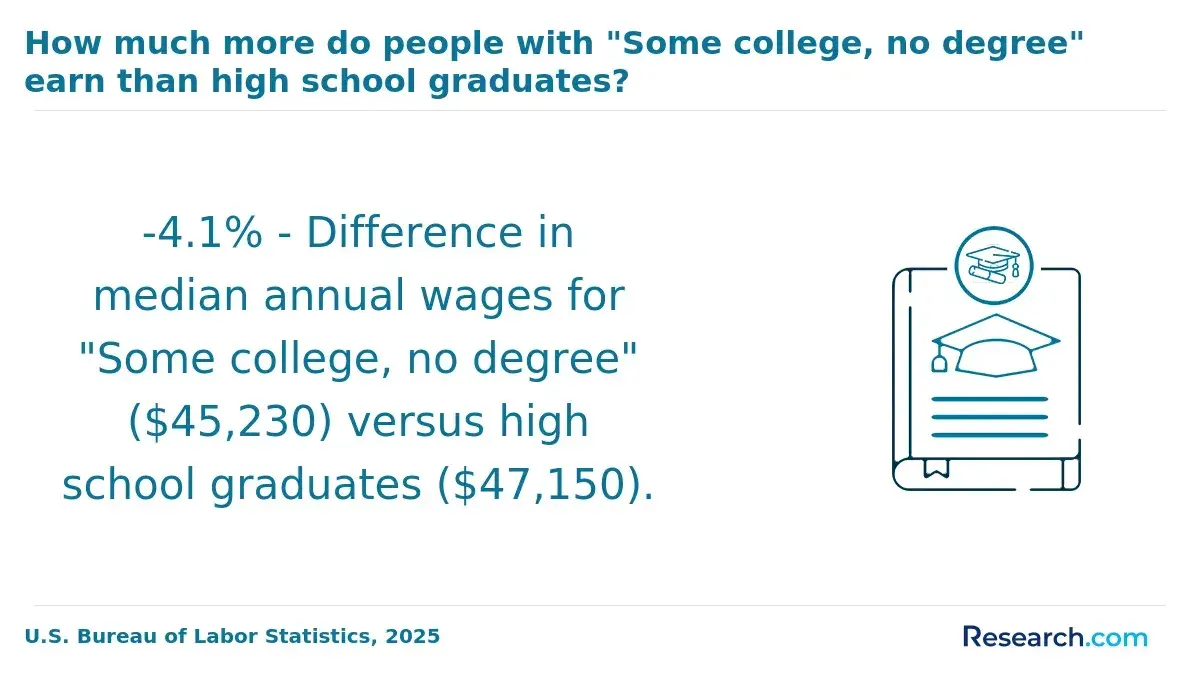
Conversely, associate degrees and certificates offer limited scope, fitting better with bookkeeping or supportive accounting positions that do not demand in-depth financial reporting capabilities.
Labor market data underscores this differentiation. Graduates of Western Governors University's online B.S. in accounting report an average salary increase of $6,469, illustrating employer demand for robust financial accounting competence.
This increase aligns with the need for professionals who can independently manage evolving accounting regulations and interpret complex financial data.
For students considering affordability alongside accounting pathways, exploring options like the cheapest online construction management degree may provide alternative career pivot opportunities with different industry demands.
Which financial accounting courses and skills are typically covered in these online programs?
Employers expect candidates with financial accounting coursework in online degree programs to demonstrate practical skills aligned with specific job functions, not just theoretical knowledge. For instance, proficiency in preparing financial statements while adhering to GAAP often determines initial screening success for roles in corporate finance or nonprofit auditing.
Key financial accounting skills learned in online studies include advanced use of tools like QuickBooks and SAP, alongside auditing methods crucial for fraud detection and internal controls evaluation.
This training typically combines regulatory compliance expertise with situational analysis-such as conducting variance analysis for manufacturing or fund accounting in public agencies-both of which reflect sector-dependent challenges.
However, online programs frequently require students to evaluate real-world scenarios where financial risk shifts according to industry standards, an essential competency for adapting to diverse accounting positions.
While tuition for traditional campus-based programs often surpasses $2,000 per credit, some online options can cost as little as $324 per credit or offer flat-term pricing, a considerable factor for candidates prioritizing return on investment and accelerated completion.
This cost efficiency, coupled with focused coursework, appeals to working professionals navigating budget constraints and tight schedules.
Those exploring cross-functional education might also consider pathways such as a masters degree in human resource management online to optimize strategic career moves within organizations.
How can you verify that an online accounting program is properly accredited and reputable?
Choosing an online accounting program with recognized accreditation is essential to avoid delays in CPA licensure and to meet employer expectations. Regional accreditation recognized by the U.S. Department of Education or the Council for Higher Education Accreditation guarantees academic rigor and credit transferability.
Additionally, specialized accrediting bodies such as the Association to Advance Collegiate Schools of Business (AACSB) or Accreditation Council for Business Schools and Programs (ACBSP) validate the quality of accounting coursework-a critical factor given that over 80% of CPA exam candidates have an accounting degree or concentration according to the National Association of State Boards of Accountancy.
Beyond accreditation, pay close attention to CPA exam pass rates and graduate employment statistics. Programs that embed integrated financial accounting courses and CPA exam preparation provide more effective preparation compared to general business degrees lacking targeted coursework. Since CPA education requirements differ by state, insufficient credit coverage can extend time to certification, creating friction for licensure.
Faculty expertise also affects the applicability of the curriculum. Selecting programs with instructors experienced in evolving regulations and practical industry tools improves readiness for career paths in public accounting, corporate finance, or government auditing.
On the contrary, neglecting these factors risks earning a credential that falls short in preparing for professional standards or workforce demands, limiting return on tuition investment.
What are the typical admission requirements for online accounting degrees with a financial accounting track?
Admission to online accounting degrees with a financial accounting focus often hinges on a blend of academic and practical criteria that mirror real-world demands. Beyond a high school diploma or equivalent, most programs require transcripts confirming proficiency in foundational subjects like math and English, which underpin financial accounting principles.
Standardized test scores such as the SAT or ACT remain common benchmarks, though several programs recognize relevant work experience as a substitute, particularly appealing to professionals aiming for accelerated progression.
Competency-based programs emphasize documented professional skills-such as ledger management, budgeting, and financial reporting-to potentially reduce credit requirements, benefiting career changers who bring practical expertise.
Letters of recommendation and personal statements that address analytical and financial competencies help admissions assess a candidate's suitability for self-directed and technology-intensive learning, which aligns with research indicating similar course completion rates between online competency-based and traditional cohorts.
Applicants lacking accounting experience should expect prerequisite coursework before engaging specialized financial accounting classes. Employer priorities impact admissions weight: public accounting typically favors academic achievement and internships, while corporate finance roles prioritize certifications and documented professional experience. Transparency about career objectives can prevent extended program timelines, optimizing time and financial investment.
How long do online accounting programs usually take, and what schedules do they offer working adults?
Completion times for online accounting credentials vary significantly depending on credential level and student availability, impacting both cost and career trajectories.
Part-time associate degrees or certificates typically require 18 to 24 months, while bachelor's degrees span 3 to 4 years under standard pacing. Accelerated formats can compress these timelines to around 12 months but demand intensive commitment, which may limit work flexibility.
Working professionals often prioritize flexible scheduling to balance education with employment and family responsibilities. Programs offering asynchronous courses and part-time options averaging 10 to 20 study hours weekly better align with realistic time blocks, avoiding multi-hour consecutive sessions that strain retention and work commitments.
Employers increasingly recognize these flexible models: a 2024 Wiley survey revealed 57% of early- to mid-career professionals with online degrees advanced within two years, indicating practical scheduling supports meaningful workforce gains.
Career outcomes hinge less on program duration and more on alignment with industry expectations such as CPA exam readiness and credentialing pathways. Fast-paced sectors like technology may favor quicker upskilling, while traditional accounting firms often tolerate prolonged but thorough credential completion.
Candidates should weigh not only time-to-credential but also how program design supports credential applicability and employer priorities to optimize promotion potential and role expansion.
What do online accounting degrees with financial accounting coursework cost, and how can students pay?
Costs for online accounting degrees with financial accounting coursework vary widely, from about $15,000 at community-college-affiliated programs to upwards of $60,000 at elite private institutions.
Tuition is typically charged per credit hour ($300-$1,200), making the number of credits and potential transfer credits crucial variables in total expense. For working professionals, balancing course loads against the opportunity cost of extended completion times is essential to manage both out-of-pocket and indirect costs.
Financial aid predominantly relies on federal Pell Grants, student loans, and employer tuition reimbursement programs, which can cover 50-100% of expenses for employees in relevant roles. Scholarship funding targeted to accounting students exists but is highly competitive, necessitating early research and application.
Given the median lifetime ROI near $765,000 identified by Georgetown University's Center on Education and the Workforce, minimizing loan debt is critical. Specialized fields like forensic accounting or tax consultancy require weighing licensure and entry salaries against program expenses.
Accelerated online degrees, though often more expensive per credit, may reduce cumulative debt by shortening time to degree completion, affecting the overall payback period positively.
Students should also consider how institution type and residency status impact tuition and evaluate the alignment of degree delivery with employer expectations and licensure requirements.
Effective planning involves assessing:
- Credit-hour pricing relative to transfer and course load capacity.
- Financial aid eligibility and employer reimbursement policies.
- Sector-specific costs and salary trajectories.
- Tradeoffs between accelerated programs versus extended timelines.
What entry-level and advanced careers can a financial accounting-focused degree prepare you for?
Graduates with a financial accounting-focused degree enter roles requiring precise transaction recording and compliance with Generally Accepted Accounting Principles (GAAP), essential in corporate accounting, financial services, or government environments.
Common entry points include junior accountant, accounts payable/receivable specialist, and financial analyst positions. Employers typically expect solid proficiency with accounting software and foundational analytical skills, making hands-on experience with core principles critical for immediate contribution.
Career progression to roles like senior accountant, audit manager, financial controller, or chief financial officer demands deeper expertise in financial reporting, regulatory standards, internal controls, and strategic planning.
For example, a financial controller managing manufacturing costs navigates complex reconciliations, while a CFO at a tech startup prioritizes capital structure and investor communications. Achieving these senior roles often requires additional certifications such as CPA or CMA paired with relevant work experience.
Tuition assistance offered by nearly half of U.S. employers for business- or accounting-related degrees reduces financial barriers for working professionals, but candidates must weigh time commitments against job demands, particularly in high-pressure settings where accuracy is non-negotiable.
Strategic course selection focusing on accounting standards and financial technologies enhances employability, and tailoring studies toward public accounting or corporate sectors ensures alignment with specific career trajectories and industry expectations.
How do these degrees support CPA, CMA, and other accounting certification goals?
Online accounting degrees with dedicated financial accounting coursework offer a targeted pathway to meet certification requirements such as CPA and CMA by focusing on necessary competencies rather than broad general education.
For example, CPA candidates benefit from structured exposure to GAAP standards, auditing, tax law, and ethics specifically aligned with the Uniform CPA Exam, while CMA aspirants gain depth in managerial accounting and financial analysis essential for corporate finance decision-making.
This specificity addresses a common challenge for working professionals who must efficiently accumulate qualifying credits without redundant courses.
The expanding demand reflected in recent workforce data correlates with online formats enabling students to integrate study within ongoing employment schedules.
However, this flexibility comes with tradeoffs: candidates must ensure their programs satisfy the rigorous credit and content standards mandated by credentialing bodies to avoid losing time or resources pursuing unrecognized courses.
Employers now expect certification holders to exhibit skill not only in foundational principles but also in current accounting software and data analytics tools.
Specialized online degrees help students targeting sectors like healthcare or manufacturing where niche financial regulations and practices apply, allowing career transitions without geographic or occupational disruption.
- Programs must be vetted for state board and Institute of Management Accountants acceptance.
- Practical software competency often distinguishes job applicants.
- Flexibility supports continuous learning amid full-time employment.
Other Things You Should Know About Accounting
Online accounting degrees often match the theoretical rigor of on-campus programs but vary significantly in practical workload simulation. Programs that integrate real-world case studies, software training, and time-sensitive projects better mirror professional demands. Prospective students should prioritize programs known for delivering extensive hands-on assignments to build endurance for the fast-paced, detail-intensive nature of accounting jobs.
Yes. While many programs cover foundational material required for CPA and CMA exams, some online degrees may lack specialized elective courses that directly address certification content. Students planning to pursue certification should select degrees explicitly aligned with these credentials, ensuring sufficient exam preparation and eligibility for relevant experience hours. Prioritizing accredited programs with targeted certification support improves outcomes and accelerates credential attainment.
Employer acceptance depends on the program's accreditation, curriculum rigor, and institutional reputation rather than delivery mode alone. Online degrees from regionally accredited institutions with updated, practical financial accounting content are respected. Students should assess graduate employment rates and employer partnerships reported by programs to understand real-world acceptance and ensure the degree supports their targeted career trajectory.
References
- Best Online Financial Accounting Courses and Programs | edX https://www.edx.org/learn/financial-accounting
- Entry-Level Accounting Jobs | Accounting.com https://www.accounting.com/resources/top-entry-level-jobs/
- Uncover Your Full Potential: Top Accounting Training https://www.learnsignal.com/blog/accounting-training-courses/
- What Is College Accreditation? How to Check If a School Is Legit https://abound.college/finishcollege/advice/accreditation-why-is-it-so-important/
- 7 Accounting Certifications to Explore | DeVry University https://www.devry.edu/blog/accounting-certifications.html
- What Jobs Can You Do With an Accounting Degree? - Intuit Blog https://www.intuit.com/blog/life-at-intuit/intuit-experts/accounting-degree/
- Accreditation Office Hours https://acbsp.org/
- Accounting certifications (beyond a CPA license) https://www.becker.com/blog/career/accounting-certifications
- Is Your Online Degree Legitimate? How to Verify Private University Approval https://matchtocollege.com/blog/verify-private-university-online-degree-approval
- Accounting Major Online Degree | SUNY Plattsburgh https://www.plattsburgh.edu/programs/accounting-major-online.html