2027 Online Accounting Degrees With Taxation Coursework

Co-Founder and Chief Data Scientist
Accounting professionals face a pressing challenge: mastering complex taxation frameworks while managing full-time jobs or internships, with limited access to flexible education. The National Center for Education Statistics reports a 31% increase in adult learner enrollment in online degree programs since 2022, revealing a clear shift toward accessible education that accommodates demanding schedules.
This growth reflects the need for programs combining specialized tax coursework with remote delivery and rigorous academic standards. Without these options, career advancement stalls and compliance risks increase. This article will analyze online accounting degrees featuring taxation coursework, focusing on their ability to support career-focused students navigating these practical constraints.
Key Things You Should Know
- The average total cost of accredited online accounting degrees with taxation coursework rose 7.4% between 2023 and 2025, limiting immediate ROI for career switchers amid stagnant starting salaries reported by the Bureau of Labor Statistics.
- Employers increasingly prioritize candidates with integrated taxation modules over generic accounting majors, as evidenced by a 2024 Robert Half survey showing 38% higher placement rates for tax-specialized graduates in finance roles.
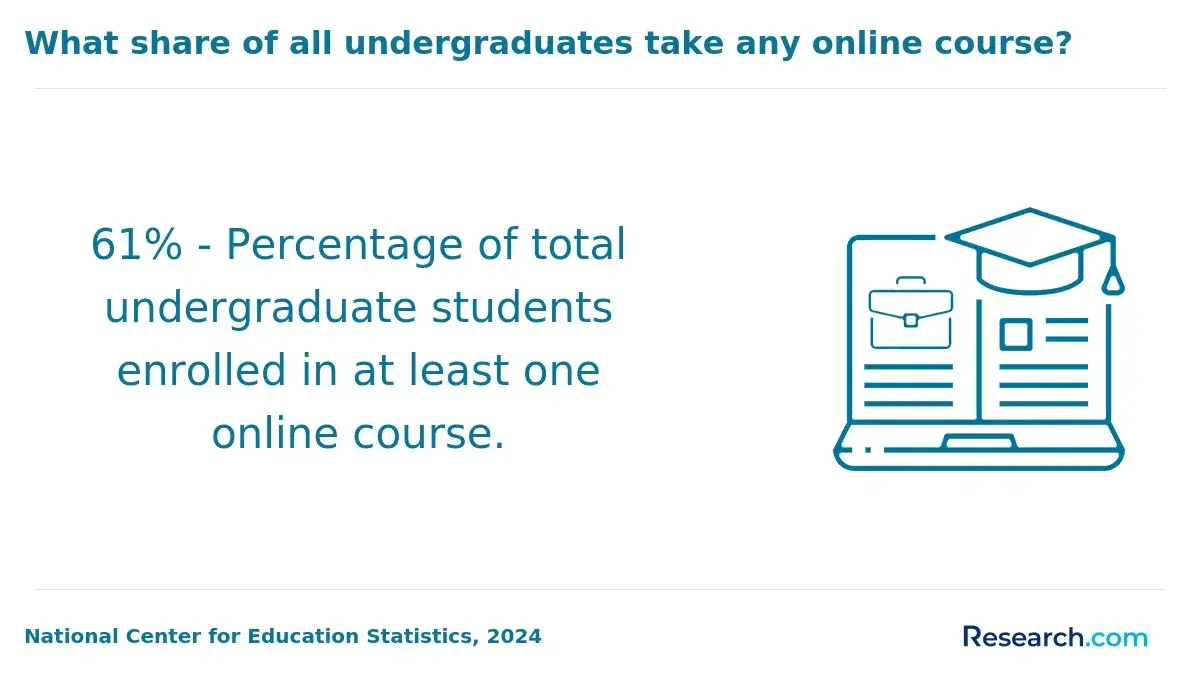
- Programs extending beyond 24 months reduce opportunity costs but risk outdated curriculum relevance; the NCES confirms 56% of online courses updating tax law content less than annually, impacting credential currency.
What is an online accounting degree with a taxation focus, and who is it best for?
Specializing in taxation within an online accounting degree meaningfully shifts the skill set towards nuanced tax code application and compliance, a critical differentiator in roles handling complex financial regulations. Graduates are expected not only to navigate federal and state tax laws but also to strategically apply tax planning concepts tailored to industry-specific demands.
For example, a tax professional in the manufacturing sector must skillfully manage production-related tax credits, while one in real estate focuses on property tax and capital gains intricacies.
This pathway particularly serves individuals aiming for tax analyst or corporate tax advisor roles, and those pursuing advanced qualifications such as CPA licenses with a taxation emphasis.
Students who benefit most often include career changers and accountants seeking to augment their credentials with tax specialization. Employers expect proficiency in tax software and ethical audit practices alongside legal knowledge.
However, online formats require strong self-discipline due to limited face-to-face support. The best online accounting programs for tax professionals balance flexibility with rigorous coverage of workforce-relevant skills.
Western Governors University reports an average post-graduate salary increase of $6,469 for bachelor's degree holders with this focus.
Understanding credential implications is also crucial. For instance, distinctions between certifications, such as the certified professional coder (CPC) and others, impact career paths and salary prospects, underscoring the value of targeted educational choices.
How do online accounting programs with taxation coursework work compared to campus-based options?
Online accounting programs with taxation coursework offer flexibility that supports working professionals but impose clear networking and mentorship limitations compared to campus options.
The asynchronous delivery suits those balancing full-time jobs or remote living, yet the lack of spontaneous peer engagement can slow cultivation of professional relationships essential for roles in tax advisory or auditing. This difference matters significantly when elite firms rely heavily on campus recruiting pipelines.
Employer recognition of these online degrees hinges on regional accreditation and integration of practical elements such as case studies and tax software simulations. Graduates typically attain solid technical proficiency, though they may encounter barriers entering sectors where traditional networking and in-person experience weigh heavily.
Cost comparison reveals online programs frequently undercut campus tuition, especially when factoring in commuting and housing, aligning with data from the National Center for Education Statistics on graduate tuition averages.
Candidates should weigh these savings against reduced direct access to employer networks. For working professionals aiming for a career pivot, the tempo of online programs enables immediate application of tax concepts to ongoing consulting or job responsibilities.
Success in these programs requires stable technology, disciplined study habits, and active pursuit of virtual industry connections. Employers increasingly expect currency with tax software and regulatory reforms, which well-updated curricula deliver.
For a broader perspective on efficient educational routes, consider exploring the best accelerated project management degree programs online.
Are online accounting degrees with taxation courses respected and properly accredited?
Employers in specialized taxation roles prioritize candidates with more than just regional or AACSB-accredited online accounting degrees with accredited taxation courses-they expect demonstrable mastery in federal, state, and corporate tax regulations backed by rigorous coursework and professional certification paths like CPA.
For example, corporate tax planning positions at mid-sized firms require candidates to prove relevant expertise, often through rigorous graduate-level programs.
Southern Illinois University Edwardsville (SIUE) exemplifies transparent pricing in this niche, charging $556.75 per credit hour and $16,702.50 total for its online M.S. in Accountancy with Taxation, reflecting mid-range tuition compared to national averages.
Beyond accreditation, evaluating curriculum relevance to current IRS updates, availability of taxation-specific exam prep, and integration of tax software training can significantly impact employability.
Programs offering internships or experiential learning tied directly to taxation fields often lead to better workforce alignment, especially in government auditing or international tax consulting sectors. ROI considerations must weigh tuition costs with expected salary gains post-graduation, where affordable yet comprehensive programs can provide critical leverage.
Failure to rigorously confirm these elements risks earning credentials that, while technically accredited, do not effectively translate into recognized qualifications for taxation-focused employer demands or advancement within specialized tax careers.
Professionals evaluating pathways should also consider comparative fields and alternatives, such as exploring an online sports management bachelor's degree, when strategic career pivots are under review.
What taxation-focused courses and skills are typically included in an online accounting curriculum?
Taxation coursework embedded in online accounting degrees USA prioritizes practical skill application over theoretical breadth, meeting employer demand for autonomous professionals who can respond swiftly to evolving tax legislation.
Candidates are expected to handle federal and corporate income taxation, estate and gift taxes, and tax research independently, reflecting the operational needs of small to mid-size employers without dedicated tax counsel.
For accountants in sectors like manufacturing or retail, mastering multi-state taxation offers a distinct advantage given the geographic complexity of business operations.
Programs focusing on skills developed in US taxation accounting programs integrate advanced tax software proficiency alongside core compliance frameworks.
This ensures graduates can efficiently prepare returns and manage audits, elevating workforce readiness beyond mere regulatory familiarity. Emphasis on tax planning strategies aims to develop ethical judgment, especially in distinguishing between lawful avoidance and illegal evasion under tightening IRS scrutiny.
When evaluating curricula priced between $7,500 to $30,000 annually, candidates should weigh whether the program balances taxation depth with broader accounting competencies, which influences advancement potential within taxation specialties.
For professionals pivoting or advancing in accounting, choosing an online health information management degree programs CAHIIM accredited alongside taxation coursework may broaden career avenues and serve specialized sectors intersecting accounting and health data management.
Online programs that link rigorous tax training with contemporary IRS and GAAP standards are crucial for career development but require deliberate scrutiny to avoid underprepared graduates facing stalled growth.
What are the admission requirements for online accounting degrees that include taxation coursework?
Admissions for online accounting degrees with taxation coursework demand more than credentials; they require alignment with workforce expectations and strategic academic choices. A bachelor's degree from an accredited institution-usually in accounting, finance, business, or related fields-is fundamental, with many programs enforcing a minimum 3.0 GPA to demonstrate technical competency in tax-related topics.
Applicants without an accounting background often need prerequisite courses in basic accounting principles or tax law, adding time and cost that may affect return on investment. Selective programs may still require GRE or GMAT scores, typically within the 50th to 75th percentile range, though these tests are increasingly optional.
Employers and admissions committees value letters of recommendation that highlight relevant professional experience-1 to 3 years in tax preparation, corporate accounting, or government tax roles strengthen candidacy. Personal statements should clearly communicate career objectives focused on taxation specialization and advancement.
For international students, official transcript evaluations and proof of English proficiency (TOEFL or IELTS) are mandatory to meet U.S. regulatory standards.
Cost considerations are significant: master's programs average around $25,000 but can reach $55,000. For example, a corporate tax advisor who chooses a rigorous program with higher admissions standards often benefits from accelerated promotions and salary growth. Conversely, less selective programs that lower entry barriers risk yielding limited professional gains despite reduced upfront friction.
How long do online accounting degrees with a taxation emphasis take and how are they structured?
Choosing an online accounting degree with a taxation focus often means balancing a tight window for completion against professional demands and prerequisite knowledge. Typically lasting 18 to 36 months depending on full- or part-time enrollment, these programs compress 30 to 36 credit hours of coursework that integrate core accounting principles with specialized tax law and compliance training.
Full-time students usually complete 9 to 12 credits per semester across two to three semesters, while part-time learners-often working professionals-extend timelines to accommodate their jobs.
Programs commonly employ a modular format combining asynchronous lectures, discussion boards, and periodic synchronous sessions to maintain accessibility for employed students nationwide. However, many require prior accounting coursework or certification, which can add time and cost before advancing to tax-specific classes.
Employers in tax advisory, corporate finance, and government roles increasingly expect candidates to complete this precise curriculum and meet professional experience standards, such as CPA or Enrolled Agent certifications, often simultaneously or immediately after graduation.
This reality means students must carefully consider how accelerated completion aligns with certification timelines and employer expectations.
Financially, tuition averaging $627 per credit for out-of-state students (excluding fees and materials) challenges students to weigh direct costs against potential gains in tax expertise, career pivoting impact, and employer tuition assistance.
- Accelerated programs condense coursework but demand prior accounting knowledge.
- Balancing full-time credit loads with work commitments affects completion speed.
- Certification eligibility timelines influence program selection and pacing.
- Upfront investment requires assessing ROI against salary improvements and career requirements.
How much do online accounting programs with taxation coursework cost, and what financial aid is available?
Choosing an online accounting program with taxation coursework requires weighing tuition against tangible workforce benefits and financial aid realities. Annual costs range broadly-between $5,400 and $19,620-which directly influences whether a working professional can justify the investment.
For example, entry-level tax preparers pivoting into specialized compliance roles might find lower-cost programs adequate if supplemented by practical experience.
Conversely, those targeting senior tax analyst or corporate tax management positions often encounter employer preferences favoring credentials from better-funded institutions that offer CPA exam support and deeper faculty expertise. Such programs usually carry higher tuition but also provide networking advantages that can accelerate career mobility.
Practical decision-making involves evaluating total costs, including fees and exam materials, alongside the availability of employer tuition reimbursement or graduate assistantships. Large firms sometimes forge partnerships reducing employee out-of-pocket expenses, but this varies significantly by employer and region.
- Lower tuition programs demand proactive skill-building post-graduation to remain competitive.
- High-cost programs without strong aid risk saddling students with debt that may not yield proportional hiring benefits.
- Assessing institutional reputation, program support, and long-term employability is critical for strategizing degree investment.
Strategically analyzing these tradeoffs ensures alignment between budget constraints, time commitments, and employment goals for those pursuing advanced studies in accounting taxation.
What careers can you pursue with an online accounting degree that emphasizes taxation?
Specializing in taxation through an online accounting degree aligns with roles demanding deep regulatory expertise beyond basic accounting principles.
For instance, tax accountants managing mid-size firm portfolios must navigate intricacies like deductions, credits, and compliance deadlines, while corporate tax consultants optimize transaction structures to reduce tax liability within legal boundaries. This differentiation shapes hiring preferences and practical job expectations.
The 46-credit coursework typical of specialized master's programs, as noted by BestAccreditedColleges.org, reflects the curriculum complexity necessary to prepare students for tax preparation, research, and planning in diverse workplace settings including public firms, government entities, and global corporations.
Success in this pathway often depends on acquiring certifications such as CPA or Enrolled Agent, which require solid foundational knowledge and ongoing education due to frequent tax law changes. This dynamic regulatory environment impacts job stability and earning trajectories, making continuous skill updates a workforce imperative.
In sectors like healthcare and manufacturing, tax accountants leverage credits and deductions tied to research and capital investments, demonstrating specialized taxation's direct business impact. Key considerations for candidates include balancing the intensive study and certification process against tangible career mobility within a demanding regulatory framework.
What salary potential and job outlook can graduates with tax-focused accounting degrees expect?
A tax-focused accounting degree offers measurable salary gains but requires navigating evolving employer expectations and regional market realities.
Data from Western Governors University reveals an average annual salary increase of $10,372 after graduation, aligning with a projected 7% job growth for accountants and auditors between 2024 and 2034 by the U.S. Bureau of Labor Statistics. However, entry-level pay frequently depends on firm size, location, and industry specialization.
For example, a graduate beginning at a mid-sized CPA firm might earn $60,000 to $70,000, with raises tied to mastery of complex tax codes and software platforms. Specializing in multinational corporate tax often results in higher compensation due to the added complexity of international regulations.
Employers now prioritize candidates proficient in current tax software, compliance updates, and strategic advisory skills rather than routine task automation. This shifts emphasis toward certifications such as CPA or Enrolled Agent and ongoing education.
Tradeoffs include initial earnings variability and the need to actively maintain technical skills. Candidates should evaluate local demand and pursue internships or practicums to secure hands-on experience that strengthens long-term prospects.
How do online tax-focused accounting degrees align with CPA, EA, and other certification paths?
Online tax-focused accounting degrees directly shape candidate readiness for CPA and EA certifications by targeting the precise content and credit requirements these exams demand.
A key employer expectation is demonstrated expertise in federal taxation, auditing, and tax code intricacies, areas strategically embedded in these programs to ensure candidates meet both state board mandates-such as the 150-credit rule for CPA licensure-and the specialized IRS knowledge essential for the EA credential.
This educational alignment streamlines the certification process, especially when programs offer combined bachelor's and master's pathways or accelerated master's options that can be completed within 12 to 15 months.
Such condensed formats benefit professionals balancing full-time employment, although candidates must weigh the intensity of accelerated study against personal and work obligations. For example, a tax professional aiming to transition to a senior role within two years may find these tracks efficient, but those needing broader accounting foundations may require supplemental coursework.
Variability in state CPA licensing rules adds complexity, requiring students to verify whether their chosen program sufficiently covers state-specific accounting versus taxation hours. In contrast, EA certification, while federally uniform, demands deeper procedural knowledge of IRS tax codes than many general accounting curricula provide.
Graduates without these industry-recognized certifications-even if they completed tax-focused degrees-often encounter slower advancement and wage stagnation.
Employers, particularly in corporate tax departments, public accounting, and government agencies, prioritize candidates whose education directly corresponds with certification syllabi and exam readiness, making program choice critical to achieving measurable workforce outcomes.
Other Things You Should Know About Accounting
When selecting a program, prioritize your career goals. If you intend to specialize in taxation roles such as tax preparation, planning, or consulting, a program with more tax electives provides deeper expertise that employers value. However, a balanced curriculum covering auditing, financial accounting, and management accounting alongside taxation offers broader flexibility and better prepares you for roles requiring diverse accounting skills or certification exams like the CPA.
Employers increasingly accept online degrees if the institution is accredited and the candidate demonstrates strong technical skills. What matters more is the student's mastery of tax laws, software proficiency, and practical experience rather than the delivery mode. Candidates should focus on internships, certifications, and relevant project work to offset any lingering employer bias against online credentials.
Taxation courses often involve complex and detailed material, which can make them more demanding than other accounting subjects. However, the workload ultimately depends on the specific program and institution. Online degrees generally offer flexibility, allowing students to manage their study load more effectively.
Online degrees can satisfy educational prerequisites for certifications like CPA or Enrolled Agent if they meet the required credit hours and content coverage. However, verify that the program's curriculum aligns with the certification's specific subject and credit mandates, especially on taxation topics. Prioritize programs that provide clear pathways or preparatory resources for these certifications to streamline your licensure process.
References
- Most Affordable Online Accounting Master’s Degrees in 2025 https://www.onlinemastersdegrees.org/most-affordable/accounting-programs/
- Accounting Certifications Guide | Accounting.com https://www.accounting.com/certifications/overview/
- Business Accounting and Taxation Course Details - Magna Skills https://www.magnaskills.com/course/2590
- Accredited Online Accounting Degree Programs https://www.accreditedonlinecolleges.org/accounting/
- Enrolled Agent Program vs CPA vs Tax Attorney: What’s the Difference ? - Universal Accounting School https://universalaccountingschool.com/enrolled-agent-program-vs-cpa-vs-tax-attorney-whats-the-difference/
- EA vs CPA: Which Certification is Best for You? https://www.miamiherald.com/careers-education/cpa-vs-ea/
- Tax Associate Certifications: Best Credentials to Advance Your Career | Teal https://www.tealhq.com/career-paths/tax-associate-certifications
- What To Do With an Accounting Degree | University of Phoenix https://www.phoenix.edu/articles/accounting/what-can-you-do-with-an-accounting-degree.html
- Finance Curriculum vs. Accounting Curriculum: How Are They Different? https://freemannews.tulane.edu/2025/06/09/finance-curriculum-vs-accounting-curriculum-how-are-they-different
- What Jobs Can You Get with an Accounting Degree? https://www.mountunion.edu/academics/undergraduate-degrees/accounting/what-jobs-can-you-get-with-an-accounting-degree