2027 First Accounting Roles for System-Oriented Professionals

Co-Founder and Chief Data Scientist
Graduates and career changers aiming for their first system-oriented accounting role face the immediate hurdle of mastering complex financial software while meeting strict certification standards. This challenge intensifies because nearly 60% of today's students enroll through online or hybrid programs, according to the National Center for Education Statistics, signaling a shift toward flexible learning that doesn't always align with hands-on employer needs for technical proficiency. The discrepancy between academic accessibility and real-world software demands forces candidates to prioritize specific skill acquisition strategies rather than rely solely on broad curriculum coverage. This article outlines practical approaches to identify and enter entry-level accounting roles that emphasize system competence and employability in a competitive marketplace.
Key Things You Should Know
- System-oriented accounting roles require intermediate tech fluency, but 2024 BLS data shows 42% of entry-level hires lack practical ERP experience, increasing training costs and delaying billable contributions by 6-12 months.
- Employers now prioritize candidates with integrated data analytics skills; per Deloitte's 2025 survey, firms rejecting basic-only proficiency face 15% slower adoption of AI-driven audit tools.
- Accelerated certificate programs reduce pipeline lag but yield 18% lower average starting salaries than traditional degrees per NACUBO 2024; this tradeoff affects long-term career capital for rapid pivots.
What are system-oriented accounting roles and why are they ideal first jobs for analytical professionals?
System-oriented accounting roles demand a blend of analytical rigor and technological proficiency that suits analytical beginners seeking to move beyond traditional bookkeeping. These positions, such as accounting systems analyst or internal controls specialist, emphasize optimizing automated workflows and enhancing data integrity rather than transactional entry. For instance, a systems analyst in manufacturing might develop automated reconciliations between production and finance, streamlining inventory cost tracking and minimizing manual errors.
This focus on systems integration aligns with employer expectations as firms increasingly prioritize digital transformation in financial operations. The U.S. Bureau of Labor Statistics projects a 5% growth in accounting roles from 2024 to 2034, with an emphasis on candidates who can support compliance, risk mitigation, and financial transparency through technology. Identifying these system-oriented accounting roles for analytical professionals requires understanding the skill combinations employers demand, including certifications with platforms like SAP or Oracle and proficiency with data analytics.
Choosing such a role early involves tradeoffs: continuous learning to keep pace with evolving software and regulations, balanced against the advantage of engaging cross-disciplinary skills that can accelerate progression in automated and business intelligence-integrated environments. These practical requirements differentiate system-focused accounting jobs that suit analytical beginners by demanding both foundational accounting knowledge and ongoing technical adaptability.
Additionally, professionals can explore related certifications such as the certified professional coder (CPC) credential, which reinforces the value of specialized training in navigating complex compliance and systems-driven roles.
What education and skills do you need to qualify for entry-level system-focused accounting positions?
Employers filling entry-level system-focused accounting roles expect more than foundational accounting knowledge; they demand candidates equipped with technical systems acumen and practical exposure. A bachelor's degree remains a de facto requirement-held by 91.3% of accountants and auditors-but competitive openings (70.7%) also require relevant work experience, particularly with integrated financial systems and ERP tools like SAP or Oracle. This creates a workforce dynamic where educational qualifications for system-focused accounting jobs must integrate both accounting principles and IT capabilities to reduce onboarding time and improve operational fluency.
Entry-level system-oriented accounting skills required include proficiency in GAAP, spreadsheet modeling, SQL querying, and basic scripting languages such as Python or VBA. These skills enable automation and error troubleshooting within complex financial software environments. For instance, manufacturing accounting departments benefit significantly from candidates familiar with supply chain software integrations, speeding up inventory reconciliations and enhancing cost control.
Coursework alone is insufficient without internships or cooperative experience featuring systems integration, underscoring the necessity of hands-on learning to replicate real-world financial system intricacies. Certifications like the Certified Information Systems Auditor (CISA) supplement but do not replace a bachelor's degree foundation. Navigating this balance demands candidates strategically select programs blending finance and technology curricula and seek relevant work exposure.
Those exploring this path might also consider related fields where cross-disciplinary skills are valued. For example, a project manager bachelor degree online can complement accounting expertise by enhancing project delivery and systems coordination, broadening career adaptability.
Which first accounting job titles are best for system-oriented professionals starting their careers?
Staff accountant and junior financial analyst roles best suit system-oriented professionals aiming for structured, data-driven career starts. These positions require precise management of financial records, reconciliation tasks, and adherence to regulatory frameworks, aligning with system-focused competencies. For instance, a staff accountant in a mid-sized manufacturing firm executing robust month-end close processes enhances data accuracy essential for subsequent controller or audit functions. Such practical engagement fosters valuable skills for system-oriented career progression.
High-demand roles indicated by Robert Half include accounting manager, business/data analyst, controller, financial analyst, payroll specialist, senior accountant, and staff accountant, signaling advantageous entry points for those pursuing a systems-focused career. These roles often involve automation tools like ERP software (SAP, Oracle) and data analytics platforms, making technical proficiency a critical hiring factor.
Employers expect foundational knowledge in GAAP, data integrity, and internal controls from entry-level hires. Candidates lacking skills in these systems risk slower advancement or job-role mismatches. Prioritizing jobs that integrate automation-such as accounts payable systems or advanced spreadsheet reporting-substantially accelerates practical skill acquisition necessary for system-centric trajectories.
System-driven candidates should seek job descriptions emphasizing process improvement, software proficiency, and data analytics involvement rather than manual data entry or simple transactional bookkeeping, which typically lack advancement potential.
Those exploring educational paths that develop such competencies might consider the best online project management degree to complement system-oriented accounting expertise, reinforcing operational and workflow optimization skills in real-world scenarios.
How do degree pathways in accounting, information systems, or data analytics prepare you for system roles?
System-oriented accounting degree pathways in the US respond to employer demand for a hybrid skill set combining financial expertise with technical proficiency. Accounting programs emphasizing GAAP compliance align with a 128% year-over-year surge in US GAAP reporting roles, reflecting employers' insistence on foundational accounting literacy. Meanwhile, information systems degrees prioritize database management, ERP integration, and workflow automation but often fall short on tax and audit rigor, requiring students seeking accounting roles to obtain supplemental credentials.
In manufacturing, for example, a systems analyst with an information systems background can streamline monthly closings by syncing accounting software to production data, reducing errors. Yet navigating such integrations requires continuous adaptation to evolving tax laws and compliance rules, a challenge compounded when blending disparate disciplines.
Integrating information systems and data analytics in accounting careers demands balancing quantitative and financial knowledge. Analytics pathways boost capabilities in data visualization and fraud detection, meeting a 75% growth in tax role demand, but students must avoid technical overreach that risks misinterpreting financial data.
Professionals aiming to advance their careers should consider cross-disciplinary coursework or certifications that unify accounting standards with IT frameworks, thus fulfilling employer expectations for hybrid system roles. Evaluating this educational blend alongside career goals is critical for those pursuing a strategic pivot or advancement.
Prospective candidates interested in expanding their qualifications may explore an online masters degree in human resource management as an additional avenue within the broader business ecosystem.
How do online accounting programs compare with campus-based options for system-oriented career tracks?
Effective preparation for roles in systems accounting depends heavily on the mode of education chosen, with clear tradeoffs between online and campus-based programs. Campus programs provide critical hands-on experience with complex ERP and audit systems through immersive labs and in-person collaboration, a factor highly regarded by employers, especially in legacy-heavy industries like manufacturing and government sectors.
In contrast, online programs offer flexibility and faster integration for working IT professionals entering hybrid technical-accounting roles, where adaptable digital literacy is key. However, these programs often lack the direct systems training that accelerates readiness for first roles demanding deep practical expertise. UK government labor data shows a median Systems Accountant salary of £60,000, reflecting employer expectations for technical proficiency combined with practical system knowledge-standards more consistently met by graduates of campus settings.
For professionals pivoting their careers, it is essential to weigh:
- whether targeted employers prioritize immersive, situational systems training or flexible, modular knowledge delivery
- how program schedules align with current job commitments and learning preferences
- if local networking and internships accessible via campus resources provide a decisive advantage
Ultimately, online accounting programs excel in delivering accessible, adaptable learning but often require supplementary hands-on exposure to match the employability impact of campus programs in system-intensive accounting careers.
What should you look for in accreditation and program quality for system-focused accounting degrees?
Programs focusing on system-driven accounting must align with recognized accrediting bodies like AACSB or ACBSP and meet CPA board standards, validating that coursework integrates core accounting with information technology competencies. Employers increasingly demand graduates who can navigate complex ERP systems, perform data analytics, and understand cybersecurity risks within financial environments. For example, those trained in Oracle or SAP financial modules significantly improve their competitiveness for roles handling large-scale corporate accounts.
Outcomes such as CPA exam pass rates and robust employer partnerships provide practical indicators of program quality. Without these, graduates risk entering the workforce ill-prepared for industry-specific systems used in sectors like manufacturing or healthcare accounting. Experiential learning options-internships or capstone projects involving real audits-bridge theory and practice, addressing the persistent gap between academic training and on-the-job software applications.
The median wage of $81,680 for accountants and auditors signifies the economic stakes tied to program rigor and relevance. Candidates lacking systems fluency struggle to access these pay levels as firms prioritize professionals adept with integrated financial platforms over manual bookkeeping.
Balancing CPA exam preparation with technical mastery poses a scheduling and curriculum design challenge. Programs must offer structured support to prevent credentialing delays and maximize return on investment. Additionally, staying current with evolving financial regulations ensures graduates maintain applicable skills in regulatory compliance and technology.
Which core courses and technical tools build readiness for accounting systems and automation work?
System-oriented accounting roles demand a blend of accounting fundamentals and technical IT skills that few traditional programs emphasize adequately. For instance, a professional automating cost accounting in manufacturing must marry ledger knowledge with database management to build accurate, scalable solutions that reduce manual errors. Core coursework should therefore span financial and managerial accounting alongside system analysis and database management.
On the technical side, proficiency with Enterprise Resource Planning (ERP) platforms like SAP or Oracle is critical, as these are the primary tools centralizing financial data and automating transactions in most mid-to-large organizations. Complementing ERP skills with programming languages such as SQL or Python enables customization of reports and supports automation capabilities beyond out-of-the-box software. Knowledge in Robotic Process Automation (RPA) distinguishes candidates able to streamline repetitive accounting tasks, a skill increasingly in demand as firms automate audit and finance workflows.
Workforce trends reinforce this skill fusion: the U.S. Bureau of Labor Statistics projects a 9% growth rate for computer systems analysts through 2034, surpassing the 5% for accountants and auditors. Employers expect new hires to contribute directly to process efficiency through automation, raising the bar beyond pure accounting knowledge.
Students face key tradeoffs when selecting programs: programs emphasizing hands-on system development and ERP exposure better prepare graduates to meet employer expectations, whereas theory-heavy curricula risk leaving graduates underprepared for tool-centric demands. Securing internships or projects with practical ERP and automation experience is critical to bridging this gap.
What are the typical salaries and advancement paths for entry-level system-oriented accounting professionals?
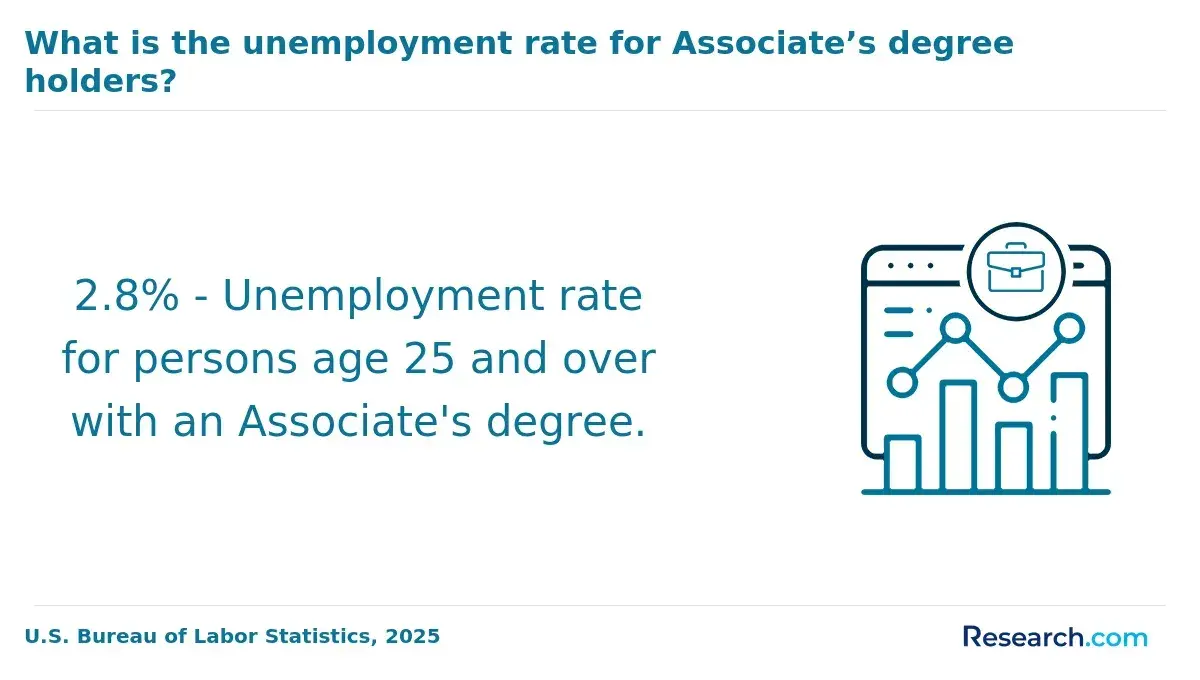
System-oriented accounting roles present a pragmatic entry point for candidates prioritizing rapid workforce integration over extended academic commitments. Entry-level professionals such as accounting technicians and junior financial analysts typically earn starting salaries above $45,000 without requiring four-year degrees, instead relying on associate degrees or certifications completed within two years. This pathway facilitates early acquisition of technical skills in software like SAP, Oracle, and QuickBooks, key competencies that employers specifically seek.
Career progression hinges on strategic specialization choices. For instance, an accounts payable specialist might transition into ERP administration or compliance analysis, where mid-career earnings reach $60,000 to $80,000 within five years if supplemented by certifications such as Certified Management Accountant (CMA) or Certified Information Systems Auditor (CISA). However, lacking a bachelor's degree often means slower promotion cycles, emphasizing the importance of continuous skill development.
Practical tradeoffs involve balancing credentialing speed against upward mobility potential. Graduates with four-year degrees encounter longer pre-employment training but benefit from accelerated advancement opportunities, while those opting for quicker credentials must offset limited formal education with real-world experience and technical mastery.
- Starting salaries exceed $45,000 for associate-level professionals
- Mid-career roles link strong technical proficiency with specialty certifications
- Advancement often depends on a blend of credentials and experience
How does demand for system-savvy accounting staff compare across public accounting, corporate, and government sectors?
The demand for accounting professionals proficient in integrated systems is distinctly stronger in the corporate sector than in public accounting or government roles. Corporations increasingly require candidates who navigate enterprise resource planning (ERP) and financial analytics tools to directly link accounting with broader business functions. This environment favors those with tech fluency and process optimization capabilities rather than traditional bookkeeping skills.
Public accounting's system needs concentrate on audit and consulting jobs that use data analytics software, but hiring fluctuates seasonally around compliance deadlines. Entry-level candidates often struggle to secure advanced roles without certifications or demonstrable IT integration skills.
Government accounting positions emphasize system stability and regulatory compliance within legacy environments, frequently constraining rapid technological change. Procurement and training timelines here are slower, demanding patience and steady process adherence rather than innovation agility.
Real-world implications include distinct requirements when pivoting careers: corporate accounting aspirants should prioritize ERP and data-focused certifications; public accounting candidates must adapt to evolving audit software; and those aiming at government roles need to balance system maintenance with regulatory accuracy.
Global hiring trends show a 15% salary increase for accountants last year, driven by demand for hybrid finance-technology expertise, especially in corporate environments accelerating digital transformation. This dynamic impacts strategic credential choices and realistic role expectations.
How can internships, certifications, and early projects strengthen your profile for accounting system roles?
Practical experience remains a decisive factor for securing roles in accounting systems, where candidates must demonstrate proficiency beyond theoretical knowledge. Internships that involve configuring ERP platforms like SAP or managing automated accounting workflows provide direct exposure to real-world complexities such as audit trails and internal controls. For instance, experience reconciling automated entries within a corporate ERP system offers tangible skills that employers prioritize amidst increasing automation and regulatory scrutiny.
Certifications such as the Certified Information Systems Auditor (CISA) or CPA with IT focus respond to employer demand for verifiable expertise in cybersecurity and compliance. The Bureau of Labor Statistics projects an 8% growth for accounting professions by 2034, emphasizing the need for professionals adept at navigating evolving digital environments. However, managing certification requirements alongside project deadlines creates practical scheduling challenges, particularly when pursuing internships that deliver substantive system exposure rather than routine bookkeeping tasks.
Early projects showcasing automation, data integration, or analytics-like developing a financial reporting dashboard-help translate technical accomplishments into measurable business value. Candidates are advised to document metrics such as time saved or error reduction to substantiate their impact during interviews.
To optimize placement opportunities, targeted networking with firms using specific ERP tools accelerates access to valuable internships. Balancing internship selection, certification timing, and project documentation requires strategic planning to ensure continuous skill application and market relevance in accounting system roles moving forward.
Other Things You Should Know About Accounting
Certifications add formal validation but do not replace hands-on experience with accounting software and system processes. Employers show stronger preference for candidates who demonstrate real-world project involvement, problem-solving with actual data systems, or internships relevant to automation and controls. Entry-level professionals should prioritize gaining practical experience alongside certifications, using credentials to supplement and formalize skills rather than as primary qualifications.
Entry-level roles that focus on system deployment often come with higher demands for detail orientation, testing, and repetitive data management tasks. These jobs require patience and precision, with less immediate visibility or recognition compared to traditional accounting roles. Candidates must be prepared for slower-paced, process-driven work initially, balancing endurance for routine tasks with ongoing learning of system configurations and workflow improvements.
Consider whether the role exposes you to a variety of software platforms, data analytics, and cross-departmental workflows, which are critical for advancement in system-oriented accounting. Jobs narrowly focused on single tools or limited task types may restrict skill development and lateral movement. Prioritize positions that offer mentorship, project involvement, and access to emerging technologies, which better position you for expanding responsibilities and leadership in automated accounting environments.
References
- 5 Essential Accounting Software Tools Every Aspiring Accountant Should Know https://training-link.co.uk/articles/5-essential-accounting-software-tools-every-aspiring-accountant-should-know/
- 8 Best Automated Accounting Software [2026] https://trullion.com/blog/automated-accounting-software/
- The Evolution of Accounting Jobs in the Age of AI https://www.learnsignal.com/blog/how-accounting-jobs-are-shifting/
- Accountant Job Outlook & Demand Report 2026 - Intuit Blog https://www.intuit.com/blog/innovative-thinking/accountant-job-outlook-demand-report/
- CourseCareers https://coursecareers.com/blog-posts/3-accounting-job-titles-for-beginners
- Accounting Career Path: From Entry-Level to CFO (2026 Roadmap) https://careery.pro/blog/accountant-careers/accounting-career-path
- The Highest-Paying Entry-Level Jobs in Accounting https://www.pridestafffinancial.com/blog/the-highest-paying-entry-level-jobs-in-accounting/
- How to Transition from Accounting to Data Analytics Without Fear: An Ultimate Step-by-Step Roadmap (2026) | AscendurePro https://ascendurepro.com/transition-from-accounting-to-data-analytics/
- The Future of Business Data Analytics and Accounting Automation - The CPA Journal https://www.cpajournal.com/2024/01/31/the-future-of-business-data-analytics-and-accounting-automation/
- What qualifications do I need for most entry-level accounting jobs? | AAT Careers Hub https://jobs.aat.org.uk/article/what-qualifications-do-i-need-for-most-entry-level-accounting-jobs-