2027 Cost Accounting Roles You Can Target With an Accounting Degree

Co-Founder and Chief Data Scientist
Choosing a career path within cost accounting can feel overwhelming when faced with shifting labor demand and evolving educational models. Nearly 60% of adult learners in the U. S. now prefer flexible, online programs according to the National Center for Education Statistics, reflecting how accessibility shapes career decisions. This shift means aspiring professionals must not only pick relevant roles but also navigate variable program quality and rigor to maintain competitive skills.
Employers increasingly expect candidates to demonstrate practical analytical expertise alongside traditional credentials. This article clarifies specific cost accounting roles accessible with an accounting degree and guides readers through aligning their educational choices with realistic career outcomes and market expectations.
Key Things You Should Know
- Cost accounting roles require mastery of advanced ERP systems, with the Bureau of Labor Statistics noting a 12% growth in demand by 2028, pressuring candidates without specific software fluency into narrower job scopes.
- Employers increasingly prioritize candidates with integrated data analytics skills, complicating hiring processes by blending traditional accounting with tech, forcing aspirants to invest in supplementary certifications for relevance.
- Degree completion timelines critically impact salary trajectory, as National Center for Education Statistics data shows a 15% wage premium for graduates entering roles within six months, highlighting opportunity costs of extended education.
What does a cost accountant do and how does this role differ from financial accounting?
Cost accountants differ fundamentally from financial accountants by concentrating on internal cost control mechanisms rather than external reporting. Where financial accounting duties prioritize compliance and historical data for investors and tax entities, cost accountant responsibilities vs financial accountant duties reveal a near-operational focus. For instance, a cost accountant in manufacturing analyzes material, labor, and overhead expenses at the product-line level to influence pricing decisions and identify inefficiencies directly affecting profit margins.
Key methods such as activity-based costing and cost-volume-profit analysis enable cost accountants to provide actionable insights that shape short- and long-term budgeting and operational strategies. These roles demand analytical rigor, advanced interpretation of operational metrics, and mastery of management reporting systems, a contrast with broader financial accounting whose scope is more historical and compliance-oriented.
The differences between cost accounting and financial accounting roles also affect labor market outcomes. Entry-level cost accountants in the U.S. show a median wage near $81,680, with top earners exceeding $141,420, reflecting industry demand in sectors like healthcare, technology, and manufacturing, according to U.S. Bureau of Labor Statistics Occupational Employment Statistics.
For students weighing educational investments, understanding this distinction is crucial for career alignment. Cost accounting requires a focus on detailed financial scrutiny linked to business strategy, which may affect program selection criteria such as specialization and cost-efficiency. Detailed assessments of accounting degree cost can therefore influence the return on investment for prospective students pursuing targeted cost accounting roles. More information on program affordability is available at accounting degree cost.
Which cost accounting roles can you pursue with an accounting bachelor's degree?
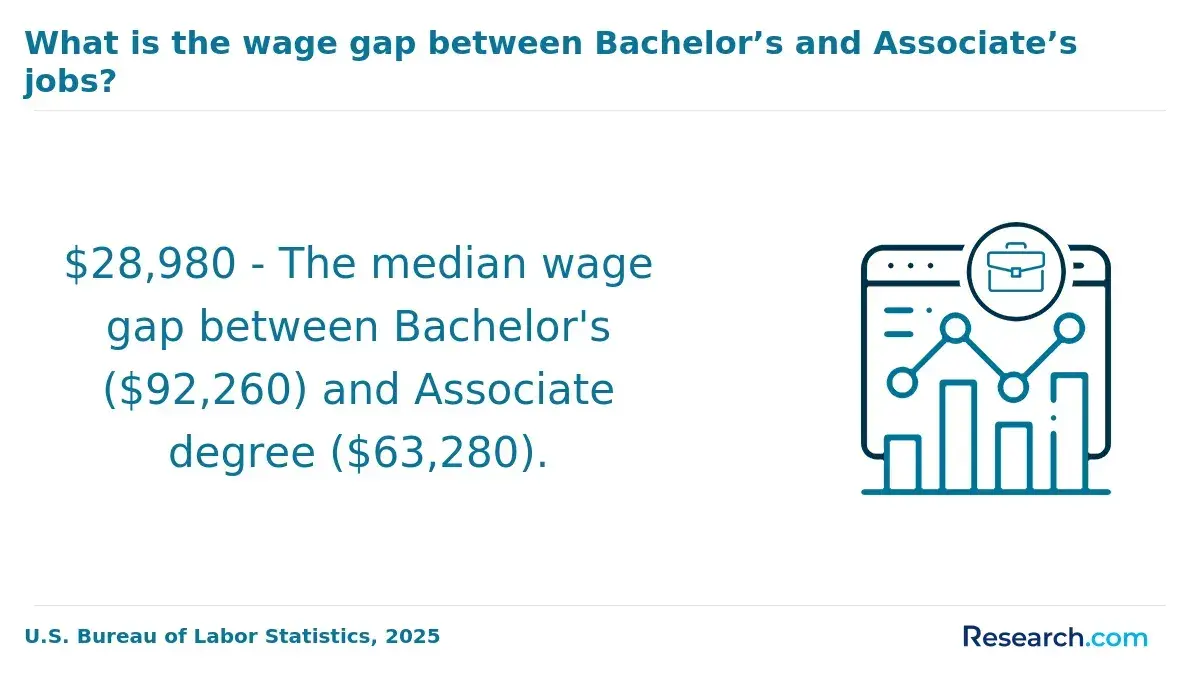
Manufacturing cost accountant roles represent one of the most financially rewarding paths for graduates with an accounting bachelor's degree, emphasizing direct cost control linked to production. These professionals manage inventory valuation, production budgeting, and overhead allocation within manufacturing firms. The highest salaries reported in this sector average $89,286 annually, a figure significantly influenced by expertise in supply chain and production workflows. However, this pathway requires a strong grasp of operations beyond traditional accounting, distinguishing it from other entry level cost accountant jobs with accounting degree backgrounds, which often focus on service or retail industries with lower starting pay.
Cost analyst positions in healthcare, retail, and logistics present alternatives that prioritize financial data interpretation for pricing and efficiency improvements but generally lack the manufacturing sector's profitability scales. For candidates interested in healthcare-specific cost roles, pursuing a healthcare MBA can provide a competitive edge by blending accounting with management expertise.
Graduates should strategically develop skills in ERP, data analytics, and business communication to transition effectively into cost accounting functions. Engagement in internships tailored to their targeted industries offers operational insight critical for early employability. Understanding these nuanced differences across cost accounting roles is essential for mapping educational choices to targeted labor market outcomes.
What entry-level cost accounting jobs are available for recent accounting graduates?
Entry-level cost accounting positions for recent graduates typically demand more than textbook knowledge; these roles require the ability to translate accounting theory into real-time operational insights. For instance, a junior cost accountant in manufacturing might juggle inventory variance analysis, production overhead distribution, and compliance audits simultaneously, underscoring the practical multitasking and technical skills employers expect.
Cost accountant job opportunities for new accounting degree holders concentrate in industries where granular cost analysis directly influences pricing and efficiency, such as aerospace or consumer goods. By contrast, service sectors often emphasize broader financial reporting, which can shift the skillset towards transactional bookkeeping over analytic cost optimization. This distinction shapes how graduates should tailor their competencies.
Employers prioritize candidates proficient in data analysis tools like Excel and ERP systems, enabling effective cost monitoring and variance reporting. Practical experience through internships and focused training is crucial to demonstrate the capability of delivering timely, actionable cost reports that impact budgeting and operational decisions.
Employment projections from the U.S. Bureau of Labor Statistics recommend attention for accounting graduates: a 5% growth rate through 2034, translating to roughly 124,200 openings yearly, many aimed at cost-focused roles due to turnover in established companies.
To enhance employability, graduates might also consider pursued pathways aligned with operational finance, such as an accelerated sports management degree online, as complementary credentials or pivot options depending on evolving labor market conditions.
How can an accounting degree specialization prepare you for cost accounting careers?
Specializing in cost accounting within an accounting degree offers practical leverage by focusing on cost analysis, budgeting, and operational financial reporting tailored to production environments. Employers seek candidates skilled in activity-based costing, variance analysis, and inventory valuation due to their direct impact on pricing strategies and profit margins. This specialization's value becomes clear when handling tasks like adjusting cost allocation in service industries with minimal direct labor but fluctuating overhead rates, highlighting the nuanced differences among sectors.
Students considering this path should prioritize programs emphasizing real-world applications, such as case studies from manufacturing or healthcare, since cost accountability varies significantly across industries. Graduates proficient in software tools, ERP systems, and advanced Excel modeling are better positioned to meet employer expectations, as these practical competencies bridge academic concepts with operational realities.
Salary progression reflects the market demand for specialized skills: the Senior Cost Accountant Himalayas' 2024 report shows median U.S. salaries rising from $75,000 at mid-level to $100,000 for senior roles, illustrating a 33% increase tied closely to expertise in cost accounting, which supports strategic decision-making.
For professionals weighing an accelerated option, exploring the fastest MBA program could complement a cost accounting career path with an accounting degree, enabling a strategic pivot with advanced credentials that broaden managerial prospects.
Are online accounting programs good pathways into cost accounting roles?
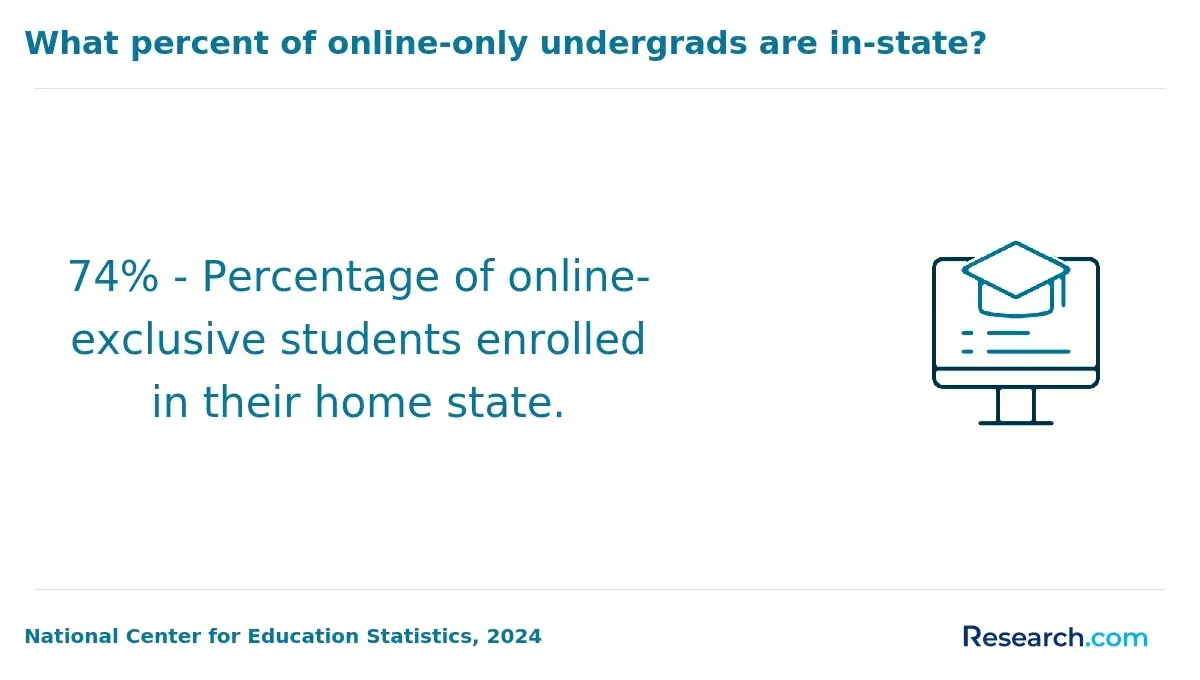
Online accounting programs intended for cost accounting roles must deliver curricula that reflect current industry practices and practical ERP software experience. Employers hiring cost accounting managers, a position with a documented 10% salary increase over the past five years, expect solid skills in cost analysis, budgeting, and variance reporting. Graduates from programs without up-to-date content or applied training often struggle to meet these expectations.
Flexibility in online programs supports working professionals pivoting careers, but candidates should ensure offerings include real-world case studies and familiarity with compliance standards like GAAP or IFRS. For instance, manufacturers seek cost accounting managers who can immediately interpret production costs using digital tools, minimizing on-the-job training time. This expectation aligns with over 61,000 open U.S. jobs requiring practical competencies.
Assessment of online programs should extend beyond curriculum to faculty expertise, employer connections, and access to internships or experiential learning-elements vital for bridging theory and applied skills. Programs lacking in these areas risk producing graduates vulnerable to skill gaps and networking barriers.
Ultimately, cost-accounting-focused online degrees accelerate field entry for students balancing work, but careful evaluation of curriculum relevance and professional support services directly influences employability and career trajectory.
What courses and skills are most important for success in cost accounting positions?
Proficiency in cost accounting hinges on mastering financial, managerial, and cost management techniques that go beyond simple ledger work to influence business strategy. For instance, a cost accountant in manufacturing must analyze how raw material price changes affect margins, while in services, accurate indirect cost allocation is essential to avoid misinformed financial decisions. This complexity demands deep skills in cost behavior analysis, budgeting, and variance investigation.
Equally important is the ability to navigate complex data through ERP systems such as SAP or Oracle, and advanced Excel modeling, which enable efficient handling of voluminous cost data and quick insight delivery. Emerging tools like robotic process automation (RPA) are reshaping productivity standards by automating routine cost tracking tasks. Employers increasingly expect professionals who can translate these technical analyses into actionable business intelligence, requiring strong communication abilities to bridge gaps between finance and operations teams.
Labor market data confirms that combining technical expertise with leadership and strategic decision-making sharply impacts earnings. For example, the U.S. median salary for a director of cost accounting is $165,000, approximately 65% higher than the $100,000 median for senior cost accountants, illustrating the premium placed on multidimensional capability. Aspiring cost accountants must weigh these technical and leadership demands carefully to align skill development with longer-term career objectives.
What are typical salaries and advancement opportunities in cost accounting careers?
Cost accounting roles in 2026 present a complex financial reality: while median salaries hover around $81,680, true employer costs often range between $102,000 and $115,000 annually per in-house accountant. This gap drives a growing reliance on outsourcing or consultants, which in turn constrains internal progression for full-time employees. Advancement generally requires stepping into senior roles such as Cost Accounting Manager or Director of Cost Analysis, where compensation can surpass six figures but demands a combination of technical depth and strategic insight.
Industries with intricate supply chains-manufacturing and energy, for example-tend to offer quicker promotion opportunities due to the premium on precise cost control. Conversely, service sectors frequently experience slower salary growth and fewer high-level openings. Developing expertise in data analytics, ERP systems, and financial strategy is essential to distinguish oneself in such environments.
Entry-level positions, especially for new graduates or individuals pivoting careers, typically involve routine cost tracking and align with median pay. Specializing through credentials or gaining operational decision-making experience boosts employability and earning potential considerably. However, reliance on outsourced models complicates traditional career ladders while expanding consultant roles, where independent professionals may bill clients between $100,000 and $150,000 annually.
Prospective students and professionals must weigh the predictability and capped salary growth of steady in-house roles against the volatility and potential rapid income growth of consulting careers, which depend heavily on client acquisition and project specialization.
How is demand for cost accountants changing across industries and regions?
Demand for cost accountants now centers on roles requiring advanced analytical and technological skills rather than traditional bookkeeping. Automation has reduced repetitive financial tasks, shifting employer preference toward professionals who integrate financial analysis with strategic planning, particularly in technology-driven sectors like SaaS. For candidates, this means prioritizing expertise in data analytics, ERP software, and cost management modeling over purely transactional skills.
Regional variations illustrate divergent industry demands: Silicon Valley, Seattle, and Austin prioritize cost accountants familiar with subscription revenue recognition and SaaS business models, while manufacturing and retail still need accountants skilled in lean methodologies and supply chain cost control. This geographic disparity requires candidates to tailor their skill development to the dominant local industries for better job prospects.
Operationally, cost accountants are increasingly expected to provide cross-functional insights-assessing product profitability, conducting variance analyses, and forecasting in complex corporations. For example, tech companies value professionals who analyze cloud service cost drivers and optimize R&D spending, whereas healthcare firms demand proficiency in cost allocation linked to regulatory compliance and procedural budgeting.
Without fluency in data visualization tools and adaptability to AI-driven cost management solutions, candidates risk obsolescence. Professionals contemplating a career pivot or advancement must combine accounting fundamentals with strategic digital analytics to meet evolving employer expectations across diverse sectors.
Do cost accounting roles require CPA, CMA, or other professional certifications?
Professional certifications distinctly shape the trajectory and earning potential within cost accounting roles, where a CPA or CMA is not universally mandated but often decisive. Public accounting firms typically require CPAs for senior or client-facing positions, driven by regulatory demands and audit compliance obligations. In contrast, corporate environments prioritize the CMA due to its concentration on managerial accounting, budgeting, and operational cost control, reflecting a practical divergence in industry expectations.
Employers hiring in cost accounting weigh the choice between CPA and CMA against targeted job functions: a CPA credential unlocks roles emphasizing cost auditing and regulatory adherence, particularly in public firms; the CMA credential suits positions oriented toward profitability analysis and internal management in manufacturing or retail sectors.
According to Stealth Agents' 2026 review, incorporating BLS data, the median annual salary for accountants and auditors, inclusive of cost accounting roles, stands at $81,680. Certified professionals generally exceed this median, demonstrating the tangible financial advantage credentialing provides. However, pursuing certification entails balancing exam difficulty, maintenance costs, and time investment against salary premiums and role diversity.
Choosing to enter cost accounting without certification often caps advancement and salary growth, particularly in sectors with rigorous technical and ethical standards. Candidates should carefully evaluate employer preferences and long-term career flexibility when deciding certification pathways.
- CPA required for public accounting cost roles with audit functions
- CMA preferred for corporate cost analysis and managerial accounting
- Median annual pay across roles is $81,680 per Stealth Agents 2026 review
- Certifications improve salary, role scope, and promotion potential
How can you evaluate and choose an accredited accounting program for cost accounting?
Selecting an accredited cost accounting program is a strategic decision that hinges on accreditation credibility and curriculum specificity. Prioritize regional accreditation recognized by the U.S. Department of Education or CHEA to ensure your credential carries weight with employers and certification bodies. A program focusing on core cost accounting skills-such as job order costing, activity-based costing, budgeting, and variance analysis-outperforms generic accounting degrees by aligning learning outcomes with practical workplace demands.
Graduate employment data should guide your choice, especially programs with ties to stable sectors like government and nonprofits. Labor market data, including Job Bank Canada's 2024-2031 projections, indicate balanced demand for auditors and accountants in public sectors, providing reliable employment pathways over volatile corporate environments.
Working professionals must consider flexible delivery modes-accredited online or hybrid programs that maintain academic standards facilitate balancing education with ongoing employment. Credit transfer policies also affect those shifting from unrelated fields, directly impacting time and cost efficiency.
Engaging faculty or alumni helps reveal how well the program maps to your targeted industry's requirements, whether it's compliance with government accounting standards or mastering manufacturing cost control software. This industry-specific alignment ensures your education translates into immediate job competence and long-term career viability.
Other Things You Should Know About Accounting
Most employers value practical experience before certification because cost accounting credentials such as the CMA require applied knowledge that only real-world work provides. Pursuing a credential too early can lead to gaps in understanding and burnout. It is generally more effective to secure an entry-level cost accounting position, develop a solid foundational skillset, then pursue certification to maximize both learning and career advancement opportunities.
Public accounting firms often provide broader exposure to diverse industries and quicker credential pathways but at the expense of heavy workload and less focus on cost accounting specifics. In contrast, corporate cost accounting roles offer deeper specialization and alignment with operational strategy but may have slower upward mobility early on. Candidates should prioritize based on whether they want immediate credential support and variety or a targeted cost accounting career with industry-specific expertise.
Automation and ERP systems are reshaping cost accounting tasks, reducing time spent on transactional data and increasing focus on data interpretation and strategic analysis. Cost accountants must now combine accounting proficiency with data analytics and technology literacy to meet employer expectations. Prioritizing learning advanced Excel, ERP platforms, and data visualization tools is essential to remain competitive and avoid being sidelined by automation.
References
- Five in-demand skills for accountants in 2025 | ICAEW https://www.icaew.com/insights/viewpoints-on-the-news/2025/feb-2025/five-indemand-skills-for-accountants-in-2025
- Jobs you can get with a degree in Accounting | Monroe University https://www.monroeu.edu/academics/undergraduate-programs/school-business-and-accounting/jobs-with-degree-in-accounting
- The 7 Most Crucial Accounting Skills in 2025 - Yorkville https://www.yorkvilleu.ca/blog/bba-online/crucial-accounting-skills/
- What Does a Cost Accountant Do? | Accounting.com https://www.accounting.com/careers/cost-accountant/
- Accounting careers: Cost accounting | Becker https://www.becker.com/blog/cma/cost-accounting-career
- About CMA Certification: Accounting Certification | IMA https://www.imanet.org/ima-certifications/cma-certification
- Pathways into accountancy without a university degree| Kaplan UK https://kaplan.co.uk/blog/careers/pathways-into-accountancy-without-a-degree
- Key Criteria for Choosing an Accounting Program: Essential Solutions for Effective Financial Management – Leinonen Lithuania https://leinonen.eu/ltu/news/key-criteria-for-choosing-an-accounting-program-essential-solutions-for-effective-financial-management/
- 2025 Accounting Trends Shaping the Industry | INAA https://www.inaa.org/2025-accounting-trends-shaping-the-industry/
- What Jobs Can You Get with an Accounting Degree? https://www.mountunion.edu/academics/undergraduate-degrees/accounting/what-jobs-can-you-get-with-an-accounting-degree