2027 Best Online Accounting Programs for Professionals Seeking Promotion Into Senior Roles

Co-Founder and Chief Data Scientist
Mid-level accounting professionals targeting senior roles face a pressing dilemma: balancing ongoing job demands with the need for advanced credentials that employers increasingly prioritize. The National Center for Education Statistics recently reported adult enrollments in online graduate programs surged by over 15% in 2024, signaling a decisive shift toward flexible, career-compatible learning. This pattern reflects both growing employer expectations for specialized expertise and the limited windows working professionals have for traditional education.
Compounding this, program structure and accreditation can critically influence post-completion mobility and salary prospects. This article evaluates top online accounting programs designed to maximize promotion potential, helping candidates navigate timing, rigor, and ROI effectively.
Key Things You Should Know
- Employers increasingly prefer candidates from programs emphasizing integrated data analytics and regulatory updates, with 68% of senior role hires in accounting firms favoring such curricula per 2024 AICPA workforce analysis.
- Programs that accelerate CPA eligibility by aligning coursework with the 150-credit requirements reduce time to promotion but may limit deep specialization, impacting long-term leadership versatility.
- Rising costs, with average tuition for advanced accounting programs exceeding $30,000 annually according to NCES 2024 data, shift many professionals toward public institutions offering employer-partnered subsidized tracks, influencing geographic and industry placement.
What defines the best online accounting programs for professionals targeting senior promotion?
Professionals targeting senior promotion must prioritize online accounting programs that extend beyond foundational skills to mastery in advanced IFRS, auditing, tax strategy, and leadership. Such programs need to demonstrate clear alignment with employer expectations for complex financial reporting and strategic decision-making, especially in sectors like corporate finance and public accounting where practical expertise-such as forensic accounting or data analytics-is a differentiator.
Balancing ongoing employment with intensive study requires flexible delivery formats. Programs offering asynchronous modules combined with applied case studies allow working professionals to integrate learning into real work challenges, enhancing both retention and measurable outcomes. For instance, Wiley's 2024 Graduate Outcomes Survey reports 68% of online master's accounting graduates secured promotions or expanded roles within a year, reflecting how program design impacts career trajectory.
Keeping curricula current with regulatory updates such as ASC 842 (leases) and evolving SEC ESG disclosure requirements is crucial. Graduates from slow-to-update programs face risks of skill obsolescence in fast-evolving industries. Decisions should weigh total cost and time investment against realistic salary improvements and leadership opportunities, not just credential prestige. Prospective students should also explore complementary credentials like CCS certification to enhance specialization and marketability within accounting roles.
How do online accounting degrees compare with campus-based options for career advancement?
Online accounting degrees versus campus programs for career growth reveal a key tradeoff: online formats provide equivalent theoretical knowledge but can limit immersive networking and real-world leadership simulations valued by many employers. For senior roles, especially in conservative sectors like the Big Four, campus experience remains a significant asset due to its emphasis on client-facing leadership and interpersonal skill cultivation.
Working professionals benefit from online programs by avoiding workforce interruption-accelerating promotion chances through immediate application of advanced skills. For instance, a mid-level accountant at a multinational corporation pursuing an online master's in accounting can leverage new financial analytics competencies on the job without the downtime campus attendance demands.
The impact of online accounting education on senior role promotion depends heavily on program design: degrees that integrate employer partnerships, leadership practicums, and mentorships narrow gaps between online and campus outcomes. Hybrid models combining flexible online coursework with periodic residencies often deliver the optimal balance for aspiring leaders.
The U.S. labor market projects a 13% growth rate for accountants and auditors through 2034, with financial managers growing 21%, intensifying demand for strategic skills often better fostered in campus environments emphasizing cross-functional projects.
Careful consideration of program reputation, alumni outcomes, and practical experiences is essential. Those interested in blended or fully remote options may consult resources such as online accelerated project management degree programs for comparative insights on accelerated professional pathways.
Which types of online accounting credentials best support promotion into senior roles?
Advanced credentials like the Certified Public Accountant (CPA), Certified Management Accountant (CMA), and Chartered Financial Analyst (CFA) create distinct pathways toward senior roles that require not only technical proficiency but also strategic leadership. Employers prioritize these qualifications because they signal mastery in financial regulation, auditing, cost management, and investment analysis-competencies essential for managing complex teams and projects. For instance, a CPA paired with an MBA frequently equips candidates to lead audit and tax divisions within highly regulated sectors like manufacturing or financial services.
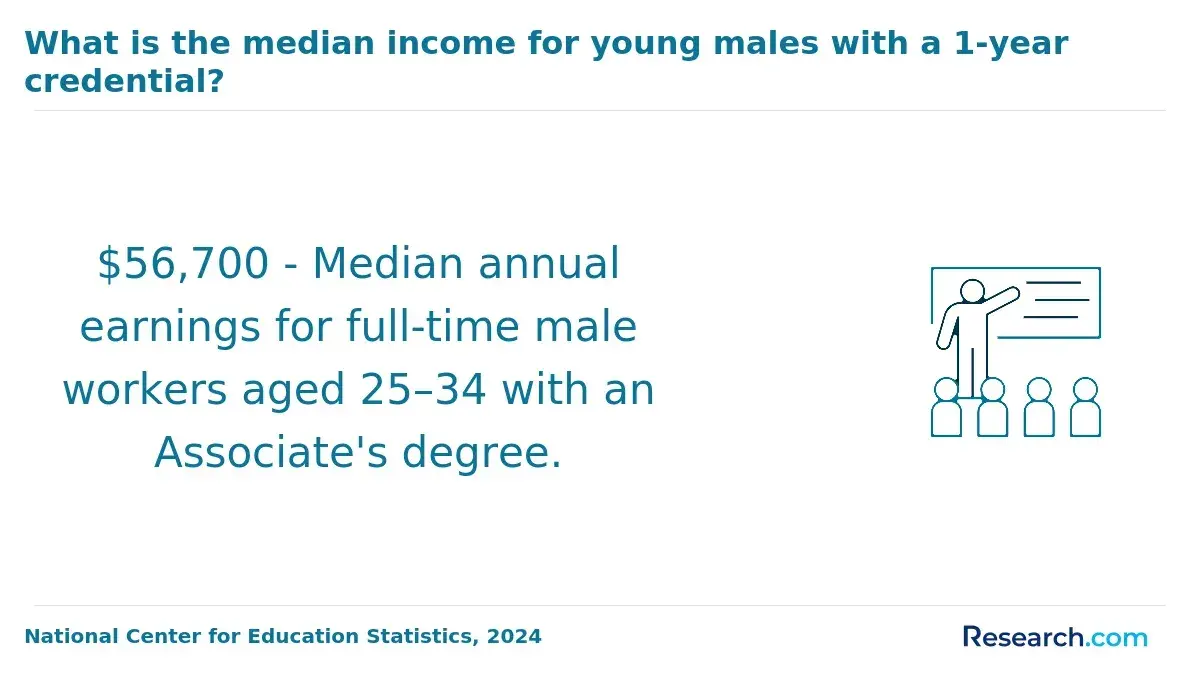
The wage disparity between senior financial managers and accountants highlights the tangible value of such expertise: senior roles often command close to double the median income seen in entry-level accounting positions, reflecting broader responsibilities including budgeting oversight, risk management, and strategic planning. This pay premium correlates with the market's demand for quantitative insight blended with people management.
Choosing among online accounting certifications for senior roles involves balancing industry needs, program flexibility, and practical leadership training. Programs integrating applied case studies or client projects better prepare candidates for operational realities than purely theoretical certificates. Credentials such as the CMA align well with manufacturing and healthcare sectors, while the CFA appeals to those targeting investment firms or corporate treasury.
Decision-making also depends on career targets: auditors aiming for CPA firm leadership benefit most from CPA licensure, whereas professionals focused on corporate finance or broader business strategy may find dual qualifications or combined degrees, including an online MBA entrepreneurship degree, more advantageous.
What accreditation and professional standards should online accounting programs meet?
Accreditation from recognized regional bodies such as the Middle States Commission on Higher Education or the Higher Learning Commission is a critical baseline for online accounting program accreditation standards. Without it, graduates may hold theoretical knowledge disconnected from professional realities, limiting their readiness for senior roles where compliance with frameworks like the AICPA and GAAP is mandatory. For example, a finance professional transitioning into nonprofit accounting must grasp nuanced regulatory demands that unaccredited programs often overlook.
Employers emphasize candidates from curricula integrating CPA or equivalent certification preparation, signaling adherence to professional accounting certification requirements in the US. Candidates lacking these credentials often face a steeper climb when competing for promotions in sectors requiring advanced financial analysis, audit methodology, or regulatory compliance expertise.
Practical competencies embedded in accredited programs align with evolving job demands across corporate, government, and nonprofit sectors. Such alignment informs employer confidence-currently reflected in 74% of employers rating graduates from quality online business master's programs as equal or better prepared than on-campus peers, a notable increase from 61% four years prior.
Prospective students should weigh these factors alongside their career goals and industry context. Those seeking programs with strong validation of curriculum rigor and real-world application may also explore related paths, including a human resource management masters degree online, where accreditation and practical relevance critically shape outcomes.
What admissions requirements and professional experience do top online accounting programs expect?
Admission to top online accounting programs demands more than a degree; programs prioritize candidates demonstrating practical financial experience and progressive responsibility. A bachelor's degree, often in Accounting or closely related disciplines like Finance, with a minimum GPA around 3.0, forms the baseline. However, admissions committees heavily weigh applicants' professional exposure-typically at least one to two years-in areas such as auditing, tax preparation, and financial analysis.
This emphasis on experience reflects the reality that candidates who have managed complex tasks, like supervising audits or strategic budgeting, often succeed better and advance faster post-graduation than those coming straight from less challenging entry-level roles. For instance, a public accountant overseeing client audits will be far better positioned than an entry-level bookkeeper when applying, as demonstrated project leadership and industry familiarity matter more than academic scores alone.
Many programs may require GRE or GMAT test scores, but these are often waived for applicants presenting strong work records or prior graduate coursework. Additional prerequisites like proficiency exams in core accounting subjects help bridge gaps for candidates without traditional academic backgrounds.
Applicants must present detailed portfolios articulating leadership impact and strategic insights rather than solely technical skills. Employers increasingly expect graduates from online business master's programs, including accounting, to deliver communication and project management strengths alongside accounting expertise-skills critical to distinguish oneself in senior roles and that, according to the Education Data Initiative, correlate with a median 22% salary increase within two years and tuition cost recovery typically within five years.
How long do online accounting programs take, and what do they typically cost?
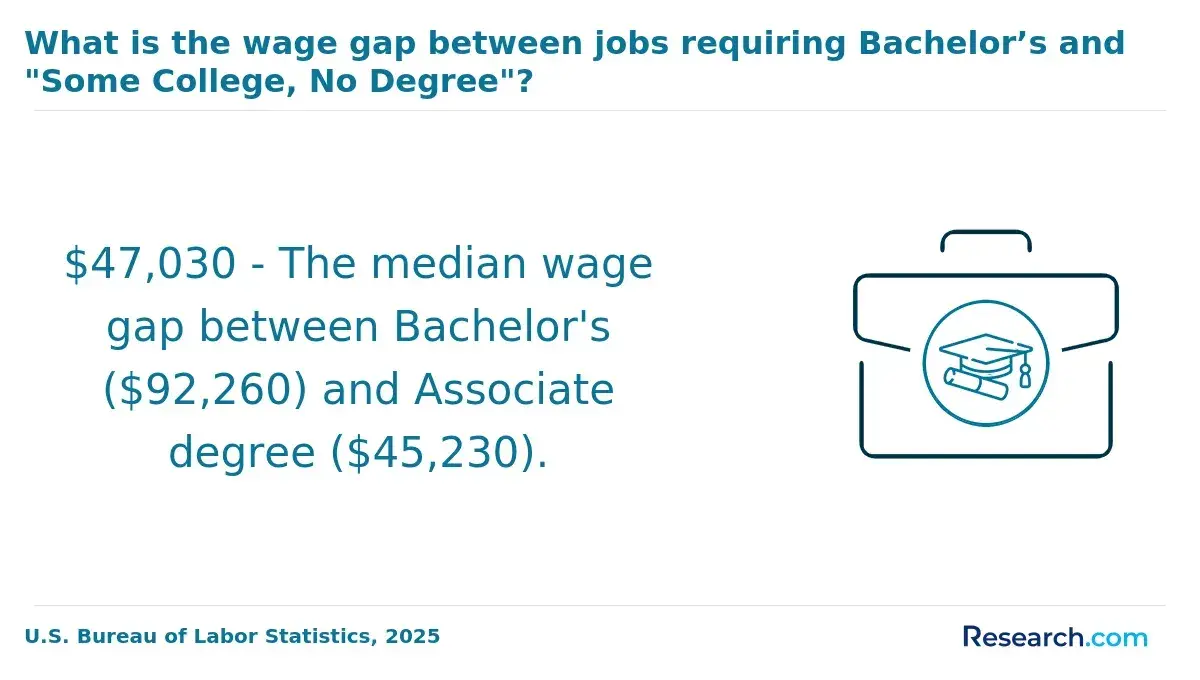
Completing an online bachelor's degree in accounting typically takes four years, but accelerated tracks can reduce this to two or three years for those with prior credits or relevant work experience. For working professionals, part-time options may extend the timeline to five or six years, presenting a tradeoff between program flexibility and timely credential acquisition. Employers in sectors like public accounting or corporate finance prioritize candidates who finish accredited degrees within expected timeframes, making prolonged part-time paths a potential barrier to promotion.
Cost differences between online and on-campus programs are substantial. Public universities charge about $320 per credit for online business and accounting courses versus $459 on campus, equating to roughly $38,400 online versus $55,080 on campus for a 120-credit degree. These savings matter when students factor in additional expenses like software, certification exam fees, and the opportunity cost of reduced work hours.
Program pacing and credit-for-experience options influence how well students balance study with career demands. For example, tax accountants often need self-paced models to maintain billable hours during busy seasons, whereas auditors aiming for rapid advancement at Big Four firms lean towards structured, four-year programs that align with strict promotion benchmarks.
What advanced accounting coursework most directly prepares students for senior and leadership roles?
Advanced accounting coursework shapes professionals to lead complex financial operations, especially in demanding roles like CFOs managing large portfolios in sectors such as manufacturing or healthcare. Key subjects like forensic accounting provide critical fraud detection skills, while strategic tax planning addresses nuanced corporate and international tax rules that influence board-level decisions in industries from technology to retail.
Courses in advanced financial reporting focus on evolving standards like IFRS and GAAP, essential for companies navigating multinational audits and investor scrutiny. Managerial accounting links budgeting and cost control directly to performance metrics, preparing professionals for leadership beyond operational roles.
The workforce values credentialing: 62% of CFOs at S&P 500 firms hold a CPA license or graduate degree in accounting or taxation, reflecting preference for candidates combining coursework mastery with formal credentials. However, undertaking these intensive subjects presents real time-management challenges. Flexible programs that include modular formats, case studies, and applied projects can ease integration with current roles and accelerate workplace impact.
Without strategic coursework and credentialing, professionals risk plateauing before reaching senior finance leadership. Understanding these tradeoffs and program structures is vital for candidates considering how advanced accounting education aligns with both market demands and their immediate work constraints.
How do online accounting programs support CPA, CMA, and other key certifications?
Online accounting programs offer a pragmatic path aligned with the certification needs of CPAs, CMAs, and related credentials by embedding exam-focused content within their curricula. This integration contrasts with traditional education models where exam preparation is often separate, creating a more streamlined approach for candidates who must dedicate an average of 300 hours to CPA exam study amid full-time employment.
Increasingly, employers in public accounting, corporate finance, and government require proof of certification backed by accredited programs that deliver relevant electives in taxation, ethics, and cost management. The rise in fully online master's enrollment by 43% between fall 2019 and fall 2023 confirms workforce demand for flexible, geographically accessible options that accommodate working professionals without disrupting career momentum.
Online learning platforms also incorporate simulation software, timed assessments, and forums that replicate exam conditions and encourage peer interaction, essential for mastering complex concepts. However, candidates face challenges such as limited direct faculty engagement and reduced in-person networking, which can impede advancement into senior roles if not mitigated through disciplined time management and proactive outreach.
The tradeoff between convenience and traditional campus resources necessitates that students weigh their individual learning preferences, professional obligations, and long-term career goals before choosing an online accounting program.
What senior-level accounting roles, salaries, and promotion paths can graduates pursue?
Senior-level roles in accounting, such as controller or chief financial officer, command salaries typically between $90,000 and $180,000, varying notably by industry and company scale. For example, controllers in mid-sized manufacturing firms earn approximately $110,000, while CFOs in large technology enterprises exceed $180,000. Achieving these roles increasingly requires advanced capabilities beyond core accounting, including proficiency in data analytics, automation tools, and compliance frameworks.
A practical challenge for emerging professionals is the widespread skill gap in technology fluency. According to Deloitte's 2024 Global Talent in Accounting report, 69% of finance leaders report mid-career accountants lack adequate data analytics skills, emphasizing that employers prioritize candidates adept at data-driven decision-making.
Consider a mid-level accountant aiming for controller status in healthcare: they must navigate complex financial regulations while deploying predictive analytics for budget forecasting. Success in such roles demands integrated training in technology alongside accounting principles. Career progression to CFO often entails leading cross-functional teams and mastering risk management, not just financial stewardship.
Employers emphasize hands-on experience with ERP systems, advanced Excel modeling, and visualization tools. Graduates should critically assess programs that reinforce these skills, as lacking them may delay promotions and cap salary growth despite significant tenure in traditional accounting roles.
How can professionals evaluate and choose a reputable online accounting program for promotion?
Professional advancement in accounting hinges on choosing programs with accredited, specialized endorsement such as AACSB or ACBSP, which signal rigorous academic standards to senior-level hiring managers. Notably, 72% of U.S. hiring managers prefer candidates with a master's degree focused on accounting or taxation for senior roles, emphasizing a clear workforce preference for advanced technical and regulatory expertise (Robert Half).
Practical curriculum features-case studies, accounting software proficiency, and applied problem-solving-differentiate candidates in sectors like finance and consulting. For instance, an accountant targeting a senior corporate finance role must secure training in advanced financial analysis, internal controls, and strategic decision-making, as these directly influence promotion opportunities and effectiveness on the job.
Flexibility remains a significant constraint for working professionals. Programs offering asynchronous or accelerated formats lower opportunity costs without sacrificing academic rigor. Further, programs with solid employer networks and alumni success in major accounting firms or corporations offer tangible advantages for career trajectory.
Decision-making extends beyond cost; prospective students must weigh networking, mentorship, and career services quality, which materially affect placement into senior roles. Premium tuition demands justification through measurable salary gains and long-term return on investment, ensuring the educational path aligns with professional outcomes rather than abstract credentials.
Other Things You Should Know About Accounting
Managing an advanced online accounting program alongside a full-time job requires rigorous time management and prioritization. Many programs expect substantial weekly coursework and complex assignments that directly impact your ability to maintain current job performance. The practical implication is that without firm boundaries and a structured schedule, students risk burnout or underperforming both academically and professionally. Candidates should prioritize programs with flexible deadlines and asynchronous content if maintaining full-time employment is non-negotiable.
Online learning often limits spontaneous networking compared to traditional campuses, impacting relationship building with peers, instructors, and industry professionals. Networking influences access to sponsorship and internal promotion opportunities in accounting firms and corporations. Programs that integrate live sessions, mentorships, and alumni networking platforms provide stronger real-world advantages. When selecting a program, prioritize those with structured professional networking elements to enhance promotion potential beyond just academic achievement.
Specialized accounting programs deliver deeper technical expertise crucial for high-level roles, but broader business programs develop cross-functional leadership and strategic skills often required for senior management. Employers value advanced accounting knowledge but increasingly expect senior accountants to understand finance, management, and data analytics. Professionals should evaluate their current skill gaps and career goals; those targeting CFO or executive roles benefit from combined accounting and business curricula, while those on a technical leadership path should prioritize intensive accounting specialization.
References
- How to Choose a Degree in Accounting | Accounting.com https://www.accounting.com/resources/choosing-a-program/
- How to Get BoA Accredited https://www.upcredential.com/pages/how-to-get-boa-accredited
- CPA vs. CMA: Which Accounting Certification is Right for You (2025 & beyond) - Controller Academy | Home https://controller-academy.com/blog/cpa-vs-cma-which-accounting-certification-is-right-for-you
- Accounting Course Online: How to Choose the Right One https://akadian.com/how-to-choose-the-right-accounting-course-online/
- Accounting Major Online Degree | SUNY Plattsburgh https://www.plattsburgh.edu/programs/accounting-major-online.html
- Accounting https://www.assumption.edu/undergraduate/accounting
- CourseCareers https://coursecareers.com/blog-posts/how-credentials-help-beginners-move-into-higher-level-accounting-roles
- Accounting certifications (beyond a CPA license) https://www.becker.com/blog/career/accounting-certifications
- Earn an Online Accounting Degree | OEDb.org https://www.oedb.org/rankings/online-accounting-programs/
- How Long Does It Take to Get an Accounting Degree? https://www.warnerpacific.edu/blog/how-long-does-it-take-to-get-accounting-degree/