2027 Accounting Roles With the Strongest Promotion Potential

Co-Founder and Chief Data Scientist
Mid-level accounting professionals often face a pivotal challenge: identifying roles that realistically accelerate promotion amid a contracting hiring market and increasing automation pressures.
According to the U. S. Bureau of Labor Statistics, the demand for accountants remains steady, but only 20% of upward mobility stems from conventional public accounting tracks, prompting strategic career moves toward specialized financial analysis or compliance roles.
Simultaneously, the National Center for Education Statistics reports a 15% surge in adult enrollment in flexible, competency-based accounting programs, illustrating a shift toward targeted skill acquisition over broader certifications. This article evaluates accounting roles with the strongest promotion potential to help professionals align education and career strategy effectively.
Key Things You Should Know
- Positions requiring CPA licensure continue to improve promotion speed by 15% on average, but the 18-month minimum licensure process delays early career advancement-forcing candidates to balance rapid role changes against credential timing.
- Employers increasingly prioritize data analytics proficiency alongside traditional accounting skills; roles blending financial reporting with analytics see 23% faster promotions per Bureau of Labor Statistics 2024 workforce analyses.
- Mid-career pivots into managerial accounting roles demand costly reskilling ($12K median in 2023 training expenses) creating barriers for professionals without employer support or upfront capital.
Which accounting roles offer the fastest promotion paths into senior and leadership positions?
Public accounting roles, particularly within Big 4 and large firms, present the fastest promotion tracks into senior leadership, with Deloitte's 2024 CFO Survey indicating that 46% of CFOs in public companies advanced from accounting or controller positions.
This ascent reflects the high value placed on hands-on experience with complex audits and regulatory environments. Such positions form a core pipeline for high-growth accounting careers for senior positions.
Mid-size to large companies also offer rapid promotion opportunities for controllers or senior accountants, but these roles demand both technical expertise and strong internal collaboration.
For example, accountants in the technology sector who excel in financial modeling and internal forecasting often experience faster advancements, while those confined to transactional finance in smaller private companies may face slower career paths due to limited organizational complexity.
Critical decision factors for promotion speed include selecting firms with structured mentorship and rotation programs and obtaining CPA certification, which remains almost universally required.
In addition, integrating data analytics skills into accounting roles increasingly differentiates candidates, aligning with employer demand for leaders adept in digital transformation. Candidates interested in the impact of credentialing on career trajectory should also review data like the certified professional coder salary.
Prospective accountants must balance tradeoffs: public accounting provides accelerated executive paths but entails demanding hours and mobility, whereas private sector roles may afford better work-life balance but slower promotions.
Aligning career mobility preferences, industry focus, and credential efforts is essential to optimizing promotion potential within accounting roles with fastest promotion to leadership.
What degrees, certifications, and skills are required for high-promotion accounting careers?
Advancement in accounting careers increasingly depends on strategic credentialing and demonstrated practical expertise rather than just academic qualifications. While a bachelor's degree in accounting, finance, or related fields is the baseline, a master's degree-such as a Master of Accountancy or an MBA in healthcare management-can notably improve promotion prospects into senior roles.
Crucially, CPA licensure remains the primary benchmark for leadership roles, especially in public accounting firms and corporate controllership. Additional certifications like CMA and CIA further validate specialized skills for management and internal audit responsibilities, reinforcing promotion potential.
Employers favor candidates who combine formal credentials with extensive hands-on experience; for instance, the 2024 Institute of Management Accountants report found that 63% of Fortune 1000 firms promote controllers and assistant controllers internally after they gain substantial exposure in senior or staff accountant roles.
Essential skills extend beyond certification to include technical proficiency in financial reporting standards, regulatory compliance such as SOX, ERP systems like SAP or Oracle, and analytics using tools like Power BI or Tableau.
The calculus for pursuing certifications and degrees for advancement in accounting careers involves balancing their financial and time costs against the acceleration in salary and higher internal promotion probability.
Maintaining credentials requires ongoing education, reflecting employer expectations for continuous skill development. This necessitates that candidates dedicate time to training programs, which employers increasingly view as mandatory rather than optional in competitive promotion environments.
Industry-specific scenarios illustrate different emphases: manufacturing controllers rely heavily on cost accounting to advise operational changes, while roles in financial services demand strong compliance and risk assessment capabilities. Recognizing these nuances helps professionals tailor their skillsets appropriately for better advancement outcomes.
How do entry-level accounting jobs differ in long-term advancement and salary potential?
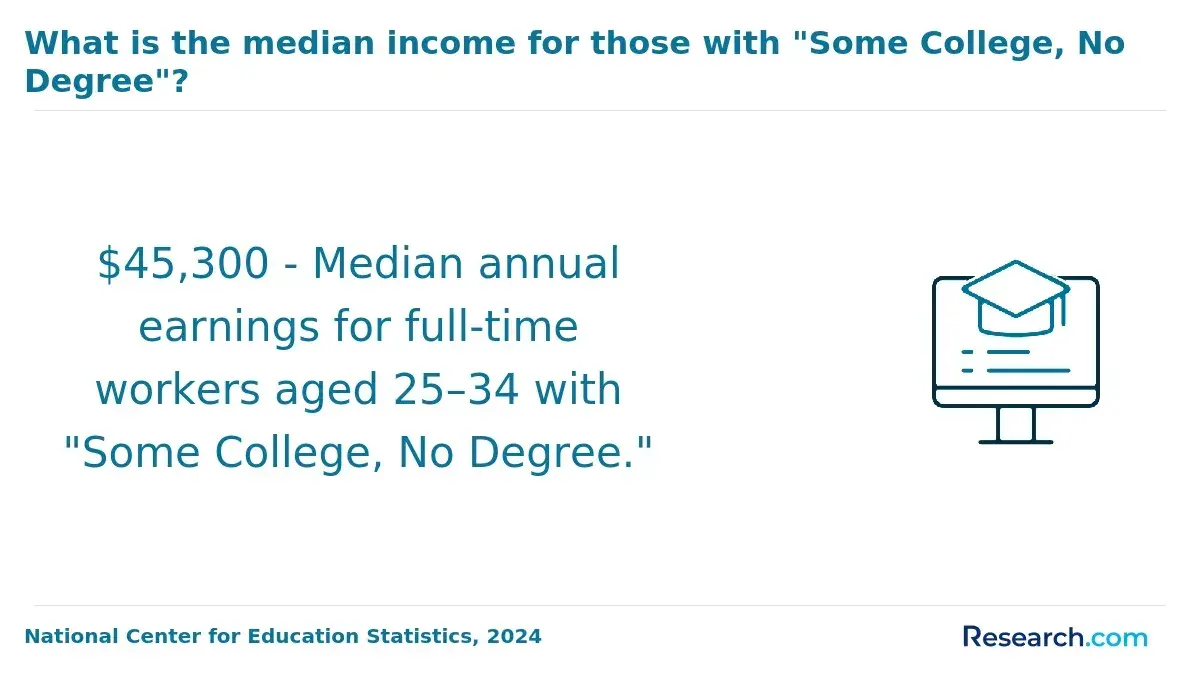
Entry-level accounting roles with career growth opportunities sharply diverge based on specialization, with financial planning and analysis (FP&A) standing out as the segment offering the most rapid advancement and long-term salary growth in entry-level accounting jobs.
From 2020 to 2024, FP&A demand increased by 60%, and 72% of FP&A manager positions were filled internally, according to the Association for Financial Professionals 2024 FP&A Career Outlook.
This internal promotion trend underscores that firms prefer cultivating analytical talent over external hires, creating a more robust pipeline for progression than traditional roles like staff accountant or accounts payable clerk.
General accounting entry-level jobs tend to remain operational and compliance-centric, often demanding certifications such as CPA for meaningful salary increases and supervisory opportunities.
Conversely, FP&A analysts often transition to finance business partner roles within a few years, benefiting from early immersion in budgeting, forecasting, and strategic influence-skills highly valued by leadership. For example, an FP&A analyst in a mid-size manufacturing firm may pivot more readily into cross-functional finance roles.
Employers expect candidates aiming for rapid promotion to demonstrate advanced Excel, data visualization, and business understanding alongside accounting fundamentals. Those confined to purely transactional roles face slower wage growth and difficult competition for senior posts.
Evaluating programs should account for alignment with FP&A or finance business partner skill sets to enhance career value. Some students concurrently explore alternatives, such as an online sports management degree, to diversify career options beyond conventional accounting pathways.
Which public accounting positions provide the strongest route to manager and partner?
Internal audit roles consistently provide the most expedited path to managerial and partner positions within public accounting, a reality supported by data showing that 58% of chief audit executives (CAEs) are promoted internally from these roles.
This route develops competencies in compliance, risk evaluation, and SOX controls-skills highly valued at senior levels, particularly in financial services and regulated sectors.
In contrast, tax and audit positions, while still common feeder roles, tend to have slower advancement rates due to their technical specialization and narrower promotion cycles.
Internal auditors' broader access to operational and financial controls across departments enhances their visibility with leadership and cross-functional teams, supporting faster elevation. This dynamic reflects key considerations employers weigh when choosing partners, one of the top public accounting positions for partner track advancement.
Essential career success factors include strong communication capabilities and continual certification maintenance such as CPA and CIA credentials. For example, in Fortune 500 firms, internal audit managers frequently transition into executive roles focused on enterprise risk and compliance, where their strategic insights directly influence organizational decisions.
Prospective professionals should assess the tradeoffs between tax's deep technical focus and the expansive risk management outlook offered by internal audit. Industry analyses indicate that aligning early career decisions with internal audit results in a 20-30% faster promotion to manager than traditional audit or tax paths.
Those exploring related educational opportunities might consider specialized online masters programs in human resource management to complement accounting expertise, particularly when seeking roles interfacing with governance and organizational leadership.
How do corporate accounting and FP&A roles compare for promotion opportunities?
Promotion trajectories between corporate accounting and financial planning & analysis (FP&A) highlight distinct organizational dynamics that influence advancement speed and certainty. Corporate accounting roles benefit from regimented promotion cycles tied to fiscal closings and regulatory milestones, offering predictable internal mobility.
For instance, a 2024 American Institute of CPAs tax section survey reported that 79% of tax manager roles were filled by promoting senior and staff associates internally, illustrating structured succession practices grounded in technical proficiency and compliance mastery.
In contrast, FP&A advancement depends heavily on business unit priorities and leadership willingness to create new managerial roles, often constrained by budget controls.
Senior FP&A analysts may experience prolonged waits for promotion as companies may prioritize cost containment over expanding forecasting capacity. Career growth in FP&A demands evident strategic contributions and cross-functional communication skills beyond numerical expertise, adding complexity to advancement timing.
- Corporate accounting promotions typically follow annual cycles aligned with audit seasons, providing clearer timelines.
- FP&A requires professionals to develop leadership capabilities impacting strategic decision-making.
- Tax departments generally promote from within, minimizing external competition for mid-level positions.
- FP&A progress is vulnerable to shifts in corporate investment priorities limiting new leadership roles.
Professionals considering these paths must weigh the stability and technical focus of corporate accounting against the less structured, influence-driven advancement landscape of FP&A, recognizing the distinct challenges and employer expectations each domain entails.
What impact do CPA, CMA, EA, and other credentials have on promotion speed?
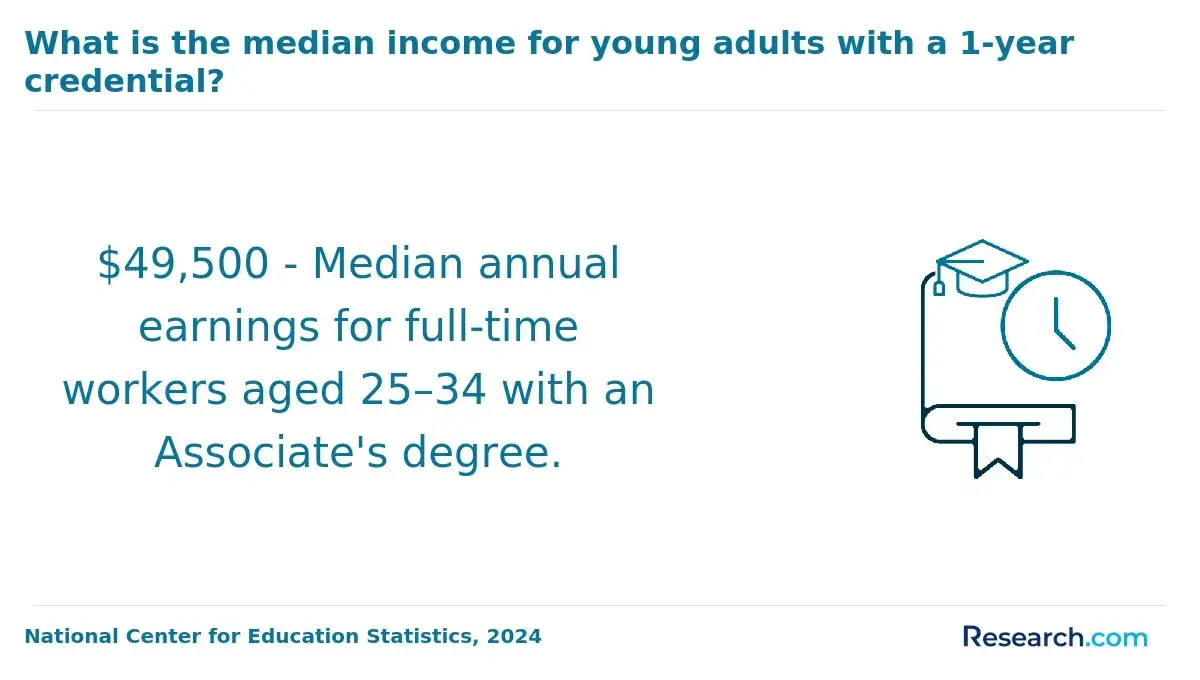
Credentials such as CPA, CMA, and EA materially accelerate advancement by serving as verifiable indicators of technical proficiency and regulatory compliance, assets highly prized for leadership roles within accounting.
Notably, in U.S. public companies subject to SEC reporting, over 70% of senior external reporting roles are filled by professionals with Big 4 or comparable large public accounting backgrounds, reflecting employer preference for such verified experience.
This dynamic creates a pipeline where credential holders with these firm backgrounds gain preferential access to director-level positions.
However, credentials deliver variable returns depending on the role and sector. For example:
- A CPA's rigorous exam and experience requirements commonly shorten promotion timelines in public accounting firms, where technical and regulatory mastery is essential.
- A CMA aligns more closely with corporate finance tracks focused on strategic financial management rather than pure compliance.
- EAs, specializing in IRS representation, facilitate faster progression in tax-focused corporate teams when combined with meaningful practical experience.
It is critical to recognize that credentials alone do not guarantee promotion; leadership aptitude and hands-on expertise remain essential. Candidates lacking these aspects may encounter career stagnation despite certification.
Furthermore, the substantial time and financial commitment required to earn and maintain these credentials demands that professionals weigh immediate promotional advantages against sustained opportunity costs and continuing education obligations.
Employers regard CPA or CMA candidates with Big 4 experience as lower-risk when considering senior compliance and reporting roles, accelerating their leadership trajectory. Conversely, credential holders who cannot apply knowledge in complex organizational settings often experience slower advancement despite formal qualifications.
How do online, hybrid, and campus-based accounting programs affect career advancement?
Choosing between campus, online, or hybrid accounting programs requires weighing employer expectations against practical constraints. Campus-based programs provide clear advantages through direct access to on-site internships, employer recruitment, and networking that many traditional finance roles prioritize.
Yet, their fixed schedules and geographic limits pose challenges for working professionals or those outside financial hubs. Online programs offer flexibility but leave the burden of building professional connections and gaining practical experience squarely on the student.
Employers often view these programs as less rich in real-world training, slowing advancement unless supplemented by internships or certifications.
Hybrid formats attempt to bridge this gap by combining face-to-face resources with flexible scheduling, appealing to mid-career professionals managing work and study simultaneously. For those targeting leadership roles in manufacturing finance, pathways originating from cost accounting or plant controller roles are notably more promising.
The 2024 CIMA Global Management Accounting Report identifies that over half of finance directors and CFOs in manufacturing come from such backgrounds, emphasizing the necessity of applied, industry-specific skills over generic theory.
When aiming for senior manufacturing finance roles, programs with structured internships tied to plant accounting provide superior leverage compared to purely online theoretical courses. In practice, candidates benefit most from aligning educational choices with the tangible professional experiences employers seek.
Which specialized accounting fields show the best job outlook and leadership demand?
Forensic accounting and fraud investigation offer the clearest path to accelerated leadership roles and higher pay, driven by the demand for Certified Fraud Examiners (CFEs). Professionals with a CFE credential typically earn 16% more and reach management about two years earlier than their peers without this certification.
This advantage is pronounced in sectors such as banking, insurance, and government contracting, where expertise in financial misconduct directly impacts organizational trust and regulatory compliance.
Risk management and compliance roles require candidates to navigate complex and evolving regulations, particularly in healthcare and financial services.
Success here depends less on generic accounting skills and more on interpreting legislation and designing audit controls that mitigate exposure. Leaders in this area often oversee risk frameworks and internal audit processes, demanding both technical proficiency and strategic communication.
Management accounting in technology and manufacturing emphasizes integrating financial strategy with real-time data analysis and efficiency. Professionals who master these skills are often funneled rapidly into CFO-track leadership, reflecting industry prioritization of operational insight alongside fiscal oversight.
Employers prioritize individuals who combine relevant certifications and industry-specific experience. For example, bank forensic accountants must be fluent in legal compliance and digital forensics while effectively communicating with stakeholders-capabilities that outpace traditional accounting pathways in promotion potential.
Students targeting these roles should align coursework with certifications like CFE or Certified Management Accountant (CMA) and focus on sectors with significant regulatory scrutiny.
This targeted approach balances the practical challenges of certification preparation against clearer routes to higher compensation and accelerated career progression.
How can midcareer professionals pivot into accounting roles with strong promotion potential?
Midcareer professionals seeking advancement in accounting must integrate expertise in accounting information systems (AIS) with ERP and business intelligence (BI) analytics to stand out.
Data from a 2024 ISACA and IMA study reveal specialists in ERP/financial systems and analytics have a 1.7 times higher likelihood of promotion to management roles within five years compared to those focusing only on traditional general ledger tasks.
This reflects employer demand for candidates fluent in integrated financial software and data-driven decision-making.
A practical example involves a finance manager at a manufacturing firm transitioning to an accounting systems analyst, gaining promotion leverage by optimizing ERP-driven financial consolidations across multiple sites.
The pathway requires balancing the cost and time of specialized credentialing-such as certifications in SAP, Oracle, Tableau, or Power BI-against the expectation for immediate operational knowledge. Employers typically prefer proven ERP project experience or automation capabilities that reduce manual errors and speed reporting cycles.
Essential steps include:
- Assessing current technical skills against AIS demands in sectors like healthcare or financial services.
- Completing targeted certifications or graduate-level coursework in ERP and analytics.
- Participating in cross-functional projects bridging accounting with IT or data teams.
- Studying industry-specific compliance and integration issues, such as in retail or energy.
This focused credentialing aligns with labor data identifying tech-intensive accounting roles as growth areas with faster promotion trajectories.
What should students look for in an accounting program to maximize advancement prospects?
Controller-level expertise remains the primary gateway to CFO roles, with Surgent's 2024 analysis showing over 60% of CFOs in U.S. mid-market and large firms have controller or VP of accounting backgrounds.
This trajectory demands programs that integrate technical proficiency in compliance, internal controls, and financial reporting alongside leadership capabilities such as team management and cross-functional collaboration. Candidates lacking such focus risk limiting themselves to entry-level assignments and slower promotion paths.
Curricula combining ERP software training (e.g., SAP, Oracle) with budget forecasting and capital allocation case studies better prepare students for operational controller functions that employers prioritize for promotion.
For instance, manufacturing finance roles require skills in cost accounting and inventory management, whereas tech-related finance emphasizes revenue recognition and financial modeling.
Accreditation from bodies like AACSB signals program quality but does not guarantee workforce relevance. Programs offering internships or projects with mid-market companies provide crucial early leadership exposure, which accelerates advancement readiness.
Obtaining credentials such as CPA or CMA concurrently enhances employability, aligning with employer expectations around internal control and financial governance expertise.
Prospective students should weigh educational content carefully, prioritizing hands-on experience and certifications to avoid delays in accessing senior finance roles essential for long-term upward mobility in accounting careers.
Other Things You Should Know About Accounting
In 2027, accounting roles with the strongest promotion potential include Financial Analysts, Tax Managers, and Internal Auditors. These roles are in high demand due to evolving financial regulations and the increased need for strategic financial management, providing clear paths for upward career mobility.
Choosing between larger firms and specialized roles hinges on career goals. Large firms provide structured promotion tracks and brand recognition but may slow advancement due to competition. Specialized positions in smaller firms or corporate settings often require deeper expertise, which can accelerate promotion if the skillset is in demand. Prioritize firm size for broad exposure and specialization for leadership in niche areas.
Public accounting offers clearer, time-bound promotion milestones leading to partner roles, but it demands longer hours and more travel. Private accounting can provide leadership roles with broader operational impact but often lacks formal advancement timelines. Decision-makers should consider whether clear hierarchy progression or diverse managerial experience aligns better with their long-term leadership ambitions.
Balancing certifications while working full-time accelerates promotion but increases stress and time constraints. Some employers value certifications more when accompanied by relevant practical experience rather than standalone credentials. Candidates should prioritize certifications aligned with their current role and promotion path to maximize return on investment, avoiding undirected credential accumulation.
References
- How employers can hire the best accounting students https://www.journalofaccountancy.com/issues/2025/jun/how-employers-can-hire-the-best-accounting-students/
- Explore types of accounting careers for 2026 success - ICMS https://www.icms.edu.au/degree-discovery/explore-types-of-accounting-careers-2026-success/
- 5 Roles that Will Help You Broaden Your FP&A Experience https://fpa-trends.com/article/5-roles-will-help-you-broaden-your-fpa-experience
- best future-proof jobs in finance & accounting https://www.randstadusa.com/job-seeker/career-advice/career-development/best-future-proof-jobs-finance-accounting/
- CPA Career Path - Roles, Salaries & How To Progress https://300hours.com/cpa-career-path/
- What are the top paying accounting jobs? https://jobs.aat.org.uk/article/what-are-the-top-paying-accounting-jobs-
- The definitive guide to your accounting career https://www.becker.com/blog/cpa/accounting-careers-which-cpa-career-path-to-choose
- The Impact of Online Education on Accounting Recruiting - The CPA Journal https://www.cpajournal.com/2017/10/18/impact-online-education-accounting-recruiting/
- How to transition from public accounting to industry roles https://www.brewermorris.com/career-advice/moving-jobs/how-to-transition-from-public-accounting-to-industry-roles/
- New path for mid-career professionals to join the accounting industry - NTUC's Employment and Employability Institute (e2i) https://www.e2i.com.sg/newsroom/new-path-for-mid-career-professionals-to-join-the-accounting-industry/