2027 Online Journalism Bachelor's Degree Programs With Asynchronous Classes

Co-Founder and Chief Data Scientist
Balancing work, family, or other commitments often conflicts with the rigid schedules of traditional college courses. For aspiring journalism students, asynchronous online bachelor's degree programs offer a powerful alternative. These programs provide recorded lectures, flexible deadlines, and self-paced participation, allowing learners to engage deeply without sacrificing their responsibilities.
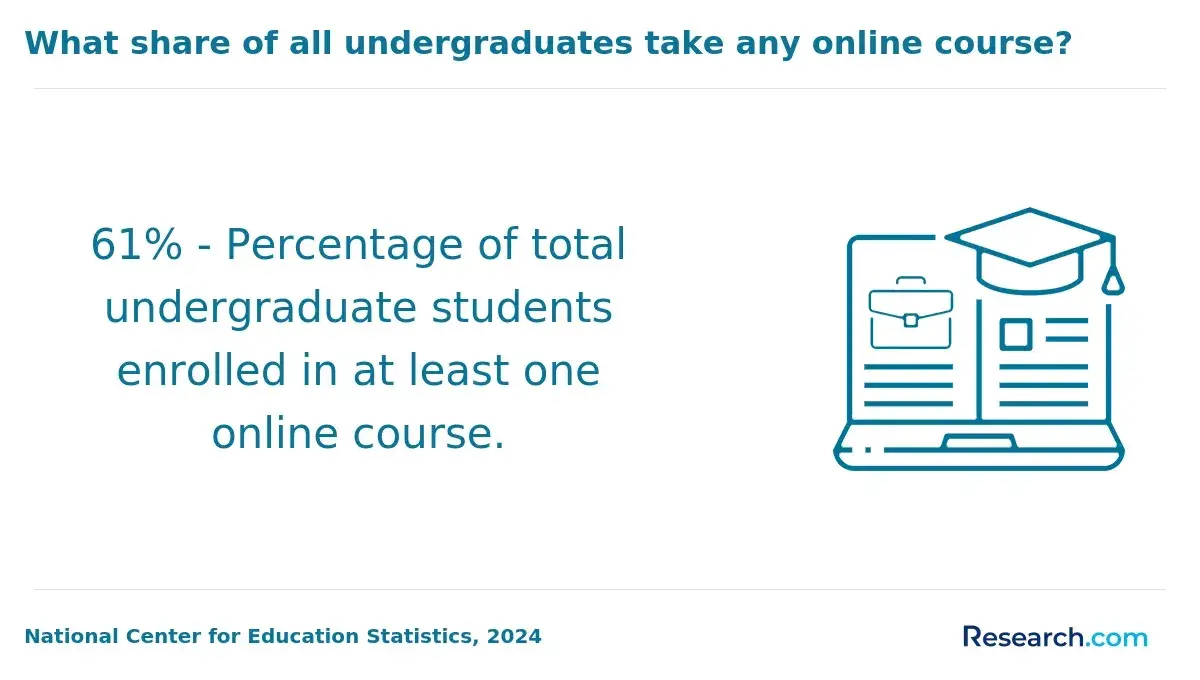
According to the National Center for Education Statistics, over 45% of undergraduates enrolled in distance education courses in 2022, reflecting growing demand for flexible learning options. This article explores how asynchronous classes operate within online journalism degrees and highlights benefits for students needing adaptable, accessible educational paths.
Key Benefits of Online Journalism Bachelor's Degree Programs With Asynchronous Classes
- Asynchronous classes offer flexible scheduling, enabling students to access lectures and assignments anytime, which suits diverse time zones and personal routines.
- The self-paced structure promotes deeper understanding, allowing learners to revisit complex material and progress according to their individual learning speeds.
- Students can effectively balance academic work with jobs or family duties, addressing a 35% increase in online enrollment among working adults pursuing journalism degrees.
How Do Asynchronous Online Classes Work in Journalism Programs?
In asynchronous online journalism bachelor's degree programs, course content is delivered through a digital platform where students access materials independently, without live sessions. Lectures are usually pre-recorded, allowing students to engage with video content, readings, and multimedia on their own schedule.
This format removes the need for real-time attendance and gives learners control over when and how they study, making it particularly well-suited for those who prefer self-directed learning. Student engagement in self-paced online journalism programs is supported by interactive resources that promote critical thinking and practical skills.
Coursework is organized into clearly defined modules that students complete within set timeframes to ensure steady progress. This module-based approach builds upon foundational concepts progressively, with instructors providing timelines that balance flexibility and structure.
Interaction with instructors and peers occurs asynchronously through discussion boards and email, fostering a collaborative learning environment despite physical distance. For those exploring broader educational opportunities, exploring online degrees in AI can offer additional pathways in related fields.
How Are Assignments Submitted in Asynchronous Courses?
Assignment submission in asynchronous online journalism bachelor's courses is managed through organized digital platforms, allowing students to work at their own pace while still meeting course requirements. This setup supports a flexible learning experience without sacrificing structure.
Important features of the assignment submission process include:
- Learning Management Systems: Platforms like Canvas, Blackboard, and Moodle function as central hubs for students to access materials, submit assignments, and receive communications. These systems provide a streamlined, user-friendly interface for managing coursework in asynchronous journalism programs.
- Submission Deadlines: Though students have scheduling flexibility, firm deadlines guide timely assignment completion. These deadlines maintain course momentum and ensure instructors can provide prompt and meaningful feedback, striking a balance between flexibility and accountability.
- File Formats: Journalism assignments often require various file types, including text documents (.docx,.pdf), audio (.mp3), and video (.mp4) files. Detailed instructions about accepted formats help prevent technical issues and reflect professional publishing practices.
- Feedback Mechanisms: Instructors leverage LMS tools to provide detailed digital annotations, comments, and grades. This immediate, organized feedback supports students in refining writing skills and multimedia proficiency.
- Digital Assessment Tools: Integrated features such as plagiarism checkers, peer review modules, and grading rubrics encourage academic integrity and simulate editorial review processes common in journalism careers.
Students interested in pursuing an online journalism bachelor's program can benefit from understanding the online assignment submission process for journalism bachelor's programs and how it supports a disciplined yet adaptable learning environment. For insights into the highest paying degrees in related fields, exploring the highest earning degrees can provide useful guidance.
Can You Take Multiple Asynchronous Courses at Once?
Students pursuing an online journalism bachelor's degree with asynchronous courses can typically register for multiple classes at the same time, as these programs offer flexibility without fixed schedules. The structure commonly mirrors traditional credit systems, with full-time students taking around 12 to 15 credit hours-equivalent to three to five courses-while many opt for part-time study to balance other responsibilities.
Managing several asynchronous courses requires strong time management and planning since students need to meet deadlines, complete assignments, and engage in discussions independently. Institutions often recommend starting with fewer courses to adjust smoothly to the online format, with about 63% of online undergraduates enrolling part-time to maintain balance. Success hinges on pacing the workload realistically to maintain academic quality and avoid burnout.
A professional who completed an online journalism bachelor's degree shared, "At first, juggling three asynchronous classes felt overwhelming because I had to track different deadlines and course requirements." He explained that developing a precise weekly schedule and setting personal reminders were key strategies to stay on top of coursework.
Although the flexibility was a major advantage, he noted, "Without the structure of in-person classes, I had to be my own motivator, which wasn't always easy." Reflecting on the experience, he mentioned, "Starting with fewer classes helped me find rhythm and confidence before increasing my load," highlighting how pacing played a crucial role in managing multiple courses effectively.
Can You Switch Between Asynchronous and Synchronous Courses?
Online journalism bachelor's programs often offer both asynchronous and synchronous courses, allowing students to choose between flexible self-paced study and real-time interaction. Some students look for the flexibility of mixing asynchronous and synchronous journalism classes to better fit their schedules and learning preferences. Transitioning between these formats can be possible but depends on various factors.
Several key considerations affect the ability to switch between these course types:
- Course Availability: Not every term offers both asynchronous and synchronous versions of the same class. Availability is typically determined by program offerings and semester schedules.
- Program Structure: Some curricula restrict switching to specific points or require advisor approval to maintain academic consistency and progression.
- Scheduling Coordination: Synchronous classes require fixed meeting times that must align with students' time zones and other commitments, which can complicate transitions.
- Learning Format Differences: Synchronous courses emphasize live engagement and immediate feedback, whereas asynchronous classes focus on independent study and flexible access to materials.
Students interested in flexible degree options might also explore related fields, such as a data science master online, to complement their journalism skills.
How Flexible Are Asynchronous Journalism Programs for Working Students?
Asynchronous online journalism bachelor's degree programs provide significant scheduling freedom, allowing students to access lectures and assignments at any time that fits their lifestyle. This self-paced format lets learners work through coursework within set deadlines, accommodating varied daily routines and professional commitments without live class attendance.
By enabling students to manage their study time during evenings, weekends, or other convenient moments, these programs support those balancing work and education. National data shows that about 74% of students exclusively taking distance courses are working adults, emphasizing how asynchronous learning meets the needs of career-focused individuals. This flexibility not only facilitates academic progress but also nurtures independent learning skills valuable for professional growth.
When asked about her experience, a working student enrolled in an online journalism bachelor's program with asynchronous classes shared that "finding consistent pockets of time was challenging but rewarding."
She explained how juggling deadlines alongside job responsibilities required careful planning and occasional adjustments, yet the ability to revisit recorded lectures "helped deepen my understanding on my own schedule." She appreciated that discussion boards allowed meaningful interaction without pressure to be present at specific times, noting, "It feels like I'm part of a learning community without sacrificing work hours." This flexibility transformed what initially felt overwhelming into a manageable journey toward her degree.
Who Should Choose an Online Journalism Program With Asynchronous Classes?
Asynchronous online journalism bachelor's degree programs allow students to access all course materials and complete assignments on their own schedule without attending live sessions. This format suits learners balancing education with work, family, or varying time zones. Nearly 30% of U.S. higher education students take fully online courses, reflecting a growing preference for flexible learning environments.
Students who find success in asynchronous journalism studies often exhibit strong time management skills and self-discipline. These programs benefit individuals who prefer to absorb and review content independently rather than participate in real-time classes. The following learner types typically align well with asynchronous formats:
- Working Professionals: Individuals aiming to upskill or shift careers without pausing their current employment appreciate the ability to study outside traditional hours and tailor learning around job demands.
- Parents and Caregivers: Those managing family responsibilities need the freedom to schedule coursework during quieter times, making asynchronous classes ideal for fitting education into unpredictable routines.
- Remote or Time Zone-Shifted Students: Learners residing far from campus or in different time zones avoid scheduling conflicts by accessing lectures and assignments whenever convenient.
- Self-Paced Learners: Students who learn best through reading, writing, and multimedia at their own tempo benefit from the chance to revisit materials to deepen comprehension.
This learning style empowers motivated students to design their educational experience around personal commitments and cognitive preferences, offering a level of autonomy that traditional synchronous courses rarely allow.
How Long Does It Take to Finish an Asynchronous Journalism Degree?
Completing an asynchronous online journalism bachelor's degree generally takes about four years, similar to traditional programs. However, flexible pacing options allow students to either accelerate or lengthen their schedules based on individual circumstances. Nearly 40% of students in online bachelor's programs finish within five years, highlighting the variety of completion timelines.
Several factors influence how long it takes to earn a journalism degree asynchronously. Key elements impacting the duration include:
- Self-Paced Progression: Asynchronous courses provide students the freedom to advance at their own speed. This flexibility lets learners allocate extra time to difficult topics or move quickly through familiar material, accommodating work or family commitments.
- Course Load Decisions: Whether students enroll full-time or part-time affects the time to completion. Full-time study enables faster progress by taking multiple classes each term, while part-time enrollment reduces stress but may extend the overall program length.
- Continuous Enrollment: Maintaining active registration every academic term usually supports steady milestones toward graduation. Gaps in enrollment can delay progress and extend the degree timeline.
- Transfer Credits: Accepting prior college coursework or relevant professional experience can shorten the program. Transfer credits reduce the number of required courses, allowing students to graduate sooner.
What Are the Requirements for Asynchronous Journalism Degree Programs?
Admission to asynchronous online journalism bachelor's degree programs generally requires proof of academic preparedness and the ability to manage self-directed learning. Many programs set minimum GPA thresholds and request official transcripts emphasizing relevant English and communication skills. Studies show that 59% of students who actively plan their study time complete asynchronous online programs within the expected timeframe, highlighting the importance of readiness for independent coursework.
Key factors for entry include the following:
- Academic Background: Programs typically require a high school diploma or equivalent, with transcripts demonstrating strong performance in English, communication, and social studies. This ensures students meet the credit and coursework requirements for journalism bachelor's degrees and can handle academic rigor.
- Digital Literacy: Competency with online platforms is essential since asynchronous learning relies on digital submission of assignments and participation in virtual discussions. Institutions may require proof of technical skills or an orientation to familiarize students with learning management systems.
- Time Management Ability: The self-paced nature of asynchronous formats demands strong organizational skills and self-discipline. Some programs assess these traits via questionnaires or placement tests to identify candidates most likely to succeed.
- Technical Readiness: Reliable internet access and compatible hardware are crucial. Students should verify minimum software and device standards before enrolling to avoid technical disruptions during their studies.
- Career Context: For students interested in related fields, knowing what can you do with a project management degree can complement journalism skills by enhancing project coordination and leadership abilities valuable in media environments.
How Do You Verify Accreditation for Online Journalism Programs With Asynchronous Classes?
Verifying accreditation for online journalism programs with asynchronous classes is crucial to ensure academic quality and institutional credibility. Accreditation confirms that a program adheres to rigorous educational standards respected by employers and academic institutions. For students seeking the flexibility of asynchronous learning, it is especially important to recognize accredited asynchronous journalism degree programs to ensure meaningful credentials.
Key accrediting agencies to consider include the following:
- Regional Accreditation: Regional agencies such as the Middle States Commission on Higher Education (MSCHE), the Higher Learning Commission (HLC), and the Western Association of Schools and Colleges (WASC) evaluate entire institutions. They assess criteria including faculty qualifications, curriculum rigor, student support, and financial stability to guarantee a comprehensive educational environment.
- Programmatic Accreditation: The Accrediting Council on Education in Journalism and Mass Communications (ACEJMC) focuses exclusively on journalism and communications programs. It ensures that curricula emphasize essential skills, ethical standards, and professional competencies while evaluating faculty expertise and student outcomes.
- Verification Resources: Students should use the U.S. Department of Education's Database of Accredited Postsecondary Institutions and Programs (DAPIP) or the Council for Higher Education Accreditation (CHEA) website to confirm institutional accreditation. Checking that a journalism program holds ACEJMC accreditation offers additional assurance of specialized academic standards.
Reliable accreditation verification helps students avoid diploma mills and ensures their efforts lead to recognized qualifications. Those exploring flexible online options may find the most affordable online interdisciplinary studies programs a useful reference when comparing accredited offerings across fields.
What Are the Disadvantages of Asynchronous Online Degrees?
Asynchronous online journalism bachelor's degree programs provide learners with the ability to study and complete assignments at their convenience, without scheduled live sessions. This approach accommodates students balancing education with work or personal responsibilities but presents challenges that can impact success. Research indicates that retention rates in asynchronous online courses can drop to around 40%, signaling potential difficulties in maintaining student commitment.
The main drawbacks of asynchronous journalism programs include:
- Limited Interaction: The lack of live discussions restricts spontaneous communication with instructors and classmates, which may reduce opportunities for collaborative learning and deeper understanding.
- Self-Discipline: Students must manage their time effectively and stay motivated independently. Without fixed class times, procrastination or low motivation may hinder consistent progress.
- Delayed Feedback: Receiving answers or guidance from instructors often takes longer, which can slow down learning and leave questions unanswered for extended periods.
- Engagement Issues: The absence of real-time engagement may cause students to feel isolated or less connected, potentially decreasing enthusiasm and persistence throughout the program.
What Graduates Say About Online Journalism Bachelor's Degree Programs With Asynchronous Classes
- Louie: "I chose an online journalism bachelor's degree with asynchronous classes because it offered me the flexibility to maintain my full-time job while pursuing my passion. The ability to access lectures anytime made it easier to fit studies around my family commitments. This program truly helped me gain the skills and confidence I needed to transition into a career as a multimedia reporter."
- Zamir: "What stood out to me about the asynchronous classes in the journalism program was the freedom to learn at my own pace, which significantly reduced the stress of deadlines clashing with my other responsibilities. Reflecting on my experience, the diverse coursework and interactive assignments broadened my perspective and sharpened my storytelling abilities. This degree has been instrumental in advancing my career as an investigative journalist in a fast-paced industry."
- Matthew: "As someone who values structure but also needed flexibility, the online journalism bachelor's with asynchronous classes was an ideal choice. It allowed me to engage deeply with the material during hours that suited my productivity cycles while balancing volunteer work. Professionally, the program's real-world approach and digital tools preparation have made a noticeable impact on my effectiveness as a communications specialist."
Other Things You Should Know About Journalism Degrees
In 2027, asynchronous journalism programs use online collaborative tools like discussion boards, video conferencing, and document sharing platforms to facilitate group projects. These tools allow students to work together effectively despite differing schedules, ensuring simulation of real-world journalism environments.
Yes, reputable asynchronous journalism programs often include career services such as resume reviews, job search assistance, and networking opportunities with alumni. These resources are typically accessible online, allowing students to connect with industry professionals despite the flexible schedule.
Generally, employers recognize accredited asynchronous journalism degrees as equivalent to traditional on-campus degrees. The key factor is accreditation status, which ensures that the program meets academic standards. Graduates from well-established online programs often compete effectively in the journalism job market.
References
- Society for the Teaching of Psychology https://teachpsych.org/E-xcellence-in-Teaching-Blog/12197763
- Kritik - Kritik360 - Advantages and Disadvantages of Synchronous and Asynchronous Learning https://www.kritik.io/blog-post/benefits-and-challenges-of-asynchronous-learning
- Strengths And Weaknesses Of Asynchronous Learning https://elearningindustry.com/strengths-weaknesses-asynchronous-learning
- Can I Study Journalism Online Without Prior Experience? https://amityonline.com/amp/blog/can-i-study-journalism-online-without-prior-experience
- The Pros and Cons of Asynchronous Distance Learning - ViewSonic Library https://www.viewsonic.com/library/education/the-pros-and-cons-of-asynchronous-distance-learning/
- How to Submit Assignments for Online BAJMC – Easy Guide https://www.onlinecu.in/blog/cu/assignments-submission-online-ba-journalism-and-mass-communication.php
- Online Journalism Degrees https://mycollegeguide.org/online-journalism-degrees/
- Synchronous vs. asynchronous learning: Advantages and disadvantages https://www.easygenerator.com/en/blog/e-learning/synchronous-learning-vs-asynchronous-learning/
- Top 50 Low-Cost Online Bachelor's in Journalism https://www.greatvaluecolleges.net/rankings/online-journalism-degree/
- Online Journalism Schools: An Essential Guide https://careerkarma.com/blog/online-journalism-schools-an-essential-guide/