2027 Online Game Art & Design Bachelor's Degrees for Career Changers

Co-Founder and Chief Data Scientist
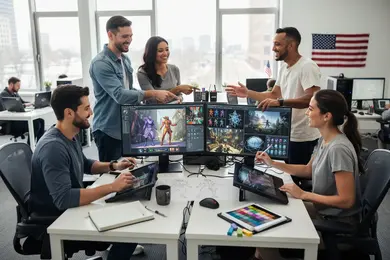
Facing stagnation in an early career or mid-career role can prompt a profound reevaluation of professional direction. Many individuals encounter limited growth or burnout in traditional industries and seek a fresh start. Online game art & design bachelor's degrees offer a practical solution, combining flexible schedules with comprehensive skill development. With employment in digital arts projected to grow by over 12% through 2030, these programs address both accessibility and future job market demands. This article explores how such degrees support career changers in navigating a transition toward a dynamic and creative new profession.
Key Benefits of Online Game Art & Design Bachelor's Degrees for Career Changers
- Online game art & design bachelor's degrees offer flexible scheduling, allowing working professionals to balance studies with employment and personal commitments effectively.
- Many accredited programs provide accessible curricula that meet industry standards, ensuring quality education recognized by employers.
- Curricula are increasingly aligned with emerging career pathways, equipping graduates with skills relevant to roles in virtual reality, 3D modeling, and interactive media design.
Is an Online Game Art & Design Bachelor's Degree Good for Career Changers?
Many adults considering a career change find an online game art & design bachelor's degree appealing because it offers a flexible yet comprehensive way to enter a creative and expanding industry. Data from the National Center for Education Statistics indicates that nearly 40% of undergraduate students are aged 25 or older, showing strong demand among adult learners for adaptable education paths. This degree supports career change into game art & design by providing structured learning that can fit around work and personal commitments. Online programs enable students to gain relevant skills without uprooting their lives, making them a practical choice for working professionals.
Online game art & design degree programs for working professionals typically feature well-organized academic pathways that combine foundational knowledge with specialized training geared toward industry needs. These programs often include support services like academic advising and career resources, helping students successfully navigate their transition into this field. The curriculum's alignment with current digital arts and gaming technologies ensures that career changers acquire up-to-date expertise. For those seeking accelerated options, exploring offerings such as a 1 year online masters can also be part of a strategic educational plan.
Can I Work Full-Time While Studying an Online Game Art & Design Degree?
Many students considering how to work full-time while studying game art & design online choose these programs for their inherent flexibility. Online degrees in this field are structured to fit the lives of early- and mid-career professionals balancing multiple responsibilities, including a full-time job. According to data from the National Center for Education Statistics, about 70% of undergraduate students in the U.S. are employed while enrolled, with online learners representing a significant portion. This flexibility allows students to maintain financial stability and pursue education without sacrificing income.
Online game art & design programs support balancing a full-time job and an online game art & design degree through asynchronous coursework that lets students attend classes on their own schedule. Features such as modular courses and extended access to resources enable students to progress at their own pace without fixed class times. Additionally, many programs offer virtual office hours and academic advising tailored for working adults, making it easier to manage educational demands alongside career commitments. Those interested can also explore online mental health degree programs designed with similar flexible structures.
What Skills Do I Need to Succeed in an Online Game Art & Design Program as a Career Changer?
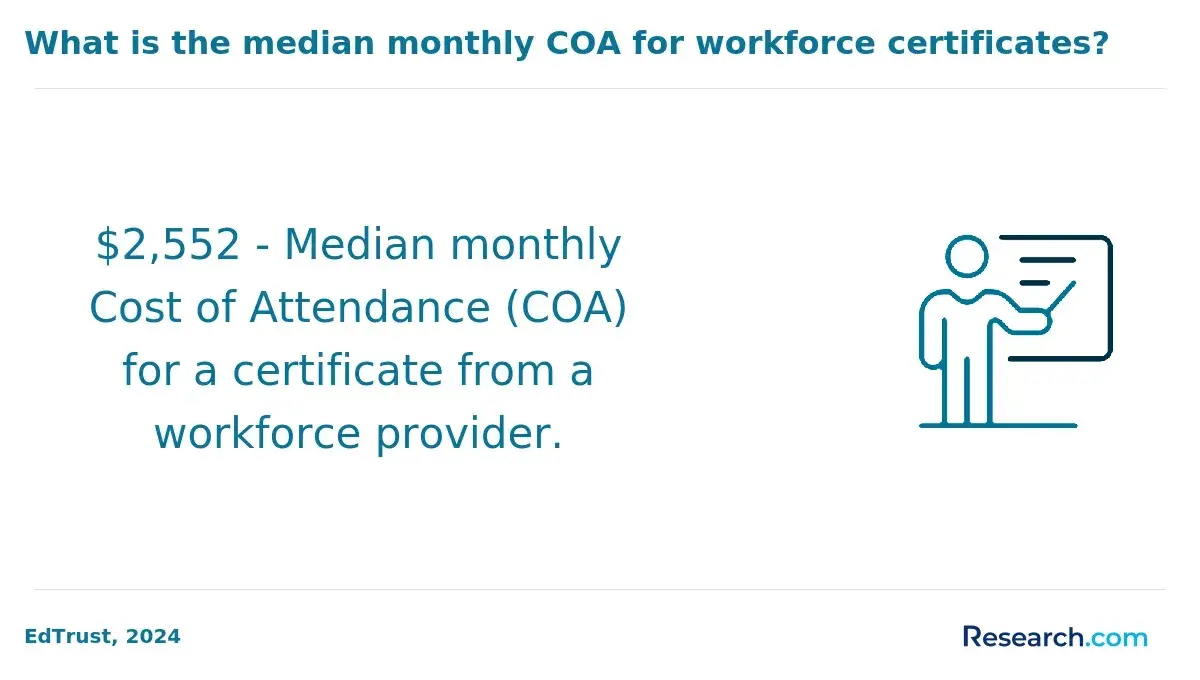
For career changers entering an online game art & design bachelor's program, identifying the essential skills necessary for success is crucial. Many adult learners juggle education with other responsibilities; in fact, nearly 40% of undergraduates over age 25 attend school part-time, underscoring the need for effective self-management. The following skills support both mastering the craft and thriving in an online environment.
- Technical Proficiency: Familiarity with key software like Adobe Creative Suite, Autodesk Maya, or Blender is vital. These tools enable creation of detailed models, textures, and animations that are foundational to game development.
- Artistic Fundamentals: A solid grasp of visual storytelling, color theory, composition, and anatomy enhances the quality and impact of digital assets, helping students convey compelling narratives through their work.
- Self-Discipline and Motivation: Managing coursework independently requires strong time management and the drive to meet deadlines without in-person supervision. This is especially important for career changers balancing studies with other life demands.
- Effective Communication: Being able to collaborate remotely with peers and instructors through clear, concise dialogue supports feedback exchange and teamwork essential in the design process.
- Problem-Solving Ability: Creative iteration driven by critical thinking allows students to refine projects within technical and artistic constraints, enhancing both learning and final results.
One professional currently pursuing an online game art & design bachelor's degree described the transition as "exciting but intimidating at first." He shared, "Adjusting to new software while staying motivated without a physical classroom setting has been challenging. There were moments I questioned if I could keep pace, especially when technical glitches interrupted my workflow." However, he emphasized that learning to troubleshoot independently and seek constructive feedback has steadily built his confidence. "It's a process of constant adaptation, and each project feels like a step forward despite the hurdles."
How Do I Transition Into a New Career With an Online Game Art & Design Bachelor's Degree?
Planning a career change with an online game art & design bachelor's degree requires clear objectives and efficient time management to balance full-time work and studies. Nearly 60% of adults have engaged in some form of reskilling to navigate evolving job markets, demonstrating the growing need for focused learning paths. Key factors to consider when transitioning include:
- Align Academic Learning: Connect your coursework to specific career goals to ensure your education equips you with the skills that employers seek in game art & design roles, fostering relevant and targeted development.
- Build Foundational Knowledge: Establish strong competencies in core areas like digital modeling, animation, and visual storytelling, which serve as the technical and creative building blocks for success in the industry.
- Leverage Institutional Support: Utilize available resources such as career services, mentorship programs, and networking events offered by your online program to expand your professional connections and guidance.
- Develop Practical Experience: Gain hands-on experience through internships, freelance projects, or portfolio work, bridging the gap between academic theory and real-world applications vital for career advancement.
- Understand Workforce Expectations: Embrace collaboration, adaptability, and continuous learning to navigate the dynamic nature of the game art & design industry and facilitate a smoother career transition.
For those balancing full-time work and online game art & design studies, exploring options like an online EDD program can provide insights into managing education alongside other commitments effectively.
How Long Does It Take to Change Careers With an Online Game Art & Design Bachelor's Degree?
Timeline expectations play a crucial role for career changers pursuing an online game art & design bachelor's degree, as they impact when one can realistically begin a new profession. While traditional full-time programs typically take around four years, part-time adult learners often require six or more years to finish, according to data from the National Center for Education Statistics. Factors such as the program's structure, availability of credit for prior learning, and individual course load choices heavily influence the total time needed to graduate. Flexibility in online learning formats allows students to adjust their pace, but balancing study with work and family responsibilities often extends the process. Careful planning around these variables helps ensure that educational goals align with personal circumstances and career transition timelines.
When asked about her experience shifting careers through an online game art & design bachelor's degree, a professional shared that managing time was the biggest challenge. She explained, "Juggling deadlines while working full-time required a lot of discipline and self-motivation." Despite moments of doubt, she found that the ability to tailor her study schedule was empowering, allowing her to maintain momentum without burning out. Reflecting on her journey, she noted that patience and setting realistic milestones were key, remarking, "Changing careers is not just about acquiring skills quickly, but about growing steadily in a way that fits your life." This perspective highlights how individual pacing ultimately shapes the transition experience.
Can I Get a Job With No Experience After an Online Game Art & Design Bachelor's Degree?
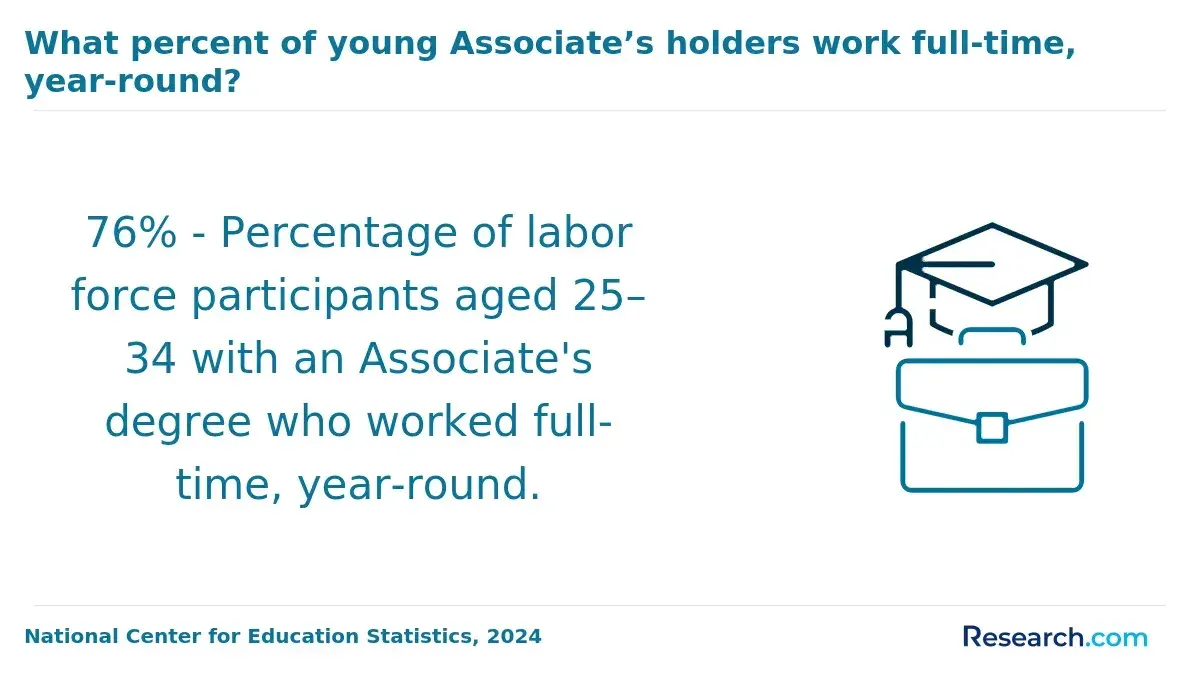
Many students wonder if they can secure a job without prior experience after completing an online game art & design bachelor's degree. This concern arises because entering a competitive industry without a portfolio or work history feels daunting for career changers. Studies show that about 65% of graduates in creative digital fields find employment within six months, often starting with internships or entry-level roles.
Key factors to consider include:
- Academic Credentials: A degree indicates dedication and foundational education, but employers usually look beyond this to assess hands-on skills and creativity demonstrated through project work or portfolios.
- Foundational Knowledge: Coursework in 3D modeling, animation, and storytelling provides essential technical and conceptual expertise that helps candidates meet industry expectations and communicate effectively with teams.
- Degree Alignment: Employers prefer graduates whose studies closely match the specific demands of game art & design roles, ensuring familiarity with current technologies and trends.
- Portfolio Importance: Practical examples of work, such as internships or freelance projects alongside academic credentials, often weigh heavily in hiring decisions and help offset limited professional experience.
- Workforce Expectations: Entry-level candidates must show adaptability and eagerness to learn, as the field evolves rapidly, requiring continual skill development beyond formal education.
What Certifications Help Career Changers in Game Art & Design Fields?
Certifications serve as a valuable complement for career changers pursuing an online game art & design bachelor's degree by reinforcing technical skills alongside academic learning. These credentials help validate practical expertise in software and tools commonly used in the gaming industry, thereby enhancing professional readiness. Recent studies show that nearly 60% of adult learners engage in upskilling efforts through certification programs, highlighting their increasing role in career development.
- Autodesk Certified Professional: Focused on 3D modeling and animation software such as Maya and 3ds Max, this certification confirms proficiency in essential applications for creating detailed game art assets. It supports academic knowledge by emphasizing industry-standard software skills.
- Adobe Certified Expert (ACE): This certification targets advanced abilities in Photoshop and Illustrator, key tools for concept art and texture creation within game design. It complements coursework by validating a candidate's design and digital art capabilities.
- Unity Certified Developer: Highlighting expertise in the Unity game engine, this credential bridges art creation with game programming, helping students apply design skills to interactive environments. It enhances an online degree by proving competency in a leading platform used in game development.
- Certified Graphics Designer (CGD): Offered by professional design organizations, this certification affirms foundational visual communication principles, supporting core academic studies in art and design relevant to game art fundamentals.
For career changers, obtaining these certifications alongside an online degree provides measurable evidence of practical skill mastery. This combination not only builds confidence but also increases credibility in a competitive game art & design job market.
What Jobs Can I Get After an Online Game Art & Design Bachelor's Degree?
Career changers often ask what jobs they can get after earning an online game art & design bachelor's degree because this credential provides structured academic training essential for entering a new creative field. It equips students with technical expertise and industry knowledge that facilitate career transitions into gaming and digital design roles. According to the National Center for Education Statistics, about 55% of adult bachelor's degree completers report career benefits after graduation, underscoring the value of formal education in supporting job changes.
- Junior 3D Artist: Graduates can begin as junior 3D artists, creating models and textures under senior artists' guidance. The role applies skills from courses in digital sculpting and texturing, offering hands-on experience foundational for building a professional portfolio.
- Concept Artist: Concept artists develop sketches and digital paintings to visualize characters, settings, and game elements. The degree's focus on design principles and digital art techniques prepares students for these creative responsibilities.
- Character Designer: This role involves designing expressive and appealing characters for games, requiring knowledge of anatomy, design, and storytelling. Coursework in character modeling and animation supports skill development for this position.
- Environment Artist: Graduates can create immersive game environments by applying digital modeling and texturing skills. Training in environmental design and visual storytelling aids in producing engaging interactive spaces.
- UI/UX Designer: For those interested in user experience, this role focuses on designing intuitive interfaces and improving gameplay interaction. The program's training in interactive design principles helps prepare students for these technical and creative tasks.
These careers align well with the targeted career opportunities with an online game art and design degree and represent common game art and design entry-level jobs after graduation. For those exploring flexible education options, programs like the cheapest online MBA no GMAT AACSB offer a model of accessible online learning that career changers might consider when balancing education with other responsibilities.
What Is the Job Outlook for Game Art & Design Careers for Career Changers?
For career changers considering an online game art & design bachelor's degree, understanding the job outlook is essential as it guides long-term career planning and educational investment. Labor market conditions significantly influence the availability and sustainability of opportunities in this field. The U.S. Bureau of Labor Statistics projects a 16% growth in employment for multimedia artists and animators, a category closely related to game art & design, from 2021 to 2031-much faster than the average for all occupations. This positive trend suggests that entry-level game art and design jobs without prior experience may become more accessible, supporting meaningful workforce integration post-graduation.
Several factors shape the job outlook for game art & design careers, including evolving industry demand driven by virtual reality, augmented reality, mobile platforms, and multiplayer online experiences. Economic fluctuations can impact discretionary spending on entertainment, yet the gaming industry's expansion across diverse markets offers resilience. Rapid technological changes demand ongoing skill updates, emphasizing the value of comprehensive academic preparation through flexible online game art & design programs. Such programs help career changers adapt to the continuously evolving creative and technical requirements. For those seeking efficient educational pathways, exploring the shortest master degree programs can also complement career transitions in this dynamic field.
What Are the Salary Expectations After Switching to a Game Art & Design Career?
Professionals transitioning into a game art & design career after earning an online bachelor's degree can generally expect entry-level salaries between $50,000 and $65,000 per year. This range aligns with typical earnings for those holding bachelor's degrees in related creative and technical fields. Recent data shows the median annual wage for multimedia artists and animators-a closely related occupation-was near $78,000, suggesting strong earning potential as experience grows. While initial salaries may sometimes be lower than previous industries, many career changers find the compensation competitive within creative and tech sectors.
Several elements affect salary prospects in game art & design. Industry demand varies, with expanding markets like mobile gaming and virtual reality often offering higher wages. Location also influences pay, as large metropolitan areas with a concentration of entertainment and tech firms typically provide better compensation than more rural regions. Additionally, education level and relevant experience at entry-including internships or portfolios-can boost starting salaries, while specialization within the field may impact income based on the skills' market value and complexity.
What Graduates Say About Online Game Art & Design Bachelor's Degrees for Career Changers
- Fisher: "Choosing an online game art & design bachelor's degree allowed me to transition smoothly from a completely unrelated field while balancing my family commitments. The affordability of the program was a pleasant surprise, making it possible without taking on overwhelming debt. Since graduating, I've been able to secure work in a creative studio that truly appreciates my fresh perspective."
- Cairo: "Reflecting on my journey, the flexibility of an online game art & design bachelor's degree was the key factor in my career shift. The cost was reasonable compared to traditional programs, making it a smart investment for someone starting over. Professionally, the degree gave me the confidence and portfolio to stand out in the competitive gaming industry."
- Austin: "My decision to pursue an online game art & design bachelor's degree stemmed from a desire to unleash my creative potential while maintaining my day job. The program's pricing was transparent and fair, which helped me plan financially without stress. Earning the degree has significantly boosted my credibility and opened doors to exciting freelance opportunities in game design."
Other Things You Should Know About Game Art & Design Degrees
Most online bachelor's programs in game art & design require a high school diploma or equivalent for admission. Some programs may also ask for a portfolio demonstrating basic artistic skills or digital work. Prior experience in traditional art or familiarity with design software can strengthen an application but is not always mandatory.
Yes, reputable online programs incorporate practical projects such as character modeling, environment design, and animation assignments. Students often work on individual and group projects using industry-standard software, which helps build a portfolio. Some programs offer virtual labs or collaborative tools to simulate studio workflows remotely.
Most online programs provide technical support platforms to assist students with software installation, updates, and troubleshooting. This support may include direct help from IT staff, tutorials, and access to learning resources tailored to specific art and design applications. Reliable technical assistance is important for smooth progress, particularly for those changing careers without prior familiarity with these tools.
Online game art & design bachelor's degree programs in 2027 typically offer hands-on project experience through virtual labs, collaborative group projects, and digital simulations. These experiences are designed to closely replicate real-world scenarios, providing students with practical skills and a portfolio that showcases their work in game development and design.
References
- Game Design Degrees | Online Certificates, Associates & Bachelors https://www.itcareerfinder.com/find-training/by-career-path/video-game-design-college-courses-and-degrees.html
- Game Design Jobs: Salary Expectations & Career Path Glossary https://www.nyfa.edu/student-resources/game-design-jobs-average-salary-career-path-glossary/
- 7 Amazing Career Opportunities For Your Game Art Dream https://www.seamedu.com/blog/7-amazing-career-opportunities-for-your-game-art-dream
- How to Switch Careers and Become a Game Art Designer? https://www.vanarts.com/news-article/how-to-switch-careers-and-become-a-game-art-designer/
- 5 Skills You Need to Build a Career in Game Design - Arch College of Design & Business Blog https://www.archedu.org/blog/5-skills-you-need-to-build-a-career-in-game-design/
- Why BA in Game Design, Perfect for Aspiring Game Developers | BSBI https://www.berlinsbi.com/blog/why-a-ba-in-game-design-is-the-perfect-course-for-aspiring-game-developers
- How to Land Entry Level Game Design Jobs Without a Degree https://gamedesignskills.com/game-design/entry-level-game-design-jobs-without-degree/
- 5 creative careers you can pursue with our BA (Hons) Games Art and Technology degree https://www.metstudios.ac.uk/articles/blogs/5-creative-careers-you-can-pursue-with-our-ba-hons-games-art-technology-degree/
- Video Game Designer | Salary & Education https://theartcareerproject.com/careers/video-game-design/
- Game UI Design FAQ: How to switch careers and become a Game UI Artist https://thewingless.com/index.php/2023/12/02/game-ui-design-faq-how-to-switch-careers-and-become-a-game-ui-artist/