2027 How Hard Is an Online Game Art & Design Bachelor's Degree?

Co-Founder and Chief Data Scientist
Many prospective students wonder if earning an online game art & design bachelor's degree is as demanding as traditional in-person programs. For career switchers juggling full-time jobs, the challenge often lies in mastering sophisticated software and developing strong artistic skills within tight schedules. Studies reveal that about 65% of online learners in creative tech fields cite time management as their biggest hurdle.
This article explores the factors shaping the difficulty of an online game art & design degree and offers insights to help prospective students gauge the commitment needed.
Key Things to Know About the Difficulty of an Online Game Art & Design Bachelor's Degree
- Online game art & design degrees demand consistent time management, often requiring 15-20 hours weekly for coursework, projects, and software practice, which may exceed typical expectations for online study.
- Self-discipline is crucial, as students must independently meet deadlines, master complex design tools, and actively participate in critiques without in-person accountability.
- Program rigor varies widely, with some institutions emphasizing technical skill development and others focusing on creative theory, affecting overall difficulty and workload intensity.
How Hard Is an Online Game Art & Design Bachelor's Degree?
The academic difficulty of an online game art & design bachelor's degree is often defined by the combination of technical mastery and creative development expected from students.
Programs typically require proficiency in complex software, visual storytelling, and portfolio creation that demonstrates both 2D and 3D skills. Learning structures usually blend asynchronous and synchronous formats, demanding effective time management and self-motivation.
According to the National Center for Education Statistics, about 37% of undergraduates in the U.S. took at least one distance education course, underscoring the importance of self-directed learning in such programs.
Perceived difficulty varies widely across online game art & design programs due to differences in curriculum design, institutional emphasis, and student backgrounds. Some programs focus heavily on collaborative projects and hands-on experiences, while others emphasize theoretical knowledge and emerging technologies.
Student experience, including prior art or technology exposure and access to necessary resources, also shapes perceptions of challenge.
Prospective students considering workload and academic demands might benefit from exploring specialized options such as online PhD programs as part of understanding academic pathways more broadly.
What Is the Workload and Time Commitment for an Online Game Art & Design Bachelor's Degree?
Knowing what to expect in terms of workload and time commitment is essential for students considering an online game art & design degree. Studies show that undergraduate students in online settings spend an average of 14-16 hours per week on their coursework.
The following points highlight important aspects prospective students should understand about these programs:
- Academic Pacing: Most online game art & design bachelor's programs follow a traditional semester schedule lasting around 15 weeks, though some offer accelerated or self-paced options. The pace influences how much weekly time must be devoted to lectures, projects, and readings.
- Course Scheduling: Programs vary in structure; some rely on asynchronous learning that lets students set their own study hours, while others require synchronous sessions where attendance at specific times is mandatory. This affects how students balance studies with personal and work commitments.
- Weekly Time Commitment: Students often spend 12 to 15 hours per week per course, with full-time enrollment typically involving three to five courses, leading to substantial weekly investment. This aligns with known time commitments for online game art & design bachelor's programs.
- Workload Components: Beyond lectures and readings, students engage in digital art creation, software learning, and critique participation, often requiring iterative work that demands significant time and focus.
- Time Management: Success hinges on allocating time effectively not only for academic content but also for creative projects. Managing these demands reduces last-minute stress and ensures steady progress throughout the degree.
Students interested in exploring varied scheduling options and program formats can also consider accelerated online degrees, which may offer alternative timelines for completion.
How Difficult Are the Courses in a Game Art & Design Bachelor's Degree?
Course difficulty is a vital factor for students considering an online game art & design bachelor's degree because it influences study habits, time allocation, and academic success. Data from the National Center for Education Statistics reveal that roughly 60% of U.S. undergraduate students complete their degrees within six years.
The following points outline the core challenges and structure typical of these programs:
- Curriculum Rigor: Programs typically start with foundational topics before advancing into complex areas, requiring growing levels of skill and understanding as students progress.
- Subject Complexity: Coursework blends artistic creativity with technical demands, including areas like 3D modeling, animation, and game engine utilization.
- Assessment Methods: Students are evaluated through diverse means such as project-based work, portfolios, practical exams, and theoretical tests, ensuring a comprehensive measure of applied and conceptual learning.
- Institutional Variability: Some schools emphasize hands-on software training, while others incorporate significant theory and design history, leading to different experiences of difficulty across programs.
- Progression Structure: The degree sequence is designed to build knowledge steadily, with early courses focusing on basic principles and digital tools before moving into specialized and challenging topics.
When asked about the course difficulty, a graduate of an online game art & design bachelor's degree shared that initial classes were manageable but quickly intensified as assignments demanded more creativity and technical precision.
He recounted late nights spent troubleshooting 3D renders and perfecting animations, describing the process as both exhausting and rewarding.
The balance between artistic innovation and mastering complex software tools made the program "tough but genuinely engaging," requiring persistence and adaptability to keep pace with the curriculum's demands.
Is Online Learning Harder Than In-Person for Game Art & Design Programs?
Online versus in-person learning for game art & design bachelor's programs presents distinct challenges influenced by delivery methods and academic structures.
Studies reveal that students in online courses often score 5-10% lower on assessments compared to those in traditional settings, highlighting potential engagement and comprehension hurdles. This variation partly stems from how virtual platforms mediate interactions with instructors and peers, affecting motivation and academic outcomes.
Differences in course design and evaluation impact the comparative difficulty between online and in-person formats. On-campus programs frequently rely on live critiques and studio activities that offer immediate feedback, whereas online courses tend to emphasize asynchronous projects and peer evaluations, demanding more self-direction.
For prospective students considering remote study, reviewing options akin to MSW programs can provide valuable insights into program flexibility and rigor.
How Flexible Is an Online Game Art & Design Bachelor's Degree for Working Students?
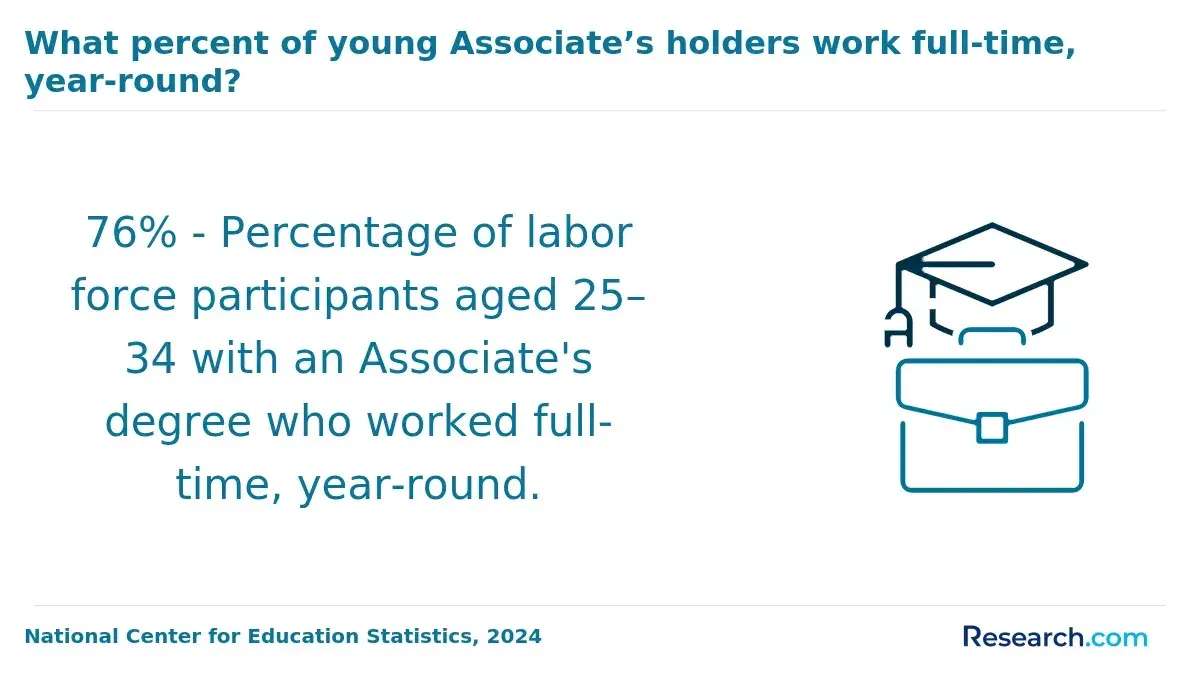
Balancing education with professional and personal responsibilities makes flexibility a key factor for working adults pursuing an online game art & design bachelor's degree. Recent data from the National Center for Education Statistics reveals that nearly 45% of undergraduates enrolled in distance learning classes worked full-time.
Flexibility in these programs takes many forms:
- Learning Formats: Many programs use asynchronous classes, allowing students to access lectures and assignments at any time, which suits varied work hours and lifestyle demands.
- Scheduling Structures: Some schools offer cohort-based enrollment with fixed start dates, while others provide year-round admission, letting students begin when it fits their timetable.
- Pacing Options: Students can often choose between accelerated tracks to finish sooner or self-paced formats that accommodate slower progress due to work or family needs.
- Institutional Variations: Program designs differ widely, from required synchronous sessions to fully remote, flexible platforms equipped with mobile access and downloadable materials.
- Accessibility Features: Support services like remote faculty availability and user-friendly interfaces enhance the accessibility of content for students juggling multiple commitments.
One student enrolled in an online game art & design bachelor's degree shared how the flexibility impacted her journey: she described juggling late-night work shifts with daytime coursework, emphasizing how asynchronous classes allowed her to complete projects at her own pace without falling behind.
"There were moments when deadlines felt overwhelming, but being able to manage when and how I did my work made all the difference," she reflected. This helped her maintain both professional responsibilities and academic progress.
What Skills Do You Need to Succeed in an Online Game Art & Design Program?
Recognizing the critical skills necessary for success in an online game art & design bachelor's degree helps students prepare for the unique challenges of virtual study. Research indicates that only 40% to 50% of online students complete their degrees, emphasizing the need for strong personal skills.
Below are key abilities that contribute to thriving in an online game art & design environment:
- Time Management: Balancing multiple projects, tutorials, and theoretical lessons demands organized scheduling and the ability to prioritize effectively. Without this skill, students may find it difficult to keep pace with assignments while managing other responsibilities.
- Self-Directed Learning: Online formats require students to independently explore resources and solve technical issues with minimal direct supervision. This autonomy calls for initiative and resilience in overcoming obstacles.
- Digital Literacy: Proficiency in specialized software for modeling, animation, and graphic design is essential. Understanding digital workflows and virtual collaboration tools also plays a crucial role in completing and submitting coursework smoothly.
- Communication Skills: Active participation in discussion boards, group assignments, and critiques is vital despite the remote setting. Clear articulation of ideas fosters constructive feedback and community building with peers and instructors.
- Academic Discipline: Maintaining focus on extensive reading, research, and iterative creative tasks requires consistent effort and integrity. This discipline supports sustained progress and mastery of course content.
Is a Game Art & Design Bachelor's Degree Harder Than Other Majors?
Students frequently compare the difficulty of a game art & design bachelor's degree with other majors due to varying perceptions of academic rigor across disciplines. These comparisons help clarify differences in workload and intellectual demands, guiding students in their academic decisions.
For example, the National Center for Education Statistics reports that arts and humanities fields have about a 62% six-year completion rate, compared to 70% for STEM majors, reflecting differences in student persistence and potential academic challenges.
Difficulty often varies based on curriculum structure, assessment methods, and the balance between theory and practice within a program. Game art & design integrates creative projects with technical skills like software proficiency and animation, emphasizing portfolios and project-based work over traditional exams.
This contrasts with other majors that may focus more on lecture-based learning or theoretical analysis. Institutional standards and accreditation influence rigor across fields, making academic challenge multidimensional rather than easily ranked by discipline alone.
What Challenges Do Students Face in Online Game Art & Design Bachelor's Degrees?
Prospective students considering an online game art and design degree should be aware of several challenges that can affect their academic journey. Recognizing these common difficulties in online game art and design programs helps set realistic expectations and fosters better preparation.
The following points outline key obstacles often encountered by learners:
- Autonomous Learning: Online game art and design programs require a high degree of self-direction. Students must independently manage coursework, assignments, and motivation without constant instructor supervision, which demands strong self-discipline.
- Time Management: Balancing coursework with personal and professional commitments can be complex. Asynchronous classes mean students need to allocate sufficient time for projects and critiques without fixed schedules, increasing the challenge of maintaining steady progress.
- Digital Platform Navigation: These programs depend heavily on advanced graphic and 3D modeling software along with collaborative online tools. Learners often face steep learning curves and technical issues that can disrupt productivity and slow workflow.
- Academic Workload: The combination of theory and hands-on projects in online game art and design degrees tends to be intensive. Managing deadlines and creative assignments remotely requires strong organization, with limited opportunity for immediate feedback due to less face-to-face interaction.
- Institutional Support: Access to tutoring, technical help, career services, and faculty interaction varies widely between programs. Evaluating support options is essential, as they significantly impact overall student experience and success.
Students interested in related fields can also explore social media marketing schools as another avenue for online study options.
What Support and Resources Are Available for Online Game Art & Design Bachelor's Students?
Support systems are essential for students enrolled in an online game art and design degree due to the unique challenges of digital learning. According to a 2022 survey, 72% of online students using institutional support services reported higher course completion rates.
Below are key support resources that can assist students:
- Academic Advising: Personalized guidance is available for course selection, degree planning, and career development. Advisors connect via video calls, emails, or chats to accommodate distance learners.
- Digital Learning Tools: Virtual studios enable students to create and receive critique on their artwork, while learning management systems provide easy access to lectures and resources. Software tutorials focus on technologies specific to game art.
- Institutional Student Services: Online learners have access to writing centers, technical support, and counseling, ensuring comprehensive academic and personal assistance.
- Peer Collaboration: Virtual discussion boards, group projects, and online portfolios foster interaction and skill-building, creating a sense of community despite geographic separation.
- General Learning Support: Workshops on time management and study skills help students develop habits essential for success in demanding game art and design curricula.
Students considering these programs may also explore options related to a computer science accelerated program for complementary skills applicable in the gaming industry.
Is an Online Game Art & Design Bachelor's Degree Worth the Effort?
Students often question the value of pursuing an online game art & design bachelor's degree due to the significant academic investment and time commitment it demands. Balancing coursework with other responsibilities can be challenging, prompting concerns about whether the effort will lead to meaningful career outcomes.
Research shows that about 65% of graduates from creative arts programs secure employment related to their field within two years, highlighting the potential payoff. However, perceptions of the degree's worth vary widely depending on individual goals and industry expectations.
The academic rigor of online game art & design programs depends largely on curriculum quality, accreditation, and how well the training aligns with workforce demands.
Accredited programs tend to maintain set standards that ensure students gain relevant skills in digital art, animation, and interactive design. Institutional support and faculty expertise also influence educational value by shaping practical experiences and portfolio development.
Consequently, the worth of the degree often reflects both the structural integrity of the program and its connection to professional industry standards rather than being solely defined by personal effort.
What Graduates Say About How Hard Is an Online Game Art & Design Bachelor's Degree
- Henry: "Choosing an online game art & design bachelor's program was primarily about flexibility; I needed a curriculum that fit around my full-time job. The hardest part was staying disciplined without the physical structure of a campus, but the interactive projects and peer reviews kept me engaged. Today, my online degree has opened doors to roles in top studios where my ability to manage remote workflows is a prized skill."
- John: "When I enrolled in the online game art & design bachelor's program, I underestimated how challenging it would be to keep up with the technical demands remotely. Managing time zones for group critiques and accessing high-performance software pushed me to develop remarkable self-motivation and resourcefulness. This journey not only refined my artistic skills but also boosted my confidence, leading to successful freelance opportunities that might not have been possible otherwise."
- Manuel: "The decision to pursue a game art & design bachelor's degree online was rooted in wanting to balance family and education. The toughest aspect was replicating the collaborative energy of a studio environment virtually, which required mastering new communication tools and proactive engagement. Ultimately, the experience proved invaluable; it prepared me for leadership roles where virtual teamwork is the norm, enhancing my career growth significantly."
Other Things You Should Know About Game Art & Design Degrees
Proficiency with industry-standard software like Adobe Creative Suite, Blender, or Maya is critical in online game art & design programs. Mastery of these tools directly impacts the quality of your projects and your ability to meet course requirements. Students often spend significant time practicing software skills to complete assignments that involve 3D modeling, animation, or digital painting.
In 2027, creativity is crucial for original game concepts and designs, while technical skills ensure the execution of these ideas. Balancing both is key; creativity drives innovation, while technical skills make projects feasible, and both are vital for success in an online game art & design bachelor's program.
Collaboration can be challenging since teamwork is essential for game development, but online settings require strong communication skills and reliable technology. Group projects simulate real-world production pipelines, demanding coordination across different time zones and digital platforms. Effective collaboration improves the overall learning experience but can add complexity to time management.
Both creativity and technical skill are equally important. Creativity is necessary for original character design, environments, and storytelling, while technical skills ensure these ideas can be realized using software and coding. Successful students balance conceptual thinking with precise execution to produce professional-quality game assets and designs.
References
- Is Game Design a Hard Major? Unveiling the Truth - CollegeRanker https://www.collegeranker.com/is-game-design-a-hard-major/
- Online Game Art and Development Degree https://www.snhu.edu/online-degrees/bachelors/ba-in-game-art-and-development
- What Is a Video Game Designer? | Skills and Career Paths https://www.computerscience.org/careers/video-game-designer/
- mages.edu.sg: Verifying that you are not a robot... https://mages.edu.sg/blog/game-art-essentials-your-guide-to-becoming-a-game-artist/
- Bachelor of Arts in Game Design | Requirements, Duration & Careers https://edumize.com/programmes/bachelor-of-arts-in-game-design
- ArtStation - Challenges & rewards of being a UI Designer in video game industry https://www.artstation.com/blogs/nizaringame/RLzW4/challenges-rewards-of-being-a-ui-designer-in-video-game-industry
- Doing a degree in game art... https://discussions.unity.com/t/doing-a-degree-in-game-art/740480
- 5 Skills You Need to Build a Career in Game Design - Arch College of Design & Business Blog https://www.archedu.org/blog/5-skills-you-need-to-build-a-career-in-game-design/
- Game and Interactive Media Design major. Should know drawing by hands ? https://talk.collegeconfidential.com/t/game-and-interactive-media-design-major-should-know-drawing-by-hands/1168959
- Understanding the barriers facing games students – and how to remove them https://www.gamesindustry.biz/understanding-the-barriers-facing-games-students-and-how-to-remove-them