2027 What Classes Are in an Online Game Art & Design Bachelor's Degree?

Co-Founder and Chief Data Scientist
Imagine balancing work and family while pursuing a bachelor's degree in game art & design online-knowing which classes will build skills efficiently is vital. According to recent data, 68% of online game art & design students cite flexibility and focused coursework as key reasons for enrollment. These programs typically blend foundational general education with specialized classes like 3D modeling, animation, and interactive design-often including project-based and research-oriented courses.
This article examines the common classes in online game art & design bachelor's degrees, helping readers discern how curricula align with career goals and academic transfer credits to make informed program choices.
Key Things to Know About the Classes in an Online Game Art & Design Bachelor's Degree
- Core curriculum courses include foundational studies in art history, digital media, and programming-equipping students with broad interdisciplinary skills applicable in various creative industries.
- Major-specific courses focus on 3D modeling, animation, and visual storytelling to build technical expertise and artistic proficiency tailored to game development.
- Capstone courses require students to complete a comprehensive project that integrates learned skills, often simulating real-world game design and collaborative production workflows.
What Core Curriculum Courses Are Required in an Online Game Art & Design Bachelor's Degree?
Core curriculum courses serve as the foundational requirements for nearly all accredited online game art & design bachelor's degree programs, based on reviews of curricula from multiple regionally accredited universities. These required core courses for online game art & design bachelor's degree programs provide the essential technical skills and creative knowledge students must master to succeed academically and professionally.
- Introduction to Game Art & Design: This foundational course covers key concepts such as visual storytelling, character design, and environment creation, teaching students industry-standard tools and principles that establish a creative and technical foundation.
- Digital Illustration and Concept Art: Focused on essential drawing and digital painting skills, this course enables students to produce effective concept art, a critical step in designing compelling characters and game assets.
- 3D Modeling and Animation: Students learn how to build, texture, and animate 3D models using leading software like Maya or Blender, preparing them to create the realistic visuals increasingly demanded in the game industry.
- Game Design Principles: This course explores gameplay mechanics, narrative development, and interactive design to give students a thorough understanding of what engages players and how to craft enjoyable game experiences.
- Programming Fundamentals for Games: Covering basic coding relevant to game development, it supports students in scripting and logic skills necessary for collaborative projects and creating interactivity.
- Art History and Visual Culture: Offering important context, this course examines artistic movements influencing modern game design, enhancing students' creative perspectives and aesthetic sensibilities.
- Research Methods and Professional Practice: Essential for navigating industry collaboration, this course focuses on project management, teamwork, and research techniques specific to game art production.
These foundational curriculum requirements in game art & design programs may vary slightly by institution in course sequencing or additional specializations. Transfer students and career-changers should carefully evaluate how their existing credits map onto these essential courses to ensure alignment with educational and professional goals. Working adults will appreciate that many programs offer flexible scheduling to accommodate busy lifestyles.
For those researching program affordability, comparing coursework alongside tuition helps identify suitable options. For further guidance on funding graduate education after this degree, visit resources on the cheapest PhD programs.
What General Education Requirements Are Part of an Online Game Art & Design Bachelor's Degree?
In an online game art & design bachelor's degree, general education requirements play a critical role by ensuring students receive a broad-based education mandated by regional accreditors like SACSCOC and HLC. These requirements typically account for 30 to 40 percent of the total credit hours, with the remainder devoted to specialized major coursework. This structure supports a balanced curriculum that fosters both technical skills and a strong academic foundation.
The core general education curriculum for online game art and design bachelor's degree programs is distributed across key disciplinary areas such as humanities, social sciences, natural sciences, mathematics, and communications. Humanities courses may include art history and literature, which enrich cultural literacy and stimulate creative thinking.
Social sciences like psychology and sociology offer insights into human behavior-useful knowledge for character design and user experience development. Sciences and math hone analytical skills, while communication courses enhance written and verbal abilities essential for collaboration in game development teams.
Though some students may feel these courses are tangential, the core general education requirements in game art and design programs online cultivate crucial transferable skills.
Critical thinking, problem-solving, and clear communication are highly valued in creative and technical roles. Additionally, this broad education increases career flexibility, enabling graduates to adapt to shifting industry demands and explore a wider range of opportunities.
- Accreditation Standards: Regional bodies require gen ed coursework to uphold academic rigor and ensure a comprehensive educational experience beyond technical training.
- Credit Allocation: Typically, 30-40% of degree credits focus on general education, with the rest on specialized and elective courses.
- Disciplinary Range: Humanities, social sciences, natural sciences, mathematics, and communication courses build cultural understanding and logical reasoning.
- Skill Development: Gen ed classes enhance critical thinking, problem-solving, and effective communication for creative and technical success.
- Career Flexibility: A well-rounded education equips students to adapt and succeed across diverse industry roles and paths.
Students considering the cheapest bachelor's degree online options in game art & design should evaluate how the general education curriculum integrates with their career goals and existing credits to maximize transferability and relevance.

What Are the Major-Specific Courses That Define an Online Game Art & Design Bachelor's Degree?
Game art and design programs require a balance of creativity, technical skill, and practical application—yet many students are unsure how these elements come together in a structured curriculum. This section outlines the core courses that guide learners from foundational digital art concepts to advanced 3D modeling, interactive media, and portfolio development.
By progressing through these areas, students build the artistic, technical, and professional competencies needed to succeed in today’s game development industry.
Introduction To Digital Art: This course lays the foundation for digital creativity by covering essential concepts such as image manipulation, color theory, and foundational tools like Adobe Photoshop and Illustrator. It equips students with a visual vocabulary critical for all future design work.
3D Modeling And Animation: Concentrating on professional-grade software like Autodesk Maya or Blender, students develop skills in creating and animating 3D models. Instruction includes modeling techniques, rigging, and animation fundamentals aligned with current game studio standards.
Game Design Principles: This class explores the mechanics behind engaging gameplay, focusing on user experience, storyboarding, and level development. It highlights the interaction between visual design and player engagement critical for gameplay flow.
Character And Environment Design: Building on basic competencies, the course tasks students with crafting detailed, stylized characters and immersive worlds, integrating anatomy, texture application, and narrative-driven environmental art consistent with industry aesthetics.
Advanced Digital Sculpting: Utilizing tools such as ZBrush, students gain expertise in creating high-fidelity, detailed 3D models vital for lifelike character creation in games and animation.
Interactive Media And Scripting: Bridging artistic concepts with functionality, this course introduces scripting and game engine use (Unity or Unreal), enabling students to integrate art assets into playable environments.
Game Art Portfolio Development: Serving as the capstone experience, this course guides students to assemble a professional portfolio featuring diverse 2D and 3D works, animations, and interactive projects, refined through mentorship aligned with industry hiring criteria.
The curriculum parallels guidelines from professional bodies such as the International Game Developers Association, preparing students not only to master technical artistry but also to collaborate effectively within development teams. Flexible online delivery and credit transfer options accommodate working adults and transfer learners, aligning with workforce demands.
A professional who earned his bachelor's degree online in game art & design recalled the challenge of balancing coursework with a full-time job. He described the initial struggle to adapt to software tools remotely but emphasized that incremental project work and constructive feedback helped build confidence.
"The portfolio course really pushed me to synthesize everything I learned and think like an industry professional," he shared. This progression, he noted, made the capstone feeling less like an endpoint and more like a door opening to real-world opportunities.
What Elective Courses Can Online Game Art & Design Bachelor's Students Choose to Personalize Their Degree?
Electives within an online game art and design bachelor's degree typically comprise between 15 and 30 credit hours, offering flexibility to customize studies to fit personal interests and career objectives. This adaptability is crucial for students personalizing an online game art and design degree with electives to gain depth in specialized areas or to expand their skill sets beyond the core curriculum.
- Subspecialty Exploration: Learners can focus on precise fields like character modeling, environment design, or animation, with courses such as 3D Character Sculpting, Advanced Texture Mapping, and Environmental Storytelling.
- Graduate School Preparation: Electives that prepare students for further academic pursuits include classes like Visual Research Methods or Game Theory and Critical Analysis, addressing prerequisite knowledge or research skills for advanced degrees.
- Complementary Skills: Given employers' preference for versatile professionals, students might select electives in areas like programming fundamentals, UX design, or digital marketing. Examples include Introduction to Python for Artists, UX Design Principles, and Media and Communication Strategies.
- General Education and Soft Skills: Electives emphasizing communication, teamwork, and project management strengthen essential workplace capabilities in production environments.
Those considering an online game art and design degree should engage academic advisors early. Advisors assist in aligning elective courses with career aims, ensuring smooth credit transfers and maximizing long-term benefits.
For working adults or transfer students, this strategic planning supports both immediate learning goals and future professional development. Prospective students weighing costs can also consult resources like the criminal justice degree online cost guides, which may offer insights into budgeting for similar online programs.
Are There Laboratory, Clinical, or Hands-On Components in an Online Game Art & Design Bachelor's Degree?
Accredited online game art & design bachelor's programs often integrate practical learning elements, despite lacking traditional clinical rotations found in health fields. Accrediting bodies like the National Association of Schools of Art and Design emphasize experiential learning, although expectations can vary between fully online and hybrid formats.
Programs address hands-on requirements using innovative digital solutions that replicate studio experiences remotely. These approaches allow students to gain essential skills without frequent campus visits.
- Virtual Studios: Platforms enable collaborative 3D modeling, animation, and texturing projects within a shared online environment, facilitating peer interaction and instructor feedback in real time.
- Simulation-Based Learning: Some institutions offer interactive modules, including virtual reality experiences, that simulate a physical lab setting to explore game design concepts actively.
- Local Partnerships: Hybrid programs sometimes arrange for students to complete hands-on tasks at nearby studios or labs, balancing convenience and accreditation requirements.
Prospective students should verify how any mandatory hands-on components are scheduled and whether the program requires any in-person attendance, as policies differ across schools and delivery modes.
A professional who completed an online game art & design bachelor's degree reflected that while adapting to remote hands-on work was initially daunting, the structured virtual studios and simulation tools provided a strong foundation. She noted that managing time zones and coordinating with peers remotely posed challenges but ultimately enhanced her collaboration skills.
According to her, the experience "felt surprisingly immersive considering it was online," and it prepared her well for industry demands where remote teamwork and digital tools are standard. She stressed the importance of self-discipline and proactive communication throughout the program to succeed in these hands-on components.
What Capstone or Culminating Courses Are Required in an Online Game Art & Design Bachelor's Degree?
Most online game art & design bachelor's programs culminate in a capstone course that consolidates learning across prior classes, engaging students in a substantial project that showcases their readiness for professional work. These integrative experiences often extend over 3 to 6 credit hours and typically occur during the final year, reinforcing practical skills and conceptual knowledge.
Common formats include:
- Project-Based Work: Students develop a complete game art portfolio or a detailed game design project blending elements such as 3D modeling, animation, visual storytelling, and interactive mechanics.
- Mentorship: Guidance from faculty advisors or industry experts helps refine ideas, troubleshoot technical challenges, and elevate the overall quality of the project.
- Peer Collaboration: Structured review sessions encourage feedback from classmates, fostering teamwork and simulating real-world creative development cycles.
- Research or Thesis Options: Some programs offer in-depth academic research paths culminating in formal papers and presentations on specialized game art topics.
Planning ahead is vital-selecting a project theme or portfolio focus early in the program and compiling necessary resources beforehand can streamline the capstone experience. Many institutions require submission of a professional portfolio alongside the project to represent a student's comprehensive skillset effectively.
Industry data indicates that 68% of game development studios prioritize hiring graduates who have completed substantial portfolio or capstone projects, emphasizing the importance of this requirement for career prospects.
How Are Internships or Practicum Experiences Integrated Into an Online Game Art & Design Bachelor's Degree?
Internships, practicum, co-op, and fieldwork are essential experiential components embedded within many online Game Art & Design bachelor's degree programs. Though coursework is largely delivered online for flexibility, accredited programs typically require these hands-on experiences-often during the final year-to bridge academic concepts with professional practice.
Universities partner with industry employers nationwide to create placement networks, enabling students to complete internships either virtually or at local companies near their locations. This approach accommodates diverse geographic regions and time constraints for working adults and transfer students alike.
Students living in rural or international areas receive assistance identifying qualified local studios or firms that meet program criteria, including providing experienced supervisors for oversight. Documentation such as learning agreements, regular progress reports, and supervisor evaluations are mandatory to ensure alignment with course goals and maintain academic rigor. These protocols also provide accountability and measurable outcomes for both students and institutions.
Securing competitive internship spots can be a challenge for online learners facing on-campus applicants. To stand out, students are encouraged to develop strong portfolios, maintain regular communication with faculty advisors, and actively participate in virtual industry networking events. According to a survey by the National Association of Colleges and Employers, 78% of game design employers prioritize candidates' internship experience when hiring entry-level professionals.
- Mandatory Experiential Learning: Accredited online programs often require internships or practicum placements to graduate, ensuring practical application of skills.
- Employer Networks: Universities maintain partnerships with studios and firms to facilitate remote and local placements across multiple regions.
- Local Placement Support: Programs help identify qualified companies in students' areas to meet supervision and documentation requirements.
- Structured Oversight: Learning agreements, progress reports, and evaluations maintain internship quality and relevance to academic objectives.
- Competitive Edge Strategies: Building portfolios and engaging in virtual industry events improve online students' chances of securing meaningful internships.
What Research Methods or Statistics Courses Are Required for an Online Game Art & Design Bachelor's Degree?
Online game art & design bachelor's degree programs typically include research methods or statistics courses to enhance students' analytical skills within creative and technical contexts. These courses develop foundational quantitative reasoning by covering descriptive statistics, inferential techniques, and experimental design principles.
This quantitative background supports evaluating game mechanics, player behavior, and usability-skills valuable to employers and graduate programs in game art & design. Students also explore research methods like survey design and literature review methodology, essential for user experience and iterative development processes.
Many game art & design programs offer flexibility in meeting research methods course requirements, allowing students to select from options such as introductory statistics, data analysis, or research methods in digital media.
Common software training includes SPSS, R, and Excel, enabling learners to visualize and interpret complex player engagement data effectively. This focus on statistics and data analysis classes in game art & design programs equips students to handle large datasets and inform design decisions with evidence-based insights.
Before enrolling in research-focused courses, students often complete basic math or introductory statistics prerequisites to prepare for quantitative challenges.
Those concerned about these subjects can access academic support services such as tutoring, writing centers, and statistical consulting, which help maintain progress without undue stress. Transfer students and career-changers benefit from this well-rounded approach that addresses diverse preparation levels.
Prospective students also considering online degrees may explore related fields like urban planning, where affordability is key-one can find the cheapest online masters in urban planning to compare options.
- Quantitative Foundations: Core statistics and research methods build essential skills in data interpretation and experimental design critical for game development analysis.
- Software Proficiency: Programs train students in tools like SPSS, R, and Excel to manage and visualize data relating to player engagement and game performance.
- Flexible Course Options: Many degrees offer a choice of research or statistics courses to meet this requirement, accommodating diverse academic interests and career goals.
- Preparatory Prerequisites: Basic math or introductory stats courses are often prerequisites to ensure students handle quantitative content confidently.
- Academic Support: Online programs commonly provide tutoring and consulting services to assist students struggling with research or statistics topics.
How Do Online Game Art & Design Bachelor's Programs Sequence Courses From Introductory to Advanced Levels?
Bachelor's degree programs in game art & design follow a carefully sequenced curriculum that progresses from foundational 100-level courses to advanced 400-level seminars. This structured course progression in online game art & design programs ensures that students build essential technical and artistic skills before advancing. Initial semesters focus on fundamentals such as digital art principles, 3D modeling, and animation, while later terms dive into specialized topics like character rigging, environment design, and interactive media development. The prerequisite structure enforces a logical pathway, requiring mastery of each level to qualify for upper-division classes.
Academic advisors play a pivotal role by helping students craft a four-year or accelerated study plan that aligns with these prerequisites. This personalized guidance is especially crucial for online students balancing work or family commitments, offering flexibility without compromising academic rigor.
Transfer students, part-time learners, and those with prior credits typically follow alternative sequencing routes tailored to recognize previous learning and avoid duplications. Close collaboration with advisors ensures these students can smoothly integrate their background into the degree requirements.
A typical semester breakdown might begin with art fundamentals and general education in year one, move to digital sculpting and game engine basics in year two, cover advanced electives like visual effects or level design in year three, and culminate with capstone projects or research seminars in the final year.
This progression reflects how how online game art & design bachelor's degree courses progress sequentially while providing depth and specialization.
- Sequential Learning: Courses build progressively to develop foundational skills first, then advance toward complex concepts essential for creative and technical mastery.
- Prerequisite Structure: Strict prerequisites ensure students are prepared for upper-level challenges, maintaining educational quality across the program.
- Advising Support: Academic advisors provide tailored planning that balances course sequencing with personal commitments, critical for online learners.
- Sample Curriculum: Early semesters emphasize core skills and software, while upper divisions focus on specialization and applied project work.
- Flexible Pathways: Transfer and part-time students receive customized sequencing to leverage prior credits and facilitate timely completion.
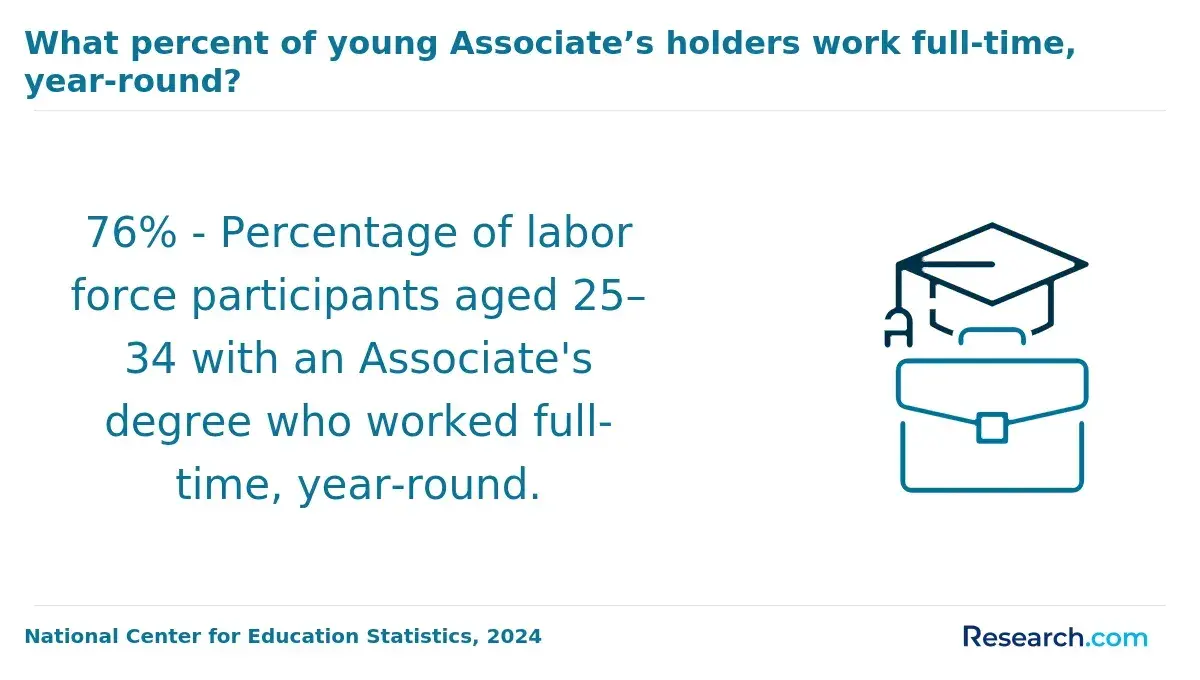
Students seeking foundational credentials before pursuing a bachelor's degree may consider an online associate degree as a valuable stepping stone toward their game art & design studies.
Are There Technology or Software-Specific Courses in an Online Game Art & Design Bachelor's Degree?
Many online game art & design bachelor's programs incorporate courses that concentrate on key software and digital tools vital to the field. These courses develop practical skills through hands-on projects that mirror real industry work, allowing students to gain experience with essential platforms.
- Digital Imaging and Design: Introduces students to widely used graphic design software such as Adobe Photoshop and Illustrator, focusing on creating game-relevant textures, character concepts, and environment art.
- 3D Modeling and Animation: Covers tools like Autodesk Maya, Blender, or 3ds Max, where students build and animate 3D models and learn rigging fundamentals to prepare assets for gaming applications.
- Game Engine Fundamentals: Teaches integration of art assets into game environments using engines like Unity and Unreal Engine, emphasizing scripting, asset optimization, and real-time rendering workflow.
- Visual Effects and Simulation: Focuses on effects creation, including particle systems and shaders, enhancing realism through dynamic visual elements within games.
Access to costly software typically comes via institutional licenses, so students may not need to purchase individual subscriptions; however, confirming access and support in advance is advisable.
Curricula continually evolve to align with industry trends-65% of game developers in 2023 reported increasing use of real-time engines and procedural tools, underscoring the emphasis on keeping technical skills current. Prospective students should inquire directly about hardware or software requirements and available technical assistance to ensure smooth learning experiences.
What Ethics or Diversity Courses Are Typically Required in an Online Game Art & Design Bachelor's Degree?
Ethics and diversity courses are integral to accredited online game art & design bachelor's degrees, reflecting their vital role in professional competency frameworks endorsed by organizations such as the Accreditation Commission of Career Schools and Colleges (ACCSC) and the International Game Developers Association (IGDA).
These topics are embedded throughout the curriculum-rather than isolated as elective modules-to help students integrate ethical and cultural awareness into their creative process and collaborative work.
- Ethics in Game Design: Covers moral principles, intellectual property, and responsible storytelling. Students critically analyze case studies involving controversial content, privacy issues, and monetization, preparing them to adopt conscientious design practices.
- Diversity and Inclusion in Media: Examines representation of gender, race, ethnicity, and disability within game narratives and character design. The focus is on fostering inclusive experiences that resonate equitably with diverse audiences.
- Social and Cultural Issues: Addresses both historical context and contemporary challenges related to culture, identity, and player engagement, promoting cultural sensitivity essential for global market readiness.
- Collaborative Ethics and Professional Practice: Emphasizes ethical communication, teamwork, and conflict resolution skills needed in multidisciplinary production environments, encouraging respect for diverse perspectives.
These courses align with regulatory standards requiring graduates to demonstrate social responsibility, ethical reasoning, and multicultural competence. Consequently, online game art & design programs ensure that students develop not only technical skills but also the thoughtful professionalism demanded by today's gaming industry.
What Do Graduates Say About Their Classes in an Online Game Art & Design Bachelor's Degree
- Fisher: "The flexibility of the online game art & design program was a perfect fit for my busy work schedule-being able to access lectures and assignments at any time made all the difference. I also appreciated how seamlessly my previous credits from a community college transferred, allowing me to accelerate my graduation timeline. Finally, the detailed course outlines gave me confidence that my education aligned with the skills needed for professional game development roles."
- Cairo: "Reflecting on my time in the game art & design program, I found the curriculum to be thoughtfully structured to support both creative exploration and technical mastery. The online format fostered an engaging learning environment where I could interact at my own pace, which suited my learning style perfectly. Importantly, the program's accreditation assured me that the courses met industry standards and would help open doors to licensure and employment in the field."
- Austin: "My experience with the online game art & design degree was highly professional and rewarding-I valued how clearly the course objectives matched up with the competencies required for careers in the gaming industry. The ability to apply my existing college credits toward the degree saved me time and money, making the journey more accessible. Moreover, the program's flexible online delivery allowed me to balance study with family commitments without feeling overwhelmed."
Other Things You Should Know About Game Art & Design Degrees
Transfer credits can reduce the number of required courses by fulfilling general education or prerequisite requirements. However, most programs require core game art & design classes to be completed at their institution to ensure consistent skill levels. Applicants should verify which credits are accepted to avoid surprises in course planning.
Courses focused on 3D modeling, animation, and programming tend to be the most demanding due to technical skill requirements. Students should build strong foundations in digital tools and art principles before enrolling and practice regularly to develop proficiency in software like Maya or Unity. Time management and seeking instructor feedback early also help manage these challenges.
Specializations, such as character design, environment art, or interactive media, add targeted classes to the curriculum that focus on niche skills. These courses replace some electives and provide deeper expertise in a particular area, tailoring the degree to specific career goals. Students should consider their intended career path when choosing a concentration to align studies with industry demands.
Foundational classes like Introduction to Game Design and Digital Art Principles are crucial as they provide the essential skills and knowledge base for advanced topics in 2027. They help students develop a comprehensive understanding of game design fundamentals that are vital for pursuing specialized areas in the field.
References
- Bachelor of Arts (Honours) Game Design - UTAR https://study.utar.edu.my/game-design.php
- Game Design Degree | Bachelor of Game Development https://www.cgspectrum.com/courses/game-design-program
- Study Bachelor In Games Design And Animation (Hons) - Intake, Entry Requirement, Course fees, duration https://www.msu.edu.my/faculty-information-sciences-engineering/bachelor-games-design-animation.php
- List of Bachelors in Game Design Programs – Campus & Online https://yescollege.com/degrees/bachelors-in-game-design/
- 10 Game Design Internships for College Students https://www.lumiere-education.com/post/game-design-internships-for-college-students
- Game Design Degrees https://www.fullsail.edu/degrees/game-design-bachelor-degree-program
- Game Design - IADT https://iadt.ie/courses/game-design/
- Game Art & Design Degrees: Bachelor, Associate & Online Course Info https://learningpath.org/articles/Bachelor_of_Game_Art_and_Design.html
- List of Online Schools with Game Art, Game Design, Game Development, or Game Programming Degree Programs | Animation Career Review https://www.animationcareerreview.com/articles/list-online-schools-game-art-game-design-game-development-or-game-programming-degree-progra
- Online Game Art and Development Degree https://www.snhu.edu/online-degrees/bachelors/ba-in-game-art-and-development