2027 Best Online BBA Programs With Operations Tracks

Co-Founder and Chief Data Scientist
Balancing full-time work with advancing education presents a critical challenge for professionals aiming to pivot into operations within business administration. Traditional programs often demand rigid schedules that clash with employment, causing nearly 60% of adult learners to delay enrollment, according to the National Center for Education Statistics. This delay restricts career mobility in a sector where operational expertise commands rapid, on-the-job adaptability amid evolving supply chain complexities.
Choosing an online BBA program with a specialized operations track that offers asynchronous coursework and practical project integration becomes essential for timely skill acquisition and relevance. This article evaluates the best online BBA operations programs, focusing on flexibility, curriculum depth, and career impact to guide strategic enrollment decisions.
Key Things You Should Know
- Programs with operations tracks often yield 12% faster job placement in supply chain roles but require tradeoffs in elective diversity, potentially limiting cross-functional managerial readiness, per 2024 National Center for Education Statistics data.
- Employers increasingly prioritize skills in data analytics integrated with operations, with 68% of hiring managers citing this as essential in 2025 ManpowerGroup workforce reports, forcing students to evaluate curriculum rigor beyond traditional BBA scopes.
- Extended program durations for combined operations and business administration credentials average 20% higher costs and delay labor market entry, causing a critical timing dilemma for mid-career professionals balancing opportunity costs and re-skilling urgency.
What is an online BBA with an operations management concentration, and who is it best for?
Graduates with an online BBA with operations management concentration must navigate the balance between acquiring specialized operational skills and managing the demands of remote study. Employers expect proficiency in ERP systems and analytics platforms, which programs may introduce but often require self-directed learning to master. For example, a mid-level retail manager targeting logistics roles will find immediate value in applying coursework on inventory management and process optimization while maintaining professional commitments.
This program suits professionals prioritizing flexibility but willing to commit to significant project management and quantitative analysis. The workload is intensive and favors disciplined time management to keep pace with peers who may have stronger technical or in-person training. Given the rising demand for these skills, as reflected by a 34% increase in distance education enrollment from fall 2019 to fall 2024, the market opportunity for graduates remains strong across industries like manufacturing and healthcare.
Prospective students seeking the best online BBA programs with operations tracks should weigh these tradeoffs carefully. The online format allows real-time skill application, accelerating tangible career impacts for those who can integrate study with work performance. However, the path demands commitment to self-study and a readiness to engage with industry-standard software tools-barriers that some learners underestimate.
For those exploring options, resources detailing online business degrees provide important context on affordability and program focus, aiding informed decision-making to align education with career pivots and operational roles.
How do online and on-campus BBA operations programs compare in quality, flexibility, and outcomes?
Program quality between online vs on-campus BBA operations tracks can be comparable when analyzing accredited institutions, but the distinction lies chiefly in flexibility, resource accessibility, and career outcomes. Online programs excel in scheduling flexibility, which suits working professionals in logistics or supply chain roles juggling shift changes or remote work. However, this flexibility often reduces direct interactions with faculty and peers, limiting experiential learning and informal mentoring that enhance skill development on campus.
For example, a logistics coordinator maintaining full-time hours can progress through an online BBA operations program without disrupting their income, whereas a recent high school graduate targeting a supply chain manager position might benefit more from on-campus networking and hands-on simulations typical of traditional programs. Employers seek measurable skills in analytics, procurement, and process optimization across delivery modes, making certifications and demonstrable competencies crucial.
Online BBA programs must implement rigorous synchronous sessions, comprehensive case studies, and capstone projects to match the on-campus rigor that includes access to dedicated labs and local industry partnerships. Students should consider their professional commitments, preferred learning style, and proximity to industry when choosing between delivery modes. Both formats demand proactive efforts to secure internships and apply learning practically to capitalize on the U.S. Bureau of Labor Statistics' projected 18% job growth in operations roles.
Those interested in related fields might consult resources on construction management degrees online to explore similar flexible educational pathways.
How can you identify accredited, reputable online BBA programs with strong operations tracks?
Evaluating online accredited BBA programs with strong operations management tracks means prioritizing measures that predict workforce-ready graduates over marketing claims. Regional accreditation and retention rates-around 80% for similar programs as per 2025 U.S. News & World Report data-provide a baseline for academic rigor and student persistence, critical for operational competency development.
Curriculum depth should extend beyond generic business courses to specialized subjects like supply chain management, logistics, process optimization, and project management, integrating applied tools such as ERP systems and data analytics. Employers in manufacturing and services require distinct skill sets; for example, manufacturing may prioritize supply chain analytics, while service industries seek proficiency in process efficiency. Enrolling in reputable online BBA degrees in operations management in North America with electives targeted to sector-specific challenges enhances relevance.
Admissions selectivity indicates cohort quality, with selective programs often attracting candidates with quantitative strengths vital for operations roles. Strong student support evidenced by high retention rates correlates with reduced skill gaps at graduation and higher completion rates.
Experiential learning elements-virtual internships or capstone projects replicating operational decision-making-are essential to translate theory into workplace readiness. Graduate outcomes including employment placement in operations roles and employer partnerships, especially with leading logistics or manufacturing firms, offer tangible network advantages impacting career trajectories.
Prospective students weighing program affordability alongside quality might explore options such as the online construction management bachelors degree, which shares elements of operations training relevant for industry pivot or advancement.
What courses and skills are typically included in an online BBA operations curriculum?
Online BBA operations management curriculum centers on applied competencies in supply chain control, project execution, and process optimization, bridging operational theory with measurable outcomes. Students gain critical skills in logistics analysis, inventory balancing, and operational data analytics tailored to managerial decision-making contexts. Financial management and cost accounting modules sharpen cost-control abilities essential for industries such as manufacturing and retail, where operational budgets directly influence scalability and profitability.
Key skills in online operations track BBA programs foreground familiarity with ERP platforms, lean methodologies, and Six Sigma tools, equipping graduates to address real-world efficiency challenges. For instance, a logistics manager might apply data-driven inventory oversight to align stock with demand fluctuations, reducing carrying costs without sacrificing service levels.
The curriculum cultivates workforce capabilities including analytical problem-solving, cross-functional leadership, and customer-centric process design. Business analytics coursework enables interpretation of complex operational data sets, meeting increasing employer expectations for quantitative proficiency in operational roles.
Graduates confront obstacles such as managing supply chain disruptions or optimizing workflows amidst budget constraints, requiring strategic versatility beyond foundational skills. According to BestColleges' 2024 data, accredited online BBA graduates see a median 57% salary increase within ten years, emphasizing measurable return on investment.
Students evaluating educational pathways for a strategic pivot may also consult specialized programs like healthcare PhD programs online as an alternative route for advanced operational leadership roles.
What are the typical admission requirements for online BBA programs with operations tracks?
Admissions into online BBA programs with operations tracks increasingly reflect the sector's demand for candidates who demonstrate not only academic foundation but also targeted quantitative and analytical skills. Given that supply chain and operations roles hinge on problem-solving within data-driven environments, programs often require a high school diploma or equivalent, with a GPA threshold typically between 2.5 and 3.0 to indicate academic discipline. While standardized test scores like the SAT or ACT are usually optional, submitting them can tip an application in favor of candidates with verifiable quantitative aptitude.
Applicants should prepare to articulate a clear, focused interest-often through a personal essay-in operations management or supply chain contexts. Letters of recommendation remain a key component, emphasizing soft skills such as teamwork, time management, and problem-solving, which employers value in operations roles where collaboration and adaptability are operational necessities.
Relevant work experience-such as internships or roles in logistics or project management-adds a competitive edge, reflecting practical familiarity that some institutions acknowledge through admission preference or credit for prior learning. This real-world exposure can materially smooth the transition from education to employment in fields where execution under pressure is routine.
Data from a 2024 AACSB survey shows that over 40% of accredited undergraduate business programs include supply chain or operations management tracks. Consequently, admissions focus less on broad business knowledge alone and more on the ability to handle quantitative and operational challenges. Prospective students must weigh if they can meet these targeted competencies for acceptance and success in such specialized curricula.
How long does it take to finish an online BBA in operations, and can you accelerate it?
Pursuing an online BBA in operations on a traditional full-time schedule typically spans four years, yet accelerated pathways can shrink this to two or three years by increasing course loads, attending summer sessions, or applying credits from prior learning such as AP credits or professional certifications. This acceleration, while advantageous for quicker workforce entry, demands disciplined time management and may temporarily limit work availability.
Part-time enrollment is a common necessity for students balancing full-time jobs, often extending degree completion beyond five years. For instance, a logistics coordinator seeking to move into operations management might leverage off-peak work periods to maximize credit completion speed, but this requires careful scheduling flexibility and poses risks if progress stalls.
Employers in operations-sensitive sectors tend to favor candidates who demonstrate steady, timely academic progress, viewing extended degree timelines with caution as potential indicators of weak time-management skills rather than perseverance. The U.S. Bureau of Labor Statistics reports a median wage of $83,270 for logisticians, with top earners exceeding $122,000, underscoring the financial incentive to complete the degree efficiently.
Balancing realistic work commitments with accelerated academic pacing remains critical. Candidates should weigh the tradeoffs between speed and sustainability, as an expedited timeline can enhance employability and salary prospects but may challenge personal and professional stability.
- Four years is standard; two to three possible via credit transfer and heavier course loads
- Part-time routes often extend to five years or more, affecting momentum
- Stable progress preferred by employers over protracted degree timelines
- Financial upside tied to quicker entry into operations roles
How much do online BBA operations programs cost, and what financial aid can you use?
Cost remains a pivotal factor when weighing an online BBA in operations. Programs typically range from $15,000 to $45,000 for the full degree, with public institutions offering lower tuition for residents compared to private universities, where brand and resources drive higher fees. Employers in supply chain and operations roles prioritize demonstrable skills from accredited programs over prestige alone, shaping how prospective students should assess value beyond sticker price.
Financing strategies notably influence affordability and eventual return on investment. Eligible undergraduates can access federal Pell Grants, which do not require repayment, while federal student loans offer fixed rates plus income-driven repayment flexibility. Professionals in sectors like manufacturing might leverage employer tuition reimbursement as a financial bridge tied directly to job advancement. Merit scholarships further offset costs, especially for high-achieving or returning adult learners.
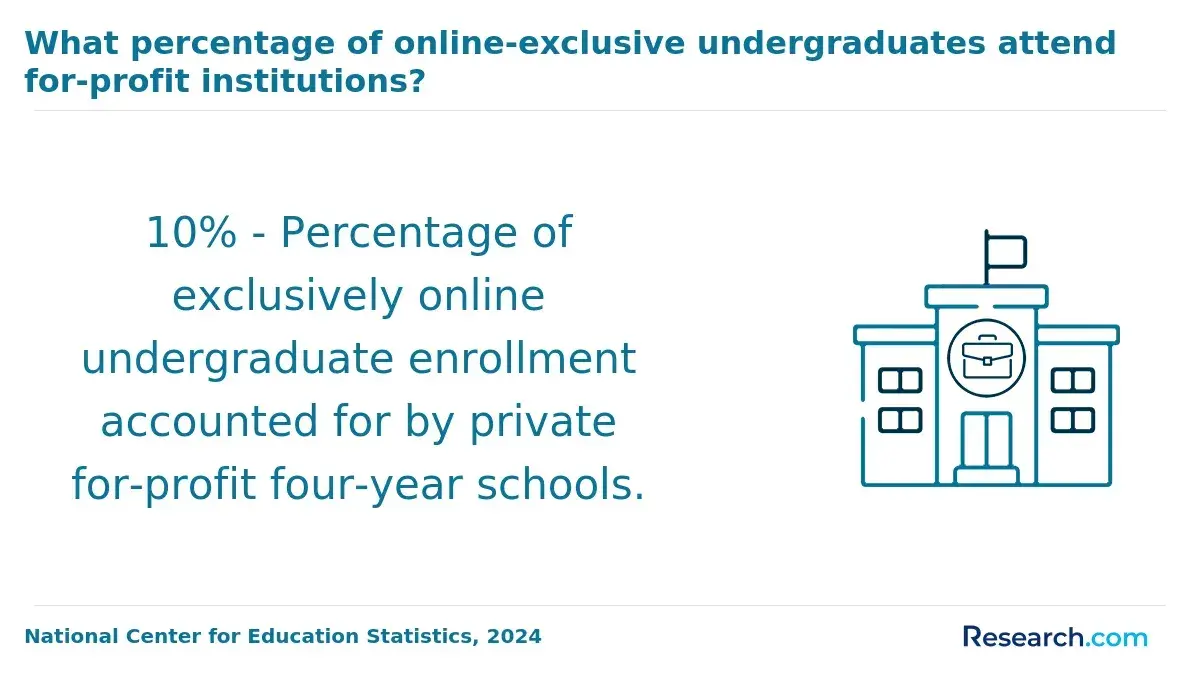
Realistically, net investment translates into career outcomes: a $30,000 expenditure, less $10,000 in aid, often correlates with an approximate 20% salary increase within two years of graduation. Yet, indirect costs-software, materials, occasional travel-should be factored into total expenses. Online enrollment growth to nearly 28% of exclusively distance learners signals rising demand for accessible, flexible programs tailored to working adults balancing education and employment.
What entry-level and midcareer jobs can you get with an online BBA in operations?
Graduates with an online BBA in operations face immediate pressure to demonstrate both foundational management skills and basic data analytics competence. Entry-level roles-such as operations analyst, logistics specialist, or supply chain coordinator-demand not just process knowledge but fluency in tools like Excel, SQL, or visualization software. Without practical experience applying these tools, candidates risk being sidelined due to hiring managers' growing insistence on data literacy. For example, an operations analyst must parse production metrics to identify bottlenecks efficiently, a task increasingly reliant on technical proficiency beyond traditional operational understanding.
Midcareer professionals leveraging this degree confront a different tradeoff: they must combine operational leadership with strategic use of advanced analytics. Roles like operations manager or procurement manager entail supervising teams while interpreting supplier data and forecasting demand. Those lacking certifications or continuous training in analytics risk stagnation at coordinator levels, while those who integrate quantitative skills unlock opportunities for broader influence in supply chain design and execution.
Employers' emphasis on embedded analytics tools means candidates should prioritize programs that integrate technology alongside management fundamentals. The pervasive expectation for demonstrable project experience with analytics software signals a shift-traditional operational knowledge alone no longer suffices for meaningful progression.
- Entry-level hires must combine process skills with basic data tool proficiency.
- Midcareer roles demand ongoing analytics education to sustain upward mobility.
- Programs embedding real-world analytics experiences better equip graduates for labor market realities.
What salary ranges and job outlook can BBA operations graduates expect across industries?
BBA operations graduates in 2026 face a salary spectrum from $55,000 to $75,000 at entry level, depending heavily on sector choice, with mid-career earnings between $85,000 and $110,000. Manufacturing and retail roles generally offer salaries at the lower end, whereas technology, pharmaceuticals, and logistics sectors provide higher compensation due to their complexity and digital integration demands. The Bureau of Labor Statistics anticipates a 7% growth in operations management roles by 2030, a trend linked to global trade expansion and reshoring efforts.
The ongoing increase in global merchandise trade volume-projected to grow 3.3% in 2025 by the World Trade Organization-creates sustained demand for specialists skilled in customs compliance, supply chain resiliency, and cross-border operations. Employers seek candidates who combine analytical skills with practical experience in ERP systems and data analytics to drive cost efficiencies and streamline workflows.
- Certification in Lean Six Sigma or project management can accelerate advancement.
- Healthcare operations focus on regulatory compliance and patient safety, compared to automotive's emphasis on inventory and supplier management.
- Upskilling is essential to adapt to automation and AI reshaping supply chains.
Graduates targeting strategic or managerial posts often pursue advanced credentials or an MBA centered on supply chain management. This specialized focus aligns with employer expectations and potential salary ceilings better than a generalist BBA operations degree.
What certifications or professional credentials strengthen an operations-focused BBA career path?
Credentials like the Certified Supply Chain Professional (CSCP), Certified in Production and Inventory Management (CPIM), and Project Management Professional (PMP) materially affect employability and salary trajectories within operations-focused business administration roles. For example, logistics coordinators with CPIM certification typically secure higher starting pay and accelerated promotions, reflecting proficiency in managing complex inventory systems. Lean Six Sigma certifications complement these by validating measurable process improvement skills, which employers increasingly prioritize to drive efficiency.
The labor market outlook reinforces the growing importance of such certifications. The U.S. Bureau of Labor Statistics projects about 1.1 million new jobs in management-related occupations between 2022 and 2032, with strong expansion in roles like operations managers and logisticians. This intensifies competition, making professional credentials more of a practical necessity than a supplementary asset.
Decision-making on certifications should carefully consider industry relevance and personal career goals. For instance, PMP holds higher value in tech and construction sectors focused on complex project oversight, whereas CSCP or CPIM are generally more appropriate for retail and manufacturing operations. Holding certifications recognized by authoritative bodies such as the Association for Supply Chain Management or the Project Management Institute can accelerate advancement, reduce onboarding time, and strengthen salary negotiation positions.
Ongoing credential maintenance and alignment with targeted employer demands are critical considerations. Students must anticipate renewal requirements and avoid a generic certification strategy that fails to address specific sector skill priorities.
Other Things You Should Know About Business Administration
An online BBA in business administration with an operations focus provides broader foundational knowledge and leadership skills that certifications alone do not offer. Certifications are valuable for technical skills but often lack the strategic and managerial context employers expect for midlevel roles. Prioritize a BBA if your goal is a career pivot or management track, using certifications as supplements rather than substitutes.
Employers increasingly accept online degrees if the institution is accredited and the program includes applied operations coursework and projects. However, programs emphasizing hands-on experiences, such as case studies and simulations, are rated higher. Choose programs that integrate real-world applications and measurable outcomes, as these align with employer expectations more than purely theoretical curricula.
In 2027, the best online BBA programs with operations tracks often feature comprehensive curriculums, flexibility for working professionals, and strong industry partnerships for real-world applications. These programs prioritize experiential learning through virtual simulations and case studies, equipping students with practical skills needed in the current job market.
Programs combining strong curriculum rigor with internship or experiential learning opportunities offer the best return on investment. Internships provide tangible experience and networking in operations roles that many employers prioritize. If you must choose, prioritize programs facilitating internships to improve employability while ensuring the curriculum covers core strategic and analytical operations topics comprehensively.
References
- Career Paths After BBA: Best Jobs & Growth Opportunities https://www.edumindslearning.com/blog/career-paths-after-bba-opportunities-growth
- BBA Degree Salary: Top Companies & Career Opportunities 2026 https://dbuonline.in/uncategorized/bba-degree-salary/
- How to Choose a Fully Online BBA Program in 2026 https://www.nexford.edu/insights/how-to-choose-a-fully-online-bba-program
- Business Operations Manager Certifications: Best Credentials to Advance Your Career | Teal https://www.tealhq.com/career-paths/business-operations-manager-certifications
- Operations Management Degree Online https://www.aiuniv.edu/degrees/business/bachelors-business-administration-operations-management-bba
- online bba program | International Career Opportunities https://edglobalacademy.com/international-job-opportunities-after-an-online-bba-program/
- Duration and Structure of Online BBA Degree in India- Chandigarh University https://www.onlinecu.in/blog/cu/online-bba-duration-and-structure.php
- ONLINE Bachelor of Business Administration (BBA) – BHS SWITZERLAND https://bhss.education/online-programs/online-bachelor-of-business-administration-bba-general/
- Online BBA in Retail Operations Degree Program | DY Patil University https://www.dypatiledu.com/online-bba/retail-operations
- What Is a BBA Degree? https://online.nccu.edu/blog/what-is-a-bba-degree/