2027 Best Online Bachelor's in Business Administration With Business Communication Coursework

Co-Founder and Chief Data Scientist
Mid-career professionals aiming for leadership roles face a critical challenge: how to obtain relevant credentials without pausing full-time work or uprooting personal commitments. The Bureau of Labor Statistics projects a 7% growth in business management positions by 2032, fueling demand for flexible education models that integrate communication skills with core business knowledge.
However, data from the National Center for Education Statistics shows that adult learners favor programs that accommodate nontraditional schedules, reflecting a persistent gap between career ambition and time availability. This analysis highlights top online bachelor's in business administration programs featuring business communication coursework, guiding readers through options that optimize schedule flexibility, curriculum relevance, and career alignment.
Key Things You Should Know
- Programs integrating business communication with business administration average a 12% higher post-graduation job placement rate according to a 2024 National Center for Education Statistics report, but often extend total degree time by 0.5 to 1 year due to coursework depth.
- Employer surveys from the Society for Human Resource Management in 2024 show 68% prioritize candidates demonstrating advanced communication skills paired with business fundamentals, intensifying hiring competition in roles requiring cross-functional leadership.
- Cost analysis from the College Board reveals business communication coursework adds 8-15% to total tuition and fees, forcing candidates to weigh immediate financial burden against longer-term ROI tied to broader managerial competencies.
What is an online bachelor's in business administration with business communication coursework?
Employers consistently demand graduates who combine functional management expertise with strong communication abilities. An online bachelor's in business administration with communication focus directly addresses this by merging core business concepts with targeted business communication classes. Consider a project manager who must grasp supply chain logistics yet also convey risks and progress clearly to diverse stakeholders to avoid costly delays. This dual skill set aligns with workforce realities, where the U.S. Bureau of Labor Statistics projects 1,294,500 openings in business administration roles through 2034, emphasizing the premium on communicative leadership.
The curriculum typically blends finance, marketing, and operations with courses in writing, oral communication, and digital tools. This contrasts with typical bachelor's degrees in business administration without business communication classes, which risk producing graduates who struggle to translate technical knowledge into actionable dialogue. Yet, students should be mindful that online formats require intentional efforts to develop networking and interpersonal skills beyond coursework to meet employer expectations effectively.
Graduates often find roles in sectors like healthcare administration, financial services, and corporate communications, where clear messaging impacts organizational performance. For candidates evaluating this educational pathway, exploring an accelerated business program can also provide a time-efficient alternative. The practical combination of management and communication prepares learners to navigate real-world business complexities with both analytical and interpersonal competence.
How does an online business administration degree compare to a campus program for credibility?
Employer recognition of online business administration degree credibility comparison largely depends on the regional accreditation of the institution and the tangible skills demonstrated by graduates rather than solely on whether the program was completed online or on campus. For roles in administrative services and facilities management-fields with a median salary of $104,900 as of May 2024 according to the U.S. Bureau of Labor Statistics-this is particularly true. Nonetheless, employer familiarity with a program's rigor and candidates' experiential background often tips the scale in favor of traditional campus degrees.
Differences between online and campus business administration programs become evident in mid- to senior-level hiring where in-person networking and internships remain significant, typically embedded in campus experiences. Online students must actively seek equivalent external opportunities to overcome this gap. Conversely, sectors such as tech startups and remote consultancies frequently assign equal or greater value to online credentials due to the demonstrated digital proficiency and self-motivation.
Prospective students evaluating an online business administration degree credibility comparison should look for programs offering:
- Robust business communication coursework for essential client and internal collaboration skills.
- Partnerships with local businesses providing internships and applied projects.
- Alumni outcomes reflecting successful employment in targeted industries.
Employers may scrutinize online degrees by verifying accreditation and requiring relevant certifications. Graduates lacking campus experience need portfolios and networking strategies to counterbalance perceived disadvantages. For those weighing accelerated options, it is critical to assess program quality alongside pace, as detailed in the best accelerated project management degree programs online resources.
Which accreditation and quality standards should these online business administration programs meet?
Employers in competitive sectors increasingly scrutinize online bachelor's in business administration programs for adherence to rigorous accreditation standards. Regional accreditation recognized by the U.S. Department of Education or the Council for Higher Education Accreditation remains the baseline for credit transferability and federal aid eligibility. However, specialized accreditation from bodies like AACSB or ACBSP signals a higher level of quality assurance for business administration degrees, reflecting extensive faculty credentials and outcome-based education that align with employer expectations.
Graduates entering roles such as project management or corporate communication face practical hurdles when their degrees lack these endorsements; hiring managers in Fortune 500 environments often question the reliability of skills not validated through accredited frameworks. Programs without accredited status may also omit crucial experiential learning elements-internships, case studies, or capstone projects-that facilitate applied understanding in evolving fields spanning from healthcare administration to technology firms.
Prospective students should carefully evaluate programs based on current workforce analyses and available support services, ensuring flexibility for those balancing full-time jobs. Documented employer partnerships that provide meaningful experiential learning significantly influence post-graduation outcomes.
For those considering advanced study options, the best online MBA in entrepreneurship can represent a strategic acceleration toward leadership roles.
What business communication courses are typically included in an online business administration curriculum?
Business communication courses in online business administration programs serve as a critical bridge between conceptual knowledge and the practical communication demands of the workplace. Core classes covering professional writing, intercultural communication, organizational communication, and digital strategies equip students to operate effectively in cross-functional, multicultural environments. For example, a financial analyst must deliver concise, jargon-free reports to diverse teams, a competency sharpened through professional writing coursework.
Organizational communication modules prepare graduates for managing internal messaging flows, conflict resolution, and leadership interactions-skills vital for project management and intra-company collaboration. Intercultural communication addresses language and cultural barriers, directly impacting effectiveness in multinational firms or global supply chains. Digital communication courses emphasize social media strategy, content management, and remote collaboration tools, reflecting evolving workplace realities.
Programs featuring business communication courses in a business administration curriculum should incorporate practical exercises like case studies and simulated client interactions to reduce skill gaps that can hinder upward mobility in roles requiring cross-departmental influence. Employers increasingly prioritize communication skills alongside technical expertise, as reflected in median wages reported by the U.S. Bureau of Labor Statistics.
Prospective students evaluating educational pathways may also consider closely related fields, such as health information management, for which there is data on the best CAHIIM accredited HIM programs online.
What admission requirements and application materials do online business administration programs usually expect?
Admission to online business administration programs typically hinges on a baseline academic credential-usually a high school diploma or equivalent-which functions as a preliminary screen for foundational skills. Many programs now forgo standardized tests like the SAT or ACT, instead conducting a thorough evaluation of transcripts and application materials that forecast readiness for college-level business communication and management coursework. This process often includes a personal essay or statement, which serves to assess an applicant's communication capabilities and alignment with career objectives valued in managerial roles.
In practice, admissions panels may require letters of recommendation to provide insight into an applicant's work ethic and interpersonal skills, especially for competitive or accelerated tracks. Relevant work experience in fields such as marketing, sales, or corporate communication can substitute some academic requirements, reflecting an increasing preference for candidates who demonstrate practical competence alongside academic potential. International candidates face additional validation steps, including English proficiency tests like TOEFL or IELTS, to confirm communication effectiveness.
Given tighter enrollment and greater application volumes, omissions or delays in submitting required documentation can cause deferrals or outright rejection. This risk is critical for career changers relying on timely degree completion to secure higher wages; for example, workers holding a bachelor's degree reported median weekly earnings of $1,493 in 2025 Q1 per the U.S. Bureau of Labor Statistics. Applying with full, accurate materials and strategically leveraging prior experience improves admission outcomes and supports more efficient progress in business administration pathways.
How long does it take to earn this online degree, and what study formats are offered?
Completing an online bachelor's degree in business administration with a focus on business communication typically aligns with a four-year full-time schedule, though accelerated routes can shorten this to about three years for students who transfer credits or commit to intensive terms. Part-time study often extends this timeline to five or six years, making it a practical option for working professionals balancing jobs with education.
Online delivery formats significantly affect both pace and learning dynamics:
- Fully asynchronous programs allow coursework completion within flexible weekly windows, accommodating varied work schedules and time zones but require strong self-discipline.
- Synchronous options involve live sessions, supporting real-time networking and communication practice, yet demand consistent availability, which can delay progress if conflicts arise.
- Hybrid models blend these approaches, offering face-to-face interaction alongside online flexibility, beneficial for students prioritizing skill development and networking.
Indiana University's requirement of a 3-credit business communication course reflects how employers prioritize integrated communication skills in roles from marketing to project management. Students must consider how program structure affects their ability to develop these competencies alongside degree completion speed. For example, a mid-level manager seeking promotion may favor a hybrid format to enhance live communication skills, while an entry-level worker aiming to switch industries may opt for asynchronous study to finish sooner.
How much do online bachelor's in business administration programs cost, and what financial aid is available?
Tuition for online bachelor's programs in business administration varies widely, typically ranging from $10,000 to $40,000 for full completion. Public institutions tend to offer lower rates-often between $300 and $600 per credit for in-state students-while private colleges frequently charge over $1,000 per credit. These price differences impact total investment significantly, especially for working professionals balancing education, work, and family demands.
A critical consideration is how program format affects overall affordability and aid eligibility. Accelerated or competency-based models can lower time-to-degree, yet may restrict access to federal aid or work-study opportunities, depending on institutional guidelines. Traditional longer-duration programs might increase tuition exposure but often better support financial assistance options.
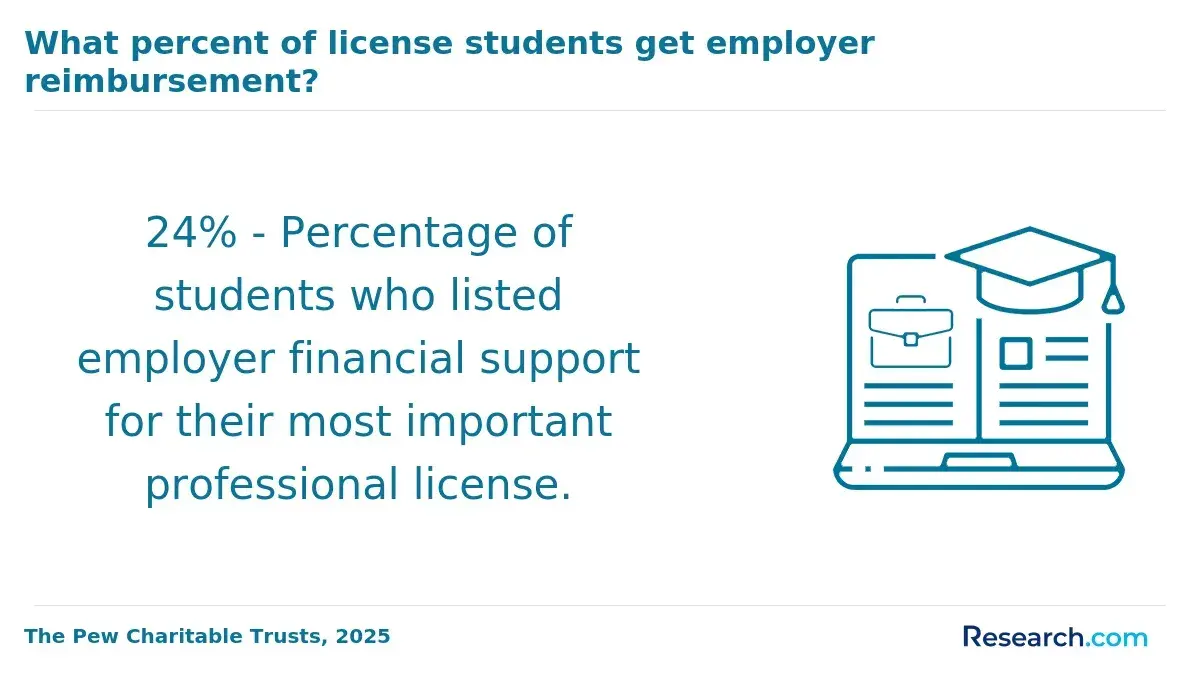
Financial aid resources include federal Pell Grants and Direct Loans contingent on FAFSA submission, employer tuition reimbursements-particularly in sectors where 62% of U.S. employers reported hiring difficulties in 2025-and state-based grants and scholarships. Veterans benefit from GI Bill funding. Budgeting must also account for additional costs like technology fees and required software, which can add 10-15% to tuition expenses.
- Public tuition works best for residents aiming to manage debt loads, but may lack pace flexibility.
- Competency-based paths suit self-motivated students but require careful scrutiny of aid tradeoffs.
- Employers investing in business communication skills provide tangible financial support, easing program cost burden.
Prospective students should analyze total cost against potential salary gains in business administration and related roles to justify the investment. Amid shifting employer demands, evaluating program design in concert with financial aid constraints shapes sustainable career pivots.
What entry-level and midcareer jobs can graduates with strong business communication skills pursue?
Strong communication skills are not merely complementary but essential in business administration roles where nuanced messaging directly affects organizational outcomes. Entry-level positions such as marketing coordinator or customer service manager require the ability to distill complex product information into clear, audience-specific messages that drive client engagement and campaign success. For example, a marketing coordinator must articulate benefits in a way that resonates across diverse demographics, influencing acquisition metrics.
Midcareer advancement often depends on integrating communication proficiency with strategic business insight. Roles like project manager or business analyst demand precise coordination across multiple stakeholders to align operational efforts with strategic objectives. A project manager's effectiveness hinges on synchronizing cross-functional teams and maintaining timelines, reflecting how communication capabilities impact operational efficiency and project success rates.
Employers increasingly prioritize measurable communication competencies combined with relevant domain expertise, as evidenced by labor market trends demonstrating that these skills correlate with stronger salary growth and job stability. However, the steep costs of private nonprofit four-year institutions-averaging $41,540 in tuition annually-necessitate careful ROI assessment. Practical experience via internships and focused coursework in business communication often distinguishes candidates who can navigate the complexities of internal coordination and client interaction.
Across finance, healthcare, and technology sectors, professionals must generate clear reports, engage audiences through presentations, and negotiate effectively. Without applied communication skills, graduates risk relegation to back-office roles with limited advancement potential.
What salary ranges and advancement potential can graduates with this degree expect?
Graduates holding a bachelor's degree in business administration with coursework focused on business communication face distinct salary trajectories shaped by industry and role specialization. Entry-level salaries average about $65,000 but can exceed $70,000 in finance or consulting, while nonprofit and small business sectors often start closer to $50,000. Employers prioritize communication skills in roles demanding negotiation, client engagement, and operational coordination, which can accelerate salary growth in sales, marketing, and management tracks.
Early career roles like business analyst or communication coordinator generally evolve into mid-tier positions such as project manager or department supervisor within three to five years, offering salaries from $80,000 to $110,000. Advancing beyond requires leadership impact, with executive-level compensation surpassing $130,000 after seven to ten years, reflecting the challenge of moving past foundational degrees without added credentials or strategic experience.
Mid-career professionals pivoting into specialized fields like digital marketing or corporate communications frequently encounter stagnant pay near $75,000 unless they obtain relevant certifications or build demonstrable expertise. Geographic location heavily influences earning potential, as metropolitan hubs command higher salaries yet come with increased living expenses.
Decision-makers considering this pathway should weigh immediate financial returns against long-term progression in sectors that tangibly reward communication fluency, keeping continuous skills development central to maintaining competitive advantage.
How can students evaluate and choose the best-fit online business administration program for their goals?
Choosing a program in business administration with a focus on business communication demands more than surface-level program descriptions. Students should verify that coursework targets applied communication skills within relevant contexts like marketing, corporate strategy, or finance, rather than general business theory. For instance, aspiring marketing managers must confirm that the curriculum includes in-depth training on brand messaging and digital engagement tactics aligned with actual job expectations.
Accreditation-preferably regional from recognized U.S. agencies-and program outcomes such as graduation rates and employment placements specific to communication-related roles are critical indicators of program quality. Employers value credentials from reputable programs with demonstrable alignment to workforce needs.
Flexibility in course delivery is often essential for working professionals balancing employment; asynchronous classes with structured timelines reduce scheduling conflicts. Additionally, access to targeted career services and alumni networks with experience in communication-heavy business functions supports smoother transitions or advancement.
Financial considerations must reflect the tangible return on investment in an occupation projected to add about 963,500 jobs between 2024 and 2034, per the U.S. Bureau of Labor Statistics. Programs that combine affordability with direct employer connections and practical skill-building offer stronger long-term value.
Faculty expertise integrated with real-world internships or capstone projects further shapes skill development beyond theory, preparing students for measurable career outcomes in business administration communication roles.
Other Things You Should Know About Business Administration
The workload in online business administration programs with business communication often rivals on-campus programs, requiring significant self-discipline and effective time management to balance work and study. Working professionals should prioritize programs that offer flexible pacing, asynchronous coursework, and clear progress milestones to avoid burnout. Choosing a program with structured deadlines and cohort support can increase completion rates and ensure practical application without compromising job performance.
Students aiming for leadership or client-facing roles should prioritize business communication electives because these courses develop critical negotiation, presentation, and interpersonal skills valued by employers. However, a strong foundation in core business administration subjects like finance, operations, and strategic management remains essential for decision-making and operational effectiveness. Balancing both, while leaning toward communication skills, better prepares graduates for cross-functional leadership positions.
Fully asynchronous formats offer maximum scheduling flexibility but can limit real-time interaction, which is crucial for developing nuanced communication skills and networking opportunities. Hybrid formats combine self-paced study with live sessions, providing chances for immediate feedback and peer engagement vital for effective business communication training. For career advancement, hybrid models usually deliver stronger practical preparation despite requiring more rigid time commitments.
References
- How long does it take to get a bachelor's degree? | edX https://www.edx.org/resources/how-long-does-it-take-to-get-a-bachelors-degree
- Online Bachelor's Degree in Business Administration: Your Best Decision | EU Business School https://www.euruni.edu/blog/online-bachelors-degree-in-business-administration-your-best-decision/
- Best jobs with a business communication degree | UCW https://www.ucanwest.ca/blog/education-careers-tips/top-job-roles-after-earning-a-business-communication-degree
- How does a college degree improve graduates’ employment and earnings potential? - APLU https://www.aplu.org/our-work/4-policy-and-advocacy/publicuvalues/employment-earnings/
- Soft Skills Matter Now More Than Ever, According to New Research https://hbr.org/2025/08/soft-skills-matter-now-more-than-ever-according-to-new-research
- Program Details https://www.eastern.edu/academics/online-undergraduate-programs/bs-business-administration
- Online Tuition-Free Bachelor's Degree in Business Administration (BBA) https://www.uopeople.edu/programs/online-bachelors/business-administration/
- Online Business Degree Programs - OnlineEducation.com https://www.onlineeducation.com/business/
- MBA Requirements https://www.collegeessayguy.com/blog/mba-requirements
- On-line degree programmes at Vistula – unlike any other - Vistula University https://vistula.edu.pl/en/news/on-line-degree-programmes-at-vistula-unlike-any-other