2027 Business Administration Specializations for Entrepreneurship Careers

Co-Founder and Chief Data Scientist
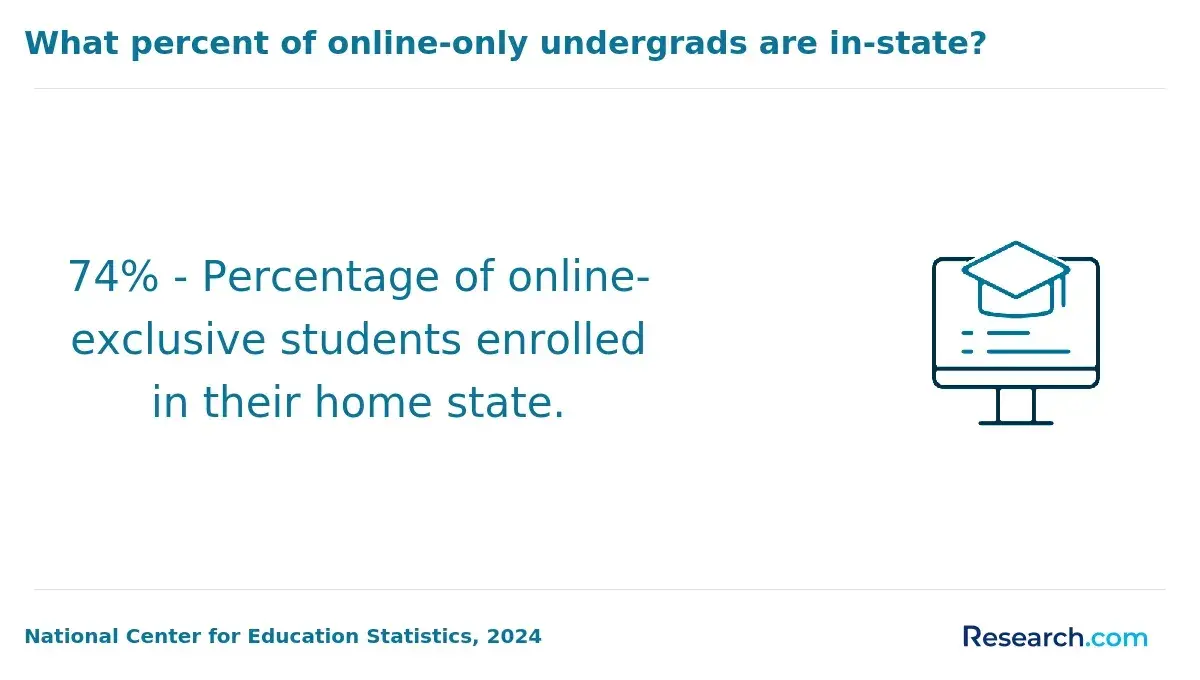
Mid-career professionals seeking to launch entrepreneurial ventures frequently confront the challenge of selecting business administration specializations that align with rapidly evolving industry demands and unpredictable market conditions. With over 60% of U. S. undergraduate business students now enrolling in fully or partially online programs according to the National Center for Education Statistics, flexibility in education delivery has reshaped how candidates time-based commitments and skill acquisition. Balancing practical exposure to entrepreneurship with foundational business functions remains a strategic puzzle, especially as employers prioritize adaptive skills coupled with niche expertise. This article examines key business administration specializations tailored for entrepreneurship careers and evaluates their implications for informed specialization choices.
Key Things You Should Know
- Entrepreneurship-focused business administration degrees emphasize innovation management but typically reduce exposure to broader finance skills, risking employability tradeoffs in traditional venture capital or corporate roles, per National Center for Education Statistics 2024 data.
- Employers in startups prioritize candidates with demonstrated lean startup methodologies and digital marketing skills over GPA or elite institution pedigree, suggesting specialization choices should reflect market-driven competencies rather than general curricula, according to LinkedIn Workforce Reports 2024.
- Programs with integrated incubator access often extend completion time and raise costs by 15-25%, complicating affordability and timing for midcareer professionals weighing opportunity cost against practical venture launch support, noted in a 2024 Georgetown Center on Education study.
What are the best business administration specializations for aspiring entrepreneurs today?
Prioritizing specializations in finance, marketing, and strategic management aligns most effectively with the demands placed on entrepreneurs aiming to launch and scale ventures. For instance, finance specialization sharpens skills in budgeting, cash flow analysis, and investment negotiation, which are instrumental in controlling startup costs and securing capital. A tech founder applying these financial competencies can better predict burn rates and negotiate favorable terms with investors, mitigating early-stage risks.
Marketing specialization is essential for entrepreneurs who must master customer acquisition and retention through knowledge of digital channels, consumer analytics, and brand positioning. A retail entrepreneur using marketing analytics to segment customers can optimize promotional efforts and allocate spending under intense market competition. These skills directly influence revenue growth and business sustainability.
Strategic management preparation primes entrepreneurs to anticipate disruptive shifts and pivot rapidly within dynamic industries like healthcare or renewable energy. This specialization fosters the ability to identify scalable business opportunities and competitive advantages, a necessity as business landscapes evolve.
Projected growth in business and financial occupations-adding roughly 942,500 openings annually from 2024 to 2034-reflects employers' need for data-informed, operationally ready talent. Investors and employers alike value entrepreneurs grounded in practical decision-making frameworks.
Tradeoffs include longer degree programs and requisite real-world projects to transform theory into actionable skills. Students pursuing the best business administration specializations for aspiring entrepreneurs should weigh these demands carefully against the advantage of enhanced employability. For those evaluating program delivery options, exploring a bachelor of business administration online may offer flexibility to balance experiential learning with existing commitments.
Top business administration fields for entrepreneurship careers consistently emphasize experiential depth alongside academic rigor, making targeted specialization choices critical for successful career pivots.
How does a business administration degree support launching and growing a startup?
A business administration degree provides startup founders with a tactical skill set that goes beyond mere theory, centering on operational challenges and financial precision essential for early-stage success. Founders in sectors like technology harness financial modeling to allocate scarce resources and attract venture capital, while entrepreneurs in consumer markets apply marketing analytics to pinpoint viable customer segments. This degree's practical orientation supports how a business administration degree helps grow small businesses by emphasizing data-driven decision-making and robust cash flow management to avoid liquidity failures responsible for nearly a third of early startup closures.
Core competencies gained include:
- Crafting business plans addressing market positioning and development timelines
- Managing cash flow effectively to mitigate risks highlighted by the Small Business Administration
- Using feedback and sales data to refine products and adapt strategies
Employers specifically seek founders with operational management skills paired with leadership, a combination reinforced through project-based coursework. Median salaries surpassing $115,000 in entrepreneurship-related roles underscore the market's recognition of operational capability over purely technical expertise. However, this degree trades off deep technical product development knowledge common in engineering paths, necessitating partnerships with technical experts in fields like biotech or AI.
Ultimately, this degree's broad scope offers foundational strengths that reduce costly trial and error during scale-up phases, though students may need supplemental specialization depending on their industry goals. Those interested in advanced project oversight might explore best accelerated project management degree programs online as a complement to sharpen targeted management capabilities aligned with their startup ambitions.
Which business administration level is best for entrepreneurship: associate, bachelor's, or MBA?
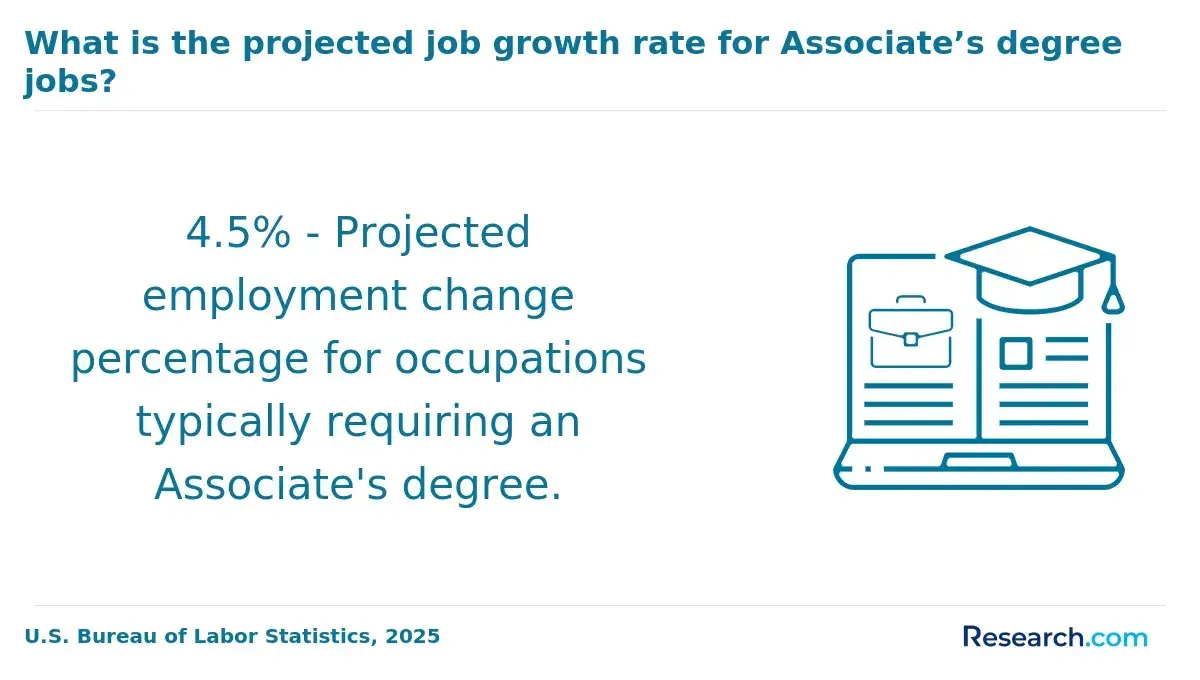
The bachelor's degree in business administration offers the most balanced combination of foundational concepts, applied skills, and strategic thinking needed to effectively launch and manage startups. Compared to an associate degree, it delivers deeper exposure to finance, marketing, and operations-areas essential for early-stage decision-making and growth. For instance, a tech entrepreneur with only an associate degree might lack proficiency in complex financial modeling or securing investor funding, competencies thoroughly covered in bachelor's programs.
The MBA suits entrepreneurs targeting leadership roles in mature companies or those seeking venture capital, thanks to its emphasis on advanced leadership, global markets, and competitive strategy. However, the significant time and cost required for an MBA can delay market entry and may not provide immediate operational benefits critical during fragile startup stages.
Employers and investors tend to prefer bachelor's degrees because their curricula align closely with real-world entrepreneurial demands such as project management, business law, and marketing analytics. According to data synthesized by TeenLife from BLS projections, financial managers-a typical outcome for business-finance graduates-are expected to experience a 22% employment growth between 2024 and 2034, with an average salary of $125,770. This illustrates the labor market's strong demand for graduates with well-rounded business education.
Consider a retail entrepreneur: a bachelor's degree equips them with skills in customer behavior analysis and supply chain fundamentals unavailable in associate programs. MBA coursework may focus on mergers and acquisitions, which have limited application for early-stage entrepreneurs but become relevant during expansion. Practical considerations include time-to-market, depth of expertise, and networking reach-factors critical to startup sustainability and growth. For those exploring alternatives, a range of affordable online project management degrees can complement the entrepreneurial skillset effectively.
Choosing the best business administration degree for entrepreneurship requires weighing these tradeoffs carefully when comparing associate, bachelor's, and MBA business administration degrees for entrepreneurs.
What entrepreneurship-focused courses and skills are typically included in business administration programs?
Entrepreneurship courses in business administration programs focus on equipping students with a spectrum of skills that go beyond traditional theory, emphasizing operational realities faced by startups. Core elements include opportunity recognition, business model development, and venture financing, balanced with strategic planning and innovation management. These programs address the tension between specialized entrepreneurial abilities and broader business competencies, reflecting employer demand for hybrid skill sets, especially in roles requiring operations and supply chain knowledge.
Practical exercises such as business plan competitions or incubator involvement enable students to appreciate how marketing strategies must adapt to different sectors-for instance, launching a tech app versus a retail food business. These scenarios sharpen decision-making under uncertainty and resource constraints, while reinforcing essential skills for entrepreneurship careers in business administration like leadership, negotiation, and resilience, critical for managing investor relations and overcoming funding delays.
Financial literacy receives detailed attention, covering cash flow management, budgeting, and fundraising tactics essential for early-stage firms. Marketing training is designed to improve customer discovery and brand positioning, relevant to cost-effective customer acquisition and retention. Given these competencies, graduates may target roles like advertising, promotions, and marketing management, which command a median annual wage of $161,030 according to the University of North Dakota's 2026 business careers report.
For those considering an accelerated pathway, programs such as the fastest online master's in healthcare management demonstrate how specialized master's degrees balance time efficiency with applied expertise, an important consideration for professionals weighing the tradeoff between speed and comprehensive skill development.
How do online business administration programs for entrepreneurs compare with on-campus options?
Choosing between online and on-campus business administration programs demands a close evaluation of how each format translates into workforce readiness. Employers in entrepreneurial sectors often prioritize on-campus experience due to its facilitation of direct leadership opportunities, peer interaction, and access to campus incubators or mentorship. These elements cultivate skills in negotiation, leadership presence, and rapid problem-solving-capabilities projected to support the creation of about 1.7 million new management positions by 2033, with a median wage of $116,880 according to PathWise's 2025 summary of BLS data.
For working entrepreneurs balancing ventures or jobs, online programs offer essential flexibility and immediate application of concepts in real-world settings. However, asynchronous formats may limit experiential learning, which can impede skill acquisition critical for entrepreneurial success. Online programs that integrate virtual teamwork, live case studies, or local internships attempt to narrow this gap.
Industry context shapes the optimal choice: technology and manufacturing entrepreneurs benefit from on-campus lab access and peer networks, while service-sector startups in marketing or consulting often gain from online models' accessibility and cost savings. Decision-makers should also factor in geographic constraints, relocation expenses, and program connections to local business ecosystems to assess true value.
- On-campus offers immersive skill-building and networking essential for leadership roles.
- Online suits professionals requiring schedule flexibility and practical application during study.
- Sector-specific factors heavily influence which format better aligns with employability demands.
What accreditation and quality standards should entrepreneurship-minded students look for in business programs?
Accreditation from recognized bodies, especially the Association to Advance Collegiate Schools of Business (AACSB), directly influences the credibility and practical relevance of business administration programs focused on entrepreneurship. This certification demands ongoing curriculum enhancement and faculty excellence, essential for equipping students with advanced financial, managerial, and strategic skills critical in high-stakes startup environments. Regional accreditation further affects a graduate's ability to transfer credits and commands employer recognition, factors that significantly impact career mobility in dynamic industries.
Programs embedding licensure or certification tracks-such as CPA eligibility within accounting majors-offer tangible advantages in employability. With accountants and auditors earning an average annual salary of $81,680 and experiencing a projected 5% job growth over the next decade per BLS data reviewed by TeenLife, candidates benefit from programs integrating entrepreneurial finance with accounting rigor. For technology and scalable service sectors, such combined competencies meet employer demands for both innovation and compliance.
Students should critically assess outcomes data, prioritizing programs demonstrating high graduate placement in entrepreneurial or small business roles. Access to internships, startup consulting projects, and incubators provide measurable career returns beyond theoretical study. Choosing non-accredited programs or those lacking evidence of continuous quality improvement risks diminished employer recognition, fewer advancement opportunities, and barriers to securing business financing or partnerships, particularly critical in capital-intensive ventures.
What are the typical admission requirements and time to completion for entrepreneurship-focused business degrees?
Applicants pursuing entrepreneurship-focused business degrees face practical expectations beyond basic admission credentials. Undergraduate entry often demands a high school diploma, a competitive GPA near 3.0, and related managerial or startup experience to stand out. Graduate programs raise the bar with professional leadership or project management roles expected before enrollment. These criteria reflect employer preferences for candidates who can navigate complex business environments.
Degree completion timelines present a tangible tradeoff between depth and flexibility. A bachelor's degree typically requires four years full-time, but part-time or accelerated options can extend or shorten this period, impacting workforce reentry or advancement speed. Master's degrees in business administration with an entrepreneurship focus generally span one to two years full-time but can lengthen to three years or more for online or part-time learners balancing work and study.
The economic value of these degrees hinges on role specialization and leadership skills. For example, human resources specialists earn a median salary near $72,910, while HR managers-with stronger business administration competencies-command about $126,230 annually, according to PathWise's 2025 BLS-based career outlook. This salary differential illustrates how advanced education combined with practical experience influences earning potential in entrepreneurship-related management roles.
Students must weigh curriculum rigor against real-world application. Programs integrating internships or startup-focused capstone projects provide critical hands-on learning, preparing graduates to meet industry demands in technology, retail, or services. Balancing theoretical knowledge and practical experience remains essential to align education outcomes with employer expectations and career objectives.
What are the tuition costs, financial aid options, and ROI for business administration majors pursuing entrepreneurship?
Entrepreneurship-focused business administration programs impose a wide tuition range, from approximately $10,000 annually for public in-state students to $40,000 at private institutions, potentially totaling $160,000 over four years for self-funded attendees. Graduate paths, often pursued by working professionals, typically demand even higher upfront costs but may be offset through employer tuition assistance or targeted scholarships. Undergraduates primarily utilize Pell Grants, work-study, and subsidized loans, while graduate students rely on unsubsidized loans, emphasizing the need for strategic financial planning aligned with career goals.
Return on investment varies significantly by career pathway. Roles tied to logistics and supply chain management, which intersect with entrepreneurial studies, report median salaries exceeding $107,000 with an 8% growth rate, offering a tangible financial advantage in sectors like manufacturing and tech startups. Conversely, founders of startups encounter income volatility and often delayed financial benefits, complicating straightforward ROI assessments and increasing reliance on alternative funding sources or personal savings buffers.
Students and professionals should cautiously evaluate institutions for experiential learning quality, industry connections, and funding flexibility. Decisions should weigh available financial aid against local labor market projections, particularly in metropolitan supply chain hubs where opportunities and salary growth outperform general averages. Ultimately, balancing debt commitments with entrepreneurial risk tolerance requires detailed financial foresight and disciplined budgeting to avoid untenable post-graduation obligations.
- Tuition ranges $10,000-$40,000 annually, higher for graduate programs
- Median $107,000 salary for supply chain manager roles linked to entrepreneurship
- Startup founders face income volatility and delayed returns
- Financial aid options vary by education level and institution type
- Strong experiential learning and local market conditions improve ROI potential
What entrepreneurship career paths, job roles, and industries can business administration graduates pursue?
Graduates with a business administration degree seeking entrepreneurial careers face a spectrum of roles where strategic leadership intersects with operational precision. The challenge lies in choosing paths that balance risk with industry demands and capital intensity. For instance, technology startup founders focus heavily on scaling and securing venture capital, whereas healthcare roles prioritize strict compliance and regulatory strategy.
Project management specialists represent a notably lucrative track, commanding a median salary near $98,580 annually. This reflects strong market demand for skills in resource coordination, risk control, and timeline management, with methodologies like Agile and Lean varying by sector. Success in entrepreneurial roles often depends on combining technical knowledge with financial insight-business development managers in finance analyze strategic partnerships alongside risk, while manufacturing managers center on supply chain efficiency and cost control.
Choosing between entrepreneurial risk and organizational stability requires assessing industry volatility and capital needs. Employers typically emphasize measurable operational outcomes over theoretical knowledge, making certifications and targeted specialization critical. Practical experience in cross-functional leadership and stakeholder communication frequently outweighs academic credentials alone.
- Key employability assets include industry-specific certifications and proven innovation execution.
- Logistical hurdles such as fundraising cycles and regulatory environments significantly impact career trajectories.
- Tailoring specialization to market realities enhances long-term viability within diverse industries.
What are the earning potential and long-term outlook for entrepreneurs with a business administration background?
Entrepreneurs with a graduate degree in business administration hold a measurable financial and strategic advantage over those without. Data from the Graduate Management Admission Council, cited by PathWise (2024), places median starting salaries for MBA graduates at $120,000, more than double the median $55,000 for bachelor's degree holders in 2020. This gap reflects tangible employer valuation of advanced financial literacy, strategic insight, and leadership skills crucial for scaling ventures.
For example, tech startup founders with this background often gain access to venture capital more readily, as investors prioritize firms demonstrating rigorous market analysis and operational discipline. Meanwhile, entrepreneurs in capital-intensive fields such as manufacturing or healthcare may find the return on an advanced business administration degree slower, owing to longer development cycles and larger initial investments.
The decision to pursue formal education versus hands-on experience involves clear tradeoffs:
- Cost and time commitment for the degree
- Immediate income foregone
- Access to professional networks and credibility
- Sector-specific funding climates and growth potential
Ultimately, aligning a business administration specialization with one's target industry and funding environment shapes not only starting salary prospects but also long-term career flexibility, including transitions between entrepreneurship, corporate leadership, and consulting roles.
Other Things You Should Know About Business Administration
While work experience provides practical insights and on-the-ground skills, a business administration degree offers structured learning in essential areas like finance, marketing, and management theories that experience alone may not cover. Employers and investors often view formal education as an indicator of commitment and foundational expertise, which can open doors to networks and resources. For those with limited relevant experience, prioritizing a degree can accelerate understanding and credibility, but combining both yields the strongest results.
Focusing too narrowly on one specialization can limit your adaptability and marketability in entrepreneurship, where multifaceted skills are crucial. However, excessive breadth without depth can leave you underprepared for complex challenges. Programs that integrate robust core business courses with one or two targeted specializations offer the best balance, enabling strategic versatility while developing competitive expertise.
Employers recognize entrepreneurship-focused degrees for their emphasis on innovation, problem-solving, and strategic risk management. However, some industries prioritize conventional business skills or advanced analytics, making a general business degree with elective entrepreneurial coursework preferable in those sectors. Assess your target industry's expectations to decide if a specialized entrepreneurship track aligns with your career goals or if a broader program will provide better employer alignment.
A 2027 business administration specialization for entrepreneurship should impart skills like strategic thinking, innovation management, financial literacy, and leadership. These skills are crucial for navigating complex business environments and turning innovative ideas into successful ventures.
References
- Careers in Business Administration: Roles, Pay, Outlook https://pathwise.io/careers-in-business-administration-2/
- Online BBA vs. On-Campus BBA: What You Should Know Before You Choose | CourseCompare.ca https://www.coursecompare.ca/online-bba-vs-on-campus-bba/
- Entrepreneurship Master's Degrees | Accounting.com https://www.accounting.com/degrees/entrepreneurship/masters/
- MBA in Entrepreneurship: Career Paths and Opportunities https://mitidinnovation.com/blog/mba-in-entrepreneurship-scope-and-career-paths/
- How long does a degree in entrepreneurship take? – All Bachelor Degrees https://allbachelordegrees.com/degrees/how-long-does-an-entrepreneurship-degree-take/
- How a BBA Course Enhances Your Entrepreneurial Skills | UE Amsterdam https://www.ue-amsterdam.com/blog/how-a-bba-course-can-enhance-your-entrepreneurial-skills
- BS in Business Administration - Entrepreneurial Management - Anatolia University https://www.anatoliauniversity.edu.gr/academics/undergraduate-studies/business-administration/bs-in-business-administration-entrepreneurial-management
- Online MBA vs Traditional MBA: What are the differences? | StudyNext Australia https://studynext.com/au/resources/online-mba-vs-on-campus-mba
- Can I start my own business with a business degree? https://www.hull.ac.uk/study/undergraduate/courses/business-management-ba-hons/can-i-start-my-own-business-with-a-business-degree
- Ten Types of Business Degree Specializations | AIU https://www.aiuniv.edu/degrees/business/articles/10-types-of-business-degree-specializations-you-can-pursue