2027 Best Online Bachelor's in Business Administration for Healthcare Business Roles

Co-Founder and Chief Data Scientist
Mid-career professionals targeting healthcare business leadership often confront a critical bottleneck: how to balance demanding work schedules with acquiring the precise business acumen that healthcare employers seek. The Bureau of Labor Statistics projects a 19% growth in healthcare management roles by 2032, intensifying competition for roles requiring robust administrative expertise. Yet, 61% of adult learners cite inflexible class times as a key barrier to enrollment, according to the National Center for Education Statistics. This gap creates urgency for programs that offer both relevant healthcare business content and adaptable delivery. This article evaluates top online bachelor's in business administration programs geared to meet those exact professional challenges and constraints.
Key Things You Should Know
- Healthcare business roles prioritize candidates with data analytics and compliance expertise; programs lacking these add-ons risk graduates facing 20% lower hiring rates in specialized healthcare firms per 2024 Emsi labor market data.
- Employers increasingly expect demonstrated strategic financial management skills aligned with healthcare regulation changes, making traditional business administration curricula insufficient for mid-to-senior roles, as shown by 2024 SHRM workforce trend surveys.
- Programs blending health-specific case studies and project-based labs increase time-to-degree by 15%, raising out-of-pocket costs by 12% on average but improving job placement within six months of graduation by 27% per NCES reports.
What is an online bachelor's in business administration with a healthcare focus and who is it best for?
Choosing an online bachelor's in business administration healthcare management positions candidates to handle the complex realities at the nexus of healthcare delivery and business operations. This degree combines core management capabilities with specialized insight into healthcare systems, regulations, and finance, preparing students for organizational leadership amid evolving reimbursement and compliance demands.
For example, a healthcare professional moving from clinical roles into management can apply these skills to optimize departmental budgets, improve patient outcomes, and reduce operational inefficiencies. The practical value lies in bridging healthcare policy fluency, data analytics, and financial oversight-capabilities typically absent in standard business curricula.
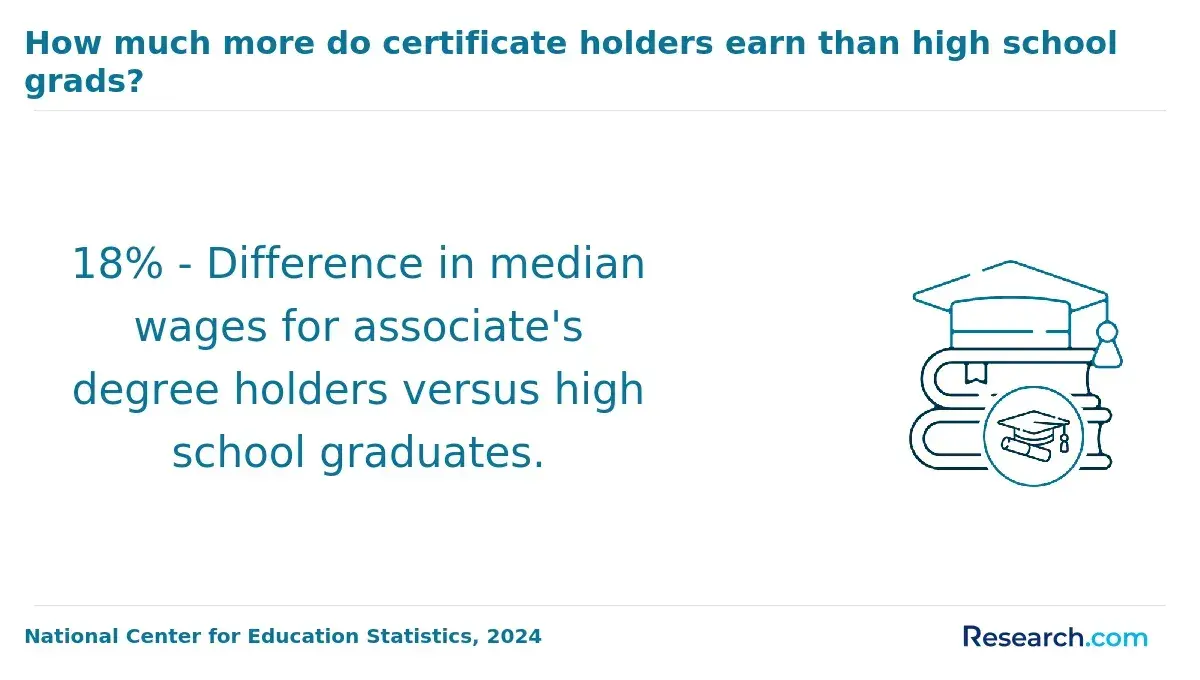
Key workforce implications include a median wage increase of roughly $10,000 annually compared to associate degree holders, with medical and health services managers earning a median $117,960 per the U.S. Bureau of Labor Statistics. However, prospective students should weigh that success demands proficiency in healthcare law, ethics, informatics, and regulatory communication-areas requiring rigorous study beyond general business principles.
The market increasingly prizes graduates from healthcare business administration degree programs who are adept at strategic decision-making and navigating compliance. Those exploring an accelerated educational route might consider programs such as an accelerated business management degree to meet these learning and timing objectives efficiently.
How can you use this degree to qualify for healthcare business and administration roles?
Graduates with a bachelor's degree in business administration focused on healthcare are positioned to meet specific employer requirements in medical and health services management, an area with projected openings exceeding 60,000 annually. This credential equips candidates with in-depth knowledge of financial stewardship, regulatory frameworks, and operational efficiency essential in healthcare business administration career paths.
In practical terms, professionals are expected to use business analytics to refine staffing models or implement cost containment without diminishing patient outcomes. For example, leveraging data-driven decision-making can directly impact hospital overhead and reimbursement processes.
Those pursuing healthcare administration roles and qualifications must also navigate ongoing regulatory changes and technology shifts, making hands-on internships and experiential learning critical to build applicable skills beyond theory. Candidates without this industry-specific preparation face disadvantages compared to those with targeted healthcare business education.
Employers prioritize hybrid expertise that blends business principles and healthcare operations, supporting career pivots into diverse administration roles with upward mobility. Some applicants may also consider related pathways such as an online construction management bachelor's degree when evaluating alternative management degrees with distinct operational focuses.
Which accreditation and program quality indicators matter most for online business degrees in healthcare?
Employers demand that graduates of online business administration accreditation for healthcare programs complete curricula vetted by recognized bodies such as ACBSP or AACSB to ensure quality and relevance. Regional accreditation also affects credit transferability and employer recognition, which are critical when pivoting careers or seeking advancement in healthcare-focused business roles.
Program quality indicators for healthcare business administration degrees extend beyond accreditation. They include updated course content reflecting healthcare reforms, faculty expertise in healthcare operations, and experiential learning like internships that provide real-world understanding. A graduate who completes a practicum in a hospital's finance department gains practical skills in budget management that purely academic study cannot replicate.
Practical outcomes influence workforce value: a healthcare-centric BBA graduate earns a median wage of $117,960, more than twice the overall U.S. median, emphasizing the premium on specialized knowledge in healthcare management and operations. However, programs lacking current healthcare industry updates or flexible delivery options can limit career mobility and program completion, impacting long-term success.
When evaluating educational pathways, prospective students should compare factors such as curriculum relevance, faculty credentials, and support services. Those interested in entrepreneurial ventures within healthcare might also consider an MBA for entrepreneurs to diversify their career options while maintaining a business foundation rooted in healthcare contexts.
How do online business administration programs for healthcare compare to on-campus options?
Online business administration programs for healthcare differ significantly from their on-campus counterparts in how they balance flexibility with sector-specific depth. While traditional classes offer embedded networking with local healthcare providers, online formats prioritize asynchronous delivery that fits full-time healthcare roles. This tradeoff matters in markets where clinical site access drives internship opportunities versus scenarios where working professionals need to maintain employment while studying. Such distinctions affect how students gain practical exposure, as some on-campus programs mandate clinical hours incompatible with remote learning. Online healthcare business administration degree programs compensate through virtual simulations and remote practicums, though the quality of these alternatives varies.
Employers actively seek candidates who bring targeted understanding of healthcare systems, regulatory frameworks, and data management, not just general management skills. This is reflected in strong salary premiums; PayScale's 2025 data positions healthcare administration degrees among the top-earning bachelor's fields, with early-career incomes averaging about $60,800, notably above general business graduates. These economic signals emphasize the advantage of specialized curricula integrating healthcare case studies, policy analysis, and informatics within business administration.
- On-campus study supports regionally concentrated job placement through in-person networking.
- Online programs enable geographic flexibility and continuous full-time employment.
- Clinical site requirements may limit some online program options.
- Virtual practicums attempt to bridge hands-on experience gaps but must be carefully evaluated.
Prospective students weighing healthcare business administration degree online compared to traditional classes should consider how these factors align with their employment status, career goals, and local market dynamics. For professionals seeking synchronous flexibility without sacrificing employer-relevant competencies, online formats provide a credible credential path. Those needing intensive clinical immersion may find on-campus programs better suited.
For related advanced study options tailored to workforce schedules, explore online masters programs in human resource management to understand how specialized business education adapts across disciplines.
What healthcare-focused business courses and concentrations can you expect in these bachelor's programs?
Healthcare-focused bachelor's programs in business administration respond directly to market demands by integrating finance, healthcare operations, and strategic management skills essential for real-world roles. Job data from BestColleges' 2026 analysis shows nearly 30% of healthcare administration listings require proficiency in budgeting, supply chain, and policy compliance, underscoring the importance of blending healthcare knowledge with core business acumen.
Key courses frequently cover healthcare economics-enabling cost-benefit decisions in clinical settings-and health information management, emphasizing HIPAA compliance and data-driven strategies. Concentration areas such as healthcare finance equip students to handle revenue cycles and investment decisions, while healthcare marketing addresses patient engagement and service development.
Graduates managing hospital departments face tasks like budget balancing, insurance negotiations, and workforce optimization, directly applying finance and human resources concepts. Those pursuing healthcare consulting roles will gain from concentrations in strategic planning and organizational behavior tailored to navigating complex healthcare environments.
Tradeoffs involve balancing broad business foundation courses against specialized healthcare modules. Selecting programs recognized by employers for healthcare-specific skills tends to reduce onboarding delays and increase job placement success. Coursework in project management and healthcare law further prepares students for contract negotiation and risk mitigation challenges.
What are the typical admission requirements and prerequisites for online business administration majors?
Admission standards for online business administration majors concentrating in healthcare prioritize verified academic readiness rather than broad accessibility. Programs typically require a high school diploma or equivalent plus minimum GPAs of 2.5 to 3.0 and satisfactory scores on standardized or placement tests. Prerequisite coursework in math, English composition, or foundational business subjects is common to prevent extended remediation later. Transfer applicants must submit official transcripts with grades of C or higher for core business or healthcare courses, while relevant professional experience may occasionally substitute for prerequisites, conditional on program discretion.
Healthcare-specific tracks often demand prior familiarity with healthcare terminology or systems based on workplace or educational experience, aligning with employer expectations for operational competence in complex settings. These criteria serve as gatekeepers, shaping candidate pools and impacting completion timelines.
For example, a healthcare support worker aiming to transition into management must confirm their business basics and healthcare knowledge align with admission rules to avoid prolonging education and losing employer tuition benefits. Failure to satisfy prerequisites can extend degree completion by semesters and complicate funding eligibility.
Online bachelor's business programs, growing over 20% in enrollment according to U.S. News' 2025 rankings, balance expanding demand with preserving rigor. Early and precise verification of program requirements minimizes costly delays and supports alignment with workforce realities.
How long does it take to earn an online bachelor's in business administration for healthcare careers?
Choosing the pace for an online bachelor's in business administration for healthcare involves critical tradeoffs that shape long-term career trajectories. Full-time students typically finish in four years, but accelerated options compress this to two and a half to three years by intensifying course loads or leveraging credits from military or professional experience. While faster completion reduces tuition and allows earlier workforce entry-realistically boosting lifetime earnings-compressed schedules may sacrifice depth in healthcare compliance and financial management, areas employers scrutinize closely.
Part-time enrollment extends completion to five or six years, accommodating working professionals but delaying salary progression and increasing cumulative costs. Employers value candidates who balance business fundamentals with mastery in healthcare regulations and operations, a balance strained by rushed curricula. Thoughtful planning around course sequencing and practicum obligations is essential to avoid penalties and ensure readiness for supervisory roles.
Cost-wise, the average annual tuition for top-ranked programs approaches $9,500, with median post-graduate salaries exceeding $117,000, emphasizing a strong return on investment. Decisions on pacing should weigh immediate work obligations against the advantage of entering the healthcare management workforce sooner.
- Accelerated paths suit those who can manage intense course demands without compromising mastery
- Part-time study supports employed students but slows financial and career gains
- Employer preferences emphasize proficiency in healthcare compliance alongside business skills
What are the tuition costs, financial aid options, and employer tuition benefits for these programs?
Online bachelor's in business administration programs focused on healthcare roles present a wide range of tuition costs, from $200 to $600 per credit hour, resulting in total expenses between $40,000 and $90,000. Public universities generally offer more affordable options for in-state students, while private institutions may charge more but offset costs through targeted scholarships and employer partnerships.
Financial aid in this niche often comes from federal Pell Grants, merit- and need-based scholarships, and federal student loans, yet nearly two-thirds of funding originates from institutional scholarships and employer tuition reimbursement programs rather than federal grants alone. For working professionals, employer tuition benefits are a significant factor, frequently covering 50% to 100% of tuition, subject to grade and service requirements. This support can drastically reduce personal financial burden, as seen in roles like hospital finance administration, where nearly full cost coverage is attainable.
Key considerations when selecting a healthcare business administration program include total cost accounting for fees, institutional aid availability, and employer reimbursement policies. Neglecting these can lead to unexpected out-of-pocket expenses and delay professional progression. Data from New England College indicates that over half of medical and health services managers move into senior leadership within a decade, emphasizing the tangible return on strategic investments in education and employer partnerships.
What salary ranges and advancement opportunities exist for graduates in healthcare business roles?
Salary trajectories for graduates with a bachelor's in business administration focused on healthcare depend heavily on employer size, location, and prior experience. Entry-level roles typically range from $55,000 to $75,000, while mid-level positions like healthcare business analysts or operations coordinators earn $75,000 to $95,000. Salaries exceeding $100,000 generally require mastery of specialized areas such as healthcare informatics or data analytics.
Employers increasingly demand technical competencies in data-driven decision-making and value-based care management, shifting educational priorities accordingly. Programs adapting their curricula to include these skills better position graduates for upward mobility and strategic roles within healthcare systems.
Consider a graduate entering a mid-sized hospital as a healthcare analyst: proficiency in informatics can accelerate advancement, potentially leading to director-level roles within 5-7 years. Conversely, absence of these skills may confine professionals to routine administrative positions with limited earnings and slower progression.
Executive-level positions usually require certifications or advanced degrees, which can elevate salary expectations by 15%-25%. Therefore, prospective students must weigh the immediate costs and effort of additional qualifications against the longer-term payoff.
Aligning program selection with employer expectations for analytics and informatics enhances employability and salary growth, making practical curriculum scrutiny essential for those navigating healthcare business administration careers.
How can you choose the best-fit online business administration program for your healthcare career goals?
Selecting an online business administration program for healthcare roles demands more than general convenience; it requires alignment with specific sector knowledge and workforce realities. Programs offering fully asynchronous coursework-available in over 80% of top healthcare administration bachelor's tracks-address the erratic schedules of professionals handling clinical and regulatory responsibilities. Yet, flexibility alone isn't enough.
Curricula must include targeted healthcare business competencies such as healthcare finance, policy compliance, patient data analytics, and supply chain logistics. For example, managing hospital operations differs substantially from roles in insurance where economics and procurement are paramount. This specialization drives employability and effectiveness in healthcare organizations.
Accreditation by CAHME or recognized regional bodies legitimizes program quality and influences employer preference. Beyond credentials, prospective students should weigh tangible outcomes like graduation rates and job placement focused on healthcare management positions to avoid costly credential mismatches.
Practical considerations extend to technology reliability during clinical shifts and credit transfer policies that can shorten time-to-degree for those with prior business coursework. Career services that understand healthcare industry demands add measurable value in securing relevant roles post-graduation.
Ultimately, successful students gain not only sector-specific expertise but also access to asynchronous delivery models proven to accommodate the unpredictable pace of healthcare work without sacrificing academic rigor or career progress.
Other Things You Should Know About Business Administration
An online bachelor's in business administration with a healthcare focus offers more targeted coursework relevant to healthcare industry regulations, reimbursement systems, and organizational dynamics, which general business degrees lack. This specialization can directly improve employability in healthcare settings by addressing specific employer needs. However, if you aim for broader business roles beyond healthcare, a general business degree might provide more flexibility. Prioritize a healthcare-focused program only if your goal is to remain within healthcare administration, as the specialized content justifies the potential premium in tuition and narrower job market scope.
Programs designed for working professionals vary in pace and workload. More accelerated or competency-based programs reduce time to completion but often demand significant weekly hours and tight deadlines. This can strain full-time workers balancing job responsibilities, potentially reducing learning absorption and networking opportunities. When choosing a program, prioritize those with flexible asynchronous coursework combined with practical projects that fit your schedule, ensuring you can maintain job performance while gaining applicable skills without burnout.
In 2027, online business administration degrees for healthcare are increasingly recognized for their flexibility and up-to-date curricula. However, professional recognition can vary by employer, with some prioritizing the perceived rigor of on-campus programs. Researching specific employer preferences remains essential for students.
Focus on courses and experiences that develop financial management within healthcare settings, regulatory compliance, and data analysis relevant to patient and operational outcomes. Technical proficiency in healthcare information systems and understanding of insurance or billing processes are highly valued. Programs emphasizing strategic decision-making and leadership tailored to healthcare organizations also improve immediate job readiness. Prioritize programs that incorporate case studies or internships with healthcare entities, as hands-on experience trumps theoretical knowledge when entering administration roles.
References
- Online Tuition-Free Bachelor's Degree in Business Administration (BBA) https://www.uopeople.edu/programs/online-bachelors/business-administration/
- 3 Degrees of Healthcare Management: MSHCM vs. MBA vs. MHA https://www.michiganstateuniversityonline.com/resources/healthcare-management/degrees-in-healthcare-management-mba-vs-mha-mshcm/
- Gesundheitsmanagement https://www.imc.ac.at/en/study/bachelor/business/gesundheitsmanagement/
- What Can I Do with a Degree in Healthcare Management? https://www.herzing.edu/degree/healthcare-management
- Tuition Reimbursement Programs https://www.brighthorizons.com/employers/benefits/tuition-reimbursement-program
- How to Choose the Right MBA Program for Your Career Goals https://lsmt.org.uk/blog/how-to-choose-the-right-mba-program-for-your-career-goals
- Who Accredits MHA Programs? https://www.mhaonline.com/faq/who-accredits-online-mha-programs
- Types of Business Degrees: Your Complete Guide | UWA Online https://online.uwa.edu/news/types-business-degrees/
- How to Choose the Right Online Business Program for Your Career Goals https://www.abms.ch/post/how-to-choose-the-right-online-business-program-for-your-career-goals
- Top 10 Best Online Healthcare Administration Degree Programs 2016 - Healthcare Administration Degree Programs https://www.healthcare-administration-degree.net/best/online/