2027 Best Online BBA Programs With Entrepreneurship Tracks

Co-Founder and Chief Data Scientist
Mid-career professionals balancing demanding jobs and family responsibilities face a daunting dilemma when pursuing a BBA with an entrepreneurship focus. Traditional campus schedules rarely align with volatile work hours or caregiving duties, forcing many to delay education or settle for less specialized degrees.
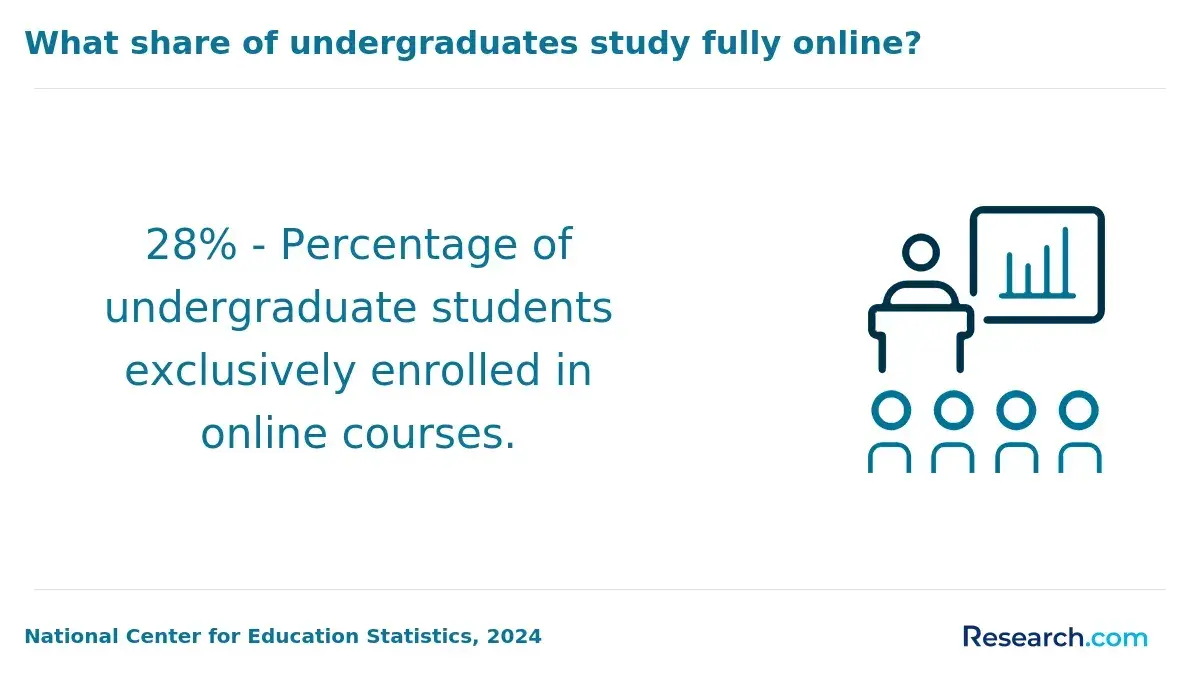
According to the National Center for Education Statistics, over 40% of online undergraduate students in 2024 are adults seeking flexible enrollment, revealing a substantial shift toward adaptable program structures. This trend signals the need for thoughtfully designed online BBA programs that integrate entrepreneurship tracks without sacrificing depth or relevance.
This article examines top online BBA programs with entrepreneurship tracks, evaluating how they meet accessibility, specialization, and career mobility demands to guide informed decisions.
Key Things You Should Know
- Online BBA programs with entrepreneurship tracks show a median tuition variance of 45%, affecting time-to-degree decisions; delaying graduation by a semester raises earning loss by an estimated $3,200 per student based on BLS wage growth data.
- Employers in sectors like fintech and health startups prioritize candidates with experiential learning in entrepreneurship, as NCES data indicates 64% of hiring managers value applied project portfolios over traditional internships.
- The most intensive entrepreneurship tracks demand 25% more credit hours, creating a tradeoff between specialized skills and extended exposure to core business administration fundamentals, impacting adaptability in evolving markets.
What is an online BBA in entrepreneurship and how does it differ from a general BBA?
An online BBA focused on entrepreneurship diverges sharply from a general BBA by targeting the competencies necessary for launching and growing ventures, rather than offering an all-encompassing business education. While general BBA programs deliver broad foundation courses like accounting, marketing, finance, and management, entrepreneurship tracks emphasize business model innovation, startup financing, opportunity recognition, and growth strategies.
For example, analyzing funding sources suited for tech startups contrasts with the generalist view of operations in large corporations.
Students seeking online BBA programs with entrepreneurship specialization should anticipate hands-on experiential learning such as business plan creation or incubator participation, which demand higher self-direction. Graduates typically gain skills enabling roles in early-stage firms or self-employment, particularly in risk management and lean operations.
However, this specialization narrows their appeal for traditional corporate leadership tracks, which value a broader business administration knowledge base.
Employers in established firms often prioritize candidates with diverse management expertise instead of niche entrepreneurial skills, making degree selection a critical strategic choice. Demand for online BBA degrees remains robust, with business as the most popular field nationwide—over 60,000 graduates in 2022-23, according to U.S. News Best Online Bachelor's in Business Programs.
Those evaluating degree options should also consider pathways for advancement, such as a healthcare MBA for industry specialization after foundational business studies.
How do online BBA entrepreneurship programs compare with on-campus options for quality and outcomes?
Online BBA entrepreneurship programs match the academic rigor of on-campus equivalents but diverge sharply in quality of experiential learning and networking, affecting outcomes of online vs. traditional business administration entrepreneurship tracks. Employers consistently prioritize candidates with verified leadership in local ecosystems, accessible through on-campus internships, incubators, and direct mentorship.
In contrast, online students gain flexibility, appealing to professionals constrained by geography or schedules, yet they often face limited access to live collaboration and real-time market testing.
Tuition varies widely, from around $28,000 to $94,000, averaging $61,000, a range reflecting program prestige and resources. Graduates from top-tier online programs report employer recognition near parity with traditional routes when supported by strong accreditation and career services.
However, many mid- to lower-tier online programs struggle to build employer trust, impacting job market value. Decision makers must weigh these differences carefully.
Consider a retail manager shifting toward tech entrepreneurship: an on-campus BBA entrepreneurship program offers immediate access to investor networks and prototype support, accelerating market entry. Online learners must independently locate local resources, slowing momentum. For mid-career professionals focused more on strategic business skills than direct startup creation, online tracks are a practical, cost-conscious choice.
Students evaluating these pathways should balance immersive entrepreneurial environments against flexible delivery, aligning with career goals and geographic realities. For those seeking efficient credentials in related fields, exploring the fastest online project management degree options may provide alternative strategic value.
Which accredited online BBA programs offer the strongest entrepreneurship concentrations or tracks?
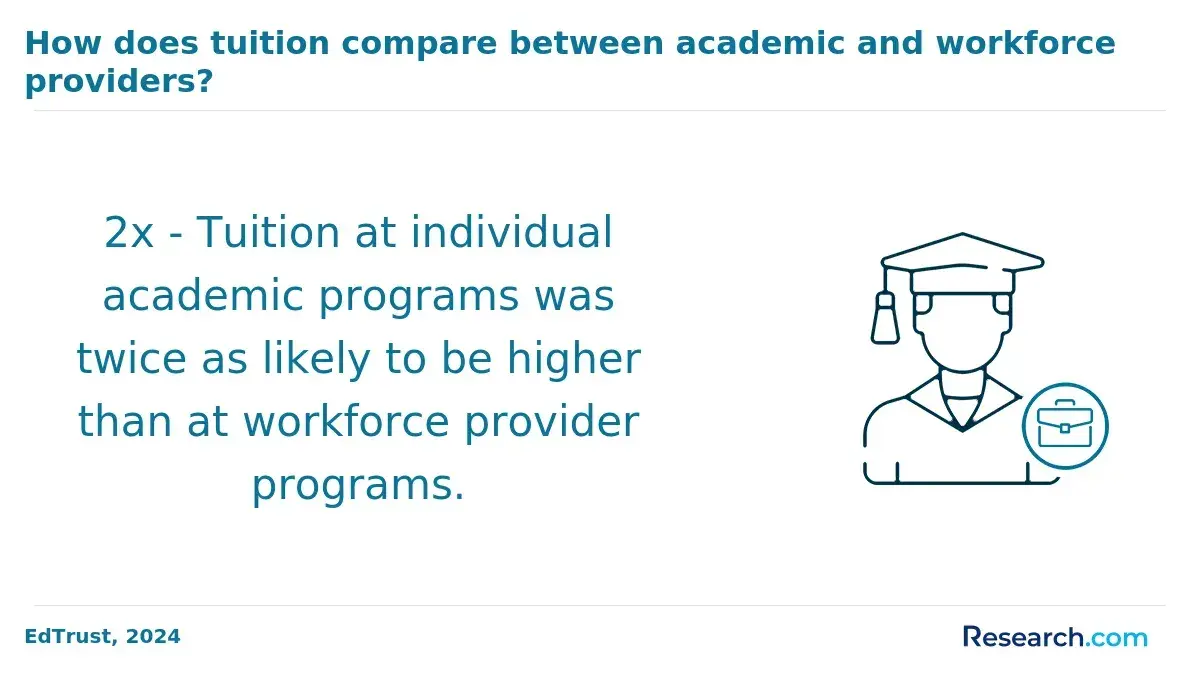
Programs offering online accredited BBA programs with entrepreneurship concentration must demonstrate direct applicability to the operational realities of venture creation and leadership within competitive markets. Lamar University's online BBA entrepreneurship track, priced at $314 per credit hour or $942 per full course, exemplifies the balancing act between affordability and targeted skill development for working professionals.
Cost considerations such as these heavily influence decision-making, especially when juxtaposed with program flexibility and access to entrepreneurial ecosystems.
Top online business administration degrees with an entrepreneurship track integrate scenario-specific project work that enhances employability by simulating real-world entrepreneurial challenges.
For instance, tech entrepreneurs refine pitching skills for venture capital, while retail-focused students concentrate on supply chain and local market adaptations. These distinctions affect graduates' capacity to generate funding or launch viable businesses, demonstrating the critical necessity of specificity in curriculum design.
Essential elements in strong entrepreneurship tracks include assignments requiring comprehensive business plans, competitive market analyses, and opportunities for incubator or mentorship engagement. Employers increasingly demand not only theoretical knowledge but also demonstrated execution competence, as graduates who lack applied learning risk extended time-to-market and diminished management effectiveness.
Prospective students assessing these programs should consider how credit costs, curricular rigor, and practical exposure align with measurable career outcomes. For those balancing time constraints, the shortest MBA program might offer a complementary pathway to supplement undergraduate entrepreneurship training.
What courses and specializations are typically included in an online BBA entrepreneurship curriculum?
Programs blending core business courses with entrepreneurship specializations must balance foundational management knowledge against venture-specific skills. Online BBA entrepreneurship coursework generally includes financial accounting, marketing principles, organizational behavior, and business law to create a business acumen baseline.
Entrepreneurship-focused coursework covers new venture creation, innovation management, business plan development, and entrepreneurial finance, emphasizing challenges like capital acquisition and funding strategies.
A working professional targeting entrepreneurship pivots faces specific obstacles: entrepreneurial finance requires handling scarce resources and investor relations under uncertainty, distinct from traditional corporate finance.
Employers often expect proficiency in leadership and strategic decision-making, evident in a median annual wage of $107,360 for management occupations reported by the U.S. Bureau of Labor Statistics as of May 2024. Critical areas such as strategic management, risk mitigation, negotiation tactics, and operational scaling enhance value but demand hands-on application.
Students should prioritize programs offering mentorship and real-world project experience to translate theory into execution effectively. For those comparing pathways in healthcare or other industries, options like a fast online master's in healthcare management provide alternative specialization routes.
Prioritizing BBA program specializations in entrepreneurship means accepting tradeoffs: the breadth of business knowledge versus the depth of startup expertise, with program quality determining how well they bridge that divide in competitive markets.
How long does it take to complete an online BBA in entrepreneurship and how is it structured?
Pursuing an online BBA in entrepreneurship requires strategic evaluation of time commitment versus applied learning opportunities. Full-time study typically spans three to four years, with part-time paths extending five to six to accommodate employed students.
These programs blend core business administration fundamentals—finance, marketing, management, and business law—with specialized courses targeting venture creation, startup financing, and innovation strategy. The 120 to 130 credit hour requirement reflects a comprehensive curriculum balancing theory and practice.
Most curricula employ asynchronous formats compatible with working adults, often mandating internships or capstone projects within startups or small businesses. This hands-on experience is essential for grappling with the operational realities of entrepreneurship beyond classroom concepts.
Working professionals aiming for a career transition should consider that accelerated programs may reduce critical networking and real-world engagement vital to entrepreneurial success. The focus on leadership, financial management, and risk assessment supports roles such as startup founders or strategic planners but demands rigorous time management when combined with full-time employment.
Notably, financial management skills acquired during the course have tangible wage benefits. For example, financial managers earned a median annual salary of $156,100 as of May 2024, reflecting the value of entrepreneurial acumen coupled with fiscal expertise in both corporate and startup contexts.
What admission requirements and prior experience do online BBA entrepreneurship programs usually expect?
Admission to online BBA entrepreneurship programs demands more than minimum academic thresholds; it requires applicants to prove capacity for self-directed study and a clear entrepreneurial focus. While a high school diploma and typically a GPA between 2.5 and 3.0 on a 4.0 scale are standard, admissions increasingly apply test-optional policies, shifting emphasis toward qualitative factors such as personal statements that clarify career intent and prior experiences.
Applicants with hands-on business exposure—especially in digital marketing, retail, or managing an online business—hold a practical advantage. For instance, experience running an e-commerce venture aligns with workforce realities where U.S. online sales topped $1.19 trillion, forcing entrepreneurs to grasp digital market dynamics and supply chain complexities thoroughly.
Beyond academics, candidates must show readiness to juggle coursework with other professional obligations and demonstrate time management suited to remote learning environments. Programs often require evidence of technological proficiency, reliable internet access, and familiarity with collaboration tools, reflecting the operational demands of virtual entrepreneurship education.
Admission committees may request letters of recommendation or conduct interviews to determine candidate fit, prioritizing those who can effectively balance self-discipline with real-time digital collaboration. This practical readiness is critical for navigating intensive curricula designed to translate academic knowledge into viable business operations in evolving marketplaces.
How much do online BBA entrepreneurship programs cost, and what financial aid options are available?
The cost of online BBA entrepreneurship programs varies widely, generally ranging from $15,000 to $50,000 in total tuition, influenced by factors such as public versus private institutions, credit-hour pricing, and program duration. State universities often charge around $400 per credit hour, whereas private schools may exceed $1,000 per credit hour, a significant consideration for working professionals weighing educational investment against expected salary gains.
Financial aid mechanisms—including federal Pell Grants, Direct Loans, and institutional scholarships—are essential tools to reduce out-of-pocket expenses. Employer tuition reimbursement also plays a pivotal role, especially for mid-career individuals whose companies support education aligned with business goals. However, leveraging these benefits requires proactive management of eligibility requirements and application timelines.
Private scholarships and industry-specific fellowships offer additional but competitive funding options, often requiring targeted research and renewal commitments. Maintaining eligibility demands regular FAFSA filing and awareness of changing criteria.
Consider a candidate at a small tech startup aiming to minimize education expenses by combining in-state tuition at a public institution with employer tuition assistance and renewable scholarships. This approach can cap total costs below $20,000, reducing debt burden while entering a labor market that the U.S. Bureau of Labor Statistics projects 11% growth for management analysts between 2023 and 2033.
What careers can you pursue with an online BBA in entrepreneurship besides starting your own business?
An online BBA in entrepreneurship often serves graduates aiming beyond startup creation, positioning them for roles such as innovation managers, product developers, and business consultants within established firms. These roles tend to exhibit roughly 10% faster employment growth compared to traditional business careers, reflecting market demand for entrepreneurial skill sets in opportunity recognition and resource allocation.
Typical career options include:
- Business development analysts targeting strategic partnerships and revenue growth.
- Innovation coordinators launching new product lines in sectors like technology, manufacturing, and healthcare.
- Consultants guiding SMEs on scalable growth using lean startup methodologies.
- Project managers leading entrepreneurial teams or corporate intrapreneurial initiatives.
However, success in these positions depends heavily on demonstrated financial literacy, marketing strategy, and operational competence cultivated during the degree, supplemented by internships or real project outcomes to mitigate employer skepticism around entrepreneurial risk.
Cost considerations directly influence the ROI of such degrees; for example, Chandigarh University Online offers the program at ₹131,250 post-scholarship, which prospective students must balance against expected salary uplifts within corporate roles that prioritize innovation experience over startup ambitions.
Transitioning into corporate innovation demands continuous skill development and networking, with certifications in project management or digital marketing often required to enhance employability beyond the foundational entrepreneurship curriculum.
What salary ranges and job outlook can graduates of online BBA entrepreneurship programs expect?
Graduates from online BBA entrepreneurship programs often enter the job market with starting salaries between $50,000 and $70,000, varying by industry and location. Mid-career earnings can reach $85,000 to $120,000, but these figures depend heavily on the sector and role.
Leadership in tech startups or small to medium family-owned businesses rewards demonstrable revenue impact more than tenure. However, family businesses present unique challenges; only about 30% survive into the second generation, which places pressure on graduates to manage legacy alongside innovation, influencing both salary growth and job stability.
Employers typically emphasize practical skills over years of experience. Competencies in market analysis, financial management, and strategic planning are often prioritized for entrepreneurship-track candidates, opening opportunities early on. Still, compensation in entrepreneurial roles can fluctuate due to profit cycles, especially in startups or family businesses.
Professionals seeking steadier income might consider corporate management paths where average salaries are around $75,000, albeit with less influence over business direction.
Job growth for managerial and entrepreneurial roles is projected at 5% through 2030, slower than average but stable. Specializing in sectors like tech, healthcare, or e-commerce improves marketability. For those involved in family businesses, knowledge of succession planning and governance is vital to mitigate high failure rates after the first generation.
How can you evaluate and choose a reputable, accredited online BBA entrepreneurship program?
Accreditation fundamentally dictates the tangible value of an online bachelor's in entrepreneurship. Employers and graduate programs consistently prioritize degrees from schools accredited by recognized entities like AACSB or MSCHE. Programs lacking these credentials risk producing graduates whose qualifications have limited market recognition.
Additionally, maintaining at least 120 credit hours aligns with industry standards, ensuring the scope of coursework is sufficiently comprehensive to cover core business administration and entrepreneurship essentials.
Curriculum depth is often the dividing line between surface-level business education and practical entrepreneurial preparation. Effective programs embed applied topics such as startup finance, innovation management, and digital marketing analytics. Without experiential components—such as internships, capstone projects, or live simulations—graduates frequently enter the workforce underprepared for dynamic industry challenges.
Faculty profiles provide a critical lens on program relevance. Applicants should seek instructors with demonstrable entrepreneurial achievements or active innovation research rather than pure academic backgrounds. For example, a tech entrepreneur should prioritize programs staffed by faculty with startup or venture capital experience to gain insights applicable to the rapidly evolving tech sector.
Flexibility factors—course delivery methods, credit transfer options, and career support—directly impact completion rates and post-graduation employment. Programs overlooking these elements generally see reduced job placement outcomes, particularly for working professionals balancing education with external obligations.
Other Things You Should Know About Business Administration
Work experience is not a strict requirement for most online BBA entrepreneurship programs, but having practical exposure can significantly enhance learning outcomes. Students with prior business experience are better equipped to apply theoretical concepts to real-world challenges, leading to a more effective education. If you lack experience, prioritize programs that offer immersive case studies, internships, or mentorships to bridge this gap.
Entrepreneurship tracks often demand a higher workload due to project-based assignments and the expectation to develop viable business plans. Unlike general business programs focused on broad management skills, entrepreneurship courses require additional research, creativity, and iterative problem solving that can extend weekly study hours. Candidates should prepare for a more intensive schedule and seek programs with flexible pacing to balance personal and professional commitments.
Employers increasingly recognize entrepreneurship tracks for the practical skills and initiative they signal, but acceptance varies by industry and role. Traditional business majors may carry more weight in established corporate settings prioritizing specialization, whereas startups and innovative firms emphasize entrepreneurial experience. When choosing a program, consider your target sector's hiring trends and whether practical entrepreneurial projects and networking opportunities are integrated into the curriculum.
References
- Is Online BBA Good for Business Careers in 2026? - BDU https://www.bduedu.in/online-bba/is-online-bba-good-for-business-careers-and-entrepreneurship
- Top Jobs After BBA and Salary Insights: What to Expect https://gibs.edu.in/blog/job-market-after-bba-roles-and-salary-expectations/
- Business School Admissions: Everything You Need to Know https://www.uniccm.com/blog/business-school-admissions-everything-you-need-to-know
- How Long Does It Take to Get a Business Administration Degree? - Team Academy https://teamacademy.nl/how-long-does-it-take-to-get-a-business-administration-degree/
- Does Online BBA Prepare You for Entrepreneurship? https://www.dypatilonline.com/blogs/does-online-bba-prepare-you-for-entrepreneurship
- Online BBA vs BCom vs BBM: Which Suits You Degree? https://www.onlinecu.in/blog/cu/online-bba-vs-online-bcom-vs-online-bbm
- Best Online BBA and BCom Programs in Canada of 2026 | CourseCompare.ca https://www.coursecompare.ca/best-online-bba-bcom-programs-canada/
- Bachelor of Arts in Business Administration https://www.moravian.edu/school-professional-studies-innovation/programs-of-study/bba
- Business Administration Degree Salary | UE Amsterdam https://www.ue-amsterdam.com/blog/business-administration-degree-salary-how-much-can-you-earn
- Future of Business Careers After Online BBA in 2030 & Beyond https://guniol.com/blog/future-of-business-career-after-online-bba.html