2027 Online Business Administration Degrees With Marketing Coursework

Co-Founder and Chief Data Scientist
The challenge for working professionals targeting advancement in business without interrupting their careers is acute: how to gain robust business administration skills, including marketing, while managing full-time employment and personal obligations. A 2024 report by the National Center for Education Statistics notes online enrollments have grown 8% annually, particularly among adult learners seeking flexible options-signaling a shift toward asynchronous, career-compatible programs. This flexibility matters because delayed degree completion decreases both earning potential and promotion chances. Selecting the right online business administration degree with marketing coursework requires understanding which programs balance rigor, accessibility, and market relevance.
This article examines current online degrees integrating business administration and marketing to guide informed choices for career-focused students navigating these trade-offs effectively.
Key Things You Should Know
- Business administration degrees with marketing coursework typically extend program length by 10-15%, increasing total tuition by 8-12% according to NCES 2024 data, which may affect ROI timelines for career changers.
- Employers in marketing-heavy sectors prefer graduates combining core business administration knowledge with digital marketing skills; 67% of surveyed hiring managers in 2024 prioritize such interdisciplinary credentials.
- Tradeoffs include reduced depth in specialized marketing certifications as programs balance breadth across administration and marketing, often limiting advanced analytics training that 42% of senior marketers now deem essential.
What is an online business administration degree with a marketing focus and who is it for?
An online business administration degree with marketing specialization serves as a strategic pivot for professionals blending management fundamentals with targeted marketing expertise. This approach matters most for individuals transitioning from broader business roles into marketing-driven positions like brand management or marketing analytics, areas demanding fluency in consumer behavior, digital tools, and market research.
Employers increasingly require graduates who combine operational skills with marketing tacticism. For example, a mid-level manager at a tech startup may use this degree to advance into leadership roles by applying data-driven customer insights alongside solid budget and team management acumen. This degree is especially relevant in sectors such as retail, technology, and healthcare marketing, where hybrid competence is in demand.
Cost is often pivotal: the National Center for Education Statistics reports that average annual tuition for fully online bachelor's marketing programs is about $10,473, roughly 38% less than partially on-campus alternatives at $16,941. This affordability factor can indeed lower barriers for working adults pursuing accredited online business administration programs with marketing coursework.
Online study calls for strong self-discipline, plus verification that curricula provide current marketing technology training and hands-on projects. Students without business backgrounds should expect foundational courses that may extend graduation timelines. Those weighing program options should consider rigor and career alignment carefully to ensure workforce readiness. For related advanced pathways, consider an operations management MBA online.
How do online business administration programs with marketing coursework compare to on-campus options?
Choosing between online business administration programs with marketing coursework and traditional on-campus degrees involves weighing distinct professional and operational tradeoffs. On-campus programs often provide more streamlined access to industry-specific internships and collaborative projects, benefiting those targeting leadership roles in established sectors such as manufacturing product management. Conversely, online paths demand greater self-direction to secure remote experience and build networks digitally, qualities increasingly valued in fast-evolving digital markets.
The curriculum rigor across these modalities remains comparable, incorporating core marketing topics, but program cohort composition differs significantly. Online programs attract a broader range of working professionals actively applying concepts in diverse fields like e-commerce and health services marketing, enriching peer interaction through immediate real-world examples, a contrast to the more localized peer dynamics of on-campus settings.
Employment outlooks reinforce the necessity for strong analytics and digital marketing skills. The U.S. Bureau of Labor Statistics projects 13% growth in market research analyst roles from 2022 to 2032, reflecting demand for both in-person experiential skills and digitally oriented competencies emphasized by online coursework.
Prospective students should also recognize how these modalities align with distinct career strategies. The comparison of online and traditional business administration degrees with marketing underscores that those prioritizing structured networking and hands-on learning may lean toward on-campus, while professionals seeking faster completion and flexibility could favor online programs. For individuals exploring advanced roles, including those considering a project manager bachelor degree, understanding these tradeoffs is essential to maximize both educational investment and workforce outcomes.
Are online business administration degrees with marketing coursework respected by employers?
Employers weigh online business administration degrees with marketing coursework based on clear evidence of relevant skills and industry alignment. Programs that incorporate current digital marketing analytics, consumer behavior insights, and strategic project management stand out when graduates demonstrate tangible outcomes. Despite persistent skepticism about online degrees, graduates who present portfolios or case studies revealing measurable expertise often secure roles like marketing coordinators or advertising managers, especially in competitive sectors such as technology or finance.
Economic data affirms strong earning potential for marketing roles linked to business administration; for instance, advertising and promotions managers have a median annual wage near $135,900 according to U.S. Bureau of Labor Statistics figures. However, candidates must navigate practical challenges including limited networking opportunities inherent to online study. Proactive participation in virtual industry events and employer-led online communities can help bridge this gap.
To address employer perception of online business administration with marketing coursework, students should prioritize accredited programs offering live projects, internships, and recognized certifications aligned with sector-specific digital tools. The reality for those targeting high-responsibility marketing roles is that measurable skills and real-world applicability are non-negotiable. Prospective students might also explore accelerated MBA programs as an alternative pathway for acquiring strategic leadership competencies.
What marketing courses and business core classes are typically included in these programs?
Marketing courses inside business administration degrees with integrated marketing courses cultivate practical skills directly tied to market-facing roles, emphasizing customer segmentation, brand positioning, and analytics-driven campaign management. For example, mastering digital marketing tools like SEO and content strategy is essential for professionals aiming to improve e-commerce performance and consumer engagement in sectors ranging from retail to healthcare.
Core coursework in business administration and marketing programs reinforces marketing strategies with operational competencies in accounting, finance, management, and business law. Understanding financial statements and organizational behavior enables marketing managers to navigate budget constraints and demonstrate ROI, which are increasingly scrutinized in corporate and startup environments alike.
Additionally, quantitative methods such as statistics and data analysis equip students to evaluate campaign effectiveness and derive insights from market data-skills highly valued by employers prioritizing data literacy in marketing roles. Ethics and negotiation courses also familiarize graduates with compliance demands and stakeholder relations, essential in tightly regulated industries.
Georgetown University's Center on Education and the Workforce reports that a bachelor's degree in business correlates with a median earnings increase of about 65-70% over a career compared to high school graduates, underscoring the financial rationale for this educational path despite the tradeoffs of rigorous interdisciplinary study.
Students considering alternatives might explore related pathways like a hotel and restaurant management degree online, which offers distinct operational and customer service skills relevant in the hospitality sector but less focused on marketing analytics and business fundamentals.
What accreditation and quality standards should these online business programs meet?
Accreditation status significantly influences the practical value of online business administration degrees with marketing coursework, especially when aligned with marketing analytics. Regional accreditation ensures essential academic standards, credit transferability, and employer recognition, while specialized credentials from bodies like the ACBSP or AACSB add rigor by validating curriculum design and faculty expertise specific to data-driven marketing competencies.
For students targeting roles emphasizing quantitative marketing skills, graduates of programs lacking these accreditations often encounter obstacles such as limited eligibility for advanced data roles, difficulties obtaining industry certifications, and employer skepticism, particularly within competitive retail analytics environments.
The U.S. Bureau of Labor Statistics forecasts a 23% increase in jobs like operations research analysts through 2032, reflecting a market preference for professionals proficient in data management, statistics, and predictive modeling integrated within marketing strategies.
Prospective learners should prioritize programs that offer practical exposure-such as case studies or internships-that mirror real-world business challenges. These experiential components directly impact workforce readiness and ease transitions into analytics-intensive marketing roles.
What are the admission requirements for online business administration degrees with marketing?
Admission to online business administration degrees with marketing components hinges on a blend of academic thresholds and relevant industry background rather than rigid test scores. Most programs stipulate a high school diploma or GED, with a preferred minimum GPA of 2.5 to 3.0, though standardized testing requirements like the SAT or ACT can be less stringent or optional. Applicants with prior college coursework or demonstrable marketing experience often receive preferential consideration, reflecting growing employer demand for practical skills alongside theory.
Admission criteria typically include official transcripts, English proficiency proof for non-native speakers, and completed applications. Certain programs request recommendation letters emphasizing leadership or analytical capabilities pertinent to marketing, plus a statement of purpose that ties career goals with business administration fundamentals. Working professionals benefit from programs that recognize project management or digital marketing experience, sometimes waiving standard admissions hurdles to accelerate entry.
Operational readiness is critical: reliable internet access and facility with learning management platforms are nonnegotiable for sustained online study. More than 30% of undergraduate business students participate in distance education courses, signaling a shift toward virtual learning environments that employers increasingly accept but judge against demonstrated quantitative and data analytics competencies.
For instance, marketing manager roles, especially in tech sectors, demand quantitative coursework or certifications alongside academic records, emphasizing the practical value of such programs in competitive hiring contexts.
How long do these online business administration programs take and how are they structured?
Completing an online business administration program with marketing emphasis typically demands 3 to 4 years full-time due to a 120-130 credit hour requirement, with part-time options extending this by 1 to 2 years. Such timelines reflect a balance between foundational business competencies-accounting, finance, management-and specialized marketing skills like digital marketing and consumer behavior.
Real-world implications of pacing are significant. For instance, a retail manager enrolled part-time might finish in about five years, applying marketing insights directly on the job, but must manage extended commitment risks. Employers in marketing-focused business roles expect not only credential completion but consistent academic progression and timely graduation, making delayed finishes a professional liability.
Many programs rely on asynchronous coursework to accommodate working professionals, trading off scheduling flexibility against potential elongation of study duration when fewer courses are taken per semester. Additional logistical factors-capstone projects or internships-often require synchronous or onsite participation, thereby impacting the overall program length and demanding proactive planning.
Cost considerations further influence student decisions. With online tuition averaging around $365 per credit at institutions like the University of Arkansas for a Bachelor of Science in Business Administration in Marketing, students must weigh affordability against time-to-completion, particularly for extended part-time pathways.
Students should evaluate how program structure aligns with their work commitments and employer expectations, factoring in the practical effects of pacing, scheduling, costs, and experiential components on both educational outcomes and marketability.
How much do online business administration degrees with marketing coursework cost, and how can students pay?
Tuition for online business administration degrees combined with marketing coursework varies sharply depending on credit transfer policies and institutional rates, which drastically influence total cost and time to completion. For instance, Purdue Global's online BS in Business Administration allows transfer of 94 prior credits, reducing tuition to roughly $24,080 for the remaining 86 credits. This represents a real cost and time-saving advantage for working adults or career changers aiming to lessen debt burdens.
Students often finance these degrees through diverse channels that shape affordability and cash flow management:
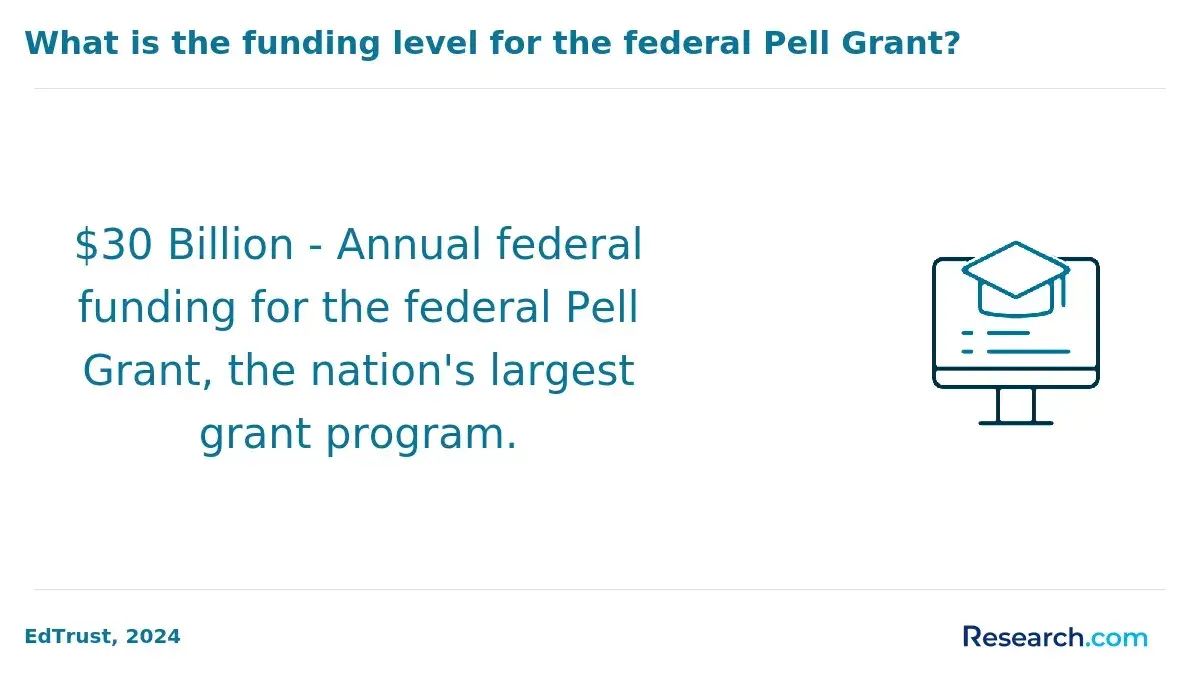
- Federal financial aid such as Pell Grants and loans requiring FAFSA, though borrowing caps and repayment obligations limit flexibility.
- Employer tuition assistance, notably in sectors like retail, healthcare, and technology, where investing in employee education supports retention and internal mobility.
- University payment plans that split tuition into manageable installments, avoiding large upfront payments.
- Scholarships and grants targeted at nontraditional students, veterans, or marketing professionals, which can reduce reliance on loans but are often competitive.
- Accelerated courses or credit-by-exam options to reduce credit load and tuition expense.
Schools with transparent tuition structures and flexible transfer policies enable students to avoid unexpected fees and capitalize on prior learning. Prospective students should weigh financing strategies against expected early-career salaries in marketing or business roles, since excessive debt can restrict mobility in entry-level jobs where compensation may not support heavy loan repayment. Careful financial planning aligned with clear career outcomes is essential for managing the long-term impact of these investments.
What careers and entry-level roles can graduates pursue with this degree?
Graduates with an online business administration degree incorporating marketing coursework enter roles demanding both practical skills and strategic understanding, such as marketing coordinator, sales analyst, digital marketing specialist, and brand assistant. Entry into these positions requires mastery of market research, campaign management, and data analytics embedded within business operations. For example, marketing coordinators frequently navigate cross-departmental communication, balancing creative input and sales priorities-a responsibility grounded in organizational behavior and business principles.
Sales analysts rely heavily on quantitative skills, often more so than pure marketing graduates, to interpret and leverage sales data effectively. Digital marketing specialists, while benefiting from coursework in e-commerce and SEO, face stagnant salary growth unless they pursue additional certifications or advanced analytics expertise beyond the degree.
Key considerations for prospective students:
- Degree coursework including statistics, social media, and project management supports diverse marketing roles.
- Competitive tuition rates like $555.95 per credit hour demand scrutiny of return on investment given the likely need for post-degree credentialing.
- Practical proficiency with marketing and business analytics software is essential to meet employer expectations for applied skills.
Ultimately, this degree serves as a foundation but requires intentional upskilling to avoid career stagnation in a fast-evolving marketing landscape.
What are the salary expectations and job outlook for business and marketing graduates?
Salary outcomes for business and marketing graduates vary significantly based on industry, location, and skill specialization. Entry-level pay typically ranges from $50,000 to $65,000, with roles in healthcare or technology sectors providing higher starting salaries than those in retail or nonprofit organizations. Employment growth for related roles is projected at about 8% through 2032, driven largely by demand for expertise in digital marketing tools, data analytics, and customer engagement techniques.
Employers increasingly expect proficiency with online marketing platforms and social media analytics, meaning graduates lacking these competencies may experience slower salary growth. For example, marketing analytics specialists using AI-driven campaign technologies can earn 15-25% more than median salaries, while those sticking to traditional approaches risk stagnated advancement.
Cost considerations influence long-term return on investment. Students enrolling in fully online marketing bachelor's programs face average net prices around $9,248 yearly, compared to about $5,918 for in-person programs; however, institutional aid can narrow this gap. Prospective students must balance upfront costs against realistic salary trajectories and the need for ongoing skill development, especially given rapid technological change.
Choosing coursework aligned with evolving industry demands is essential. Candidates planning to pivot into digital marketing or business analytics should prioritize programs and experiences that offer practical, current toolsets over generic business administration curricula to maximize employability and sustainable financial outcomes.
Other Things You Should Know About Business Administration
The workload in online programs matches the rigor of traditional degrees but demands stricter time management from students. Online formats often require self-discipline to complete assignments without in-person prompts, and group projects can be complicated by asynchronous schedules. Unlike traditional settings, online students must navigate digital platforms independently and manage distractions common in remote learning environments. Prospective students should assess their ability to commit consistent time weekly and strongly consider programs offering structured pacing and active instructor support.
Employer perception increasingly accepts accredited online degrees but may vary by industry and region. Graduates from well-known institutions or programs with strong reputations face fewer barriers, while lesser-known online degrees can trigger concerns about networking opportunities and hands-on experience. Employers often scrutinize whether candidates gained practical marketing skills or just theoretical knowledge. To reduce risk, choosing programs offering internships, live projects, or employer connections provides concrete evidence of capability beyond the online credential.
Working professionals should evaluate if a full online degree aligns with their long-term goals, as degrees offer comprehensive skills and more credible credentials. However, for those with existing business foundations seeking targeted marketing expertise, specialized certificates provide focused, faster skill upgrades without the workload of a degree. Certificates are practical for career pivots or upskilling but may lack the depth employers expect for management roles. Prioritize certificate options only for tactical learning; pursue a full business administration degree with marketing coursework when aiming for sustainable career growth and leadership positions.
References
- What Courses Do Marketing Majors Take? - Best Marketing Degrees https://www.bestmarketingdegrees.org/what-courses-do-marketing-majors-take/
- Online Business Administration Degrees: A Comprehensive Review https://izrada-web-stranica.com/blog/online_business_admin_degrees.html
- Why Accreditation Matters for Business Schools - IBA | International Business Academy https://ibalondon.co.uk/why-accreditation-matters-for-business-schools/
- How Long Does An Online MBA Take? | StudyNext Australia https://studynext.com/au/resources/how-long-does-an-online-mba-take
- Is an Online Business Degree Program Right for You? https://www.allbusinessschools.com/blog/getting-a-business-degree-online/
- Tuition-Free Distance Learning Program in Business Administration - UNYBT https://unybt.com/tuition-free-program-business-administration/
- CourseCareers https://coursecareers.com/blog-posts/15-careers-you-can-start-with-no-experience-or-degree
- The Need of Accreditation in Online Degree Programs https://www.onlinecu.in/blog/cu/the-importance-of-accreditation-in-online-degree-programs.php
- Online Bachelor of Business Administration and Digital Innovation with Digital Marketing https://www.global-business-school.org/programs/bachelor-europe-bachelor-of-business-administration-online/online-bachelor-of-business-administration-and-digital-innovation-with-digital-marketing/
- Online Bachelor's in Business | University of Phoenix https://www.phoenix.edu/online-business-degrees/business-bachelors-degree.html