2027 Best Online Business Administration Degrees for Sales Management Careers

Co-Founder and Chief Data Scientist
Sales management candidates face a complex bottleneck: selecting an online business administration degree that delivers relevant skills and immediate career value while accommodating unpredictable work schedules. With 45% of adult learners juggling jobs and family responsibilities according to the National Center for Education Statistics, flexibility isn't optional; it shapes enrollment decisions and progress pacing. Yet, not all online programs align with real-world sales leadership demands or provide sufficient employer recognition. This tension directly impacts upward mobility within competitive sales sectors, where practical proficiency and timely credentialing outweigh credential glamour. This article evaluates top online business administration degrees tailored for sales management to help professionals identify strategic programs that balance accessibility, rigor, and market relevance.
Key Things You Should Know
- Employers prioritize candidates from programs with integrated sales analytics and CRM training, reflecting a 22% higher job placement rate in sales management roles reported by the National Association of Colleges and Employers in 2024.
- Online degrees with accelerated tracks reduce time to credential by 25%, but often limit deep experiential learning, complicating career pivots requiring nuanced sales leadership capabilities.
- The average total cost variance across top-ranked online business administration degrees for sales management is 40%, directly influencing ROI timelines given median sales manager salaries' regional disparities reported by the U.S. Bureau of Labor Statistics.
What is an online business administration degree and how does it prepare you for sales management?
Degree programs in business administration equip candidates with skills directly applicable to sales management, where quantitative analysis and leadership intersect to meet distinct industry demands. For example, tech sales roles rely heavily on forecasting and optimizing team performance using data-driven approaches, a focus that differs markedly from retail or manufacturing environments. Programs designed to prepare students for sales management careers vary widely in how effectively they simulate real-world challenges such as managing diverse client portfolios or motivating teams amid rapid market shifts.
Online business administration degree benefits for sales managers are most tangible when curricula include practical elements like case studies, industry-specific simulations, and mentorship from seasoned sales executives. These components reduce the gap between academic theory and operational realities but also require students to master time management, balancing work responsibilities with demanding coursework.
Employment data from the U.S. Bureau of Labor Statistics show a 4% growth in sales manager roles from 2022 to 2032, with nearly 41,900 annual openings driven primarily by turnover. This labor dynamic prioritizes credentials that validate leadership readiness and market-specific strategy skills over generic business knowledge.
Prospective students seeking accelerated pathways might consider an accelerated online associates business degree to quickly build foundational expertise that can be leveraged in early sales management positions.
Which accredited online business administration programs are best for aspiring sales managers?
Accredited online business administration degrees for sales management offer a direct pathway to mastering the competencies that underpin high-earning sales leadership roles, where the median annual wage reaches $138,730 per the U.S. Bureau of Labor Statistics. This figure climbs sharply in sectors such as securities and financial investments, topping $217,070, emphasizing the importance of specialized curricula accredited by regional bodies like AACSB or the Higher Learning Commission. Employers in these sectors expect candidates to possess analytical sales strategies and team leadership skills thoroughly ingrained in top online business administration programs for sales careers.
Notably, programs embedding applied sales scenarios, such as mastering CRM platforms and pipeline optimization, are crucial for those targeting technical sales environments. These practical elements distinguish accredited degrees from generic online alternatives and respond to employer demands for immediate operational readiness.
Real-world experience remains a key differential. Degrees requiring capstone projects or internships centered on sales management can substantially shorten the transition time into leadership roles by providing measurable outcomes and leveraging corporate partnerships for networking.
Conversely, programs lacking recognized accreditation or sales management specialization often confront graduates with barriers in industries requiring financial compliance expertise, leading to longer job searches or limited advancement.
Flexibility alone does not suffice for working professionals; programs incorporating synchronous leadership workshops foster interpersonal competencies vital for effective sales leadership. Candidates should consider these factors alongside labor market data for a strategic pivot to maximize earning potential.
For comprehensive options outside this focus, consider an online bachelor's in construction management that offers an alternative career pathway.
How does an online business administration degree compare to an on-campus program for sales careers?
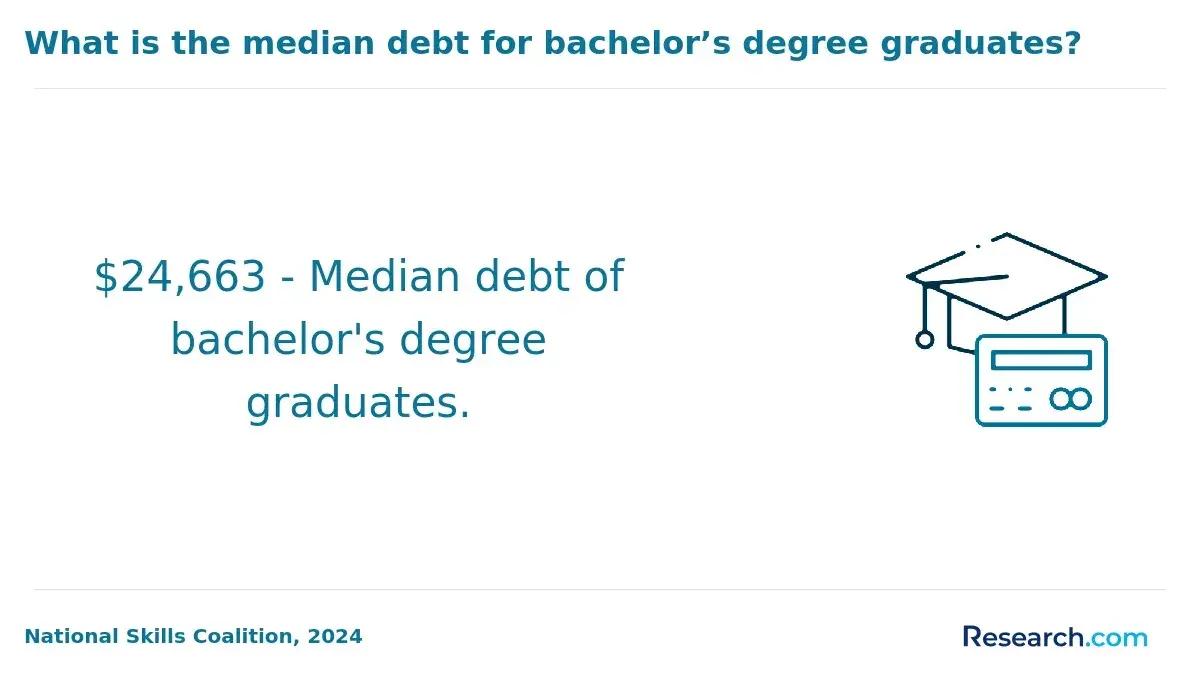
Online business administration degrees benefit sales management careers by providing flexibility that aligns with working professionals' schedules without sacrificing employer recognition. Data shows 77% of online graduates affirm their degree's positive influence on their career, while 85% highlight flexible scheduling as vital. This flexibility can allow professionals to maintain employment while completing their studies, though it demands strong self-discipline.
Differences between online and on-campus business administration programs for sales professionals primarily revolve around networking opportunities and learning environment. On-campus programs tend to facilitate direct interaction with faculty, peers, and recruiters-assets in relationship-driven sales roles. Meanwhile, online programs increasingly offer virtual networking through live sessions and mentorships, extending access beyond geographic limits.
Employers in sales emphasize proven communication skills and experience over how a degree was obtained. Rigorously designed online programs that include group projects, virtual presentations, and case studies can build these transferable skills effectively. However, candidates with limited motivation may find the online path slows critical skill development needed in fast-paced sectors like retail or technology sales.
Practical decision-making considers career context: a tech sales professional might leverage online coursework flexibility while gaining industry experience, whereas pharmaceutical sales candidates may prioritize on-campus internships. Prospective students should weigh these tradeoffs carefully when determining how online business administration degrees benefit sales management careers within their chosen sector.
For a focused entrepreneurial track, consider exploring an online MBA entrepreneurship degree to complement sales skills with business innovation knowledge.
What admissions requirements do online business administration programs typically have for sales-focused students?
Admissions criteria for online business administration programs with a sales management focus often balance minimum academic credentials with demonstrated practical readiness. Most require a high school diploma or equivalent, sometimes accompanied by official transcripts verifying GPA thresholds commonly between 2.5 and 3.0 on a 4.0 scale. Adding complexity, requirements for sales-focused business administration degree programs increasingly demand evidence of communication or quantitative skills, reflecting the growing market value of these competencies highlighted in workforce trends.
Applicants with prior college experience might face standardized test score submissions like the SAT or ACT, though many institutions waive these if candidates provide relevant sales or customer-facing work experience. Real-world exposure to sales scenarios can offset academic metrics and signal readiness for specialized coursework aimed at sales leadership. Resumes play a critical role in demonstrating such experience, especially for roles requiring advanced sales management capabilities.
Essays or personal statements typically focus on career objectives within sales management, serving to align candidates' ambitions with program outcomes. While letters of recommendation are less commonly mandatory, they may be requested for competitive tracks or transfer admissions. International and nontraditional students often encounter additional documentation demands such as English proficiency proof and evidence of access to remote learning technology, reflecting operational realities across diverse learner populations.
Strategically selecting programs with flexible yet relevant prerequisites helps reduce unnecessary coursework and accelerates time to value in sales-focused careers. Evaluating these admissions nuances is essential for students prioritizing efficient credentialing aligned with workforce expectations. For those weighing program options in health and business fields, reviewing resources like the best CAHIIM accredited HIM programs online can offer comparative insights.
What sales management courses and specializations are included in an online business administration curriculum?
Sales management courses within online business administration bachelor's programs must balance theory with practical application to reflect workplace complexities. Core topics like CRM platforms (e.g., Salesforce, HubSpot), negotiating multi-party contracts, and analyzing sales data are essential, yet students often face friction integrating these in scenarios involving interdepartmental coordination or rapidly shifting market conditions. This gap between academic frameworks and operational realities can delay workforce productivity unless addressed through project-based learning or case study integration.
Specializations with modules on digital marketing, global markets, and sector-specific sales nuances (technology, healthcare, manufacturing) better prepare students to adapt strategies to diverse environments. However, these require a foundation in interpreting quantitative sales analytics-a skill recruiters increasingly expect in fast-turnover industries. Graduates who can translate data insights into tactical adjustments position themselves more competitively.
Pragmatically, the decision to pursue this pathway hinges on understanding these tradeoffs: curricular depth versus real-world readiness, and general sales principles versus sector-specific skills. The 2024 WGU Alumni Outcomes Report documents a median salary increase of $14,491 within two years post-graduation for online business management bachelor's degree holders, indicating measurable ROI when the program matches market demands.
- The emphasis on CRM proficiency reflects employer demand for pipeline optimization tools.
- Negotiation coursework addresses the complexity of multi-stakeholder dealmaking.
- Analytics training supports adaptive sales strategies amid volatile markets.
How long do online business administration programs take and what do they cost for sales-focused learners?
Choosing an online business administration program tailored for sales management requires balancing time-to-degree with immediate workforce entry needs. Traditional bachelor's pathways generally span 3 to 4 years, which may delay earning opportunities critical for roles that reward early client engagement and performance milestones. Accelerated tracks, often under 2 years, serve career changers seeking rapid repositioning but demand a full-time commitment and prior credits.
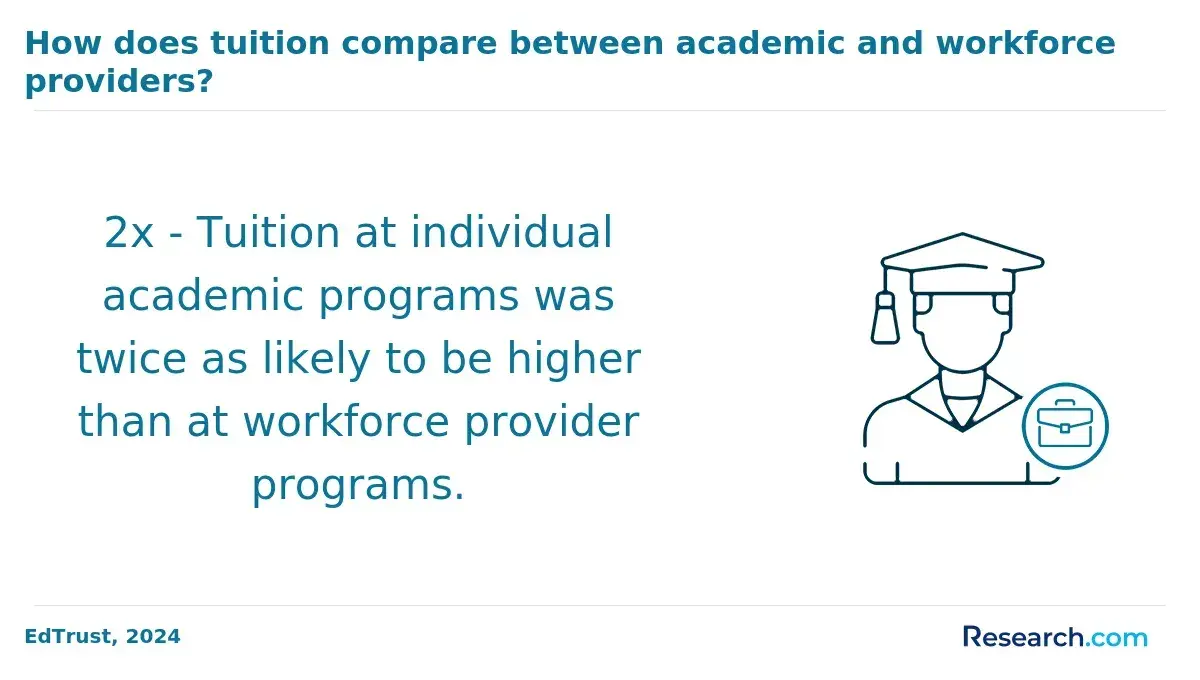
Tuition costs vary markedly-from about $40,000 for public, in-state options to over $80,000 for private or out-of-state programs, with some institutions charging more than $1,000 per credit hour. Beyond tuition, anticipate 10-15% additional expenses for technology, materials, and testing fees, which can impact budgeting decisions.
Employers increasingly prioritize candidates demonstrating applied sales competencies, such as experience with CRM systems, sales analytics, and negotiation tactics, alongside foundational business knowledge. Programs incorporating real-world projects or internships offer a tangible advantage, sharpening practical skills employers seek.
Students should weigh program length, total cost, and curriculum relevance carefully: a longer part-time option may fit some but could hinder access to timely sales management roles where early impact is essential. The rising demand for recognized online business credentials is evidenced by a 52% increase in applications to top-ranked bachelor's programs, emphasizing the importance of credible, applied learning experiences.
What sales management careers can you pursue with an online business administration degree?
Specializing in sales management within business administration shapes career trajectories markedly based on industry demands and skill nuances. Finance and insurance sectors yield the highest average salaries, ranging from $160,740 to $168,120 annually, reflecting the premium employers place on expertise in regulatory compliance and complex product knowledge like loans and securities. Graduates aiming at these fields must master risk mitigation and client engagement tailored to high-value portfolios.
In contrast, sales management roles in technology emphasize agility with product lifecycles and quick innovation adaptation, while retail or manufacturing areas demand operational coordination between sales, marketing, and customer service. This variation requires selecting academic concentrations aligned directly with target industry expectations.
Practical challenges include managing geographically diverse sales territories and balancing quota targets with strategic forecasting. Decision-makers should weigh specialization costs and time investments against realistic access to top-tier positions, since those without sector-specific proficiency, especially in finance, may face limited entry points to lucrative sales management roles.
Employers consistently look for demonstrated skills in data-driven sales forecasting, team leadership, and regulatory understanding when recruiting from online business administration programs with sales management concentrations.
- Finance and insurance sales managers require compliance mastery and complex portfolio management skills.
- Technology sales prioritize rapid product innovation and lifecycle knowledge.
- Real-world sales operations involve territory logistics and cross-functional integration.
- Targeted specialization enhances employability but demands upfront investment.
What is the salary potential and job outlook for sales managers with a business administration degree?
Sales managers holding a business administration degree face differentiated earning potential largely dependent on industry focus and management scope. Median annual earnings sit near $132,290, with roles concentrated around general management (24,820 positions) and automobile dealership sales (18,990 positions) out of 433,800 nationwide. The high variance reflects how sectors with complex sales and product knowledge, such as auto dealerships, often tie compensation directly to commissions and bonuses, contrasting with the typically steadier, benefit-rich general management positions.
Projected job growth of 5% through 2032 suggests a stable but competitive employment landscape. Candidates aiming for top-tier income should carefully weigh the tradeoffs between industries emphasizing commission-driven pay structures and those offering more predictable but potentially lower variable earnings. For example, sales managers in automotive settings must tolerate intensified sales pressure and fluctuating income, while those in general management roles balance steadier rewards against greater organizational responsibility and long-term leadership demands.
Practically, business administration degrees that integrate data analytics and customer relationship management better prepare graduates to meet employer expectations for measurable revenue growth and client retention. Continuous professional development remains essential to counterbalance disruptions from digital sales platforms and evolving consumer behavior patterns.
- Median salary approximately $132,290 annually
- 5% job market growth projected through 2032
- Industry choice critically impacts compensation components
What industry certifications and professional development options support business administration graduates in sales management?
Sales management roles increasingly demand credentials that demonstrate mastery beyond a business administration degree, reflecting the complexity of today's sales environments. For instance, transitioning from retail consumer goods to industrial B2B sales often requires the Certified Sales Executive (CSE) credential, which focuses on navigating intricate sales cycles. Such certifications carry more weight with employers than generic academic qualifications, emphasizing practical expertise in sales strategies, CRM platforms, and leadership.
Professional development initiatives-including targeted workshops, sales boot camps, and online micro-credentials-address the rapid evolution of sales technology and methodologies. These offerings supplement degrees by honing skills in data-driven sales analytics and customer relationship management, which affect daily performance and hiring decisions. Notably, the average annual net price for undergraduate business administration programs ranges from $13,000 to $17,000, well below the typical $27,000 cost of standard four-year institutions, influencing student and employer expectations about educational value.
Certification progression should mirror career stages to maximize returns: early-career professionals benefit from foundational credentials like the Certified Professional Sales Leader (CPSL) to secure entry roles, while seasoned managers should pursue advanced certificates in strategic sales and leadership to address skill gaps and broaden opportunities. Considering labor market data and sector-specific demand aids in selecting relevant certifications and mitigating common workforce challenges such as limited practical exposure or skill mismatches.
How can you evaluate and choose a reputable online business administration program for sales management?
Choosing an online business administration program for sales management demands a focus on accreditation and curriculum relevance tied to specific industry needs. Regional or national accreditation recognized by the U.S. Department of Education or CHEA remains a non-negotiable baseline to ensure employer recognition and academic rigor.
Curriculum should extend beyond generic business courses, emphasizing data analytics, CRM, and digital marketing tools tailored to sales sectors. For instance, a tech sales manager benefits from data interpretation expertise, while pharmaceutical sales roles require understanding regulatory frameworks. Mismatched coursework risks limiting a graduate's operational readiness in targeted fields.
Employment outcomes and median salaries provide measurable ROI markers. Data from the Georgetown University Center on Education and the Workforce (2024) indicates that business degree holders earn approximately 31% more over a lifetime compared to those with only a high school diploma, but this premium varies by the quality and relevance of the program. Reviewing institutional or third-party outcomes dashboards is critical to verify claims.
Flexibility factors-like asynchronous course formats and access to career counseling or sales-specific mentorship-impact working professionals' ability to complete programs without disrupting income flows. Additionally, weigh total costs against potential lifetime earnings and networking opportunities within target industries. Sometimes, a moderately priced program with strong industry connections delivers better career traction than a higher-cost generic degree.
Faculty with direct sales leadership or applied strategy experience often enhance curriculum value by offering pragmatic insights that bridge theory and real-world challenges.
Other Things You Should Know About Business Administration
In 2027, online business administration programs that emphasize practical skills often prove more beneficial for sales management careers. These programs equip students with real-world techniques and tools that are directly applicable in sales environments, enhancing employability and job performance.
Working professionals often face a tradeoff between managing job demands and dedicating time to coursework quality. Overloading on simultaneous work and study without effective time management can limit deep learning and retention of critical skills, which are essential for advancement in competitive sales roles. Students should prioritize flexible programs that allow adjustable pacing and provide strong academic support, ensuring they can maintain high engagement without burnout.
Lower tuition programs may reduce upfront costs but often lack comprehensive career support, networking opportunities, or employer connections critical for sales management roles. Investing in programs with robust career services including resume coaching, interview prep, and internship placements typically improves job placement and salary outcomes, offsetting higher initial expenses. Prioritize career services quality and alumni network strength over tuition alone for long-term return on investment.
Employers in sales often value practical experience and demonstrable skills more than the institution's brand alone, but reputation still influences initial screening decisions. A degree from a lesser-known school can be offset by measurable results such as sales certifications, internships, or quantifiable achievements. When reputation is limited, applicants should compensate with strong portfolios and references, focusing on tangible outcomes that validate their sales competence.
References
- Online Business & Management (Undergraduate) https://www.schellhammerbusinessschool.com/online-business-management-undergraduate/
- 9 Best Sales Management Software & Tools in 2026 https://www.salesforce.com/ap/sales/sales-management/software/
- Careers in business administration: paths & opportunities https://pathwise.io/careers-in-business-administration/
- Is a degree in business administration worth it? | edX https://www.edx.org/resources/is-a-degree-in-business-administration-worth-it
- How to Become a Sales Manager https://www.coloradotech.edu/degrees/studies/business-and-management/articles/how-to-become-a-sales-manager
- 5 careers to pursue with a business administration degree - Voices Digital https://www.pacificoaks.edu/voices/business/5-careers-to-pursue-with-a-business-administration-degree/
- Online Bachelor's Degree in Business Administration: Your Best Decision | EU Business School https://www.euruni.edu/blog/online-bachelors-degree-in-business-administration-your-best-decision/
- MBA online: Sales Management | STUDY-ESBM.com https://www.study-esbm.com/specialization/mba-sales-management/
- Business Development Representative Certifications https://salesmanagement.org/business-development-representative-certifications/
- Top 10 Business Management Courses for Career Growth in 2025 https://mybeta.ca/top-business-management-courses-for-career/