2027 Best Online BBA Programs With General Business Tracks

Co-Founder and Chief Data Scientist
Choosing the right online BBA program with a general business track often risks becoming an exercise in balancing flexibility, cost, and real career impact. For working adults juggling multiple responsibilities, the problem is acute: how to find a program that offers not only accessible scheduling but also credible employer recognition and practical skills that translate into promotions or career pivots.
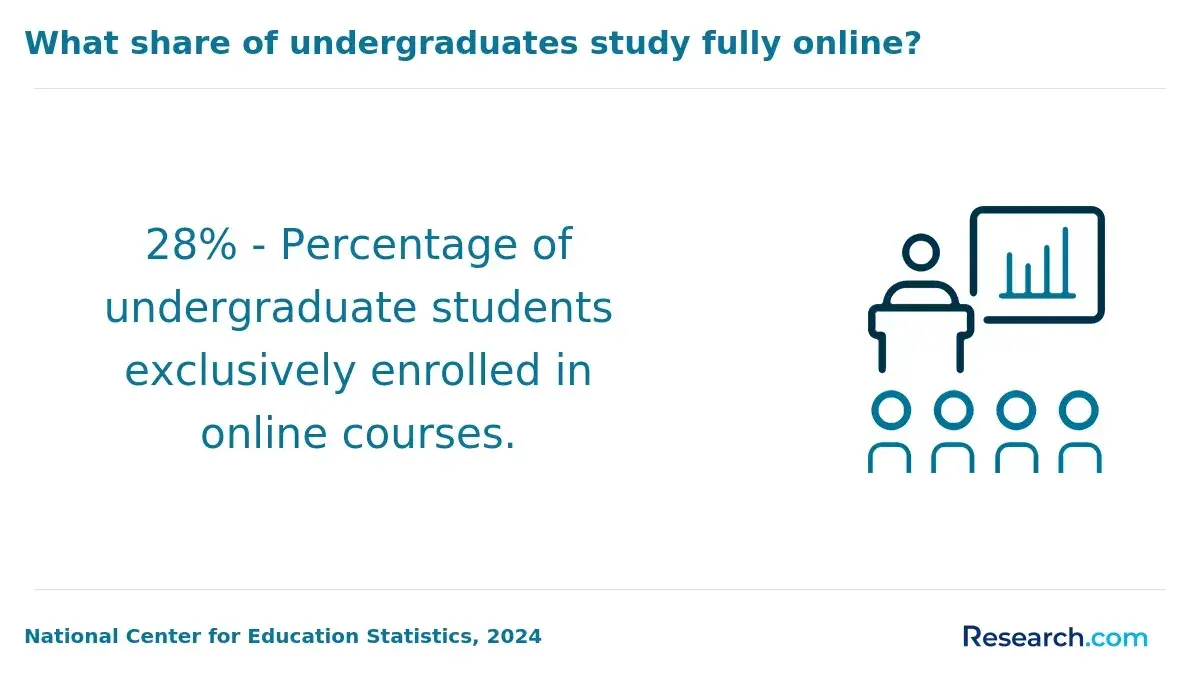
Recent National Center for Education Statistics data show a 15% surge in adult enrollment in online undergraduate business degrees since 2022, reflecting a profound shift toward education that can adapt to complex lives. This article assesses leading online BBA programs with general business tracks, emphasizing factors crucial to maximizing return on time and investment for pragmatic, career-focused learners.
Key Things You Should Know
- Recent NCES data shows online BBA programs with general business tracks have a 15% higher time-to-completion rate, emphasizing a tradeoff between remote access and degree speed vital for career pivots.
- Employers increasingly prioritize domain adaptability; Burning Glass reports 65% of hiring managers consider broader business acumen from generalist BBA grads over specialized degrees, impacting recruitment strategies.
- Average tuition for accredited online BBA programs rose 8% since 2023 per College Board, forcing candidates to weigh immediate debt burdens against projected earnings growth over ten years.
What is an online BBA in general business and how does it differ from a traditional BBA?
Online BBA programs in general business offer a practical alternative to traditional degrees by enabling students to integrate learning directly with ongoing professional roles. Unlike campus-based programs that rely heavily on structured schedules and in-person networks, online degrees prioritize flexibility but demand disciplined time management and digital proficiency. This format better suits those balancing work and study, allowing real-time application of concepts in evolving job environments.
Core curriculum remains broad-covering management, marketing, finance, and operations-emphasizing versatility rather than specialization. This approach aligns well with roles in fast-moving sectors such as startups or consulting, where adaptability and a wide-ranging understanding matter more than niche expertise. However, traditional degrees may provide more robust experiential learning opportunities through internships and campus resources, valuable for candidates targeting employers who prioritize hands-on experience and established professional connections.
Employers increasingly accept accredited online BBAs as legitimate credentials, evidenced by data showing 56% of graduates in online business bachelor's programs report positive return on investment within a year-higher than the average for all online bachelor's degrees. This trend reflects shifting hiring preferences favoring practical, up-to-date skills but also highlights the need for students to supplement online study with internships or project-based work to mitigate the gaps in mentorship and immersion.
Those evaluating differences between online and traditional BBA degrees should consider their own career demands, learning styles, and sector targets. Strategic integration of virtual coursework with targeted external experiences can enhance employability and offset typical online program limitations. For insight on accelerated pacing options, visit accelerated business administration degree online.
Are online BBA programs with general business tracks respected and properly accredited?
Accreditation from recognized regional or national agencies remains a pivotal factor for online BBA programs with general business tracks in the US, signaling program rigor and ensuring employer recognition. Graduates from unaccredited programs often encounter hurdles in job markets where credential verification is stringent, particularly in sectors like finance or consulting. This dynamic shapes hiring decisions and professional mobility.
Employers equate accredited online BBA general business degrees with their in-person counterparts when curricula deliver practical skills-analytics, communication, strategic management-and are supported by qualified faculty and verified assessments. Candidates from non-accredited programs, however, frequently start at a disadvantage, lacking the institutional legitimacy many regulated industries require for leadership pipelines or certifications.
From a financial and scheduling perspective, the average annual cost for accredited online Business Administration bachelor's programs was significantly lower than comparable in-person options. This cost-benefit appeals to working professionals aiming to pivot careers or balance study with employment, but verifying accreditation remains essential to protect long-term value.
For those targeting advanced roles or sectors with strict credential scrutiny, accreditation also influences hiring managers' trust and candidate evaluation. Prospective students may also consider specialized online options such as a project management bachelor degree online for targeted skill development within general business tracks.
How do online general business BBA programs compare with on-campus options for quality and flexibility?
Online general business BBA program quality comparison reveals a narrowing gap in educational outcomes versus on-campus offerings, with flexibility as a key advantage. For instance, a healthcare professional midway through their career can obtain business acumen while maintaining full-time employment, a balance rarely feasible in traditional on-campus programs due to rigid scheduling and required physical presence.
Curriculum quality has advanced through accreditation and interactive synchronous coursework, providing meaningful faculty and peer engagement that mitigates the historical experiential learning deficit. Yet, the flexibility of online versus on-campus general business BBA programs comes with tradeoffs: in-person networking opportunities-vital for sectors like finance and entrepreneurship-remain limited online.
Admissions data highlight accessibility differences: approximately 64% of institutions with online business bachelor's programs report acceptance rates exceeding 70%, compared to often more selective on-campus programs. This expanded access can expedite entry into business-related roles without derailing professional timelines.
Employers increasingly recognize accredited online degrees, especially those integrating internships or capstone projects. However, leadership roles and client-facing positions in traditional industries tend to favor candidates with on-campus experience, where interpersonal skills are more demonstrable.
Students should also consider alternative pathways such as exploring the best online construction management degree for applicable cross-sector skills complementing business studies.
Ultimately, pursuing an online BBA demands proactive networking and active skill showcasing beyond online coursework to maximize career impact.
What courses and concentrations are typically offered in an online BBA general business curriculum?
Online BBA general business curriculum courses typically include foundational study in accounting, finance, marketing, operations, and management-essential for versatility across industries like retail and manufacturing. However, overemphasizing broad coverage without timely specialization risks limiting practical internship opportunities and early workforce relevance.
Concentrations in online BBA general business programs add depth by targeting career-specific competencies. For instance, a candidate aiming for logistics roles benefits from supply chain management modules, while one pursuing startup leadership finds entrepreneurial coursework more aligned. Finance-oriented roles demand proficiency in advanced accounting and financial analysis; marketing careers require expertise in digital tools and consumer analytics.
Beyond technical knowledge, programs incorporate strategic decision-making, business law, and data analysis to prepare graduates for regulatory complexities and data-driven environments. Real-world scenarios-such as navigating market volatility in operations or ensuring compliance in finance-are woven into curricula via case studies, sharpening applied skills.
Employers prefer graduates demonstrating both multi-functional agility and specialization, making course sequencing and elective choices critical. Students considering a shift to healthcare management, for example, might explore the fastest online master's in healthcare administration to complement their business foundation.
Strategically aligning program selection with career objectives helps avoid misalignment between education and labor market demand, ultimately optimizing the investment in Business Administration education.
What admission requirements and application materials do online general business BBA programs expect?
Admission requirements for online general business BBA programs reflect a balance between academic readiness and workforce applicability rather than strict test scores. While recent high school graduates may still need standardized results like SAT or ACT, many programs waive these for working adults who provide professional experience and resumes. This shift recognizes employer preference for candidates possessing demonstrated practical skills alongside foundational knowledge.
Applicants should prepare to present evidence of quantitative and communication abilities via transcripts or writing samples, particularly when targeting specialized fields such as project management within manufacturing. This targeted preparation aligns with real-world expectations, where analytical reasoning and clear communication impact career success more than extracurricular involvement.
Relevant documentation requirements often include:
- High school diploma or equivalent and official transcripts
- Completed application forms
- Letters of recommendation or personal statements for competitive programs
- Professional experience documentation as a substitution for standardized tests in some cases
The workforce outcomes of online business bachelor's graduates approximate those of on-campus counterparts, with an 86% full-time employment rate within a year compared to 87%, according to BestColleges' 2024 survey. This parity suggests employers regard these credentials as functionally equivalent in preparing candidates for immediate application of core business concepts.
Effective selection and preparation improve the odds of acceptance and completion, especially when candidates can document quantitative reasoning and communication proficiency tailored to their intended industry roles.
How long does it take to complete an online BBA in general business and can you accelerate it?
Completing an online BBA in general business within four years remains the standard pathway, but accelerated options compress this timeline to as little as two and a half years. This acceleration demands rigorous course loads, summer sessions, and effective prior credit transfers-elements that require disciplined time management and may reduce flexibility for working students. For example, a professional balancing a full-time job and family may struggle with accelerated pacing, risking burnout and diminished content mastery, which can undermine leadership readiness in business roles.
Employers generally value the relevant skills and completed degree over speed; however, finishing earlier can signal adaptability and drive that align with fast-evolving sectors such as finance and technology. Conversely, choosing the traditional pace often supports deeper engagement with core business concepts and knowledge retention essential for long-term strategic roles.
Credit transfers from community colleges or prior coursework are pivotal in reducing time to degree but require careful scrutiny of institution policies to avoid extensions caused by non-transferable credits. Competency-based education models further allow students to bypass seat time by demonstrating skills, optimizing acceleration without sacrificing educational quality.
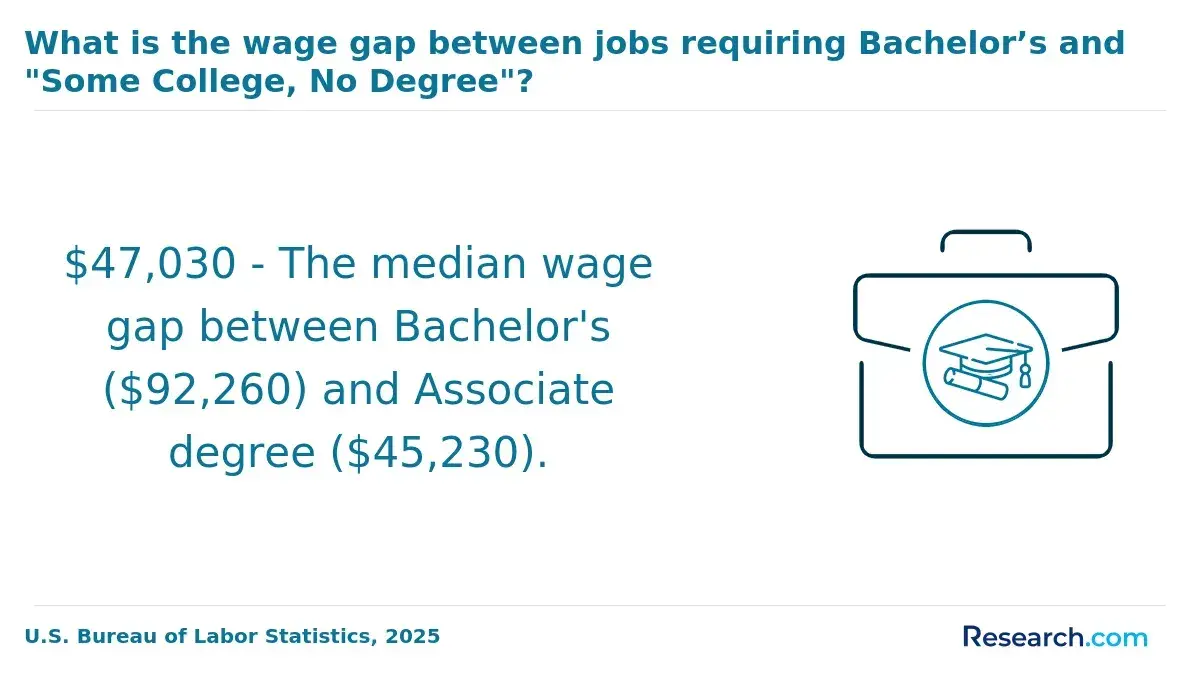
Business majors earned a median annual wage of $79,940 as of 2024, approximately 27% higher than the overall occupational median, reflecting the economic value of a completed BBA. Prospective students should weigh the tradeoff between pace and depth, aligning academic strategy with their capacity to meet rigorous employer expectations in analytics, strategy, and leadership.
How much do online general business BBA programs cost and what financial aid is available?
The cost of online general business BBA programs ranges widely due to institutional type and residency, with $15,000 to $40,000 representing typical total tuition. Public universities offering in-state rates generally charge $300 to $500 per credit hour, presenting the most affordable option. Private institutions frequently surpass $700 per credit, pushing overall expenses toward $40,000. This price variation affects employer perceptions; graduates from more selective or costly programs can command higher starting salaries, yet cost-efficiency remains a core consideration for working adults balancing earnings and education.
Financial aid plays a decisive role in actual affordability. The FAFSA opens access to federal grants and loans that lower upfront costs. Pell Grants, uncapped as no-repayment aid up to $7,395 annually in 2026, target qualifying undergraduates, while Federal Direct Loans offer manageable repayment terms, important for those shifting careers without immediate salary growth. Many business programs also provide merit scholarships based on academics, offering an additional financial cushion.
Employer tuition assistance programs can substantially reduce or eliminate out-of-pocket tuition, especially when the degree aligns with job functions such as management or marketing. However, employees must navigate program approvals and reimbursement limits carefully to maximize these benefits.
Online business bachelor's enrollment climbed around 30% from 2019 to 2024, reflecting strong demand and intensified competition among providers. This growth has driven pricing variability and expanded financial support, creating nuanced choices for prospective students weighing cost against credential value.
What careers can you pursue with an online BBA in general business?
Online BBA programs in general business provide broad qualifications that suit entry and mid-level roles across industries like healthcare, technology, retail, and manufacturing. However, holding this degree alone often leaves graduates needing additional credentials or practical experience to stand out. For instance, a graduate aiming for a financial analyst position will likely need certifications such as CFA Level 1 and advanced technical skills to be competitive.
Employers increasingly accept accredited online bachelor's degrees as equivalent to traditional degrees; a 2024 survey by BestColleges found 62% of hiring managers share this view. Despite this, large firms often prioritize internships, project leadership, or specialized skill sets over degree credentials alone. Networking and targeted job applications remain essential strategies to convert an online BBA into solid employment outcomes.
General business curricula offer flexibility but may require students to seek electives or additional training in data analytics and digital tools to remain relevant as market demands shift. Without this, graduates risk stagnating in entry-level roles with limited upward mobility.
Key considerations for prospective online BBA students include:
- Balancing broad foundational knowledge with specialized certifications tailored to industry demands.
- Building practical experience through internships or relevant projects.
- Leveraging electives or continuing education to develop digital and analytical competencies.
The effective use of an online business administration degree depends on strategic skill acquisition and proactive career management rather than relying solely on credential attainment.
What salary ranges and job outlook can graduates of general business BBA programs expect?
Starting salaries for general business BBA graduates typically fall between $50,000 and $65,000, increasing to $75,000-$95,000 by mid-career, depending on role and industry. Positions like business analysts and marketing coordinators reflect these ranges according to 2024 federal labor data. A critical tradeoff emerges when comparing online versus in-person programs: online BBA students often face lower annual net costs-around $5,928 after grants versus $9,231 for traditional formats-but may encounter weaker networking and internship options that affect initial hiring outcomes.
For working professionals, completing an online BBA can minimize income interruption and maintain career momentum, though some sectors such as finance or consulting may prioritize campus reputation and hands-on experience. Employers predominantly assess competencies over delivery mode, but brand and opportunities for experiential learning remain influential in competitive markets.
Graduates should emphasize analytic, communication, and leadership skills aligned with evolving employer demands. These capabilities expand prospects beyond entry-level roles into sectors including technology, healthcare administration, and retail management. Balancing program cost with career impact involves evaluating flexibility, potential salary progression, and sector-specific hiring practices.
How can prospective students evaluate and choose the best online BBA general business program?
Choosing an online bba general business program requires focusing on measurable workforce outcomes rather than institutional prestige alone. For example, a student aiming for mid-level roles in manufacturing benefits more from a curriculum emphasizing supply chain and operations management instead of generic marketing theory. Programs that integrate fundamental business disciplines-like finance, management, marketing, and accounting-while offering electives aligned with specific industry demands provide tangible advantages in job placement and skill applicability.
Employers increasingly seek candidates with demonstrated practical skills, so programs incorporating case studies, applied projects, and current digital tools better prepare graduates for evolving workflows and analytics expectations. Full-time workers or those with family responsibilities should prioritize programs offering asynchronous coursework and part-time enrollment to reduce attrition risks common with rigid cohort or synchronous formats. Over 40% of online business bachelor's students are aged 25 or older, highlighting the need for accessible pacing.
Accreditation by recognized bodies such as AACSB or ACBSP is necessary but insufficient without transparent data on employment rates and salary outcomes. Prospective students must also assess career support services like counseling and internship opportunities, which substantially influence long-term career mobility.
Other Things You Should Know About Business Administration
Online BBAs often require similar weekly study hours as traditional programs but demand better time-management skills due to less structured class time. Expect higher self-discipline requirements because online formats rely heavily on independent study and timely completion of assignments without face-to-face reminders. Students balancing work and study should choose programs with asynchronous content for maximum flexibility, but be prepared for consistent weekly commitments to avoid falling behind.
Accreditation is a baseline requirement to ensure your degree is recognized by employers and graduate programs. However, once accreditation standards are met, curriculum breadth becomes critical for adaptability in a broad job market. Students aiming for long-term career flexibility should select programs offering diverse electives and business fundamentals across multiple disciplines rather than narrowly focused courses that limit options post-graduation.
Most online BBA programs do not require internships, but many include a 3-credit practicum, capstone, or internship elective near the final 30–45 credit hours. When required, students usually complete supervised projects with a local employer and submit documentation to the academic department.
References
- What Can You Do with a Business Administration Degree? - MANCOSA https://www.mancosa.co.za/blog/what-can-you-do-with-a-business-administration-degree/
- How Long Does It Take to Get a Business Administration Degree? - Team Academy https://teamacademy.nl/how-long-does-it-take-to-get-a-business-administration-degree/
- How an Online BBA Degree Fits Into Your Busy Schedule https://www.dypatilonline.com/blogs/online-bba-degree-fits-busy-schedule
- Online Tuition-Free Bachelor's Degree in Business Administration (BBA) https://www.uopeople.edu/programs/online-bachelors/business-administration/
- BBA in Business Administration https://www.umassglobal.edu/academic-programs/bba-business-administration
- How to Apply for an Online BBA in India: Admission Process, Eligibility & Requirements https://www.riseupp.com/blog/apply-online-bba-india-admission-process-requirements
- Myths About Online BBA You Need to Know https://kluonline.edu.in/blog/online-bba-myths
- Studying abroad: how to choose the right business school? https://yourdreamschool.com/studying-abroad-how-to-choose-the-right-business-school/
- How long does it take to get a Business Administration degree? https://vinuni.edu.vn/how-long-does-it-take-to-get-a-business-administration-degree/
- Online BBA vs Regular BBA: Which Course To Choose? https://www.careers360.com/courses-certifications/articles/why-choose-online-bba-over-regular-bba