2027 Best States for Business Career Growth

Co-Founder and Chief Data Scientist
Choosing the right state to launch or advance a business administration career demands more than generic opportunity metrics. Many professionals overlook critical factors like regional employer demand, local economic resilience, and access to flexible education programs that accommodate working adults. A recent U. S. Department of Education report shows a 22% surge in online business degree enrollments among adult learners since 2023, signaling a shift toward adaptable learning amid dynamic career needs. Recognizing which states align workforce demand with realistic educational access and career mobility is vital. This article examines the best states for business administration career growth, focusing on practical job prospects, program flexibility, and economic conditions to guide strategic decisions.
Key Things You Should Know
- States with higher concentrations of advanced supply chain and tech-integrated business hubs, such as Texas and California, show 15% faster career progression but require region-specific certifications, adding 6-12 months of upskilling time.
- Employers in rapidly evolving markets prioritize candidates with hybrid technical and managerial skills; states with greater corporate diversity index scores offer 24% more leadership roles targeting these competencies.
- Cost disparities across states impact return on education investment-Midwest states average 22% lower tuition for business administration programs, but slower economic growth reduces immediate job placement rates by 8% versus coastal metros.
Which states currently offer the strongest business career growth and why?
North Carolina leads the nation for states with strongest business career growth, scoring 1,614 out of 2,500 points in CNBC's 2025 ranking. This advantage stems from a skilled workforce and policies that favor practical experience and adaptability over academic credentials alone. Professionals moving into management, finance, or entrepreneurship roles find more frequent openings here, driven by companies investing actively in employee training and leadership development.
States with lower workforce quality scores often experience slower hiring and limited internal investment, which can stall career progression despite similar levels of educational attainment. For example, a marketing manager relocating to Raleigh or Charlotte benefits from reasonable living costs paired with robust corporate ecosystems offering access to mentorship and cross-sector networks-conditions less common in higher-cost metros with stagnant growth.
Employers increasingly prioritize credentials linked to business analytics and digital proficiency, urging students to select curricula balancing foundational business administration knowledge with emerging tech skills. Weighing regional salary variances against cost-of-living remains critical, as compensation differences impact the net value of career exposure opportunities. Prospective students seeking flexibility might explore a business administration degree online that reflects these market demands.
The landscape in North Carolina illustrates the practical tradeoffs and growth prospects that define the best states for advancing business careers today.
How do cost of living, taxes, and salaries compare across top business-growth states?
Choosing where to pursue opportunities in business administration means weighing salary against living costs and tax rates, as these factors have direct consequences on disposable income and long-term savings. For example, Texas and Florida offer no state income tax, which increases net pay despite median salaries-Texas's business-related median salary is about $72,000 versus California's $85,000. However, California's salary advantage is largely offset by a 46% higher cost of living, impacting the real value of income, especially in tech and finance sectors.
Tax rates and income comparison among leading business career states is key for professionals planning a strategic relocation or startup launch. States like Utah and North Carolina provide balanced tax burdens and below-average living costs, fostering an environment favorable for new business creation. The U.S. Treasury Department reports a 50% rise in entrepreneurial startups since 2019-indicating the importance of accessibility to affordable living and moderate taxation.
New York, with state income taxes exceeding 8% and some of the highest living expenses, demands salaries over $90,000 before professionals can accumulate savings. This condition exemplifies the trade-offs that business professionals face between gross pay and effective purchasing power. For those considering educational paths aligned with practical workforce outcomes, pursuing the fastest online project management degree can offer timely skill acquisition tailored to these market dynamics.
Which business degrees and specializations are most in demand in high-growth states?
The states with highest demand for business administration degrees demonstrate clear regional specialization tied to economic realities and workforce needs. Utah, ranked No. 1 overall for starting a business, prioritizes entrepreneurial leadership and innovation management degrees that support the rapid scaling and adaptability of startups amid competitive markets.
In tech-focused states like Texas and North Carolina, data analytics specialization is essential for employers seeking graduates proficient in transforming large datasets into strategic business insights. This capability directly influences how financial services, healthcare, and other sectors optimize operations and manage risk.
Logistics-heavy regions such as Georgia and Indiana place greater value on supply chain management degrees, where graduates must not only master current lean inventory and global sourcing techniques but also prepare for the impact of automation and evolving digital platforms.
Finance and accounting remain core, but differentiation arises in fintech and sustainable finance expertise, particularly amid regulatory complexity and capital management demands. This nuance affects career trajectories by emphasizing adaptability to emerging financial technologies and environmental considerations.
Prospective students should approach their choice with a focus on programs integrating strong industry partnerships and experiential learning tailored to local market conditions. These elements reduce the skills mismatch that often limits employability.
For those comparing cost factors, examining online construction management degree cost can provide a practical benchmark for investment decisions.
How do online and on-campus business programs differ for students planning to relocate?
Choosing between online and on-campus business programs requires assessing tangible tradeoffs that directly impact employability, especially in states experiencing rapid business expansion. Remote programs offer unmatched flexibility crucial for students balancing work or family but often lack the critical face-to-face engagement with local employers and entrepreneurs. For example, Washington's 110.8% business growth through November 2024 creates fertile ground for graduates embedded in its business ecosystem. Students relocating there benefit from on-campus programs where proximity fosters networking, access to internships, and regional industry insights essential for navigating state-specific market conditions and regulations.
Conversely, online programs enable professionals in existing roles or mature industries to continue employment uninterrupted, though they may face weaker ties to local business climates-a notable limitation when local experience is a hiring priority. Real-world decision-making should include:
- Evaluating the strength of employer connections tied to physical presence
- Considering relocation costs and new professional network development
- Aligning program format with target industry and regional market demands
For students targeting sectors like tech startups or finance in Washington, on-campus participation offers direct interaction with emergent firms and case studies rooted in regional specificity. Meanwhile, fields promoting remote work models may tolerate or prefer credentials earned online. Those exploring advanced academic routes in healthcare business sectors may find value in specialized options such as a PhD in healthcare management, which also reflects growing online program diversity across states.
This nuanced interplay between delivery mode and market dynamics defines the practical landscape for students pursuing a strategic pivot or advancement in Business Administration.
What accreditation should business programs have to support careers in top states?
Employers increasingly prioritize graduates from business programs accredited by recognized bodies such as the Association to Advance Collegiate Schools of Business (AACSB) or the Accreditation Council for Business Schools and Programs (ACBSP) as tangible indicators of readiness for demanding roles. These accreditations, particularly AACSB which encompasses fewer than 5% of global business schools, represent verified rigor in curriculum and faculty expertise aligned with employer expectations for mid-to-senior management positions.
In competitive labor markets like Georgia-ranked first for its favorable tax, regulatory, and labor environment-this credential can determine whether candidates are fast-tracked into strategic roles or face prolonged onboarding. For example, supply chain firms relocating there show preference for graduates who immediately navigate complex compliance and operational workflows, reducing employer training burdens.
Graduates from non-accredited programs often struggle to negotiate salary benchmarks or secure roles in finance and consulting, where accreditation is a baseline for credibility. Practical decision-making should therefore weigh how accreditation quality affects networking access and the caliber of internships, factors that directly influence employment outcomes.
Key considerations include:
- Alignment of program accreditation with targeted industries and states
- Impact of pro-business state policies on employer preferences
- The 20% higher likelihood of securing growth-sector roles linked to accredited degrees
Students aiming for a precise career pivot or advancement must critically evaluate programs by these metrics to safeguard education ROI and labor market recognition.
How do tuition, financial aid, and ROI vary by state for business students?
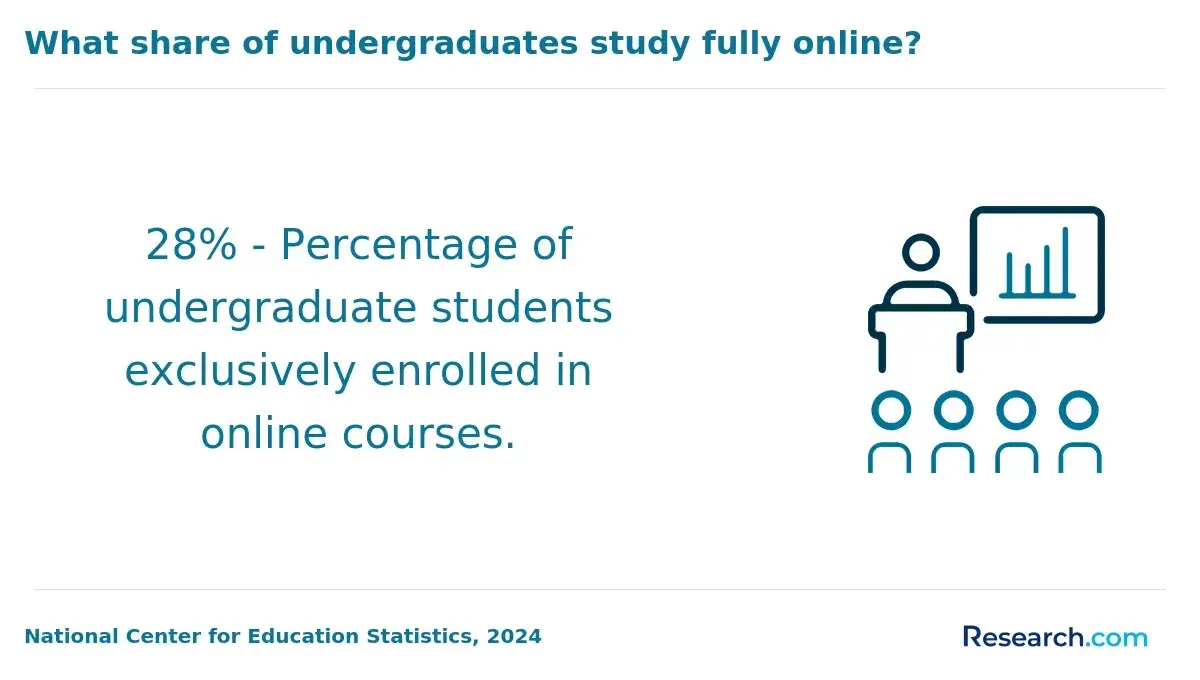
State-level differences in public university tuition and local labor markets create distinct tradeoffs for business students weighing educational costs against job market returns. For instance, states like Florida and Texas offer lower tuition fees, reducing upfront expenses, but these savings can be offset by wage scales that lag behind national medians, elongating debt payback periods.
Contrast this with Minnesota, where tuition costs are higher but workers earn a median annual wage of $54,940, about 10% above the U.S. median, according to CNBC's 2025 "Best States for Workers." This wage premium often accelerates return on investment for business graduates pursuing higher-paying finance or management roles.
Financial aid availability also varies, with some states providing robust need- and merit-based scholarships that meaningfully lower net costs. However, graduates must assess whether local industry sectors and wage structures justify these investments. For example:
- A graduate targeting finance in Minnesota may recoup debt faster due to a stronger labor market.
- Graduates in states with lower median wages, such as Mississippi, often face longer payback periods and may need to consider relocation to optimize ROI.
States offering higher wages and better worker protections tend to support more stable career progression, essential for business professionals building networks and experience. Evaluating tuition, financial aid, and market salaries together provides a clearer picture of which states offer sustainable gains rather than superficial cost savings.
Which industries and job roles are driving business career growth in leading states?
Career growth in business administration is increasingly tied to regional industry specialization, shaping the skills and roles in demand. For instance, Texas and California prioritize project managers and product development leads blending technical expertise with managerial acumen due to expanding tech clusters. In contrast, healthcare administrators in Florida and Arizona operate under intense regulatory scrutiny and staffing pressures, where operational efficiency directly impacts patient outcomes and budget management.
Employers now expect professionals who integrate cross-functional technical skills with traditional business administration knowledge. A project manager in a Texas software firm, for example, must simultaneously oversee fast development cycles and manage financial resources-demanding versatility beyond standard management frameworks.
Minority-owned businesses are expanding their footprint thanks to diversified capital access, creating niche roles in compliance, entrepreneurship support, and supplier diversity management. This trend opens paths within community-focused organizations aligned with SBA FY24 funding patterns and diversity initiatives.
Emerging business roles include sustainability coordinators and digital marketing strategists, requiring candidates to pursue specialized certifications, such as data analytics or healthcare compliance, to command salary premiums. Evaluating programs for real-world rigor in these areas is critical to reduce skill gaps and improve job market adaptability.
- Strong demand exists for project managers, data analysts, and product leads in tech-centric states
- Healthcare operations roles require balancing quality care with cost efficiency amid staffing shortages
- Minority-owned enterprises drive demand in entrepreneurship support and supplier diversity
- Specialized certifications increasingly enhance employability and salary potential
How does job outlook for business careers differ by state and metro area?
The variability in business career opportunities across U.S. states reflects the interplay of tax policies, industry clusters, and workforce readiness rather than mere population size. For instance, Washington's absence of corporate income tax lowers operational costs, which tangibly supports faster hiring and advancement prospects within business-related roles compared to higher-tax states like California or New York.
In metro areas such as Seattle, strong growth in technology and service sectors drives demand for expertise in adaptive management and strategic operations, creating a competitive yet fertile ground for specialized candidates. Conversely, regions with high corporate tax burdens may experience slower business expansion and constrained job openings despite dense populations.
Local education infrastructure impacts employer hiring patterns notably: metro areas with established business schools continuously supply qualified talent, intensifying entry-level competition but also accelerating wage increases for experienced professionals in fields like consulting and supply chain management.
States with diverse economies, including logistics and manufacturing hubs, offer stable roles in operations and analytics but often lack the rapid upward mobility seen in tech-forward metros. Candidates must weigh living costs against salary trajectories, recognizing that states with tax incentives can translate employer savings into more resilient compensation packages.
- Tax environment critically shapes business scaling and job availability
- Localized industry mix dictates required skill sets and career pathways
- Educational ecosystems influence talent supply and wage dynamics
Strategic geographic alignment in Business Administration studies and career choices can mitigate risk from local economic volatility and optimize progression based on real employer demand and operational realities.
What professional certifications boost hiring and promotion in high-growth business states?
Certifications in business analysis, project management, and management offer differentiated value depending on regional labor market demands and employer priorities. In states like North Carolina, where workforce participation and productivity strongly influence economic growth, credentials such as Project Management Professional (PMP) fit roles emphasizing structured project leadership and operational efficiency.
Financial hubs like Texas and Georgia favor certifications aligning with cost control and fiscal decision-making, making the Certified Management Accountant (CMA) more impactful for accounting-centered positions. Meanwhile, Arizona and Florida's expanding technology and service sectors prioritize practical expertise in process optimization, where Six Sigma or Lean Management credentials resonate with employers focused on measurable productivity gains.
Choosing a certification requires weighing preparation time and cost against expected salary premiums of 15-25% and shorter promotion cycles-usually within 12 to 18 months. Candidates must assess how well credentials translate within industry and local contexts. For example, PMP may hold limited influence in startup-dense markets prioritizing agile frameworks, whereas Certified Business Analysis Professional (CBAP) accreditation is often more relevant in mature enterprises with formalized business analysis roles.
Employers frequently seek credentials tied to demonstrable outcomes such as strategic planning, risk mitigation, and operational benchmarks, which clearly differentiate candidates versus generalized qualifications. These certifications validate competencies that employers actively quantify in hiring decisions.
How can students choose a business school aligned with their target state's job market?
Choosing a business administration program disconnected from local industry demand can severely limit post-graduation employment opportunities. In states like Texas-ranked No. 1 in the 2026 Best States to Own a Business index by World Population Review-job prospects hinge on aligning with sectors benefiting from the state's business-friendly environment, such as energy, technology, and healthcare management. Students must weigh the value of enrolling in curricula offering specialized tracks or internships tied to these dominant industries to avoid geographic and skill mismatches.
Analyzing labor market data from state workforce agencies and regional economic reports is essential to evaluate programs based on demonstrated job placement outcomes within the target region. Schools engaged in partnerships with local employers or incorporating work-integrated learning provide tangible pathways for students to gain experience in relevant sectors, which employers prioritize over generic credentials.
Key considerations to guide selection include:
- Regional economic growth rates and hiring trends by sector
- Access to professional networks embedded in the local market
- Alumni employment rates in the intended geographic area
Texas' population growth and favorable tax structure sustain openings primarily in startups and business expansions, making specialization in these areas a practical strategy. Without this alignment, graduates risk career stagnation despite holding a degree. Prospective students must approach program choice as a strategic investment rather than merely an academic credential.
Other Things You Should Know About Business Administration
In 2027, states like Texas, Florida, and North Carolina stand out for business career growth due to their robust job markets, favorable business climates, and supportive economic policies. These states offer numerous opportunities for career advancement in various industries, making them ideal for business professionals seeking growth.
Internships are not universally mandatory but are highly recommended for career advancement in business administration. Employers prioritize candidates with demonstrated practical experience, as it signals readiness to apply theoretical knowledge and navigate workplace dynamics. Choosing programs with integrated hands-on opportunities or strong employer networks directly improves employability and justifies any additional time commitment or cost involved.
Program reputation matters, especially for entry-level roles, but aligning your degree choice with the target state's dominant industries and employer preferences yields better long-term results. Prioritize schools with strong alumni connections and placement records within your desired state's growth sectors. Otherwise, a prestigious program irrelevant to local market needs may delay job offers and limit industry access.
General business administration degrees offer broad foundations but may fall short in highly competitive states where employers seek niche skills. Specializing in areas such as data analytics, supply chain, or finance enhances differentiation and matches specific employer demands. Candidates should assess state-level industry trends and employer job listings to decide if specialization provides a tangible hiring advantage over generalist credentials.
References
- Online MBA vs Traditional MBA: What are the differences? | StudyNext Australia https://studynext.com/au/resources/online-mba-vs-on-campus-mba
- The 5 Top States to Do Business in the USA https://goqualifi.com/top-states-to-do-business-usa/
- Fastest-Growing and Fastest-Declining Industries in United States & Common Jobs in Those Fields - USCI https://www.uscareerinstitute.edu/blog/The-Fastest-Growing-and-Fastest-Declining-Industries-in-the-United-States
- Career Trends: Job Roles and Industries on the Rise | gpac https://gogpac.com/knowledge-center/career-trends
- Best & Worst States to Start a Business in 2026 https://wallethub.com/edu/best-states-to-start-a-business/36934
- Should I Get My MBA Online or In-Person? | University of Bridgeport https://www.bridgeport.edu/news/online-vs-in-person-mba-degree/
- Cost of Living Index by State 2026 https://worldpopulationreview.com/state-rankings/cost-of-living-index-by-state
- Online vs. In-Person MBA: Benefits and Differences https://freemannews.tulane.edu/2025/11/04/online-vs-in-person-mba-benefits-and-differences
- What Is a Job Outlook? Meaning & Why It Matters | UOTP https://potomac.edu/what-is-a-job-outlook/
- 4 Major On-campus And Online Education Differences - S U M A S https://sumas.ch/4-major-on-campus-and-online-education-differences/