2027 First Business Roles for Generalists Seeking Broad Career Mobility

Co-Founder and Chief Data Scientist
Securing a first business role that supports broad career mobility often challenges generalists navigating an evolving labor market where employers increasingly value adaptable, interdisciplinary skills but expect demonstrable outcomes. With 65% of adult learners balancing work and education-according to the National Center for Education Statistics-timing, program flexibility, and credential relevance substantially affect the ability to pivot or advance.
Traditional rigid pathways risk locking candidates into narrowly defined roles, limiting upward or lateral movement. This article examines foundational business roles most suited for generalists seeking strategic versatility, evaluating entry points that maximize long-term mobility while addressing the timing, skills alignment, and education access challenges confronting prospective students today.
Key Things You Should Know
- Entry roles requiring generalist business administration skills show 22% higher turnover within two years, per the U.S. Bureau of Labor Statistics, pressuring candidates to balance broad competencies with early specialization.
- Employers report 68% preference for candidates combining business administration foundations with adjacent technical fluency, raising hiring barriers for purely generalist profiles, according to a 2024 National Association of Colleges workforce survey.
- Cost analysis from the National Student Clearinghouse reveals average credential completion for broad business administration pathways is 12% longer than specialized tracks, impacting access and opportunity timing for working adults.
What are the best first business roles for generalists who want long-term career mobility?
Generalist roles such as project management, operations coordination, and business analysis offer superior long-term mobility for those in business administration, especially when the goal is broad career growth. The key advantage lies in developing transferable skills like cross-functional collaboration and process optimization, which enable movement across industries and roles. Workers in these positions are statistically up to 2.5 times more likely to transition into higher-paying jobs compared to specialists, affirming the strategic value of adaptable skill sets.
Consider a healthcare project manager who gains experience leading multi-departmental teams, handling financial responsibilities, and ensuring regulatory compliance. This contrasts with the typical specialist's early focus on narrow technical expertise but yields faster mobility across business functions. Such roles demand strong interpersonal, organizational, and analytical capabilities from the start, requiring candidates to demonstrate measurable impacts such as cost reductions or process improvements.
For those seeking top first job options in business administration for long-term mobility, prioritizing roles that cultivate broad competencies proves essential. Exposure to diverse operational challenges, whether in manufacturing supply chains or consulting strategies, builds a platform for future leadership or pivots.
Prospective students actively evaluating pathways should consider programs emphasizing flexible skill development, such as an online BA business administration, which aligns with evolving employer expectations and workforce mobility trends.
How do entry-level business roles like analyst, coordinator, and associate differ for generalists?
Entry-level business roles for generalists show distinct career dynamics shaped by skill focus and industry transferability. Analysts demand strong quantitative abilities and industry-specific knowledge, making pivots across sectors more complex. For instance, a financial analyst moving into healthcare analytics must absorb new regulatory details and performance metrics before contributing effectively. This specificity limits cross-industry flexibility without targeted technical training.
Coordinators emphasize operational management and communication, skills broadly applicable across sectors. This adaptability means a marketing coordinator, for example, can transition into supply chain roles by quickly acquiring domain-specific knowledge while maintaining core coordination strengths. Associates strike a balance, engaging in client interaction, project support, and sometimes analytical tasks, requiring versatility and interpersonal aptitude. Their challenge lies in proving transferable competencies during moves, especially into highly regulated fields like finance or healthcare.
The Federal Reserve Bank of Richmond reported that roughly 30% of U.S. workers who change jobs annually also switch industries, illustrating stronger mobility for coordinators and associates than analysts. Success in these paths depends on practical readiness to bridge gaps, particularly for analysts who face steeper learning curves in non-native industries.
Generalists seeking strategic pivots in business roles should:
- Identify essential technical skills for targeted industry transitions.
- Invest in specialized upskilling, especially analysts facing domain shifts.
- Leverage coordinative and associative roles to build adaptable networks and competencies.
Given these realities, educational planning benefits from a clear-eyed perspective on market demands and practical employability. For those exploring coordination and associate roles, enhanced organizational or interpersonal skills can unlock cross-sector opportunities. Analysts, however, may require a more focused educational path emphasizing domain fluency.
Proactive learners might consider programs like an online project management degree accelerated to sharpen valuable operational abilities that support coordination roles and broaden practical business administration expertise.
What education in business administration best prepares generalists for flexible, cross-functional careers?
Business administration programs for cross-functional career growth must balance depth with practical versatility, enabling professionals to navigate roles from operations research to product management. For instance, operations research analysts benefit from skills in optimization and statistics-fields projected to grow 21% between 2024 and 2034 according to the US Bureau of Labor Statistics-reflecting strong market demand for quantitative and strategic expertise combined with systems thinking.
Students seeking the best business administration education for generalists seeking versatility should prioritize curricula that integrate quantitative methods, data analytics, and organizational behavior, alongside applied experiences like internships spanning multiple departments. Industry-specific needs vary: healthcare administrators must handle regulatory compliance and cost control, while tech professionals engage with agile workflows and rapid innovation cycles.
Tradeoffs include choosing broader programs with interdisciplinary rigor versus narrowly focused degrees that may limit flexible career pivots. Employers increasingly look for demonstrated problem-solving abilities and clear communication of complex analyses to non-specialists, highlighting the value of integrated leadership and analytical training.
For working professionals, hybrid or flexible formats support immediate skill application. Practical exposure to analytics tools such as SQL, Python, or Tableau enhances market readiness. Those evaluating educational options should also consider accredited credentials, including a project management degree online accredited, to align learning with evolving occupational demands.
Which business administration degrees or certificates offer the widest range of early career options?
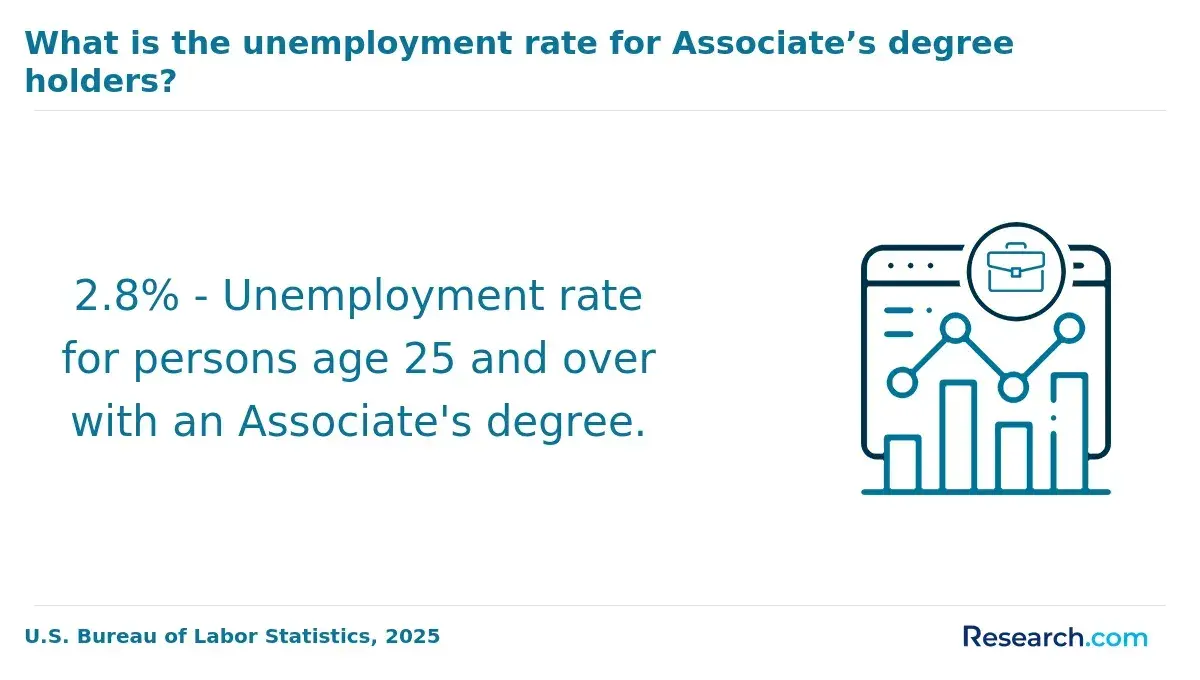
Certificates and associate degrees in business administration with concentrations in management and customer service offer distinct pathways reflecting different workforce realities. Customer service management certificates, often shorter, provide faster labor market entry but generally require further study or experience to access higher-level roles like retail store manager or call center supervisor. An associate degree emphasizing management affords broader foundational skills, equipping graduates for roles in team leadership, project coordination, and office administration, which involve more strategic responsibility.
Employers consistently seek candidates demonstrating familiarity with practical business operations. Programs combining core coursework in finance and marketing with hands-on training or internships tend to produce better employment outcomes. However, the increased duration and depth of associate degrees mean a longer time investment compared to certificates.
Career flexibility often depends on choosing credentials that validate a range of competencies. These credentials respond differently to regional labor market demands, where management or customer service roles may predominate, making local alignment crucial. Business administration degrees with broad career mobility tend to favor associate degrees, while certificates in business administration for diverse job opportunities suit those prioritizing quick workforce entry.
Prospective students should seek accredited programs with clear articulation agreements supporting continuing education, ensuring credentials remain relevant as job expectations evolve. For students interested in healthcare sector opportunities, exploring an HIM degree may expand their options beyond traditional business roles.
How do online business administration programs compare to campus options for launching generalist careers?
The choice between online and campus business administration programs hinges on concrete tradeoffs tied to career goals and industry demands. Campus programs require geographic relocation and greater time investment but offer hands-on internships, in-person mentorship, and embedded recruiting networks crucial in sectors like finance and consulting. This often accelerates entry into established corporate roles by granting students direct access to employer pipelines.
Conversely, online programs offer needed flexibility and time efficiency for mid-career professionals balancing ongoing work commitments. Such learners, frequently aiming to pivot into healthcare management, tech startups, or nonprofits, must actively cultivate virtual networking and seek practical experience off-campus to match the credibility of in-person exposure. Skill development in real-world collaboration can lag without synchronous interaction, which hiring managers often scrutinize.
Key factual distinctions include:Campus students gain structured internship opportunities through faculty relationships, increasing early job placement odds.Online pathways compress coursework but require more self-directed networking and practical engagement.Professionals targeting rapid immersion in industries with established hiring channels benefit from campus access.Those prioritizing schedule flexibility and lower costs accept slower initial placement without deliberate external activity.
A 2024 career-change report highlights that 59% of U.S. professionals were actively seeking new roles, boosting demand for adaptable, generalist business skills. Employers weigh program rigor and real-world exposure heavily, regardless of delivery mode. Ultimately, students must balance immediate network access against personal constraints and how each format aligns with the employer cultures of their target fields.
What should generalists look for in an accredited business program to support broad career mobility?
Broad career mobility for generalists hinges on engaging with accredited Business Administration programs that integrate practical skills across finance, marketing, operations, and analytics with credentials actively recognized by employers. Workers who possess university or postgraduate qualifications shift occupations 35%-60% more often than those limited to Year-12 education according to the Australian Productivity Commission labour-mobility study from 2024, which directly impacts adaptability in dynamic labor markets.
Real-world experiential learning-such as internships or consulting projects-plays a pivotal role in translating theoretical knowledge into transferable skills. For instance, a generalist who completes a practicum in supply chain management is better positioned to transition from retail to manufacturing roles than someone without this applied exposure.
Given modern workforce demands, program flexibility through part-time options and credit transfers mitigates career disruption and financial risk. Employers increasingly prioritize digital literacy and communication proficiency; hence, curricula embedding technical tools like Excel modeling and business intelligence software offer measurable employability benefits.
Establishing robust connections via alumni networks and industry contacts further facilitates entry into diverse business sectors and less traditional roles, addressing the friction that often hinders career pivots after degree completion.
What core business courses and skills help generalists qualify for diverse first business roles?
Focusing business courses on foundational skills is essential for generalists who need versatility in a labor market that increasingly values adaptability. Core competencies such as finance fundamentals, marketing principles, organizational behavior, and business analytics enable graduates to enter roles like operations analyst or business development associate in varied sectors including healthcare, technology, and retail. For example, finance courses teach budgeting and forecasting, which is indispensable for assessing project viability or departmental performance across industries.
Practical proficiency in business analytics-covering data interpretation and visualization-has become a baseline expectation, as employers prioritize evidence-based decision-making over rote task completion. Organizational behavior coursework addresses soft skills critical for managing team dynamics, an area noted by over one-third of employers as a hiring priority.
Labor trends in the UK, where employment rates for workers aged 50-69 have significantly increased, emphasize the need for educational programs that prepare students for multi-stage career paths demanding transferable skills. This demographic shift underscores the importance of strategic course selection that balances digitally-oriented operational fluency (e.g., Excel, CRM, SQL) with an understanding of role-specific tradeoffs, such as the choice between marketing analyst positions focused on consumer insights versus financial analyst roles with a quantitative emphasis.
Employers also weigh applied problem solving demonstrated through case-based projects and teamwork more strongly than mere theoretical knowledge. Students must reconcile market demands with their own long-term job objectives, which requires deliberate, experience-guided educational choices.
What are typical salaries and growth paths for common first business roles suited to generalists?
Entry-level roles in business administration generalist tracks, such as business analysts or project coordinators, typically offer salaries between $50,000 and $65,000 but come with limited initial upward mobility. Market data shows a significant decline-about 29 percentage points-in global postings for these traditional positions since early 2024. This contraction compels candidates to adopt hybrid skill sets blending data analysis, digital literacy, and communication rather than remaining in narrowly defined roles.
Employers increasingly favor versatility over specialization in early hires, expecting proficiency with tools like Excel, CRM systems, and basic coding. However, compensation ceilings usually plateau near $70,000 without focused skill development or certifications in areas like data visualization or financial modeling. For example, a business analyst in a mid-sized company can transition to senior analyst or product management roles within two to four years by acquiring analytics software expertise, while project coordinators might pivot laterally into operations or client management.
Practical career growth in these generalist business administration tracks requires proactive skill acquisition and strategic lateral moves before promotion opportunities arise. The integration of AI and automation in workplaces raises the importance of dynamic problem-solving and cross-functional collaboration at all levels, increasing the demand for adaptable professionals who can navigate complex hybrid roles.
How is job outlook changing for generalist-friendly business roles across industries?
Hybrid roles that integrate broad strategic insight with specialized technical expertise are rapidly reshaping the business landscape, favoring professionals able to navigate complex data and operational environments simultaneously. For instance, data scientists who combine risk evaluation with market analysis produce insights that drive decisive business actions, unlike analysts limited to technical output alone. Similarly, information security analysts in healthcare must align cybersecurity protocols with compliance and patient care to effectively safeguard sensitive information.
This shift places pressure on generalists pursuing business administration pathways to avoid overly narrow certifications that constrain flexibility. Instead, candidates must achieve a balance-gaining sufficient depth in analytics or security while retaining a broad operational perspective valued by employers. The challenge lies in managing longer, more complex training sequences combined with ongoing upskilling to keep pace with evolving tools and regulations.
Key considerations for students and professionals include:
- Prioritizing curricula that emphasize applied business contexts alongside technical skills
- Seeking experiential learning opportunities that demonstrate cross-functional impact
- Analyzing labor market trends to target sectors with sustained demand
Employers consistently reward adaptability, project influence, and communication skills over siloed expertise. Candidates who can synthesize business administration principles with technical competencies create measurable value that aligns with organizational goals and long-term resilience.
How can generalists choose between competing business schools to maximize future mobility and advancement?
Choosing a generalist business administration program requires critical attention to how well it aligns with emergent industry demands and realistic career transition pathways. Programs centered on cross-sector competencies like data analytics, sustainability, and strategic management enable graduates to pivot efficiently into high-growth fields such as renewable energy and technology. Employment projections show solar electric power generation growing by 275.9% and wind power by 115.1% from 2023 to 2033, emphasizing the value of programs with targeted electives or partnerships in these areas.
Decision-makers must weigh alumni mobility data to identify schools that track diverse sector outcomes rather than focusing narrowly on finance or consulting. Flexibility in program delivery-digital or hybrid formats-is equally essential for working professionals balancing education and employment.
Geographic context is a practical factor: locating a program in innovation hubs with strong internship networks directly impacts real-world experience and job placement success. For instance, a mid-career retail professional aiming for renewable energy should prioritize schools offering curriculum customization, clean tech recruiting, and career services built for sector shifts to reduce transition friction and enhance immediate employability.
- Focus on programs embedding experiential projects tied to emerging industries.
- Prioritize institutions with broad employer alliances beyond traditional sectors.
- Seek flexible formats supporting working professionals' schedules and goals.
These considerations respond to documented hiring trends and practical career pivot challenges, providing a strategic framework for prospective students targeting impactful outcomes.
Other Things You Should Know About Business Administration
Internships and relevant work experience significantly boost employability post-graduation more than academic grades alone. Employers in broad career roles typically prioritize demonstrated practical skills and real-world problem solving over purely theoretical knowledge. Therefore, seek quality internships aligned with desired sectors early and balance them with coursework to maximize long-term mobility rather than accumulating unrelated experience.
Remaining generalist early in your business administration career improves adaptability but limits depth in competitive fields requiring technical expertise. Specializing in areas like finance, marketing, or operations may narrow initial roles but increases early-career advancement opportunities and concrete skills. For those prioritizing broad career mobility, build a strong general foundation first, then selectively specialize based on emerging industry trends and personal aptitude.
Employers place higher initial trust in graduates from established, accredited programs with proven outcomes, especially for generalist roles that require a broad skill set under pressure. Graduates from less prestigious schools often must compensate with stronger internships, networking, or additional certifications. Consequently, if choosing a lower-profile program, aggressively pursue experiential learning and targeted skill development to mitigate employer concerns and improve hiring prospects.
References
- Transferable Skills in Business Administration Across Industries https://www.cw.edu/blog/how-business-administration-courses-build-transferable-skills-across-multiple-industries/
- Where Do Generalists Fit in at Later-Stage Tech Companies? https://www.generalistcareer.com/p/generalists-later-stage-tech-companies
- Different Types of Business Degrees | University of Phoenix https://www.phoenix.edu/articles/business/types-of-business-degrees-and-salaries.html
- Types of Business Degrees: Expand Your Global Career https://europe.ceibs.edu/article/types-of-business-degrees
- Top Business Skills for Career Success in Any Industry - University of the Potomac https://potomac.edu/business-skills/
- Skills Needed for Business Management: A Guide for Aspiring Leaders - Beal University https://beal.edu/business-management-skills/
- Career mobility strategies that work in 2026 https://skillpanel.com/blog/career-mobility/
- The Future of Jobs: Navigating Transformation in the Global Labor Market - The Compliance Digest https://thecompliancedigest.com/the-future-of-jobs-navigating-transformation-in-the-global-labor-market/
- How AI is changing the nature of entry level work https://www.weforum.org/stories/2026/03/how-ai-is-changing-the-nature-of-entry-level-work/
- Best Career Mobility Platform in 2025 | TalentGuard https://www.talentguard.com/career-mobility-software