2027 Online Business Administration Degrees With Business Communication Coursework

Co-Founder and Chief Data Scientist
Mid-career professionals often confront the challenge of updating leadership skills while managing full-time roles and personal commitments, making traditional degree formats impractical. The National Center for Education Statistics reported a 21% increase in online enrollment for business-related programs in 2024, reflecting growing demand for flexible education that accommodates working adults. This trend illustrates a shift toward prioritizing learning velocity and schedule adaptability without sacrificing curriculum rigor.
Choosing an online business administration degree with integrated business communication coursework directly addresses the need for polished interpersonal and managerial skills vital for competitive advantage. This article evaluates these programs to guide strategic decisions that balance career advancement with realistic time constraints.
Key Things You Should Know
- The integration of business communication coursework in 2026 online business administration degrees directly influences employer preference, with 72% of hiring managers from the National Association of Colleges and Employers prioritizing candidates demonstrating advanced communication within leadership and project management roles.
- Programs emphasizing communication skills often entail longer completion times or higher credit requirements, increasing average tuition expenses by 15% compared to curricula focused solely on quantitative business competencies, per the College Board's 2024 tuition survey.
- Graduates from hybrid communication-integrated business administration programs show a 12% higher employment rate in mid-level management by six months post-graduation versus peers without such coursework, reflecting critical workforce demands documented by the U.S. Bureau of Labor Statistics.
What is an online business administration degree with a business communication focus?
An online business administration degree with business communication specialization equips students to navigate the complex intersection of management and strategic information exchange. Beyond foundational business competencies, this pathway sharpens abilities in persuasive writing, digital platforms, and intercultural dialogue, directly addressing employer preferences for professionals who can clarify objectives, mediate disputes, and effectively present data.
Practical applications vary: a marketing manager leverages these skills to align campaigns with corporate goals while managing cross-team efforts, whereas supply chain coordinators refine negotiation and reporting skills essential for vendor and internal communications. This degree suits those who prioritize operational efficiency and stakeholder engagement in environments reliant on tailored communication.
Coursework includes organizational communication, business writing, public relations, and conflict resolution alongside core business subjects such as finance and management. The online business administration degree with business communication coursework in an online business administration program requires disciplined time management and active participation in virtual settings, a tradeoff for its flexibility.
The labor market reflects a 7% growth in business and financial occupations from 2023 to 2033, emphasizing demand for versatile professionals merging communication expertise with business acumen. Those considering a strategic pivot may also evaluate related credentials like an online MBA operations management to complement communication strengths with operational leadership skills.
How does an online business administration program compare to a campus program for business communication?
Choosing between online business administration programs vs campus programs for business communication hinges on tradeoffs in delivery and interaction. Both formats cover core skills such as professional writing, presentations, and digital communication tools, producing comparable competencies. However, traditional campus programs offer richer immediate feedback and nuanced face-to-face interaction, often benefiting roles requiring live stakeholder engagement.
Employers generally treat accredited online and traditional degrees equally, prioritizing demonstrated skills and relevant experience. For example, graduates trained on campus may initially outperform in-person presentations, while online graduates tend to excel in digital communication platforms-a differentiator in remote and hybrid work environments.
Students pursuing online business administration programs must prioritize synchronous activities and simulated client projects to develop real-time interactive skills, essential for industries like consulting and marketing where immediate feedback shapes outcomes. This requires deliberate engagement to overcome the reduced informal networking inherent to remote study.
The median annual wage for business and financial occupations was $79,050, according to the U.S. Bureau of Labor Statistics. Given this, communication skills acquired in business administration degrees directly impact employability and advancement opportunities amid evolving workplace communication demands.
Those considering flexible alternatives might also explore accelerated construction management degree programs online, which align with similar workforce flexibility and skill-building considerations as some online business administration degrees. See accelerated construction management degree options for related pathways.
What accreditation should online business administration degrees with communication coursework have?
Regional accreditation remains a decisive factor for online business administration degrees accredited by regional agencies, particularly when communication courses form part of the curriculum. Employers and graduate programs alike rely on accreditors such as the Higher Learning Commission or Middle States Commission on Higher Education to verify academic integrity and ensure that credits transfer smoothly. Without these endorsements, candidates face hurdles including limited access to federal aid and restricted professional licensing opportunities.
Program-specific accreditation distinguishes degree relevance and signals different career trajectories. AACSB-accredited programs, renowned for their stringent standards, appeal to those targeting roles in corporate finance or global consulting where employer recognition is intense. Conversely, ACBSP-accredited degrees emphasize practical teaching outcomes and applied communication skills, better suiting marketing or operations management roles in regional or nonprofit sectors. For instance, Brenau University Online offers an ACBSP-accredited degree at $795 per credit or $95,400 total for 120 credits, illustrating a pragmatic cost-to-value balance.
When evaluating the best accreditation for business administration programs with communication courses, students should consider:
- Industry-specific accreditation preferences
- Impacts on tuition reimbursement and federal aid eligibility
- Program cost versus career alignment
A mid-career professional pivoting to project management in tech may benefit more from AACSB credentials, while those pursuing communication strategy roles in public sectors may prioritize affordability and direct skills validation.
Prospective students actively comparing affordability and outcomes might explore options like the MBA in entrepreneurship, balancing practical focus with cost and accreditation considerations.
What business communication courses are typically included in an online business administration curriculum?
Business communication courses in online business administration programs emphasize real-world skills that directly affect workplace efficiency and compliance. For instance, in healthcare administration, the ability to clearly document policies helps mitigate regulatory risks. Marketing professionals depend on storytelling and audience analysis to drive effective campaigns. Key business communication skills taught in business administration degrees include organizational communication, professional writing, intercultural communication, and digital communication strategies, each tailored to meet distinct operational challenges across industries.
Organizational communication courses train students in managing communication flows, conflict resolution, and leadership messaging, which are critical in sectors like finance and manufacturing to prevent costly misunderstandings. Professional writing skills focus on producing precise emails, reports, proposals, and executive summaries. Intercultural communication prepares graduates to work effectively in global and remote team settings, aligning with employer expectations in multinational companies.
Digital communication instruction covers social media, corporate branding, and crisis management-areas increasingly vital in technology and public relations fields. Practical application through case studies and role-playing enhances learning, drawing on recent workforce research. When evaluating program costs, Southern New Hampshire University's online business bachelor's rate of $354 per credit provides context for assessing affordability against skill acquisition and employer demand.
Prospective students balancing cost, outcomes, and market relevance might also explore the best online master degree in human resource management to complement communication expertise with HR analytics and strategy, enhancing versatility in competitive labor markets.
What are the admission requirements for online business administration programs emphasizing communication skills?
Admission criteria for online business administration programs with a communication focus often balance academic records with practical workforce relevance. While a high school diploma and transcripts remain baseline requirements, many programs waive standardized test submissions like the SAT or ACT for candidates presenting professional experience or previous college credit. For non-native English speakers, proof of language proficiency via TOEFL or IELTS remains a firm requirement.
Employers' demand for strong communication skills translates into curricular expectations. For example, Indiana University's online B.S. in Business Administration mandates a 3-credit Business Communications course, emphasizing real-world skills essential for client negotiations, team dynamics, and digital correspondence. Candidates lacking direct experience may face additional hurdles such as placement exams or evaluative interviews to confirm aptitude.
Applicants from sectors like finance or healthcare can sometimes leverage industry experience to bypass standard prerequisites, shifting admission focus toward communication proficiency and leadership indicators. Conversely, those new to the workforce may need to demonstrate capabilities through detailed resumes or portfolios that document workplace communication.
Awareness of these nuances can prevent application surprises and delays. Analyzing program requirements with attention to communication coursework and verification processes helps candidates align with employer expectations and optimize their pathway through strategic preparation.
How long do online business administration degrees take and what do they cost?
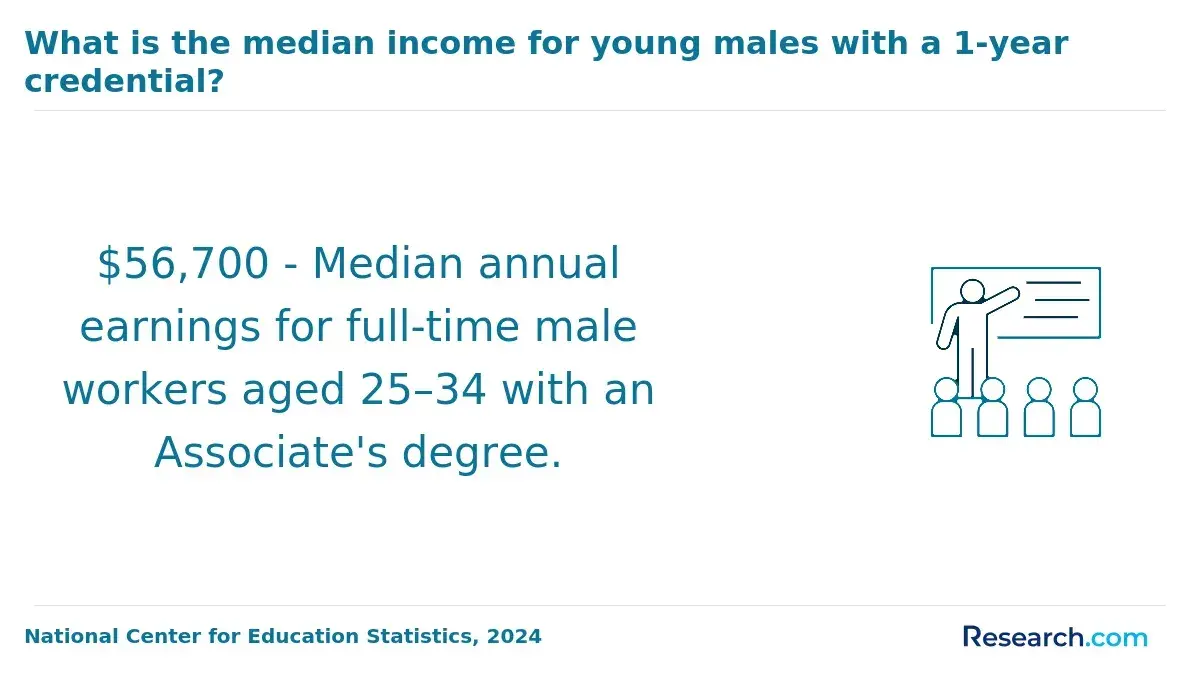
Completing an online business administration degree with a focus on business communication demands strategic time management and financial planning, given the significant variation in program length and cost. Associate degrees can be done in two years full-time, requiring roughly 60 credits, while bachelor's degrees generally need about 120 credits and four years. Accelerated options condense study periods but intensify workloads, which may challenge working students balancing multiple responsibilities.
Cost considerations sharply differ: community colleges offer associate programs at $6,000-$15,000 total tuition, whereas public universities charge $15,000-$40,000 in-state for bachelor's degrees, with private institutions often exceeding $50,000. Additional fees for materials and technology typically add $1,000 to $2,500 annually. Financial aid and employer tuition support can offset expenses but require early and careful navigation.
Employers prioritize candidates who demonstrate applied communication skills within business fundamentals, particularly in operational or project management roles where clarity accelerates decision-making and team alignment. The U.S. Bureau of Labor Statistics projects 5% growth for management jobs through 2033, presenting about 1.2 million new openings, underscoring a favorable labor market for those who can balance theory with practical communication proficiency.
Part-time enrollment extends program duration but reduces student stress and financial strain. However, exceeding six years risks outdated knowledge and erodes employer confidence. Thoughtful course scheduling-including leveraging prerequisite sequences and summer terms-can optimize completion timelines without sacrificing mastery or credit requirements.
What careers can you pursue with an online business administration degree focused on communication?
Graduates holding an online business administration degree with a communication focus enter roles where managing complex interactions across teams is fundamental. Employers expect not only operational knowledge but also the ability to navigate diverse stakeholder perspectives and translate technical or strategic content into actionable plans. For example, operations managers-who earn a median wage of $101,280 per the U.S. Bureau of Labor Statistics-use communication skills extensively to coordinate departments, negotiate vendor relationships, and drive process enhancements.
Such programs develop competencies critical for roles like corporate communications specialist, project coordinator, marketing manager, and human resources manager, each requiring adaptability in messaging strategies and conflict management. A project coordinator in technology must often serve as a bridge between developers and marketers, simplifying jargon to ensure aligned product launches. Meanwhile, HR managers rely on communication proficiency to defuse workplace conflicts and design employee engagement initiatives.
Success in these careers demands balancing analytical decision-making with interpersonal acumen, as well as familiarity with digital communication platforms and data-driven messaging. Candidates should also anticipate ongoing professional development, especially in emerging communication technologies and leadership methods. Practical experience gained through internships or project work is frequently a differentiator in hiring, as organizations prioritize demonstrated ability to manage operations alongside nuanced communication flows.
What salary ranges and job outlook can graduates with strong business communication skills expect?
Graduates holding an online business administration degree paired with strong business communication skills typically enter the workforce with salaries between $55,000 and $70,000, varying by sector and location. Advancing beyond entry-level roles often depends on the ability to convey strategic ideas clearly, especially in consulting, finance, and technology, where midsize salaries range from $80,000 to $110,000. Employers consistently prioritize candidates who excel in both analytical rigor and persuasive communication, as roles such as management analysts, marketing managers, and human resources specialists require navigating complex organizational challenges. Project managers proficient in stakeholder communication and conflict resolution, for example, can impact company outcomes by securing contracts and leading teams-capabilities that influence both organizational revenue and personal incentives.
Conversely, professionals lacking these advanced communication skills frequently confront career stagnation despite technical expertise. The Georgetown University Center on Education and the Workforce's data reveal that earning a bachelor's degree leads to roughly $1 million more in lifetime earnings compared to a high school diploma, reinforcing the long-term financial benefit despite upfront costs and effort. This advantage grows more pronounced within hybrid and remote work settings, where clear virtual communication is essential for leadership and productivity. Job growth projections of 7% to 13% through 2032 for communication-heavy occupations reflect sustained labor market demand, underscoring the practical value of integrating communication training within business administration curricula.
Are there industry certifications that complement a business administration degree with communication coursework?
Certifications often serve as decisive differentiators for business administration graduates with communication training by demonstrating applied skills employers actively seek, beyond academic theory. For instance, Project Management Professional (PMP) certification validates leadership of complex projects and cross-functional teams-a practical advantage in corporate environments where degree credentials alone may not suffice.
Compared to typical coursework, professional credentials address specialized competencies such as digital marketing tools or negotiation tactics essential for sales and client relations roles. Certificates from recognized entities like the Digital Marketing Institute provide clearer signals of expertise that hiring managers use to navigate increasingly crowded candidate pools, especially as online learning expands: in fall 2023, 54% of undergraduates took at least one distance education course per National Center for Education Statistics data.
Key considerations include weighing certification costs against long-term benefits and ongoing maintenance-for example, PMP certification entails renewal fees and professional development requirements that can burden early-career professionals on limited budgets. Targeting certifications aligned with specific fields such as healthcare administration or finance maximizes employer relevance and return on investment.
How can you evaluate and choose a reputable online business administration program for communication?
Effective communication is a measurable skill employers expect from business administration graduates, making program curriculum a critical differentiator. Instead of generic electives, prioritize programs offering specialized courses in organizational communication, professional writing, and interpersonal skills, designed to mirror actual workplace demands.
Program delivery formats involve tradeoffs: fully asynchronous options provide scheduling flexibility but often lack real-time interaction needed to practice communication nuances, whereas synchronous or hybrid models enable collaborative exercises that simulate client or team scenarios, improving readiness.
Employment outcomes tied directly to communication-intensive roles serve as a practical benchmark. Programs embedding internships or cooperative experiences within sectors like finance, marketing, and consulting help students develop applicable skills and networks, increasing their immediate value to employers.
Class size and faculty expertise further shape learning quality. Smaller groups enhance direct feedback on communication tasks, while instructors with professional backgrounds in business communication provide relevant insights beyond textbook theory.
Cost considerations must be weighed against documented employer recognition and graduate earning trajectories. Higher tuition may be justified by a program's ability to equip students for roles requiring sophisticated communication skills essential for negotiation, client relations, and stakeholder management-skills that substantially affect career longevity and progression.
Other Things You Should Know About Business Administration
Programs integrating both core business subjects and extensive communication components often require greater time management due to the combined theoretical and applied nature of the coursework. Expect significant reading, case analysis, and project presentations that extend beyond typical quantitative business classes. This dual-focus workload means students should prepare for a balance of analytical and interpersonal skill development, which can lengthen study time but also yields a more comprehensive skill set favored by employers.
Employers seek a foundation in business principles first but prioritize strong communication skills when leadership and team collaboration are key. Degrees featuring communication coursework can differentiate candidates for roles involving negotiation, marketing, or public relations. However, the practical application of communication skills through internships or real-world projects often carries more weight than course titles alone, so candidates should seek programs offering experiential learning to maximize employer appeal.
Accelerated programs reduce time to completion but intensify course pacing and workload, which can challenge professionals balancing full-time jobs. Choosing this path requires clear priorities and disciplined time management, as the compressed schedule may limit opportunities for deep skill absorption and networking. If immediate career advancement hinges on quick credential attainment, accelerated tracks provide value; otherwise, a standard paced program offers a safer balance for skill mastery and practical application.
References
- Online Business Degree Programs - OnlineEducation.com https://www.onlineeducation.com/business/
- 7 Practical Graduate Business Certificates to Round Out Your Resume https://www.umassglobal.edu/blog-news/7-practical-graduate-business-certificates-round-out-your-resume
- Top Skills Employers Seek in Business Graduates Today https://www.jagannath.org/blog/top-skills-employers-seek-in-business-graduates-today/
- Online Tuition-Free Bachelor's Degree in Business Administration (BBA) https://www.uopeople.edu/programs/online-bachelors/business-administration/
- Top 6 Communication Skills for Career Growth and Organizational Impact https://www.callutheran.edu/programs/articles/top-communication-skills-career-growth-organizational-impact/
- Business Communication - Western Colorado University https://western.edu/undergraduate/business-communication/
- Top Certifications That Complement Your MBA or BBA Degree - IZee Group of Institutions https://izeeinstitutions.com/blog/top-certifications-that-complement-your-mba-or-bba-degree/
- Communication Skills that will advance your career https://dcmlearning.ie/blog/communication-skills-that-will-advance-your-career.html
- Is an Online Business Degree Program Right for You? https://www.allbusinessschools.com/blog/getting-a-business-degree-online/