2027 Best Online Business Administration Degrees for Real Estate Careers

Co-Founder and Chief Data Scientist
Securing a competitive foothold in real estate requires more than traditional credentials; professionals must navigate evolving market dynamics while balancing rigorous career demands and education flexibility. With 45% of adult learners citing schedule adaptability as a key factor in choosing online programs according to the National Center for Education Statistics, the shift toward accessible, fully online business administration degrees has become a strategic response to workforce timing constraints and geographic barriers. However, not all programs deliver practical skills aligned with real estate industry standards, complicating informed enrollment choices. This article evaluates top online business administration degrees tailored for real estate careers, equipping readers to select programs that optimize career mobility and real-world value.
Key Things You Should Know
- Programs emphasizing real estate finance and market analytics saw 27% higher alumni employment rates in property management roles, according to 2024 U.S. Bureau of Labor data, affecting ROI evaluations for career pivots.
- Employers increasingly demand proficiency in commercial real estate technology platforms; graduates lacking these skills face median starting salaries 12% below industry-average, per National Association of Realtors 2024 workforce survey.
- Accelerated online degrees reduced time-to-completion by 30%, but with 15% higher dropout rates versus traditional tracks, necessitating strategic weighing of cost against credential completion reliability.
What is an online business administration degree with a real estate focus, and who is it best for?
An online business administration degree focused on real estate management offers a balance of foundational business knowledge and specialized skills tailored to real estate markets, investment strategies, property management, and related legal frameworks. This combination prepares students for operational roles in development firms, brokerage agencies, or property management, emphasizing practical competencies such as contract negotiation and market valuation.
For working professionals, this degree often serves as a strategic pivot-consider a mid-level sales manager moving into a real estate analyst position-where industry-specific expertise paired with business acumen negates the need for additional certifications.
Employers prioritize candidates who grasp both general business principles and the financial, regulatory specifics of real estate transactions. Graduates absent this hybrid proficiency risk competitiveness in job markets where, according to the U.S. Bureau of Labor Statistics, real estate brokers' median annual wage was $65,850 in May 2024.
Those evaluating an online business administration degree for real estate careers should scrutinize program accreditation, instructor experience, and curriculum relevance to immediate workforce demands.
Key considerations include the program's credit transfer policies-lack thereof may extend completion to four years-and the self-discipline required by online formats, particularly for full-time workers. Programs with industry connections facilitate internships and networking critical for employment.
Prospective students might also compare related options such as MBA in healthcare programs when weighing specialization against broader business education.
How can an online business administration degree prepare me for a real estate career?
An online business administration degree supports real estate career success by equipping candidates with analytical and managerial skills essential for navigating complex market dynamics. For example, financial accounting coursework provides the ability to evaluate property investment viability and structure deals sensitive to fluctuating economic conditions. This practical financial insight directly impacts decision-making in real estate transactions.
Beyond core skills, this degree addresses logistical challenges in real estate such as managing client portfolios and coordinating with various stakeholders. Graduates apply project management techniques and organizational methods to maintain accurate records and react swiftly to market shifts, enhancing their operational reliability and professional reputation.
Employers increasingly prefer business-trained candidates for roles in brokerage management, property development, and investment analysis, beyond traditional sales functions. The median annual wage for real estate sales agents stood at $54,300 in May 2024, indicating sustained demand for professionals who can maximize profitability amid market volatility.
Many programs integrate case studies that simulate such real-world pressures, providing experience aligned with these workforce expectations.
Flexibility in online delivery enables working professionals to apply concepts-like client relationship management software and digital marketing-immediately. Still, students must supplement this degree with real estate licensing and local legal expertise, since state-specific credentialing remains essential to practice.
Those evaluating business administration pathways may also consider complementary options such as construction management degrees online for diversified skills aligned with property development.
What are the most important accreditation standards for online business administration programs in real estate?
Regional accreditation recognized by the U.S. Department of Education or the Council for Higher Education Accreditation remains the definitive standard for online business administration programs in real estate, directly impacting credit transferability and eligibility for state licensing. Specialized accreditation from organizations like the Accreditation Council for Business Schools and Programs (ACBSP) or the International Assembly for Collegiate Business Education (IACBE) confirms curricula are aligned with real estate market demands rather than generic business content.
These distinctions matter because employers prioritize candidates who demonstrate applied skills in financial analysis, market research, and real estate law.
Programs accredited only by national or unverified agencies often lack the rigor necessary for graduates to compete effectively in a market with a modest projected employment growth of 3% from 2024 to 2034, according to the U.S. Bureau of Labor Statistics. Students enrolling in such programs may face significant hurdles in achieving practical workforce readiness or pursuing licensing in states requiring specific coursework.
Prospective students should prioritize programs that consistently update real estate law, investment, and property management courses as validated by top accreditation bodies for business administration degrees in real estate to meet employer and regulatory expectations. For instance, a broker navigating complex zoning regulations in an expensive urban market needs specialized knowledge beyond typical business programs.
Those considering a fast timeline might explore options like the fast track MBA 6 months online, but must weigh accelerated pathways against ensuring comprehensive accredited content essential for long-term career viability.
How do online business administration programs for real estate compare with on-campus options?
The choice between online and on-campus business administration programs for real estate hinges on a balance of practical experience versus flexible scheduling. Online programs offer essential flexibility for working professionals aiming to integrate continuing education with full-time employment and family commitments. This flexibility supports career pivots and advancement in a sector where real estate sales agent roles are expected to grow by 3% from 2024 to 2034, according to the U.S. Bureau of Labor Statistics.
However, online formats often require proactive networking and effort to secure local internships or hands-on experiences that employers in real estate highly value.
On-campus programs provide critical access to face-to-face mentorship, live market simulations, and embedded internships, which are pivotal for developing connections with brokerage firms and developers. These elements often enhance employability by supplying real-world experience directly integrated into the curriculum.
Both delivery methods cover fundamentals like real estate finance and market analysis, but on-campus settings better facilitate immersive experiences with tools such as GIS mapping and virtual tours.
Prospective students should weigh their current work status and capacity for immersive study. Full-time workers may find online business administration degree benefits for real estate careers when paired with targeted local internships, while recent graduates might gain from structured, peer-engaged on-campus environments.
For those seeking accelerated options to balance education and career goals, an accelerated hospitality degree online offers a relevant comparison in managing industry-specific program demands.
What courses and concentrations should I look for in a real estate-oriented business administration curriculum?
Choosing a business administration program without targeted real estate finance, property management, and real estate law courses limits practical preparedness for real estate roles. Employers seek candidates familiar with transaction structures, regulatory frameworks, and asset valuation-knowledge absent from generic business curricula. For instance, graduates without experience in contract negotiation or zoning regulations often struggle to transition smoothly into real estate-focused positions.
Programs incorporating financial modeling and data analytics teach tools essential to current market demands, including cap rates, cash flow analysis, and GIS mapping. These competencies enhance asset appraisal accuracy beyond what typical business administration offerings provide.
Electives in urban planning or supply chain management add context when applied to redevelopment projects or commercial leasing, but only if directly linked to real estate scenarios.
There is a tangible tradeoff between cost and curriculum specificity. Tuition at $390 per credit, as noted for Liberty University Online's 2025-2026 academic year, may appeal to budget-conscious students. However, lower cost should not overshadow the necessity for comprehensive real estate content, which influences both employability and career trajectory.
For professionals pivoting careers, experiential learning through internships or case studies related to real estate transactions is indispensable. These hands-on components develop skills that purely theoretical coursework cannot, positioning graduates for immediate contribution in roles demanding practical understanding alongside foundational business administration knowledge.
What admission requirements and prior experience do online business administration real estate programs expect?
Online business administration real estate programs impose significant admissions thresholds that impact both access and completion costs. A bachelor's degree with a minimum 3.0 GPA often serves as a baseline, alongside standardized tests like the GMAT or GRE-though candidates with substantial professional experience frequently bypass these exams.
Work experience ranging from two to five years in real estate sales, management, or finance is commonly required, serving as a practical filter to ensure applicants possess foundational industry competence before engaging with graduate-level business concepts.
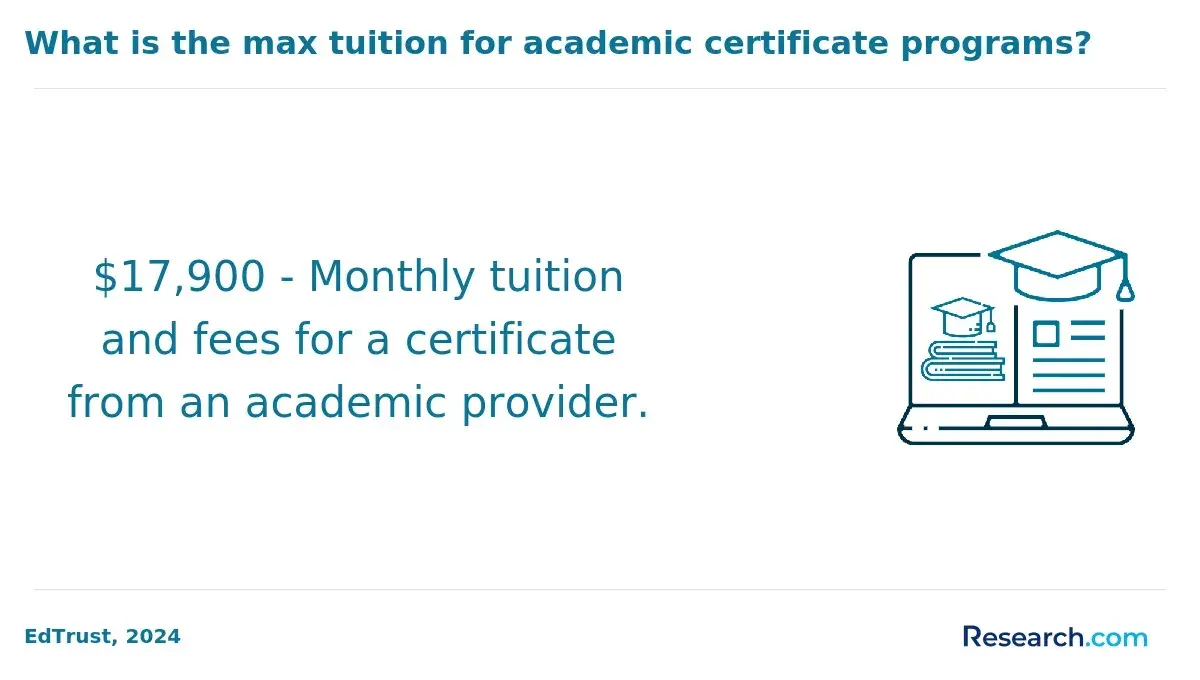
Admissions committees focus heavily on quantitative skills, expecting prior coursework in accounting, finance, and economics. Without this background, students must undertake prerequisite classes, extending their time to degree and increasing tuition: a notable example is Longwood University's online MBA in Real Estate, where students lacking prior business education may face longer study periods and higher costs beyond the listed $13,950 tuition for Virginia residents.
For working professionals, balancing full-time employment with program expectations demands strategic consideration. Candidates without relevant real estate experience should assess the tradeoff between starting in certificate programs or entry-level roles, versus entering degree programs prematurely and risking delayed graduation or accumulating excess tuition fees.
Employers typically require documented evidence of business and real estate skills, often via portfolios and supervisor recommendations, underscoring that admission hurdles reflect real-world competency requirements critical to career mobility.
How long do online business administration degrees for real estate take, and what do they cost?
Completing an online business administration degree with a focus on real estate typically demands a strategic balance between time investment and workforce engagement. Full-time students generally finish within 18 to 24 months, with about 61% of graduates at Western Governors University completing their program in 19 months, revealing accelerated options for those managing time intensively.
This timeframe is critical for aligning foundational business skills with real estate industry specifics, addressing employer expectations for versatile yet immediately applicable knowledge.
Tuition costs are a significant consideration and vary substantially by institution, program model, and credit load. Many online bachelor's programs price per credit hour between $200 and $500+, meaning a standard 120-credit degree can range from $24,000 to $60,000.
Programs with competency-based curricula, such as those offered by Western Governors University, can reduce costs for learners balancing work and study by focusing on demonstrated skill mastery rather than seat time. Additional mandatory fees may increase overall expenses by up to 15%.
Professionals must weigh the tradeoff between accelerated programs that minimize time out of the workforce but demand strict time management, versus part-time pathways that extend duration and total costs but offer more flexibility.
Employer preference often favors degrees completed within two years, signaling the importance of both timely credentialing and relevant, up-to-date competencies. Prospective students should evaluate program length, affordability, and workload against their current employment situation and career goals to avoid financial strain or delayed entry into desired roles.
What real estate careers can I pursue with an online business administration degree?
Graduates holding an online business administration degree with a real estate concentration navigate complex roles requiring specialized skills beyond foundational business knowledge. Positions like real estate asset manager or acquisition analyst demand fluency in market valuation and portfolio optimization, expectations favored by employers at REITs and commercial development firms.
For brokers and sales managers, the degree's leadership and client management training provides an edge in transactional local markets. Advancing into broker management often introduces additional requirements such as budgeting expertise and regulatory familiarity, competencies that are not universally covered in degree programs but are essential in practice.
Cost remains a significant factor in ROI considerations. For example, Longwood University's MBA - Real Estate charges $460 per credit hour for out-of-state students, a steep investment when balancing tuition against salary prospects in urban real estate markets.
The pathway is further complicated by state licensing mandates which business administration degrees do not fulfill, forcing graduates to pursue separate credentials. Real estate development careers frequently rely on experiential knowledge in zoning laws and construction finance, acquired primarily through professional exposure rather than academic study.
Those targeting commercial real estate finance should prioritize programs integrating rigorous quantitative coursework and internship opportunities. Such preparation equips students for underwriting analyst or portfolio manager roles that require solid command of risk models and financial reporting norms.
What salary ranges and job outlook can real estate graduates with business administration degrees expect?
Starting salaries for real estate graduates with business administration degrees typically range from $55,000 to $95,000 annually, but this spread reflects significant variations in role specialization and geography. Entry-level positions like property managers or residential agents hover near $55,000, whereas commercial brokers or real estate developers in high-volume metro markets may exceed $90,000.
These salary differences are meaningful for candidates weighing the return on investment of related education costs, such as the University of Illinois at Chicago's online real estate MBA tuition of $11,571.
Practical workforce considerations include not only base salary but also commission variability, licensing fees, and local market cycles. For example, a licensed commercial broker earning $95,000 could recoup education expenses within two years, while agents relying heavily on commissions might face a longer break-even timeline.
Additionally, job growth projections point to roughly 5% expansion through 2032, with commercial real estate roles generally offering steadier demand than residential brokerage.
- Median salary $55,000-$95,000 depending on role and location
- Employment growth projected at 5% through 2032
- Education costs range near $11,571 for online MBAs
- Commission and licensing fees impact net earnings
- Networking and specialization strongly influence advancement
Real-world salary progression ties closely to networking and specialization, especially in finance or development sectors. Employers prioritize candidates who combine business administration fundamentals with demonstrated real estate expertise, which underscores the value of targeted internships and relevant coursework.
Graduates focusing on transactional or administrative roles should temper expectations for rapid income growth compared to those in finance-focused tracks.
How do licensing, certifications, and professional designations work for real estate careers after graduation?
Securing a real estate license is a non-negotiable step after earning an online business administration degree with real estate ambitions, as most states legally require passing a state-specific licensing exam. This process demands completing between 60 and 90 hours of pre-licensing education, often timed alongside or immediately after degree coursework. Without this credential, graduates cannot engage in transactions as licensed agents or brokers.
Beyond licensing, certifications like the Certified Commercial Investment Member (CCIM) or Accredited Buyer's Representative (ABR) provide specialized expertise but require additional coursework, exams, and documented professional experience, which can delay advancement.
Employers frequently prioritize candidates holding both licenses and certifications because they materially indicate proficiency and can leverage better client referrals or commission structures.
For example, graduates licensed in high-volume sales states who secure a broker's license after one to three years often surpass the national average salary of $63,607 reported by WGU. Navigating reciprocity rules when moving across state lines adds complexity and requires strategic planning.
- This licensing pathway demands balancing upfront educational investment with practical market opportunities.
- Decisions around pursuing certification versus immediate sales experience can shift earning trajectories significantly.
Maintaining licenses also involves ongoing continuing education-typically 12-18 hours every 1-2 years-impacting early-career budgeting and time management.
Other Things You Should Know About Business Administration
Online business administration programs vary widely in structure, with some offering accelerated formats and others spreading coursework over multiple years. Students who are actively working in real estate should prioritize programs with flexible deadlines and modular coursework to avoid burnout. The workload demands influence how well you can apply learning in real time; overly intensive schedules risk diminishing practical retention and immediate career application. Choosing a program with asynchronous classes often provides the necessary balance for working professionals maintaining client commitments and transaction responsibilities.
Employers increasingly recognize online degrees but prioritize candidates who can demonstrate applicable skills and relevant real estate knowledge beyond the diploma. Practical experience combined with specialized coursework, such as real estate finance or property management, outweighs the modality of education. Graduates should target programs with strong capstone projects, internships, or networking opportunities to bridge theory and practice. Without these, candidates risk being seen as academically credentialed but lacking the nuanced skill sets demanded in transactional or management roles.
In 2027, top-ranked online business administration programs for real estate careers include the University of Florida's online BBA with a Real Estate specialization, Florida International University's online BBA with Real Estate Track, and Ashford University's online BA in Real Estate Studies, recognized for their comprehensive curriculum and industry relevance.
Program reputation often correlates with employer recognition and access to industry connections, critical in real estate where networking drives deal flow and career advancement. Alumni networks provide opportunities for mentorship, referrals, and market insights not available from coursework alone. Prospective students should investigate the school's real estate alumni presence and engagement: a strong network can open doors and accelerate job placement more effectively than solely focusing on program cost or duration.
References
- How do you take a real estate training course? - INSEEC https://www.inseec.com/en/guides/orientation-guide/how-do-you-take-a-real-estate-training-course/
- Real Estate Career Guide (Roles, Degree Options & Licensing) https://www.allbusinessschools.com/real-estate/
- Online BBA vs. On-Campus BBA: What You Should Know Before You Choose | CourseCompare.ca https://www.coursecompare.ca/online-bba-vs-on-campus-bba/
- The Need of Accreditation in Online Degree Programs https://www.onlinecu.in/blog/cu/the-importance-of-accreditation-in-online-degree-programs.php
- Career Outlook for Business Administration| University of Bridgeport https://www.bridgeport.edu/news/career-outlook-for-business-administration/
- Careers in business administration: paths & opportunities https://pathwise.io/careers-in-business-administration/
- Master of Business Administration (MBA) https://www.ube.ac.uk/postgraduate/mba/
- What's Different About an MBA in Real Estate? https://online.longwood.edu/business/mba/real-estate/whats-different/
- Business Administration Degree Salary | UE Amsterdam https://www.ue-amsterdam.com/blog/business-administration-degree-salary-how-much-can-you-earn
- Majors for Real Estate: What to Study and Why It Matters https://www.scu.edu/business/blog/careers/majors-for-real-estate/