2027 Business Roles With the Strongest Career Momentum

Co-Founder and Chief Data Scientist
Facing a rapidly evolving labor market, professionals and students aiming for roles in business administration confront critical timing and relevance challenges. The persistent rise of remote and hybrid working models, coupled with a 22% increase in adult enrollment in online degree programs reported by the National Center for Education Statistics through 2024, signals a shift in how candidates access and complete credentials.
This shift demands sharper selection of career paths with significant momentum and attainable progression, as prolonged study or misaligned specialization risks eroding competitive advantage. This article presents a focused analysis of business roles demonstrating the strongest career momentum to inform strategic educational and professional decisions.
Key Things You Should Know
- Business administration roles tied to data analytics grew 23% from 2022 to 2025 per BLS, but require intensive investment in quantitative skills, delaying time-to-promotion for professionals without STEM backgrounds.
- Employers prioritize hybrid expertise combining business strategy with digital transformation knowledge, elevating candidates with certifications in AI tools by 40%; this shifts workforce demand toward continuous upskilling over traditional degree pathways.
- Cost-prohibitive MBA programs, averaging $70K nationwide, drive candidates toward shorter, specialized credentials delivering 15-25% faster job placement, exposing a tradeoff between credential prestige and speed-to-market disadvantages.
What business roles have the strongest career momentum?
The fastest-growing business roles with the strongest career momentum in the US emphasize hybrid expertise that merges technical skills with business strategy. AI and machine learning product managers have surged due to a 145% increase in LinkedIn job postings in 2024. These positions demand fluency in AI tools combined with solid business acumen, enabling professionals to convert complex algorithms into market-ready products.
Digital transformation leaders, including data strategy leads and innovation managers, follow closely as organizations intensify tech adoption. For instance, a financial services firm's adoption of AI-powered customer segmentation requires managers adept not only in AI but also in regulatory compliance. Such dual competencies are essential to navigate evolving standards and operational realities.
Environmental, social, and governance (ESG) compliance officers also represent a high-growth business administration career in North America due to shifting regulations and investor expectations. Their work combines sustainability metrics knowledge with business administration processes to implement frameworks like SASB and TCFD effectively.
Educationally, extensive technical training without embedded business strategy limits upward mobility in these fields, while pure business degrees often lack sufficient technical depth. Students should consider programs that integrate applied AI alongside core business disciplines. Many candidates pursue an online degree business administration for flexible access to this balanced curriculum, mindful of the demand for hybrid skills in the current labor market.
Which business jobs offer the best salary and job outlook?
Revenue Operations (RevOps) leadership represents a distinct inflection point in business roles with the best salary growth due to both compensation and market demand. Between 2020 and 2024, job postings mentioning "revenue operations" increased by 300% on LinkedIn, signaling a surge in employer prioritization. Organizations with established RevOps teams are 2.7 times more likely to realize double-digit annual revenue gains, translating practical pressure on candidates to prove measurable impact on financial outcomes. Typical salaries range from $120,000 to $180,000, with the highest salaries concentrated in tech and SaaS sectors.
Mid-level roles-financial analysts, operations managers, and product managers-also remain attractive in job outlook and salary trends for business administration careers but tend to cap between $70,000 and $110,000. These positions demand cross-functional skills, however their indirect effect on revenue growth creates a significant tradeoff compared to RevOps roles. Healthcare and manufacturing lag in integrated RevOps adoption, which can extend the transition time for professionals entering these fields.
For working professionals pivoting into business administration, proficiency in RevOps tools together with foundational financial acumen enhances employability and accelerates functional contributions. Demonstrating the ability to link operational improvements directly to revenue growth remains critical. Educational paths including specialized coursework or certificates in revenue cycle management or integrated sales strategies provide concrete advantages. Exploring a bachelor's in project management can also complement skill sets for managing cross-departmental initiatives, a growing requirement in scalable business operations.
What degree do you need for top business careers?
A bachelor's degree in business administration remains the most direct pathway for securing top roles like growth and performance marketing managers amid the shifting demands of high-growth sectors. Employers prioritize applicants with measurable skills in management, finance, and marketing analytics to drive strategic and operational decisions. For those seeking careers in digital marketing, data analytics, or finance leadership, degrees that combine business administration with quantitative or technology minors enhance employability by meeting real-world expectations for data-driven strategy.
In industries such as performance marketing, where global digital ad spend is projected to hit $870 billion by 2027, employers expect candidates to understand performance metrics and ROI alongside foundational business principles. While an MBA with a focus on marketing or analytics can propel mid-career advancement, it demands significant time and financial resources, often making certifications in digital ad platforms and analytics a more practical alternative for early-career professionals facing budget constraints.
Specific degree choices should reflect distinct workforce realities:
- Finance roles typically favor business administration paired with accounting or economics;
- Growth marketing requires proficiency in analytics tools and consumer behavior;
- Smaller firms often value hands-on digital tool experience over formal qualifications;
- Established corporations expect formal credentials and leadership demonstrations.
For those pursuing high-growth business roles, a tailored business administration degree balances theory and practice to support strategic pivots or advancement. Practical considerations may also include exploring a project manager degree online as a complementary credential enhancing cross-functional leadership capabilities.
Is online or campus business school better for career goals?
Online business school programs offer a distinct advantage for professionals aiming for rapid advancement or mid-career pivots, particularly in data analytics and management roles. Employment for data scientists is projected to grow 34% from 2024 to 2034, with median pay around $112,590, highlighting the demand for skills often gained through flexible, tech-focused online curricula. These programs accommodate working individuals by allowing concurrent job application and skill development, a critical factor for analysts transitioning into data-centric roles.
Conversely, campus programs support recent graduates building foundational business acumen through immersive, face-to-face mentorship and networking, which remain pivotal for positions requiring strong local connections, such as sales or regional management. Employers increasingly prioritize demonstrable skills and applied project experience over traditional campus pedigree alone, shifting leverage toward online education featuring up-to-date analytics tools and industry case studies.
Prospective students evaluating the best business school for career advancement should consider factors like current employment status, target role, and industry demands. Online formats facilitate portfolio development and continuous skill refreshment, whereas campus settings foster strategic relationship-building essential for long-term career momentum. Both require rigorous self-discipline, but the decision hinges on weighing real-world tradeoffs between flexibility and network access.
For working professionals interested in advancing through distance learning, exploring an accredited online masters degree in human resource management may integrate well with these dynamics and career goals.
How do you verify a business program's accreditation?
Programs in business administration lacking accreditation from a U.S. Department of Education (USDE) or Council for Higher Education Accreditation (CHEA) recognized agency carry significant risks for students and professionals. Employers and licensing bodies heavily rely on accreditations from reputable agencies like the Accreditation Council for Business Schools and Programs (ACBSP) or the Association to Advance Collegiate Schools of Business (AACSB) to verify that curricula meet industry standards and practical workforce needs.
For those targeting fields such as sustainability and ESG strategy-where demand for qualified roles has surged by over 80% since 2019 according to Bloomberg Intelligence and LinkedIn-holding a credential from an accredited program is critical. Without it, graduates face reduced hiring chances even if they possess technical skills, as unaccredited certificates often lack employer recognition and hinder access to professional certifications.
Failure to confirm accreditation upfront can cause costly setbacks including non-transferable credits and ineligibility for federal financial aid. Students should verify accreditation status directly through USDE or CHEA databases, paying close attention to renewal dates and scope to ensure the program remains compliant with evolving business education standards.
Due diligence mitigates the common pitfall of investing time and resources in credentials that do not translate into practical career mobility or recognized qualification standards, particularly in fast-evolving areas where curriculum relevance is essential.
What courses are in a business administration curriculum?
Core courses in a business administration curriculum shape skill sets directly aligned with measurable employer demands, balancing analytical rigor and applied leadership. Finance and accounting hone competencies in financial statement analysis essential for corporate finance roles, while marketing classes emphasize data-driven consumer insights and digital strategies critical in competitive sectors such as retail and technology.
Customer success is now a decisive business function influencing revenue growth. Students trained in customer relationship management (CRM) and service innovation gain distinct advantages entering roles where fostering loyalty drives tangible performance. For example, companies with advanced customer success teams were 2.3 times more likely to exceed revenue targets between 2023 and 2024. Given the customer success software sector's projected 22% CAGR through 2028 (Gartner & TSIA 2024), relevant curriculum components address these growth areas through CX frameworks and analytics.
Entrepreneurship and business law courses provide essential legal and compliance perspectives, supporting graduate effectiveness in startup environments or regulated industries. Quantitative methods build capacity in data analysis and statistics, critical for roles spanning supply chain optimization to financial planning. Electives on sustainability and digital transformation enable alignment with dynamic corporate priorities.
Students must weigh specialization benefits against course load realities. Those targeting customer success manager or operations analyst positions improve employability through practical coursework combined with internships or CRM certifications. Meanwhile, aspiring leaders in large firms should prioritize strategic management and organizational behavior to meet advancement benchmarks.
What are typical admission requirements for business programs?
Admission to business administration programs typically hinges on concrete academic metrics and relevant professional background, not just broad eligibility. Undergraduate candidates generally need a high school diploma, while graduate applicants must submit transcripts showing competitive GPAs-often at least 3.0 for master's tracks. Many MBA programs still require GMAT or GRE scores, though some waive these for applicants with substantial leadership or operational experience. This reflects employer expectations that candidates can manage complex business functions efficiently.
For example, someone targeting healthcare operations management should emphasize healthcare-related experience and measurable managerial results to stand out. Admissions panels also weigh professional recommendations to evaluate teamwork and change leadership capacity, essential skills given the projected 23% employment rise for medical and health services managers from 2024 to 2034, with median earnings near $118K.
Standardized essays or statements of purpose remain relevant, assessing clarity of career goals and understanding of foundational business concepts. International students must navigate English proficiency exams such as TOEFL or IELTS. The application process often includes logistics like financial documentation and interviews, with deadlines linked to program cycles that can restrict entry timing.
Professional certifications complement but rarely replace core requirements, and part-time or online formats may be necessary for working adults. Early applications can improve chances for limited seats in specialized business concentrations, critical amid rapidly changing regulatory and market environments.
How long does a business degree take, and what does it cost?
Completing a bachelor's degree in business administration involves a critical time-to-employment consideration. While traditional full-time tracks take four years, accelerated programs compress this to two or three years, and part-time or online options, though flexible, often extend completion beyond five years. These timelines directly affect workforce entry and income potential.
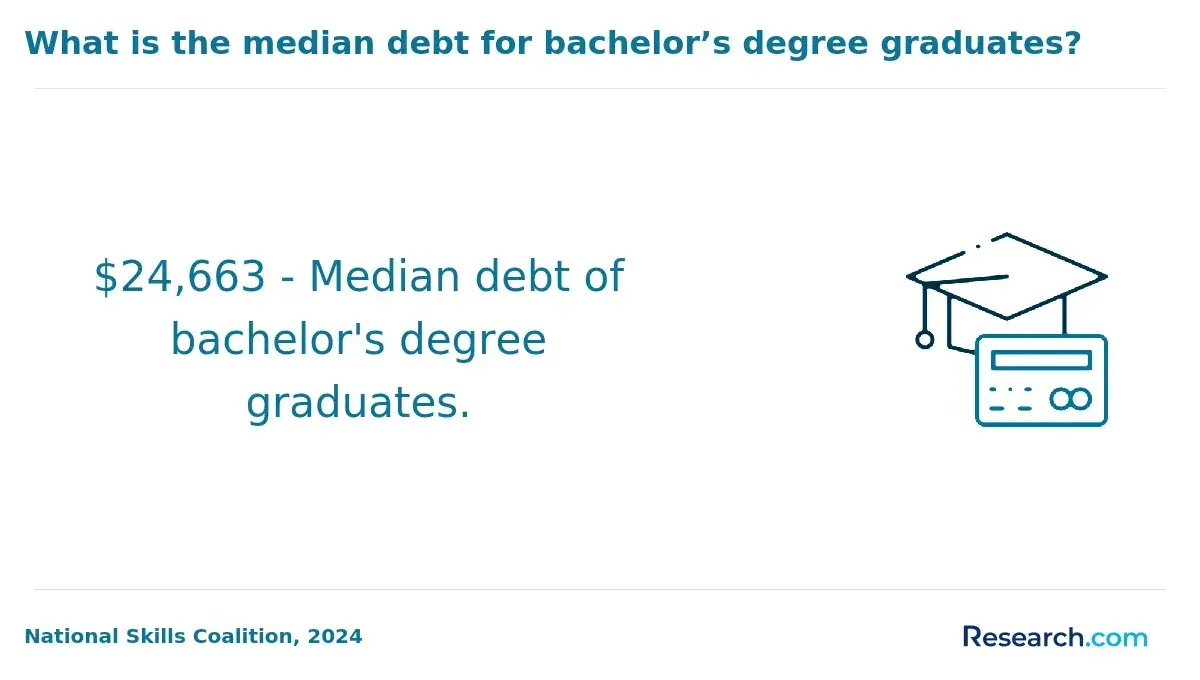
Tuition costs also present a significant decision factor: annual public in-state tuition ranges from $10,000 to $15,000, while private institutions may exceed $35,000. Total program investments-including fees and materials-typically fall between $40,000 and $140,000. Evaluating this against the job market, especially in high-demand areas like supply chain and logistics optimization, is essential, given the sector's rapid growth fueled by expanding software markets expected to reach $35 billion by 2028. Gartner reports 74% of companies increased hiring in these roles in 2024, revealing strong demand supported by technology integration.
Advanced degrees such as an MBA typically condense study to one or two years full-time or three to five years part-time and can cost $20,000 to $120,000. Employers increasingly seek specialized analytics and optimization skills, often requiring degrees supplemented by work experience or certifications.
- Early entry into supply chain fields with a bachelor's and internships can accelerate placement.
- Mid-career transitions often depend on combining an MBA with targeted executive training.
- Practical, measurable skills outweigh credential accumulation amid technology-driven role shifts.
Which certifications strengthen business career prospects?
Certification in cybersecurity, data analytics, and project management offers a strategic edge for professionals aiming at specialized roles in business administration, but these credentials carry substantial practical considerations beyond mere attainment. For example, information security analysts-projected by the U.S. Bureau of Labor Statistics to grow employment by 29% from 2024 to 2034-must integrate technical knowledge with organizational insight to effectively manage risk in sectors like finance or healthcare, where compliance demands are complex and penalties steep.
Credentials such as Certified Information Systems Security Professional (CISSP) or Certified Information Security Manager (CISM) enhance credibility but demand ongoing education and typically require over a year of preparation; without relevant experience, certification alone seldom secures advancement. Similarly, project management certifications like PMP are valued derivatives of proven ability to optimize cost and schedule in manufacturing or operational settings, yet candidates should anticipate investing months refining business process knowledge alongside technical skills.
Key practical tradeoffs include:
- Balancing time and financial investment against median salary gains-information security analysts earned $124,910 median in 2024, well above average business roles.
- Aligning certifications precisely with targeted industries to meet sector-specific regulatory and operational standards.
- Combining credentials with demonstrable business acumen to navigate evolving compliance environments effectively.
Employers consistently emphasize that credentialing supplements but does not replace substantial relevant work experience. Thus, strategic candidates plan certification pathways as part of ongoing skill adaptation rather than as standalone shortcuts to promotion or placement.
How do you choose the right business school for your goals?
Evaluating business school options demands a focus on measurable outcomes tied to specific occupational roles and industry dynamics rather than brand reputation alone. For example, aspiring operations research analysts should prioritize programs emphasizing quantitative rigor and operational problem-solving, given the occupation's projected 21% growth through 2034 and a median 2024 salary of $91,290 per the U.S. Bureau of Labor Statistics. Such data signals tangible employer demand for skills that integrate advanced analytics with business operations.
Prospective students must also scrutinize faculty expertise and experiential learning opportunities. A supply chain management candidate, for instance, gains more from programs offering substantial exposure to data analytics tools and decision science projects than from general management curricula focused predominantly on leadership theory. Conversely, those targeting executive roles should evaluate leadership and strategic decision-making content over technical specialization.
Geography and professional networks materially affect post-graduation opportunities. Schools situated in financial or technology hubs often provide graduates with stronger industry connections and recruitment pipelines. Additionally, part-time, online, or executive formats may ease work-study balance but could limit networking or extend time-to-completion.
Employment outcomes data, like verified job placement rates, salary metrics, and sector spread, offer crucial evidence of a program's real-world impact. Finally, assessing cost relative to expected salary uplift and opportunity costs is essential to determine whether an investment aligns with realistic career objectives and sustainable advancement.
Other Things You Should Know About Business Administration
Choosing between specialization and a broad skill set depends on career goals but leaning toward specialization provides clearer advantages for roles demanding specific expertise, such as supply chain management or financial analysis. Generalist approaches offer flexibility but risk diluting depth, which can be a disadvantage in competitive job markets where employers seek demonstrable subject mastery. Focus on specializations aligned with strong job momentum, but ensure foundational business acumen remains robust.
Employers often expect a bachelor's degree for entry-level roles and a master's degree, such as an MBA, for leadership or specialized positions. The master's implies advanced strategic thinking and managerial readiness but requires significant time and financial investment. Candidates should assess whether their target roles explicitly demand graduate credentials or if experience combined with a bachelor's degree will suffice, as unnecessary higher education can delay career entry and increase debt burden without proportional benefit.
Transitioning across industries requires business administration graduates to supplement their generic management skills with industry-specific knowledge, which employers expect. Lack of sector familiarity can limit initial opportunities despite strong business fundamentals. Graduates should pursue targeted certifications or short-term projects in the new sector to bridge this gap effectively and increase credibility with hiring managers.
References
- MBA Requirements https://www.collegeessayguy.com/blog/mba-requirements
- Online Bachelor's in Business Administration Curriculum https://online.maryville.edu/online-bachelors-degrees/business-administration/curriculum/
- WSJ Exclusive: Ranking the Best Companies for Career Growth — The Burning Glass Institute https://www.burningglassinstitute.org/news/wsj-exclusive-a-hrefhttpswwwwsjcomlifestylecareersranking-the-best-companies-for-career-growth-a1a005cemodmhp-targetblankranking-the-best-companies-for-career-growtha
- Business Certification Program https://gini.org/certification/business-accreditation
- What Are The Typical Requirements For Admission to MBA Programs? https://www.bschools.org/faq/what-are-mba-admissions-requirements
- Top 15 Highest‑Paying Pharmacy Jobs in the UK 2025 (Including Salaries) https://apexlearning.org.uk/highest-paying-business-jobs-uk-2026/
- Undergraduate Business Major Prerequisites | OnlineMBA.com https://www.onlinemba.com/resources/undergraduate-business-major-prerequisites/
- Career Certifications to Boost Your Success https://studyhub.org.uk/career-certifications-to-boost-your-success/
- What do you learn in a bachelor's in business administration? | edX https://www.edx.org/resources/what-do-you-learn-in-a-bachelors-in-business-administration