2027 Online Business Administration Degrees With General Management Career Alignment

Co-Founder and Chief Data Scientist
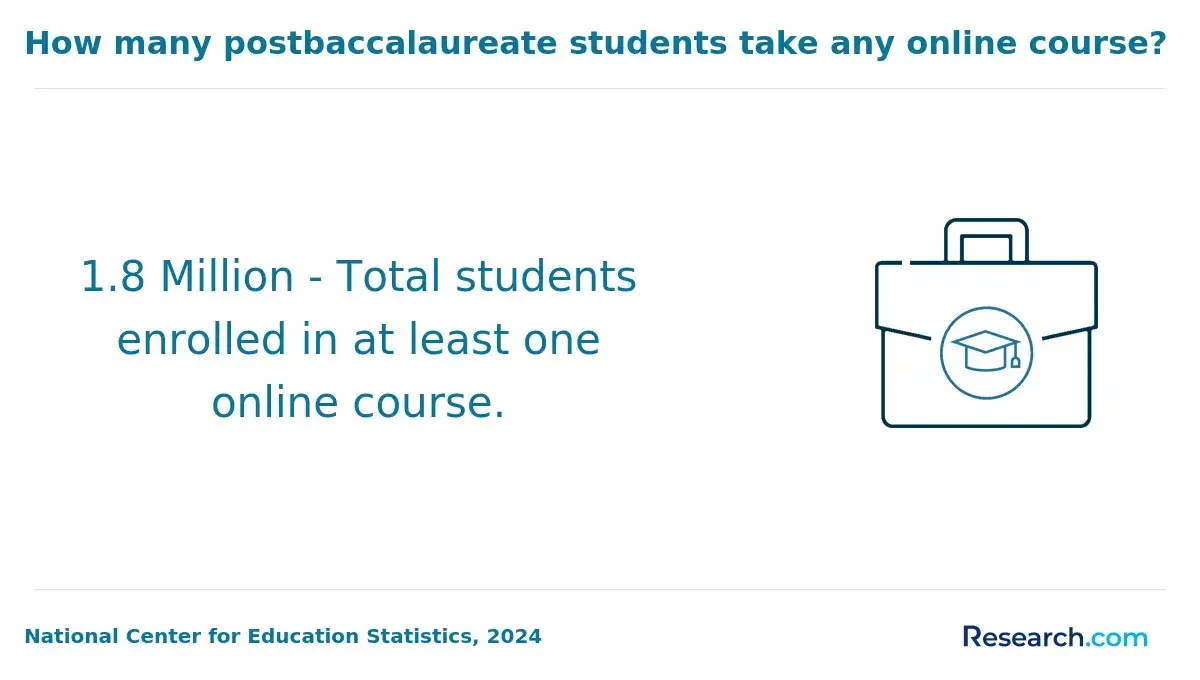
Mid-career professionals juggling full-time jobs and family obligations face a critical barrier in obtaining credentials that translate directly into management roles. The rise of online business administration degrees addresses this challenge but introduces complexities around program quality, flexibility, and alignment with general management career trajectories. According to the National Center for Education Statistics, more than 40% of all higher education enrollments now occur online, a shift responding to demand for accessible, customizable learning schedules. This trend reflects a broader labor market need for adaptable education that balances immediate work commitments with long-term career advancement. This article evaluates online business administration degree options optimized for management career outcomes and helps readers navigate choices based on program structure, employer recognition, and practical career alignment.
Key Things You Should Know
- Online business administration degrees with general management alignment deliver median salary boosts of 12% post-graduation, but extended timelines due to asynchronous scheduling can dilute earning potential during study, per 2024 National Center for Education Statistics.
- Employers emphasize hybrid experiential learning; solely online curricula yield 18% lower hiring rates in management roles compared to programs with in-person components, according to recent Glassdoor analysis.
- Cost-per-credit disparities across accredited providers range by 45%, driving high opportunity costs for mid-career pivoters balancing job retention with tuition outlays, as reported by the Education Data Initiative in 2024.
What is an online business administration degree with a general management focus?
An online business administration degree with general management focus prepares graduates for leadership roles demanding broad operational oversight rather than specialized expertise. The program centers on strategic decision-making and cross-department coordination-skills essential for managing functions like marketing, finance, human resources, and supply chain in complex organizations. Graduates typically acquire capabilities in budgeting, performance evaluation, and project management that align with real-world managerial demands.
Working professionals pursuing business administration online programs for general management careers must weigh the challenge of balancing coursework with existing job responsibilities. The success of this pathway hinges on effective time management and applying learned skills directly to workplace scenarios. For example, managing a mid-sized retail chain requires synchronizing inventory, staffing, and customer service-demands that reflect the integrated nature of the curriculum.
Employers often prioritize candidates with comprehensive operational knowledge over narrowly specialized graduates, especially in sectors like healthcare administration, retail, and manufacturing where adaptability is critical. Notably, with over one million business degrees awarded nationally in 2022, standing out necessitates practical leadership experience alongside academic credentials. For those considering a step up in operations leadership, exploring an MBA operations management online offers a focused alternative to general management concentrations.
How do online and on-campus business administration programs in general management compare?
The distinction between online business administration programs versus on-campus options centers on practical adaptability versus immersive experience, with neither inherently superior but each aligned to distinct workforce demands. Working professionals in technology or remote services benefit from the flexibility of online programs, which allow direct application of emerging business tools and virtual leadership skills within their current roles. However, these students must exercise strong self-discipline and actively pursue internships or live projects to offset reduced face-to-face interaction.
Conversely, traditional on-campus programs enhance interpersonal skills and leadership presence through real-time collaboration, case studies, and networking, essential in industries like manufacturing, healthcare, or retail where understanding organizational culture first-hand influences managerial effectiveness.
The median managerial salary of $122,090 reflects employers' preference for demonstrable leadership impact over delivery method. Critical tradeoffs include relocation or commuting expenses for on-campus learners versus the risk of isolation and the need for rigorous time management in online formats. Hybrid programs offer a middle ground by combining flexibility with periodic in-person engagement.
For candidates evaluating general management degree benefits and career outcomes, aligning program choice with industry context and career trajectories is pivotal. Additionally, prospective students may consider exploring the best online construction management degree pathways for specialized options.
- Online formats require balancing coursework with professional demands and self-motivation.
- On-campus programs demand proximity investment but permit richer experiential learning.
- Hybrid models partially mitigate these compromises, blending accessibility with networking opportunities.
What accreditation should an online business administration program have for management careers?
Regional accreditation recognized by the U.S. Department of Education or the Council for Higher Education Accreditation constitutes the essential baseline for any online business administration program aimed at management careers in the US. This accreditation confirms that institutions meet rigorous standards and that credentials will be broadly accepted by employers and credential evaluators. However, candidates targeting senior general management roles-where median wages hover near $102,950 annually according to the U.S. Bureau of Labor Statistics-should consider programs with business-specific accreditation like AACSB or ACBSP. These accreditations can significantly affect hiring decisions in competitive industries by signaling quality faculty, relevant curriculum, and ongoing program improvement.
Employers in fields like manufacturing or technology often use these accreditations as filters to reduce hiring risk for leadership roles. This practical reality means prospective students must verify curriculum emphasis on leadership, financial analysis, strategic management, and operations-core competencies for general management. Without appropriate accreditation, transferring credits for advanced degrees or meeting certification prerequisites becomes problematic, which limits career mobility. Working adults balancing employment must confirm accreditation early, given many employers only reimburse tuition for recognized programs and certification bodies often require accredited degrees.
For those considering alternatives or intersections with other fields, exploring options such as online construction management can provide different career pathways. Aligning educational choices with these accreditation realities and workforce demands ensures the best ROI and long-term professional value.
What courses and concentrations are typical in online business administration general management programs?
Programs offering online business administration general management courses require foundational knowledge in accounting, finance, marketing, organizational behavior, and operations management, ensuring candidates build essential business literacy. Specializations-typical concentrations in business administration general management programs-such as human resources management, data analytics, or supply chain logistics strategically position graduates for specific sectors. For example, supply chain logistics prepares professionals for industries like manufacturing, where managing supplier networks and distribution complexities directly impacts operational efficiency.
The practical demands on managers extend beyond theoretical knowledge. Case studies and experiential learning are integrated to simulate challenges like conflict resolution and scaling service companies, aligning coursework with employers' expectation that managers exhibit leadership under pressure and drive strategic initiatives.
Coursework intensively develops financial skills such as budgeting and investment evaluation, indispensable for general managers responsible for resource allocation across departments or entire companies. Programs that feature asynchronous learning or accelerated options accommodate working professionals balancing upskilling with ongoing career responsibilities.
The long-term career implications are significant: the Education Data Initiative estimates a 287.7% lifetime return on investment for bachelor's degrees including business administration, reflecting an earnings potential that can nearly triple education costs. Students exploring advanced credentials may also consider a PhD in healthcare management to deepen expertise with applied research components.
What are the standard admission requirements for online business administration general management degrees?
Admission to online business administration general management degrees in 2026 typically requires a bachelor's degree from an accredited institution and a minimum GPA around 3.0, establishing a baseline academic readiness. However, the emphasis increasingly shifts toward relevant professional experience, with many programs expecting two to five years in leadership or management roles to ensure students contribute practical insights aligned with employer priorities.
Standardized tests like the GMAT or GRE remain relevant for some programs but are often waived for candidates with strong work histories or prior advanced degrees. This trend recognizes that employers now value demonstrated skills and experience equivalently across online and in-person MBA pathways, as reflected in the GMAC's 2024 Corporate Recruiters Survey.
Essays and recommendation letters aim to assess not just academic potential but clear management aspirations and leadership capabilities, often providing leverage for candidates with lower GPA scores. The admission sequence includes transcript verification, narrative articulation, and sometimes interviews to evaluate communication skills and fit.
Prospective students should be prepared for the practical challenges of balancing rigorous online coursework-which frequently involves synchronous sessions and collaborative projects-with their professional and personal responsibilities.
Key considerations when evaluating programs include:
- Verification that work experience meets minimum requirements to avoid unnecessary delays
- Clarifying test waiver policies early to reduce redundant exam costs
- Understanding letter-of-recommendation expectations tied to managerial competencies
- Recognizing how rigorous schedules may affect work-life balance
How long do online business administration general management programs take and what do they cost?
Online business administration general management programs typically demand a substantial time and financial commitment, often spanning four years full-time, with accelerated tracks compressing this to two or three years for experienced students. However, shorter pathways can reduce flexibility and workload manageability, which may not suit every learner. Part-time options extend completion to five or six years, reflecting a tradeoff between income generation during study and delayed workforce re-entry.
Annual tuition varies widely: public in-state rates generally range from $6,000 to $15,000, while private institutions can charge between $20,000 and $50,000. Total program expenses thus fluctuate from approximately $24,000 to over $200,000, with variations influenced by residency, institution type, and credit transfer policies.
From a labor market standpoint, graduates focusing on management and operations report an 82.8% rate of full-time employment or continuing education within six months of graduation, with a mean starting salary near $56,391. This data, sourced from the National Association of Colleges and Employers (NACE), highlights the need to align program choice with rigorous employment expectations. Hiring managers typically prefer candidates with a full four-year degree for managerial roles, limiting the strategic value of shorter certificates when pursuing senior positions.
For career changers targeting sectors such as healthcare administration or supply chain management, accelerated programs may lower opportunity costs but demand intense course loads, which can impact learning outcomes and work-life balance. Additional costs like technology fees and specialized licensing should factor into budgeting decisions.
What general management careers can you pursue with an online business administration degree?
General management roles filled by business administration graduates require balancing cross-functional skills with practical leadership abilities. For example, a manufacturing operations manager must coordinate production schedules, maintain quality, and bridge communication across units-responsibilities demanding applied knowledge of organizational behavior and data analysis. These roles are less about specialization and more about adaptability to diverse industry needs, including healthcare, retail, and technology.
The U.S. job market signals sustained demand, with business and financial operations expected to offer roughly 911,400 openings annually through 2032, according to the U.S. Bureau of Labor Statistics. However, employers increasingly value hands-on experience using industry software, managing dispersed teams, and integrating strategic initiatives with financial oversight.
Prospective students should consider how programs embed real-world leadership and practical application rather than solely theoretical content. Internships or part-time managerial roles improve employability by exposing candidates to workplace dynamics and operational challenges. The tradeoff for some is balancing immediate financial or time constraints against the necessity of gaining this experience alongside academic study.
Key practical demands include:
- Proficiency in cross-departmental coordination and workflow optimization
- Data-driven decision-making aligned with budgetary limits
- Adaptability to shifting market demands and technological tools
This nuanced perspective clarifies that business administration degrees support diverse career paths but require strategic choices about program attributes and experiential learning for meaningful workforce integration.
What salary ranges and earning potential exist for general management roles with this degree?
Salary outcomes for graduates with an online business administration degree in 2026 vary widely based on industry, location, and experience, with general management roles ranging from $60,000 to $130,000 annually. Entry-level managers in retail or hospitality often earn near $60,000, while those in technology, manufacturing, or finance with extensive experience can surpass six figures. Mid-career professionals with five to ten years of management experience typically fall between $80,000 and $110,000, reflecting the direct link between expanded responsibilities and compensation.
Compensation growth hinges more on demonstrated performance than on the degree's prestige. For instance, a general manager improving operational efficiency at a regional manufacturing firm can accelerate earnings beyond peers in less measurable roles. Conversely, managers at smaller or nonprofit organizations often face limited salary growth, which emphasizes the strategic need for graduates to align their industry choices with financial goals.
Tuition inflation for public four-year institutions has been modest, with Education Data Initiative reporting only a 1.6% average increase (inflation-adjusted) over a decade, improving the return on investment for business administration degrees by controlling upfront costs. Nonetheless, ongoing professional development and certifications are critical for maintaining market relevance and unlocking higher pay brackets.
Those aiming for executive roles should consider additional credentials such as an MBA or targeted leadership training, as these often act as practical gatekeepers for consistent six-figure compensation in competitive sectors. Industry selection, company size, and geography remain key variables shaping salary potential after earning an online business administration degree.
How is the job outlook for business administration graduates pursuing general management positions?
The employment landscape for business administration graduates targeting management roles is shaped less by degree possession alone and more by applicable experience and sector-specific skill sets. Labor statistics confirm that roughly three in four holders of business degrees find work in related fields, but employers consistently seek candidates who couple broad operational knowledge with leadership capacity tailored to their industry context.
Consider the distinct demands of manufacturing versus healthcare management. A manufacturing supervisor's value centers on operational efficiency and process optimization, whereas healthcare administrators prioritize regulatory adherence and patient throughput management. These nuanced expectations mean graduates must cultivate competencies in strategic planning, data-informed resource management, and adaptable decision-making aligned with organizational scale.
Practical experience remains the gating factor for career progression. Entry-level roles, internships, or cooperative programs significantly enhance candidate credibility. Mid-career professionals balancing specialization against general management adaptability benefit from targeted course selections that mirror evolving market trends and organizational needs.
Geographic factors critically influence opportunity frequency and compensation, with metropolitan hubs offering denser job markets and elevated salaries. Candidates should pragmatically weigh the opportunity costs of further education against workforce entry, particularly when personal financial or family obligations constrain flexibility.
- 76% of business degree holders work in business, management, or financial roles, according to BLS data.
- Industry-specific leadership skills are essential to meet employer expectations.
- Relevant work experience bolsters employability more than degree alone.
- Geographic location impacts both job availability and salary potential.
How can you choose a reputable, high-quality online business administration program in general management?
Selecting an online program with regional accreditation and proven alumni employment outcomes is essential for a meaningful pivot into general management. The projected 10% growth in management analyst roles through 2032, according to the U.S. Bureau of Labor Statistics, reflects a labor market increasingly valuing management professionals who can apply technology and data analytics. Candidates shifting from roles like supply chain management benefit most from curricula emphasizing data-driven decision-making, automation, and process optimization rather than generic business theory.
Beyond curriculum rigor, students must weigh program flexibility and support services, as balancing work with study remains a practical barrier. Programs offering industry connections or mentorship tend to translate into higher job placement rates, a critical factor for individuals prioritizing real-world networks over institutional prestige.
Cost considerations should focus on return on investment relative to skill acquisition velocity. Accelerated credentialing paired with targeted technology skills can expedite promotion and salary growth more effectively than lengthier, theory-based programs. Thus, evaluating business administration pathways demands a nuanced analysis of skill relevance, scheduling practicality, and measurable employment gains.
Other Things You Should Know About Business Administration
Employer respect depends largely on the institution's reputation and accreditation rather than delivery mode alone. Employers expect candidates to demonstrate practical skills and relevant experience in addition to the degree. Programs that incorporate real-world projects, internships, or applied learning consistently yield better employment outcomes compared to purely theoretical curricula.
Networking remains critical but is less spontaneous in online programs, which may limit organic peer and mentor relationships. Choosing programs with active online communities, alumni engagement, and facilitated networking events affects access to contacts who can influence hiring and promotion. Prioritizing schools offering virtual career services and industry connections improves outcomes over those lacking these resources.
Online degrees offer comprehensive business knowledge and broader career flexibility but require more time and financial investment than certifications. Certifications target specific skills and are quicker to complete, appealing for immediate upskilling, but lack the depth and recognized qualification of a degree. Candidates seeking long-term advancement or transitions into senior management should prioritize degree programs, while certifications suit tactical skill gaps or niche roles.
References
- Business Administration & Management Bachelor’s Degree | UMGC https://www.umgc.edu/online-degrees/bachelors/business-administration-management
- Online MBA vs Traditional MBA: What are the differences? | StudyNext Australia https://studynext.com/au/resources/online-mba-vs-on-campus-mba
- Bachelor of Business Administration (BBA) Online Degree — European Center for Accreditation https://www.ecaonline.eu/landingbachelorsbba
- Tips to Choose a Business Education Program That Is Right for You | SITAL College https://sitalcollege.com/edu/tips-to-choose-a-business-education-program-that-is-right-for-you/
- General Management https://www.whu.edu/en/news-insights/glossary/general-management/
- Online Business Degree Programs | University of Phoenix https://www.phoenix.edu/online-business-degrees.html
- Online vs. In-Person MBA: Benefits and Differences https://freemannews.tulane.edu/2025/11/04/online-vs-in-person-mba-benefits-and-differences
- Online Business Administration Degrees: A Comprehensive Review https://izrada-web-stranica.com/blog/online_business_admin_degrees.html
- What Can You Do with a Business Administration Degree? - MANCOSA https://www.mancosa.co.za/blog/what-can-you-do-with-a-business-administration-degree/
- How Long Does It Take to Get a Business Administration Degree? - Team Academy https://teamacademy.nl/how-long-does-it-take-to-get-a-business-administration-degree/