2027 Online Business Administration Degrees With Strong Team Leadership Training

Co-Founder and Chief Data Scientist
Mid-career professionals in business often face the challenge of advancing into leadership roles without formal training in team management, limiting their ability to secure promotions or lead cross-functional projects effectively. This skill gap is critical given that LinkedIn's 2024 Workforce Report finds that 58% of business managers lack adequate leadership training, impacting organizational agility and employee retention. Online degree programs offering robust team leadership components address not only scheduling constraints but also the evolving demand for practical leadership skills that employers prioritize. This article evaluates current online business administration degrees emphasizing strong team leadership training to guide informed decisions on career-enhancing education pathways.
Key Things You Should Know
- Only 38% of online business administration graduates with team leadership specialization secure mid-level management roles within two years, per U.S. Bureau of Labor Statistics 2024, highlighting credential differentiation challenges.
- Employers prioritize integrated leadership experience over coursework alone; 62% of surveyed managers by Gallup 2024 report preferring candidates with team leadership internships or project-based credentials alongside their degree.
- Online programs extending beyond 36 months increase total tuition and opportunity costs by 15-25%, limiting accessibility for career changers balancing work, according to National Center for Education Statistics 2024 data.
What is an online business administration degree with a focus on team leadership training?
Choosing an online business administration degree with team leadership skills demands scrutiny beyond curriculum-it entails evaluating how well the program readies graduates for distinct leadership challenges across sectors. Unlike traditional degrees, those emphasizing team leadership development prepare students to handle diverse team dynamics shaped by organizational context. For example, leadership approaches in a tech startup's fast-evolving environment differ sharply from those needed in more regulated industries like healthcare or financial services. These complexities require not only theoretical knowledge but also adaptable management techniques.
Programs typically incorporate scenario-based learning with simulations and case studies targeting remote coordination and high-pressure decision-making, reflecting marketplace realities. According to the Graduate Management Admission Council's 2024 Corporate Recruiters Survey, managing people and teams ranks above quantitative skills as the most valued competency by 71% of global employers. This signals a workforce preference for applied leadership verified through practicum or virtual collaborations rather than solely academic credentials. Candidates should weigh this when evaluating degrees and seek opportunities to demonstrate leadership in practical settings.
Flexibility in online formats suits working professionals, yet requires disciplined engagement with interactive modules. Employers now prioritize verifiable leadership accomplishments alongside degrees, elevating the need for tangible experience. Those pursuing an online business administration degree with team leadership skills must consider balancing academic rigor with practical exposure to meet explicit employer expectations for talent management and communication adaptability.
For a strategic comparison, prospective students can explore an online MBA in operations management to assess which leadership focuses align best with their career goals and sector demands.
How do online business administration programs teach and develop strong team leadership skills?
Online business administration leadership development strategies demand more than theoretical knowledge; they require intentional integration of leadership challenges within experiential coursework. For instance, simulated cross-functional product launches compel students to coordinate marketing, finance, and operations teams virtually, mirroring the complex interpersonal dynamics common in tech or manufacturing industries. This practical approach fosters delegation, accountability, and stakeholder communication skills essential for effective team leadership skill building in business administration programs.
Competency in data-driven decision making and digital collaboration tools is increasingly vital as hybrid and remote work environments prevail. Programs that incorporate peer evaluations and emphasize emotional intelligence help students develop adaptability and constructive feedback techniques-capabilities often absent in less rigorous online education experiences.
The U.S. Bureau of Labor Statistics forecasts 1.1 million new management positions over the next decade, with wages roughly double the national average. Aligning academic metrics with workforce expectations, such as measuring communication effectiveness and project outcomes, is critical to preparing graduates for these roles.
Practical challenges like coordinating across time zones and ensuring equitable participation persist, necessitating proactive self-discipline and virtual presence. Choosing programs that offer mentorship and networking support improves real-world leadership skill transfer. Those seeking accelerated pathways should consider options like a project management degree online fast to supplement leadership capabilities.
Are online business administration degrees with leadership training as respected as on-campus programs?
Employers value online business administration degrees with leadership certification comparably to traditional degrees when programs hold proper accreditation and emphasize team-based leadership competencies. The critical factor is demonstrable skills-project management, strategic decision-making, and communication-developed through interactive and collaborative coursework rather than the delivery method itself.
In sectors like technology and healthcare management, candidates showing leadership through managing virtual or cross-functional teams with an accredited online business administration program with leadership focus face little disadvantage. However, industries such as finance that rely heavily on in-person networking and established alumni connections may still prefer graduates from on-campus programs due to internship pipelines and relationship capital.
The distinction often lies in how experiential learning is accessed. On-campus students benefit from embedded internships and direct mentorship, whereas online students must seek these opportunities independently. Online offerings that integrate virtual simulations and synchronous teamwork narrow this gap but require disciplined application of learned skills in real-world settings.
Return on investment data reinforce that business administration degrees hold substantial long-term value. One analysis from the Georgetown University Center on Education and the Workforce finds bachelor's graduates in this field earn a median lifetime premium near $900,000 compared to a high school diploma, underscoring the economic impact of leadership education regardless of modality.
Prospective learners should prioritize accreditation, program alignment with industry expectations, and authentic leadership projects. Additionally, exploring specialized paths such as online MBA entrepreneurship programs can refine career pivots or advancement strategies.
What accreditation should online business administration and leadership programs have in the United States?
Accreditation for online business administration programs in the United States directly impacts graduate employability and career trajectory, especially in leadership roles. Regional accreditation by bodies recognized by the U.S. Department of Education or CHEA signals adherence to rigorous academic standards essential for federal financial aid eligibility and employer recognition. Specialized accreditation from the Accreditation Council for Business Schools and Programs (ACBSP) or the Association to Advance Collegiate Schools of Business (AACSB) further verifies leadership competencies embedded in the curriculum, addressing the growing employer requirement for team-based leadership and collaboration skills.
Employers targeting sectors like healthcare administration, supply chain, or technology often use accreditation as a litmus test for readiness to assume middle- or senior-level responsibilities. Graduates from programs lacking regional or specialized accreditation face greater obstacles in these competitive hiring environments. Deloitte's data showing only 23% workforce readiness in collaboration highlights a gap that accredited programs actively address through practical leadership and team dynamics training.
Students considering programs must weigh accreditation status alongside cost and format, as it strongly influences credit transferability and career mobility. For those pursuing roles linked to healthcare systems or specialized administration, choosing accredited pathways, including options like an HIM degree, can prevent barriers arising from employer skepticism toward non-accredited credentials.
Key considerations include:
- Regional accreditation ensures baseline academic quality and federal aid access.
- Specialized accreditation validates leadership development relevant to workforce demands.
- Non-accredited or nationally accredited programs risk limited employer recognition.
How do online business administration leadership degrees compare with campus programs for format and flexibility?
Choosing between online and campus business administration leadership degrees hinges on reconciling flexibility with the depth of interpersonal skill development demanded by employers. Online programs accommodate unpredictable schedules common in sectors like healthcare and technology by enabling asynchronous study and eliminating commute. This benefits working professionals juggling client demands or shift work but requires elevated self-discipline and often lacks the spontaneous peer interaction campus learning naturally provides.
Campus formats offer immersive cohort experiences with real-time collaboration, mentorship, and leadership simulations vital for mastering team dynamics. For instance, manufacturing supervisors advancing their skills on-campus gain firsthand exposure to managing live group challenges, an experience that online environments struggle to replicate fully. Conversely, a marketing manager working remotely may find enough value in online programs if they include comprehensive virtual teamwork components.
Employers seek leadership readiness demonstrated through practical engagement rather than theoretical knowledge alone. The development of nuanced interpersonal skills and robust networking-more accessible in on-campus settings-directly influences a candidate's ability to lead effectively, impacting long-term career mobility and salary potential.
LinkedIn's 2024 Global Talent Trends data indicate a 13-18% earnings premium for people managers over individual contributors worldwide. Prospective students should critically evaluate how well their chosen program's format fosters hands-on leadership training and team engagement to align with these workforce realities.
What courses and learning experiences build team leadership capabilities in these business administration programs?
Effective team leadership in online business administration programs hinges on integrating theory with applied challenges, particularly in managing cross-functional teams under realistic pressures. For instance, healthcare management scenarios require coordinating specialists amid tight deadlines, developing high-stakes decision-making and situational leadership skills crucial for crisis contexts. This focus addresses a tangible workforce demand: leaders must navigate complex interpersonal dynamics while adapting to diverse operational environments.
Programs center learning around project-based assignments where students lead virtual teams, confronting the communication and collaboration barriers endemic to remote work. This approach cultivates the adaptive skills employers seek for hybrid teams, including managing varied work styles and technology-driven interactions. Electives often extend into negotiation, change management, and diversity and inclusion, reflecting essential competencies for leadership in globally distributed and evolving business arenas.
Advanced coursework supplements leadership capabilities with data literacy, emphasizing decision analytics and performance metrics to guide teams effectively. Leadership simulations and peer assessments foster emotional intelligence and self-awareness-attributes statistically linked to improved team outcomes and retention. However, these immersive components demand significant time and effort, presenting tradeoffs for students balancing work and study.
With the National Center for Education Statistics reporting distance education enrollment in business climbing from 36% to 75% in recent years, embedding leadership training remains a critical differentiator aligned with shifting employer priorities towards versatile, tech-savvy leaders fluent in managing dispersed teams and complex workflows.
What are the typical admission requirements for online business administration degrees emphasizing leadership?
Admission to online business administration programs with a leadership focus increasingly prioritizes demonstrated practical competence over standardized testing. While minimum GPAs of 2.5 to 3.0 remain common, many programs emphasize applicants' prior supervisory or team-oriented work experience, often requiring resumes and essays that highlight leadership in real projects. For instance, an applicant in healthcare management overseeing multi-disciplinary teams may be more competitive than one whose background lacks direct leadership exposure.
These experiential criteria align with employer expectations for graduates ready to manage collaborative business environments. Programs tend to embed virtual team projects and leadership simulations, with 82% of accredited online business administration offerings incorporating such elements by 2024, according to research from the Association to Advance Collegiate Schools of Business. This demands that candidates demonstrate not only technical skills but also digital fluency and time management within synchronous group work frameworks.
Applicants must also reconcile ongoing work commitments with the rigorous collaboration this training requires. Proof of English proficiency is often mandated for non-native speakers, underscoring communication as a critical leadership competency. Understanding these operational tradeoffs before enrolling can limit attrition and better prepare students for the demands of leadership roles in sectors ranging from retail to technology.
How long do these online business administration leadership programs take, and what do they cost?
Choosing an online business administration leadership program involves balancing time investment with anticipated career impact. Most programs span 18 to 36 months part-time, with accelerated options condensing requirements to 12-24 months, demanding 15 to 25 hours weekly. While quicker completion reduces time-to-degree, programs omitting substantial leadership practice often compromise the development of skills valued by employers, thereby weakening returns in competitive labor markets.
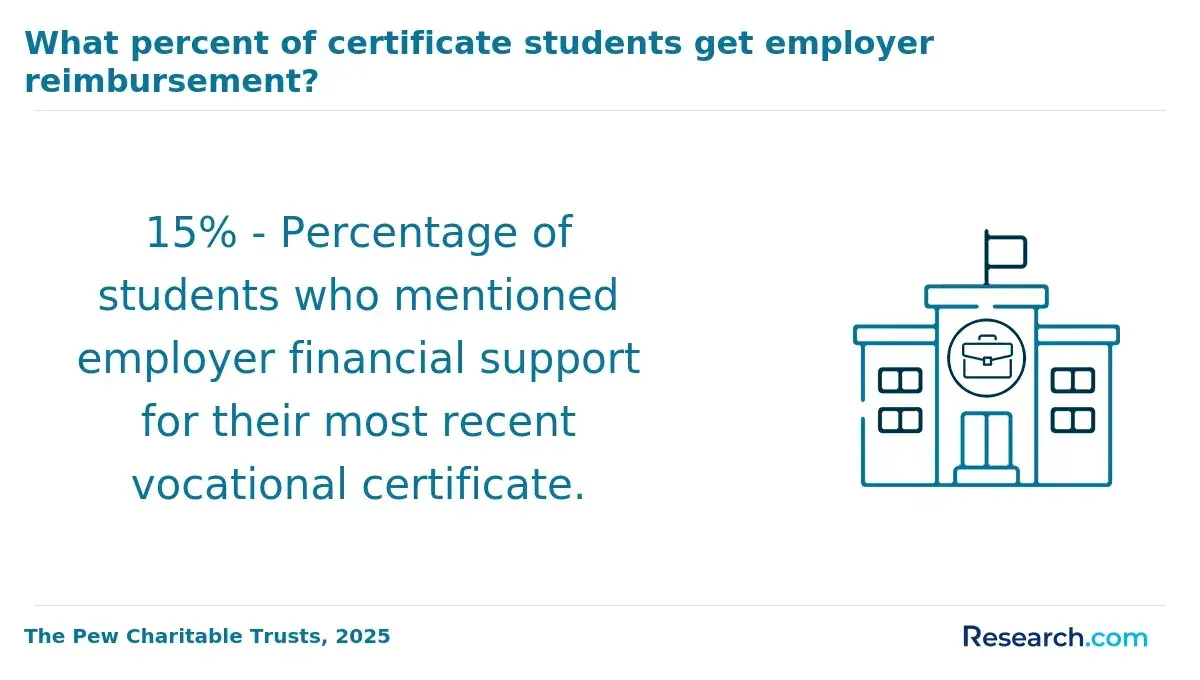
Tuition costs vary significantly, with public university programs ranging from $10,000 to $25,000 and private institutions charging $30,000 to $70,000. Master's degrees, especially MBAs with leadership emphases, frequently exceed $50,000, exclusive of fees for learning technologies or materials. Employer tuition reimbursement can offset expenses but requires clear employer justification linking leadership skill acquisition to job performance.
The 2024 Northeastern University/EdX employer survey reports 71% of U.S. hiring managers view online business degrees with embedded leadership and teamwork as on par or superior to traditional credentials. For instance, a mid-level manufacturing manager who completes an online bachelor's with leadership practicum within two years can markedly improve eligibility for senior operations roles by demonstrating applied leadership experience.
Prospective students should prioritize programs integrating real projects, peer collaboration, and leadership assessments over shorter or cheaper alternatives to optimize both affordability and long-term career outcomes.
What careers, roles, and industries can graduates pursue with this leadership-focused business degree?
Leadership-focused online business administration degrees prepare graduates for roles requiring both strategic oversight and direct team management across diverse industries. Positions such as project manager, operations manager, and business analyst are common outcomes, with sector-specific applications-like a healthcare operations manager streamlining patient flow amid regulatory constraints. This practical emphasis distinguishes candidates in environments where leadership must integrate quantifiable performance metrics with interpersonal skills.
Core competencies include conflict resolution, motivation, and cross-functional collaboration, which are especially valued in retail supply chains and financial services for optimizing vendor relations and managing compliance-driven teams. However, the capacity to apply these skills remotely or within hybrid workforce models emerges as an increasing demand, requiring familiarity with digital collaboration tools alongside leadership fundamentals.
Financial considerations also play a pivotal role: the average total tuition for an online bachelor's in business at public universities is $38,500, offering roughly 28% savings over on-campus programs. This cost difference can critically affect return on investment for professionals balancing career shifts and ongoing employment.
Employers expect immediate application of leadership theory, often paired with relevant certifications or demonstrable experience. Graduates should weigh the tradeoff between purely academic preparation and the necessity for hands-on expertise that addresses industry-specific leadership challenges.
What salary ranges and job outlook can graduates expect in team leadership and management roles?
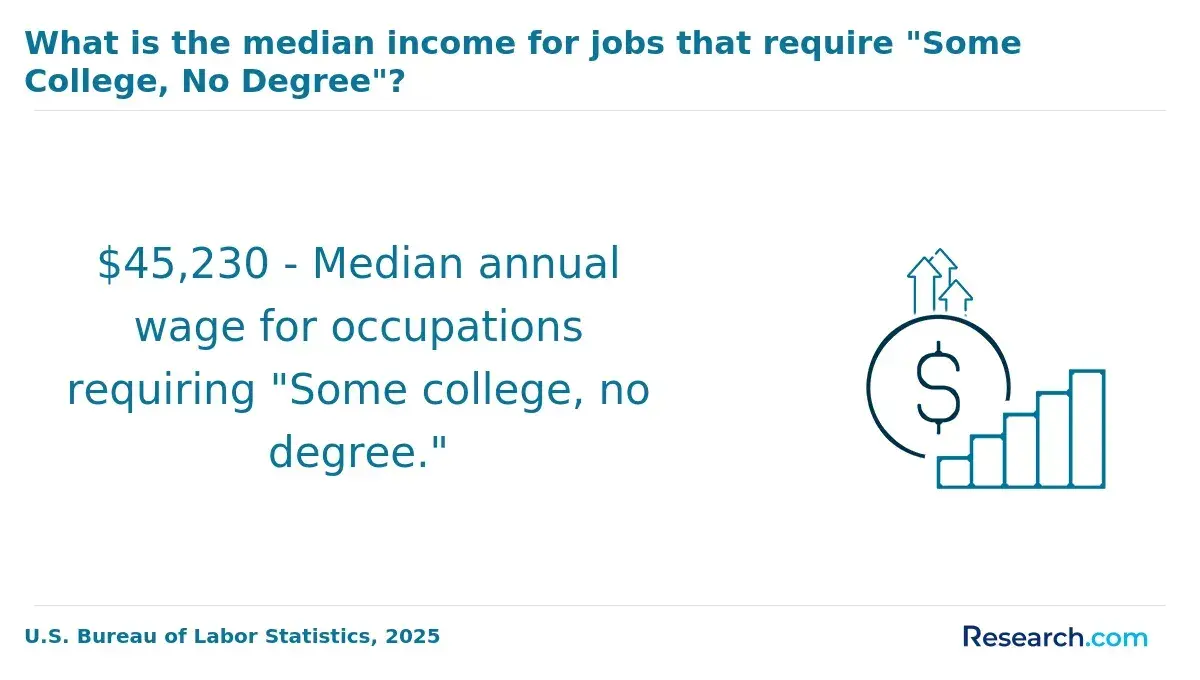
Transitioning into first-line management with an online business administration degree typically yields a median salary increase between $65,000 and $90,000 annually, varying by industry and location. For instance, a promotion from sales associate to sales supervisor in retail can raise earnings from about $48,000 to $65,000 within a couple of years, illustrating how employers reward leadership combined with formal education.
Projected 8% job growth for management roles through 2032 favors candidates blending a bachelor's degree with proven leadership experience, often acquired through internships or early project management. Sectors such as healthcare management, finance, and technology generally provide faster promotions and higher wages than retail or hospitality, shaping strategic choices for prospective students.
Employers expect more than credentials: advancing requires demonstrated interpersonal skills and measurable team results. Graduates should invest in volunteer leadership or certifications post-graduation to strengthen their profiles. For working professionals, documenting team management outcomes during studies increases the likelihood of immediate raises or title changes after completing the degree.
Combining degree completion with applied leadership skills offers quantifiable salary gains and better employment prospects, as supported by labor market data and forecasts. Focusing on relevant, practical experience alongside academic achievements remains essential for leveraging an online business administration degree effectively.
Other Things You Should Know About Business Administration
Programs requiring synchronous sessions can improve live interaction and real-time team collaboration skills, which are important for leadership development. However, they reduce scheduling flexibility, potentially creating conflicts for working professionals. If your work schedule or timezone varies, prioritize programs with asynchronous options combined with occasional live elements to maintain engagement without sacrificing flexibility.
In 2027, the workload for online business administration degrees with team leadership training typically offers more flexibility, allowing students to manage their pace. However, these programs can demand significant self-discipline and time management skills akin to traditional degrees, especially with the inclusion of leadership components that may involve interactive projects or group collaborations.
Choosing a specialized leadership track is advantageous if your goal is a role with direct team oversight or leadership in specific sectors. Broader management curricula provide general business knowledge but may dilute leadership skill development. For focused career advancement in leadership roles, prioritize programs with leadership-intensive courses and practical leadership projects.
References
- Scaling Online Education for State University Systems https://changinghighered.com/scaling-online-education-for-state-university-systems/
- Top 7 Online Leadership & Management Programs for Business Professionals https://www.corpoladder.com/blog/top-online-leadership-management-programs-for-business-professionals
- How Long Does It Take to Get a Business Administration Degree? - Team Academy https://teamacademy.nl/how-long-does-it-take-to-get-a-business-administration-degree/
- Leadership and Teamwork https://www.onlinebusinessschool.com/leadership-and-teamwork/
- Unlock Your Future: Online MBA in Leadership & Strategy in India https://matchtocollege.com/blog/master-leadership-strategy-online-mba-guide
- Roles, Skills & Career Paths of Organizational Leadership MBA Graduates https://online.ewu.edu/degrees/business/mba/organizational-leadership/skills-roles-careers/
- Tuition-Free Distance Learning Program in Business Administration - UNYBT https://unybt.com/tuition-free-program-business-administration/
- Upskilling with a Leadership Program or MBA Degree https://leadershipcircle.com/blog/upskilling-leadership-mba/
- Top Strategic Leadership Careers in 2026: Roles, Salaries & Skills https://www.michiganstateuniversityonline.com/resources/leadership/top-strategic-leadership-careers-in-2026-roles-salaries-skills/
- Business & Leadership Career Planner https://www.snu.edu/business-management-leadership-career-planner