2027 Best Online Business Administration Programs for Professionals Seeking Tech Company Business Roles

Co-Founder and Chief Data Scientist
Mid-career professionals aiming for business roles in tech companies often struggle to find programs that fit unpredictable schedules without sacrificing rigor or industry relevance. According to the National Center for Education Statistics, over 40% of online higher education enrollees in 2024 are working adults balancing full-time jobs, signaling a clear demand for flexible yet career-integrated learning pathways. This shift means decisions about a program's structure and recognition now influence not just skill acquisition but immediate career mobility and long-term employability.
This article evaluates top online business administration programs designed for professionals targeting tech-sector roles, focusing on practical outcomes and flexibility to streamline informed enrollment decisions.
Key Things You Should Know
- Tech sector hiring data from CompTIA in 2024 shows 62% of business administration graduates lacking specific tech role project management skills face delayed tech industry entry by 18+ months, emphasizing skill-targeted curricula over broad credentials.
- Employers surveyed by the National Association of Colleges and Employers report a 23% premium in starting salaries for candidates with business administration degrees incorporating data analytics and product lifecycle training, shifting recruitment criteria toward hybrid competencies.
- The average total cost for accredited online business administration programs rose 9.8% between 2022-2024, per NCES, disproportionately impacting mid-career professionals balancing tuition with opportunity costs, complicating timing of strategic career pivots.
What is an online business administration degree and how does it prepare you for tech company roles?
An online business administration degree designed for technology careers demands more than traditional management training; it requires mastering tech-specific frameworks like data analytics and agile project management tailored to fast-evolving environments. For example, a product manager launching software at a SaaS company must synchronize cross-functional teams and interpret real-time market data—skills shaped by targeted curricula rather than generic business theory.
Graduates acquire deep insights into financial metrics unique to tech startups, including budgeting with intrinsic uncertainty and aligning innovations with scalable business strategies. This practical expertise positions them for roles such as product managers, operations specialists, or strategy analysts, where understanding the interplay between technology lifecycles and business impact is indispensable. Such focus differentiates degrees emphasizing online business administration degree benefits for tech careers from more traditional programs.
Workforce data from GMAC's 2024 Corporate Recruiters Survey reveals a median total compensation of $140,000 within three years for business master's graduates in technology—substantially outperforming the $115,000 median across all sectors. This discrepancy highlights employer demand for this specialized skill set but also signals rigor and expectation mismatches for those pursuing less tailored degrees.
Professionals pivoting to tech roles should weigh program features critically: degrees lacking experiential learning through tech-oriented case studies may limit readiness for complex decision-making scenarios typical in the sector.
Managing asynchronous coursework alongside current employment demands exceptional time discipline, which influences successful completion and immediate workplace application.
For prospective students evaluating cost efficiency and program relevance, the cheapest online business degree options offer a viable starting point but require careful scrutiny of curriculum fit before committing.
How do online business administration programs compare with on-campus options for aspiring tech professionals?
Online business administration programs versus on-campus options highlight a critical operational tradeoff between flexibility and immersive networking, especially relevant in technology sector careers. Online programs cater to tech professionals balancing complex work commitments or remote roles by enabling continued employment without geographic constraints.
This reduces income disruption and leverages employer tuition support more effectively. Conversely, on-campus programs demand physical attendance and fixed schedules, limiting accessibility for working parents or those unable to commit to full-time presence.
Employers in tech increasingly prioritize demonstrated skills and outcomes over where a degree was earned. According to the Graduate Management Admission Council, 91% of global tech employers plan to hire business school graduates in 2024-25, favoring candidates who show real-world problem-solving agility.
Online cohorts also develop digital collaboration skills aligned with remote work norms. However, on-campus students benefit from direct face-to-face interaction, campus recruiting, and stronger immediate access to career services.
The advantages of online business administration degrees for technology sector careers include accelerated application of strategic concepts and the ability to engage with virtual alumni networks, business hackathons, and webinars to offset fewer physical networking opportunities.
Selecting programs with experiential learning components and employer engagement is critical. Prospects should consider their role objectives and career stage before deciding.
For a practical comparison of accelerated degree options, including related fields, see the typical offerings of a 2 year construction management degree online.
Which accreditation and institutional quality indicators matter most for online business administration programs?
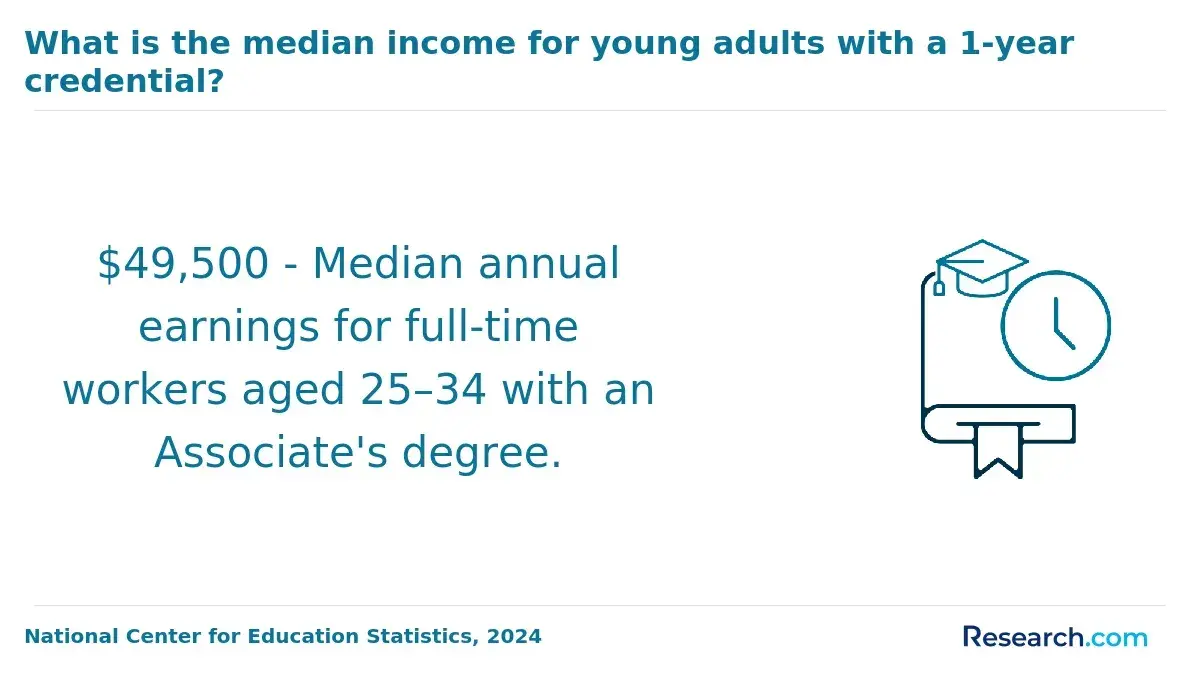
Regional accreditation from bodies like MSCHE, NWCCU, or HLC remains the definitive standard for online business administration programs, directly influencing employability and credential legitimacy. More specialized accreditation from AACSB or ACBSP signals a program's alignment with rigorous industry benchmarks, an especially critical factor for employers recruiting in tech-driven sectors.
For example, fintech startups increasingly demand graduates with data-driven decision-making skills found predominantly in AACSB-accredited curricula; programs lacking this accreditation often fail to deliver these competencies.
Top institutional quality indicators for business administration degrees extend beyond accreditation to measurable outcomes such as graduation rates, faculty expertise, and the availability of career support services.
A Coursera ROI study illustrates that graduates from accredited online business master's programs experience a 43% salary increase within three years in tech roles, highlighting stark differences in return on investment across programs. Real-world hiring decisions also weigh program reputation based on transparent alumni employment metrics and partnerships with tech firms providing internship or capstone opportunities.
Quality of online delivery presents a further layer of evaluation. Interactive platforms enabling synchronous collaboration better prepare students for roles that require agile teamwork and constant communication, compared to passive course formats. Students must assess cost versus expected earnings growth, as demonstrated in independent analyses like Coursera's 2024 findings.
For those exploring specialized options, programs such as the MBA in entrepreneurship offer tailored pathways within business administration to target specific career outcomes.
What types of online business administration degrees best support business careers in tech companies?
Data analysis and technology management skills have overtaken traditional business fundamentals as critical for online business administration programs aiming to place graduates in tech firms. Given that 78% of tech-sector recruiters rank data analysis among the top skills, degrees emphasizing business analytics, technology management, or information systems substantially improve employability.
Graduates with these concentrations can navigate complex datasets and lead cross-disciplinary teams where technical competence meets business strategy. For instance, a software firm's product manager must rapidly interpret user data to adjust development—this requires proficiency beyond standard business knowledge.
Programs incorporating hands-on projects with real tech datasets and tools like SQL, Python, and Tableau best align with employer demands. Conversely, degrees focused solely on general management or finance risk limiting prospects in technology sector roles.
When evaluating online business administration programs supporting technology sector roles, prospective students should prioritize faculty expertise bridging tech and business, accreditation, and practical experience opportunities, such as internships or case studies. Without this focus, graduates often face delayed career progression or must pursue additional certifications.
Working professionals pivoting careers need programs flexible enough to minimize downtime while fostering tech-business fluency. For those considering alternative pathways, a relevant hospitality degree online may offer a different trajectory but diverges from core tech-business skill development.
What core curriculum and specializations align online business administration study with technology sector needs?
Employers hiring in technology sectors expect graduates of online business administration programs to demonstrate fluency in data interpretation, digital innovation management, and agile project leadership rather than generic business knowledge.
For instance, a business analyst at a SaaS company must combine technical analytics skills with client-driven problem-solving, a competency developed through specialized courses in data science and product management. This integration is vital as rapid software development cycles demand constant adaptation and cross-functional collaboration.
Programs emphasizing specializations such as business analytics, cybersecurity, and product management align better with evolving labor market needs, as evidenced by a 43% year-over-year enrollment increase in tech-focused tracks reported by Coursera's 2024 degrees analysis.
However, students should weigh curriculum flexibility and the inclusion of applied tools like Python and cloud technologies, which are essential for immediate workplace contribution but often unevenly offered across programs.
When curricula lack hands-on elements like capstone projects or practicums that simulate real-world tech challenges, graduates risk diminished employability compared to peers with demonstrable experience solving contemporary problems.
Selecting programs that blend foundational coursework—quantitative analysis, financial management geared to tech contexts, and organizational behavior focused on agile methods—with up-to-date electives creates a tangible advantage.
What are typical admission requirements and application materials for online business administration programs?
Admission to online business administration programs demands more than academic credentials; it reflects how candidates align with evolving employer expectations, particularly in tech-driven sectors. A bachelor's degree from an accredited institution with a minimum GPA of 3.0 is standard, yet competitive programs may require 3.2 or higher.
Official transcripts are mandatory, alongside test scores like the GMAT or GRE—though these are often waived for applicants with substantial relevant experience or prior graduate degrees.
The application package must robustly demonstrate practical readiness. This includes a professional resume highlighting measurable achievements, leadership, and technology-related projects. Candidates pivoting from non-technical to tech-focused business roles should underscore transferable skills such as data analysis, project management, or digital strategy. Admissions committees place high value on continuous professional development through certifications or relevant coursework.
Personal statements and essays serve to clarify career objectives and strategic fit, while letters of recommendation should come from supervisors familiar with the applicant's management and tech-business capabilities. The admissions process often features video interviews to assess communication and cultural alignment within tech-centric business environments.
How long do online business administration programs take, and what tuition, fees, and funding should you expect?
Completion time for online business administration programs aimed at technology sector roles ranges from two to four years, with accelerated options condensing this to 18 months but demanding intense scheduling commitments. This tradeoff often challenges full-time employees lacking flexible work hours.
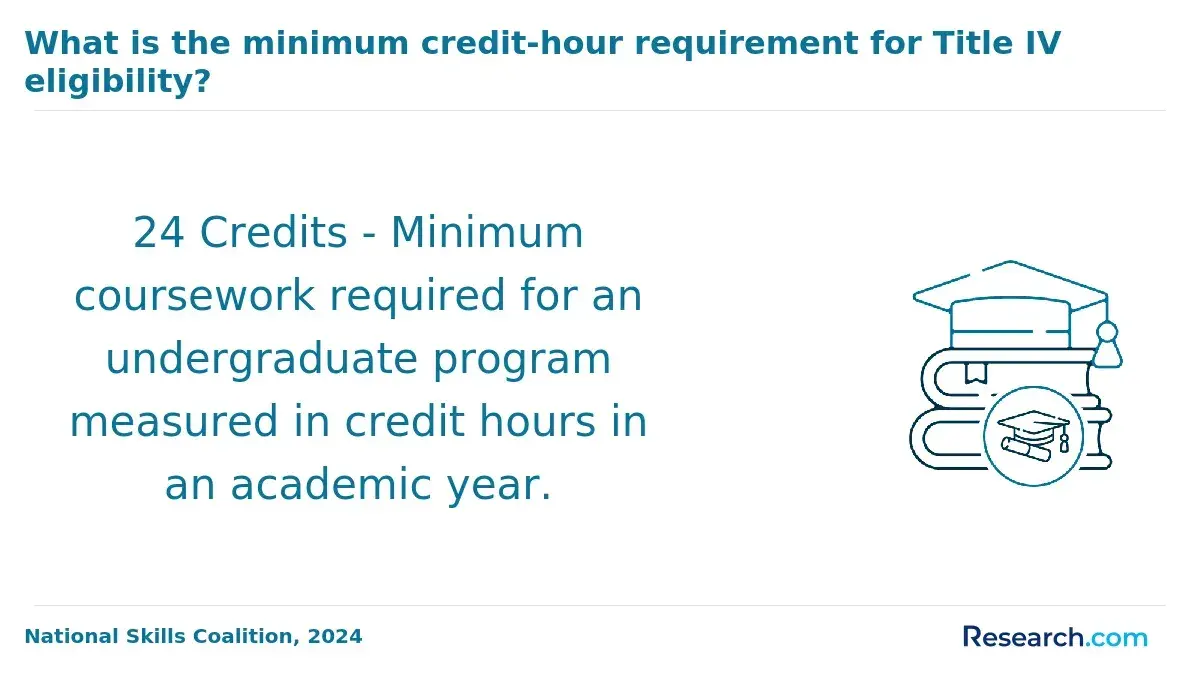
Programs typically require 120 to 130 credit hours combining foundational business courses, technology-enhanced management skills, and electives targeted to evolving industry needs.
Tuition averages approximately $39,000 for accredited online bachelor's degrees, roughly 24% less than on-campus costs near $51,000 due to savings on facilities and commuting. However, students should anticipate supplementary expenses like textbooks, mandatory technology fees, and software, costing an additional $1,000 to $2,500 yearly.
Funding largely hinges on employer tuition reimbursement or federal aid. Tech employers frequently sponsor upskilling but expect alignment with business goals and post-study contributions. Without employer backing, federal loans become the default route, demanding evaluation of debt implications versus potential salary gains.
The choice of program duration and format hinges on individual workforce availability and career timeline considerations. For instance, a mid-level engineer pivoting to product management might favor a longer program integrated with project management certification for stronger employer recognition.
Conversely, an entry-level candidate might prioritize an accelerated path to enter tech business roles swiftly, balancing depth of instruction against market timing pressures.
What business roles in tech companies can you pursue with an online business administration degree?
Graduates with an online business administration degree often enter tech roles demanding cross-functional expertise and agile management, such as product manager or business analyst. For instance, managing a product team requires aligning engineering priorities with market demands, a balance developed through rigorous strategic and leadership training.
Candidates with both a broad business foundation and proficiency in relevant tech tools stand out in data-driven environments like financial analysis or human resources management, where interpreting metrics directly influences budgeting and talent decisions.
Successful navigation of tech sector careers means adapting to rapidly shifting technologies and business models, often while working remotely under tight deadlines. Self-motivation and communication skills, honed through interactive online coursework and case-study simulations, become essential. However, students face tradeoffs between depth in specialized technical certifications and the versatility of broader business knowledge necessary for leadership roles.
Women's representation in online business master's programs has increased to 47%, enhancing inclusivity and diversifying leadership perspectives within tech enterprises. This demographic shift supports broader decision-making frameworks and strengthens product and project outcomes.
When choosing an online business administration program, evaluating curriculum emphasis on technology integration, data analytics, and leadership development is critical to align with employer expectations and practical workforce demands.
What salary ranges and job outlook can business administration graduates expect in technology-focused careers?
Technology-centered business administration roles demand more than academic credentials; they require tangible, hands-on experience that shapes real-world capability. Entry-level salaries typically range from $70,000 to $110,000, varying by role and location, while mid-level managers in product and operations functions can expect $100,000 to $140,000. Senior or director roles often surpass $160,000 annually, reflecting increased responsibility and strategic impact.
The accelerated growth of business operations jobs—projected at 9% through 2032 by the U.S. Bureau of Labor Statistics signals ongoing demand tied to digital transformation and data-centric decision-making at tech companies. However, breaking into top-tier positions often depends on more than coursework alone.
Consider a candidate aiming for product operations management in a mid-size software firm: success hinges on demonstrable proficiency in agile practices and leading cross-functional teams based on concrete project experience. Candidates without such exposure frequently face disadvantages compared to those with embedded internships or direct industry connections.
Data from the 2024 GMAC Alumni Perspectives Survey supports this, showing that 62% of business master's graduates secured tech roles through structured experiential learning opportunities like internships or networking events. For many, selecting programs with embedded employer partnerships and active career services is crucial.
Tradeoffs arise when choosing fast-tracked online credentials over slower, experience-building pathways; access to robust career networks can mitigate this gap, but it remains a critical factor in converting education into competitive employment.
How can professionals evaluate and choose the best online business administration program for tech careers?
Business administration programs aimed at technology careers must be judged by tangible outcomes like leadership attainment and industry mobility, not just enrollment metrics or satisfaction scores.
Data from the 2024 GMAC Alumni Perspectives Survey shows that 54% of master's graduates in technology sectors reach senior management within a decade, notably higher than the 45% average. This gap emphasizes the importance of program relevance to tech leadership trajectories.
Practical evaluation criteria include:
- Specialized coursework in technology management, data analytics, or product development that aligns with employer needs.
- Faculty with direct tech industry experience and curricula anchored in project-based learning.
- Flexible delivery formats that maintain critical instructor interaction and networking opportunities for professionals balancing work and study.
- Cost weighed against program reputation and alumni network strength to avoid degrees with limited employer recognition.
Consider a software engineer transitioning into product management. Choosing a program that embeds tech-specific strategic leadership rather than generic management concepts directly affects employability and career growth. Similarly, marketing professionals targeting tech firm strategy roles must verify access to analytics tools and industry-relevant career services, including mentorship and targeted placements.
Requesting recent employment outcomes and salary data is essential to validate program claims. This ensures a focused investment that maximizes measurable career returns rather than relying on broad promises.
Other Things You Should Know About Business Administration
Online business administration programs often require significant weekly time commitments, including synchronous sessions, group projects, and case studies. Working professionals must assess whether the program's pacing balances depth and flexibility, because heavy workloads combined with full-time jobs can reduce learning effectiveness and extend time to completion. Programs with modular designs or asynchronous elements generally provide better alignment with demanding work schedules in tech roles, enabling students to apply concepts in real time without burnout.
Specializations like project management or data analytics provide targeted skills valued in tech companies but may limit exposure to broader business fundamentals essential for leadership roles. Professionals should prioritize programs that offer a strong general business administration foundation before specialization to maintain versatility. Narrowly focused curricula might fast-track entry-level roles but restrict mid- to upper-level career flexibility where comprehensive managerial competence is expected.
Employers in the tech sector increasingly demand graduates who demonstrate applied business skills through internships, consulting projects, or capstone assignments. Prospective students should confirm if the online program includes mandatory experiential learning or partnerships with tech firms. Programs lacking practical components often yield graduates with theoretical knowledge but weaker readiness for hands-on problem solving in dynamic tech environments, reducing immediate hireability.
Top online business administration programs in 2027 for tech roles emphasize flexible scheduling, tech-focused curriculum, industry partnerships, and opportunities for real-world application through projects and internships. These features are crucial for bridging the gap between business acumen and technology expertise.
References
- Quality Standards and Accreditation of Distance Education Programs in a Pandemic - OJDLA https://ojdla.com/articles/quality-standards-and-accreditation-of-distance-education-programs-in-a-pandemic
- Online BBA vs. On-Campus BBA: What You Should Know Before You Choose | CourseCompare.ca https://www.coursecompare.ca/online-bba-vs-on-campus-bba/
- Business Degree going into IT Career Field https://community.spiceworks.com/t/business-degree-going-into-it-career-field/323640
- Best Online MBA Tech & Business Specialisation https://www.onlinecu.in/blog/cu/online-mba-specializations-combining-technology-and-business-skills
- Online Business Administration Degrees: A Comprehensive Review https://izrada-web-stranica.com/blog/online_business_admin_degrees.html
- 12 Career Paths You Can Pursue with an Online Business Degree https://lakewood.edu/online-business-degree-paths/
- How long does it take to get a Business Administration degree? https://vinuni.edu.vn/how-long-does-it-take-to-get-a-business-administration-degree/
- Why Accreditation Matters More for a DBA Than Any Other Business Degree - Acacia https://acacia.edu/blog/why-accreditation-matters-more-for-a-dba-than-any-other-business-degree/
- How long is a Business Administration Degree https://henryharvin.ae/blog/how-long-is-a-business-administration-degree/
- What Are the Requirements to Get Into Business School Graduate Program? https://freemannews.tulane.edu/2025/01/30/what-are-the-requirements-to-get-into-business-school-graduate-program