2027 Cheapest and Shortest Online Christian Counseling Degree Programs That Pay Well: Cost, Duration, and Salary Outlook

Co-Founder and Chief Data Scientist
Choosing an online Christian counseling degree is a cost, time, and career-readiness decision. The best option is not simply the cheapest program or the fastest completion plan; it is the program that fits your budget, schedule, faith-based counseling goals, and any licensing or ministry requirements you may need to meet.
Online study has become a practical route for students who cannot pause work, family responsibilities, or ministry commitments. Nearly 40% of higher education students now take at least one distance course, and Christian counseling programs have followed that shift with more flexible formats, accelerated terms, and lower-cost tuition models.
This guide explains what affordable online Christian counseling degrees typically cost, how financial aid works, which formats shorten completion time, what skills students develop, and how to judge whether a cheap and fast program is legitimate. It also covers career outcomes, job placement, and the highest-paying roles graduates may pursue.
Key Benefits of the Cheapest and Shortest Online Christian Counseling Degree Programs That Pay Well
- Online christian counseling degrees typically offer tuition savings of up to 40% compared to traditional programs, reducing financial barriers for students seeking affordable education.
- Accelerated program formats enable completion in as little as 12 months, allowing faster entry into the workforce amid a growing demand for mental health professionals.
- Graduates report an average salary increase of 15% within two years, reflecting the strong return on investment linked to credentialing in this specialized counseling field.
How Much Does an Affordable Online Christian Counseling Degree Typically Cost?
An affordable online Christian counseling degree often costs less than a traditional private, campus-based program, but the final price depends on the school, degree level, transfer credits, fees, and whether the program is designed for licensure, ministry, or general counseling preparation. Online tuition rates generally increase at a modest 2% annually, so comparing current tuition and fee schedules is essential before enrolling.
For many students, the most useful way to compare programs is total degree cost—not just the advertised cost per credit. A low per-credit rate can still become expensive if the program requires more credits, charges frequent fees, or does not accept transfer coursework.
| Cost factor | What to expect | Why it matters |
| Tuition range | An affordable online Christian counseling bachelor's program typically falls between $10,000 and $30,000. | This gives students a realistic baseline for comparing low-cost options. |
| Cost per credit hour | National averages put online undergraduate tuition at about $300 per credit hour, compared with the $400-$600 common for private, on-campus courses. | Per-credit pricing helps you compare schools with different tuition models. |
| Additional expenses | Application fees, course materials, and technology fees usually add several hundred dollars per semester. | Fees can change the real cost of an otherwise affordable program. |
| Credit requirements | Bachelor's degrees generally require around 120 credits, while master's programs typically require 36 to 60 credits. | The number of required credits has a direct effect on total tuition. |
| Program duration | Accelerated online tracks may allow completion in two to three years. | Finishing faster can reduce indirect costs, such as extra semesters of fees or delayed earnings. |
Students should also confirm that a low-cost program comes from an accredited institution and meets the academic standards needed for their intended career path. A cheaper degree may be a strong value if it supports transferability, employer recognition, graduate study, or licensure preparation. It may be a poor investment if it lacks recognized accreditation or does not align with state requirements.
Students planning to expand into behavior analysis or related counseling-adjacent roles may also want to compare online BCBA master's program options as a separate pathway.
Can You Get Financial Aid in the Cheapest Online Christian Counseling Programs?
Yes, students in the cheapest online Christian counseling programs may qualify for financial aid, but eligibility usually depends on accreditation, enrollment status, degree level, and the student's financial profile. Nearly 85% of online students receive some form of aid, making funding an important part of the affordability calculation rather than an afterthought.
The first step is to verify that the school participates in federal student aid programs and that the specific program is eligible. Some low-cost or ministry-focused programs may not qualify for the same aid options as accredited degree programs, so students should ask the financial aid office direct questions before applying.
- Federal Pell Grants: These need-based grants do not require repayment and can reduce costs for eligible students enrolled in accredited programs. They are especially important for undergraduates trying to limit debt.
- Scholarships: Scholarships may be available for students studying religious studies, counseling, ministry, psychology, or human services. Applicants should check institutional scholarships, church-affiliated awards, denominational funds, and counseling-related scholarship databases.
- Federal student loans: Federal student loans can help cover tuition and approved education costs, often with low-interest borrowing options and flexible repayment plans. Students should borrow only what they need and compare expected earnings with repayment obligations.
- Employer tuition assistance: Working adults may qualify for employer-sponsored tuition support, particularly if the degree strengthens skills used in ministry, nonprofit work, social services, human resources, or care-related roles.
- Program-level affordability: Financial aid works best when combined with a lower tuition rate, transfer credits, accelerated scheduling, and clear completion planning.
Students considering a faster counseling-related route may also compare accelerated MSW programs, especially if their long-term goals require social work licensure rather than a Christian counseling credential alone.
What Are the Shortest Online Christian Counseling Degree Programs?
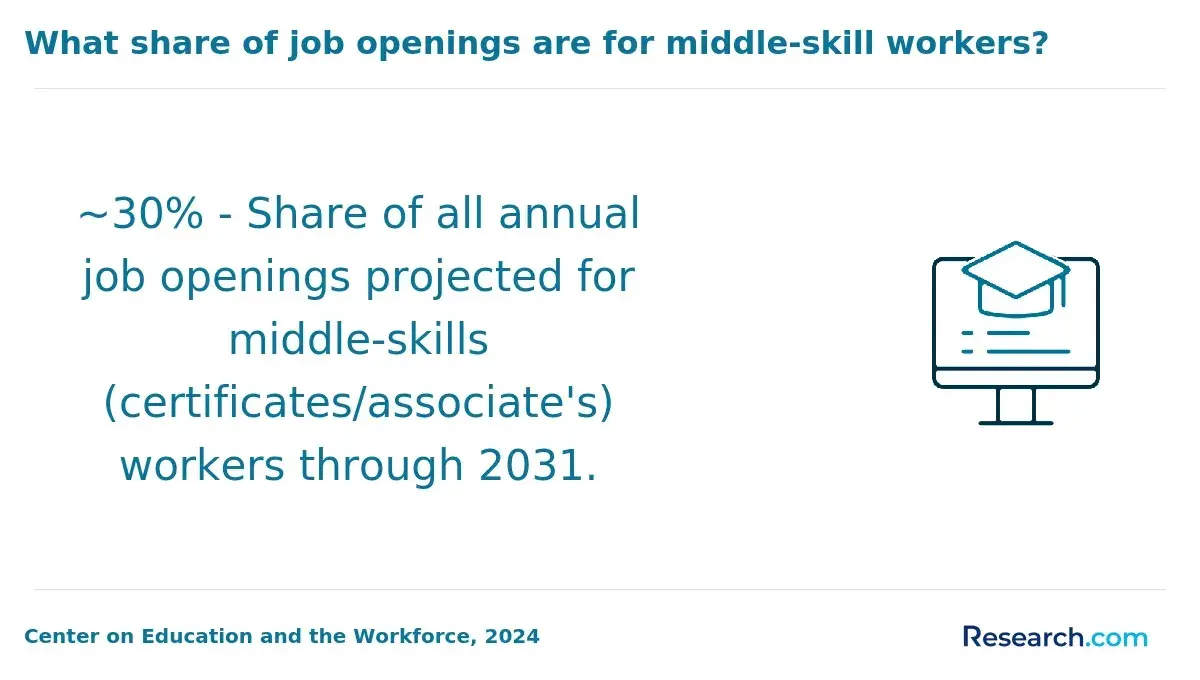
The shortest online Christian counseling degree programs are usually accelerated associate, bachelor's, or master's pathways that use compressed terms, year-round enrollment, transfer credit, or competency-based pacing. Over 30% of online learners pursue fast-track degrees to reduce time in school and move into new roles sooner.
Speed varies by degree level. Students with prior college credit, ministry experience, or a completed bachelor's degree may be able to finish more quickly than first-time college students starting from zero credits.
| Degree level | Typical accelerated length | Best fit |
| Associate degree | 18 to 24 months | Students seeking foundational counseling knowledge, entry-level preparation, or a transfer pathway into a bachelor's program. |
| Bachelor's degree | 2 to 3 years | Students who want a stronger academic credential for ministry, human services, graduate study, or counseling-related roles. |
| Master's degree | 1 to 2 years | Students who already hold a bachelor's degree and want advanced training, often through modular or competency-based formats. |
Affordability remains a major factor in fast-track decisions. Costs typically range from $250 to $500 per credit hour, so a shorter program is not automatically cheaper unless the total credit requirement, transfer policy, and fees are also favorable.
Graduates may enter counseling-related careers with median salaries around $40,000 to $55,000, with earnings increasing based on experience, certification, work setting, and licensure. Students who want broader psychology preparation can also research affordable online master's degrees in psychology as a complementary or alternative route.
The shortest online Christian counseling programs usually rely on accelerated academic calendars and flexible digital delivery. Online accelerated courses in counseling have increased by 25% over the last five years, showing that more schools are building intensive formats for students who want faster completion without relocating.
Most accelerated formats are convenient, but they are not easier. Students cover the same core material in a shorter window, which requires consistent weekly study time, strong organization, and comfort learning through digital platforms.
- Compressed terms: Courses commonly run 5 to 8 weeks instead of a traditional semester. This allows students to finish more courses per year, but missing a week can be difficult to recover from.
- Asynchronous coursework: Many classes use prerecorded lectures, readings, assignments, and discussion boards that students can complete on their own schedules.
- Limited live requirements: Some courses include live webinars, group discussions, or scheduled meetings with instructors. Students in different time zones should check whether attendance is required.
- Weekly workload: Students typically spend 12 to 15 hours per week on reading, writing, discussions, projects, and exams. Taking more than one accelerated course at a time can significantly increase the workload.
- Peer and instructor interaction: Discussion forums, group projects, video meetings, and instructor feedback help students practice communication skills that matter in counseling-related work.
Before choosing the shortest format, students should ask whether the program includes supervised practice, internship requirements, or field experiences. Those components can affect the actual completion timeline, especially for students who work full time.
Online classes in accelerated Christian counseling degrees are built around short terms, frequent deadlines, and steady interaction through a learning management system. Nearly 40% of students in fully online programs report that the faster pace is manageable with good time management, but the format requires discipline from the first week of each course.
Students typically log in several times per week to review lessons, submit assignments, join discussions, and communicate with instructors. The best programs make expectations clear through weekly modules, rubrics, calendars, and regular feedback.
- Learning formats: Courses often combine asynchronous lessons with occasional synchronous sessions. Asynchronous work gives flexibility, while live sessions can support discussion, role-play, case review, or spiritual integration.
- Compressed schedules: Courses often run 5 to 8 weeks rather than the typical 15. Students move quickly through readings, counseling concepts, ethics, faith integration, and applied assignments.
- Communication tools: Discussion boards, video calls, messaging, email, and collaborative documents help students stay connected with faculty and classmates.
- Assignment types: Students may complete reflection papers, case analyses, recorded presentations, discussion posts, exams, and projects that connect counseling theory with Christian perspectives.
- Time efficiency: Accelerated bachelor's or master's pathways may shorten completion to around 1.5 to 2 years, depending on transfer credits, course load, and program design.
- Cost considerations: Credit hour costs range approximately from $300 to $600, so students should compare total tuition, fees, transfer policies, and graduation timelines before enrolling.
A practical test is whether you can protect study time every week. Accelerated online learning works well for motivated students with predictable schedules, but it can become stressful for those with heavy work hours, caregiving responsibilities, or limited access to reliable technology.
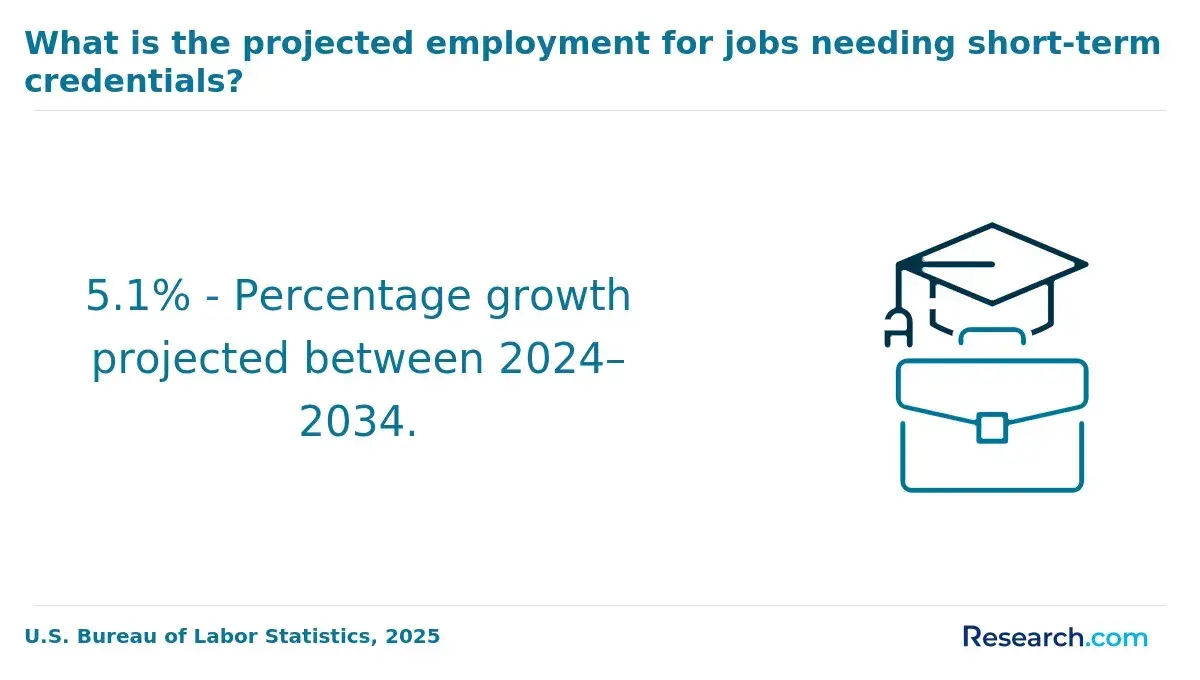
Shortest-track online Christian counseling degrees are designed to build counseling knowledge quickly while helping students connect psychological concepts with faith-informed care. With mental health counselor roles expected to grow 23% from 2021 to 2031, programs often emphasize practical skills that can transfer into ministry, human services, pastoral care, and counseling-related environments.
- Counseling foundations: Students study helping skills, counseling theories, client assessment, intervention planning, and ethical standards relevant to Christian counseling practice.
- Faith integration: Coursework often examines how spiritual beliefs, biblical perspectives, pastoral care, and clinical concepts may intersect. Strong programs teach students to approach this integration carefully and ethically.
- Critical thinking: Students learn to evaluate client concerns, identify risk factors, consider spiritual and cultural context, and choose appropriate support strategies.
- Communication: Programs develop active listening, empathy, clear questioning, respectful feedback, and professional writing. These skills are central to effective counseling and ministry work.
- Problem-solving: Students practice responding to complex personal, relational, and emotional concerns while recognizing when referral to licensed clinicians or specialized providers is necessary.
- Professional ethics: Training commonly covers confidentiality, boundaries, informed consent, mandated reporting, documentation, and the limits of one's role.
- Time management: Accelerated programs require students to manage deadlines, reading loads, group work, and personal reflection while maintaining academic quality.
Students should distinguish between skill development and licensure eligibility. A Christian counseling degree may strengthen pastoral care and counseling-related work, but becoming a licensed counselor generally depends on state-specific education, supervised experience, exams, and program approval requirements.
Breakdown of All Fully Online Title IV Institutions

Cheap and fast online Christian counseling degree programs can be legitimate, but affordability and speed do not prove quality. Legitimacy depends on accreditation, curriculum depth, faculty qualifications, student support, and whether the program prepares graduates for the specific work they want to do.
The most important question is not “Is it online?” but “Will this degree be recognized for my goal?” A program may be appropriate for ministry or pastoral care but insufficient for state counseling licensure. Students should verify requirements before enrolling, especially if they plan to provide clinical counseling services.
- Accreditation: Look for institutional accreditation from a recognized accrediting body. Programs accredited by recognized regional bodies or specialized agencies like CACREP signal adherence to established academic standards and may improve acceptance by employers, graduate schools, and licensing boards.
- Faculty credentials: Qualified instructors should have relevant academic preparation, counseling experience, ministry experience where appropriate, and current knowledge of ethics and professional practice.
- Curriculum quality: A legitimate program should cover counseling theory, ethics, assessment, human development, helping skills, crisis response, faith integration, and appropriate referral practices.
- Licensing alignment: Students who want professional licensure should compare the curriculum with state licensing requirements. Do not assume that a Christian counseling degree automatically qualifies graduates for licensure.
- Supervised experience: Programs tied to clinical or counseling practice should clearly explain practicum, internship, or fieldwork expectations.
- Transparency: Reputable schools publish tuition, fees, graduation requirements, accreditation status, transfer policies, and career support information.
Warning signs include vague accreditation claims, guaranteed jobs, unrealistic completion promises, unclear faculty information, hidden fees, and programs that avoid answering licensing questions. A fast program should still have clear standards and meaningful academic expectations.
The highest-paying roles for online Christian counseling degree graduates usually require advanced education, state licensure, specialized experience, or leadership responsibilities. Students comparing the cheapest online Christian counseling degree programs should evaluate not only tuition, but also whether the program can support the credentials needed for higher-paying work.
| Role | Typical salary information | What can increase earnings |
| Licensed Professional Counselor | Median annual salaries range from $50,000 to $60,000. | State licensure, private practice, experience, and specialization in areas such as addiction or trauma counseling. |
| Marriage and Family Therapist | Median wages are near $50,000, while experienced clinicians in urban or private environments can make upwards of $75,000 per year. | Licensure, relationship and family systems expertise, private practice, and strong referral networks. |
| Pastoral Counselor | Pastoral counselors typically earn between $40,000 and $70,000. | Employer type, region, leadership responsibilities, ministry experience, and counseling-related credentials. |
Advanced certifications, state licensure, specialized training, and supervised experience can all affect compensation. Programs with accelerated pathways, some completed in as little as 18 months, and affordable online tuition rates averaging $300 to $500 per credit hour may help students enter the field sooner and reduce debt, but they should still be evaluated for quality and credential alignment.
Students seeking broader low-cost undergraduate options can compare the most affordable online colleges to find programs that balance tuition, flexibility, and academic credibility.
Job placement rates for online Christian counseling graduates are generally favorable when programs are accredited, career-focused, and connected to supervised experience or professional networks. According to CACREP, many accredited online Christian Counseling degree job placement rates range from 70% to over 85% within six months to a year after graduation.
Placement outcomes vary by degree level, location, licensure eligibility, employer type, and the student's prior experience. A graduate seeking ministry-based counseling may face a different job market than a graduate pursuing licensed mental health counseling.
- Industry demand: Growing attention to mental health and spiritual well-being has expanded opportunities for professionals who can work respectfully at the intersection of faith and care.
- Program reputation: Accredited and well-regarded online colleges tend to carry stronger recognition with employers and graduate schools.
- Internships and practicum experiences: Supervised experience helps students apply theory, build confidence, and make professional contacts that may lead to job opportunities.
- Alumni networks: Active alumni communities can provide mentoring, referrals, employer introductions, and practical advice for entering the field.
- Career services: Resume support, interview coaching, job boards, employer partnerships, and licensure guidance can improve a student's transition from school to work.
Career outcomes are also shaped by program length and cost. Data from the National Center for Education Statistics highlights programs that typically take about two years to complete with tuition ranging from $300 to $500 per credit hour. Median starting salaries fall between $40,000 and $55,000 annually. Projections from the U.S. Bureau of Labor Statistics anticipate a 22% growth in counselor employment through 2031.
Students seeking a practical starting point can compare FAFSA-eligible online colleges to identify affordable schools with recognized aid pathways and clearer career support.
To choose the best cheap online Christian counseling degree program, compare total cost, accreditation, curriculum, completion time, student support, and career fit together. A program is only affordable if it helps you reach your goal without unnecessary debt, delay, or credential problems.
Use the following criteria before submitting an application:
- Confirm accreditation: Verify institutional accreditation and, when relevant, programmatic accreditation such as CACREP. Accreditation can affect federal aid, transfer credit, graduate admission, employer recognition, and licensure pathways.
- Match the program to your career goal: Decide whether you want pastoral care, ministry counseling, human services work, graduate study, or licensed counseling. Each path may require different coursework and credentials.
- Review the curriculum: Look for counseling theory, ethics, human development, assessment, crisis response, multicultural awareness, faith integration, and applied practice. Strong programs explain how coursework connects to real counseling responsibilities.
- Check fieldwork requirements: If the degree includes practicum, internship, or supervised hours, ask how placements are arranged for online students and whether you can complete them locally.
- Compare total cost: Look beyond tuition. Include fees, books, technology charges, residency requirements, transfer credit policies, and the cost of extra terms if you study part time.
- Evaluate program length honestly: Shorter programs of 12 to 24 months may be budget-friendly, but accelerated pacing requires steady weekly availability. Choose a timeline you can complete successfully.
- Ask about student support: Online learners benefit from academic advising, tutoring, technical support, library access, career counseling, and clear faculty communication.
- Review outcomes: Ask for graduation rates, employment information, licensure exam support where applicable, and examples of where graduates work. Median salaries for counselors hover around $48,000, with potential to earn above $75,000 in specialized or leadership roles.
The strongest choice is usually the program that offers recognized accreditation, transparent pricing, a realistic schedule, and a curriculum aligned with your intended counseling or ministry role.
What Graduates Say About Their Cheapest and Shortest Online Christian Counseling Degree
- : "Finding an affordable and fast online Christian counseling degree was a game changer for me. The program's cost was well under what I expected, averaging around $10,000, which made it accessible without sacrificing quality. This degree opened doors for me in ministry and professional counseling, allowing me to support others with both faith and practical expertise. — Kessler"
- : "I chose a short online Christian counseling degree because I needed flexibility and a lower financial commitment. The program cost was surprisingly reasonable, costing less than many traditional degrees, and I completed it in under two years. Looking back, I am grateful for how quickly I could move forward in my career and provide hope and guidance as a certified counselor. — Sutton"
- : "Pursuing a fast and affordable online Christian counseling degree was a strategic decision to strengthen my qualifications without taking on heavy debt. The overall fees were modest compared to conventional programs, around $8,000 to $12,000, making it a smart investment. This degree changed my work in pastoral care by giving me essential skills grounded in faith and counseling best practices. — Thiago"
Other Things You Should Know About Christian Counseling Degrees
Expedited completion paths in Christian counseling programs often include accelerated courses or year-round classes, allowing completion in 18 months or less. Programs like Liberty University offer intensive eight-week courses, helping students graduate faster while meeting all the curriculum requirements.
Admission requirements for the cheapest and shortest online Christian counseling degree programs in 2026 typically include a high school diploma or equivalent, application forms, and sometimes standardized test scores. Specific prerequisites may vary by institution, but most programs emphasize strong communication and interpersonal skills.
- How To Become A Christian Counselor | CCU Online https://www.ccu.edu/blogs/cags/2011/05/how-to-become-a-christian-counselor/
- Fastest Online Master's In Counseling Programs https://www.psychology.org/counseling/fastest-online-degrees/
- Best 15 Accelerated Online Counseling Degrees - Counseling Degrees Online https://www.counselingdegreesonline.org/programs/fastest-online-counseling-degree
- Christian Counseling Degrees | Christian Leadership University https://www.cluonline.com/christian-counseling-degrees-2/
- Online Christian Counseling Degree Equips Sincock for Grief, Anxiety, and Couples Counseling https://www.grace.edu/online-christian-counseling-degree-equips-grief-anxiety-couples-counseling/
- Online Biblical Counseling Certificate | Light University https://lightuniversity.com/biblical-counseling-psychology/
- Online Biblical Counseling Degree | The Master's University - Online Degree Programs | The Master's University https://online.masters.edu/programs/online-biblical-counseling/
- Online Biblical Counseling Degree | Christ-Centered & Affordable Programs https://anchoru.com/academics/biblical-counseling-degree-programs/
- Board Certified Christian Counseling Program https://nacconline.org/board-certified-christian-counseling-program/
- Online Bachelors in Christian Counseling | AcademicEarth.org https://academicearth.org/bachelors-in-christian-counseling/