2027 Is a 2-Year Christian Counseling Degree Worth It: Accelerated Bachelor's ROI & Time Trade-Offs

Co-Founder and Chief Data Scientist
Many prospective students struggle to decide if pursuing a 2-year accelerated bachelor's degree in Christian counseling justifies the time and financial investment. According to recent labor data, demand for counseling professionals with specialized faith-based training is projected to grow 15% by 2030, faster than the average for all occupations.
This article examines the balance between accelerated program duration and career earnings. It evaluates whether the time trade-offs align with financial goals, helping readers make informed choices about Christian counseling education pathways.
Key Benefits of a 2-Year Christian Counseling Degree
- Accelerated 2-year Christian counseling degrees allow quicker workforce entry, reducing opportunity costs compared to traditional 4-year programs.
- Graduates often see a favorable ROI, with median salaries around $46,000, balancing lower tuition costs and faster degree completion.
- Focused curricula offer practical skills and spiritual frameworks, enhancing readiness for counseling roles in faith-based settings and community services.
How Do 2-Year Christian Counseling Programs Work?
Two-year Christian counseling programs offer a focused and compressed pathway for students aiming to enter the counseling field with a foundation in faith-based principles.
These accelerated degrees require careful consideration of their structure and intensity to ensure alignment with career goals and time commitments.
- Accelerated pacing: Coursework is condensed into shorter 6- to 8-week terms rather than traditional 15-week semesters, requiring strong commitment and active engagement with intensive lectures, readings, and assignments.
- Year-round enrollment: Programs often utilize continuous sessions including summer terms, enabling students to progress without long breaks and complete their degree faster compared to traditional formats.
- Condensed course terms: Each term demands a higher credit load, typically 12 to 15 credits, emphasizing focused study periods that accelerate overall progress.
- Credit load expectations: Students manage heavier credit loads per term to cover both core counseling and general education requirements early in the curriculum, facilitating advanced specialization later.
- Instructional format: Hybrid or fully online delivery caters to working adults and increases accessibility, blending flexibility with structured learning aligned with Christian counseling ethics.
- Assessment methods: Evaluation includes written exams, reflective essays, case studies, and sometimes practical counseling role-plays or practicums to reinforce applied skills.
- Curriculum progression: Students advance by completing foundational courses in counseling fundamentals, theology, ethics, and psychology before focusing on specialized content.
The 2 year accelerated Christian counseling degree structure is designed to save up to two years compared to traditional degrees, which aligns with labor market projections indicating steady employment growth in counseling roles.
For those exploring degree options with comparable pacing and flexible formats, programs such as RN to BSN online programs without clinicals illustrate similar accelerated and accessible educational models worth considering.
What Are the Admission Requirements for a 2-Year Christian Counseling Degree?
Evaluating admission requirements plays a crucial role for students considering an accelerated bachelor's in christian counseling, helping them plan effectively for the application process and understand program expectations.
Below is a detailed breakdown of the typical qualifications needed to enter a 2-year christian counseling degree program.
- Prior Education: Most programs mandate a high school diploma or equivalent, but some accelerated tracks require college-level coursework or an associate degree to indicate readiness for advanced study. Meeting these requirements is fundamental for applicants aiming to enroll in accelerated christian counseling programs.
- GPA Expectations: Applicants generally need a minimum cumulative GPA between 2.5 and 3.0 on a 4.0 scale. This range helps programs identify candidates with sufficient academic aptitude to handle a rigorous, shortened curriculum.
- Standardized Tests: Unlike traditional degree paths, many accelerated options waive the SAT or ACT requirements, instead emphasizing academic transcripts and relevant experience over standardized test scores.
- Prerequisite Courses: Introductory classes in psychology, theology, or general education often form part of admission criteria to ensure students possess the foundational knowledge essential for success in counseling studies.
- Work or Volunteer Experience: Programs frequently value applicants who have practical exposure through ministry, counseling, or related volunteer work, confirming both commitment and relevant skills.
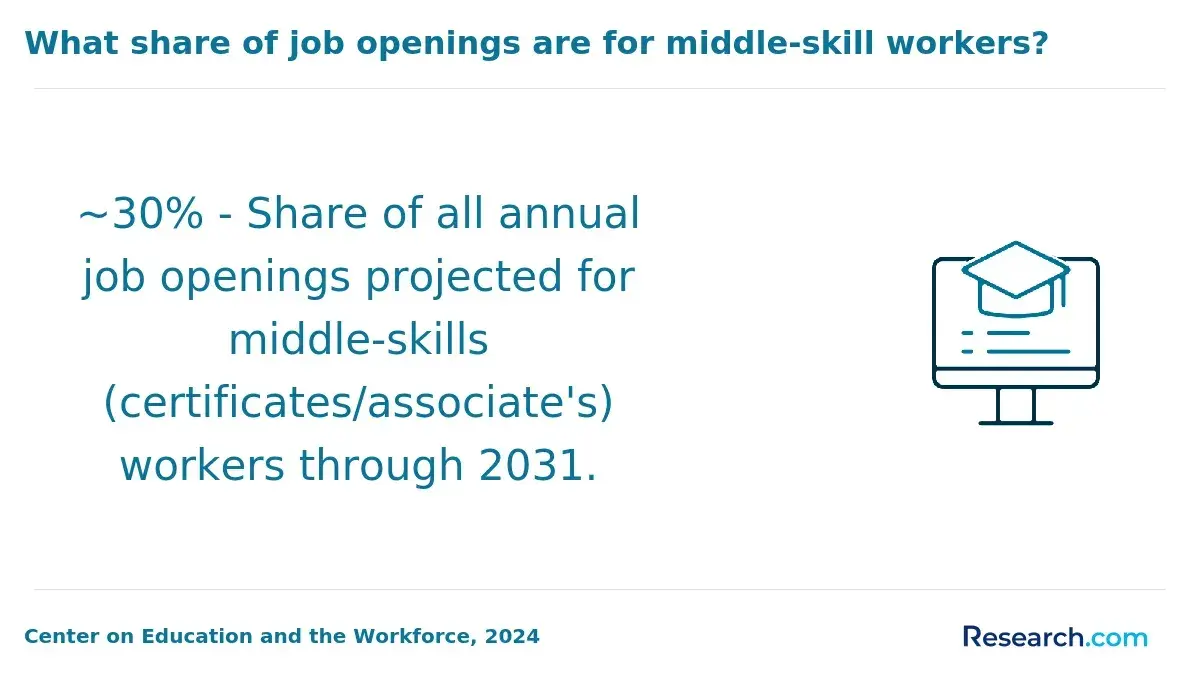
According to the National Center for Education Statistics, accelerated bachelor programs can reduce time to degree completion by roughly 25%-50%, which can translate into significant savings in tuition and a faster start to one's career.
Prospective students might also explore online DNP programs without dissertation for further flexible options in healthcare-related education paths.
What Does a Typical Week Look Like in a 2-Year Christian Counseling Program?
Grasping the weekly demands and structure of a 2-year accelerated Christian counseling program is essential for prospective students balancing busy lives and career goals. Knowing how time is allocated helps manage expectations and plan effectively.
Below is a detailed overview of what typical weeks entail in such an intensive program.
- Class sessions and lectures: Students often attend multiple weekly sessions totaling around 12 to 15 hours. These meetings focus on core subjects like theology, ethics, psychology, and pastoral care to build foundational knowledge.
- Assignments and assessments: Weekly workloads include scripture readings, academic articles, and case studies accompanied by written reflections or response papers. Frequent quizzes and short exams help track understanding and progress.
- Group work: Collaboration is emphasized with group discussions, role-playing exercises, and projects. This peer interaction fosters practical counseling application and deepens comprehension.
- Independent study: Time spent outside class often matches or surpasses scheduled hours. This involves reviewing lectures, conducting research, and completing assignments to keep pace with the fast curriculum.
- Instructor interaction: Regular contact through office hours, emails, or virtual meetings provides personalized feedback and support. Proactive communication is key to overcoming challenges promptly.
- Time management: An accelerated format requires disciplined planning to juggle classes, study, and collaboration efficiently, ensuring steady progress within the compressed timeline.
When asked about his experience completing a 2-year bachelor's in Christian counseling, one graduate reflected on the intensity of the schedule: "It felt like a sprint from day one. Balancing work and study was tough, especially when multiple assignments converged. I learned quickly how to prioritize tasks and stay organized."
He also noted that, despite the pressure, "the accelerated pace kept me engaged and pushed me to grow faster than I expected," emphasizing that resilience and support networks were vital throughout his journey.
The format of accelerated Christian counseling programs significantly impacts students' ability to balance studies with work or family duties. Flexibility and accessibility are crucial for those pursuing intensive two-year degrees, as delivery methods shape how learners manage their time and remain engaged.
Below is an overview of key aspects related to online options for such programs.
- Program Formats: Students can choose between fully online and hybrid models. Hybrid options combine virtual coursework with occasional in-person sessions, while fully online programs rely exclusively on digital platforms.
- Learning Modalities: Asynchronous classes let students access materials and lectures anytime, ideal for busy schedules. Synchronous sessions involve live interaction with instructors and peers, fostering real-time engagement and feedback.
- Technology Needs: Reliable high-speed internet, a compatible computer, and video conferencing software are essential. Institutions usually offer remote technical support to ensure smooth participation.
- Student Services: Academic advising, tutoring, and career counseling are often provided online to support learners' success, mirroring in-person resources.
- Time Management and Engagement: The accelerated pace requires discipline and consistent effort. Online formats provide convenience but demand strong self-motivation to maintain steady progress and active involvement throughout the two-year timeline.
Accelerated programs differ significantly from traditional routes, often compressing coursework to save time but potentially impacting price components differently.
These factors can influence how quickly graduates enter the workforce and begin earning.
- Tuition structure: Accelerated Christian counseling program tuition rates are often higher per credit hour due to the intensive nature of the courses. However, because these programs require fewer total credits or a shorter enrollment period, the overall tuition cost may be lower compared to a standard four-year degree.
- Mandatory fees: Registration, technology, and student services fees contribute to the total cost. These fees may vary by institution but are an important component to consider alongside tuition.
- Textbooks and learning materials: Accelerated courses demand quicker acquisition of updated resources, sometimes increasing expenses due to the fast pace of study. Students should budget for frequent or intensive material updates.
- Technology and lab fees: Some programs, especially those involving online components or supervised practical experiences, impose additional costs related to technology platforms or laboratory use.
- Impact of accelerated pacing: The reduced time to complete an accelerated degree can lower living expenses and allow earlier workforce entry, positively influencing ROI. According to the National Center for Education Statistics, these accelerated bachelor's programs may cut time to completion nearly in half compared to traditional pathways.
For students exploring quicker routes to degree completion beyond Christian counseling, exploring easy nursing programs to get into may provide alternative options for accelerated education.
Access to financial aid is a crucial factor for students considering accelerated Christian counseling programs, especially since these two-year degrees often require upfront planning to handle compressed timelines and funding cycles.
Below is an overview of common financial aid options and how accelerated formats may influence their use.
- Federal Student Aid Eligibility: Programs that meet accreditation and federal standards typically qualify for Pell Grants and Direct Loans. However, because accelerated schedules shorten academic periods, students might need to coordinate aid disbursement carefully to maintain continuous funding throughout the program.
- Scholarships and Grants: Many awards target students pursuing ministry, counseling, or religious studies. These funding sources often come from denominational bodies, faith-based foundations, or community organizations dedicated to supporting careers in Christian counseling.
- Employer Tuition Assistance: Working adults frequently benefit from employer-sponsored tuition reimbursement or partnership programs with educational institutions. This option can lower out-of-pocket expenses while balancing employment and an accelerated course load.
- Flexible Payment Plans: Some colleges offer installment arrangements designed to ease the financial burden of condensed programs. This flexibility allows students to manage payments progressively rather than paying large sums upfront.
- Impact of Accelerated Pacing: The condensed nature of a two-year program may affect the timing and amount of financial aid released, requiring proactive communication with financial aid offices to avoid funding gaps.
When I spoke with a professional who completed an accelerated bachelor's degree in christian counseling, she described her journey balancing limited resources and a rapid course load.
"It wasn't always straightforward," she recalled. "Because the semesters moved faster, I had to pay close attention to when financial aid was applied and sometimes arrange interim funds to cover gaps."
She appreciated the scholarships tied to her faith-based focus, saying they made a significant difference.
"Employer assistance was a huge relief too; it motivated me to keep pushing forward while working full-time."
Her experience underscores the importance of thorough planning and active engagement with financial aid processes in accelerated programs, ultimately making her two-year degree a manageable and rewarding accomplishment.
When assessing the value of an accelerated Christian counseling bachelor's degree, understanding career options with a 2-year Christian counseling degree is essential. The ability to enter the workforce quickly while gaining practical skills can significantly impact long-term career development.
Below is a detailed overview of common job prospects for accelerated Christian counseling graduates and how the degree supports workforce readiness.
- Pastoral Counseling Assistants: These roles support licensed counselors or clergy by providing emotional and spiritual care within church settings. Graduates often help facilitate group sessions and offer crisis intervention under supervision, building foundational counseling experience in faith-based contexts.
- Youth Ministers: Serving in churches or community outreach programs, youth ministers guide young people through spiritual growth and personal development. This position often involves counseling, mentorship, and organizing faith-based activities that promote well-being.
- Family Support Coordinators: Graduates may work with families in nonprofit or church environments, assisting with communication challenges, conflict resolution, and emotional support. These roles emphasize ethical counseling practices combined with spiritual care.
- Mental Health Technicians in Christian Settings: Entry-level positions in faith-based rehabilitation centers or nonprofit counseling services often involve assisting licensed professionals in delivering mental health support, crisis response, and emotional care tailored to Christian values.
- Advancement Opportunities: While a 2-year degree offers a strong foundation in counseling ethics and communication, many graduates pursue further education such as a bachelor's or master's degree to expand their career possibilities within counseling and social services.
The accelerated format allows students to complete their degree in about half the time of traditional programs, offering the advantage of an earlier entry into such roles.
Salary outcomes are a critical consideration when evaluating the return on investment (ROI) of accelerated versus traditional degree paths, particularly in fields like Christian counseling.
Below is a detailed comparison of salaries between graduates of 2-year Christian counseling degrees and those holding traditional bachelor's degrees.
- Early-career earnings: Graduates with a 2-year Christian counseling degree typically start with lower salaries compared to those holding traditional bachelor's degrees. Median annual wages for counselors with associate or accelerated credentials average around $47,000, whereas bachelor's degree holders across occupations earn about $64,000 early in their careers.
- Long-term earning potential: Traditional bachelor's degree holders often experience higher salary growth over time. More comprehensive education can lead to advanced roles requiring licensure or certification, with salaries potentially exceeding $70,000 as experience accumulates.
- Employer perception and career advancement: Employers frequently view traditional degrees as more robust, which may affect eligibility for promotions and specialized counseling positions. This perception can influence long-term career progression and income.
- Workforce entry timeline: Completing a 2-year program enables earlier entry into the workforce-sometimes one to two years sooner than a four-year degree. This head start can yield immediate income and professional experience, somewhat narrowing the initial salary gap.
- Cumulative lifetime earnings: Accelerated graduates may increase their overall lifetime earnings by starting work earlier, even if initial salaries are lower. This factor should be weighed alongside traditional degree benefits when considering the 2-year Christian counseling degree salary comparison.
Prospective students should also explore options for further education to enhance credentials. For those interested in continuing their studies, programs such as affordable RN to BSN online programs demonstrate how accelerated pathways can support career advancement while managing time and financial investments.
Return on investment (ROI) is a vital metric for those considering accelerated christian counseling degree programs, as it helps determine the value of time and money spent relative to career and financial outcomes.
Several key factors play a crucial role in shaping the ROI of these accelerated programs.
- Time-to-Completion: Accelerated programs typically reduce the traditional four-year timeline to around two years, enabling students to enter the workforce faster. This shorter duration minimizes time away from earning and helps jump-start career advancement.
- Tuition and Total Cost: The overall expense of tuition, fees, and materials often differs from conventional programs, sometimes offering more concentrated course loads. Lower costs can enhance ROI by lessening the financial burden and shortening the path to profitability post-graduation.
- Opportunity Cost Savings: By finishing sooner, students avoid prolonged absence from income-earning opportunities. This reduction in lost wages during schooling significantly improves the economic advantage of accelerated formats.
- Employment Outcomes: Graduates can pursue roles in various settings such as social services, pastoral care, and mental health support. Positive job placement rates and availability of counseling positions directly impact the financial and professional benefits of the degree.
- Salary Growth: Entry-level salaries for counseling professionals typically range between $40,000 and $60,000, with increases over time reflecting experience and skill development. Evaluating potential salary trajectories aids students in estimating long-term returns.
- Industry Demand: The need for professionals blending theological insight with counseling expertise continues to grow, fostering job security. Programs that cultivate relevant, marketable skills help graduates adapt to changing employment landscapes.
- Transferability of Skills: Accelerated degrees that emphasize crisis intervention, ethics, and communication equip students with abilities applicable beyond strictly religious roles. This flexibility broadens career options and strengthens resilience against market shifts.
Determining whether a 2-year christian counseling degree suits you involves weighing personal, academic, and career factors. Reflect on how well you handle an intensive learning schedule, as these programs often demand rapid comprehension and excellent time management.
If your schedule is tight but you want to start working or advance quickly, an accelerated format may match your needs.
Additionally, consider your preferred learning style and how comfortable you are with a compressed curriculum. Career urgency plays a role too-if entering the workforce promptly is a priority, this path could be advantageous.
Financial considerations are just as crucial when choosing this degree route. Accelerated programs typically reduce costs by shortening the time spent in school, which can save 25% to 50% compared to traditional four-year degrees.
However, balance tuition savings against your expected career earnings; median pay for counselors in relevant fields is around $48,720, so faster degree completion might increase lifetime income.
Employer requirements vary, with some preferring a bachelor's or higher, while others value certifications or experience more. Long-term career flexibility and your professional goals should guide your decision alongside immediate financial benefits.
What Graduates Say About Their 2-Year Christian Counseling Degree
- Gertrude: "Choosing the 2-year accelerated bachelor's degree in christian counseling was a game-changer for me because it allowed me to enter the workforce quickly without sacrificing quality education. Despite a packed schedule, I managed my time with careful planning and found the program's structure very supportive. The faster graduation opened doors in ministry and counseling roles earlier than I had imagined, making the investment of about $20,000 well worth it."
- Faith: "The decision to pursue a 2-year degree in christian counseling came from my need to balance work, family, and education. The intense coursework required dedication, but I appreciated the program's flexibility, which helped me stay consistent and focused. Today, the degree enhances my credibility as a counselor and deepens my ability to serve clients, reflecting the practical impact of such a concentrated program."
- Liana: "As a professional looking to specialize, the 2-year accelerated bachelor's in christian counseling was the ideal route for advancing my career efficiently. Handling the accelerated pace pushed me to adapt my daily routines and prioritize studies without compromising my job. The credential has significantly elevated my professional standing, proving that investing around $20,000 and committing to this rigorous path was a strategic move."
Other Things You Should Know About Christian Counseling Degrees
An accelerated bachelor's degree in Christian counseling can save time and costs while offering a quicker path to career entry. It often suits motivated individuals eager to begin professional work sooner, with the benefit of potentially higher lifetime earnings.
A Christian counseling bachelor's degree does not qualify graduates for state counseling licensure. Most states require a CACREP-accredited master’s degree, 2,000–4,000 hours of supervised post-degree experience, and passing the National Counselor Examination (NCE) or the National Clinical Mental Health Counseling Examination (NCMHCE).
A 2-year Christian Counseling degree can be respected by employers if the program is accredited and provides comprehensive training. In 2027, employers value degrees that emphasize practical experience and ethical considerations, important components of counseling roles in religious settings.
- Ten Things To Know If You Want To Be a Counselor https://lifeovercoffee.com/10-things-to-consider-if-you-want-to-be-a-counselor/
- Accelerated & Hybrid Programs https://www.masters.edu/academics/accelerated-hybrid/
- Affordable Christian Colleges: What They Really Cost—and Smart Ways Students Save | Bible College Online https://biblecollegeonline.com/resources/affordable-christian-colleges-financial-aid-guide/
- Guide to Christian Counseling Degrees https://pathways2advancement.org/christian-counseling-degrees/
- 2025 Most Affordable Online Master's Degree in Christian Counseling https://www.onlineu.com/most-affordable-colleges/christian-counseling-masters-degrees
- Northwestern Accelerated Degree Programs https://northwesternchristianuniversity.net/accelerated_degree_programs.htm
- 5 best two-year degrees for international students in the UK https://studyinternational.com/news/two-year-degree-uk/
- Associate of the Arts in Christian Ministries – Counseling and Coaching(AACM-CCH) https://wmu.edu/aacc/
- The 12 Highest Paid Counseling Degrees - Counseling Degrees Online https://www.counselingdegreesonline.org/highest-paid-counseling-degrees
- Fastest Way To Become A Therapist Or Licensed Counselor https://www.psychology.org/careers/fastest-way-to-become-counselor/