2027 Most Recession-Resistant Careers You Can Pursue With an Interior Design Degree

Co-Founder and Chief Data Scientist
Many interior design graduates face uncertainty when economic downturns shrink budgets for new projects, putting careers at risk. Yet, the U.S. Bureau of Labor Statistics reports that healthcare and government facility design jobs grow 8% faster than average during recessions, reflecting rising demand for essential, long-term infrastructure.
Graduates equipped with skills in sustainable design, accessibility standards, and digital visualization gain a competitive edge. Understanding which sectors remain stable helps graduates focus their efforts strategically. This article explores recession-resistant career paths for interior design degree holders and offers actionable advice for maintaining resilience in fluctuating job markets.
Key Points About Recession-Resistant Interior Design Careers
- Residential and commercial renovation sectors rely on interior design skills to optimize spaces economically, showing 12% job growth amidst economic downturns due to sustained demand for cost-effective remodeling.
- Healthcare and eldercare facility design requires specialized interior design knowledge, ensuring safety and comfort, making it a reliably growing field as populations age globally.
- Sustainable and green design expertise in interior design offers resilience-projects focused on energy efficiency remain funded even in recessions due to environmental regulations and incentives.
What is the employment outlook for graduates of Interior Design?
The employment landscape for graduates with an interior design degree remains robust, with steady demand across residential and commercial sectors. Jobs such as interior decorators, space planners, and sustainable design consultants are projected to grow by about 5% over the next decade, matching or slightly exceeding the national average.
Several factors contribute to this positive job outlook, detailed below:
- Urban Development: Ongoing commercial renovations and new construction projects require skilled interior design professionals to create functional and attractive spaces.
- Sustainable Design Focus: Growing attention to health and environmental concerns drives demand for experts who integrate ergonomic and eco-friendly solutions.
- Residential Remodeling: Homeowners continue to invest in personalized space optimization, keeping interior designers relevant even during economic uncertainties.
Unemployment rates for interior design specialists typically fall below the national average, reflecting the stable career opportunities available in fields like healthcare, corporate environments, and hospitality. A recent industry report found that 68% of interior design graduates secured employment within a year of graduation, highlighting strong job prospects and growth for interior design professionals.
For those considering advanced qualifications, exploring 1 year master's programs online can further enhance career resilience in this evolving field.
What are the most recession-resistant careers for Interior Design degree graduates?
Certain roles within the field of interior design and adjacent industries are naturally shielded from economic volatility due to their essential functions or regulatory requirements. In fact, the healthcare and government sectors alone represent over 40% of interior design job stability, highlighting their significant role as economic "safety nets."
Below are five high-demand interior design jobs resilient to economic downturns that graduates can pursue.
- Healthcare Interior Designer: These designers focus on planning and shaping medical facilities to meet rigorous health and safety standards. Since hospitals and clinics cannot compromise on hygiene or patient comfort, these positions remain crucial and well-funded even during recessions.
- Government Facility Planner: Employed by local or federal agencies, these professionals design public buildings where budget cuts are often limited due to legal mandates. Their work supports essential public services, ensuring steady employment despite economic challenges.
- Accessibility and Universal Design Consultant: Specialists in creating environments compliant with disability laws and accessibility standards are always in demand. Legal compliance is non-negotiable, making these consultants indispensable regardless of economic pressures.
- Corporate Office Space Designer: Companies prioritize efficient and productive workspaces to maintain revenue. While expansion projects may slow during economic downturns, redesigns focused on employee well-being and operational efficiency keep demand stable for these designers.
- Historic Preservation Designer: These experts restore and adapt historic sites, often supported by preservation grants and public interest funding. The high cost of neglecting heritage properties motivates continued investment, protecting jobs even when budgets tighten.
For prospective students exploring recession-resistant careers with an interior design degree, understanding these stable sectors is vital. Those interested in fast-tracking their education might consider exploring an associate's degree online to quickly enter this resilient job market.
In which industries can Interior Design degree holders find work?
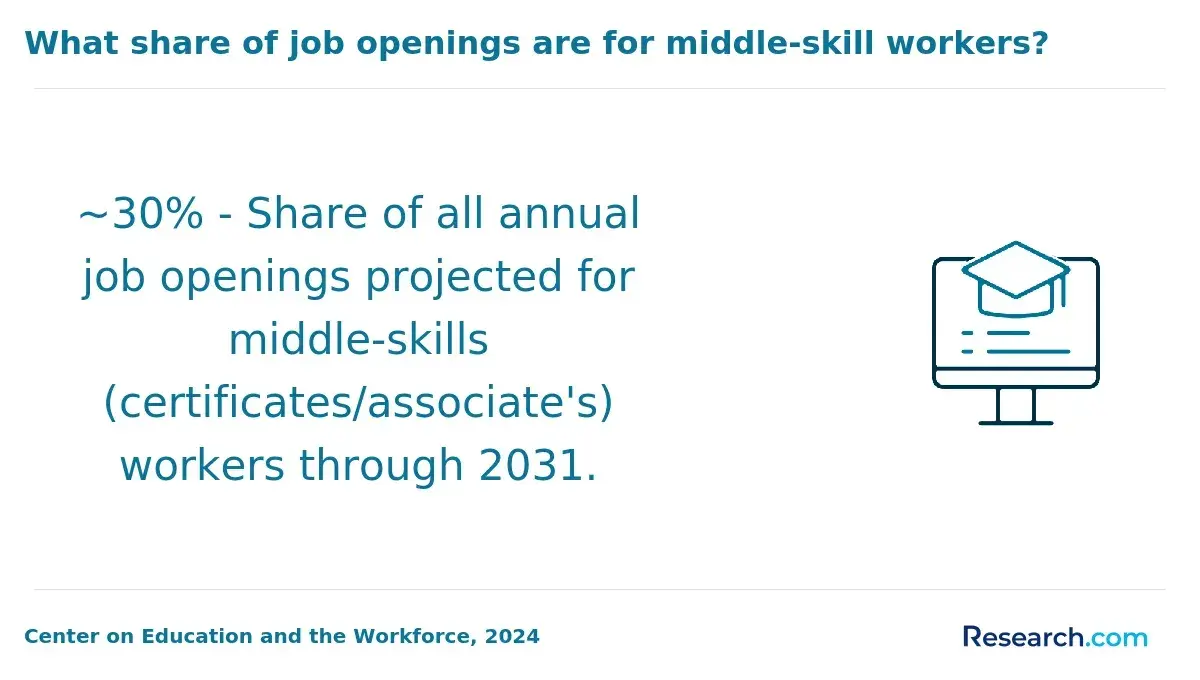
Graduates with an interior design degree often find opportunities beyond traditional design roles, as their expertise adapts well across various sectors that remain resilient during economic uncertainty. In fact, roughly 40% of commercial renovation projects sustain funding despite downturns, illustrating this flexibility.
Below are key fields where interior design skills are in demand, along with typical roles graduates may assume.
- Healthcare: Interior designers contribute to creating safe and healing environments in hospitals, clinics, and senior care facilities. Positions like medical facility designer and healthcare space planner focus on balancing regulatory compliance with patient comfort and hygiene.
- Government and public infrastructure: Designers support federal, state, and local projects involving schools, libraries, and community centers. Common roles include project coordinator and facilities consultant, ensuring spaces are functional and meet public needs consistently.
- Education: Universities and K-12 institutions hire sustainable design specialists and adaptive reuse consultants to improve learning spaces and renovate existing structures while managing budgets effectively.
- Commercial real estate: Corporate offices and essential retail spaces seek designers who prioritize space efficiency and brand consistency. Corporate interior designers and retail space planners help businesses accommodate evolving work models.
- Hospitality: Hotels and resorts rely on interior designers to enhance the durability and aesthetics of guest rooms and facilities, often hiring refurbishment consultants and hotel interior designers who understand market competition.
When speaking with a professional who earned an online interior design degree, he shared the uncertainties of shifting between sectors. "Initially, I wasn't sure how my skills would translate outside retail design," he said.
Yet, by embracing roles in project coordination within public infrastructure and healthcare projects, he found rewarding challenges in adapting to varied regulations and client expectations. "It required learning fast and being flexible," he added, emphasizing how overcoming those hurdles broadened his career possibilities beyond his original plans.
Interior design roles within the public sector, such as positions in government agencies, universities, or non-profit organizations, generally provide greater employment stability than those in the private sector. These jobs benefit from consistent funding sources and typically safeguarded budgets, reducing the risk of layoffs during economic downturns. Projects funded by the public sector, especially in cultural or educational fields, often proceed uninterrupted through recessions, offering steadier employment.
Additionally, these roles often come with clear career advancement paths and benefits like pensions, which further contribute to job security. In contrast, private sector interior design jobs found in corporate environments, commercial development, or startups can be more unpredictable. Market fluctuations heavily influence hiring and project continuity, leading to greater vulnerability during economic contractions. However, the private sector may offer faster career growth and exposure to a wider variety of innovative projects.
Data shows that turnover rates in public sector interior design positions are significantly lower than those in private companies during recessions. Graduates should carefully balance their appetite for risk with their career goals-opting for public roles if stability is a priority or choosing the private sector to pursue rapid professional development and diverse experiences.
Geographic location significantly impacts job stability for interior design graduates, as certain areas serve as key industry centers. Below are three states where career prospects in interior design tend to be more resilient against economic downturns.
- California: This state maintains a large concentration of interior design positions due to its thriving real estate and luxury housing markets, combined with growth in the technology sector. These elements consistently drive demand for professionals skilled in both commercial and residential design.
- Texas: Rapid urban development and extensive infrastructure projects, including energy and corporate expansions, support a diverse economy. This variety creates continuous opportunities for interior designers in commercial, healthcare, and manufacturing environments.
- Florida: The state's robust tourism industry, beachfront developments, and an aging population in need of specialized residential design contribute to sustained demand. These factors make it a promising location for interior design roles less affected by economic shifts.
Labor projections indicate that interior design jobs in these regions will grow notably faster than the national average in design-related fields, highlighting their strength through economic challenges. Interior design students focusing on these markets may find more consistent employment aligned with their qualifications, especially in sectors that better withstand recession impacts.
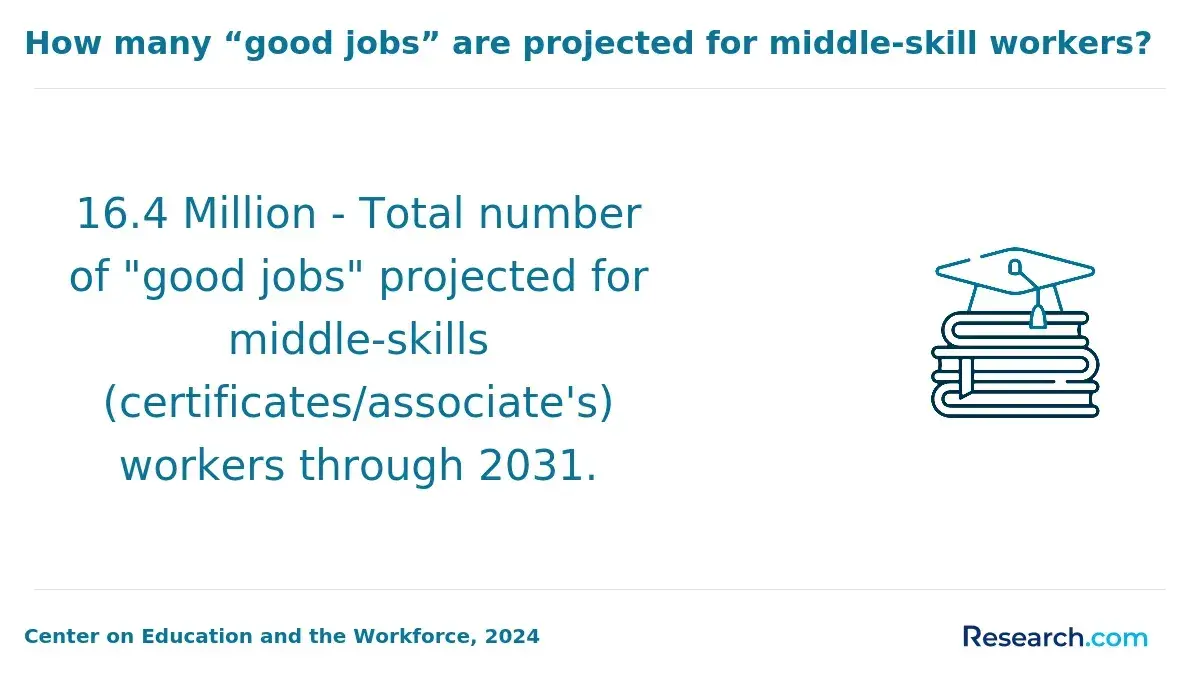
Post-graduate credentials and continuing education can act as a layoff shield by validating specialized, high-demand expertise in interior design-helping professionals withstand economic downturns. Industry data shows that designers with at least one professional certification face a 25% lower unemployment rate during recessions compared to their non-certified peers.
The following certifications highlight pathways to recession-resistant interior design careers.
- NCIDQ Certification: The National Council for Interior Design Qualification (NCIDQ) is widely recognized across North America and often required for commercial interior design roles. It assures expertise in regulatory compliance and safety standards, making credential holders valuable in healthcare, hospitality, and corporate sectors-industries less affected by recessions.
- LEED Accredited Professional: Leadership in Energy and Environmental Design (LEED) accreditation focuses on sustainable, energy-efficient design practices. Interior designers with this certification are increasingly sought for their green building knowledge, a niche supported by regulatory incentives and rising client demand.
- Certified Aging-in-Place Specialist (CAPS): This certification targets modifications to accommodate an aging population. Demand for CAPS professionals remains steady in economic downturns as these adaptations are essential for health, safety, and quality of life in residential environments.
- Project Management Professional (PMP): PMP certification enhances skills in managing complex interior design projects. It is particularly valuable in overseeing large commercial or institutional designs, where project funding often persists even during recessions.
These interior design certification programs for recession-proof careers not only increase job security but also position designers to tap into specialized markets with sustained demand. For those aiming to broaden their career options further, pursuing an online MBA entrepreneurship degree can complement design expertise with essential business acumen, opening additional recession-resistant pathways.
Continuously enhancing your skill set makes you a more indispensable professional, especially when companies reorganize during economic slowdowns. Below are five essential skills that interior design graduates should develop to increase their employment stability and adapt to changing industry demands.
- Advanced Digital Skills: Proficiency in 3D modeling and rendering software like AutoCAD, SketchUp, and Revit helps designers create compelling visual presentations that improve communication with clients and contractors. These skills are crucial for roles focused on technical design and client engagement.
- Sustainability Knowledge: Gaining expertise in green building certifications and sustainable materials positions designers to meet growing demand for eco-friendly solutions. This capability not only enhances employability but also aligns with market trends favoring environmental responsibility in interior design projects.
- Project Management: Competence in budgeting, scheduling, and coordinating resources enables designers to oversee projects from concept through completion. This leadership ability is prized in roles that require balancing creative vision with practical execution, thus increasing job resilience.
- Collaborative Skills: Working effectively alongside architects, engineers, and contractors streamlines workflows and integrates interior and exterior planning. Such teamwork skills open opportunities in multidisciplinary project environments where seamless coordination is essential.
- Business and Client Relations: Strong communication, negotiation, and marketing skills empower designers to independently secure projects and thrive in freelance or consulting capacities. Training in these areas complements technical skills and expands career pathways.
Interior design graduates looking to improve their job security should focus on acquiring advanced digital rendering skills and sustainability certification training. This combination boosts employability and positions professionals to meet dynamic client needs. For those interested in expanding their qualifications further, exploring master's in data science online can offer complementary analytical skills valuable in design and project analytics.
School prestige can significantly influence the stability of jobs for interior design graduates. Employers often associate well-known institutions with high-quality education and reliable skill sets, making graduates from these schools more attractive candidates during economic downturns. This reputation can provide a buffer against the uncertainties that many industries face during recessions.
Graduates from prestigious interior design programs typically gain a valuable networking advantage. Access to alumni networks, industry connections, and exclusive internships often leads to better job opportunities. These relationships can open doors to positions in established firms or niche markets, enhancing career resilience.
Nevertheless, graduates from any accredited interior design program can remain competitive by demonstrating proven performance and professional skills. Employers value practical experience, portfolio quality, and adaptability-traits that help designers thrive even without the brand-name advantage of their alma mater.
Proactively preparing for a career in interior design is crucial to bridge academic knowledge with the dynamic demands of the industry. This approach not only raises employability but also enhances job stability amid competitive market conditions. Below are practical strategies students can adopt to strengthen their readiness.
- Internship Experience: Gain hands-on exposure by engaging in internships or cooperative education placements that involve actual projects. These opportunities help develop practical problem-solving and client interaction skills beyond the classroom setting.
- Creative Collaboration: Participate in design contests or community initiatives to showcase originality and teamwork. Such involvement demonstrates adaptability and a commitment to real-world challenges.
- Technical Skills Development: Master industry-standard software like AutoCAD, SketchUp, and Revit to meet employers' expectations for technical proficiency. Continuous learning in these tools is essential for staying current.
- Sustainability Knowledge: Attend workshops or earn certifications focused on sustainable design principles and updated building codes. This expertise is increasingly valuable as environmental considerations shape the field.
- Portfolio Building: Compile a diverse professional portfolio that emphasizes varied project types and integrates client feedback. A well-rounded portfolio reflects both creativity and client-focused execution.
A professional who completed an online interior design bachelor's program shared insights on navigating the job market. He reflected on the initial anxiety about competing with peers who had more traditional schooling but found that consistent networking and seeking feedback helped ease this tension.
"It wasn't just about the degree-it was committing to continuous skill enhancement and being open to constructive criticism," he noted. He described moments when projects felt overwhelming but emphasized that persistence and leveraging mentors ultimately reinforced his confidence and career prospects.
Recession-resistant interior design careers salary averages around $65,000 annually, reflecting a premium of approximately 10% above the typical interior design pay. Roles in specialized markets such as healthcare design, sustainable design, and corporate workspace planning offer both competitive compensation and stability due to their alignment with industries that maintain spending even during downturns. These niches require professionals skilled in navigating strict regulations while delivering functional and efficient environments.
Within recession-resistant interior design careers, healthcare and government facility designers generally earn more due to continuous demand, while some other sectors provide steady but lower income levels. Despite income variation, stable employment prospects remain strong across these areas as organizations prioritize compliant, wellness-focused spaces. The average pay for interior design jobs during economic downturns highlights this resilience, particularly for those who adapt and specialize.
Income fluctuations among interior design professionals also depend on factors such as their industry, employer size, and location. Additionally, earning certifications like NCIDQ and LEED can boost salaries by an average of 7%, contributing to real wage growth despite inflation. Investing in advanced education or credentials, such as pursuing an art therapy master's, can further enhance earning potential and career flexibility in adjacent fields.
What Graduates Say About Their Career After Getting a Degree in Interior Design
- Jase: "Pursuing a degree in interior design was a strategic choice for me because I was drawn to the blend of creativity and functionality in spaces. The coursework sharpened my attention to detail and client communication skills, which set me up for success in a market that values adaptability. This degree opened doors to a stable career in healthcare facility design, a sector that remains strong even during downturns."
- Kyro: "Reflecting on my journey, studying interior design gave me a unique perspective that many in my field lack - particularly in sustainable and ergonomic solutions that businesses need regardless of economic conditions. It equipped me with technical proficiency and problem-solving skills that made me valuable in commercial real estate, which helped me maintain job security through economic shifts. The degree truly laid a solid foundation for a recession-resistant career."
- Aaron: "From the start, I chose interior design because I wanted a career that combined artistic expression with real-world impact. The program prepared me well by teaching software, project management, and how to work under pressure, all essential in my current role in corporate design consulting. Having this specialized education has been instrumental not just for creativity but also for ensuring I remain indispensable in an unpredictable economy."
Other Things You Should Know About Interior Design Degrees
To secure a recession-resistant career in interior design by 2027, essential skills include project management, expertise in sustainable design, and proficiency in digital design tools. These skills enhance adaptability and marketability, allowing interior designers to meet evolving industry demands during economic uncertainty.
In 2027, interior designers can find job stability by specializing in healthcare design, sustainable design, or senior living spaces. These sectors often remain stable or even grow during recessions, as they are essential services that continue to require design expertise despite economic downturns.
Employers commonly expect AutoCAD, Revit, and SketchUp, plus Adobe Photoshop or InDesign for presentations. Commercial space-planning roles often also use Bluebeam and Microsoft Excel for markups, schedules, and budgets. A portfolio showing floor plans, furniture layouts, and code-aware drawings is usually required.
- Career Opportunities in Interior Designing: A Guide for Graduates https://jgu.edu.in/blog/2024/02/24/career-opportunities-in-interior-designing-for-graduates/
- Did the Recession Make Interior Design Stronger? - RMJM https://rmjm.com/did-the-recession-make-interior-design-stronger/
- Job Outlook for Interior Designers https://www.coohom.com/article/job-outlook-for-interior-designers
- Preparing Your Interior Design Business for a Recession | Design Manager | Design Manager https://www.designmanager.com/blog/what-a-recession-could-mean-for-interior-designers
- Find ways to survive the global recession as an interior designer https://www.interiordezine.com/how-do-you-survive-the-global-recession-as-an-interior-designer/
- Are Interior Designers in Demand? https://pro.houzz.com/pro-learn/blog/startup-guide-interior-design-employment-outlook
- Best and Worst States & Cities in the U.S. for Interior Designers https://www.theaterseatstore.com/blog/best-worst-cities-interior-designers
- Interior Design Salary Guide - H Δ U S https://hauscareers.com/salary-guides/interior-design-salary-guide/
- Reading the room – how recession influences interior design https://www.europeanceo.com/lifestyle/reading-the-room-how-recession-influences-interior-design/
- How nine interior designers got their jobs (plus their advice for someone hoping to do the same) https://www.houseandgarden.co.uk/gallery/how-to-become-an-interior-designer-career-advice