2027 Most Flexible Careers You Can Pursue With an Interior Design Degree: Remote, Hybrid, and Freelance Paths

Co-Founder and Chief Data Scientist
As the demand for flexibility in professional roles intensifies, many seeking careers related to interior design reevaluate traditional office-based paths. A growing number of recent graduates and career switchers prioritize work-life balance and location independence when exploring their options. The interior design industry supports a variety of roles that harness skills in creativity, project management, and digital visualization, which adapt well to remote, hybrid, and freelance environments.
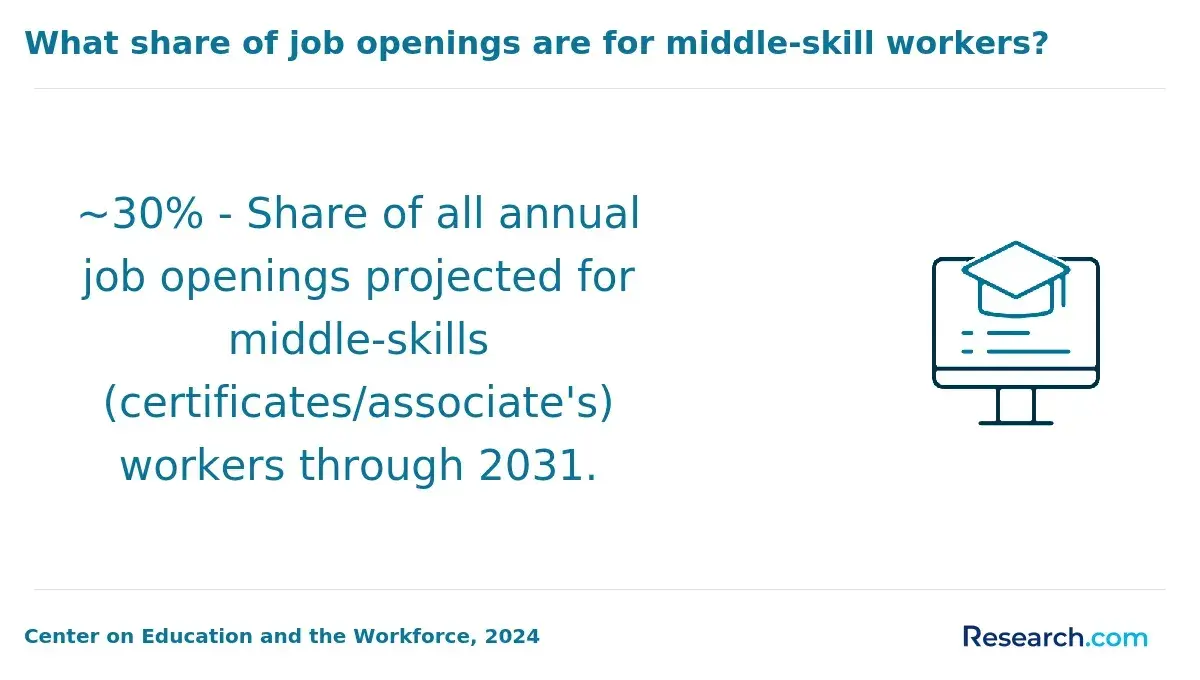
According to the U.S. Bureau of Labor Statistics, employment in interior design-related occupations is expected to grow 4% through 2031, emphasizing steady opportunities in diverse settings. This article explores flexible career paths for interior design degree holders, helping readers navigate remote, hybrid, and freelance models effectively.
Key Benefits of Flexible Careers You Can Pursue With a Interior Design Degree
- Remote, hybrid, and freelance interior design roles broaden job access by removing geographical barriers, enabling talent to engage with diverse projects worldwide.
- Flexible work arrangements promote improved work-life balance, allowing interior designers to adapt hours and environments to personal and professional needs.
- Non-traditional paths in interior design often provide competitive income and sustained growth opportunities, with industry shifts favoring versatile and entrepreneurial professionals.
What are the most flexible careers for interior design graduates?
Flexibility in careers for interior design graduates is shaped more by the nature of the work than by specific job titles. Autonomy in where and how work is carried out often depends on task structures and workflows, allowing for varied arrangements such as remote or hybrid formats. Nearly 58% of professionals in creative fields now engage in flexible work setups, a trend that continues to rise as digital tools advance.
Several types of career structures enable interior design graduates to pursue adaptable workstyles:
- Project-Based Work: This involves completing defined assignments or phases with focused bursts of activity, giving room for flexible scheduling and location choices between projects. It aligns well with those seeking periodic autonomy within their professional timelines.
- Digital/Remote-Enabled Roles: Leveraging online platforms for design research, drafting, and client interaction, these roles can be fully virtual. They suit graduates seeking high-paying remote roles for interior design graduates that do not require physical presence.
- Advisory or Consulting-Based Work: Offering expert guidance from a distance, this work is often contractual and allows control over client engagements and timing. It supports a lifestyle balance by combining professional input with flexibility.
- Independent Contract-Based Work: Freelance or contract work lets graduates choose projects and set terms independently without fixed office demands. This path appeals to those prioritizing freedom in how and where they practice interior design.
These flexible career options help interior design graduates tailor their professional lives to personal preferences. For those exploring innovative fields, considering degrees in AI can also broaden future opportunities that blend creativity with technology.
Which industries offer the most flexible jobs for interior design graduates?
Flexibility in jobs for interior design graduates varies significantly across industries due to differences in project timelines, client needs, and technical duties. A 2023 U.S. Bureau of Labor Statistics report highlights that about 30% of creative and design-related roles offer remote or hybrid work options, with technology- and client-focused sectors leading this trend.
This makes some fields more adaptable for interior design professionals seeking remote, hybrid, or freelance career options for interior design graduates.
Several industries particularly stand out for supporting flexible work arrangements:
- Residential Design: This industry often provides considerable flexibility as much of the work can be done virtually using digital planning tools and video consultations with clients, allowing for remote or hybrid schedules.
- Commercial Real Estate and Development: Project-based workflows enable interior designers to alternate between on-site visits and off-site conceptual design, effectively supporting hybrid work models.
- Hospitality and Tourism: With cyclical projects that frequently rely on freelance and consulting arrangements, professionals can manage much of the work remotely until site supervision is required, fostering a freelance lifestyle.
- Retail Design: The creative process here can be partially virtualized, offering flexible timelines and opportunities to work remotely during initial phases of design.
- Furniture and Product Design: Designers contribute to innovation and prototype development remotely, collaborating with geographically dispersed teams, which enhances flexibility.
Technological advances such as 3D modeling, virtual walkthroughs, and collaborative software reduce the need for constant on-site presence. These tools help interior design graduates pursue work arrangements that better fit their lifestyle preferences. Students aiming to enter these fields may find it beneficial to pursue a bachelor degree online in 2 years to quickly access opportunities in flexible interior design jobs in various industries.
What remote jobs can you get with an interior design degree?
Advancements in technology have broadened the scope of remote opportunities for interior design graduates. A recent U.S. Bureau of Labor Statistics report highlights that nearly 30% of professional roles now support remote work, making online positions increasingly feasible for this field. Many interior design tasks relying on digital tools and communication can be effectively executed from home.
Below are several remote roles well-suited for those with an interior design degree:
- Remote Interior Designer: Creating design concepts and selecting materials for residential or commercial spaces virtually, this role leverages digital platforms to collaborate without frequent onsite visits.
- Design Consultant: Offering expert design guidance through video calls and emails, enabling personalized client support worldwide without face-to-face meetings.
- CAD Drafter: Producing detailed technical drawings and plans entirely using computer-aided design software, a task perfectly adaptable to remote completion.
- Visual Merchandiser: Developing engaging visual layouts for retail or online stores by coordinating with marketing teams remotely through digital tools.
- Project Coordinator: Managing project timelines, budgets, and stakeholder communication via online management systems, allowing oversight without physical presence.
When I spoke with an interior design graduate working remotely, he shared how transitioning to a home-based workflow posed initial challenges, especially in maintaining clear communication across time zones. He explained, "Adjusting to coordinating entirely through screens meant rethinking how I present ideas and keep clients engaged."
Despite occasional frustrations with technology glitches, he appreciates the flexibility but stresses the importance of disciplined scheduling and proactive outreach to ensure projects stay on track. His experience highlights the evolving nature of remote interior design work beyond traditional studio environments.
Hybrid jobs for interior design graduates merge in-person and remote work, enabling a flexible balance between hands-on tasks and digital responsibilities. A 2023 Gartner study found that 72% of workers prefer flexible hybrid models, reflecting a shift toward adaptable workplace structures. These roles support varied work environments and suit those seeking flexible career options in interior design hybrid roles.
Common hybrid positions include:
- Project Designer: Manages design projects by collaborating with clients and contractors during site visits, while completing design concepts and technical drawings remotely to maintain workflow flexibility.
- Design Consultant: Engages with clients face-to-face to assess spaces and collect requirements, then conducts product research and prepares reports from remote settings.
- Lighting Designer: Oversees on-site lighting surveys and installations, supplemented by remote development of lighting plans and simulations to optimize design outcomes.
- Showroom Designer: Handles client visits and merchandising at the showroom, balancing these with remote work on design updates and order management.
These roles rely on agile scheduling, allowing graduates to transition between collaborative in-person meetings and focused remote work periods. Those exploring a low cost masters degree online may find such hybrid roles particularly appealing to align education with evolving work trends.
Freelance work offers interior design graduates the chance to engage in flexible, project-focused roles that allow control over their workload and schedules. The freelance sector continues to expand, with over 60 million Americans involved in such work as of 2023, highlighting strong growth across professional fields. Many freelance positions align well with the skills and independence sought by interior design professionals.
The following freelance roles are common options for interior design graduates:
- Freelance Interior Designer: Managing all stages of design projects, from initial concept to final installation, typically on a contract basis. Freelancers collaborate directly with clients or design firms, tailoring residential or commercial spaces to specific aesthetic and functional needs.
- 3D Visualizer or Renderer: Creating detailed digital images and animations to help clients envision proposed interiors. These specialists work project-by-project, producing visual content that aids design approval and planning.
- Consultant or Advisor: Offering expert guidance on layouts, materials, and compliance issues. These short-term engagements involve reviewing plans and providing professional recommendations tailored to client goals.
- Content Creator or Educator: Developing articles, tutorials, or educational workshops related to interior design. Freelancers in this role often work per assignment or contract, shaping industry knowledge in various formats.
When asked about her freelance journey, a designer shared how navigating varied client expectations and project scopes can be both challenging and rewarding. She explained, "Building trust remotely demands clear communication and delivering quality that matches each client's vision." While managing multiple projects at once requires strong organization, the ability to choose assignments and adapt creatively keeps her motivated and satisfied in her career.
Success in remote and flexible roles requires a combination of skills that enable professionals to work independently and stay connected with colleagues across digital platforms. A 2023 study revealed that 85% of remote workers who excelled in digital collaboration and self-management reported higher performance, highlighting the importance of these capabilities.
The following key skills are essential for interior design graduates navigating flexible work environments.
- Effective Communication: Clear and precise communication is crucial to avoid misunderstandings when in-person interaction is limited. Using emails, video conferencing, and messaging tools effectively ensures project goals and design updates are well conveyed to all parties.
- Digital Literacy: Proficiency with design software, project coordination tools, and virtual collaboration platforms enables seamless idea sharing and timely feedback, which are critical in remote settings.
- Time Management: Balancing multiple deadlines without direct oversight demands strong organizational skills. Prioritizing tasks and planning schedules helps maintain consistent productivity and meet project milestones.
- Self-Motivation and Discipline: Remote work requires individuals to independently initiate tasks and maintain focus despite distractions. Developing these traits fosters accountability and steady progress.
- Adaptability: Flexibility with new technologies and evolving workflows allows professionals to adjust smoothly to changing circumstances and continue growing within dynamic work environments.
Flexible work arrangements in interior design continue to provide significant earning opportunities by harnessing specialized expertise and adapting to evolving professional environments. Remote, hybrid, and freelance roles enable interior design graduates to access high-paying positions while enjoying autonomy and varied schedules. These structures support lucrative careers without the traditional constraints of fixed office hours or locations.
Consider some of the top flexible roles available in this field:
- Senior Interior Designer (Hybrid/Remote): Earning between $70,000 and $110,000 annually, senior interior designers manage design projects and coordinate teams. The hybrid and remote nature of this role is becoming more prevalent as technology supports collaborative work beyond conventional office settings, making it a high-income yet flexible option.
- Interior Design Consultant (Freelance/Remote): Freelance consultants typically earn $60,000 to $100,000 by providing expert design advice to various clients remotely. This role offers income potential due to flexible hours and a broad range of projects.
- Commercial Space Planner (Hybrid): With salaries from $65,000 to $105,000, these planners focus on optimizing workplaces and retail environments. Their hybrid work setup balances on-site visits with remote planning, reflecting the strategic value of their role in maximizing space efficiency.
- Project Manager (Hybrid): Project managers in interior design earn between $75,000 and $115,000 by overseeing budgets and timelines. Their hybrid work model, combining site visits with remote administration, justifies higher pay due to expanded responsibilities.
- Luxury Residential Designer (Freelance/Hybrid): Targeting high-end markets, these designers earn $80,000 to $130,000. Their flexible freelance or hybrid schedules adapt to client needs, with premium rates reflecting the luxury segment's demand.
Each of these roles demonstrates that strong earning potential and flexible work modes effectively coexist in the interior design profession for graduates pursuing diverse career paths.
Flexible careers, including remote, hybrid, and freelance roles, offer interior design graduates valuable lifestyle options but also present challenges related to structure, stability, and professional growth. Approximately 20% of remote workers report feelings of professional isolation, highlighting a notable concern for those in flexible work arrangements. These challenges can affect productivity and long-term career development in interior design fields.
Several disadvantages of flexible career options in interior design remote jobs include the following:
- Inconsistent Structure: Flexible roles often require self-management without the regular routines found in traditional offices. This can make it difficult for interior design graduates to maintain consistent productivity and meet deadlines effectively.
- Reduced Collaboration: Interior design thrives on creative teamwork, but remote or freelance settings can isolate individuals from mentors and peers. This limits spontaneous feedback and brainstorming opportunities essential for design innovation.
- Unclear Career Progression: Without frequent interaction with supervisors, it can be challenging to showcase skills or receive constructive evaluations. As a result, advancing in flexible interior design careers may be slow or ambiguous.
- Variable Workload: Flexible positions tend to have fluctuating workloads, causing periods of intense projects followed by downtime. This unpredictability can lead to financial stress, impacting stability for recent graduates.
- Limited Professional Development: Many workshops and training sessions happen during fixed hours or in traditional environments, restricting access for those pursuing flexible careers. Staying updated and connected can therefore be difficult.
Interior design graduates exploring flexible career paths should carefully weigh these challenges alongside the benefits. Those interested in combining education with career flexibility might also consider specialized programs such as the top MBA online, which can enhance leadership skills relevant to navigating remote and hybrid design roles.
Graduates holding an interior design degree seeking flexible job options can take advantage of the evolving professional landscape where about 58% of all professional jobs now offer remote, hybrid, or freelance roles. These flexible opportunities are becoming increasingly available as employers adapt to diverse working preferences and lifestyles. This trend opens new pathways for those aiming to balance career and personal needs.
To effectively find flexible jobs after graduation, interior design graduates can consider the following strategies:
- Online Job Platforms: Specialized websites focusing on remote and freelance positions often list a variety of interior design projects. These platforms enable candidates to filter searches specifically for flexible schedules, making it easier to find remote interior design jobs that fit individual needs.
- Networking Opportunities: Engaging with professional associations, alumni groups, and industry events helps graduates build connections with employers and clients who prioritize hybrid interior design careers for graduates. Such relationships often lead to discovering unadvertised flexible roles.
- Company Career Portals: Many organizations now update their job listings to highlight hybrid or remote work options tailored for design professionals. Regularly monitoring these portals can uncover flexible job openings within established firms.
- Project-Based Work: Participating in contract or freelance projects not only provides valuable experience but also can lead to ongoing, flexible engagements that suit varied schedules and preferences.
- Social Media and Forums: Design-specific online communities and social media channels serve as informal but effective ways to discover niche flexible roles and freelance opportunities.
For graduates interested in further enhancing their qualifications in related fields, programs such as the slp post baccalaureate program online offer flexible learning options that complement design skills in diverse professional settings.
Interior design graduates face important choices when exploring flexible work options like remote, hybrid, or freelance roles, which are becoming increasingly popular. Research indicates that about 60% of professionals consider flexibility a key factor in job satisfaction, highlighting how crucial it is to select a path that supports both career goals and lifestyle needs. Several considerations can guide these decisions.
Key points to weigh include:
- Work Structure Preferences: Reflect on how much independence or routine you want daily. Some individuals thrive with set schedules, while others prefer autonomy and varied tasks.
- Long-Term Stability: Consider whether the career path offers reliable income and professional growth over time, which can impact financial security and career progression.
- Exposure to Opportunities: Evaluate how much variety in projects and clients the role provides, as this can enhance skills, broaden networks, and increase adaptability.
- Alignment with Working Style: Determine if you work best collaborating in teams or focusing solo, as this affects job satisfaction and productivity in different flexible settings.
- Work-Life Balance Impact: Examine how flexible schedules might support personal commitments and well-being, ensuring your career doesn't come at the expense of your lifestyle.
What Graduates Say About Flexible Careers You Can Pursue With a Interior Design Degree
- Jase: "Graduating with an interior design degree opened up a world of flexible work options for me. I quickly realized that remote work enabled me to collaborate with clients globally without being tied to one location. This flexibility has allowed me to balance my creative passion with my personal life seamlessly."
- Kyro: "Reflecting on my journey, the hybrid work setup stands out as a perfect blend of structure and freedom in the interior design field. Being able to visit project sites while also having dedicated time to focus on design work from home has enhanced my productivity and creativity. Additionally, this approach fosters stronger client relationships through face-to-face interactions."
- Aaron: "Becoming a freelancer after earning my degree in interior design was a transformative choice. It gave me the freedom to pick projects that align with my style and values while managing my own schedule. The autonomy this path offers has pushed me to grow both professionally and personally, making every project feel truly my own."
Other Things You Should Know About Interior Design Degrees
Yes, proficiency in software like AutoCAD, SketchUp, and Adobe Creative Suite is essential for remote or freelance interior design work. These tools facilitate client collaboration and design presentation, and industry demands expect graduates to be adept in using them by 2027.
Technology is crucial for flexible interior design careers, especially for remote and freelance positions. Tools like 3D modeling software, virtual reality, and project management platforms enable designers to collaborate with clients and contractors from anywhere. Mastery of these technologies directly affects a designer's ability to manage projects without being physically present on-site.
In 2027, remote interior design professionals may face some limitations in handling large-scale projects due to the necessity of on-site assessments. However, flexibility in remote work allows designers to undertake various small to medium-sized projects globally, broadening their client base and enhancing cross-cultural design experience.
Freelancing in interior design offers flexibility but may come with income variability and less job security than traditional employment. Success depends heavily on networking, client acquisition, and self-promotion skills. Growth potential exists through building a strong portfolio and reputation, which can lead to repeat business and referrals, but it requires consistent effort and discipline.
- Artwork of a gum leaf symbolising ‘welcome’ and acknowledging diverse countries, environments, communities, cultures, beliefs, and history. https://www.seek.com.au/interior-design-graduate-jobs
- Transferable Skills for an Interior Designer https://www.careersindesign.com/blog/transferable-skills-for-an-interior-designer
- The 5 pros and cons of remote work and being a freelance designer https://www.process-masterclass.com/the-5-pros-and-cons-of-remote-work-and-being-a-freelancer
- Top 12 Career Paths You Can Take as an Interior Designer https://www.dreamzone.co.in/blog/top-12-career-paths-you-can-take-as-an-interior-designer/
- Benefits of an Interior Design Course for Your Career https://nifglobalkolkatalindsay.com/benefits-of-an-interior-design-course/
- Interior Design Course Selection: Find the Perfect Fit for Your Career Goals https://www.jagannathuniversityncr.ac.in/blogs/interior-design-course-selection-for-your-career-goals
- How to Become an Interior Designer: Everything You Need to Know | Architectural Digest https://www.architecturaldigest.com/story/how-to-become-an-interior-designer-everything-you-need-to-know
- Apply For Our Interior Design Remote Jobs | Decorilla https://www.decorilla.com/interior-design-remote-jobs
- Interior Design Career Paths: Guide to Roles & Growth https://www.pearlacademy.com/blog/interiors/interior-design-career-paths
- Interior Designer Jobs With Top Global Clients | Twine https://www.twine.net/jobs/interior-designers