2027 How to Verify Accreditation for Christian Counseling Degree Programs

Co-Founder and Chief Data Scientist
Many prospective students enrolling in christian counseling degree programs face challenges determining whether their chosen school holds proper accreditation. Without verified accreditation, students risk ineligibility for federal financial aid and encounter difficulties pursuing licensure or employment.
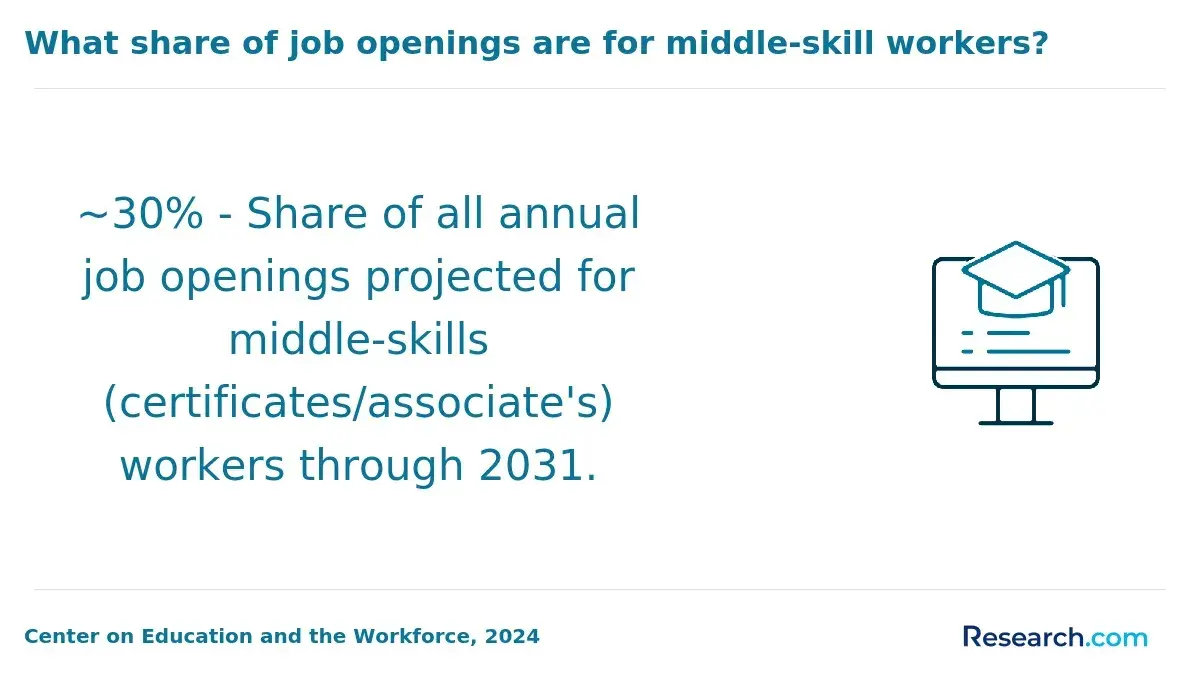
Recent studies show that over 30% of employers in faith-based counseling services prefer candidates from accredited programs, underscoring the need for due diligence. This article explores key methods for verifying accreditation, helping students confirm academic credibility and secure long-term career opportunities in christian counseling.
Key Benefits of Accredited Christian Counseling Degree Programs
- Accreditation ensures academic quality, meaning programs meet rigorous educational standards essential for effective training in Christian Counseling.
- Only accredited Christian Counseling degrees qualify students for federal financial aid, increasing access to affordable education amid rising tuition costs.
- Employers and licensure boards often require graduation from accredited Christian Counseling programs, facilitating employment and professional credentialing across states.
What Does Accreditation Mean for Christian Counseling Degree Programs?
Accreditation is a formal process through which colleges and universities are evaluated by recognized agencies to ensure their programs meet established standards of quality and rigor. For Christian Counseling degree programs, this means the curriculum, faculty credentials, and institutional resources comply with criteria set by bodies such as the Council for Higher Education Accreditation or specialized counseling accreditors.
More than 80% of students enroll in accredited programs, demonstrating the importance of accreditation in Christian Counseling education as a marker of academic credibility and program legitimacy. This ensures prospective students can trust that the program offers a meaningful, well-structured educational experience.
Practically, accreditation means students can expect a Christian Counseling degree program to maintain consistent academic standards, employ qualified faculty, and use effective assessment methods that align with current counseling theories and ethical guidelines. Accreditation also signals ongoing program oversight aimed at improvement and student support.
Students seeking reputable online EdD programs or related degrees benefit by choosing accredited options that uphold these rigorous benchmarks, making informed decisions about their academic paths.
What Types of Accreditation Should a Christian Counseling Degree Program Have?
Accreditation is a key factor in assessing the quality and legitimacy of Christian counseling degree programs, influencing academic credibility and career opportunities. Recognizing different types of accreditation helps students make informed decisions about their education and professional future.
- Institutional Accreditation: This accreditation evaluates an entire college or university, ensuring the school meets broad academic and administrative standards. It plays an important role in credit transferability and employer recognition, which benefits students pursuing a Christian counseling degree program accreditation agencies evaluate.
- Programmatic or Specialized Accreditation: Focused specifically on counseling programs, this type assesses curriculum relevance and professional standards. It is often mandatory for licensure and ensures that graduates receive training aligned with industry and regulatory expectations.
- Regional vs. National Accreditation: Regional accreditation is generally viewed as more prestigious and widely accepted, making it easier to transfer credits and gain entry into graduate programs. National accreditation, while common in some institutions, may have more limited recognition, affecting financial aid and career prospects.
- Licensure-Related Accreditation: For those aiming to practice professionally, accreditation recognized by licensing boards is crucial. It ensures that the Christian counseling program meets the standards necessary for licensure preparation and eligibility, which directly impacts future employment.
Choosing a degree with the right accreditation can also affect eligibility for financial aid and professional development opportunities. When researching programs, students might also compare options for affordability and flexibility, as seen in resources like those for engineering degrees online, which highlight how accreditation influences program value across disciplines.
How Can You Verify If a Christian Counseling Degree Program Is Accredited?
Verifying accreditation is crucial for ensuring a Christian counseling degree program meets recognized standards, qualifies for federal financial aid, and supports licensure or career advancement. Confirming accreditation protects students from investing in unrecognized programs that may limit their professional opportunities.
Here are key steps to check legitimate accreditation for Christian counseling degrees:
- U.S. Department of Education Database: Use the official U.S. Department of Education website to search their comprehensive list of accredited postsecondary institutions and programs. This tool verifies federal recognition of the school's accreditation status, ensuring compliance with national educational standards.
- Council for Higher Education Accreditation (CHEA): Review the CHEA directory for institutions and programs accredited by agencies accepted as reliable and rigorous in academic quality assurance. This step confirms the accrediting body itself is reputable and recognized.
- Direct School Verification: Contact the admissions or registrar's office of the program offering the Christian counseling degree. Request accreditation documentation and details about the accrediting agency to cross-check legitimacy and accreditation scope.
- Programmatic Accreditation: Some counseling degrees hold specialized accreditation from bodies like the Council for Accreditation of Counseling and Related Educational Programs (CACREP). Verifying this additional accreditation enhances confidence in the program's specific professional standards.
To explore further how accreditation affects your education choices, consider resources such as online executive MBA programs that also emphasize accreditation verification.
Identifying warning signs of unaccredited Christian counseling programs is vital to protect academic recognition, access financial aid, and secure valid career or licensing paths. Prospective students should carefully evaluate these indicators before committing:
- Claims of "Lifetime" Accreditation: Genuine accreditation involves regular reviews and renewals to uphold educational quality. Programs claiming lifetime accreditation may be misleading, suggesting they lack oversight or use fabricated credentials.
- Unrecognized Accrediting Agencies: The accreditor should be recognized by the U.S. Department of Education or the Council for Higher Education Accreditation (CHEA). Programs linked to unknown or unofficial accrediting bodies often result in degrees that are not respected by employers or licensure boards.
- Suspiciously Low Tuition: Extremely inexpensive programs might compromise on curriculum quality or qualified faculty. While affordability matters, unusually low costs warrant additional scrutiny to ensure educational rigor and legitimacy.
- Vague Program Details: Legitimate programs transparently describe their coursework, practicum requirements, and licensure prospects. Programs that avoid specifics or use ambiguous language about outcomes could be hiding deficiencies.
Online Christian Counseling degree programs can indeed be accredited, ensuring they meet rigorous standards for instructional quality, measurable learning outcomes, and ongoing institutional oversight similar to traditional campus programs. Accreditation matters because it confirms academic legitimacy, enables access to federal financial aid, and supports graduates' acceptance by employers and licensing authorities.
Data from the National Center for Education Statistics shows that nearly 75% of students in distance education enroll in accredited institutions, underscoring a widespread commitment to quality in online learning. This parity in accreditation standards helps ensure that students receive credible and valuable education regardless of the delivery format.
A graduate of an online Christian Counseling degree shared reflections when asked about accreditation. He recalled initially feeling uncertain about whether his online program was respected by employers and licensing boards. Navigating through accreditation agency databases and connecting with alumni helped reassure him that his degree carried weight.
"It wasn't just about the convenience of studying at home," he explained, "but knowing the program's credibility was crucial for my confidence in applying what I learned professionally." This process involved careful research and validation, which ultimately strengthened his sense of achievement upon graduation.
Accreditation is essential for students aiming to work in licensed or regulated Christian counseling professions because it directly influences eligibility for licensure and professional recognition. The following points illustrate how accreditation affects these critical areas:
- Licensure Exam Eligibility: Graduating from an accredited program typically qualifies candidates to take state-required professional licensure exams. Without this accreditation, students may be disqualified from sitting for these exams, hindering their ability to become licensed counselors.
- Licensing Board Standards: Most state and regional licensing boards mandate completion of education from programs accredited by recognized agencies. This requirement ensures applicants meet established academic and professional standards before entering practice.
- Employer and Regulatory Recognition: Degrees from accredited institutions are generally preferred or required by employers and regulatory bodies. Accreditation signals educational quality and accountability, which can influence job prospects, continuing education opportunities, and acceptance into professional organizations.
- Limitations of Non-Accredited Programs: Students enrolled in non-accredited Christian counseling programs may encounter barriers such as ineligibility for state licensure, inability to access federal financial aid, restricted credit transfers, and challenges finding employment in regulated settings.
Because licensure requirements and accreditation recognition vary by jurisdiction, prospective students should thoroughly verify both to protect their academic investment and future career options in Christian counseling.
Credits earned through an accredited christian counseling program may transfer to another institution, which is important for students who change schools, pursue advanced degrees, or relocate. Transferability depends on several key considerations affecting whether previous coursework is recognized and applied toward a new degree.
The following factors influence this process:
- Institutional Accreditation Type: Credits from schools accredited by nationally or regionally recognized agencies are more likely to be accepted because these accreditations verify that educational standards meet broader academic criteria.
- Course Equivalency and Curriculum Alignment: Transfer evaluations focus on whether the courses taken match the content, credit hours, and learning outcomes required by the receiving school. Significant differences can result in credit denial or the need to retake courses.
- Receiving School Transfer Policies: Each institution has specific rules for transfer credit acceptance, including how they treat credits from faith-based or specialized christian counseling programs, which can vary widely.
- Limits on Transfer Credits: Many schools impose caps on how many transfer credits count toward a degree, potentially restricting the number of christian counseling credits applied by transfer students.
When I asked a graduate of a christian counseling degree program about her experience transferring credits, she shared that navigating the process was both challenging and eye-opening. Although her original program was fully accredited, the receiving institution required detailed course descriptions and syllabi to assess equivalency, which delayed credit acceptance.
She recalled feeling anxious about whether her hard-earned credits would count but appreciated how communication with the registrar's office clarified the criteria and helped her plan her academic path. Ultimately, the experience reinforced the importance of verifying accreditation and understanding transfer policies before and during enrollment.
Accreditation is crucial for students seeking financial aid in Christian counseling programs, as it directly impacts eligibility for federal, state, and institutional support. About 85% of higher education financial aid is reserved for students enrolled in accredited institutions.
Several factors influence how accreditation affects financial assistance opportunities:
- Federal Aid Eligibility: Programs must be accredited by agencies recognized by the U.S. Department of Education to qualify for Title IV aid, including Pell Grants, Direct Loans, and Work-Study. Without this, students are often ineligible for federal funding, increasing their education costs significantly.
- State and Military Benefits: Many states require enrollment in accredited institutions for access to scholarships or tuition assistance. Likewise, military members and veterans need accredited programs to use GI Bill or military education benefits, ensuring their financial investment in education is protected.
- Institutional Scholarships: Colleges often restrict scholarships and grants to students in accredited programs, viewing accreditation as a mark of academic quality and program legitimacy, which enhances a student's chances of receiving institutional aid.
Accreditation is a critical factor for students pursuing Christian counseling careers, as it directly impacts job market credibility and career prospects. According to a National Board for Certified Counselors survey, graduates from accredited counseling programs have a 20% higher employment rate within six months compared to those from non-accredited programs.
Several key factors illustrate how recognized accreditation benefits career opportunities in Christian counseling:
- Employer Recognition: Employers prefer candidates from accredited programs because it assures them of the quality and rigor of the applicant's education. This preference often translates to quicker hiring and stronger consideration in competitive job markets.
- Professional Credibility: Graduates with accredited degrees are viewed as more trustworthy and competent by both employers and clients. This is especially important in christian counseling roles, which demand ethical practices and sensitive client interactions.
- Certification and Licensure Eligibility: Accreditation is often a prerequisite for obtaining advanced certifications or state licensure. These credentials are essential for career advancement and access to higher-level counseling positions within the field.
- Competitive Advantage: Attending an accredited program enhances opportunities for internships, fellowships, and employment by demonstrating adherence to respected academic standards. Without this, graduates may encounter barriers to entering or progressing in the profession.
Additionally, enrollment in accredited programs can influence financial aid access, helping students complete their degrees with fewer financial burdens. For those seeking flexible or accelerated studies, exploring an accelerated bachelors degree online from accredited institutions can also support quicker entry into the christian counseling workforce.
Accreditation plays a significant role in the earnings potential for graduates of Christian counseling programs. On average, those holding degrees from accredited programs earn between $45,000 and $55,000 annually, whereas graduates from non-accredited programs typically start with salaries ranging from $35,000 to $40,000.
Several factors contribute to these average salary differences for accredited Christian counseling degree holders:
- Employer Preference: Many employers prioritize candidates with accredited degrees because accreditation ensures academic rigor and curriculum quality. This preference opens doors to higher-paying positions, particularly within faith-based organizations and counseling centers.
- Licensure Eligibility: Accreditation is often mandatory for licensure or certification, which qualifies graduates for advanced roles with greater responsibilities and improved compensation structures.
- Industry Recognition: Holding an accredited degree enhances professional reputation and competitiveness in the job market, helping graduates secure preferred employment opportunities.
- Career Advancement: Long-term career growth commonly depends on recognized credentials. Accredited degree holders have better access to continued education, specialized training, and leadership roles that boost earning potential.
Prospective students researching Christian counseling should verify accreditation status, as it impacts not only initial salary but also sustained professional success. For those considering related educational pathways, exploring associates degrees may offer additional options to enter the field and build credentials.
What Graduates Say About Their Accredited Christian Counseling Degree
- Jericho: "Discovering how crucial accreditation was for my Christian counseling degree truly changed my approach to education. I spent considerable time researching various programs and verifying their accreditation through trusted agencies, ensuring my investment had lasting value. Graduating from an accredited program has not only deepened my knowledge but also opened doors professionally that I hadn't imagined possible. "
- Scarlett: "Reflecting on my journey, learning about accreditation was essential in distinguishing a legitimate Christian counseling degree from others. I carefully examined accreditation status through official channels and cross-checked with accrediting bodies to guarantee authenticity. Completing an accredited program has enhanced my credibility and confidence when working with clients, affirming the importance of those initial verification steps. "
- Abel: "My professional experience highlights the impact of graduating from an accredited Christian counseling degree program. Initially, I researched thoroughly, assessing which programs met rigorous standards before making my decision. This diligence paid off, as the accredited degree has been a strong foundation for my career, equipping me to serve with authority and compassion within my community. "
Other Things You Should Know About Christian Counseling Degrees
Start with the U.S. Department of Education’s Database of Accredited Postsecondary Institutions and Programs and the Council for Higher Education Accreditation (CHEA) directory. Then confirm the school’s program is linked to a recognized institutional accreditor, such as SACSCOC, HLC, or WSCUC, and note any programmatic approval dates.
Yes, accredited Christian Counseling programs are expected to adhere to established ethical standards that integrate both professional counseling principles and faith-based values. These guidelines often align with those set by recognized counseling associations and include confidentiality, client welfare, and professional integrity. Programs typically incorporate training on these ethics as part of their curriculum to prepare students for responsible practice.
In 2027, clinical experience remains a vital component of accredited Christian Counseling degree programs. It equips students with practical skills and firsthand exposure to counseling situations, ensuring they are well-prepared to handle real-world challenges upon entering the field.
- Becoming a Christian Counselor: Master’s Degree Guide https://www.vision.edu/web/becoming-a-christian-counselor-masters-degree-guide/
- Transfer of Credit - Divine Mercy University https://divinemercy.edu/registrar/transfer-of-credit/
- What Is CACREP Accreditation? | Psychology.org https://www.psychology.org/resources/cacrep-accreditation/
- Why is CACREP accreditation important? https://www.messiah.edu/counseling-ma/pages/why_is_cacrep_accreditation_important
- Scams and Christian Education: Inflated Credentials and Fraudulent Accreditation — Ethics and Culture http://www.ethicsandculture.com/blog/2020/scams-and-the-christian-life-inflated-credentials-and-fraudulent-accreditation
- Master of Arts: Biblical Counseling https://mission.edu/academics/online-degrees/biblical-counseling-masters-online/
- Counseling Careers Facts and Figures | CCU Online https://www.ccu.edu/blogs/cags/2012/03/counseling-careers-facts-and-figures/
- Certification - Association of Certified Biblical Counselors https://biblicalcounseling.com/training/certification/