2027 Best Value Online Liberal Arts Master's Degrees: Affordable Accredited Programs with the Highest ROI

Co-Founder and Chief Data Scientist
Choosing an online liberal arts master's degree that balances cost, accreditation, and career impact can be daunting. With adult learners making up over 40% of graduate enrollments nationwide in 2024 according to the National Center for Education Statistics, flexibility and affordability have never been more critical. Yet, not all programs deliver equal returns, leaving many students unsure if their investment will translate into meaningful career opportunities.
This article demystifies value by spotlighting accredited, budget-friendly options with proven outcomes. It equips prospective students with a clear framework to weigh academic credibility against lifelong earning potential and professional relevance within the evolving workforce landscape.
Key Things to Know About the Best Value Online Liberal Arts Master's Degrees
- Programs balancing affordability with accreditation often limit credit transfer options, requiring longer enrollment that increases total cost, highlighting the tradeoff between upfront price and program length.
- Employers increasingly prioritize critical thinking and communication skills typical of liberal arts degrees, but specialized industry experience remains essential, affecting graduate employability across sectors.
- Data from the National Center for Education Statistics shows a 30% rise in online graduate liberal arts enrollment since 2020, reflecting greater access but also heightened competition for flexible, high-ROI options.
What Are the Best Value Online Liberal Arts Master's Programs in the U.S.?
Best value in the context of an online liberal arts master's degree hinges on a strategic balance between affordable tuition, rigorous accreditation, robust graduation rates, and demonstrable post-degree salary lift. Choosing a program solely based on cost risks overlooking critical factors such as credential legitimacy and workforce outcomes, which are decisive for long-term employability.
For example, a working professional weighing a $16,000 asynchronous program against a $39,000 primarily synchronous alternative must consider how differences in delivery format, faculty engagement, and specialization impact both time to completion and salary trajectory. Programs with higher tuition but stronger post-degree earnings gains or niche curricular focus may ultimately offer better ROI for career-changers targeting leadership roles.
Below is a curated list of five standout fully online liberal arts masters programs from accredited U.S. institutions, ordered by tuition range from lowest to highest, to help readers weigh affordability against program features and delivery format.
- University of North Dakota: Estimated total tuition $16,000, primarily asynchronous delivery; noted for its flexible pacing options accommodating full-time professionals.
- Mississippi State University: Estimated total tuition $22,000, asynchronous format; distinguished by strong faculty expertise in interdisciplinary humanities integration.
- Sam Houston State University: Estimated total tuition $24,500, asynchronous with optional synchronous seminars; emphasizes applied research practice linked to community engagement.
- Arizona State University: Estimated total tuition $33,000, fully asynchronous; recognized for extensive alumni network and career services boosting postdegree earnings.
- George Washington University: Estimated total tuition $39,000, primarily synchronous sessions; stands out with policy-oriented curriculum targeting leadership roles in public and nonprofit sectors.
Financial aid options and program affordability critically affect accessibility, particularly for first-generation students and career-changers managing tight budgets. Exploring resources at online schools that accept FAFSA can provide additional pathways to reduce out-of-pocket expenses, making affordable accredited online liberal arts master's degrees with high ROI more attainable for a wider demographic.
What Accreditations Should an Online Liberal Arts Master's Program Have?
Choosing an online liberal arts master's program without proper accreditation can severely limit a graduate's professional and academic flexibility. For instance, credits from nationally accredited but regionally unaccredited schools often do not transfer, forcing students to retake courses or hindering employer recognition, which impacts long-term career mobility and return on investment.
Accreditation operates on two main levels for liberal arts master's programs. The first, mandatory baseline is regional institutional accreditation, granted by one of seven federally recognized agencies such as the Higher Learning Commission (HLC), Southern Association of Colleges and Schools Commission on Colleges (SACSCOC), or the Middle States Commission on Higher Education (MSCHE).
This ensures the whole institution meets rigorous standards and is crucial for accessing federal financial aid. Equally important, regional accreditation signals to employers and other institutions that credits earned are valid and transferable. The second level involves specialized or programmatic accreditation aligned with specific disciplines housed within a liberal arts curriculum.
Examples include AACSB accreditation for business-adjacent tracks, CACREP for counseling, or CEPH for public health pathways. While liberal arts degrees seldom have a universal programmatic accreditor, these focused accreditations enhance professional credibility and can be essential when pursuing licensure or employment within regulated fields.
Programs accredited only by national or vocational agencies, or by unrecognized bodies, present red flags. These accreditations tend to carry less weight with employers, restrict financial aid options, and complicate credit transfer, disproportionately affecting working professionals and career changers relying on portability and federal support.
- Regional Accreditation: Is the university accredited by one of the seven recognized regional bodies to ensure institutional quality and eligibility for federal aid?
- Program-Specific Accreditation: Does the program hold relevant specialized accreditation aligned with your career goals, such as AACSB or CACREP?
- Credit Transfer and Recognition: Will your credits be recognized by other schools and respected by employers?
- Accreditation Legitimacy: Can the institution provide verifiable, current accreditation documentation from recognized agencies?
How Much Does an Online Liberal Arts Master's Degree Cost on Average?
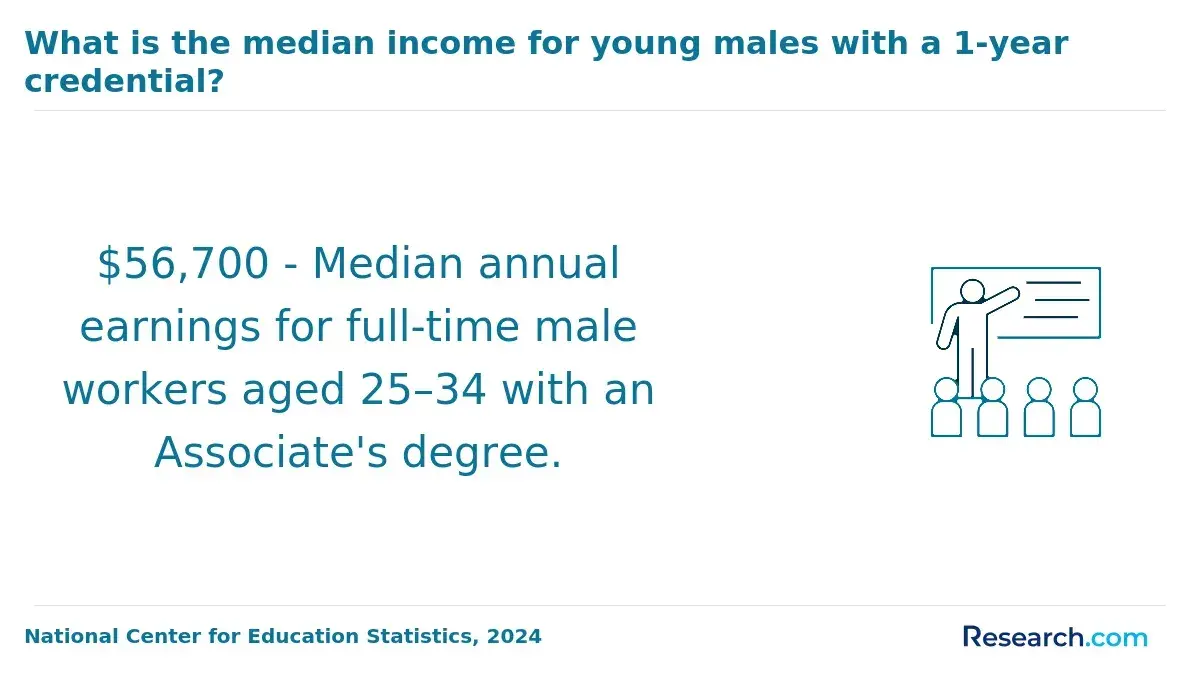
The total cost of an online liberal arts master's degree typically ranges widely depending on institutional type and residency status, with comprehensive tuition expenses hovering between moderate per-credit-hour charges at public universities to significantly higher rates at private nonprofit institutions. While public schools often present lower tuition for in-state students, many have adopted flat-rate tuition models for online learners.
These pricing structures impact affordability and financial predictability for prospective students evaluating the best value in affordable accredited liberal arts master's programs in the United States. Students frequently underestimate several mandatory fees that add to their overall investment. These include administrative and registration fees, which combined can amount to several hundred dollars beyond base tuition.
Technology fees recur each term to support learning platforms and virtual resources, directly affecting those balancing education with job responsibilities. Programs requiring a thesis or capstone typically impose additional charges for supervision or project processing, and some schools add proctoring fees for online exams, which accumulate depending on exam count.
Although rare in fully online liberal arts master's degrees, short-term residency requirements-such as weekend campus visits-introduce travel and lodging costs that complicate budgeting and time management.
- Tuition Range: Public universities generally charge lower per-credit rates than private nonprofits, though flat-rate online tuition is becoming common, narrowing cost differences.
- Residency Impact: In-state rates usually reduce expenses for public university students, but many online programs waive this distinction.
- Additional Fees: Administrative, technology, thesis, proctoring, and occasional residency costs often push total expenses beyond advertised tuition.
- Cost Tradeoff: While private institutions may offer bundled resources, their higher sticker prices can lessen ROI for working professionals.
Deciding between public and private online liberal arts master's degrees involves weighing these costs against career benefits and program offerings. For many career-changers or first-generation graduate students, upfront affordability must be balanced against program quality and employer recognition.
Additionally, understanding such nuances can help maximize return on investment in a competitive job market that increasingly values practical skills alongside credentials. Prospective students in leadership tracks may also explore related advanced options like the online PhD leadership programs, which build on foundational master's study but entail distinct cost structures and workforce outcomes.
What Is the Return on Investment (ROI) of an Online Liberal Arts Master's Degree?
Evaluating the return on investment (ROI) of an online liberal arts master's degree requires balancing the program cost against the expected increase in earnings, with a clear eye on how the credential translates into tangible salary gains. ROI in this context is calculated by subtracting total tuition and fees from the post-degree salary increase, then dividing by the program cost-yielding either a percentage return or a payback period in years.
This measure helps determine whether the financial sacrifice aligns with realistic wage growth in related roles. Data from the Bureau of Labor Statistics and PayScale indicate that professionals in fields frequently associated with liberal arts master's degrees-such as education administration, public relations, and policy analysis-may see median salaries rise from about $50,000 before the degree to around $65,000 or more afterward.
Given program costs typically range between $15,000 and $30,000, the ROI fluctuates notably depending on individual circumstances and market factors.
- Work Experience: Established professionals often convert their degree into higher pay more swiftly, improving the financial payoff compared to entry-level candidates.
- Institutional Prestige: Degrees from respected, accredited schools can lead to stronger employer recognition and better initial salaries.
- Regional Demand: Local labor markets with elevated demand for liberal arts skills yield greater ROI than areas with saturated or limited opportunities.
- Specialization: Targeting niche subjects like digital humanities or strategic communication often enhances employability and compensation.
- Non-Monetary Benefits: Key returns include career flexibility, increased eligibility for promotions, and improved job stability, which extend beyond direct salary impacts.
One graduate recalled hesitating to submit her application to an online liberal arts master's program due to uncertainty over when she would receive financial aid decisions. The program's rolling admissions allowed flexibility but prolonged her decision-making, as she balanced job responsibilities with funding timelines. Ultimately, her acceptance coincided with a strategic promotion opportunity, illustrating how timing and preparedness significantly influence both the tangible and intangible returns of pursuing such a degree.
What Are the Admission Requirements for an Online Liberal Arts Master's Program?
Admission to online liberal arts master's programs often hinges on more than just academic grades, reflecting a need to evaluate diverse applicant backgrounds and professional trajectories. A 3.0 undergraduate GPA on a 4.0 scale is a common baseline, yet many programs adjust this threshold when applicants demonstrate substantial work experience or other compensatory strengths.
For instance, a candidate with a lower GPA but extensive relevant employment might still receive favorable consideration, signaling that admissions frequently weigh practical expertise alongside scholastic records.
- Undergraduate GPA: Typically around 3.0, with some flexibility contingent on supporting credentials or experience.
- Letters of Recommendation: Usually two or three are needed, ideally from professors or supervisors familiar with the applicant's academic or professional abilities.
- Statement of Purpose or Personal Essay: A chance to clarify academic motivations, career objectives, and the rationale for pursuing the degree remotely.
- Resume or CV: Provides evaluators insight into career progress and relevant skills accumulated to date.
- Program-Specific Prerequisites: May include foundational coursework in humanities or social sciences, especially for applicants lacking standard academic backgrounds.
- Standardized Tests: GRE/GMAT requirements are increasingly uncommon as many programs adopt test-optional policies to lower entry barriers.
Applicants whose liberal arts focus overlaps with STEM or quantitative fields should anticipate additional scrutiny of their math or technical proficiency, typically verified through coursework or testing. In a competitive admissions landscape, diversifying applications across reach, match, and safety programs enables candidates to navigate varying institutional priorities and enhance acceptance odds meaningfully.
What Is the Minimum GPA Requirement for a Liberal Arts Master's Program?
The minimum GPA requirement for online liberal arts master's programs significantly impacts admission chances and post-graduate outcomes, particularly for first-generation students and career changers navigating academic and workforce demands. Most accredited programs set a baseline undergraduate GPA between 2.75 and 3.0 to qualify for admission. However, meeting this threshold often only grants eligibility.
Competitive programs tend to admit students with GPAs of 3.2 or higher, reflecting the average of enrolled cohorts. This distinction shapes realistic expectations around acceptance rates and program selectivity. Applicants with GPAs below the threshold may still gain conditional admission, contingent on completing prerequisite coursework or maintaining satisfactory grades in early semesters.
Many programs recognize that undergraduate GPA alone may not fully capture a candidate's potential, allowing waivers through professional experience, portfolios, or standardized test scores. These alternatives underscore the importance of a holistic review process where essays, recommendations, and work history complement academic metrics.
- Minimum GPA Requirement: Most accredited online liberal arts master's programs require applicants to hold at least a 2.75 to 3.0 undergraduate GPA. This range represents the minimum eligibility needed to be considered for admission.
- Competitive GPA: Many programs highlight a higher competitive GPA-often 3.2 or above-which reflects the average GPA of admitted students, especially for more selective institutions.
- GPA Waivers: Some programs offer waivers for the GPA requirement when applicants demonstrate relevant professional experience, submit a compelling portfolio, or present strong standardized test scores. These policies recognize that academic performance alone may not capture a candidate's potential.
- Conditional Admission: Applicants with below-threshold GPAs can sometimes gain provisional admission. They might be required to meet additional criteria, such as completing prerequisite coursework or maintaining a certain GPA in the initial semesters.
- Holistic Review: While GPA is an important metric, admissions committees look beyond numbers. Essays, letters of recommendation, and work experience often weigh heavily, reflecting a broader view of an applicant's readiness and potential success.
This understanding of the minimum GPA requirement for online liberal arts master's programs is particularly important when comparing degree options that balance affordability and career ROI. For those exploring graduate pathways aligned with operational leadership or management, assessing GPA standards alongside outcomes data is critical.
In such cases, programs like an MBA operations management online may offer alternate benchmarks for admission and career relevance. Awareness of typical GPA standards for accredited liberal arts master's degrees in the US allows prospective students to make informed decisions at the intersection of academic readiness and workforce opportunity.
What Financial Aid Options Are Available for Online Liberal Arts Master's Students?
Funding an online liberal arts master's degree often demands strategic navigation through limited grant availability and nuanced loan options, with financial decisions directly impacting long-term debt and career flexibility. Unlike undergraduate education, graduate students seldom qualify for federal grants like Pell, which catches many first-generation applicants off guard.
This reality makes understanding the loan landscape and supplementary funding crucial to balancing educational investment against future income potential.
- Federal Loans: Graduate students rely on Direct Unsubsidized Loans and Graduate PLUS Loans, both accruing interest immediately without subsidized periods. Graduate PLUS Loans require credit checks and may increase borrowing costs, necessitating cautious budgeting to avoid unsustainable debt.
- Institutional Scholarships and Fellowships: Programs often offer merit- or need-based aid targeted at graduate liberal arts students, but availability varies widely. Early engagement with financial aid offices is essential to secure competitive packages before deadlines pass.
- Employer Tuition Reimbursement: Working professionals should verify eligibility criteria tied to job relevance and reimbursement caps, as this aid can materially reduce costs but demands employer cooperation and documentation.
- Graduate Assistantships: Though less common for online students, assistantships involving research or administrative roles can offset tuition through stipends or waivers when accessible.
- External Scholarships: Specialized scholarships from professional associations frequently support underrepresented groups or career-changers, making targeted, disciplined searches critical for improving award chances.
- FAFSA and Student Aid Index: Submitting the FAFSA annually remains vital for accessing federal loans and institutional aid, with the Student Aid Index replacing the Expected Family Contribution to guide need-based assessments.
Maximizing aid involves applying early, thoroughly researching discipline-specific scholarships, proactively negotiating packages, and investigating state-level grants that can supplement federal resources. Missing priority deadlines or neglecting to leverage state programs often leaves financial aid opportunities unrealized, increasing out-of-pocket burdens unnecessarily.
One graduate recounted tension during rolling admissions as delays in receiving institutional scholarship decisions forced a difficult choice between committing early or risking loss of funding. She spent weeks balancing application timing with uncertain aid packages, ultimately negotiating directly with the financial aid office for partial awards-a process that highlighted the importance of proactive communication and flexibility amid opaque deadlines common in online liberal arts programs.
How Long Does It Take to Complete an Online Liberal Arts Master's Degree?
Full-time enrollment in online liberal arts master's programs typically leads to completion within 18 months to 2 years, but the dominant trend is part-time study, which can extend duration to between 2.5 and 4 years. This reflects the real-world tradeoff working professionals face: balancing coursework with employment and personal obligations frequently slows progress, yet it also preserves financial stability and immediate workforce engagement.
Additionally, programs vary widely in structure and pacing, influencing not just how long it takes to graduate but also how employers perceive the degree's rigour and relevance. For career-changers or first-generation graduate students, understanding these nuances is key to choosing an affordable accredited online liberal arts program duration that aligns with their long-term goals.
Data from recent enrollment trends shows that accelerated tracks have gained popularity, with some programs accomplishing what once required multiple years in just 12 months. However, the quicker pace demands significant dedication and may not suit all learners' work-life contexts. Thesis or capstone components, often required, commonly add one or two semesters depending on candidate progress and faculty availability, further complicating timelines.
- Credit Hour Requirements: Most programs require 30 to 45 credit hours, directly shaping total study time based on course loads.
- Course Load Per Semester: Full-time students expedite completion by taking heavier course loads, while part-time enrollments extend duration.
- Transfer Credits: Prior graduate coursework can reduce required credits if accepted, shortening time to degree.
- Program Format: Cohort-based formats adhere to fixed schedules, whereas self-paced options provide flexibility at the cost of timeline uncertainty.
- Accelerated Programs: Some can be completed in as little as 12 months, appealing to motivated students seeking rapid entry into the workforce.
- Thesis or Capstone Requirements: These often add additional semesters depending on student progress and faculty support availability.
The decision on program length also intersects with market perceptions and employer expectations; completing a degree too quickly without demonstrated quality can diminish a graduate's ROI. For working adults balancing priorities, a thoughtful approach to timing helps maximize both affordability and career impact.
Exploring specialized fields within the humanities or social sciences, or related applied areas like those examined in artificial intelligence degree programs, can also alter completion expectations and present distinct employability outcomes. Choosing the best value online liberal arts master's degree completion time means aligning program demands with personal circumstances and professional objectives to avoid costly delays or burnout while preserving academic credibility.
What Specializations or Concentrations Are Available in Online Liberal Arts Master's Programs?
The choice of specializations within online liberal arts master's programs often shapes not only academic experiences but also critical career trajectories and salary prospects. Selecting a concentration is a strategic decision: some programs mandate declaring one at admission, which influences curricula and networking, while others offer a general track with elective flexibility.
For example, an early-career professional targeting nonprofit leadership may prioritize a concentration in philosophy and ethics to strengthen analytical reasoning and moral frameworks, whereas someone aiming for digital media roles might lean toward digital humanities, blending technology with cultural studies. This decision impacts employability because not all concentrations have equal recognition or demand in the labor market.
Common specializations in accredited online liberal arts master's degree specializations include:
- English and Literature: Focuses on critical analysis, writing, and communication skills relevant to publishing, education, and content development.
- History and Cultural Studies: Explores historical contexts and cultural dynamics, useful for research and public history careers.
- Philosophy and Ethics: Develops frameworks for policy-making, law, and nonprofit management roles.
- Sociology and Social Justice: Centers on societal structures and equity, aiming at advocacy and community organization work.
- Creative Writing and Rhetoric: Enhances storytelling and writing proficiency, supporting media and marketing fields.
- Interdisciplinary Studies: Provides customizable curricula across multiple disciplines, ideal for varied professional goals.
- Digital Humanities: Integrates technology with cultural insights, targeting emerging jobs in digital archiving and educational technology.
- Languages and Linguistics: Improves language proficiency and understanding of linguistics, applicable in translation and communication careers.
Prospective students should carefully analyze employer job listings and industry demands tied to their target roles before committing to specific accredited online liberal arts concentration options. Conversations with alumni and advisors can clarify real-world outcomes and return on investment, reducing risks associated with less marketable paths.
Furthermore, understanding the role of rigorous accreditation from regional bodies like WASC or SACSCOC ensures recognition of the degree's academic quality and credibility.
- Accrediting Bodies: Regional accreditors such as WASC and SACSCOC uphold standards that preserve program reputation and transferability.
- Career Outcomes: Employment and salary data contextualize how concentrations translate into labor market relevance.
- Program Flexibility: Some liberal arts programs permit changes or customization of concentrations, accommodating evolving career priorities.
- Employer Expectations: Practical skills and applied experience are often valued more than the concentration title alone, emphasizing experiential learning alongside specialization choice.
For those evaluating interdisciplinary degree options, comparing relevant programs such as GIS degree programs can also highlight how specialized skill sets intersect with liberal arts fields to open specific career pathways.
How Do Online Liberal Arts Master's Programs Compare to On-Campus Programs in Quality and Recognition?
Employer research consistently shows that most hiring managers do not differentiate between online and on-campus liberal arts master's degrees when both come from regionally accredited institutions. This accreditation is the critical factor that ensures equal credential recognition, provided the diploma does not explicitly state "online."
For example, candidates with regionally accredited degrees-whether earned fully online or in person-can compete on a similar footing for positions within education, nonprofit leadership, or policy analysis, sectors where hiring managers prioritize outcomes over modality. Nevertheless, the choice between online and on-campus programs carries practical tradeoffs.
On-campus programs retain advantages in direct networking access, campus recruiting pipelines, and hands-on experiences through labs or practicums, which remain essential in applied liberal arts fields such as museum studies or social work. However, many leading online programs mitigate these gaps by hosting virtual networking events, developing employer partnerships, and requiring hybrid residencies to foster experiential learning.
Prospective students should therefore focus less on delivery mode and more on institutional reputation, graduate employment rates, and alumni career trajectories. Reviewing LinkedIn profiles and salary ranges-often spanning $50,000 to $70,000 annually in midsize markets for liberal arts graduates-provides tangible insight into program ROI. This approach empowers informed decision-making beyond surface-level distinctions.
- Accreditation: Regionally accredited degrees ensure equal employer recognition regardless of online or on-campus status, making institutional credentialing paramount.
- Employer Perceptions: Surveys by SHRM and workforce analysts show hiring managers generally accept online degrees from reputable schools without bias.
- Networking: On-campus access to faculty and peers offers relationship depth, but online programs increasingly cultivate connections through digital platforms and hybrid models.
- Hands-On Experience: Applied disciplines benefit from physical labs or practicums; many online programs supplement with local partnerships or brief campus residencies.
- Program Evaluation: Assess institutional outcomes and alumni employment rather than delivery format to determine long-term career impact and value.
What Graduates Say About the Best Value Online Liberal Arts Master's Degrees
- Callen: "Balancing a full-time job with family commitments, I needed a program that offered genuine flexibility without compromising accreditation. I chose this online liberal arts master's because it allowed me to complete coursework asynchronously over two years. While I didn't land a traditional tenure-track role, the critical thinking skills I gained helped me transition into a strategic communications position with remote options, which suits my lifestyle better than academia."
- Koen: "Initially hesitant about investing time and money in an affordable liberal arts master's, I decided on the program after realizing that many employers in my field prioritize demonstrated skills and portfolio projects over formal licensure. Completing internships embedded within the curriculum gave me practical experience that proved crucial when applying for editorial roles. However, I found that salary growth is capped without additional certifications, so I'm considering supplementary credentials to boost advancement opportunities."
- Owen: "Having pivoted careers midstream, I needed a master's that could quickly equip me with broad-based skills without a huge financial burden. The program's emphasis on cultural literacy and analytical writing expanded my ability to contribute in nonprofit management roles focused on community engagement. Despite significant workload challenges, finishing the degree enabled me to secure a competitive internship that directly led to my current job, though I remain mindful that competing with candidates holding specialized degrees requires ongoing upskilling."
Other Things You Should Know About Liberal Arts Degrees
Graduates from online liberal arts master's programs often enter diverse fields such as education, nonprofit leadership, communications, and public policy, but job placement rates vary widely depending on specialization and network connections. Employers frequently prioritize candidates who demonstrate critical thinking, research skills, and effective communication rather than specific technical expertise. Because liberal arts degrees are broad, graduates must be strategic, supplementing their studies with internships, portfolio work, or certifications to enhance employability. For those evaluating programs, it's crucial to verify alumni outcomes and employer engagement rather than assuming similar returns for all liberal arts paths.
Accreditation for liberal arts master's programs often comes from regional bodies like the Higher Learning Commission or the New England Commission of Higher Education. These organizations ensure the program meets educational standards necessary for a high ROI in 2027.
In 2027, consider program accreditation, faculty expertise, alumni success, and tuition costs. Evaluate technology resources and student support services. Check if any networking opportunities and industry partnerships exist to enhance career prospects. These elements can significantly impact ROI and future success.
References
- Master of Liberal Arts - Wikipedia https://en.wikipedia.org/wiki/Master_of_Liberal_Arts
- Funding Your Online Master’s Degree: How to Pay Less with Financial Aid https://www.onlinemastersdegrees.org/financial-aid/
- BA/MA IN LIBERAL STUDIES https://www.villanova.edu/university/liberal-arts-sciences/programs/liberal-studies/bachelor-master.html
- Does College Pay Off? A Comprehensive Return On Investment Analysis - FREOPP https://freopp.org/whitepapers/does-college-pay-off-a-comprehensive-return-on-investment-analysis/
- Master's Degree - Master of Liberal Arts | St. John’s College https://www.sjc.edu/academic-programs/graduate/masters-liberal-arts
- Master of Arts (M.A.) in Liberal Studies https://www.tesu.edu/degrees-programs/masters/ma-liberal-studies.php
- Average Cost of a Master's Degree: 2025 Analysis https://educationdata.org/average-cost-of-a-masters-degree
- Best Value Liberal Studies Master’s Programs | Non-Profit https://liberalartsedu.org/editors-pick/best-value-liberal-studies-masters-programs/
- The return on investment from a liberal arts degree https://www.luminafoundation.org/resource/roi-of-liberal-arts-colleges/