2027 Best Value Online Public Health Master's Degrees: Affordable Accredited Programs with the Highest ROI

Co-Founder and Chief Data Scientist
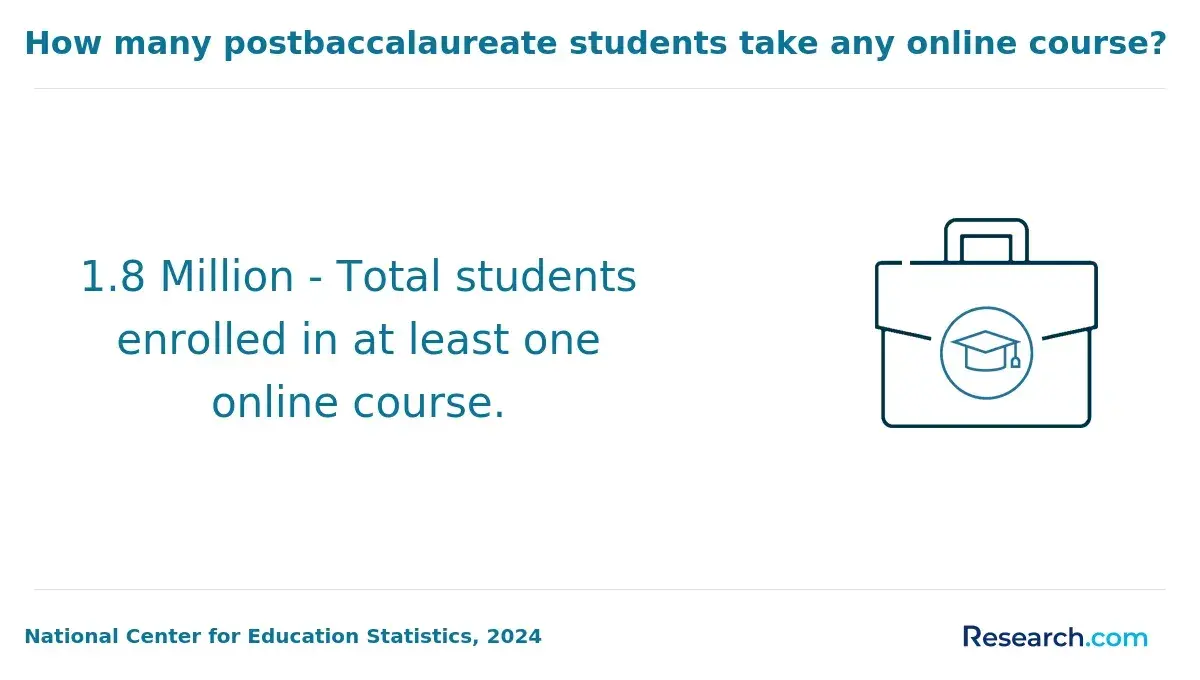
Choosing an online master's in public health demands balancing cost, academic reputation, and return on investment-especially for first-generation students and career-changers. As adult learner enrollment in accredited online programs grew by over 15% in 2023 according to the National Center for Education Statistics, this shift signals greater accessibility but also the need to discern which programs deliver lasting value. Affordability alone can mislead when credentials lack recognition or don't translate to advancement. This article helps navigate that complexity by focusing on programs vetted for accreditation, cost-efficiency, and career impact, providing data-driven guidance before committing to significant time and expense.
Key Things to Know About the Best Value Online Public Health Master's Degrees
- Choosing accredited online public health programs ensures recognized credentials but often limits flexibility, requiring strategic enrollment to balance work, study, and financial constraints for adult learners.
- Employers increasingly value practical experience alongside degrees; programs integrating applied settings enhance workforce readiness yet may extend total program duration and cost.
- With a 15% growth in online graduate enrollment reported by NCES in 2024, cost-effective programs maximize ROI by reducing geographic and scheduling barriers, critical for career changers and underrepresented groups.
What Are the Best Value Online Public Health Master's Programs in the U.S.?
Best value in online public health master's degrees in the United States means selecting programs that optimize the delicate balance between tuition affordability, CEPH accreditation quality, timely graduation rates, and measurable increases in post-degree salaries. This balance matters because working professionals and first-generation students often must weigh immediate financial constraints against longer-term career marketability and employer expectations. For example, a student with limited disposable income might choose a fully asynchronous program at a lower tuition tier to minimize debt while staying on course to meet competitive credential standards demanded by public health agencies. Conversely, another candidate seeking a deeper network and synchronous engagement might accept higher costs for programs with hybrid delivery formats that support real-time cohort interaction and access to federal internships. The wide salary lift variation seen post-graduation underscores the risk of focusing on sticker price alone without considering program outcomes. Below are five accredited programs notable for combining affordability with rigorous curriculum and flexible delivery optimized for working learners, arranged by their tuition range for clear financial prioritization.
- Institution Name: University of Central Florida
- Estimated Total Tuition: $19,000
- Delivery Format: Fully asynchronous online
- Differentiator: Offers accelerated track options that reduce time to degree without sacrificing CEPH accreditation rigor
- Institution Name: Texas A&M University
- Estimated Total Tuition: $24,500
- Delivery Format: Primarily asynchronous with some synchronous seminars
- Differentiator: Strong alumni network in public health agencies supporting career placement
- Institution Name: University of Massachusetts Amherst
- Estimated Total Tuition: $29,000
- Delivery Format: Fully asynchronous online
- Differentiator: Emphasizes applied epidemiology and data analytics with faculty actively engaged in research
- Institution Name: University of North Carolina Wilmington
- Estimated Total Tuition: $31,500
- Delivery Format: Synchronous and asynchronous hybrid
- Differentiator: Integrates community-based participatory research views, appealing to students focused on social determinants of health
- Institution Name: George Washington University
- Estimated Total Tuition: $38,000
- Delivery Format: Mostly synchronous with cohort model
- Differentiator: Benefits from proximity to federal health agencies enhancing internship and employment pathways
- Accreditation Quality: All listed programs hold current CEPH accreditation ensuring curriculum standards and industry acceptance.
- Graduation Rate: Each program reports above 75% graduation within three years, indicating strong student support.
- Post-degree Salary Lift: Median early-career salary increases range from 20% to 35% depending on specialization.
- Tuition Figures: Reflect estimates for the 2023-24 academic year based on IPEDS and institutional data.
- Program Delivery: Formats vary to accommodate working professionals, ranging from fully asynchronous to hybrid synchronous engagement.
Separately, prospective students should consider how program formats align with their personal learning styles and professional demands. Individuals balancing full-time jobs or caregiving responsibilities may value fully asynchronous programs to maintain momentum without sacrificing quality. Those targeting roles in agencies that prize collaborative project experience might prefer programs offering synchronous components and cohort-based learning despite higher tuition. Awareness of these tradeoffs is crucial when comparing affordable accredited online public health master's programs with high ROI potential. For related workforce training in health administration, exploring options such as the cheapest medical billing and coding online courses can also complement core public health expertise and broaden career pathways.
What Accreditations Should an Online Public Health Master's Program Have?
Choosing an online master's program in public health without scrutinizing accreditation can significantly affect a graduate's career trajectory, especially when employers and licensure boards prioritize recognized credentials. For example, credits from institutions lacking regional accreditation often fail to transfer, limiting academic and professional mobility, while the absence of programmatic accreditation may narrow job prospects in specialized public health roles.
Accreditation for these programs operates on two essential levels. The foundational layer is regional institutional accreditation, granted by one of seven recognized agencies such as the Higher Learning Commission (HLC), Southern Association of Colleges and Schools Commission on Colleges (SACSCOC), or Middle States Commission on Higher Education (MSCHE). This form of accreditation confirms that the institution adheres to accepted academic standards, which is critical not only for qualifying for federal financial aid but also for ensuring that credits are transferable and degrees hold weight with employers.
The second tier is programmatic accreditation focused on the discipline itself. In public health, the Council on Education for Public Health (CEPH) is the principal specialized accreditor that validates a program's curriculum meets industry and competency standards essential for both employability and professional certification. Unlike other fields where accreditors like AACSB or ABET control quality benchmarks, CEPH accreditation signals rigor specific to public health education.
Programs accredited solely by national or unrecognized bodies often lack the quality assurance needed to satisfy most employers or graduate schools and may limit eligibility for licensure or certification. Such red flags should prompt caution, since the long-term return on investment may be compromised.
Prospective students should confirm these key points with admissions:
- Regional Accreditation: Does the institution hold valid accreditation from a recognized regional agency?
- Programmatic Accreditation: Is the public health master's program accredited by CEPH or an equivalent recognized body?
- Credit Transferability: What are the policies for transferring credits within and outside the institution?
- Employer Recognition: How is the program perceived by regional employers and in terms of graduate outcomes?
How Much Does an Online Public Health Master's Degree Cost on Average?
An online public health master's degree typically runs a total cost that varies considerably, often ranging from moderately affordable to substantial investment depending on institutional type and residency status. Per-credit-hour tuition provides an initial gauge but understates the cumulative financial commitment when mandatory fees and additional program expenses are factored in. IPEDS data and university disclosures reveal that public universities generally charge less than private or nonprofit counterparts, making comparability of these cost structures essential for students evaluating return on investment amid workforce demands.
- Tuition Range: Public institutions often price per credit hour more economically, especially for in-state students, with total program costs skewing lower than the typically higher and sometimes flat-rate fees common at private or nonprofit universities offering accredited online public health master's programs.
- Residency Differentiation: Many public universities still charge out-of-state online learners at a premium, sometimes nearly doubling tuition, though a growing number have adopted uniform flat rates to simplify budgeting regardless of student location.
- Additional Fees: Tuition is only part of the picture; technology, student services, and library access fees can cumulatively add hundreds or thousands of dollars, impacting students' total expenses noticeably.
- Thesis/Capstone and Proctoring Costs: Programs requiring a thesis or capstone frequently levy extra administrative fees, and online exam proctoring may also involve separate charges, both of which should be budgeted ahead of enrollment decisions.
- Residency Requirements: Though rare, some programs mandate limited campus visits for orientations or practicums, introducing travel and accommodation costs that aren't reflected in published tuition rates.
For first-generation graduate students or career-changers comparing online public health master's degree cost in the United States, public university averages tend to be more affordable but vary widely by region and residency. Private or nonprofit programs can offer streamlined flat pricing but usually at a premium. Being mindful of these nuanced cost components beyond headline tuition, alongside accreditation and curriculum relevance, is critical in selecting a program that aligns with both financial capacity and workforce objectives. Transparent expense analysis supports realistic financial planning and helps avoid unexpected debt loads, particularly for working professionals balancing education with economic responsibilities. Those seeking further financial support should explore available financial aid for medical billing and coding, which can sometimes apply broadly across health-related graduate programs.
What Is the Return on Investment (ROI) of an Online Public Health Master's Degree?
The financial return on an online public health master's degree depends heavily on how salary gains compare to the total cost of the program. Calculated by subtracting the program cost from post-degree salary increases, divided by the investment, ROI highlights whether the degree pays off within a reasonable timeframe-typically expressed as a percentage or payback period in years. For instance, a graduate investing $40,000 who lands a $12,000 annual salary bump afterward achieves a 30% annual ROI or recoups their costs in just over three years.
Data from sources like the Bureau of Labor Statistics reveals that those with a master's in public health frequently reach median salaries between $70,000 and $90,000, contrasting with roughly $45,000 to $60,000 for comparable bachelor's degree holders. However, these figures differ widely based on work experience, program prestige, geographic demand, and field specialization, making universal ROI claims difficult.
- Work Experience: Candidates entering a program with established careers often secure higher ROI by leveraging their expanded qualifications for raises or promotions.
- Institution Prestige: Accreditation status and the reputation of the awarding university impact employer recognition, affecting salary and job placement opportunities.
- Regional Demand: Metropolitan and healthcare-focused areas tend to offer higher salaries and job openings compared to rural markets, influencing ROI significantly.
- Specialization: Concentrations like epidemiology or biostatistics can yield differing returns, with some niches paying a premium over others.
- Non-Monetary ROI: Career flexibility, eligibility for leadership roles, and improved job security supplement financial returns, though these benefits can be harder to quantify.
One graduate recalled navigating rolling admissions during a period of job uncertainty, delaying application submissions until a clearer career direction emerged. The staggered decision notifications added stress, but the extra time allowed careful financial planning and readiness for the program's demands. This measured approach ultimately helped align the degree's timing with a transition to a better-compensated position, underscoring how strategic admissions timing can affect real-world ROI outcomes.
What Are the Admission Requirements for an Online Public Health Master's Program?
Admission requirements for online public health master's programs reflect a balance between academic readiness and practical experience, with meaningful variations that affect candidate competitiveness. While many programs expect an undergraduate GPA around 3.0 on a 4.0 scale, applicants with lower GPAs can sometimes offset this through relevant field experience or strong professional recommendations. For example, a working professional with extensive community health involvement but a marginal GPA might still gain admission by showcasing leadership and expertise in their letters of recommendation.
Letters of recommendation typically come from supervisors or faculty who can attest to the applicant's analytic abilities, leadership skills, and applied knowledge in public health contexts. Alongside this, a well-crafted statement of purpose or personal essay is essential; it should clearly articulate the candidate's motivation and alignment with public health challenges, offering admissions committees insight beyond academic metrics.
Submission of an up-to-date professional resume or CV is standard, often weighted heavily to verify sector experience and demonstrate practical competencies preferred by employers. Although historically GRE or GMAT scores were more commonly required, there is a growing shift toward test-optional policies, reflecting efforts to remove barriers and accommodate diverse applicant backgrounds.
Given public health's technical elements, some programs require evidence of quantitative skills through prior coursework in areas such as epidemiology or biostatistics, or comparable professional experience, which can enable a smoother transition into graduate-level study.
Because admission standards vary widely even among accredited programs, applicants should strategically apply to a mix of reach, match, and safety schools to maximize opportunities and identify the best fit across academic rigor and affordability.
What Is the Minimum GPA Requirement for a Public Health Master's Program?
The minimum GPA requirement for an online public health master's program often reflects more than just a numeric threshold-it signals a program's selectivity and its expectations for academic preparedness. Candidates with undergraduate GPAs between 2.75 and 3.0 typically meet the minimum eligibility for many accredited programs, but this baseline mainly serves as a gatekeeper rather than a predictor of admission success. Many competitive programs set their average admitted student GPA at 3.2 or higher, which better aligns with the academic rigor employers expect from graduates entering public health roles.
For example, a working professional with a 2.8 GPA must weigh the tradeoff between applying to programs offering conditional or provisional admission and pursuing additional coursework or standardized testing to demonstrate readiness. Some programs acknowledge these nuances by offering GPA waivers or substituting professional experience or portfolio work, recognizing that practical competencies can offset academic shortcomings. This flexibility is particularly important for first-generation students and career-changers who bring valuable real-world experience but may not have traditional academic credentials.
- Minimum Eligibility GPA: Most accredited online public health master's programs require an undergraduate GPA between 2.75 and 3.0 to be considered for admission; this minimum represents a floor, not acceptance assurance.
- Competitive GPA: Competitive programs generally expect a GPA of 3.2 or above, reflecting the average academic profile of enrolled students and aligning with workforce hiring expectations.
- GPA Waivers: Many programs allow substitution of portfolio work, professional experience, or standardized test scores for GPA requirements, offering alternative pathways for applicants with lower GPAs.
- Conditional or Provisional Admission: Applicants below minimum GPA may gain conditional acceptance contingent on completing remedial coursework or demonstrating relevant skills.
- Holistic Review Considerations: Admissions committees consider a broad range of factors beyond GPA, including professional background, letters of recommendation, and personal statements.
Understanding the minimum GPA requirements for online public health master's programs is essential, but prospective students should also research other critical elements such as program affordability, accreditation, and career outcomes. For those exploring healthcare management alternatives, reviewing listings of the cheapest online MBA healthcare management programs may provide additional contexts for balancing cost with career trajectory.
What Financial Aid Options Are Available for Online Public Health Master's Students?
Funding an online public health master's degree often requires navigating limited grant options and carefully balancing loans against other aid sources. Unlike undergraduate students, most graduate applicants won't qualify for federal grants like Pell, which can surprise many first-generation learners and increase reliance on borrowed funds with long-term financial consequences. Given this, understanding the aid landscape is essential to minimize debt and align funding strategies with career and personal circumstances.
- Federal Loans: Graduate students may access Direct Unsubsidized Loans and Graduate PLUS Loans through FAFSA. These loans have fixed interest rates and flexible repayment terms but represent significant debt that requires strategic borrowing decisions tied to realistic income expectations post-graduation.
- Institutional Scholarships and Fellowships: Many online public health programs award merit- or need-based scholarships and fellowships, including some linked to research or teaching roles. These are competitive and often require early application.
- Employer Tuition Reimbursement: Professionals employed in healthcare or government sectors should check whether their employer offers tuition assistance, which can substantially reduce out-of-pocket costs but may include stipulations such as continued employment.
- Graduate Assistantships: Though less common for online cohorts, some programs provide assistantships offering tuition remission or stipends in exchange for work, occasionally requiring on-campus visits.
- External Scholarships: Professional associations frequently offer scholarships aimed at underrepresented groups or specific specialties in public health, providing a valuable supplement that can lessen dependency on loans.
- Apply Early: Institutional funds and many scholarships distribute on a first-come, first-served basis, making early action critical.
- Research Discipline-Specific Scholarships: Targeted awards tend to face less competition and better align with public health specializations.
- Negotiate Aid Packages: Where possible, appeal your aid offer with competing program offers or documented financial need.
- Leverage State Grant Programs: Residencies may unlock additional grants or loan forgiveness tied to public health workforce shortages.
One graduate recalls applying late during a rolling admission cycle and facing weeks of uncertainty over financial aid availability. Though institutional scholarships had early deadlines, the delay in official acceptance restricted access to key funding, nearly forcing reliance on higher-interest loans. Ultimately, timely communication with admissions and proactive application to external scholarships mitigated costs but underscored the importance of early and coordinated planning to secure non-loan aid. This experience illustrates how aid timing and strategic preparation often determine affordable outcomes as much as eligibility itself.
How Long Does It Take to Complete an Online Public Health Master's Degree?
The time required to complete an online public health master's degree depends heavily on enrollment status, program design, and student circumstances, with real consequences for workforce re-entry and financial planning. Full-time study generally leads to completion within 18 months to 2 years, enabling quicker transitions to roles demanding graduate credentials. Part-time students, who represent the majority of online learners balancing work and family, often extend their studies to 2.5-4 years, which can delay salary increases and career progression in a competitive labor market where timely credentialing is prized.
- Typical Duration: Full-time students usually finish their online public health master's in 18 months to 2 years, while part-time students-who constitute the majority-often take between 2.5 and 4 years.
- Credit Hour Requirements: Most programs require between 30 and 45 credit hours; the total credits directly influence overall length, especially when balancing course loads with other commitments.
- Course Load: The number of courses taken each semester impacts pace; heavier course loads shorten duration but may increase stress and reduce work-life balance.
- Transfer Credits: Prior graduate-level coursework can reduce time to degree completion if accepted by the institution.
- Program Format: Cohort-based programs follow a fixed schedule that may extend duration, whereas self-paced programs allow flexibility but require strong time-management skills.
- Accelerated Options: Some accredited programs enable completion within 12 months through intensive scheduling and summer sessions, but acceleration does not guarantee superior quality or employer preference.
- Thesis or Capstone: If required, these projects often add one to two semesters depending on student progress and faculty availability.
While faster completion can be attractive, hiring managers in public health typically prioritize accreditation and demonstrated competencies over mere speed. Moreover, many employers in healthcare and government sectors expect comprehensive expertise often developed over more extended study rather than condensed programs. Understanding accreditation frameworks and admission nuances is crucial before pursuing options like accelerated degrees, just as awareness of timing realities supports realistic financial aid planning. The timing patterns for online public health master's degree completion importantly align with broader enrollment trends documented in related fields, such as the increased demand noted in online school psychology programs NASP approved, highlighting how flexible program structures serve working adult learners across disciplines.
What Specializations or Concentrations Are Available in Online Public Health Master's Programs?
Choosing the right specialization within online public health master's degrees directly shapes employability and earning potential, with distinct concentrations funneling graduates into specific sectors. For example, selecting epidemiology positions a student toward research and outbreak response roles, where demand fluctuates with global health events. Conversely, health policy and management specialists are primed for administrative roles in healthcare organizations, often commanding higher salaries due to leadership responsibilities. Recognizing these real-world tradeoffs is essential when assessing affordable accredited public health concentration options online, as some specializations command stronger labor market relevance than others.
Common concentrations across accredited online programs include: epidemiology, which focuses on disease patterns and control; health policy and management, emphasizing healthcare systems and leadership; environmental health, addressing environmental impacts on communities; global health, targeting international health challenges; biostatistics, centered on data analysis and public health research; community health education, emphasizing disease prevention through outreach; infectious disease, specializing in managing contagions; and health informatics, combining IT with health data systems to improve patient outcomes.
While some programs require an early declaration of concentration, others allow flexible electives without a set specialization. Prospective students should research job postings in their intended fields, noting which concentrations employers frequently require. Engaging with alumni and program advisors offers insight into how well particular specializations align with career objectives. Not all concentrations hold equal weight in the job market, so this due diligence is critical.
- Accrediting Bodies: Council on Education for Public Health (CEPH) certification ensures program quality and wider employer recognition.
- Career Impact: Specialization choices influence job titles, salary ranges, and geographic mobility.
- Admissions: Programs vary between generalist tracks with electives and those mandating upfront concentration selection.
Those balancing healthcare education with other goals might consider related fields by exploring how to become a drug counselor online, which may complement or serve as alternative pathways depending on career focus.
How Do Online Public Health Master's Programs Compare to On-Campus Programs in Quality and Recognition?
Employer surveys, including those by SHRM, consistently show that most hiring managers do not differentiate between online and on-campus public health master's degrees when earned from the same accredited institution. This reality places accreditation at the center of credential value: a regionally accredited program maintains equivalent recognition across delivery modes, provided the diploma does not explicitly label the degree as "online," which depends on university policy. For example, a working professional applying to state health departments or nonprofit agencies will find that their online degree holds similar weight as an on-campus one if both are from accredited schools.
That said, on-campus programs often retain practical advantages that can affect career paths in applied public health roles. These include direct access to campus networking events, recruiting pipelines with local employers, and hands-on lab or practicum experiences. In contrast, many online programs have responded with virtual networking events, employer partnerships that facilitate hiring, and hybrid residencies to simulate in-person engagement. Students should carefully evaluate program-specific employment outcomes-often observable via platforms like LinkedIn-rather than assuming modality alone determines career impact.
- Accreditation: The primary determinant of academic legitimacy and employer acceptance; regional accreditation equalizes degrees regardless of delivery.
- Employer Perceptions: Surveys indicate most hiring managers prioritize the institution's reputation over degree modality in hiring decisions.
- Networking Opportunities: On-campus offers face-to-face connections; online programs increasingly use digital platforms and occasional residencies to compensate.
- Practicum and Labs: Hands-on experiences are more accessible on campus, but some online programs arrange local placements and intensive residencies.
- Outcome Transparency: Reviewing alumni career progress through LinkedIn profiles provides concrete evidence of a program's workforce relevance.
What Graduates Say About the Best Value Online Public Health Master's Degrees
- Azai: "Balancing a full-time job with coursework was my biggest challenge, so I chose an affordable accredited public health program that offered evening and weekend classes. This flexibility allowed me to complete my master's while gaining practical experience through a virtual internship. Although employers in my region prioritizing hands-on portfolio projects made the learning curve steep, the program ultimately helped me land a remote analyst role faster than I expected."
- Russell: "I was hesitant about switching careers due to financial constraints, but the ROI of this affordable public health master's made it a calculated risk. While the program lacked direct licensure pathways, the exposure to community health projects and certifications gave me an edge in securing a position at a nonprofit. I realized some advancement limitations exist without further credentials, but the job's flexibility and relevance to my interests made it worth the trade-off."
- Christian: "Managing family commitments forced me to choose a highly affordable and fully online public health program with a strong internship component. Navigating the job market, I found that employers favored candidates with demonstrated field experience over just academic credentials, which made completing the internship critical. Despite some difficulty competing for epidemiologist roles without licensure, the master's expanded my skills enough to pivot into a related biostatistics position with a stable salary increase."
Other Things You Should Know About Public Health Degrees
When evaluating the ROI of an online public health master's degree in 2027, consider tuition costs, accreditation status, potential salary increases, and career advancement opportunities post-graduation. Additionally, weigh the program's flexibility in balancing work and study, and the network and resources it provides for your professional growth.
Beyond tuition, students need to account for fees like technology access, software licenses, and sometimes proctored exam charges, which can add several hundred to over a thousand dollars per year. These costs often remain unlisted until enrollment, impacting the program's true affordability. Candidates should request a detailed fee breakdown upfront and compare total cost of attendance, not just sticker tuition, to avoid unexpected financial strain.
Employer reimbursement programs vary widely and often require degree alignment with job responsibilities, documented progress, and grade minimums; not all public health degrees qualify. Working students must verify eligibility early and understand the documentation burden and reimbursement timelines to avoid gaps in funding. Prioritizing programs with transparent employer partnerships or flexible payment terms can reduce financial risk.
The expected completion time for a top ROI online public health master's degree in 2027 is typically 18 to 24 months. This duration depends on the program structure and the number of credits required, usually ranging from 42 to 48 credit hours.
References
- Online Master’s in Public Health (MPH) https://www.chamberlain.edu/academics/online-health-professions-college/master-of-public-health
- Master of Public Health (Online) https://www.imperial.ac.uk/study/courses/postgraduate-taught/mph-online/
- Master of Public Health https://online.une.edu/public-health/master/
- Financial Aid Guide https://www.publichealth.org/resources/financial-aid/
- 20 Best MPH Programs in California - MPH Online https://www.mphonline.org/mph-programs-in-california/
- MPH https://www.publichealthdegrees.org/program/masters/mph/
- Is Grad School Worth It? A Comprehensive Return on Investment Analysis - FREOPP https://freopp.org/whitepapers/is-grad-school-worth-it-a-comprehensive-return-on-investment-analysis/
- What Are Some of the Areas of Specialization Available When Pursuing a Master of Public Health Degree? - Healthcare Management Degree Guide https://www.healthcare-management-degree.net/faq/what-are-some-of-the-areas-of-specialization-available-when-pursuing-a-master-of-public-health-degree/
- 2025 Most Affordable Online MPH Programs https://www.onlineu.com/most-affordable-colleges/public-health-masters-degrees
- Public Health - Future graduate students https://grad.usask.ca/programs/public-health.php