2027 Application Deadlines for Online Secondary Education Master's Programs: Fall, Spring & Rolling Admissions

Co-Founder and Chief Data Scientist
Facing a missed priority deadline for a fall cohort in an online secondary education master's program, a working professional must decide whether to wait for spring intake or pursue rolling admissions-each path influencing transfer credit timelines, course sequencing, and potential job transitions. In 2024, nearly 40% of applicants to such programs opt for spring or rolling admissions, reflecting shifting demand outside traditional academic cycles.
This trend signals growing flexibility but also introduces uncertainty around cohort availability and advising support, complicating enrollment planning. Understanding the nuances of fall, spring, and rolling admissions deadlines helps applicants align academic progress with career goals and avoid costly delays.
Key Things to Know About Application Deadlines for Online Secondary Education Master's Programs
- Fall and spring deadlines vary markedly across institutions, so aligning application timing with cohort capacity is essential; missed priority deadlines can delay enrollment and reduce access to funded positions, impacting career trajectory.
- Rolling admissions often shorten decision turnaround but can create unpredictable wait times, complicating employer expectations for credential completion and delaying eligibility for teaching roles.
- Late document submissions in fixed cycle programs risk financial aid lapses and registration bottlenecks, translating to higher upfront costs and limited course options, affecting overall program affordability and pacing.
What are the Typical Application Deadlines for Online Secondary Education Master's Programs?
Fall application deadlines for online secondary education master's programs are typically the most structured and competitive, often featuring both priority and final cutoff dates between December and early March. Applicants who meet early deadlines generally benefit from improved access to financial aid and preferred course registration options, which can be decisive for those balancing employment or licensure requirements.
In contrast, missing these priority cutoffs may limit both funding opportunities and class availability, requiring students to weigh the tradeoff between urgency and preparedness when submitting complete materials such as transcripts and letters of recommendation.
Spring deadlines, while less common and usually set from mid-July through October, offer a narrower window but can be advantageous for students seeking a shorter wait before enrollment. Many online secondary education programs complement traditional admissions cycles with rolling admissions to enhance flexibility, but this model demands early application submissions to avoid cohort closures.
The National Center for Education Statistics highlights that approximately 35% of graduate education programs utilize rolling admissions, underscoring the balance between accessibility and institutional capacity. Prospective students comparing fall and spring admission timelines should consider these critical differences in timing and competitiveness to optimize enrollment readiness and funding strategies relevant to their educational and career goals.
Variations in application deadlines across online secondary education master's programs affect not only admission competitiveness but also downstream elements like financial aid disbursement and onboarding logistics, which in turn influence students' capacity to begin coursework promptly. Delays in receiving or submitting standardized test scores and recommendation letters can prolong decision timelines, complicating registration and course sequencing.
Strategic planning around deadlines improves a candidate's chance of securing a smooth start, especially important given the demanding schedules many candidates maintain. For those exploring interdisciplinary opportunities, reviewing current offerings such as the AI online degree may also inform timing and program alignment considerations amid evolving educational demands.
When are the Fall Admission Deadlines for Online Secondary Education Master's Programs?
Fall admission deadlines for online secondary education master's programs typically span from early spring through midsummer, reflecting institutional priorities around cohort size limits, financial aid cycles, and curricular logistics. About 65% of programs set priority deadlines in April or May, as reported by the Council of Graduate Schools 2024, which influences when applicants should submit to access scholarships and preferred course registration.
Missing priority deadlines can mean waiting until final cutoffs in June or July, risking limited availability and delayed financial aid, especially in programs that do not offer rolling admissions. Students navigating these timelines must balance early application benefits with ensuring all prerequisites, recommendation letters, or test scores are complete, since incomplete materials may delay review despite meeting deadlines.
The variation in deadline strategies reflects how programs handle demand and teaching readiness. Fixed-deadline programs with strict cutoff dates often close applications well before fall to finalize cohorts, which grants smoother onboarding but restricts late applicants. Conversely, rolling admissions allow ongoing submissions, offering flexibility but often at the cost of reduced class options and delayed financial aid processing that can impact term start readiness.
Understanding these tradeoffs matters when comparing programs with multiple start dates or tiered deadlines, as applying early often correlates with stronger admission chances and timely registration, whereas procrastination can disrupt alignment with employment cycles and licensure timelines.
One graduate recalled applying to an online secondary education master's program with a priority deadline in mid-April but waited until early June to submit the final application after completing a prerequisite course. They noted the uncertainty of space availability at the later deadline and missed early financial aid opportunities, resulting in a stressful wait for admission confirmation.
Although the school accepted their materials under rolling admissions, the delay restricted their course choices for the fall term, reinforcing the importance of early planning and submitting a complete application promptly to avoid diminished flexibility and increased enrollment hurdles.
When are the Spring Admission Deadlines for Online Secondary Education Master's Programs?
Spring admission deadlines for online secondary education master's programs typically vary between early October and mid-December, with many institutions setting priority deadlines in October or November to manage application volume and financial aid distribution effectively. These priority cutoffs often grant applicants earlier notifications and better access to limited funding, which can be decisive for prospective students juggling work commitments or awaiting financial clarity.
Programs may also offer final deadlines closer to the spring semester start, but applying later risks limited cohort availability and compressed processing times, potentially delaying enrollment or scholarship opportunities.
Some schools adopt rolling admissions for spring, allowing submissions near the term's onset but introducing uncertainty around seat availability and financial aid timing. This is critical for applicants balancing career transitions or deferred enrollment, as late application may constrain their ability to secure timely funding or a preferred start date.
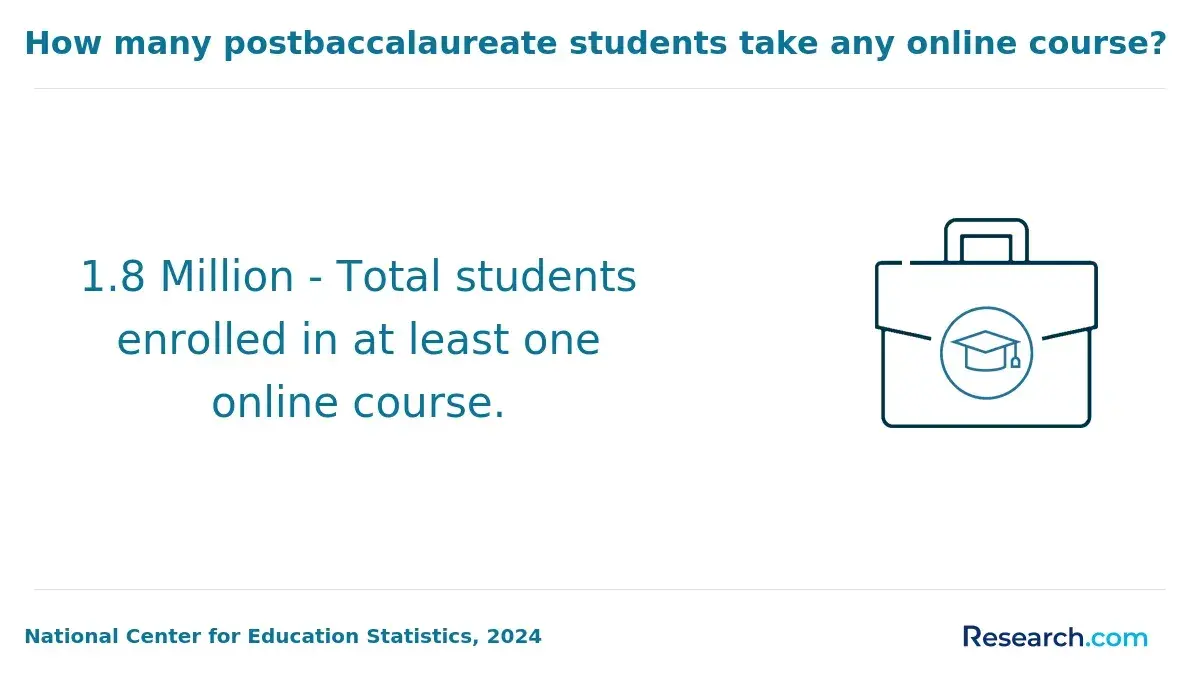
According to the National Center for Education Statistics 2024 report, about 40% of graduate education students enroll in spring semesters, underscoring the importance of understanding these timeline nuances. Document submission requirements-such as official transcripts and recommendation letters-must align precisely with deadlines to avoid deferrals, further complicating last-minute applications.
Which Online Secondary Education Master's Programs Offer Rolling Admissions?
Programs offering rolling admissions for online secondary education master's degrees typically communicate this flexibility through multiple start dates and continuous application reviews visible within their admissions portals. For example, institutions like Arizona State University and the University of Colorado Denver often provide fall, spring, and sometimes summer term enrollments, accommodating candidates who must align education plans with employment or licensure timelines.
However, prospective students should assess how rolling admissions interact with program specifics such as concentration availability, clinical placements, and state accreditation requirements, as these factors may restrict when and how cohorts form. Priority deadlines are frequently used to balance the flow of applicants, meaning early submission can improve access to courses and financial aid, while waiting risks reduced options or delayed practicum scheduling.
Identifying rolling admissions requires more than spotting open deadlines; it involves analyzing program calendars and admissions office language to understand the extent of enrollment flexibility. Working professionals often benefit from programs structured to review applications as received, but a 2024 report from the National Center for Education Statistics indicates nearly 60% of master's students still prefer fixed academic calendars for cohort cohesion and networking opportunities.
When evaluating these options, students planning practical timelines should also consider the sequencing of practicum experiences and enrollment capacity, which may limit late admissions. For applicants comparing degree affordability, resources such as the cheapest MLIS degree online listings offer insights into cost-effective online graduate options that sometimes mirror secondary education's admissions flexibility.
How Far in Advance Should You Apply to an Online Secondary Education Master's Program?
Strategic timing in applying to online secondary education master's programs significantly impacts admission outcomes and enrollment efficiency. Programs with fixed fall or spring cohorts require applicants to start gathering transcripts, securing recommendations, and submitting financial aid documents months in advance, often four to six months prior to the term start. This timeline reflects operational realities: institutions typically set deadlines several months before classes begin to finalize enrollment and funding.
Rolling admissions add flexibility but introduce uncertainty, as delayed applications can lead to limited seat availability or forced deferrals, especially in popular specializations or regions with high demand. According to a 2024 survey by the National Association for Graduate Admissions Management, nearly 72% of education graduate programs advise applicants to complete submissions at least four months before the start date to navigate administrative and financial aid processes reliably.
Choosing between fall, spring, or rolling admissions cycles involves weighing tradeoffs between competition intensity, decision turnaround, and financial aid accessibility. Fall admissions often offer more scholarship opportunities but intense competition and earlier deadlines, while spring applicants may benefit from faster responses but face reduced funding options.
Those balancing employment, family obligations, or military service must incorporate extra lead time for document collection and application completion to avoid compromising enrollment timing or course registration choices. Moreover, late or rushed submissions risk missing prerequisite verifications or onboarding sessions, which can delay access to required coursework and reduce program flexibility.
One part-time student recounted applying during a fall cycle, submitting transcripts and letters by late September despite the official deadline being December. Work demands and coordinating recommendation letters caused delays, prompting concern about eligibility for priority funding. Ultimately, the student chose to finalize application materials early enough to qualify for financial aid review, allowing enrollment by January.
This experience highlighted that navigating enrollment requires balancing personal schedules with strict institutional timelines, where early but realistic preparation mitigates the risk of last-minute obstacles or deferred starts.
What Application Materials Must Be Submitted Before Online Secondary Education Master's Program Deadlines?
Success in meeting application deadlines for online secondary education master's programs hinges on mastering the logistical realities of document preparation and submission timelines. Official transcripts, often coming from multiple post-secondary institutions, present a critical bottleneck since mailing delays and institutional processing times can extend several weeks.
Applicants juggling work or concurrent applications must request transcripts early to ensure these foundational documents arrive before strict cutoff dates, as late or missing transcripts can halt completeness reviews and postpone admission decisions, directly impacting enrollment timing and financial aid eligibility.
Recommendation letters and personal statements further complicate timing considerations; these materials require coordination with third parties whose delays often jeopardize application completeness. Programs generally prefer two or three letters that attest to an applicant's teaching aptitude and scholarly readiness, and the quality and timeliness of these references significantly influence admissions outcomes.
Candidates should also confirm whether test scores like the GRE are required or waived based on prior experience, since waiting for standardized test appointments or score reports can introduce additional delays. This layered document submission timeline is typical of online secondary education master's programs, making strategic planning essential for navigating fall, spring, or rolling admissions windows. Balancing these steps alongside professional responsibilities is central to success in securing offers and beginning coursework on schedule.
Supplemental materials such as proof of valid teaching certification provide a further hurdle, especially as delayed verification can defer state licensure or endorsement renewals, affecting employability immediately post-graduation. Considering that many applicants to these programs rely on prior degrees or credentials earned under different timelines, a well-structured submission strategy is critical.
Prospective students should also explore related pathways and time management approaches-as seen in fields like the online sports management degree-which face similar challenges coordinating multiple application components across institutions and deadlines.
What Are Priority Deadlines for Online Secondary Education Master's Programs and Why Do They Matter?
Priority application deadlines in online secondary education master's programs typically mark the cutoff for early review and structured admissions decisions, shaping the enrollment pipeline well before the final deadline. Programs often admit a majority of their students-over 60% according to the National Center for Education Statistics 2024 report, during this phase, impacting the availability of spots and timing of admission notifications.
Applicants submitting by these deadlines gain earlier access to course registration and may be better positioned for scholarship and financial aid opportunities often tied to early submission, though meeting a priority deadline does not guarantee acceptance or funding.
For working professionals or those with military or family responsibilities, priority deadlines provide a critical benchmark for planning, allowing more predictable enrollment timelines without last-minute pressure. Missing these deadlines can result in fewer available seats and diminished financial aid options since programs often allocate resources and forecast cohort sizes based on early applicant pools.
However, applications received after priority deadlines remain eligible for consideration, albeit under tighter capacity constraints that can reduce flexibility and choice in scheduling or cohort integration.
Institutions use priority deadlines to balance cohort sizes and optimize instructional quality, which directly affects student experience through class dynamics and faculty interaction. This structured admissions cycle contrasts with rolling admissions by concentrating review efforts, which can benefit applicants who align their submissions accordingly.
Ultimately, understanding these deadlines is a practical matter of managing tradeoffs between timing, resource availability, and personal circumstances rather than a simple advantage guaranteeing admission or funding.
What Should International Students Know About Online Secondary Education Master's Program Application Deadlines?
International applicants to online Secondary Education master's programs face complex timing challenges that extend well beyond standard application deadlines. The integral process of transcript evaluation can vary widely depending on country-specific credential systems, often delaying verification for weeks after submission. Coupled with English proficiency requirements-such as IELTS or TOEFL scores-this can push an applicant's readiness timeline past typical fall or spring deadlines, complicating decisions around whether to apply early or wait for a rolling admission cycle, which itself is not always a viable option due to program capacity limits and cutoffs.
These logistical factors directly impact enrollment outcomes, as delayed admission letters stall visa application and travel preparation-a bottleneck international students must anticipate. According to NAFSA: Association of International Educators 2024 data, securing credential approval, language certification, and consent for visa issuance often demands 60 to 90 days from the point of full application submission.
Missing priority deadlines, especially those tied to scholarship eligibility or selective course sections, can extend completion timelines, hindering program sequencing and future employment transitions in Secondary Education roles where timing often aligns closely with school hiring cycles.
The practical consequence for international students is clear: they must integrate their unique document processing delays and intercontinental coordination into early application strategies. This approach minimizes the risk of losing critical enrollment windows or funding opportunities and aligns better with workforce entry realities in education sectors.
Institutions' varying deadline rigidities and timeline transparency influence how effectively these candidates can plan, underscoring the importance of proactive, context-specific application timing rather than reliance on rolling admissions flexibility alone.
Can You Apply to an Online Secondary Education Master's Program After the Deadline Has Passed?
Applying to an online secondary education master's program after the official deadline has passed poses significant challenges, but admission remains feasible under certain conditions. Institutional policies vary widely, reflecting cohort size limits, resource availability, and program demand. Many programs adhere to firm deadlines due to structured course sequencing and accreditation requirements, limiting flexibility for late applicants.
However, about 30% of graduate programs in education use rolling admissions models, as noted in a 2024 enrollment management report by the National Association for College Admission Counseling, providing some leeway for those who missed traditional deadlines.
Some universities accommodate late applicants through waitlists or deferred enrollment options, contingent on available openings or future term schedules. These alternatives, however, may delay graduation and reduce course selection flexibility-factors critical for students aiming to meet licensure or certification deadlines tied to state teaching requirements.
Prospective students exploring online secondary education master's programs late application options should thoroughly assess how timing impacts not only academic progression but also financial aid access and career momentum. Employers typically prioritize timely credentialing and relevant experience over delayed program completion, influencing long-term employability.
For candidates balancing late applications, the pragmatic approach involves confirming rolling admissions availability, understanding waitlist and deferral policies, and clarifying licensure timing implications. Additionally, examining related offerings such as a graphic design bachelor degree may broaden career flexibility or provide alternative remote work options. Strategic planning around these constraints supports informed decisions about pursuing secondary education credentials beyond standard deadlines.
How Do Application Deadlines Differ Among Online Secondary Education Master's Programs?
Application deadlines for online secondary education master's programs reflect distinct institutional approaches shaped by cohort-based enrollment models and capacity constraints. Programs with locked cohort groups often impose firm deadlines months ahead of fall or spring term starts to synchronize coursework and practicum placements without disruption.
This rigid structure impacts students' preparation timelines, requiring early application submission to secure limited seats and align with financial aid cycles, especially when balancing work and personal commitments. Conversely, programs employing rolling admissions provide more flexibility but may fill seats quickly, reducing options for late applicants and complicating enrollment planning.
Many students comparing online secondary education master's program application timelines find that fall start deadlines typically fall between February and June, while spring deadlines occur as late as November. This staggered schedule necessitates strategic application planning, especially for those evaluating multiple institutions with different deadlines and admission processes.
According to the National Association for College Admission Counseling's 2024 report, fewer than 20% of master's level programs formally accept late applications, underscoring the risks of missing priority windows. Understanding these admissions nuances can prevent delays in graduation timelines and help manage expectations around potential waitlists or deferred enrollment.
Prospective students must weigh the tradeoffs between immediate enrollment opportunities offered by rolling admissions and the structured, cohort-based timing of traditional cycles with fixed deadlines. Such decisions influence financial aid eligibility and the capacity to engage fully in program schedules aligned with professional objectives.
Those exploring options may also consider reviewing resources on top online MPA programs for insight into comparable degree structures. Navigating these variables carefully can optimize outcomes for career transitions in education settings under evolving workforce demands.
What Do Graduates Say About Navigating Online Secondary Education Master's Program Application Deadlines?
- Jase: "Applying to the online secondary education master's program was a calculated move for me. I focused heavily on timing my application so I could finish just before the local district started prioritizing candidates with strong portfolios and internship experience. While licensure opened doors, I quickly learned that districts were increasingly looking for hands-on proof of classroom success and the ability to adapt to remote learning environments."
- Kyro: "When I decided to pursue the master's program, I made sure to align my application with the semester that offered the most flexible remote options. This allowed me to gain practical teaching experience simultaneously, which proved essential because many employers valued my ability to manage blended classrooms over just having my degree. The application deadlines felt stringent, but ultimately, the opportunity to earn while I learned gave me a faster entry into the workforce."
- Aaron: "I was cautious about the application deadlines because I knew the competition was fierce, especially for roles requiring a licensed secondary education background. After graduating, I found my salary growth was limited without additional certifications, so I balanced my job search between direct teaching positions and educational support roles. The program's structure helped me pivot toward curriculum development after realizing workplace realities often favored experience and specialized skills over just holding a master's degree."
Other Things You Should Know About Secondary Education Degrees
Programs with earlier or fixed deadlines often require you to commit months in advance, limiting your flexibility to adapt to work or personal scheduling changes. Conversely, programs with rolling admissions can offer more flexibility but might compress your preparation timeline for coursework and licensure exams. Prioritizing programs with admission cycles that align with your work calendar and personal responsibilities helps ensure you enter the program ready to manage the often intensive workload of online secondary education master's studies without excessive stress or burnout.
Rolling admissions can expedite enrollment, enabling you to start your degree faster, which is advantageous if you want to pivot careers or secure a teaching license swiftly. However, these programs sometimes have limited seats each cycle, potentially impacting course availability or cohort cohesion. If your priority is rapid entry coupled with access to robust program resources and networking, fixed enrollment cycles-with their structured academic calendars-may actually better support outcomes despite longer wait times.
Funding opportunities, including scholarships and employer tuition reimbursement, often follow strict deadlines that may not align with program admission dates. Failing to match your application timeline with these financial deadlines can mean losing access to critical funding, making programs less affordable. When evaluating deadlines, prioritize how they correspond with your financial aid options and employer reimbursement policies to avoid unexpected out-of-pocket costs or delays in starting your program.
For a fall 2027 start, it's advisable to apply as early as possible, ideally several months before the deadline. Early applications can increase the chance of acceptance, offer ample time to address any issues, and enhance eligibility for scholarships or funding.
References
- Differences between application deadlines in the USA https://fivelands-education.com/en/differences-between-application-deadlines-in-the-usa/
- Online Master’s Programs with Rolling Admissions 2025 https://mastergradschools.com/master-admissions/online-masters-programs-rolling-admissions
- Apply to a Master’s Program at CEU https://www.ceu.edu/admissions/master
- What You Need To Know About Scholarships For International Master’s Degrees (And Where To Ask About Them) https://edu.srtfairs.com/how-to-apply-for-a-masters-in-europe-what-to-clarify-before-you-apply/
- Apply for Admission https://www.brandeis.edu/online/admissions-aid/admissions.html
- How To Apply - Master of Education in Educational Studies - Blended and Online Cohorts https://www.ualberta.ca/en/education/professional-learning/masters/direct-entry/master-of-education-in-educational-studies/how-to-apply.html
- Grad School Application Deadlines https://www.collegeessayguy.com/blog/grad-school-application-deadlines
- Master's Programs in Poland: Complete Intake Guide https://qogentglobal.com/blog/masters-programs-poland-intake-deadlines-guide
- Grad School Deadlines: When You Need to Apply • PrepScholar GRE https://www.prepscholar.com/gre/blog/grad-school-application-deadlines/